
Tawharanui Regional Park snorkeling offers a pristine marine reserve experience located on the Tawharanui Peninsula. Snorkelers can explore rocky reefs at Anchor Bay teeming with large snapper, eagle rays, and crayfish. Unlike crowded alternatives, this protected sanctuary provides crystal-clear visibility and diverse underwater topography suitable for beginners and advanced divers alike.
Located just an hour and twenty minutes north of Auckland, Tawharanui Regional Park represents one of New Zealand’s most successful conservation stories. While many flock to the nearby Goat Island Marine Reserve, savvy locals and marine enthusiasts know that the Tawharanui Regional Park snorkeling experience is often superior due to fewer crowds and equally vibrant marine biodiversity. This guide serves as your comprehensive detour plan for exploring the underwater wonders and terrestrial treasures of this open sanctuary.
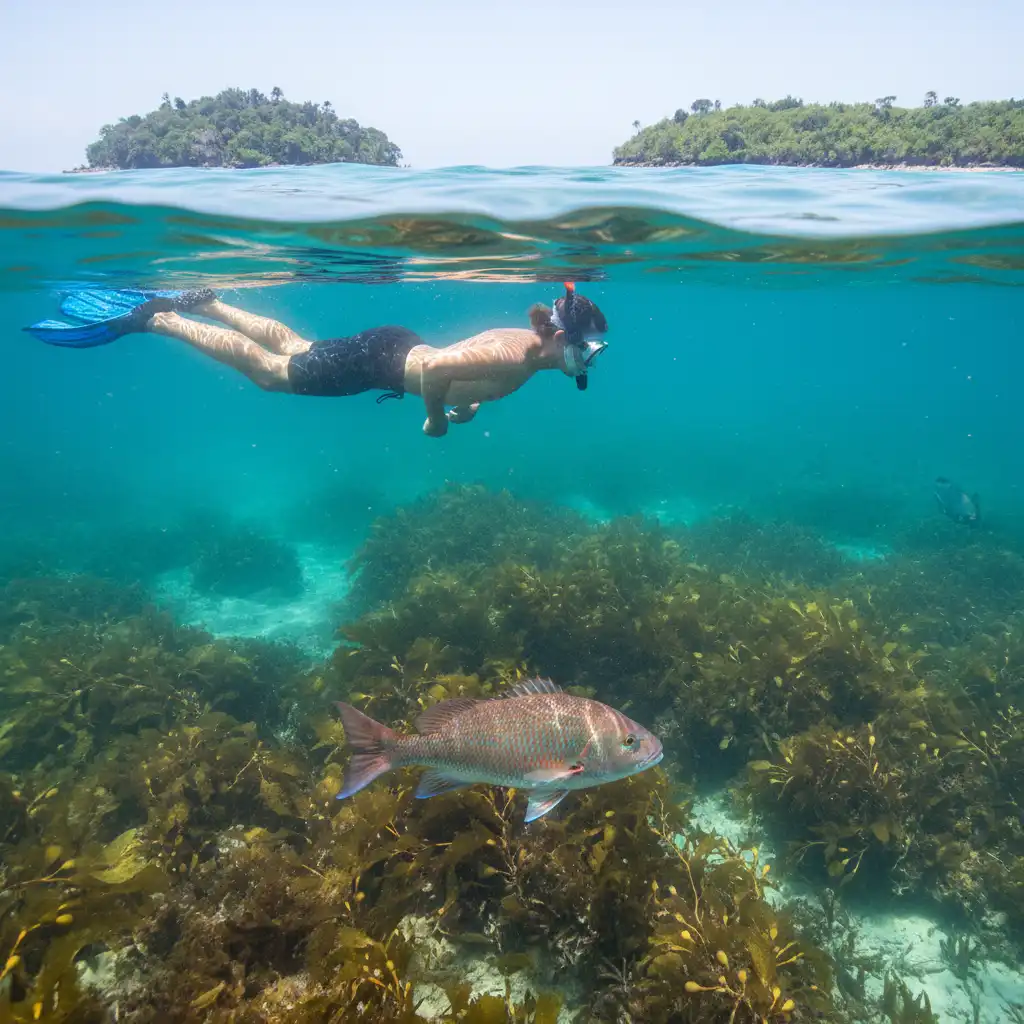
What makes the Tawharanui Marine Reserve unique?
Established in 1981, the Tawharanui Marine Reserve covers approximately 400 hectares of the northern coastline of the peninsula. Because fishing has been banned here for decades, the marine life has returned to a state of abundance rarely seen on the unprotected coast.
The primary snorkeling zone is centered around Anchor Bay. Here, the underwater topography is a mix of sandy bottoms, rocky reefs, and dense kelp forests. This variety creates habitats for a wide range of species. The depth ranges from shallow rock pools accessible to children, to deeper reef systems (8-15 meters) that appeal to freedivers and scuba enthusiasts.
Key Underwater Features
- The Gemstone Bay Connection: While Anchor Bay is the main beach, the rocky outcrops extending toward the headlands offer crevices where lobsters (crayfish) hide.
- Kelp Forests: The Ecklonia radiata (common kelp) forests act as a nursery for juvenile fish and provide a dramatic backdrop for underwater photography.
- Visibility: On calm days with offshore winds (South/Southwest), visibility can exceed 15 meters, rivaling New Zealand’s offshore islands.
Crowd Comparison: Tawharanui vs. Goat Island
When planning a marine detour north of Auckland, the most common comparison is between Tawharanui and the Cape Rodney-Okakari Point Marine Reserve (Goat Island). Understanding the crowd dynamics is crucial for a relaxed experience.
Goat Island (Leigh)
Goat Island is the most famous marine reserve in New Zealand. Consequently, it suffers from “over-tourism” during peak summer months. Parking can be impossible after 9:00 AM, the beach is predominantly rocky (shingle), and the water can become crowded with hundreds of swimmers, making it difficult to snorkel without bumping into others.
Tawharanui Regional Park
In contrast, Tawharanui Regional Park snorkeling offers a sense of seclusion. While it is popular, the sheer size of the beach at Anchor Bay allows visitors to spread out. The park is situated at the end of a long gravel road, which acts as a natural filter, deterring casual tourists who prefer paved access.
The Verdict: If you want commercial amenities and glass-bottom boats, choose Goat Island. If you want a pristine, nature-first experience with white sand and personal space, the detour to Tawharanui is significantly better.
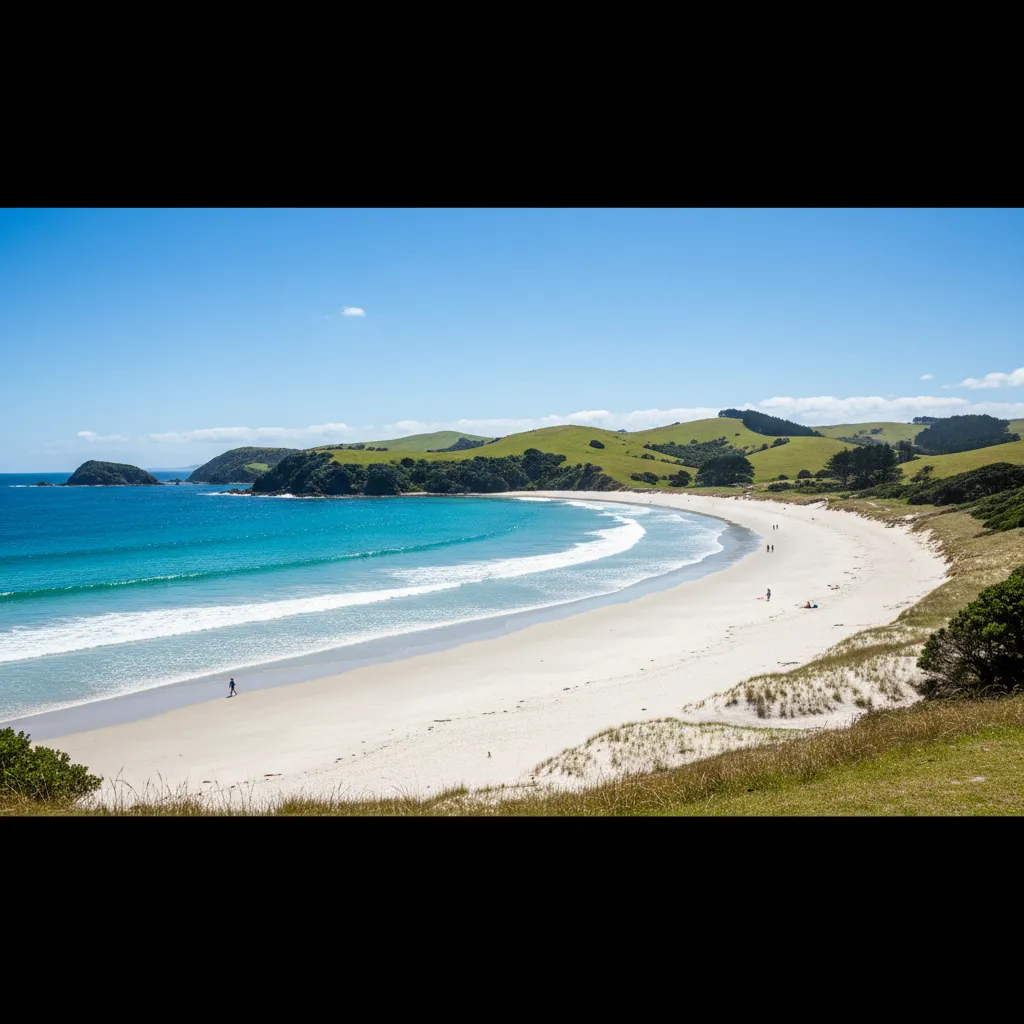
Beach Quality and Surf Conditions
Unlike many snorkeling spots that are rocky and uncomfortable for sunbathing, Tawharanui boasts some of the finest white sand beaches in the Auckland region. This makes it an ideal location for mixed groups where some members may want to snorkel while others relax on the shore.
Snorkeling vs. Surfing: Timing is Everything
Tawharanui is unique because it is both a prime snorkeling destination and a popular surf break. However, these two activities generally require opposite conditions.
- Best for Snorkeling: You want a flat swell (less than 0.5 meters) and offshore winds (South or Southwest). When the swell is up, the water becomes churned, reducing visibility significantly and making entry/exit dangerous near the rocks.
- Best for Surfing: North or Northeast swells bring waves into Anchor Bay. If you see surfers catching extensive rides, it is likely not a good day for snorkeling due to sediment suspension and currents.
Before driving out, always check the marine forecast specifically for the “Hauraki Gulf – Outer” or Anchor Bay. If the forecast predicts waves over 1 meter, pack your surfboard instead of your fins.
Marine Life Guide: Species You Will Encounter
The effectiveness of the marine reserve status is immediately apparent once you put your face in the water. The fish here are not skittish; they are large, bold, and often curious.
Australasian Snapper (Tāmure)
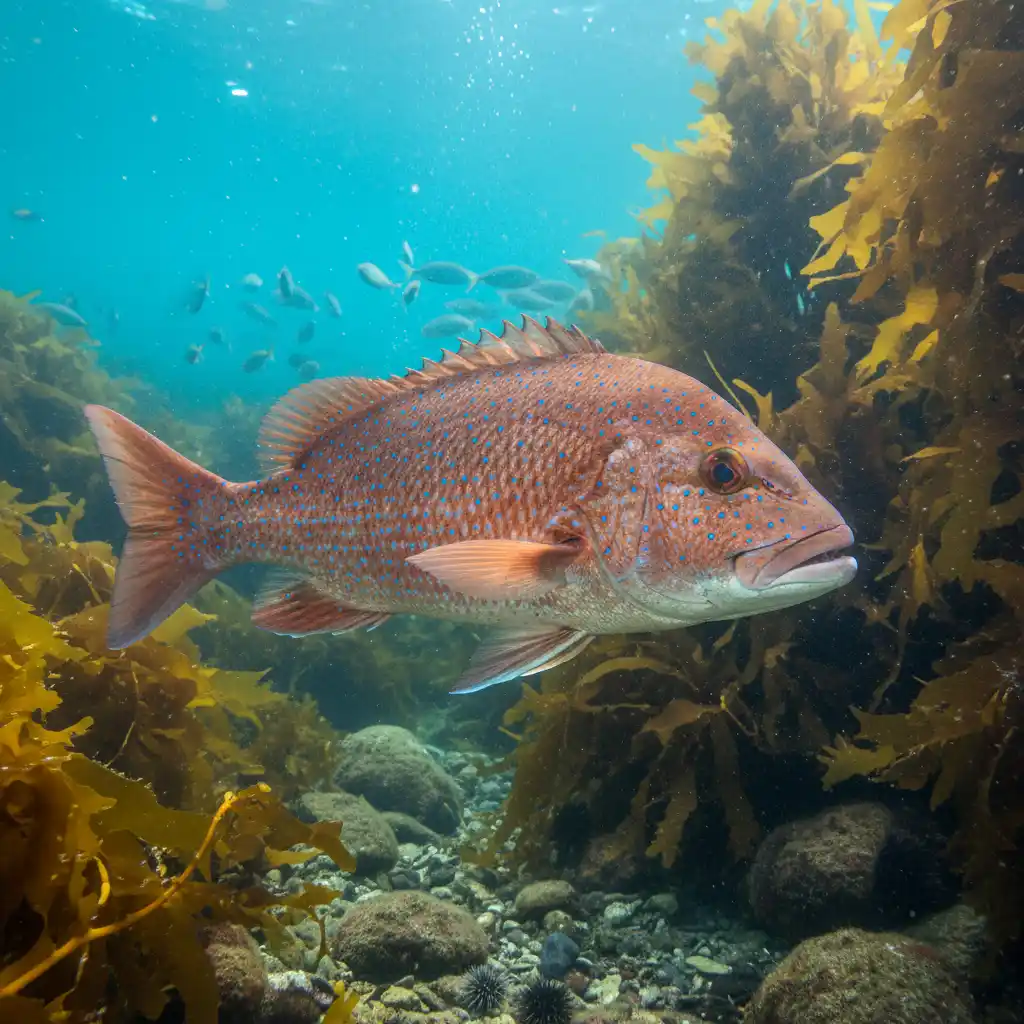
In non-protected areas, legal-sized snapper are elusive. At Tawharanui, old snapper—some exceeding 70cm in length—will often swim right up to snorkelers. They are easily identified by their iridescent blue spots and hump-headed profile in older males.
Eagle Rays
During the summer months, Eagle Rays frequent the shallows of Anchor Bay to feed on shellfish buried in the sand. Watching these majestic creatures glide effortlessly over the seabed is a highlight of Tawharanui Regional Park snorkeling. Remember to observe them from above and never block their path to open water.
Spiny Rock Lobster (Crayfish)
While you cannot touch or take them, spotting the antennae of a massive crayfish protruding from a rock crevice is a thrill. In the reserve, they are often found in much shallower water than in areas where fishing is permitted.
Beyond the Water: Kiwi Sanctuary at Night
The “Detour” to Tawharanui is not just about the ocean. The park is an “Open Sanctuary,” protected by a 2.5-kilometer predator-proof fence that cuts across the peninsula. This fence keeps out pests like possums, rats, and stoats, allowing native birdlife to flourish.
The Night Walk Experience
If you are staying late or camping, a night walk is mandatory. Tawharanui is one of the few places on the New Zealand mainland where you have a high probability of seeing the North Island Brown Kiwi in the wild.
Tips for Spotting Kiwi:
- Use a red-light torch (kiwi are less disturbed by red light than white light).
- Walk silently along the Ecology Trail.
- Listen for their calls first—the male has a high-pitched whistle, while the female has a lower, raspy cry.
- Patience is key; wait quietly in areas with dense bush cover.
Camping Facilities and Practical Logistics
To fully experience both the snorkeling and the nocturnal wildlife, staying overnight is highly recommended. The Auckland Council operates a campground at Tawharanui, but it requires preparation.
The Campground
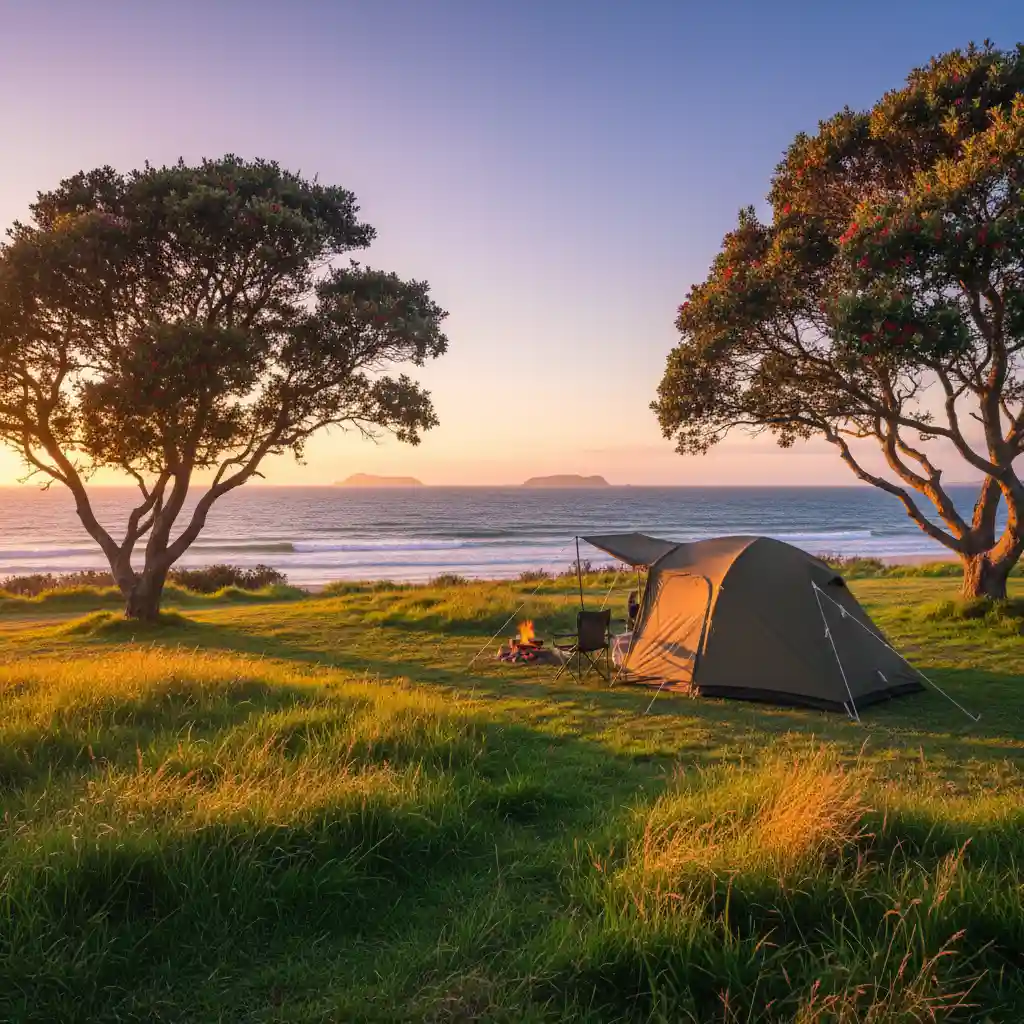
The campground is situated just behind the dunes of the main beach, offering immediate access to the water. It is a “basic” campground, meaning facilities are limited to drop toilets and water taps (which must be boiled before drinking). There are no powered sites or showers, preserving the rustic, natural feel of the park.
Booking Rules
Crucial Info: You cannot just show up and camp. Bookings must be made in advance via the Auckland Council website. In summer (December to February), spots can sell out months in advance. Plan your trip early.
Vehicle Access
The park has an automated gate at the entrance. It opens at 6:00 AM and closes at 9:00 PM (switches to 7:00 PM in winter). If you are not camping, you must leave the park before the gates lock, or you will be stuck inside overnight.
Snorkeling Safety and Best Practices
While the bay is generally safe, the ocean is unpredictable. Ensure your detour remains a happy memory by following these safety protocols.
1. The Buddy System
Never snorkel alone. The isolation that makes Tawharanui attractive also means there are fewer people to notice if you get into trouble. Always have a buddy nearby.
2. Respect the Marine Reserve
It is illegal to take anything from the marine reserve. This includes fish, shellfish, seaweed, and even shells or rocks from the beach. Do not feed the fish; feeding alters their natural behavior and can make them aggressive.
3. Watch the Tides
Snorkeling is best done around high tide. At low tide, you may have to walk over exposed rocks to reach deep water, which damages the delicate intertidal ecosystem and increases the risk of slipping. Aim to enter the water 1 hour before high tide.
Conclusion
A trip to Tawharanui Regional Park is more than just a swim; it is an immersion into what the New Zealand coastline used to look like. From the world-class Tawharanui Regional Park snorkeling opportunities where you can swim with eagle rays, to the rare chance of spotting a kiwi under the stars, this detour offers a complete package for nature lovers. By choosing Tawharanui over more commercialized spots, you gain access to pristine waters, white sands, and a thriving ecosystem that serves as a benchmark for marine conservation.
Is it safe to snorkel at Tawharanui Regional Park?
Yes, it is generally safe, particularly at Anchor Bay during calm weather with offshore winds. However, it is an ocean beach that can experience swells. Always check the forecast, swim with a buddy, and be aware of your limits. There are no lifeguards on patrol outside of peak summer weekends.
Do I need to book to visit Tawharanui Regional Park?
You do not need to book for day visits; entry to the park is free. However, if you intend to stay overnight at the campground, you must book a campsite in advance through the Auckland Council website.
Can I bring my dog to Tawharanui Regional Park?
No. Tawharanui is an Open Sanctuary protected by a predator-proof fence. Domestic pets, including dogs and cats, are strictly prohibited at all times to protect the native kiwi and shorebirds.
What is the best time of year for snorkeling at Tawharanui?
The best time for snorkeling is late summer to early autumn (February to April). During these months, the water is warmest (around 20-22°C), and visibility is often at its peak. Marine life is also most active during this period.
Is there equipment rental at Tawharanui?
No, there are no shops or rental facilities within the park. You must bring all your own snorkeling gear, food, and water. The nearest place to rent gear would be in the town of Matakana or near Goat Island.
How long is the drive from Auckland to Tawharanui?
The drive typically takes about 1 hour and 20 minutes (approx. 80km) from Auckland CBD. The last section of the drive involves a gravel road, so drive carefully.