
Visiting Goat Island in winter (June through August) offers distinct advantages for nature enthusiasts, including superior underwater visibility often exceeding 15 meters and significantly fewer crowds. While water temperatures drop to approximately 15°C (59°F), requiring 7mm wetsuits, the season is ideal for coastal hiking, visiting the indoor Marine Discovery Centre, and spotting migratory marine life in the calmness of the Hauraki Gulf.
While summer draws the masses to the golden sands of the Cape Rodney-Okakari Point Marine Reserve, the colder months reveal a different, more serene side of New Zealand’s first marine reserve. Known locally as Goat Island, this destination transforms into a tranquil haven for biodiversity and marine education during the winter season. The crisp air and quiet beaches provide a stark contrast to the bustling holiday crowds, allowing for a more intimate connection with the environment.
Why Visit Goat Island in Winter?
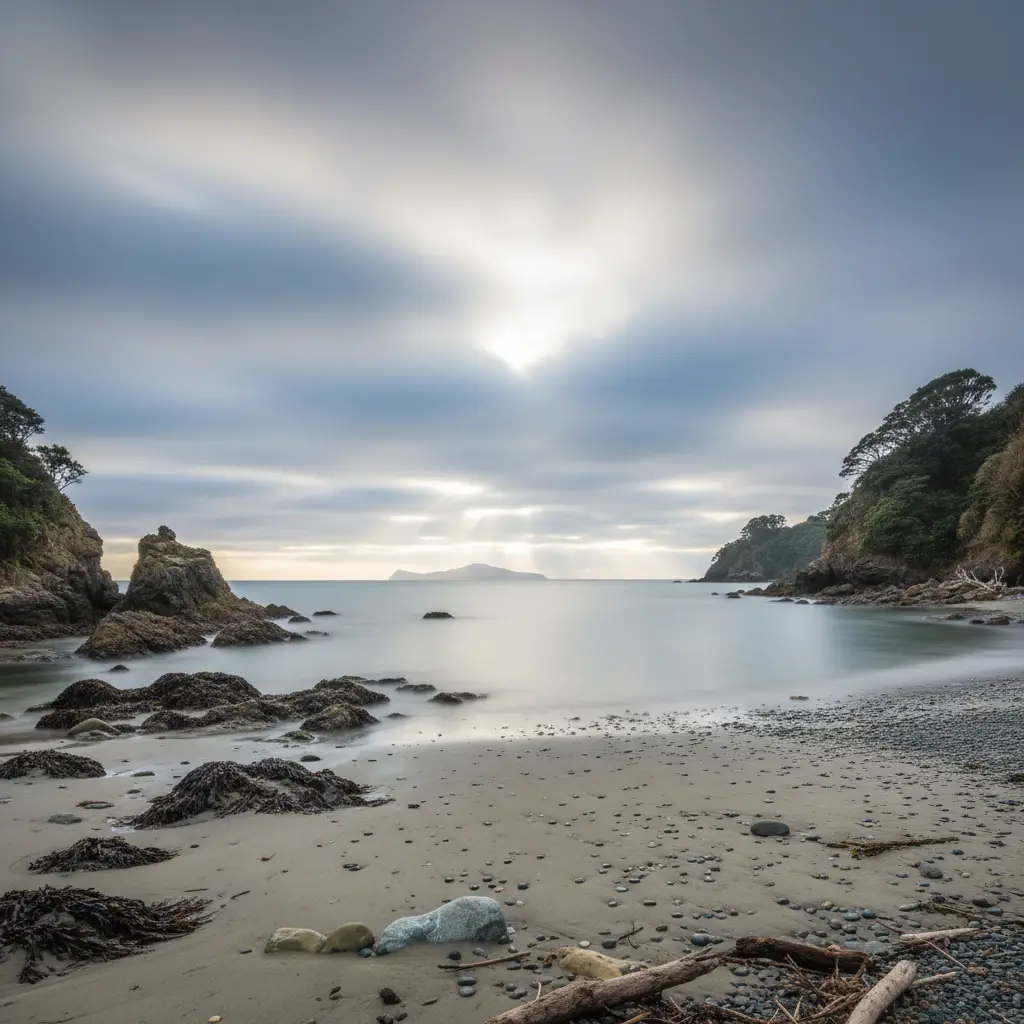
Choosing to explore Goat Island in winter requires a shift in perspective from sunbathing to exploration. The primary appeal lies in the solitude and the clarity of the water. During the summer months, the reserve can become overwhelmed with visitors, which sometimes disturbs the sediment and wildlife. In contrast, winter brings a stillness that settles over the reserve.
The cooler months are often characterized by southerly winds, which flow offshore at this location. This wind direction flattens the sea state, resulting in calm, glass-like surface conditions that are perfect for kayaking (such as with Clearyak glass-bottom boats) and underwater observation. Furthermore, plankton blooms are less frequent in cooler water, which significantly improves underwater visibility—often extending beyond 15 to 20 meters on clear days.
The Marine Discovery Centre: An Indoor Educational Hub
One of the strongest arguments for a winter visit is the Goat Island Marine Discovery Centre. Located just up the hill from the beach, this facility is part of the University of Auckland’s Leigh Marine Laboratory. It serves as an essential refuge from the winter chill while providing world-class educational value.
The Centre is designed to immerse visitors in the marine ecosystem without getting wet. It features state-of-the-art interactive displays and live holding tanks that showcase the unique marine life found in the Hauraki Gulf. For families and school groups visiting in the off-season, this is an invaluable resource.
Key Exhibits and Learning Opportunities
The Discovery Centre focuses on marine science and conservation. Visitors can observe species that are difficult to spot in the wild, such as crayfish (rock lobster) in their various life stages, sea urchins (kina), and elusive octopus. The exhibits explain the history of the marine reserve, established in 1975, and the scientific research that continues to take place there. Understanding the “spillover effect”—how marine reserves replenish surrounding fishing grounds—is a core component of the educational narrative here.
In winter, the centre is less crowded, allowing for longer interactions with the marine educators on site. It provides a dry, warm environment to learn about the complex behaviors of the snapper and blue maomao you might see from the shore.
Winter Snorkeling and Diving Guide
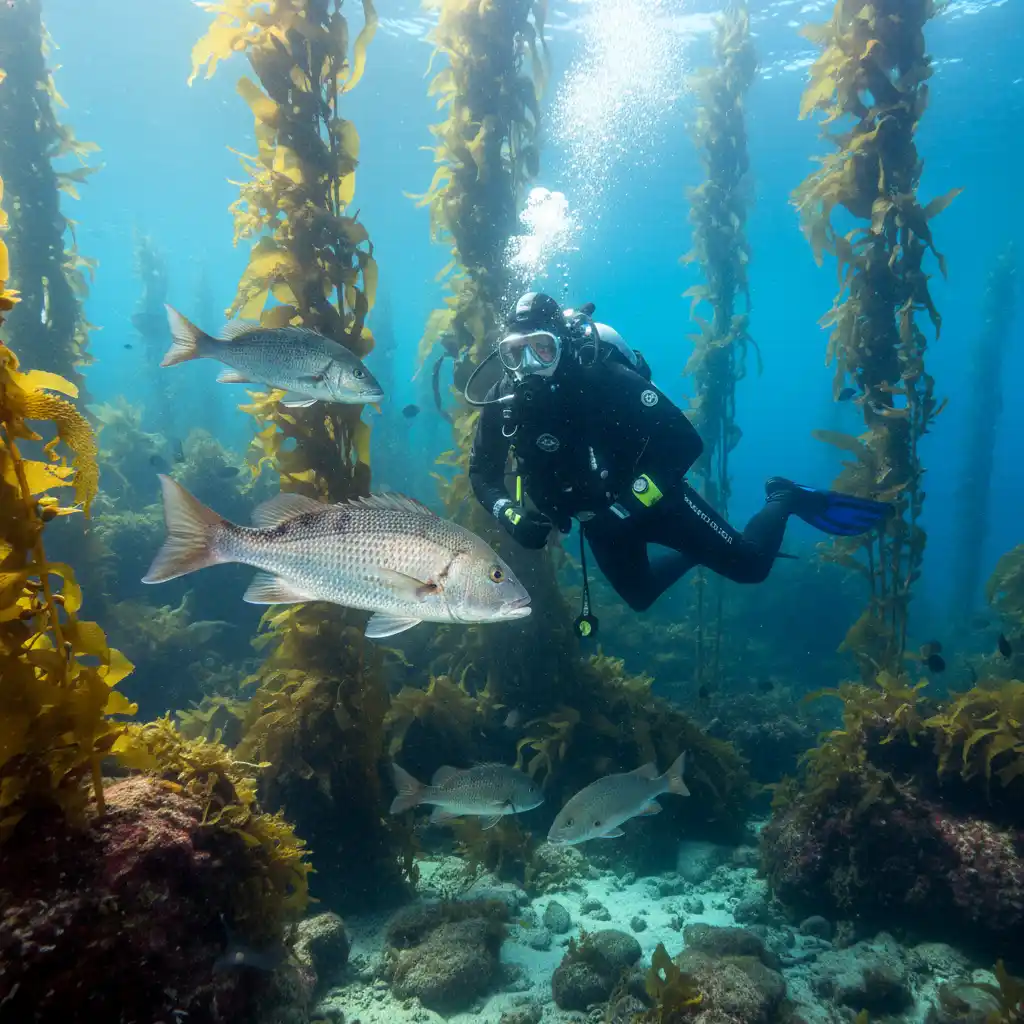
Is it possible to snorkel at Goat Island in winter? Absolutely, provided you are correctly equipped. For the dedicated marine enthusiast, winter diving offers the best visual experience of the year due to the lack of suspended sediment.
Managing Water Temperature
The water temperature in the Hauraki Gulf between June and August typically hovers between 14°C and 16°C (57°F – 61°F). This is significantly cooler than the summer peak of 22°C. To safely enjoy the water, thermal protection is non-negotiable.
- Snorkelers: A 5mm to 7mm wetsuit is recommended, along with a hood and gloves. The hood is particularly important as significant body heat is lost through the head.
- Scuba Divers: A 7mm semi-dry suit or a drysuit is the standard standard for winter diving in New Zealand.
What You Will See
Winter marine life behavior differs from summer. While some pelagic species move to deeper waters, the resident populations of huge snapper and friendly blue maomao remain. The kelp forests are lush and vibrant, swaying in the currents. You may also spot stingrays resting on the sandy bottoms, although they are generally more active in warmer months. The clarity of the water makes photography exceptional during this season.
Winter Coastal Walks and Hiking
For those who prefer to stay dry, the Goat Island Walkway offers some of the most spectacular coastal views in the Auckland region. Winter is arguably the best time for this activity, as the cooler temperatures make the uphill sections far more comfortable than in the humid summer heat.
The Goat Island Walkway Route
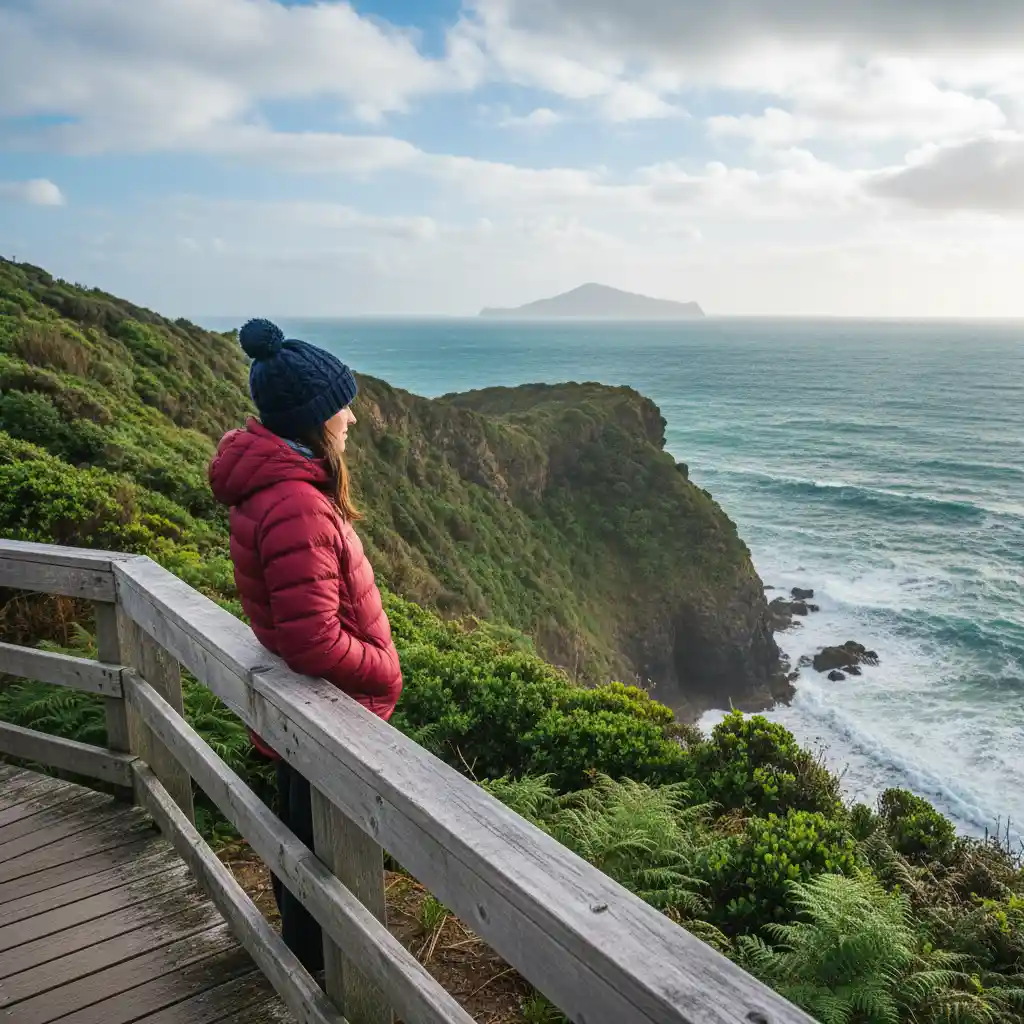
The track begins near the Marine Laboratory and winds through regenerating coastal forest. As you ascend, you are treated to panoramic views of the marine reserve, the distinct silhouette of Little Barrier Island (Hauturu), and the vast Pacific Ocean. The return trip takes approximately 1.5 to 2 hours.
During winter, the vegetation is lush and green due to seasonal rainfall. The native bush, including pōhutukawa and flax, provides shelter for birdlife. The track is generally well-maintained, but winter rains can make sections muddy, so sturdy hiking boots are recommended over sneakers.
Whale Watching and Wildlife Opportunities
Winter in New Zealand coincides with the migration paths of several large marine mammal species. While Goat Island is primarily a fish sanctuary, its location at the edge of the Hauraki Gulf places it near the corridors used by cetaceans.
Orca and Dolphin Sightings
Orca (Killer Whales) are frequent visitors to the New Zealand coast and can be seen year-round, but they are often spotted hunting stingrays in the shallows during the cooler months. Bottlenose and Common Dolphins are also regularly sighted frolicking in the waves just beyond the reserve boundaries.
Birdwatching
The reserve is a sanctuary for seabirds. In winter, you can spot Australasian Gannets diving for fish, as well as Terns and Dotterels nesting or resting near the shore. The lack of human foot traffic on the beaches allows these birds to rest undisturbed, providing excellent opportunities for photographers with long lenses to capture natural behaviors.
Après-Adventure: Cozy Cafes in Matakana
No winter trip to Goat Island is complete without visiting the nearby Matakana region. After braving the crisp coastal winds, the short 15-minute drive inland to Matakana Village offers warmth and culinary indulgence.
The region is famous for its boutique vineyards, artisan food producers, and rustic aesthetics. In winter, the local establishments focus on comfort:
- Matakana Village Farmers’ Market: Open on Saturday mornings regardless of the weather, this is the place to grab hot coffee, artisan pies, and fresh produce.
- Local Roasteries: Several cafes in the area roast their own beans, providing a high-quality caffeine fix essential for warming up after a snorkel.
- Cinema and Pubs: The boutique cinema in Matakana is an architectural gem, perfect for a rainy winter afternoon. Local pubs often feature roaring fireplaces and hearty menus featuring local seafood and lamb.

Planning Your Winter Visit
Successful winter travel requires logistics. Here is how to ensure your trip runs smoothly.
Weather and Conditions
Always check the marine forecast before driving up. While the bay is sheltered, strong northerly storms can make the water rough and reduce visibility. The ideal conditions for Goat Island are southerly winds and a small swell.
Gear Checklist
- Warm Layers: Merino wool base layers and a windproof jacket.
- Footwear: Hiking boots for the tracks and easy-to-remove shoes for the beach.
- Marine Gear: If you own a 7mm wetsuit, bring it. If not, local hire shops in Leigh and Matakana operate in winter, but check their reduced operating hours first.
- Food and Water: There are limited food options directly at the beach in winter, so packing a picnic or planning to eat in Leigh/Matakana is advised.
Frequently Asked Questions
Is the Goat Island Marine Discovery Centre open in winter?
Yes, the Marine Discovery Centre is open year-round, typically from 10:00 AM to 4:00 PM. However, it is advisable to check their official website for any specific holiday closures or maintenance days during the off-peak season.
How cold is the water at Goat Island in winter?
Water temperatures usually range between 14°C and 16°C (57°F – 61°F) during the winter months of June, July, and August. A thick wetsuit (at least 7mm) is highly recommended for snorkeling or diving.
Can you rent snorkel gear at Goat Island in winter?
Yes, local hire operators generally provide gear rentals year-round, including thick wetsuits suitable for winter temperatures. It is best to call ahead to confirm opening hours as they may be shorter than in summer.
Are dogs allowed at Goat Island?
No, dogs are not permitted on the beach or in the reserve at Goat Island at any time of year. This rule is strictly enforced to protect the local wildlife, including nesting shorebirds.
Is the glass-bottom boat operating in winter?
The glass-bottom boat (Clearyak) and other tours are weather-dependent. While they do operate in winter, trips are more likely to be cancelled due to swell or storms. Always check the operator’s schedule and the marine forecast.
Is parking difficult at Goat Island in winter?
Unlike the summer months where parking is a significant challenge, winter offers ample parking availability. You can usually park very close to the beach entrance, making it easier to transport gear.