
Visiting Goat Island in autumn offers the premier underwater experience in New Zealand, characterized by peak water clarity and settled weather conditions. From March to May, the marine reserve boasts visibility often exceeding 15 meters, significantly fewer crowds than summer, and mild temperatures, making it the optimal season for snorkeling, diving, and marine education.
While summer attracts the masses to the Cape Rodney-Okakari Point Marine Reserve, seasoned divers and local marine educators know that the true magic happens during the shoulder season. As the frenetic energy of the holiday period dissipates, the ocean settles into a rhythm that provides the most spectacular viewing conditions of the year.
Why is Water Visibility Best in Autumn?
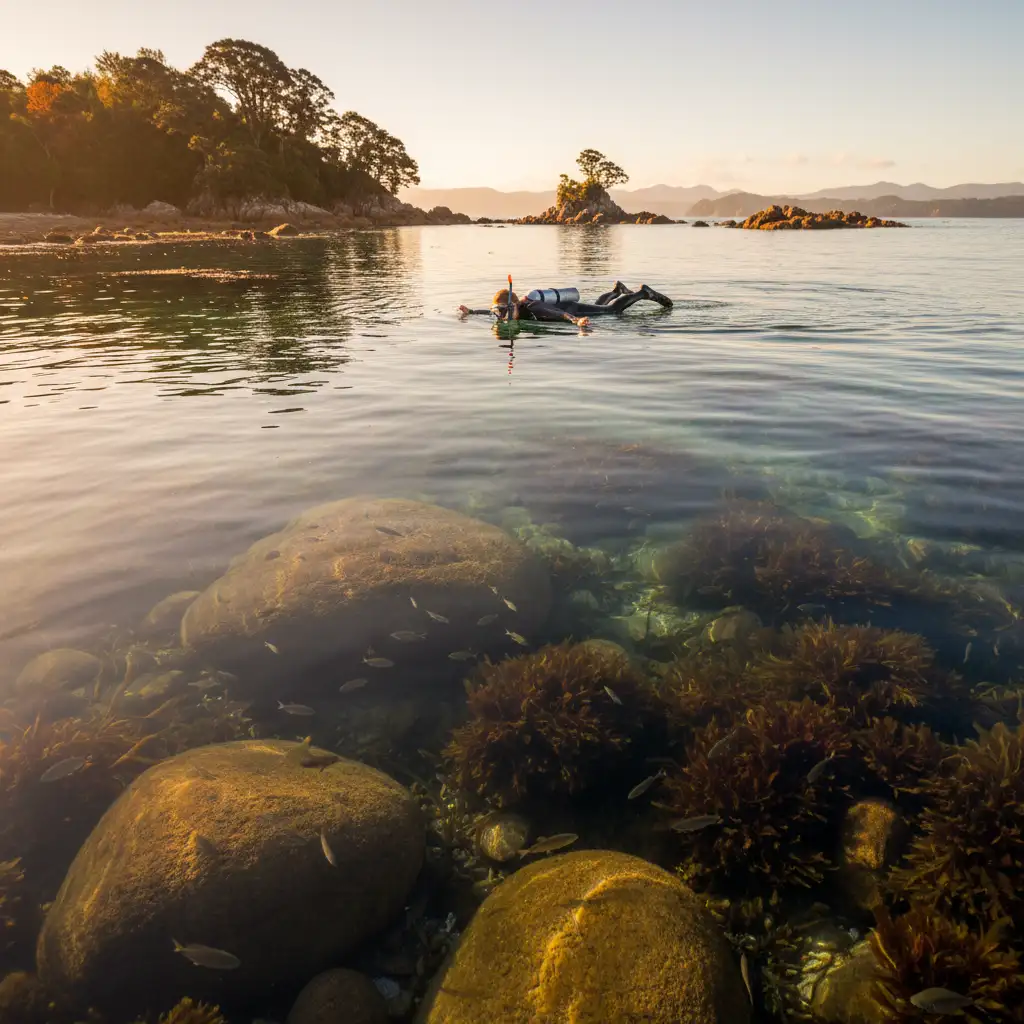
For underwater enthusiasts, visibility is the single most critical factor determining the quality of a dive or snorkel trip. Goat Island in autumn is frequently referred to by locals as the “glass season.” During March, April, and May, the prevailing weather patterns shift, often resulting in extended periods of calm seas that allow sediment to settle.
During the summer months, thermal layers and plankton blooms can occasionally reduce visibility, creating a milky haze underwater. However, as autumn approaches, the water column stabilizes. The relentless easterly winds that often plague the coast in January and February tend to subside, replaced by more south-westerly flows which are offshore for the Leigh coast. This offshore wind flattens the swell, stopping the seabed from being churned up.
On a prime autumn day, visibility can easily exceed 15 to 20 meters. This crystal-clear water is essential for photographers and those hoping to spot the reserve’s more elusive creatures, such as crayfish hiding in deep crevices or stingrays resting on the sand flats. For marine education providers, this clarity is invaluable, allowing students to observe the ecosystem from the surface without needing to dive deep.
What Temperatures Can You Expect at Goat Island in Autumn?
One of the primary misconceptions about New Zealand tourism is that beach activities should cease once February ends. In reality, the ocean possesses a significant thermal lag, meaning the water remains surprisingly warm well into the shoulder season.
Water Temperature Stability
In early March, sea temperatures at Goat Island hover around 20°C to 21°C (68°F-70°F), which is virtually identical to peak summer temperatures. By late May, this may drop to around 16°C or 17°C. While this is cooler, it is perfectly manageable with the correct equipment.
- March: 20°C – 21°C (Shorty wetsuit or 3mm full suit recommended)
- April: 18°C – 19°C (5mm wetsuit recommended)
- May: 16°C – 17°C (5mm to 7mm wetsuit recommended with hood)
Air Temperature and Atmosphere
The ambient air temperature during the autumn months is often more pleasant for gearing up than the scorching heat of mid-summer. Average daytime highs range from 18°C to 24°C. This mild climate reduces the risk of heat exhaustion while wrestling with tight neoprene suits in the car park. Furthermore, the autumn light is softer and more golden, providing spectacular lighting conditions for topside photography of Goat Island (Te Hāwere-a-Maki) and the surrounding cliffs.
How Does the Crowd Level Change in Shoulder Season?
The difference in visitor numbers between January and April is stark and significantly impacts the quality of the visitor experience. During the summer peak, the Goat Island car park often fills to capacity by 9:00 AM, leading to traffic jams, frustration, and a crowded beach where finding a spot for your towel is a challenge. In the water, the high density of swimmers can scare away sensitive marine life.
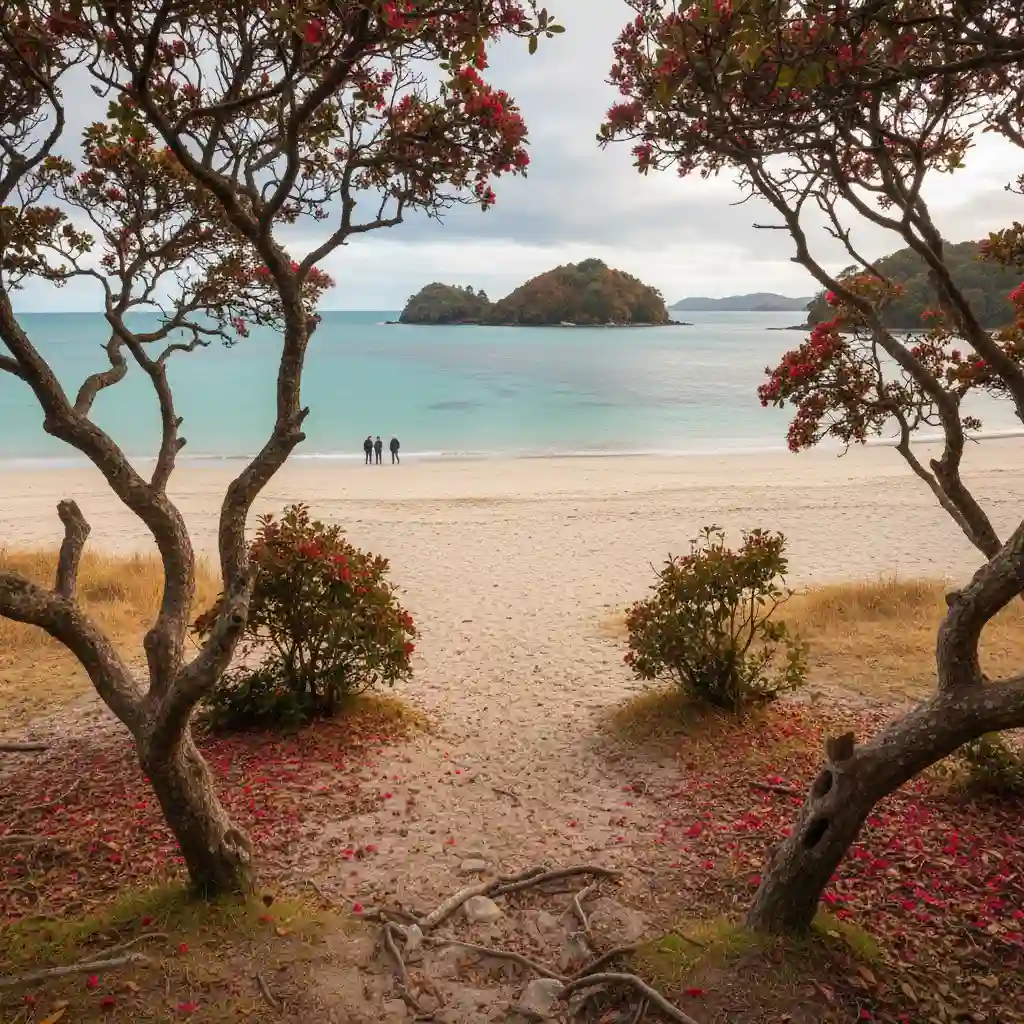
Visiting Goat Island in autumn solves these logistical headaches. Weekdays in the shoulder season are tranquil, often feeling like a private charter experience. Even on weekends, the crowds are manageable. This reduction in human traffic has a direct positive effect on marine interactions. Without hundreds of fins churning the surface, fish species like the Blue Maomao and Snapper (Tāmure) become bolder and more inquisitive, often approaching snorkelers in shallow water.
What Marine Life is Active in Autumn?
The biological calendar of the marine reserve ensures that autumn is a hive of activity. As the water cools slightly, different behavioral patterns emerge among the resident species.
The Snapper Migration
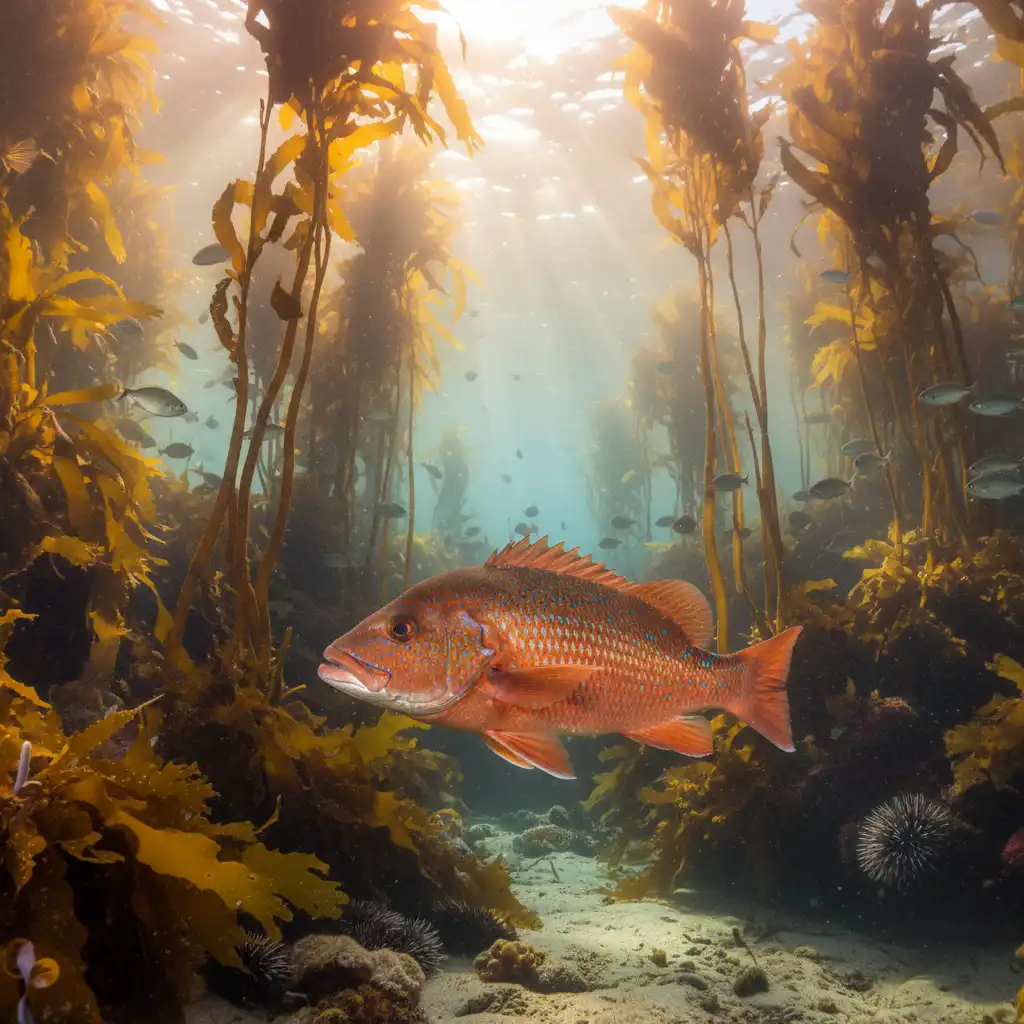
While the resident old Snapper tend to stay year-round, autumn sees a consolidation of schools. These large, ancient fish—some over 40 years old—are the stars of the reserve. In the clearer autumn water, their iridescent blue spots and scales are mesmerizing. They are less skittish when the water is quiet, allowing for close-up observation.
Eagle Rays and Stingrays
Autumn is an excellent time to spot rays in the shallow sandy channels between the reefs. Eagle rays, with their pointed wings and distinct markings, are often seen gliding effortlessly through the kelp forests. Short-tail stingrays, the heavyweights of the reserve, can be found foraging in the sand. The calm surface conditions of autumn make it easier to spot the dark diamond shapes of rays from the shore or a clear kayak.
Crayfish (Rock Lobster)
While you cannot touch or take them, spotting a massive Packhorse or Spiny Rock Lobster is a highlight. In the calmer autumn swell, you can safely peer into the cracks and crevices of the reef where these crustaceans hide during the day. The lack of sediment in the water makes their antennae and spiny shells clearly visible even from the surface.
Harvest Season at Wineries: The Perfect Post-Dive Activity
Goat Island is located in the heart of the Matakana Coast, a region famous for its boutique wine production. Autumn corresponds with the harvest season (vintage), making it the most vibrant time to visit the surrounding area.
After a morning spent snorkeling in the cool ocean, there is nothing quite like warming up at a local vineyard. The region is buzzing with activity as grapes are picked and processed. Many local wineries offer harvest lunches and tastings that highlight the seasonal produce. The “apres-dive” culture in Leigh and Matakana is best experienced in autumn, where you can enjoy:
- Matakana Farmers Market: On Saturday mornings, this market is overflowing with autumn harvest produce—figs, feijoas, and artisan cheeses.
- Boutique Vineyards: Visit heavyweights like Brick Bay or Heron’s Flight to see the vines turning gold and red, creating a stunning visual backdrop against the blue autumn sky.
- Sculpture Trails: The cooler air makes walking the Brick Bay Sculpture Trail far more comfortable than in the summer heat.
Why Autumn is Best for Marine Education
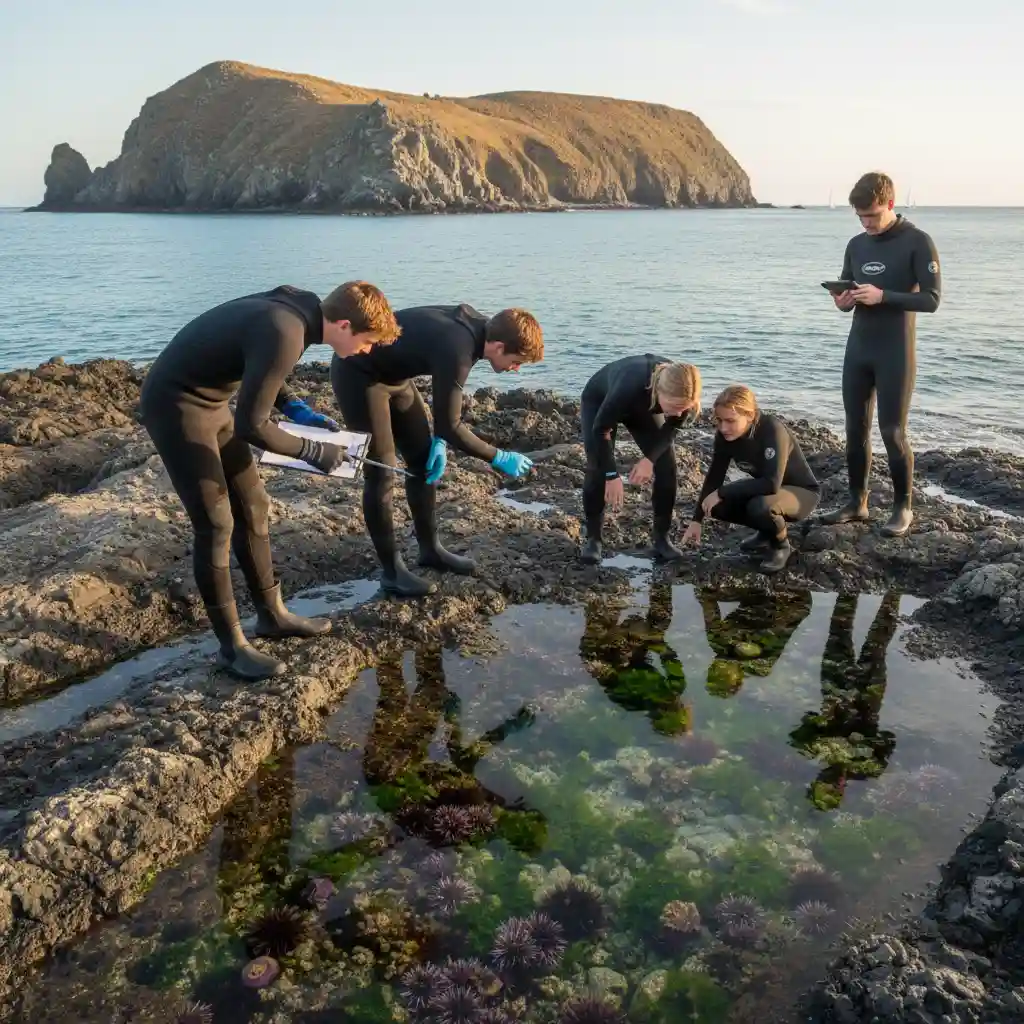
For schools, universities, and private educational groups, the shoulder season is the strategic choice for field trips. The NZ domestic tourism sector emphasizes “Marine Education” heavily in this region, utilizing the University of Auckland’s Leigh Marine Laboratory nearby.
Educational Benefits of Autumn:
- Safety: Predictable weather and lower swell height reduce the risk profile for student groups entering the water.
- Focus: Without the distraction of hundreds of recreational beachgoers, students can focus on the curriculum, whether it be intertidal surveys or fish identification.
- Resource Availability: Local educators and hire centers (like Goat Island Dive & Snorkel) have more capacity to dedicate to specific group needs, offering guided tours that might be fully booked in January.
Practical Tips for Visiting in Shoulder Season
To maximize your trip to Goat Island in autumn, a little preparation goes a long way. While the conditions are generally favorable, the changing season requires respect for the elements.
Gear Recommendations
If you do not own gear, you can hire it locally at the top of the hill before descending to the reserve. In autumn, ensure you request a 5mm wetsuit at a minimum. A hood is also a game-changer; keeping your head warm significantly extends the duration of your snorkel. If you are prone to the cold, bringing a thermos of hot tea or soup for after the swim is highly recommended.
Tides and Timing
Always check the tides before you go. The best visibility is usually found around high tide (specifically the two hours before high tide). This brings in clean oceanic water and covers the shallow rocks, making entry and exit easier. In autumn, try to time your swim for the middle of the day (11:00 AM – 2:00 PM) when the sun is highest, providing the best light penetration and warmth.
Safety Considerations
Even on calm days, the ocean is unpredictable. Always swim with a buddy. If you are snorkeling, use a dive flag so that kayakers and other water users can see you. While boat traffic is prohibited inside the reserve, kayaks and paddleboards are common. Be aware that the rocks can be slippery; sturdy reef shoes or booties are essential for the walk from the beach to the water.
In summary, choosing to visit Goat Island in autumn is a decision to prioritize quality over convenience. It is a time when the underwater world is at its most transparent, the surrounding region is alive with harvest festivities, and the peace of the reserve can be truly appreciated.
What is the best month to snorkel at Goat Island?
April is widely considered the best month. It offers a “sweet spot” where the water is still relatively warm (around 18-19°C), the summer crowds have departed, and the weather patterns often bring long periods of calm, clear water.
Do I need a wetsuit for Goat Island in May?
Yes, a wetsuit is highly recommended in May. Water temperatures drop to around 16-17°C. A 5mm or 7mm wetsuit will keep you comfortable and allow you to stay in the water long enough to enjoy the marine life. Without one, you risk hypothermia after 15-20 minutes.
Is the glass bottom boat operating in autumn?
Yes, the Glass Bottom Boat typically operates year-round, weather permitting. Autumn is actually one of the best times to take a tour because the reduced plankton levels mean you can see deeper and clearer through the glass panels than in mid-summer.
Can you fish at Goat Island in autumn?
No, you cannot fish at Goat Island at any time of year. It is a strictly protected “no-take” marine reserve. This includes autumn. Heavy fines apply for taking any marine life, including shellfish, seaweed, or fish.
What happens if the weather is bad at Goat Island?
If the wind is blowing from the North or East, the reserve can become choppy and visibility drops. In this case, the nearby Matakana region offers great alternatives, such as the Matakana Cinemas, Sculptureum, or wine tasting, making the trip worthwhile even if diving is cancelled.
Are there facilities at Goat Island beach?
Yes, there are public toilets and changing rooms located near the car park. However, there are no food vendors directly on the beach, so visitors should bring their own supplies or visit the cafe at the top of the hill (Goat Island Dive & Snorkel) or in Leigh.