The ideal Goat Island swell forecast for snorkeling features a swell height below 0.8 meters and a swell period under 10 seconds, combined with offshore winds from the South or Southwest. These conditions minimize water movement and sediment suspension, providing the crystal-clear visibility required for safe diving and optimal marine life observation within the reserve.
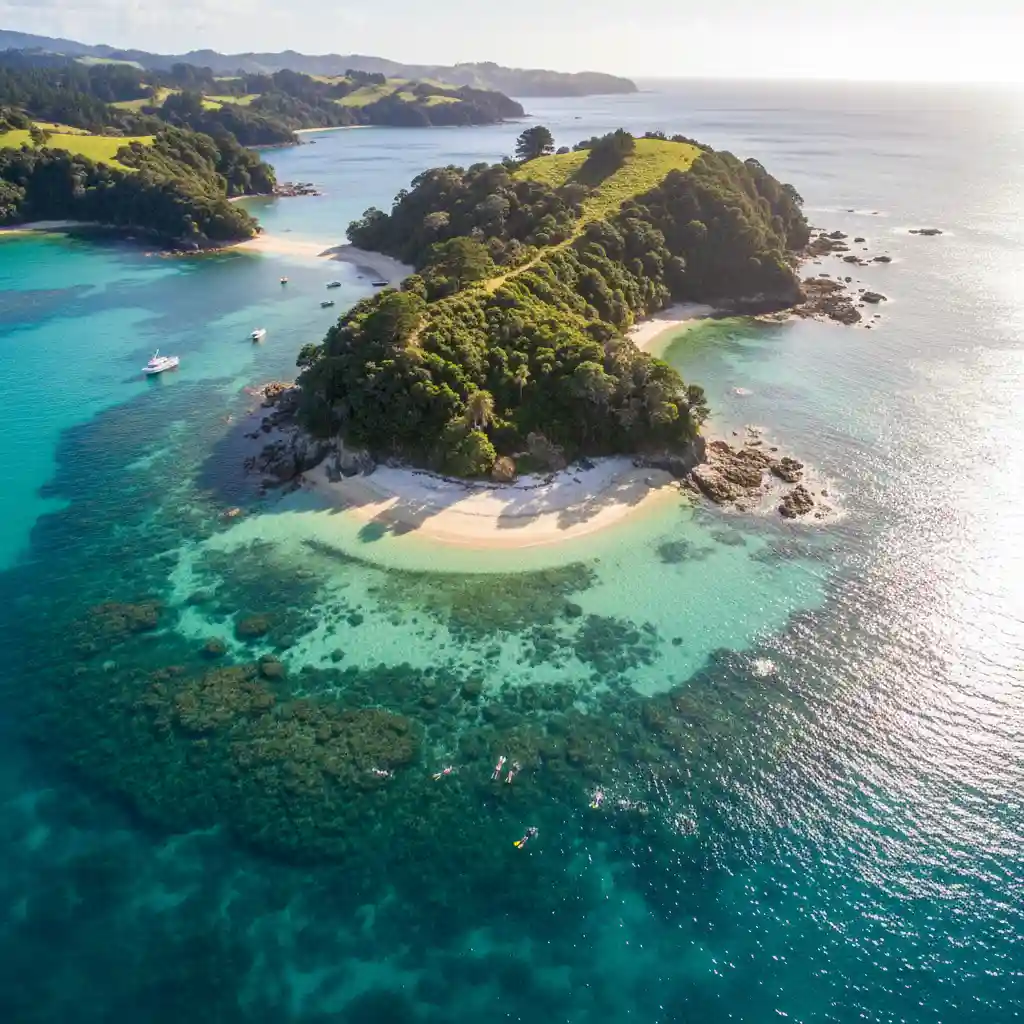
Understanding the dynamics of the ocean at the Cape Rodney-Okakari Point Marine Reserve (commonly known as Goat Island) is critical for anyone planning a visit. Located near Leigh, New Zealand, this marine reserve is world-renowned for its biodiversity. However, its exposure to the Pacific Ocean means conditions can change rapidly. Interpreting the Goat Island swell forecast correctly ensures you avoid disappointed trips to a choppy, murky beach and instead experience the aquarium-like clarity the reserve is famous for.
How to Read the Goat Island Swell Forecast?
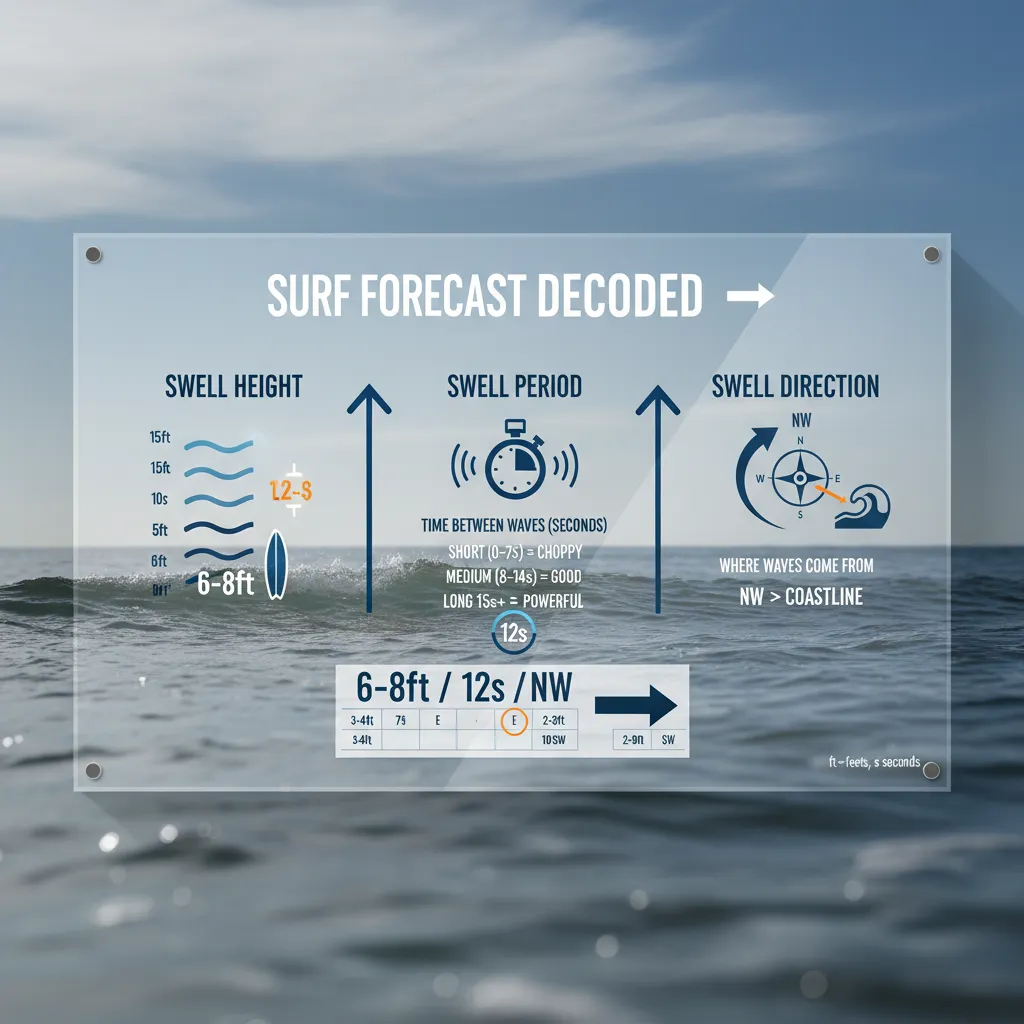
Reading a marine forecast goes beyond looking at the weather icon. To predict conditions at Goat Island accurately, you must analyze three specific components: swell height, swell direction, and swell period. Unlike a standard surf beach where waves are desired, the goal for snorkeling and diving at Goat Island is the flattest water possible.
Interpreting Swell Height and Direction
Swell Height: This measures the average height of the highest one-third of waves. For comfortable snorkeling at Goat Island, you generally want a swell height of less than 1.0 meter. Ideally, a forecast of 0.5 meters or flat conditions is perfect. Anything over 1.5 meters usually indicates rough conditions where entering the water from the rocks can be dangerous, and visibility will be poor due to churned-up sand.
Swell Direction: Goat Island beach faces roughly North/North-East. Therefore, a swell coming from the North or East will roll directly into the channel between the beach and the island. This direct hit creates surge and waves. Conversely, a swell direction from the South or West has to wrap around the landmass to reach the reserve, losing much of its energy in the process. Consequently, a large Southerly swell might still result in calm waters at Goat Island, whereas even a small Northerly swell can make the beach dumpy and unpleasant.
The Importance of Swell Period
The swell period is the time in seconds between wave crests. A longer period (e.g., 12+ seconds) indicates powerful energy generated from distant storms. Even if the wave height looks small (e.g., 0.8m), a long period means those waves pack a lot of punch when they hit the shore, creating strong surges over the shallow reef. For the calmest experience, look for a short period (under 10 seconds) combined with low swell height.
What Are the Ideal Wind Directions for Goat Island?
Wind direction is the single most significant factor affecting surface texture and immediate safety. In marine forecasting, wind direction is described by where the wind is coming from.
Why Offshore Winds (South/Southwest) Matter
An “offshore” wind blows from the land out to the sea. At Goat Island, the land backs the beach to the South and Southwest. Therefore, Southerly or South-Westerly winds are ideal. These winds groom the surface of the water, holding up the waves and keeping the sea flat and glassy. Even if there is a small swell running, a strong offshore wind can smooth it out, making swimming much easier.
The Danger of Onshore Winds (North/East)
“Onshore” winds blow from the ocean onto the land. For Goat Island, this means Northerly, North-Easterly, or Easterly winds. These winds push the ocean surface into a mess of whitecaps and chop (often called “wind swell”).
When the wind is onshore, it pushes surface water toward the beach, often bringing in stinging jellyfish (Blue Bottles) and debris. More importantly, it creates a choppy surface that makes snorkeling difficult; water constantly splashes into snorkels, and the lack of calm water makes it harder to spot marine life from the surface. If the forecast predicts strong Northerlies (15+ knots), it is usually advisable to postpone your trip or seek a sheltered harbour nearby.
How Does Swell Impact Underwater Visibility?
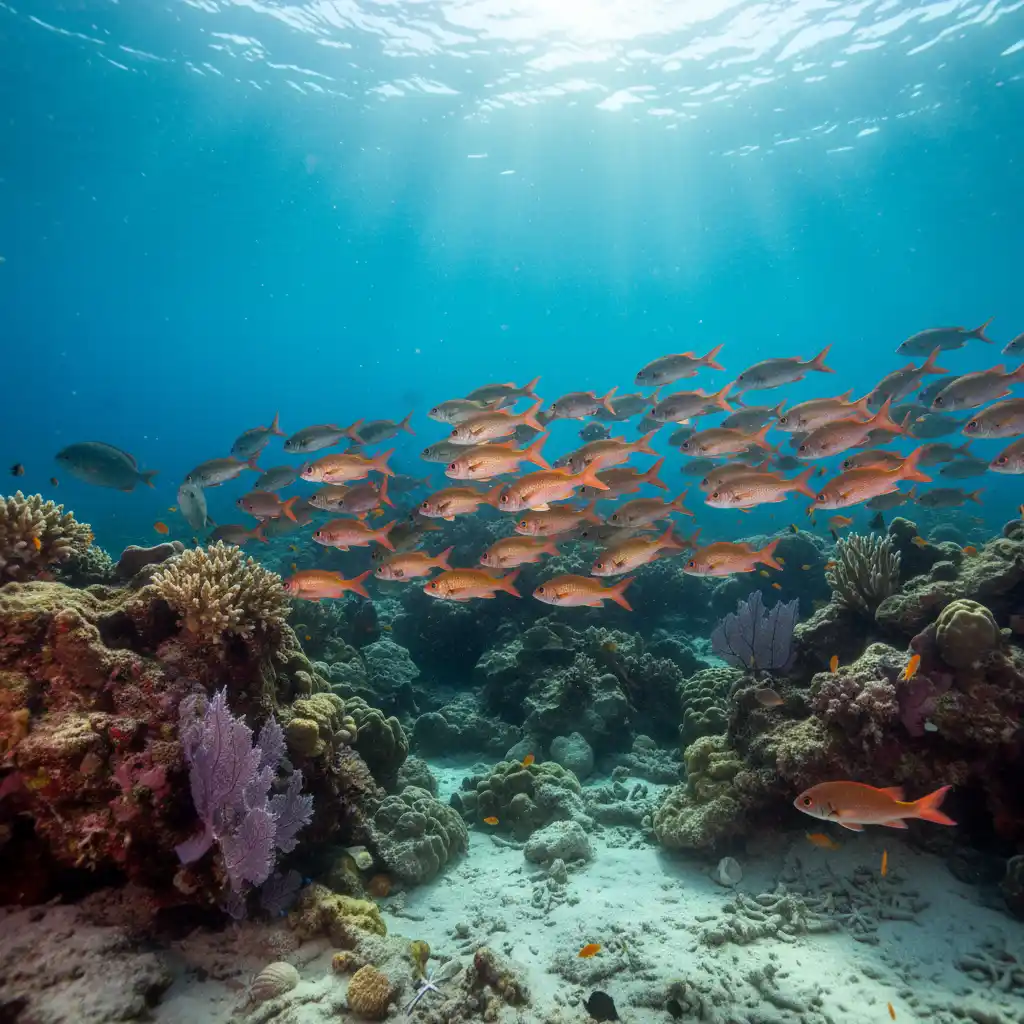
The primary draw of the Goat Island swell forecast is predicting visibility (viz). The reserve is famous for visibility that can exceed 10-15 meters, but this is highly dependent on recent weather conditions.
The “Washing Machine” Effect
The seabed around Goat Island consists of rocky reefs interspersed with sand and sediment. When the swell is high (over 1.0m) or the wind is strong onshore, the ocean energy acts like a washing machine. It agitates the bottom, lifting sand and organic particles into the water column.
Once this sediment is suspended, it can take several days of calm conditions to settle back down. Therefore, the best visibility often occurs after 2-3 days of continuous offshore winds and low swell. If you visit the day immediately after a storm, even if the sun is shining and the wind has died down, the water may still be milky and cloudy.
Rainfall and Runoff
While swell is the main driver of visibility, heavy rainfall is a secondary factor. Significant rain can cause runoff from the surrounding hills, introducing silt into the bay. However, because Goat Island is relatively open to the ocean currents, this runoff usually clears faster than in enclosed estuaries, provided the swell is low enough to allow the tide to flush it out.
Tides and Water Safety
While the swell forecast dictates the roughness of the water, the tides dictate accessibility and viewing quality.
High Tide vs. Low Tide
High Tide: Generally considered better for snorkeling at Goat Island. The water covers the shallow reefs near the shore, allowing you to swim over them comfortably without scraping your belly or fins on the rocks. The deeper water column often feels clearer and allows fish to come closer to the beach.
Low Tide: At low tide, much of the reef is exposed or very shallow. You may have to walk further out over slippery rocks to find deep enough water to swim. This can be hazardous due to uneven footing. However, low tide can be excellent for exploring rock pools without getting wet.
Currents and the Channel
The channel between the mainland beach and Goat Island itself (Te Hawere-a-Maki) can experience strong currents. As the tide changes, water funnels through this gap. If the swell forecast is high, these currents intensify. Always check the tidal movement and avoid the center of the channel if you are not a strong swimmer. Stay closer to the mainland shore where the kelp forests provide shelter from the current.
Sheltered Spots Nearby
If you arrive at Leigh and find the Goat Island swell forecast was underestimated—or the wind has swung to an unfavorable Northerly direction—there are alternative spots nearby that may offer shelter.
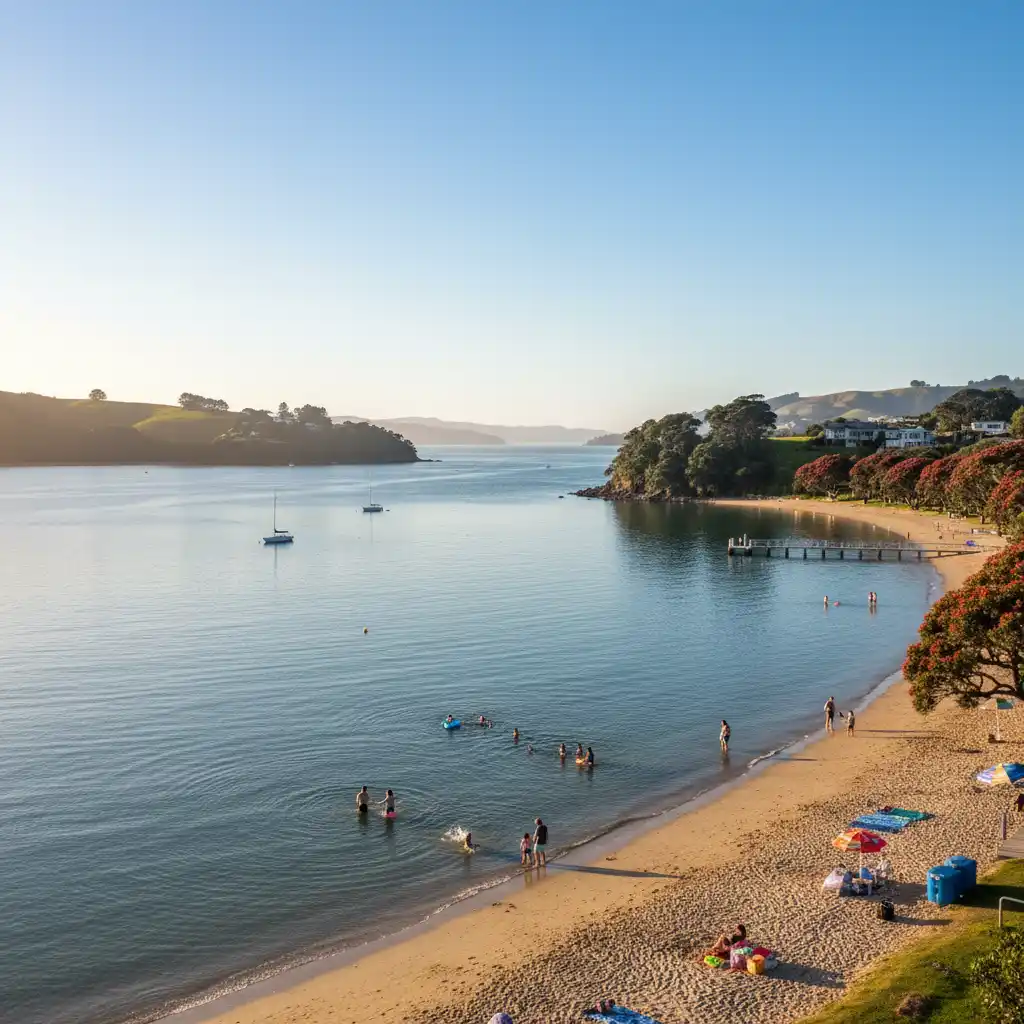
Matheson Bay
Located just a short drive from Goat Island, Matheson Bay is often more sheltered from certain swell directions. It features a swimming pontoon in summer and a lovely sandy beach. While it is not a marine reserve (so fish life is less prolific), it is a safer swimming spot for children when Goat Island is rough.
Whangateau Harbour
For those looking to kayak or paddleboard when the open coast is blown out, Whangateau Harbour offers pristine, flat water. It is tidal, so it is best enjoyed around high tide. The water is incredibly clear, and you can often spot rays and flounder in the shallows, protected completely from ocean swells.
People Also Ask (PAA)
What is the best time of year to visit Goat Island?
Summer and early Autumn (December to April) offer the warmest water temperatures (up to 22°C) and generally more stable weather patterns. However, winter often brings the clearest water (best visibility) due to prevailing offshore winds, provided you have a thick wetsuit (7mm recommended).
Can you swim at Goat Island in an East wind?
Swimming in an East wind is possible but often unpleasant. Easterly winds blow directly onshore at Goat Island, creating choppy waves and reducing visibility. For the best experience, wait for South or Southwest winds.
How do I know if Goat Island is safe today?
Check a reliable marine forecast site like MetService or SwellMap specifically for the “Leigh” or “Cape Rodney” area. Look for swell under 1.0m and offshore winds. If you arrive and see whitecaps (waves breaking) across the bay, it is likely unsafe for snorkeling.
Do I need a wetsuit for Goat Island?
Yes, a wetsuit is highly recommended year-round. Even in summer, prolonged time in the water can lead to a drop in core body temperature. A wetsuit also provides buoyancy (making swimming easier) and protection against minor scrapes or jellyfish stings.
Is Goat Island safe for beginners?
Yes, provided the sea conditions are calm. The beach entry is gradual, but the rocks can be slippery. Beginners should stay in the shallow areas near the shore and avoid the channel between the beach and the island where currents can be stronger.
What tide is best for snorkeling at Goat Island?
Mid to High tide is best. At High tide, the water covers the shallow rocky reef, allowing you to swim over the kelp forests easily. At Low tide, you may have to walk over slippery rocks to reach swimmable depths, and visibility can be reduced.