
Goat Island water temperatures typically range from a low of 15°C (59°F) in August to a high of 22°C (72°F) during February and March. While summer offers comfortable swimming conditions, winter requires thick thermal protection. Visitors should always check real-time reports, as currents can cause localized fluctuations.
Located within the Cape Rodney-Okakari Point Marine Reserve, Goat Island is New Zealand’s premier snorkeling and diving destination. However, the Hauraki Gulf waters can be deceptively cool, even on sunny days. Understanding the water temperature at Goat Island is critical for safety, comfort, and ensuring you have the right equipment for your underwater adventure. This comprehensive guide covers everything from seasonal fluctuations to the science of thermoclines.
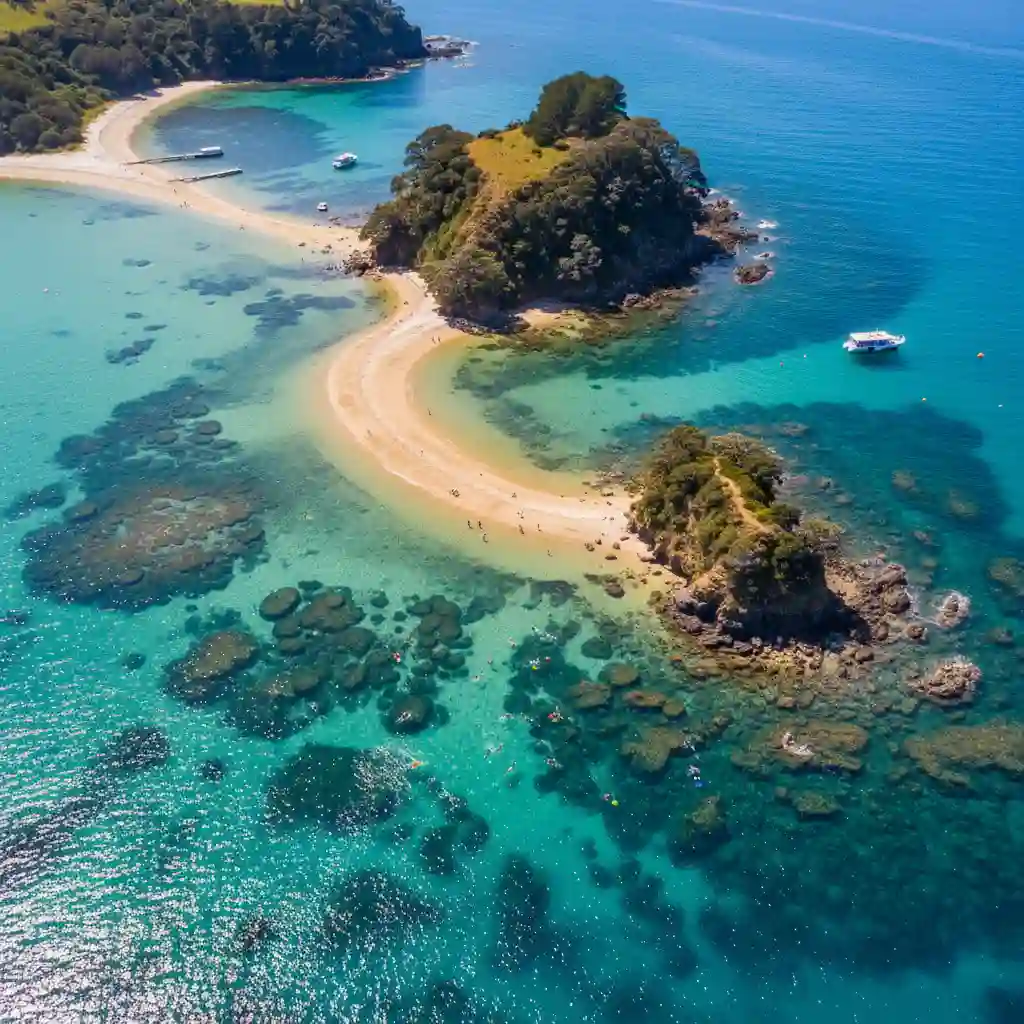
What is the Average Water Temperature at Goat Island by Month?
The water temperature at Goat Island follows a distinct seasonal curve, lagging slightly behind the air temperature. The ocean retains heat longer than the air, meaning the warmest water often occurs in late summer and early autumn, while the coldest water is found in late winter.
Summer (December – February)
Summer is the peak season for tourism at the marine reserve. During these months, the East Auckland Current pushes warmer subtropical water down the coast.
- December: Expect temperatures around 19°C (66°F). The water is warming up, but a spring suit is still recommended for extended sessions.
- January: Temperatures rise to an average of 20.5°C (69°F).
- February: Usually the warmest month, peaking at 22°C (72°F). On shallow sandbanks during low tide, it can feel even warmer.
Autumn (March – May)
Autumn offers some of the best diving conditions. While the air cools down, the water retains its summer heat for several weeks.
- March: Holding steady at 21°C (70°F). This is often considered the “sweet spot” for diving due to generally calmer winds.
- April: A noticeable drop begins, averaging 19°C (66°F).
- May: The transition to winter begins, with temps falling to 17°C (63°F).
Winter (June – August)
Winter diving at Goat Island offers incredible visibility, often exceeding 15 meters, but the cold requires serious preparation.
- June: Averages 16°C (61°F).
- July: Drops to 15.5°C (60°F).
- August: The coldest month, hitting lows of 15°C (59°F). Hypothermia is a real risk for those without adequate insulation.
Spring (September – November)
Spring is the most volatile season. The water is at its coldest initially and takes a long time to warm up.
- September: Remains cold at 15.5°C (60°F).
- October: Slight increase to 16°C (61°F).
- November: Finally breaking the chill, reaching 17.5°C (64°F) by month’s end.
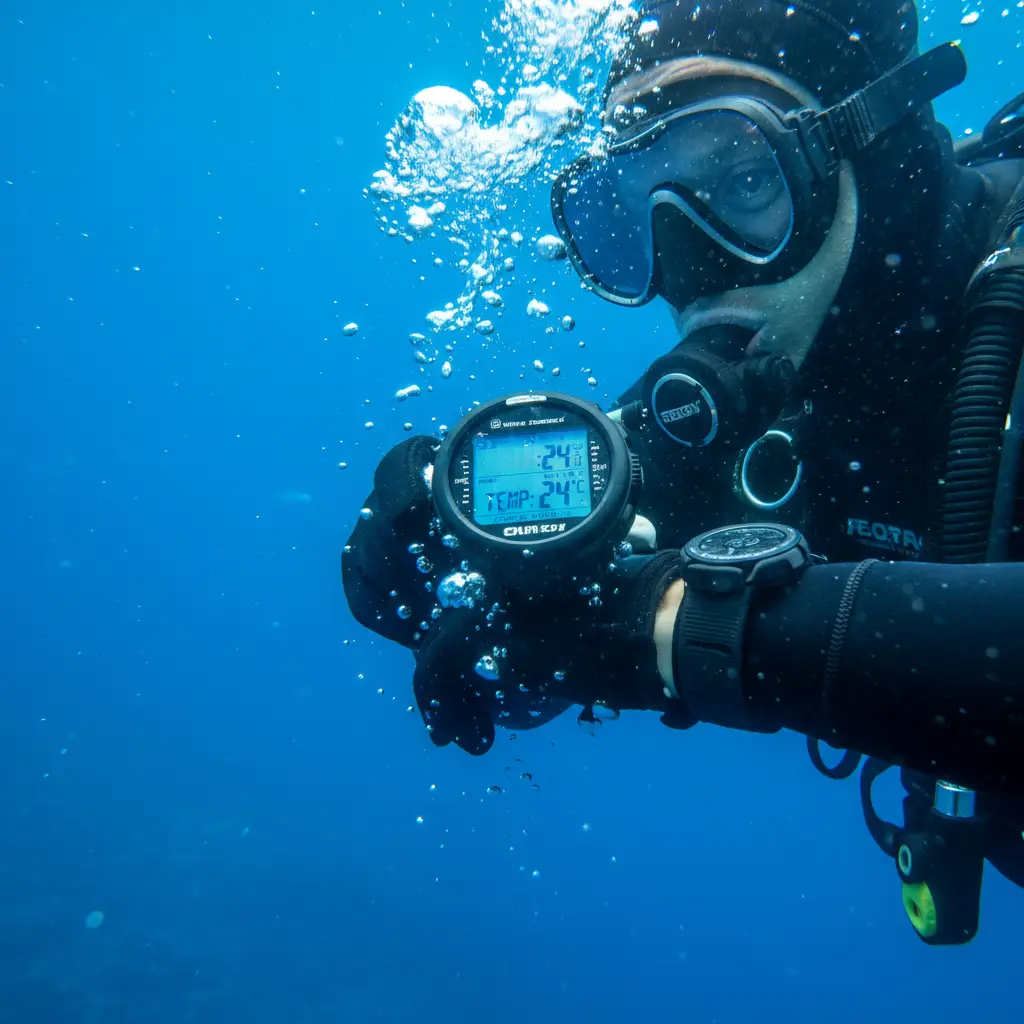
Wetsuit Recommendations: What Should You Wear?
Choosing the correct exposure protection is the difference between a miserable 10-minute swim and a delightful hour-long exploration of the kelp forests. Water conducts heat away from the body 25 times faster than air, meaning that even in 22°C water, your core temperature will drop without protection.
Summer Gear Guide (20°C – 22°C)
While some hardy locals swim in board shorts, most visitors will want some thermal protection for snorkeling.
- Snorkeling: A 3mm wetsuit (steamer or shorty) is ideal. It provides buoyancy and protection from the sun and minor scrapes against rocks.
- Scuba Diving: A 5mm wetsuit is standard. When submerged for 45+ minutes, the body cools significantly. A 3mm suit is generally insufficient for scuba unless you run very warm.
Shoulder Season Gear Guide (17°C – 19°C)
In late autumn and late spring, the wind chill upon exiting the water is a major factor.
- Snorkeling: A full-length 4/3mm or 5mm wetsuit is highly recommended.
- Scuba Diving: A 7mm semi-dry wetsuit is the preferred choice. Adding a hooded vest (chicken vest) underneath can significantly increase warmth.
Winter Gear Guide (15°C – 16°C)
Winter requires maximum protection. Do not underestimate the cold.
- Snorkeling: A 7mm wetsuit with a hood and gloves. The hood is crucial as a significant amount of heat is lost through the head.
- Scuba Diving: A 7mm semi-dry is the minimum. Many local divers switch to drysuits during these months to remain completely dry and warm with thermal undergarments. If diving wet, boots, gloves (3mm or 5mm), and a hood are non-negotiable.
What are Thermoclines and Do They Occur at Goat Island?
A thermocline is a distinct layer in a large body of water where the temperature changes more rapidly with depth than it does in the layers above or below. essentially, it is a boundary between warmer surface water and colder deep water.
At Goat Island, thermoclines are a frequent phenomenon, particularly in summer. The sun heats the top few meters of the water column, creating a pleasant layer for snorkelers. However, divers descending past 5 or 8 meters may hit a sudden “wall” of cold water.
How to Handle a Thermocline
If you are snorkeling, you might feel a sudden chill on your toes if you tread water vertically. For divers, crossing a thermocline can cause a visual shimmering effect (halocline/thermocline mix) and a temperature drop of 2-3 degrees Celsius instantly.
To manage this, ensure your wetsuit fits snugly. Loose wetsuits allow cold water to flush through the suit when you hit these colder layers, shocking the system. A tight seal ensures the water trapped against your skin stays warm.
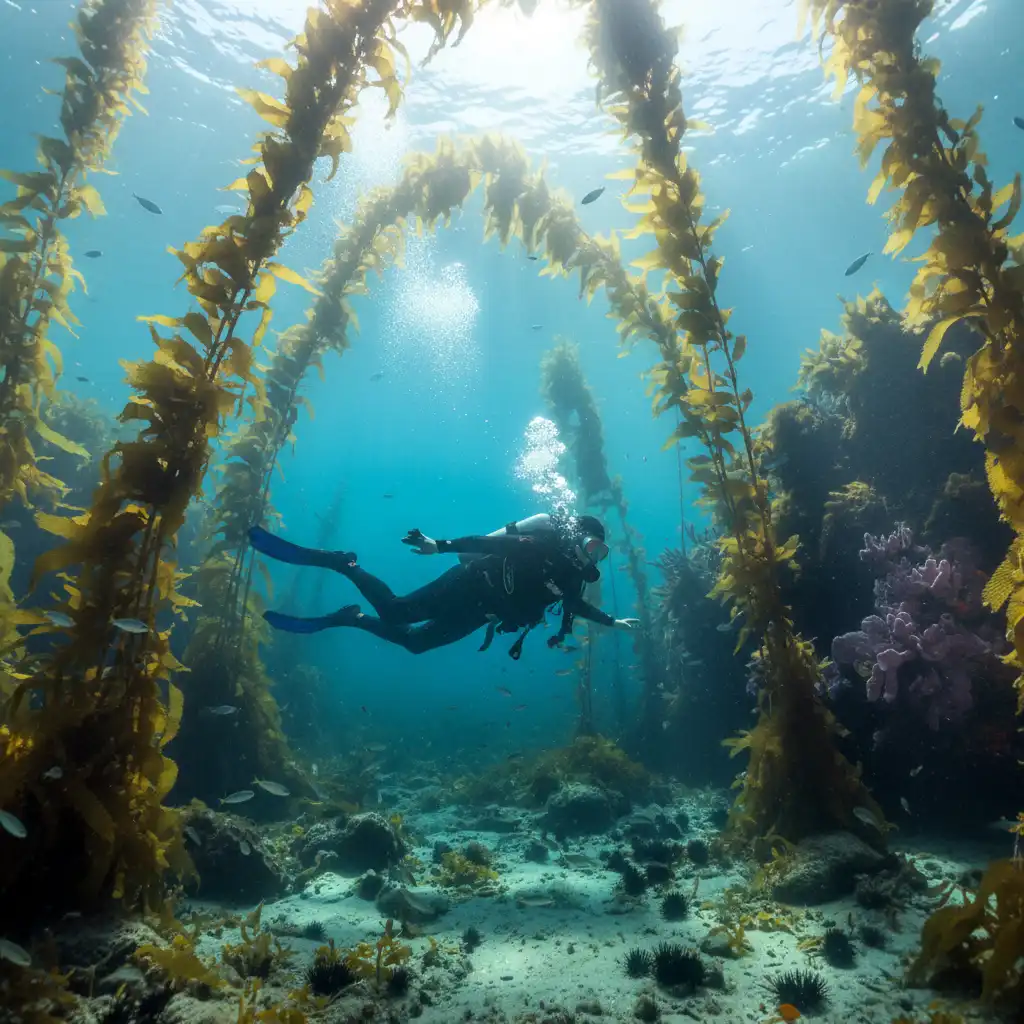
When is the Warmest Time of Day to Swim?
While the ocean mass doesn’t fluctuate drastically throughout the day, micro-climates within the Goat Island channel can affect the perceived temperature.
The Role of Tides
The warmest water is typically found in the shallows during a late afternoon incoming tide. As the tide comes in over the sun-baked sand and rocks of the intertidal zone, the water absorbs this heat. Conversely, an early morning high tide will usually present the coolest water temperatures of the day.
Solar Position and Wind
Goat Island faces north/north-east. The bay receives maximum sun exposure from late morning to mid-afternoon. Swimming between 12:00 PM and 3:00 PM maximizes solar gain on your back while snorkeling. Furthermore, checking the wind direction is vital. A southerly wind is offshore at Goat Island, flattening the sea but often bringing cooler air temperatures. A northerly wind brings warmer air but can make the water choppy, which may increase the rate of body heat loss due to water flushing in and out of your wetsuit.
Does Water Temperature Affect Marine Life Visibility?
Absolutely. The water temperature at Goat Island dictates not only what you wear, but what you see.
Warmer Water (Summer/Autumn)
Warmer currents often bring an influx of pelagic fish. You are more likely to see schools of Kingfish hunting near the channel. However, warmer water can sometimes stimulate plankton blooms, which may slightly reduce visibility compared to winter. The reproductive cycles of Snapper and Crayfish are also tied to temperature, with Snapper moving into the shallows to spawn as the water warms.
Colder Water (Winter/Spring)
Cold water holds less suspended particulate matter, leading to the legendary “crystal clear” days where visibility can exceed 20 meters. While the fish metabolism slows down (making them slightly more lethargic), the clarity of the water makes for spectacular photography opportunities. This is the best time to spot cryptic species like octopuses or stingrays resting on the sand, as the lack of algae blooms provides an unobstructed view.
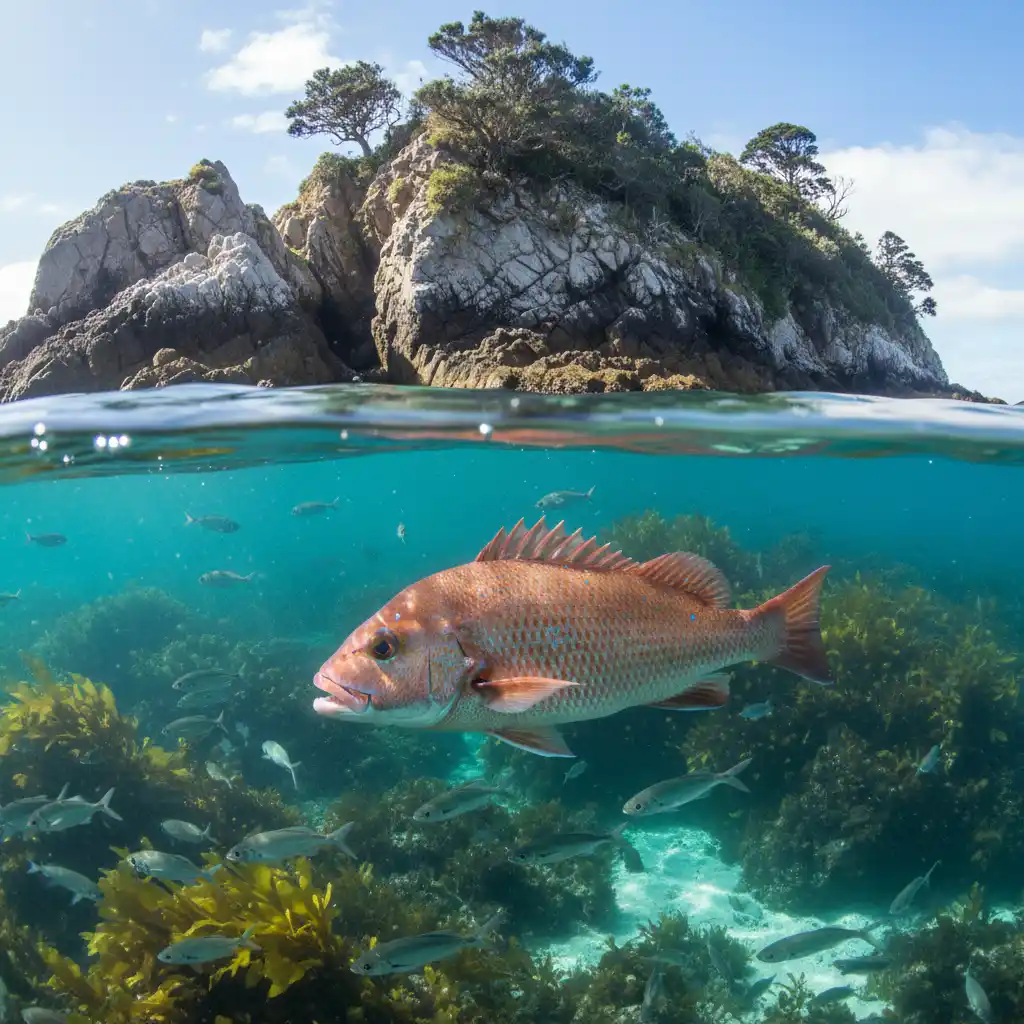
Cold Water Safety & Acclimatization
Even in summer, 20°C is significantly lower than the human body temperature of 37°C. Hypothermia can occur gradually and subtly.
Signs of Mild Hypothermia
- Uncontrollable shivering.
- Loss of dexterity in fingers (difficulty adjusting mask or snorkel).
- Mental confusion or lethargy.
Acclimatization Tips
- Enter Slowly: Allow a small amount of water to enter your wetsuit and give your body a minute to warm it up before submerging fully.
- Keep Your Head Warm: If you don’t have a hood, wear a silicone swim cap under your mask strap. It helps retain a surprising amount of heat.
- Hydrate: Dehydration accelerates heat loss. Drink water before and after your swim.
- Post-Swim Warmth: Have a windproof jacket and a beanie ready for immediately after you exit the water. The evaporative cooling effect of the wind on a wet wetsuit causes rapid chilling.
By planning your trip around the water temperature at Goat Island, you ensure a safe and enjoyable experience for the whole family. Whether you are targeting the warm February currents or the crystal-clear winter visibility, the reserve offers a world-class marine experience year-round.
People Also Ask
Do I need a wetsuit for Goat Island?
Yes, a wetsuit is highly recommended year-round. Even in summer, the water averages 20-22°C, which can cause a drop in core body temperature after 20-30 minutes. A wetsuit also provides buoyancy and protection against rocky surfaces and jellyfish stings.
Is Goat Island safe to swim in winter?
Yes, it is safe to swim in winter provided the sea conditions (swell and wind) are calm. However, the water temperature drops to around 15°C. You must wear a thick wetsuit (5mm or 7mm) and preferably a hood to prevent hypothermia. Always check the marine forecast before entering.
What is the best month to snorkel at Goat Island?
March is often considered the best month. The water retains its summer warmth (approx. 21°C), the summer crowds have dispersed, and the weather is generally stable with calm winds suitable for snorkeling.
Are there sharks at Goat Island?
While sharks inhabit the Hauraki Gulf, they are rarely aggressive toward snorkelers at Goat Island. You may see small Carpet Sharks or School Sharks. Bronze Whalers are occasional visitors but generally stay in deeper water. The reserve is monitored, and sightings are part of the natural ecosystem.
Can you rent wetsuits at Goat Island?
Yes, there are hire centers located near the reserve (such as at Leigh or on the hill approaching the beach) that rent wetsuits, masks, snorkels, and fins. They offer various thicknesses suitable for the current seasonal temperatures.
Why is the water at Goat Island clearer in winter?
In winter, the cooler water temperatures inhibit the growth of plankton and algae blooms that can cloud the water in summer. Additionally, winter often brings different wind patterns that can settle sediment, resulting in visibility that can exceed 20 meters.