
The best sunset spots in Leigh, NZ, include the high vantage points of Matheson Bay Reserve and the vast expanse of Pakiri Beach, where twilight hues reflect beautifully off the dunes. While Leigh is east-facing, making it world-class for sunrises at Goat Island, these locations offer spectacular golden hour photography and serene dusk picnics.
Leigh, a picturesque coastal community situated on the Matakana Coast just an hour north of Auckland, is renowned for its marine biodiversity, rugged coastlines, and laid-back atmosphere. While geographically positioned to capture breathtaking sunrises over the Pacific Ocean, the region also boasts hidden gems for witnessing the transition from golden hour to twilight. Whether you are a landscape photographer, a marine enthusiast, or a couple seeking a romantic picnic setting, understanding the geography of the Cape Rodney area is essential for timing your visit perfectly.
What makes Goat Island Beach the ultimate sunrise location?
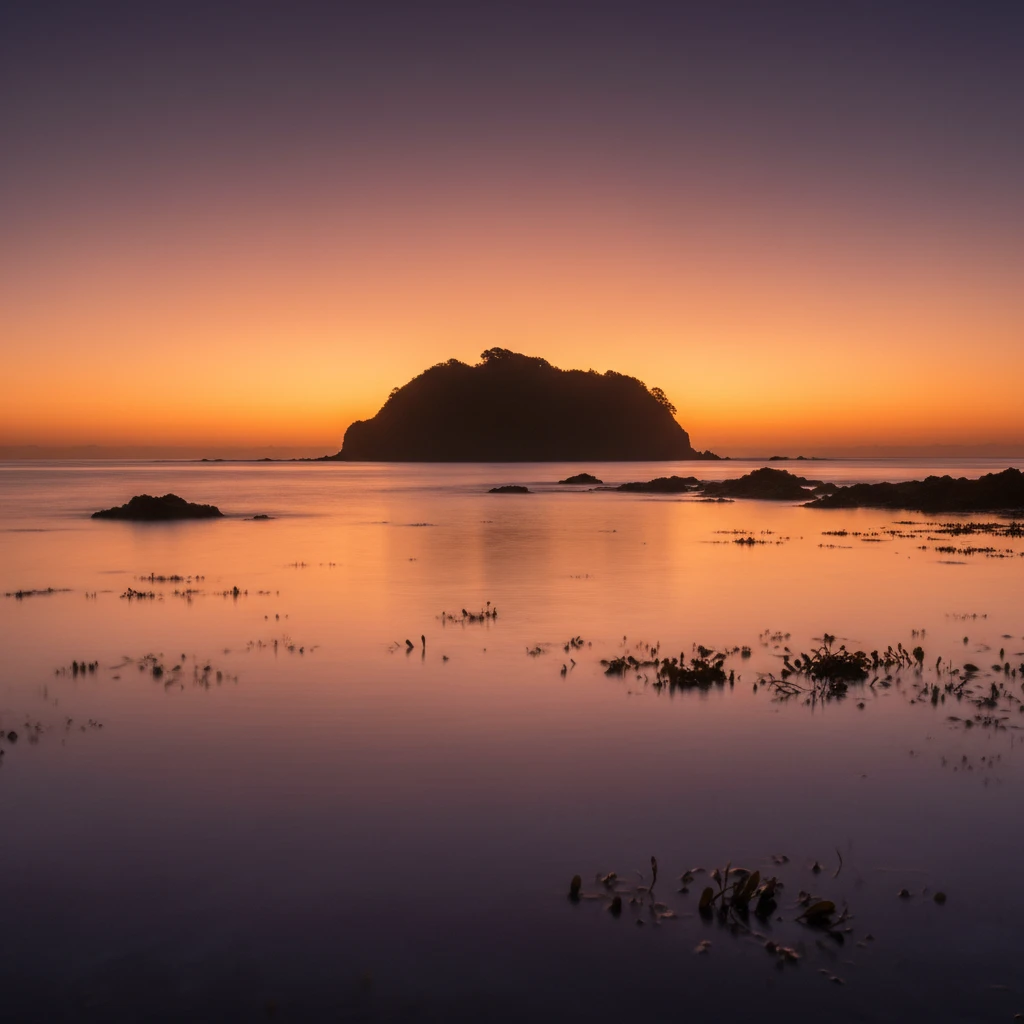
Goat Island, officially known as the Cape Rodney-Okakari Point Marine Reserve, is arguably the premier location on the east coast of New Zealand for sunrise enthusiasts. Because the beach faces directly east, visitors are treated to an unobstructed view of the sun emerging from the horizon line of the Pacific Ocean.
The Marine Silhouette
The visual drama of Goat Island comes from the island itself (Te Hāwere-a-Maki). As the first light hits the water, the island creates a striking silhouette against the brightening sky. For photographers, this provides a strong focal point that many open ocean beaches lack. The channel between the mainland and the island often catches the light in unique ways, creating a pathway of gold across the water known as the “glitter path.”
Marine Life at Dawn
From a marine education perspective, sunrise is a critical time at the reserve. The transition from night to day sees a shift in marine activity. Snapper and blue maomao are often visible in the shallows during these quiet morning hours before the crowds arrive. The calm water conditions usually associated with early mornings make this the safest and most rewarding time for a dawn snorkel. The water clarity is often at its peak, undisturbed by the sediment that can be kicked up by swimmers later in the day.
Logistics for the Early Riser
To catch the sunrise here, you must plan to arrive at least 30 minutes before the official sunrise time. The car park is located at the top of the hill and requires a short walk down to the beach. Be aware that the reserve gates open early, but it is strictly a no-fishing zone. The silence of the reserve at dawn, broken only by the sound of gentle waves and local birdlife, offers a meditative start to the day that is unrivaled in the region.
Where can you see the best sunset near Leigh?
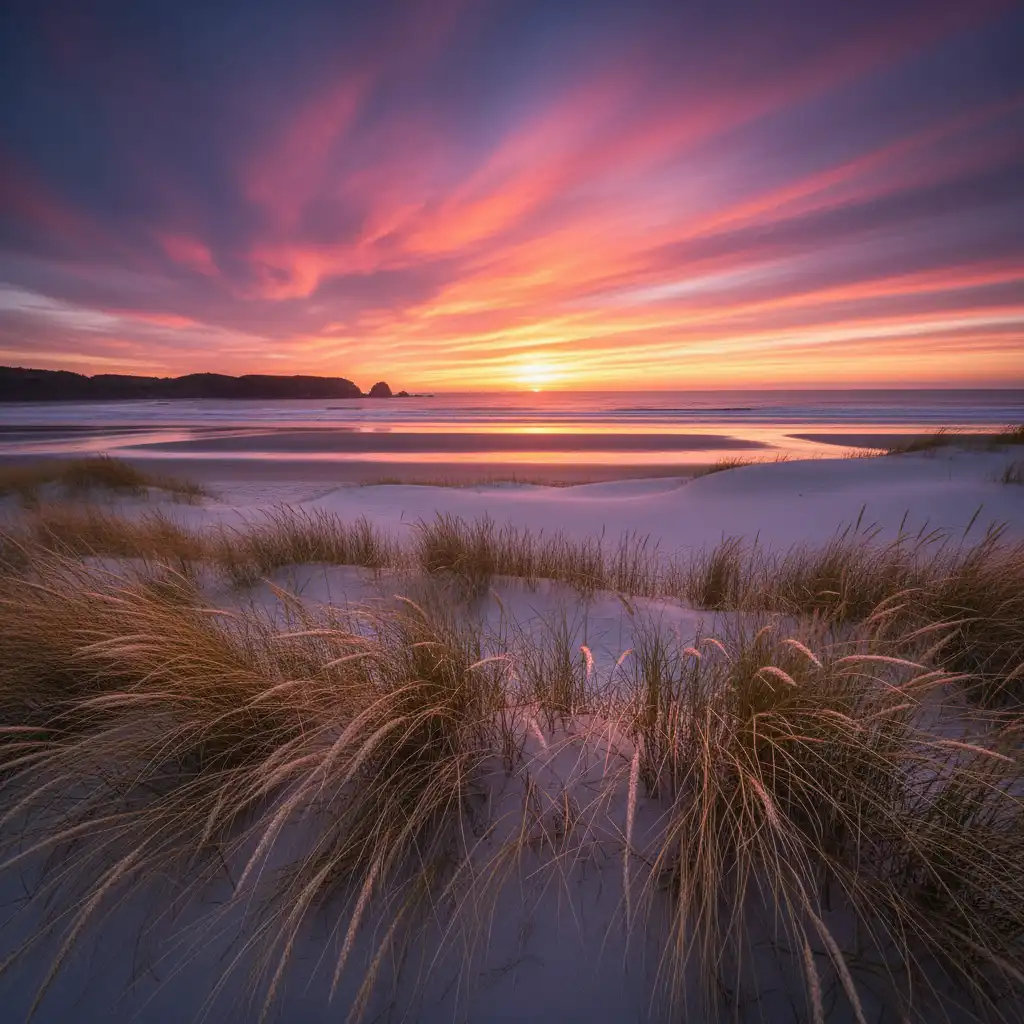
While Leigh faces east, just a short drive north lies Pakiri Beach, a location that offers a vastly different atmospheric experience. While the sun technically sets behind the hills to the west, Pakiri’s expansive white sands act as a giant reflector for the sky’s changing colors.
The “Afterglow” Phenomenon
Pakiri Beach is famous for its “afterglow.” Because the beach is backed by dunes and farmland rather than high cliffs immediately at the water’s edge, the sky remains visible for a long duration during dusk. The wet sand at low tide mirrors the pinks, purples, and deep blues of the twilight sky. This is the spot to go if you want to witness the “belt of Venus”—an atmospheric phenomenon visible shortly after sunset.
Dune Scenery and Solitude
Unlike the rocky coves of Leigh, Pakiri offers kilometers of pristine white sand. This space allows for a sense of isolation and grandeur. It is a popular spot for horse riding, and seeing riders silhouetted against the darkening sky is a common and beautiful sight. The contrast between the white silica sand and the darkening ocean provides a dramatic palette for landscape photography.
Are there sheltered spots for evening views?
If you prefer a more sheltered, intimate setting for the evening, Matheson Bay and Leigh Harbour are excellent alternatives to the exposed coast of Pakiri.
Matheson Bay Reserve
Matheson Bay is nestled within a protective cove. While you won’t see the sun dip below the ocean horizon, the surrounding hills capture the golden hour light magnificently. The reserve features a large grassy area that stays illuminated by the setting sun longer than the beach below. It is an ideal location for watching the shadows lengthen across the water while remaining protected from the prevailing westerly winds that often pick up in the evening.
Leigh Harbour (Whangateau Harbour Entrance)
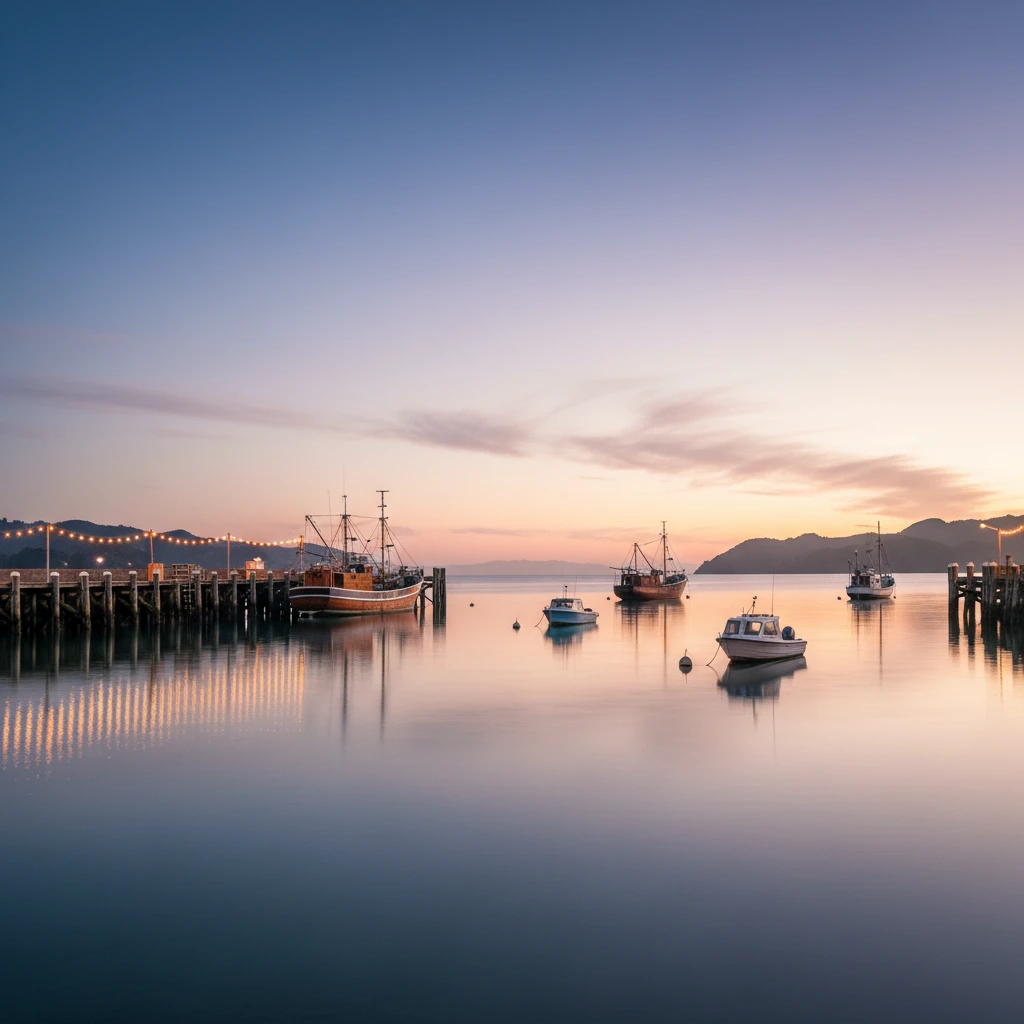
For a nautical atmosphere, Leigh Harbour offers a unique perspective. The calm waters of the harbour act like a mirror during the evening slack tide. Photographers flock here to capture the reflections of the fishing boats and the historic wharf. As the sun sets over the hills behind the wharf, the sky’s reflection in the still water creates a double-sunset effect that is serene and painterly.
How to photograph the Golden Hour in Leigh
Capturing the essence of Leigh’s coast requires specific techniques, particularly given the high dynamic range between the bright sky and the dark volcanic rocks or blue water.
Equipment Essentials
A sturdy tripod is non-negotiable for sunrise and sunset photography here. The low light conditions will require slower shutter speeds, often ranging from 1/10th of a second to several seconds. A graduated neutral density (ND) filter is highly recommended. This allows you to darken the bright sky while maintaining proper exposure for the darker foreground rocks and water, a common challenge when shooting facing the horizon.
Composition Techniques
Utilize the “leading lines” provided by the geology of the area. At Goat Island, the rocky shoreline creates natural lines that draw the viewer’s eye toward the island. At Pakiri, use the patterns in the sand dunes or the receding tide lines. When shooting at Matheson Bay, try to incorporate the Pohutukawa trees as a frame for the ocean; their twisted branches create interesting silhouettes against a colorful sky.
Understanding the Light
The light in New Zealand is known for its harshness during the day, making the “Golden Hour” (the hour after sunrise and the hour before sunset) crucial. In Leigh, the morning light is crisp and cool, often resulting in blue and gold tones. The evening light tends to be warmer, casting rich ambers and reds. Adjust your camera’s white balance to “Cloudy” or “Shade” to accentuate these warm tones rather than letting the camera neutralize them.
What are the best picnic spots with a view?
Pairing a sunset or sunrise with a meal is a staple of the Kiwi summer experience. Leigh offers several spots where the view is as good as the food.
Leigh Recreation Reserve
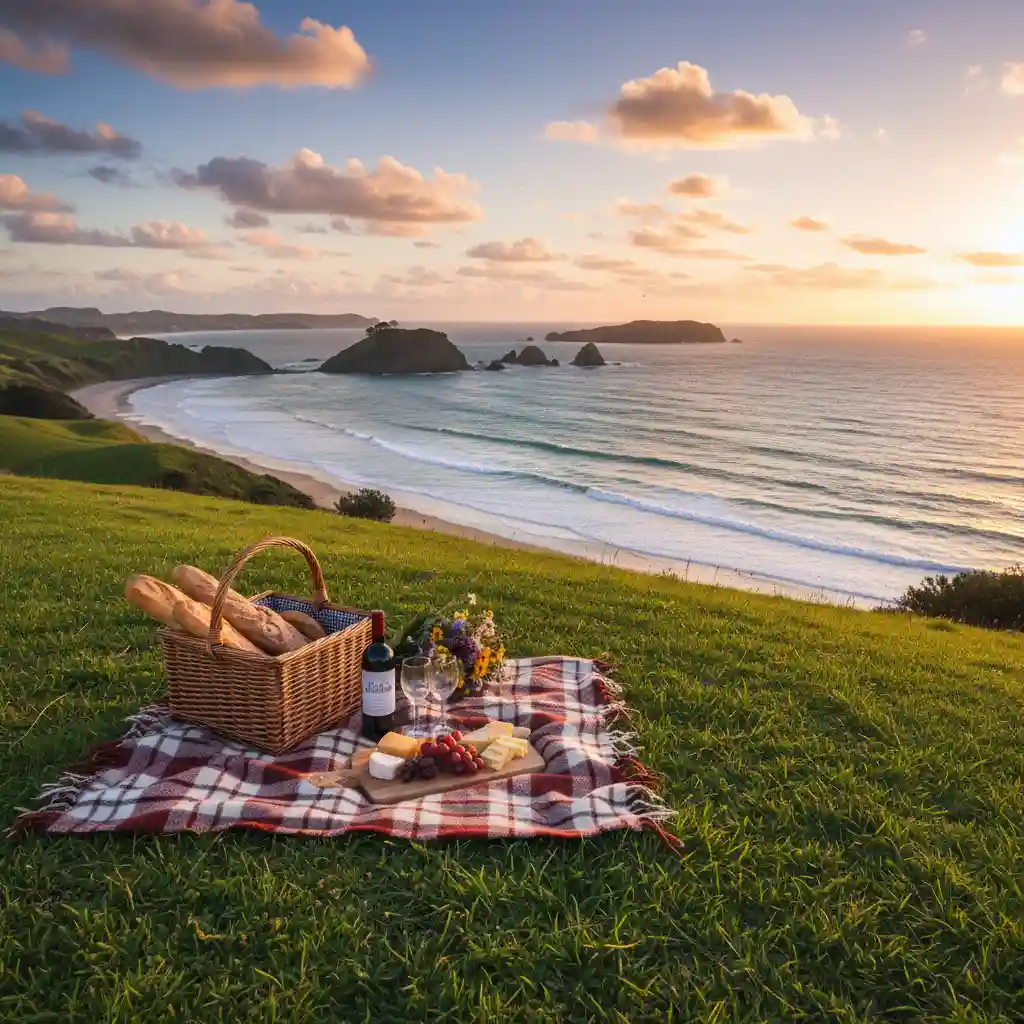
Located near the rugby club, this elevated spot offers panoramic views of the ocean. It is less crowded than the beaches and provides plenty of space for a blanket and a hamper. The elevation ensures you catch the very last rays of the sun before it dips behind the ranges.
Goat Island Beach (Top Carpark)
While eating on the beach is lovely, the top carpark offers picnic tables with a vista that overlooks the entire marine reserve. It is the perfect spot for a breakfast picnic immediately following a sunrise viewing. The elevation allows you to see the reef structures through the clear water below.
When is the best time of year to visit?
The experience of watching the sun in Leigh changes drastically with the seasons, influencing both the position of the sun and the atmospheric conditions.
Winter (June – August)
Winter offers the most dramatic sunrises. The sun rises further north, aligning perfectly with different rock formations at Goat Island. The air is often clearer, resulting in vibrant, crisp colors. Additionally, sunrise is later (around 7:00 AM – 7:30 AM), meaning you don’t have to wake up as early as you do in summer.
Summer (December – February)
Summer provides long, lingering twilights. The sun sets late, often past 8:30 PM, allowing for long evening picnics. However, the position of the sunrise shifts further south. The “Magic Hour” lasts longer in summer due to the angle of the sun, giving photographers more time to capture the perfect shot. Be aware that summer also brings crowds; for a solitary experience, shoulder seasons (Spring and Autumn) are often superior.
People Also Ask
Is Goat Island good for sunsets?
While Goat Island is world-famous for its sunrises because it faces east, it is not a direct sunset spot. The sun sets behind the hills behind the beach. However, the location is still beautiful at dusk as the sky changes color and the reserve becomes very quiet, offering a peaceful atmosphere.
Can you see the sunset from Leigh Harbour?
You cannot see the sun drop below the water horizon at Leigh Harbour, but it is an excellent spot for dusk photography. The calm water reflects the colors of the sky and the fishing boats, creating a serene evening setting.
Where is the best place to park for Pakiri Beach sunsets?
There is a large public car park at the end of Pakiri River Road. It provides direct access to the beach and is generally safe, though it is always recommended to lock your vehicle and take valuables with you. The gates may close at night, so check signage.
Are dogs allowed at sunset spots in Leigh?
Dogs are strictly prohibited at Goat Island Marine Reserve at all times. However, dogs are often allowed on Pakiri Beach (check local seasonal restrictions regarding dotterel nesting seasons) and Matheson Bay (on a leash during peak times/seasons). Always check current council signs.
What time is golden hour in Leigh NZ?
Golden hour occurs roughly one hour after sunrise and one hour before sunset. In summer, evening golden hour is typically between 7:30 PM and 8:30 PM. In winter, it can be as early as 4:30 PM to 5:30 PM. Checking a local weather app for precise sunrise/sunset times is recommended.
Is it safe to swim at Goat Island during sunrise?
Yes, sunrise is often one of the safest times to swim or snorkel as the wind is usually lower and the water calmer. However, always assess the sea conditions before entering. There are no lifeguards on patrol at dawn, so swim within your limits.