
Visiting Goat Island on Waitangi Day requires strategic planning, as the Cape Rodney-Okakari Point Marine Reserve reaches maximum capacity by 9:00 AM. Visitors must anticipate heavy traffic through Matakana, limited parking availability, and strict enforcement of alcohol bans. To ensure a successful trip, arrive early, pre-book snorkel equipment, and adhere to all ‘no-take’ marine reserve regulations.
What are the Traffic Predictions for Waitangi Day?
Waitangi Day (February 6th) falls during the peak of the New Zealand summer, creating a perfect storm for congestion heading north from Auckland. Goat Island, located near Leigh, is one of the most popular day-trip destinations in the region. The traffic situation on this public holiday is historically severe, and understanding the choke points is essential for survival.
The Hill Street Intersection & Warkworth
Even with the new motorway extensions (Ara Tūhono – Pūhoi to Warkworth), the funneling effect into Warkworth and towards Matakana remains a critical delay point. On public holidays, traffic can back up significantly as holidaymakers merge onto local roads. If you are departing from Auckland, the “sweet spot” for departure is before 7:00 AM. Leaving after 8:30 AM on Waitangi Day often results in doubling your travel time.
The Matakana Crawl
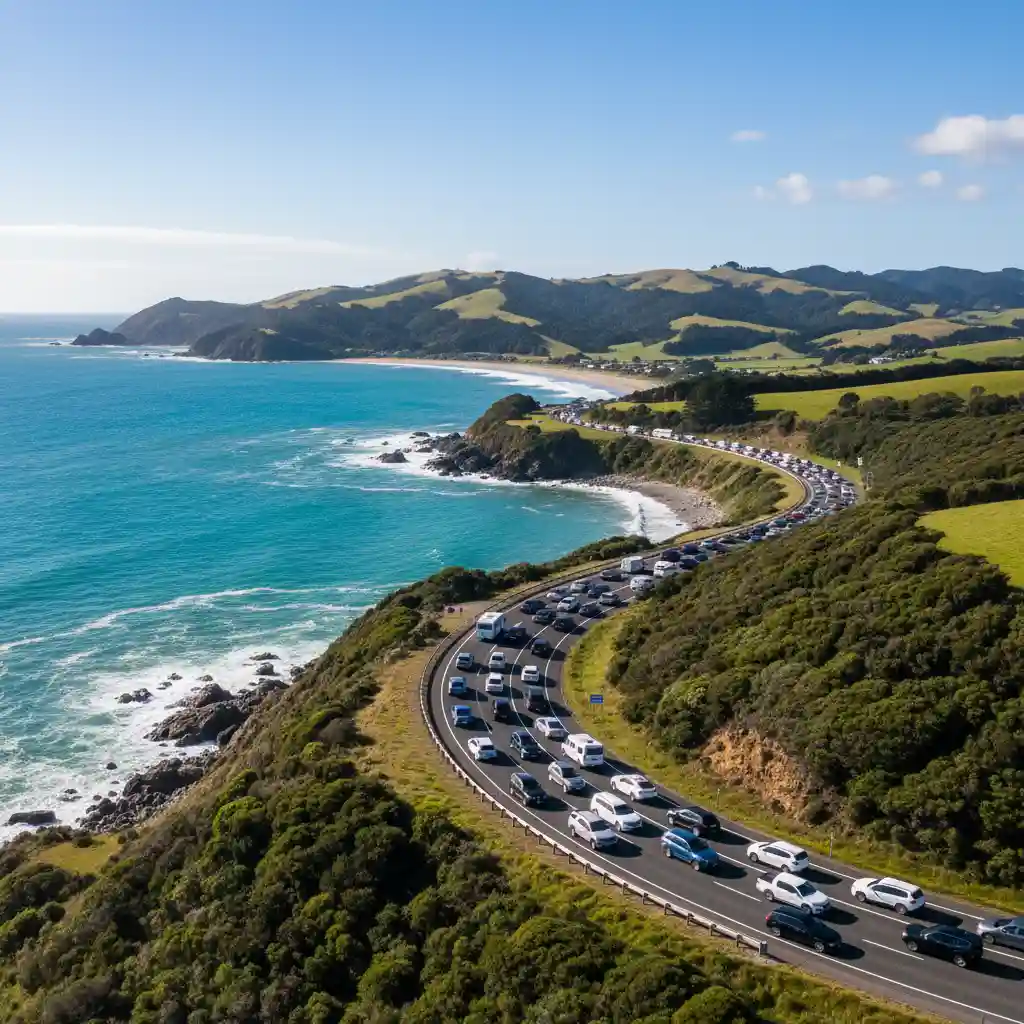
Matakana Village is a destination in itself, and the road through the village is the primary artery to Goat Island. By mid-morning, this road becomes gridlocked with market-goers (if falling on a Saturday) and beach traffic. Expect stop-start traffic from the Warkworth turnoff all the way through to the Leigh Road junction.
The Final Stretch: Goat Island Road
The final approach to the marine reserve is a narrow, winding road. Once the main car park fills up, this road often becomes congested with cars attempting to turn around or park illegally on verges. Police and local council enforcement officers are frequently present on Waitangi Day to manage this flow and ticket illegally parked vehicles that obstruct the narrow carriageway.
How to Handle Parking at Goat Island?
Parking is the single biggest logistical challenge at Goat Island on Waitangi Day. The reserve has two main parking areas: the lower car park (closest to the beach) and the upper overflow car park. Combined, they hold a limited number of vehicles compared to the thousands of visitors attempting to visit.
The 9:00 AM Cut-Off
Historical data and ranger reports indicate that the car parks typically reach 100% capacity between 9:00 AM and 9:30 AM on sunny public holidays. Once capacity is reached, a “one-out, one-in” policy effectively begins, leading to long queues. If you arrive at 11:00 AM, you may be turned away entirely or face a wait of over an hour.
Parking Alternatives and Strategies
If you miss the early window, you have very limited options. Unlike urban beaches, there are no side streets to park in. The surrounding land is private farmland or steep coastal terrain.
- Drop-off Strategy: If traveling with a group, consider dropping passengers and gear at the drop-off zone near the toilet block, then having the driver wait for a spot or park further up the hill if spaces allow.
- The “Walk from the Top”: Occasionally, makeshift parking is available on the grass verges near the very top of Goat Island Road (several kilometers back), but this requires a long, steep walk down with your gear. This is not recommended for families with young children or those with heavy dive equipment.
- Wait it Out: The first turnover of visitors usually happens around 1:00 PM as the morning snorkelers leave for lunch. However, relying on this is risky on a public holiday.

Do You Need to Pre-book Snorkel Gear?
Yes, pre-booking is absolutely critical for Waitangi Day. There is only one main provider for gear hire in the immediate vicinity: Goat Island Dive & Snorkel. On public holidays, their inventory of wetsuits, masks, snorkels, and fins is often fully allocated days in advance.
Rental Logistics
Turning up on the day expecting to hire gear is a recipe for disappointment. You should visit their website at least one week prior to Waitangi Day to secure your size. Remember that the water temperature in February is pleasant (around 20-22°C), but a wetsuit provides buoyancy and protection from the sun and potential jellyfish stings, making it highly recommended even for strong swimmers.
Glass Bottom Boat Tours
If you intend to take the Glass Bottom Boat tour, this also operates on a strict schedule. Waitangi Day bookings fill up rapidly. This is an excellent alternative for those who do not wish to get wet but still want to see the snapper and crayfish. The boat departs from the beach, but you must have your booking confirmation ready on your phone.
Are There Alcohol Bans on Waitangi Day?
Goat Island (Cape Rodney-Okakari Point Marine Reserve) is a family-focused environment dedicated to conservation. While specific alcohol bans can vary by district council year-to-year, the general rule of thumb for this reserve on public holidays is strict.
Department of Conservation (DOC) Stance
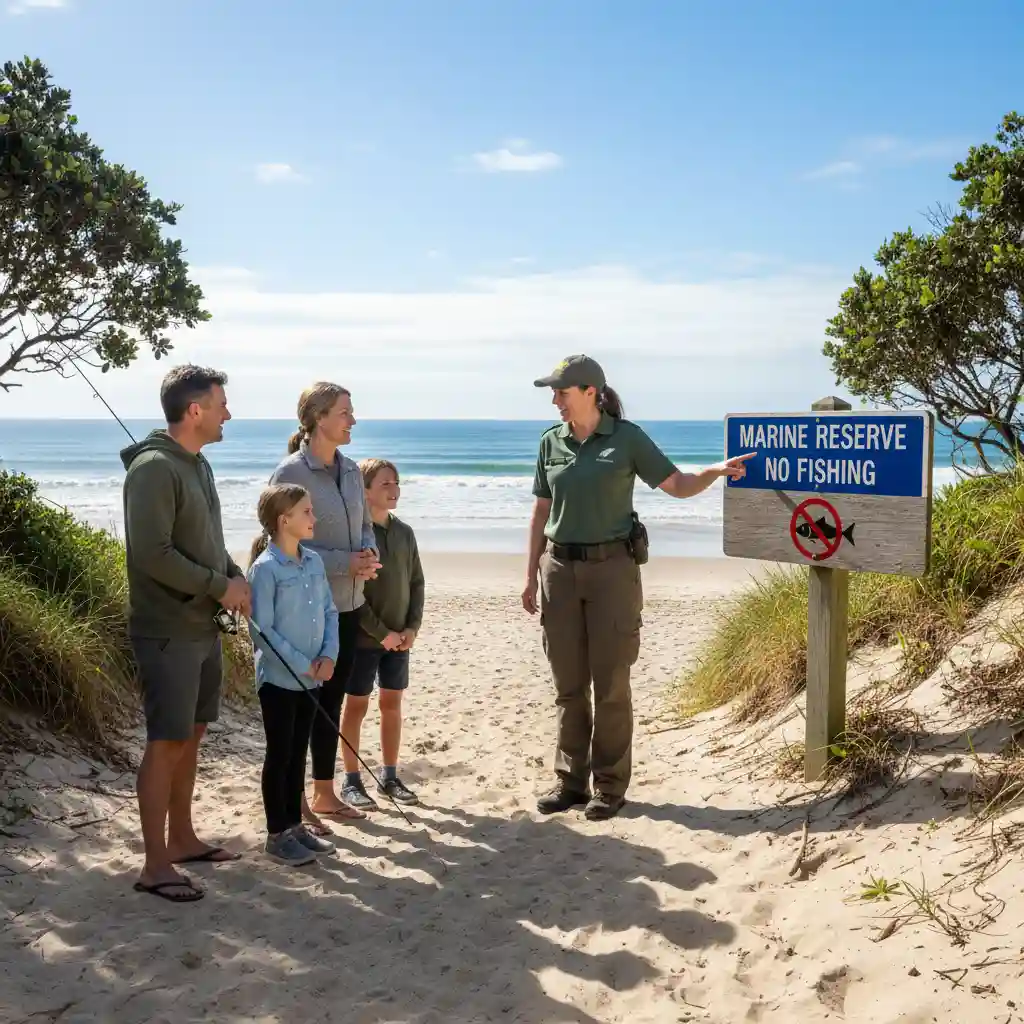
The Department of Conservation (DOC) manages the reserve. While they primarily enforce the Marine Reserves Act (no fishing), they work closely with police regarding behavior. Disorderly behavior caused by alcohol is not tolerated. Furthermore, many public areas in the Auckland region have 24-hour alcohol bans over Waitangi Day to prevent disorder.
The “No-Take” Rule
It is vital to reiterate that absolutely nothing can be taken from the reserve. This includes:
- Fish and shellfish (zero tolerance for fishing).
- Seaweed and shells.
- Rocks and driftwood.
Rangers are out in force on Waitangi Day. Fines for fishing in a marine reserve are severe, often including the confiscation of gear and vehicles, plus court dates. Ensure no fishing gear is even visible in your car to avoid misunderstandings.
On-Site Amenities and What to Bring
Surviving a full day at Goat Island requires packing the right supplies, as amenities are basic and there are no shops directly on the beach.
Facilities Overview
- Toilets & Changing Rooms: There is a large toilet block and changing area near the main car park. Expect queues on Waitangi Day.
- Showers: Cold outdoor showers are available to rinse off salt water. Do not use soap or shampoo here, as the runoff goes into the environment.
- Rubbish: Goat Island operates on a strict “Pack In, Pack Out” policy. There are no rubbish bins on the beach or in the car park. You must take all your trash home with you.
- Food & Drink: There is usually a small coffee cart or ice cream truck in the upper car park during summer, but supplies are limited. Bring a cooler with plenty of water and lunch.
Essential Packing List
- Sun Protection: SPF 50+ sunscreen (reef-safe preferred), hats, and rash shirts. The New Zealand sun is unforgiving.
- Footwear: The beach is not sand; it is composed of rocks and pebbles. Reef shoes or old sneakers are essential for walking from the towel to the water. Walking barefoot is painful and difficult.
- Hydration: Bring at least 2 liters of water per person.
Marine Life to Spot in February
Waitangi Day falls in late summer, which is arguably the best time for marine life visibility and diversity at the reserve. The warmer currents bring in different species, and the resident population is active.
The Big Snapper
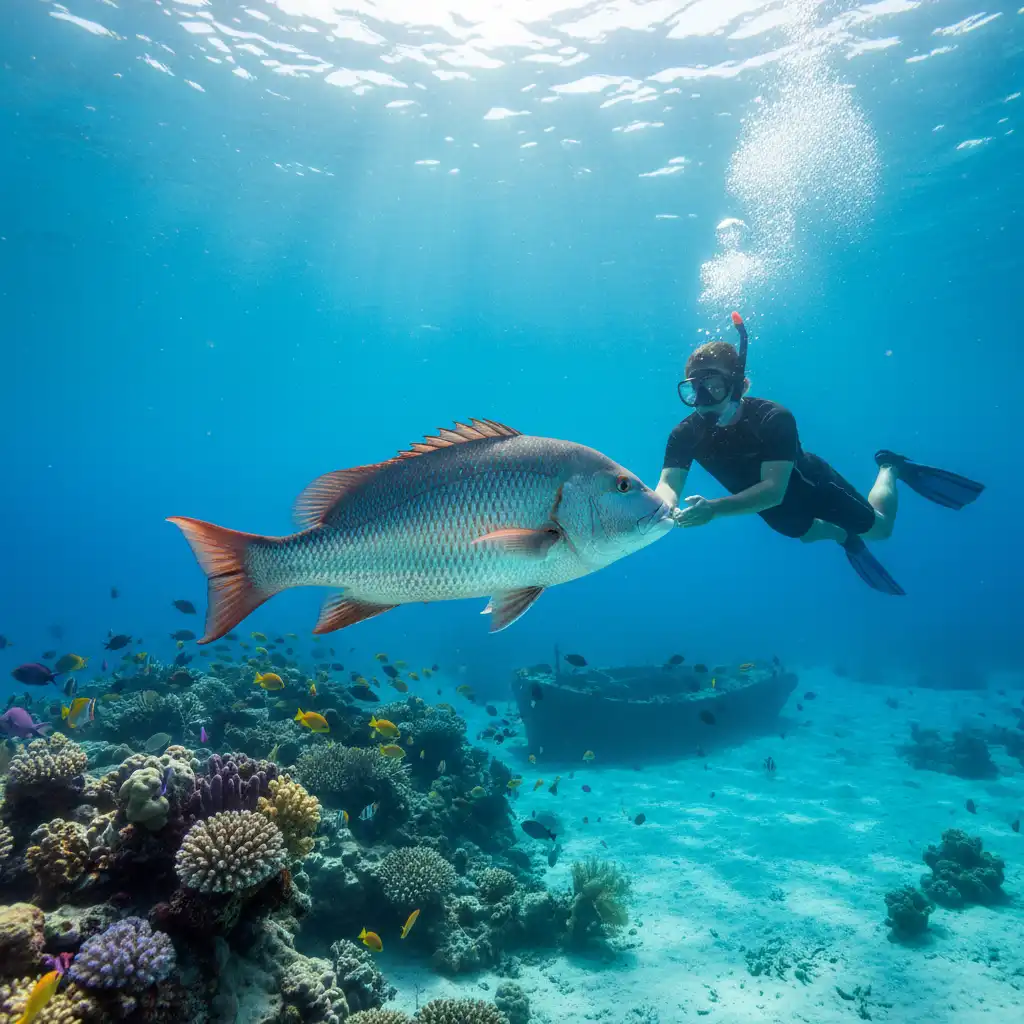
The reserve is famous for its large Snapper (Tāmure). These fish are old, large, and completely unafraid of humans. They will swim right up to your mask in shallow water. Please do not touch them; doing so removes their protective slime coating, making them susceptible to infection.
Eagle Rays and Stingrays
February is a prime month for spotting Eagle Rays cruising the shallows. They are often seen foraging in the sand flats near the channel. Keep a respectful distance and observe them gliding over the seabed.
Crayfish (Rock Lobster)
While usually hidden in crevices during the day, the protected status of the reserve means crayfish are more abundant and sometimes bolder here than anywhere else on the coast. Look for their antennae poking out from under ledges.
Backup Plans: When the Reserve is Full
If you arrive at 10:00 AM and the rangers turn you away, you need a Plan B. Fortunately, the Matakana Coast offers excellent alternatives, though none have the same density of tame fish as Goat Island.
Pakiri Beach
Located a short drive over the hill from Leigh, Pakiri is a stunning, long white-sand surf beach. It is excellent for swimming and surfing, though it lacks the snorkeling appeal of Goat Island. It is much larger, so parking is generally easier to manage.
Matheson Bay
Located in Leigh, Matheson Bay is a sheltered cove that is fantastic for swimming and has a pontoon. It is family-friendly and often less chaotic than Goat Island, though parking can still be tight.
Tāwharanui Regional Park
If you are willing to drive back towards Warkworth, Tāwharanui is another open sanctuary and marine reserve. It offers beautiful white sand beaches and good snorkeling near the rocks at Anchor Bay. Note that Tāwharanui also fills up quickly on public holidays, but the capacity is slightly higher.
People Also Ask
Is Goat Island open on Waitangi Day?
Yes, the Goat Island Marine Reserve is open to the public 24/7, 365 days a year, including Waitangi Day. However, commercial operators (gear hire, glass bottom boat) may have specific holiday hours, though they typically operate fully during summer public holidays due to demand.
Can I take my dog to Goat Island?
No. Dogs are strictly prohibited at Goat Island Marine Reserve to protect local wildlife, including shorebirds. Do not leave dogs in cars; the heat in the car park can be fatal, and rangers will intervene.
Is there an entry fee for Goat Island?
There is no entry fee to visit the Cape Rodney-Okakari Point Marine Reserve or to use the beach and car park. Costs are only incurred for parking if using private overflow land (rare), or for gear rental and boat tours.
What is the best tide to snorkel Goat Island?
The best visibility and ease of access generally occur around high tide. At low tide, you have to walk further over slippery rocks to reach deep water, and visibility can be reduced by sediment. Check the Leigh tide tables before planning your arrival.
Can I bring a BBQ to Goat Island?
Gas BBQs are generally permitted in the grassy picnic areas, but open fires and charcoal BBQs are often banned during summer due to high fire risk. Always check the current fire season status for the Auckland region before lighting anything.
How deep is the water at Goat Island?
You can see fish in waist-deep water (1 meter). The main snorkeling area around the island channel ranges from 2 to 6 meters deep. Further out, depths drop to 10-20 meters, which is popular for SCUBA divers.