Goat Island Marine Reserve rules strictly enforce a comprehensive ‘No Take’ policy, meaning the removal of any marine life, shells, rocks, or driftwood is prohibited. Fishing, shellfish gathering, and fish feeding are banned to protect the ecosystem. Additionally, dogs are restricted on specific beach areas, and unauthorized drone usage is illegal without a permit.
Located just north of Auckland, the Cape Rodney-Okakari Point Marine Reserve—popularly known as Goat Island—stands as New Zealand’s first and most celebrated marine reserve. Established in 1975, it serves as a benchmark for marine conservation, offering a window into what New Zealand’s coastlines looked like prior to human impact. However, the reserve’s popularity brings with it a strict set of regulations designed to preserve its fragile biodiversity. Understanding the Goat Island marine reserve rules is not just about avoiding hefty fines; it is about respecting the sanctuary that allows snapper, crayfish, and kelp forests to thrive.
Visitors often underestimate the severity of these regulations. Department of Conservation (DOC) rangers patrol the area frequently, and ignorance of the law is not accepted as a valid defense. Whether you are a snorkeler, a beachgoer, or a boat skipper, adherence to the Marine Reserves Act 1971 is mandatory. This guide provides an authoritative breakdown of every rule, fine, and restriction you need to know before visiting.
What is the ‘No Take’ Policy at Goat Island?
The cornerstone of the Goat Island marine reserve rules is the absolute “No Take” policy. This regulation is far more comprehensive than a simple fishing ban. Under the Marine Reserves Act 1971, total protection is granted to all natural resources within the reserve boundaries. This means that nothing natural can be removed from the reserve, whether it is alive or dead.
Many visitors mistakenly believe that taking a souvenir, such as an empty seashell or a piece of driftwood, is harmless. However, in a high-traffic reserve like Goat Island, which sees hundreds of thousands of visitors annually, the cumulative effect of souvenir hunting would strip the beach bare and disrupt the habitat for hermit crabs and other small organisms.
Specific Prohibitions Under the ‘No Take’ Rule
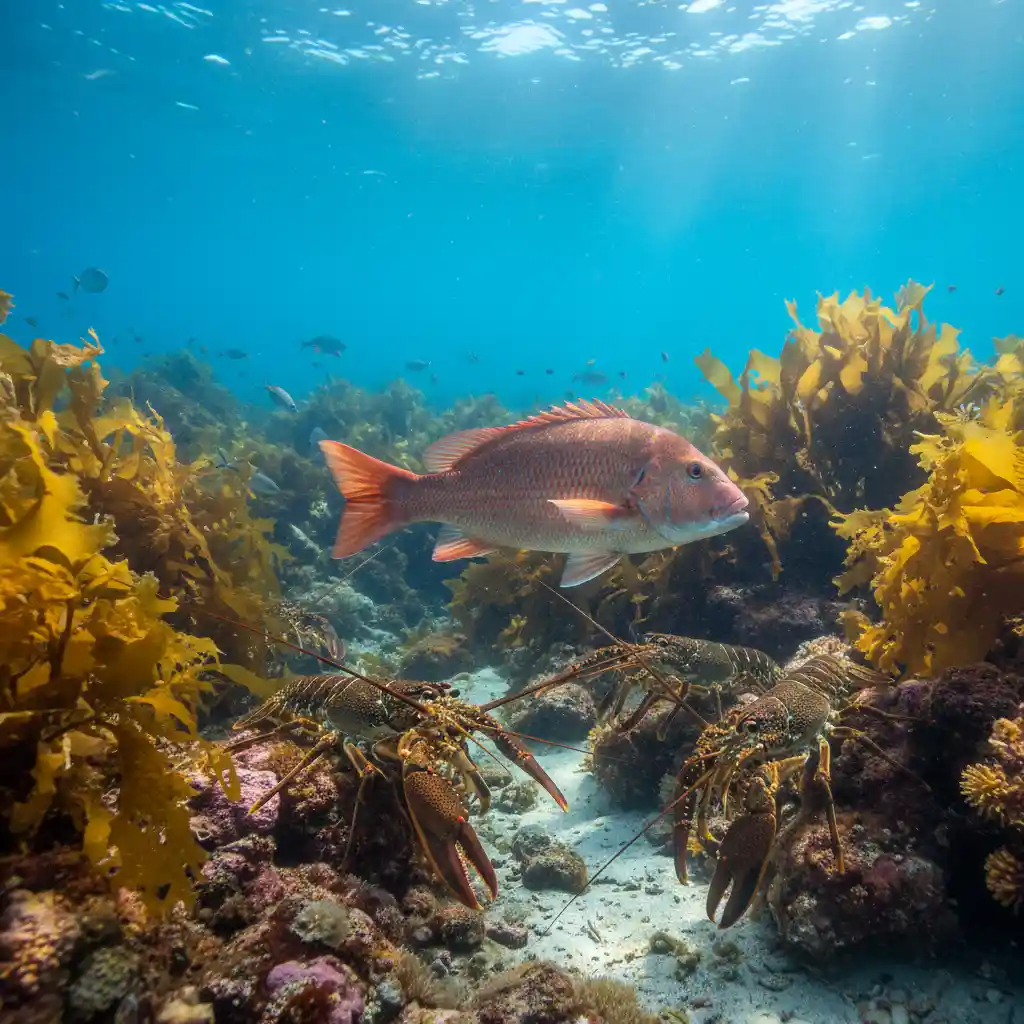
- No Fishing: This includes line fishing, spearfishing, netting, and potting. You cannot have fishing gear assembled or in use within the reserve boundaries. If you are transiting through the reserve with fishing gear on a boat, it must be stowed away and unusable.
- No Gathering: You cannot take crayfish (rock lobster), kina (sea urchins), mussels, or paua. Even if you see them in shallow water, they must remain untouched.
- No Souvenirs: Removing shells, rocks, sand, seaweed, or driftwood is illegal. Everything on the beach and in the water is protected state property within the reserve.
- No Harm: You cannot kill, injure, or disturb marine life. This includes crushing barnacles on rocks or trampling on sensitive intertidal zones.
The boundaries of the reserve extend from Cape Rodney to Okakari Point and reach 800 meters offshore. It is your responsibility to know exactly where these boundaries lie. GPS technology and coastal landmarks make the boundaries clear, and claiming you “didn’t know you were in the reserve” will not prevent prosecution.
Why is Fish Feeding Banned in the Reserve?
For decades, feeding the fish at Goat Island was a popular tourist activity. Visitors would throw peas, bread, or fish food into the water to attract large snapper. However, scientific monitoring revealed that this practice was causing significant ecological and behavioral damage.
Feeding fish alters their natural behavior. Snapper, which are naturally predatory, began to rely on handouts. This led to aggressive behavior, with fish biting swimmers in their search for food. Furthermore, food introduced by humans—such as bread or processed peas—is not part of a marine diet and can cause health issues for the fish. It also disrupts the natural food chain; if snapper are full of bread, they are not eating the kina (sea urchins) that they naturally predate upon. This can lead to kina barrens, where unchecked urchin populations destroy kelp forests.
Consequently, feeding fish is now strictly prohibited under the Goat Island marine reserve rules. This ban allows the marine life to return to natural foraging behaviors, ensuring a healthier ecosystem and a safer experience for snorkelers.
Are Dogs Allowed at Goat Island Marine Reserve?
Pet owners must be extremely careful when visiting the area. The regulations regarding dogs are strict to protect the local wildlife, particularly shorebirds like the New Zealand dotterel and variable oystercatcher, which nest on the beaches.
Where Dogs Are Banned
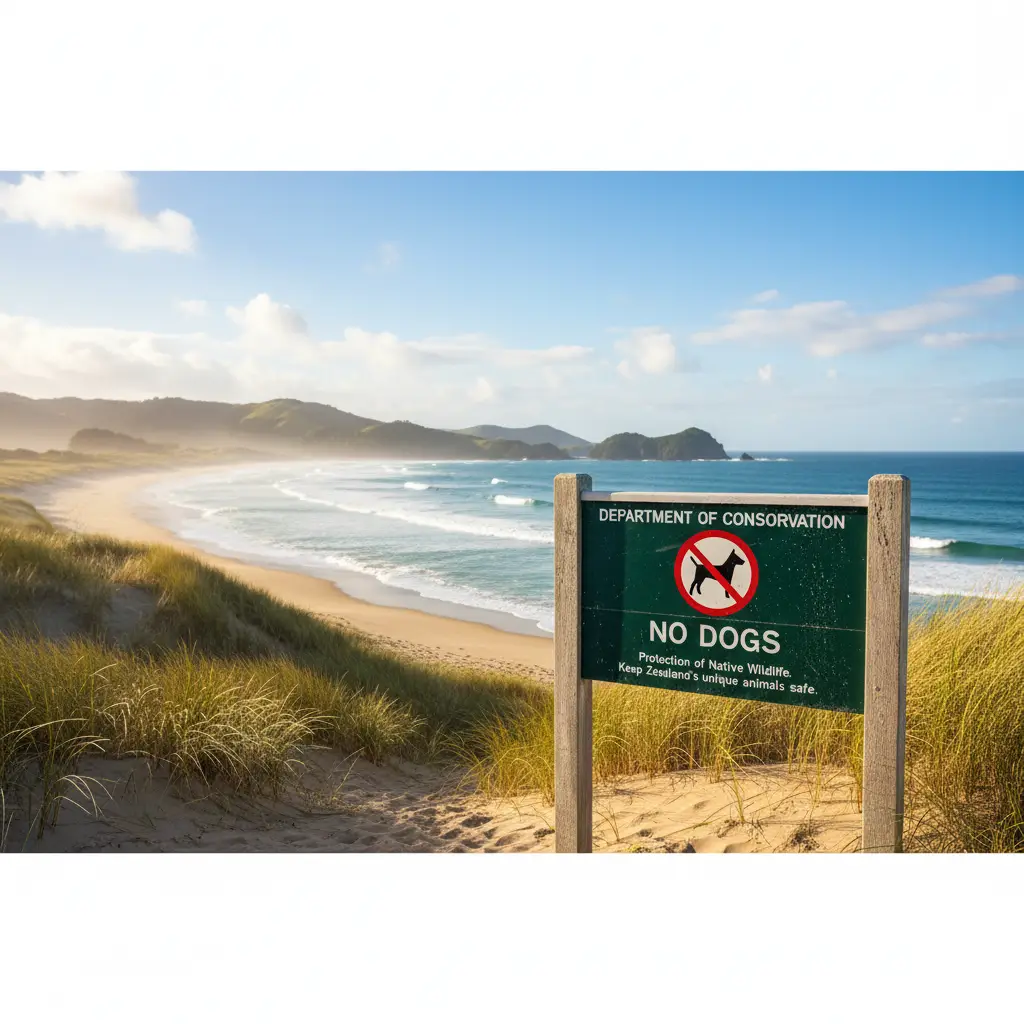
Dogs are generally prohibited on the beach at Goat Island (Te Hāwere-a-Maki) and within the reserve’s foreshore areas. This ban is enforced year-round, not just during peak season. The presence of dogs can stress wildlife, crush nests, and disturb other visitors.
Exceptions and Walkways
While the beach itself is often off-limits, dogs may be permitted on a leash in the car park area or on specific adjacent walkways, provided they are under control and owners clean up after them. However, rules can change based on council bylaws and DOC updates, so it is critical to check the signage immediately upon arrival. If in doubt, leave your dog at home. Bringing a dog onto a prohibited reserve area can result in an instant infringement fine.
What are the Regulations for Drone Usage?
With the rise of aerial photography, drone usage has become a contentious issue in New Zealand’s conservation estate. At Goat Island, operating a drone is not as simple as launching it from the car park.
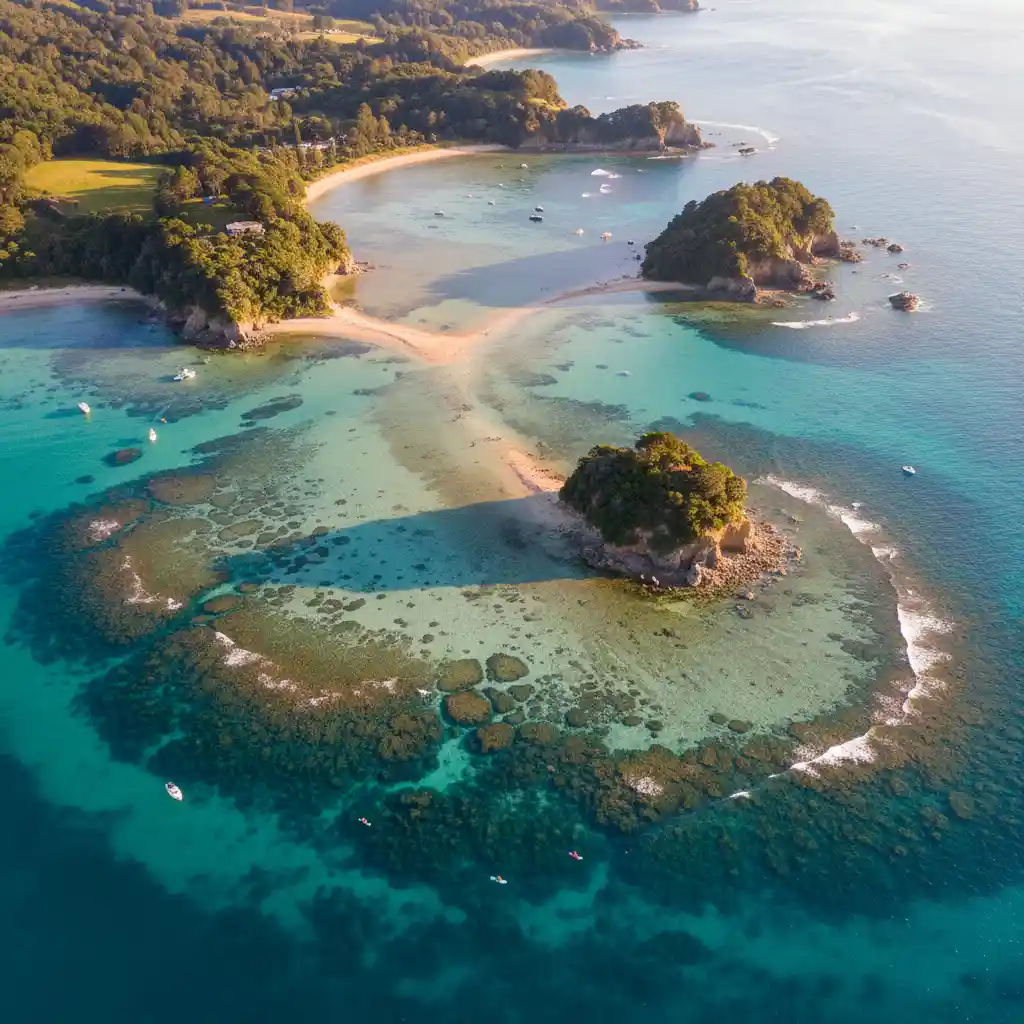
The Cape Rodney-Okakari Point Marine Reserve is managed by the Department of Conservation (DOC). Under conservation laws, flying a drone over public conservation land (which includes the reserve) generally requires a concession or permit from DOC. Unauthorized drone flights can disturb birds, interfere with other visitors’ quiet enjoyment, and pose safety risks.
Key Drone Rules:
- Permit Required: You must apply for a permit from DOC to fly a drone over the reserve for any commercial or recreational purpose.
- Wildlife Disturbance: Even with a permit, you cannot fly close to marine mammals or birds. Harassing wildlife with a drone is a serious offense under the Marine Mammals Protection Act.
- Privacy: You must respect the privacy of the hundreds of snorkelers and divers in the water.
Failure to obtain a permit can lead to the confiscation of your drone and fines. If you are a commercial operator, the requirements are even more stringent, requiring safety plans and aviation authority compliance.
Boating and Anchoring Restrictions
Boaters are welcome in the reserve, but they operate under strict conditions. The primary concern for vessels is the protection of the reef and the safety of swimmers.
Speed Limits
Under maritime rules, vessels must not exceed 5 knots within 200 meters of the shore or a dive flag. Given that Goat Island is a hub for snorkeling and diving, skippers must be hyper-vigilant. High speeds in the reserve are dangerous and illegal.
Anchoring
Anchoring can cause massive physical damage to the seafloor, crushing delicate sponges, corals, and centuries-old reef structures. While anchoring is not universally banned in all parts of every reserve, it is heavily restricted or discouraged in sensitive areas. Boaters should use sand patches for anchoring if necessary, but the best practice is to stay mobile or use designated moorings if available. Dragging an anchor through the reserve’s reef is considered damaging the habitat and can be prosecuted.
Understanding Fines and Legal Consequences
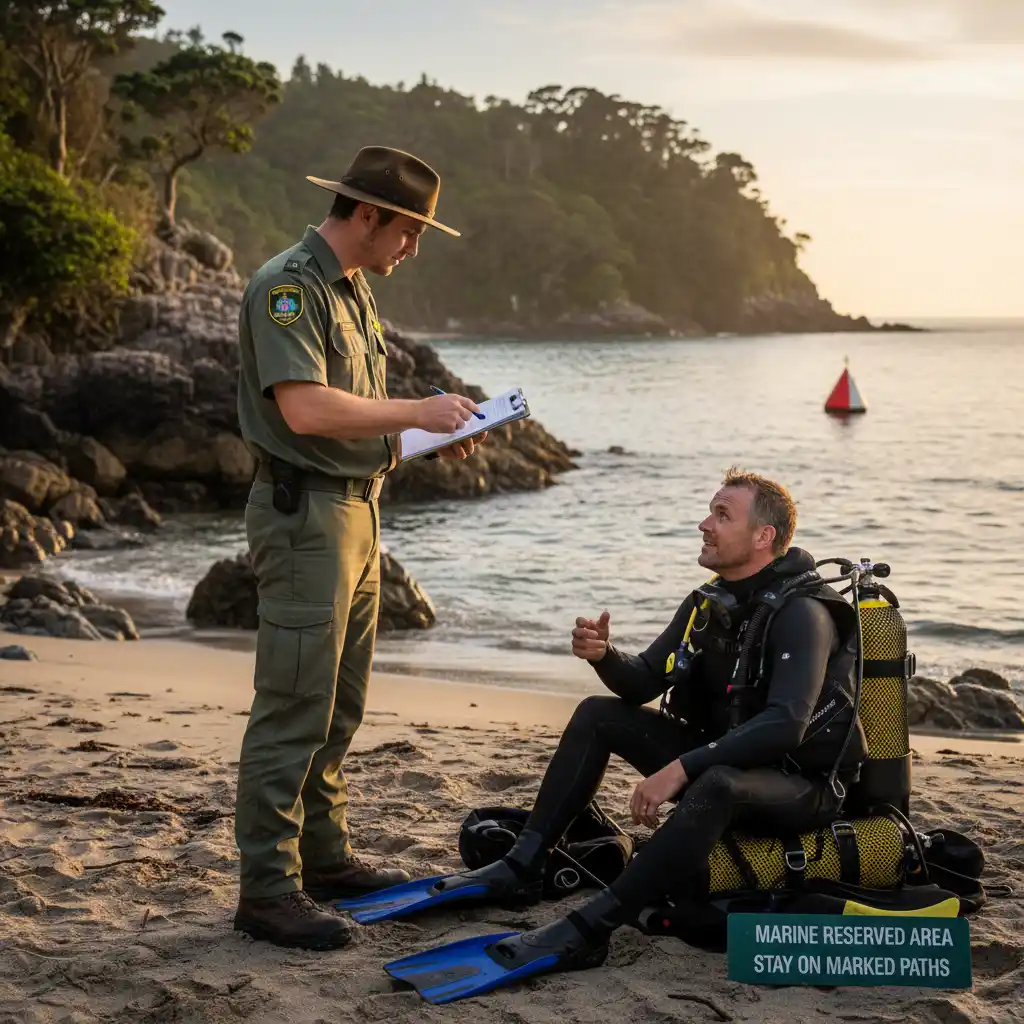
The penalties for breaching Goat Island marine reserve rules are severe. The New Zealand government takes biosecurity and conservation enforcement seriously. The Marine Reserves Act 1971 outlines the penalties for offenses.
Penalties Breakdown
- Fines: Conviction for taking marine life for commercial purposes can result in fines up to $250,000. Even recreational offenses can attract fines of up to $10,000 depending on the severity and the species taken.
- Imprisonment: serious offenses, particularly those involving large-scale poaching or obstruction of a ranger, can lead to up to 3 months in prison.
- Seizure of Equipment: Perhaps the most immediate deterrent is the power of seizure. Rangers and fishery officers have the authority to seize any equipment used in the commission of an offense. This includes fishing gear, dive tanks, and even boats and vehicles. If you are caught fishing from your boat in the reserve, you risk losing the vessel entirely.
How to Report Suspicious Activity
Conservation is a community effort. If you see someone fishing, taking shellfish, or dumping rubbish in the reserve, do not confront them directly as this can be dangerous. Instead, record the details (time, description of person/boat, registration numbers) and contact the authorities.
DOC Emergency Hotline: 0800 DOC HOT (0800 362 468)
Frequently Asked Questions
Can I take empty shells from Goat Island beach?
No, you cannot take empty shells. The ‘No Take’ policy applies to dead or alive material, including shells, rocks, driftwood, and sand. These items form part of the habitat for other organisms.
Is it legal to fish from the rocks at Goat Island?
No, fishing from the rocks within the reserve boundaries is strictly prohibited. The reserve extends from Cape Rodney to Okakari Point. You must move outside these boundaries to fish legally.
Can I bring my dog to the Goat Island car park?
Dogs are generally allowed in the car park if they are on a leash, but they are prohibited on the beach and foreshore. Always check the current signage at the entrance as rules can change seasonally.
Do I need a permit to fly a drone at Goat Island?
Yes, flying a drone over the marine reserve usually requires a concession from the Department of Conservation. Unauthorized flights are prohibited to prevent disturbance to wildlife and visitors.
What is the fine for fishing in the marine reserve?
Fines for fishing in a marine reserve can be up to $10,000 for recreational offenses and significantly higher for commercial offenses. Additionally, your fishing gear, boat, and vehicle can be seized.
Why are we not allowed to feed the fish anymore?
Fish feeding is banned because it alters the natural behavior of the fish, making them aggressive towards humans, and introduces unhealthy food into their diet. It also disrupts the natural ecosystem balance.