
The best wetsuit for 15 degree water depends largely on your activity level. For surfing and high-movement water sports, a 4/3mm sealed steamer is the industry standard, offering a balance of warmth and flexibility. For scuba diving or snorkeling in New Zealand, a 7mm semi-dry suit or a 5mm open-cell suit is recommended to prevent hypothermia during prolonged submersion.
What is the Challenge of 15-Degree Water?
In the context of New Zealand marine tourism, 15°C (59°F) is a pivotal temperature. It represents a transitional threshold that catches many visitors and locals off guard. In the height of summer, waters in the South Island (like Kaikoura or Dunedin) may peak around this temperature, while in the North Island (Leigh or the Bay of Islands), this represents a late spring or late autumn reading.
Water at 15°C is significantly colder than the human body’s core temperature of 37°C. Water conducts heat away from the body 25 times faster than air. Without adequate protection, hypothermia can set in surprisingly quickly, even if the air temperature is warm. Finding the best wetsuit for 15 degree water requires navigating the “Goldilocks” zone: a 3mm suit is often too cold for sessions longer than 45 minutes, while a bulky 7mm suit can be restrictive if you are paddling hard.

How to Choose the Right Thickness for Your Sport?
The “best” thickness is relative to how much body heat you generate. A surfer paddling constantly generates heat, whereas a diver is relatively static. Here is the definitive breakdown for NZ conditions at 15°C.
Surfing and Paddle Boarding
Recommendation: 4/3mm Steamer
For surface water sports, a 4/3mm wetsuit is the most versatile piece of equipment you can own in New Zealand. The “4” refers to 4mm neoprene in the chest and back panels to keep your core organs warm, while the “3” refers to 3mm in the arms and legs to allow for paddling flexibility. At 15°C, a 3/2mm is generally insufficient unless it is a high-end suit with thermal lining and the sun is blazing. Conversely, a 5/4mm might cause overheating during intense paddling.
Scuba Diving
Recommendation: 7mm Semi-Dry or 5mm Open Cell
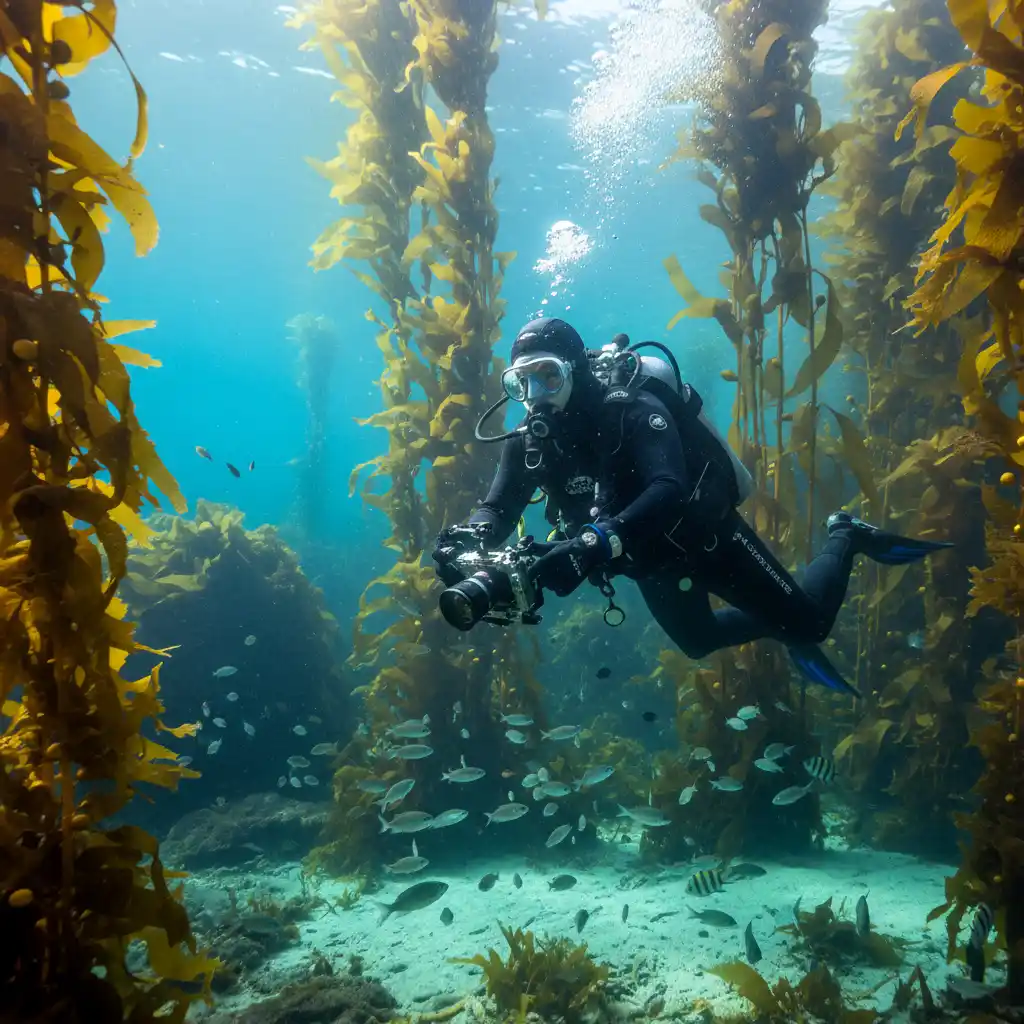
Divers face a different challenge: compression. As you descend, the neoprene bubbles compress, reducing the suit’s insulation properties. Furthermore, water at depth is often colder than at the surface. For a standard 45-minute dive in 15°C water, a standard 5mm suit is often too cold. Most NZ dive operators recommend a 7mm semi-dry suit. These suits feature better seals at the neck, wrists, and ankles to minimize water exchange, effectively trapping a layer of water that your body heats up.
Snorkeling and Freediving
Recommendation: 5mm Two-Piece Open Cell
Freedivers generally prefer two-piece suits (high-waisted pants and a hooded jacket). An “open cell” interior sticks directly to the skin (requiring lubricant to put on), eliminating water circulation entirely. A 5mm open cell suit in 15°C water is incredibly warm, often warmer than a standard 7mm scuba suit, and offers superior flexibility for breath-hold diving.
Summer (3mm) vs. Winter (7mm) Needs in NZ
New Zealand’s maritime climate means water temperatures fluctuate, but not as drastically as the air temperature. However, the difference between a summer suit and a winter suit is distinct.
The Summer Setup (Nov – March)
In the upper North Island, water can reach 20-22°C. Here, a 3/2mm wetsuit or even a 2mm spring suit is sufficient. However, if you are traveling south of the Cook Strait, your “summer” suit will likely remain a 4/3mm steamer. The primary focus of a summer suit is flexibility, UV protection, and abrasion resistance.
The Winter Setup (June – Sept)
In winter, water temps drop below 12°C in the South and hover around 14-15°C in the North. This is where the best wetsuit for 15 degree water becomes a minimum requirement. Winter suits prioritize:
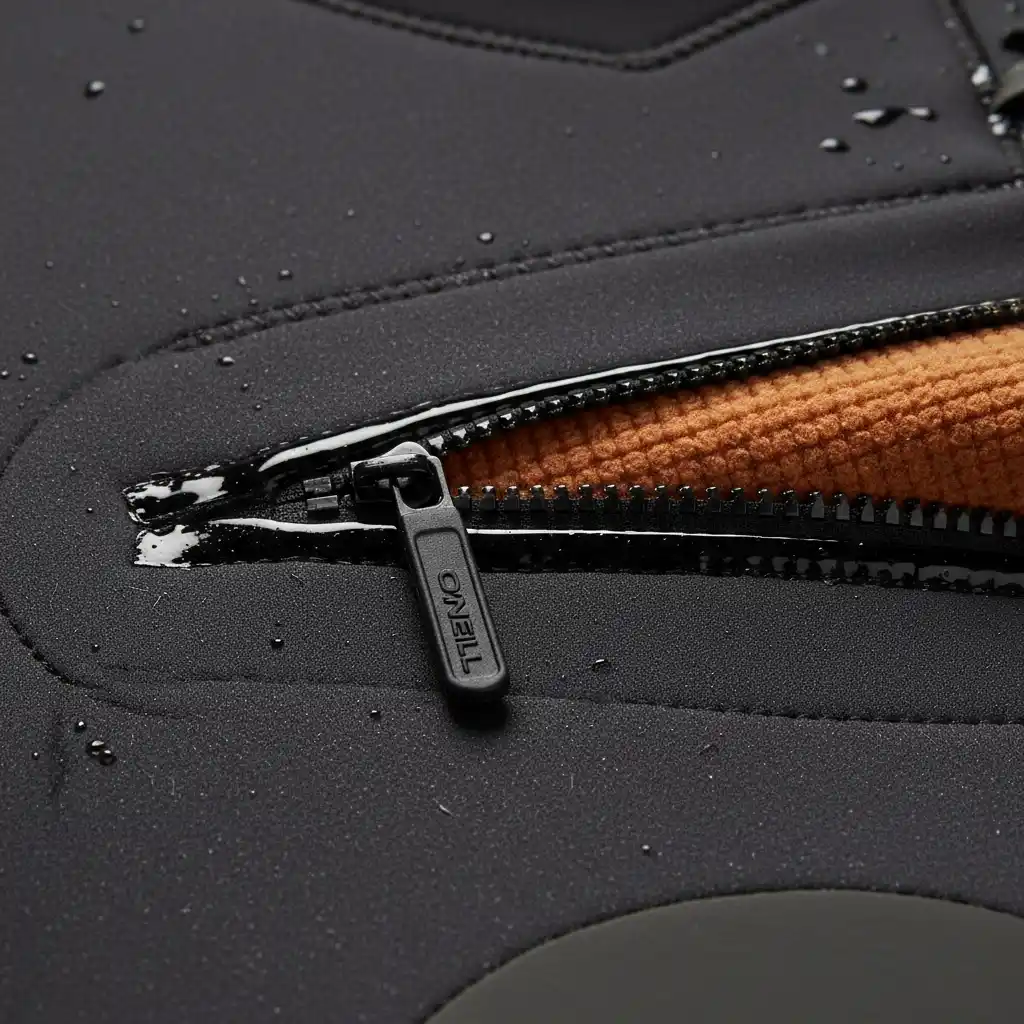
- Thermal Linings: Poly-fleece linings (often red or orange fuzzy material inside) that wick moisture and retain heat.
- Integrated Hoods: Preventing “ice cream headaches” during duck dives.
- Liquid Taped Seams: Ensuring zero cold water leaks in.
Wetsuit Tech: Seams, Zips, and Neoprene
Not all 4mm neoprene is created equal. When shopping for a suit for 15°C water, the construction method dictates the warmth.
Seam Construction
- Flatlock: Avoid this for 15°C water. The needle penetrates both sheets of neoprene, creating tiny holes that let cold water in. These are for summer suits only.
- Glued and Blind Stitched (GBS): The panels are glued and then stitched halfway through the neoprene. This is watertight and the minimum standard for cool water.
- Liquid Taped/Welded: A layer of liquid rubber is applied over the GBS seam. This is the gold standard for warmth and durability in NZ waters.
Zip Entry Systems
- Back Zip: Easiest to get on, but the long zipper is a weak point for water entry and restricts back flexibility.
- Chest Zip: More difficult to enter, but offers a better seal around the neck and greater flexibility across the shoulders.
- Zipperless: The most flexible, but relies entirely on the elasticity of the neoprene for entry.
Combating Cold Water Anxiety: Hoods and Gloves
Many tourists and beginners experience “cold water anxiety”—the shock reflex when cold water hits the face or enters the ear canal. In 15-degree water, extremities are the first to go numb, which reduces dexterity and safety.
Do you need a hood?
If there is a wind chill, absolutely. Surfers often underestimate the cooling effect of the wind while waiting for sets. A 2mm or 3mm hood protects the ears from “surfer’s ear” (exostosis) and retains massive amounts of heat. Remember, a significant percentage of body heat is lost through the head.
Gloves and Booties
For 15°C water:
- Booties: 3mm split-toe booties are recommended. They provide grip on rocks (essential for NZ’s rugged point breaks) and keep toes functional.
- Gloves: Generally not required for surfing at 15°C unless there is a strong wind chill. However, for divers, 3mm or 5mm gloves are essential as hands remain stationary and blood flow is restricted by the hydrostatic pressure.
Top Brands Available Locally in NZ
New Zealand has a robust market for wetsuits, catering to the rugged conditions. While global giants are present, local custom options are worth considering.
1. Seventhwave (Christchurch)
A legendary NZ brand. They specialize in custom-fit wetsuits made from Japanese Yamamoto limestone neoprene. This material is warmer, lighter, and more impermeable than standard petroleum-based neoprene. Their “Max” series is specifically designed for South Island cold.
2. Bodyline (Raglan)
Located in NZ’s surfing capital, Bodyline creates custom suits that are incredibly durable. If you have a non-standard body shape, a custom fit here will ensure no cold water flushing occurs.
3. O’Neill
Widely available in every surf shop from Whangarei to Invercargill. Their “Hyperfreak” series (Technobutter neoprene) is renowned for flexibility, while the “Psycho Tech” series is the go-to for warmth.
4. Rip Curl
The “Flashbomb” series is marketed as the world’s fastest-drying wetsuit. In NZ, where you might surf a morning and afternoon session, having a dry suit for the second dip is a luxury worth paying for.
5. C-Skins
A UK brand that has gained traction in NZ because UK water temperatures are very similar to NZ. Their “Wired” series is excellent for 15°C days.
Critical Fitting Tips for Maximum Warmth
You can buy the most expensive, best wetsuit for 15 degree water on the market, but if it doesn’t fit, you will be cold. The mechanism of a wetsuit relies on trapping a thin layer of water. If the suit is loose, cold water constantly “flushes” through, washing away the warm water your body generated.
The Fit Check
- The Lower Back: Arch your back. If there is a large air pocket above your tailbone, the suit is too big. This is the primary zone for water entry.
- The Neck Seal: It should be tight but not choking. A loose neck seal will turn your wetsuit into a bucket the first time you duck dive.
- Length: The suit should stop at the wrist bone and ankle bone. If it’s too short, you expose skin; too long, and it creates folds that trap water.
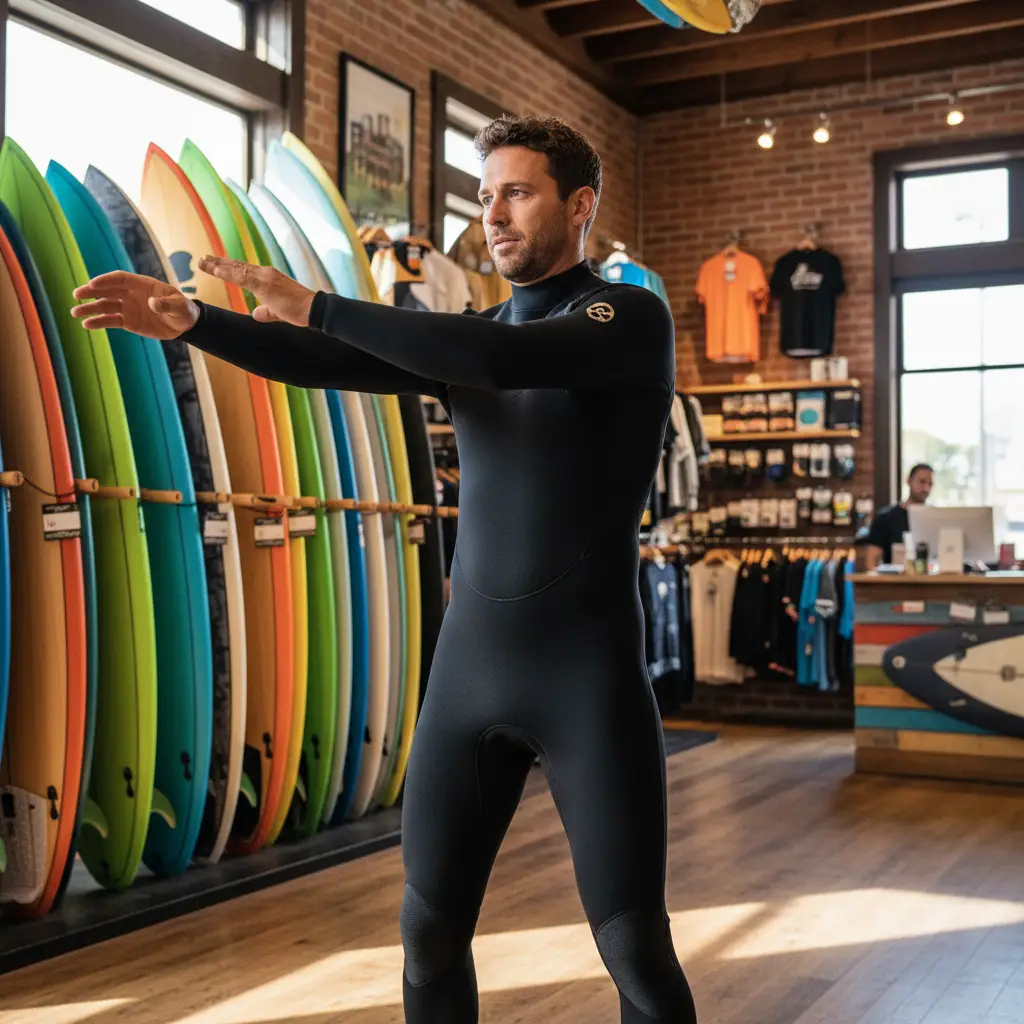
- The Struggle: A dry wetsuit should be difficult to put on. If it slides on like a t-shirt, it is too big. It needs to feel like a second skin.
Care and Maintenance
Saltwater and UV rays are the enemies of neoprene. To ensure your investment lasts more than one season:
- Freshwater Rinse: Always rinse your suit inside and out with fresh water immediately after use.
- Dry in Shade: Never hang your wetsuit in direct sunlight. UV rays break down the rubber, causing it to crack and lose elasticity.
- Hang Correctly: Fold the suit over a wide hanger at the waist. Hanging it by the shoulders when wet stretches the neoprene due to the water weight.
- Wetsuit Shampoo: Once a month, use a specific wetsuit shampoo/conditioner to remove bacteria and keep the neoprene soft.
People Also Ask (PAA)
Is a 3mm wetsuit warm enough for 15 degrees?
Generally, no. A standard 3mm wetsuit is designed for water temperatures of 17°C to 20°C. In 15°C water, you will likely feel cold within 30 minutes. A 4/3mm steamer is the recommended minimum for this temperature to ensure longer, comfortable sessions.
Do I need a 4/3 or 5/4 wetsuit for New Zealand?
For the North Island, a 4/3mm is the perfect all-rounder for year-round use (excluding the warmest summer months). For the South Island, especially in winter or for diving, a 5/4mm or a 7mm suit is necessary. If you only buy one suit for all of NZ, a high-quality 4/3mm is the most versatile choice.
What is the water temperature in NZ in summer?
NZ water temperatures in summer (January/February) vary by region. The Upper North Island averages 20°C–22°C. The Wellington region averages 16°C–17°C. The South Island varies from 14°C in Dunedin to 17°C in Nelson. 15°C is considered a cool summer day in the South or a winter day in the North.
How tight should a wetsuit be?
A wetsuit should fit extremely snugly, like a second skin. There should be no loose folds of material, particularly under the arms, behind the knees, or at the small of the back. It should feel slightly restrictive on land; it will loosen up once it gets wet.
Can I use a surf wetsuit for diving in 15 degree water?
You can, but it is not ideal. Surf wetsuits are designed for flexibility and surface use. At depth, the neoprene compresses, losing insulation. A 4/3mm surf suit will feel like a 2mm suit at 15 meters depth, leading to rapid heat loss. For diving, choose a suit with denser neoprene designed to resist compression.
What is the difference between a steamer and a spring suit?
A steamer is a full-length wetsuit covering the arms and legs down to the wrists and ankles, essential for 15°C water. A spring suit (or “shorty”) has short legs and usually short arms, designed for warmer waters (19°C+) and is not suitable for 15°C conditions.