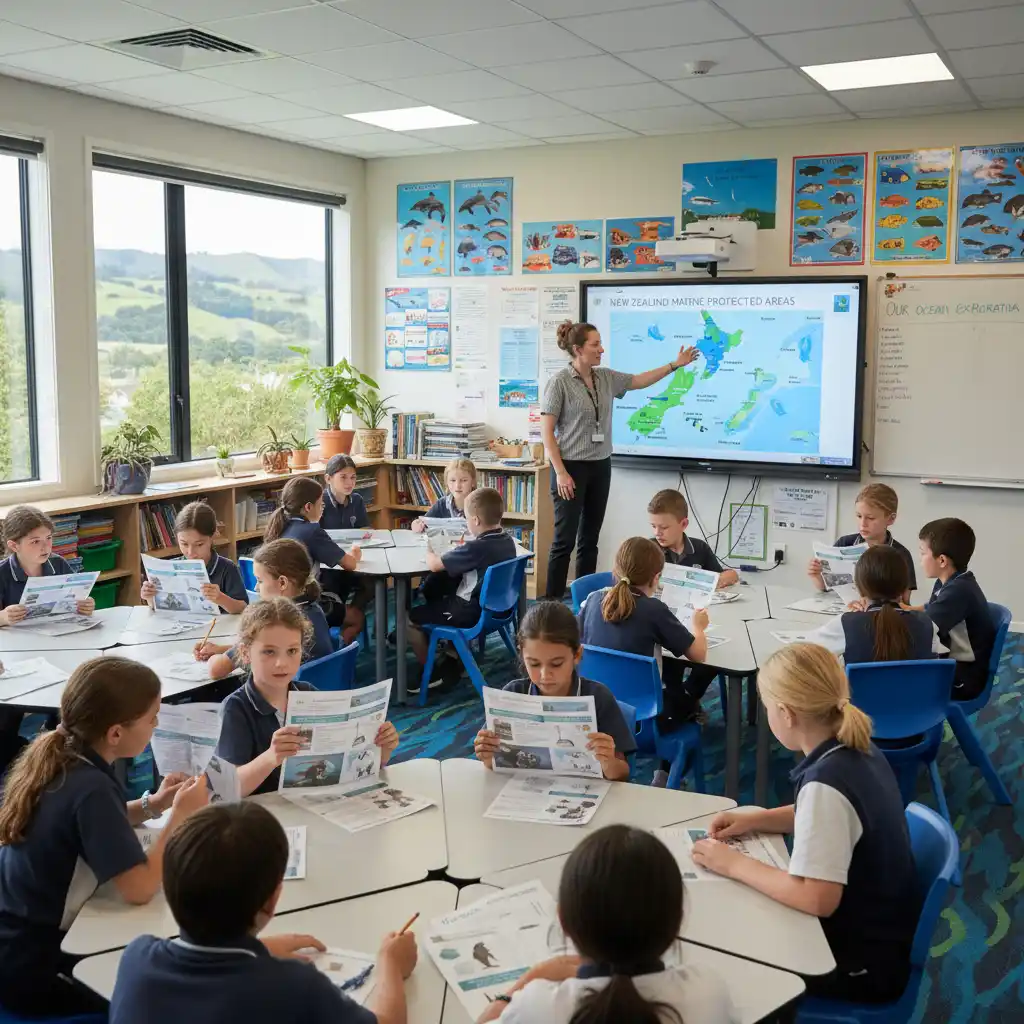
Marine education in New Zealand encompasses a diverse range of experiential learning programs designed to foster ocean literacy and conservation values. From interactive Discovery Centre workshops to guided snorkel days and citizen science projects, these initiatives connect students and communities with Aotearoa’s unique marine biodiversity, aligning with the national curriculum to inspire future ocean guardians.
New Zealand, an island nation with one of the largest Exclusive Economic Zones in the world, relies heavily on its ocean for economic, cultural, and recreational well-being. Consequently, marine education in NZ is not merely an academic subject; it is a vital component of national identity. By integrating hands-on experiences with scientific theory, educational providers bridge the gap between the classroom and the coastline. This comprehensive guide explores the leading programs, resources, and opportunities available for educators and students to engage with the marine environment.
How Do Marine Discovery Centres Enhance Learning?
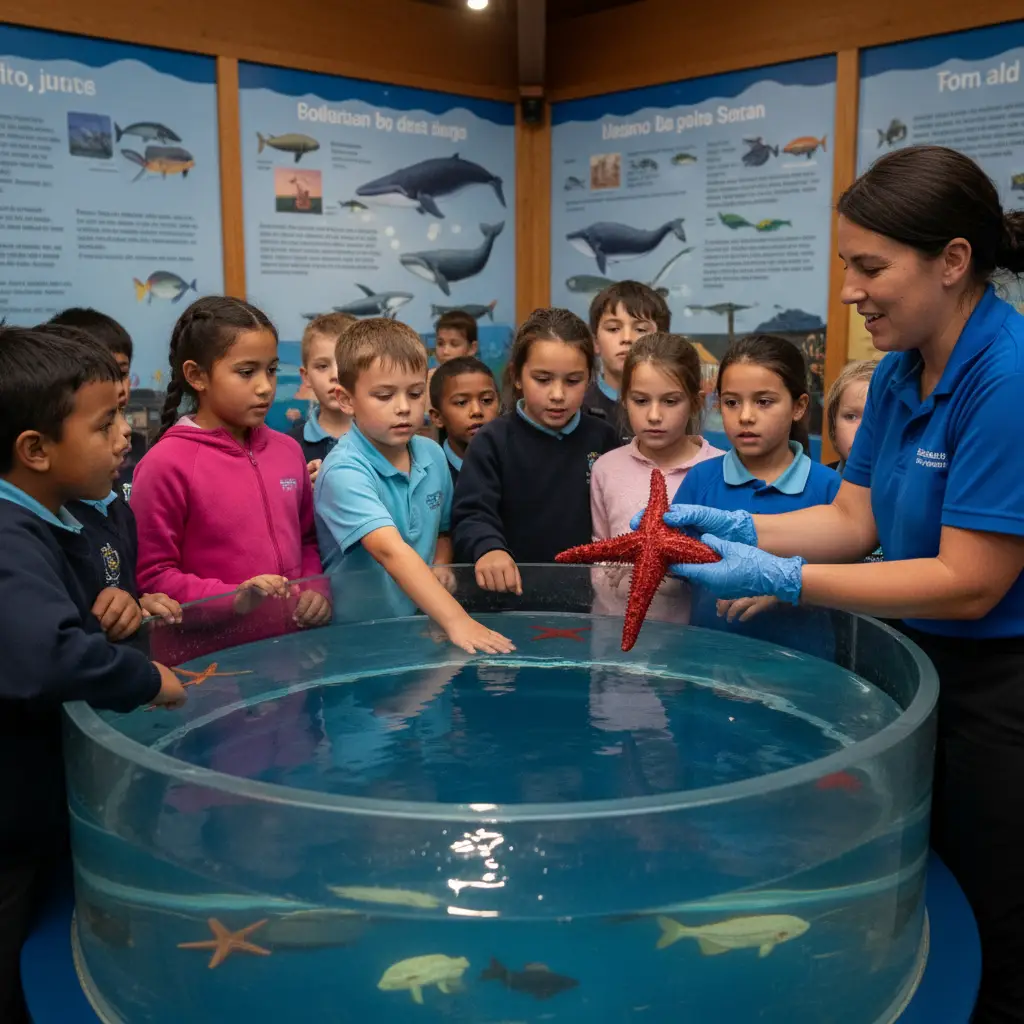
Marine Discovery Centres in New Zealand serve as the primary land-based hubs for ocean education. These facilities are specifically designed to provide a safe, controlled, and information-rich environment where students can encounter marine life without getting wet. They act as a critical stepping stone, particularly for students who may lack confidence in the water or come from inland communities.
Facilities such as the NZ Marine Studies Centre in Dunedin or the Goat Island Marine Discovery Centre in Leigh offer specialized programs that align with the New Zealand Curriculum (NZC), specifically within the Science and Social Sciences learning areas. These centres utilize aquaria, touch tanks, and interactive digital displays to break down complex ecological concepts into digestible, engaging lessons.
Interactive Laboratories and Workshops
Beyond observation, Discovery Centres often provide laboratory environments where students can engage in microscopy and dissection. Examining plankton under a microscope reveals the invisible base of the marine food web, transforming a student’s understanding of ocean productivity. These workshops emphasize the scientific method, encouraging students to form hypotheses, observe data, and draw conclusions. For example, analyzing the gut content of fish to understand plastic pollution provides a tangible link between human activity and marine health.
Virtual Reality and Digital Engagement
Modern marine education in NZ is increasingly incorporating technology. Virtual Reality (VR) headsets allow students to “dive” into deep-sea trenches or swim alongside humpback whales without leaving the facility. This technology is particularly effective for demonstrating environments that are inaccessible due to depth or protected status, ensuring that marine education is inclusive and comprehensive.
Why Are Snorkel Days Essential for NZ Schools?
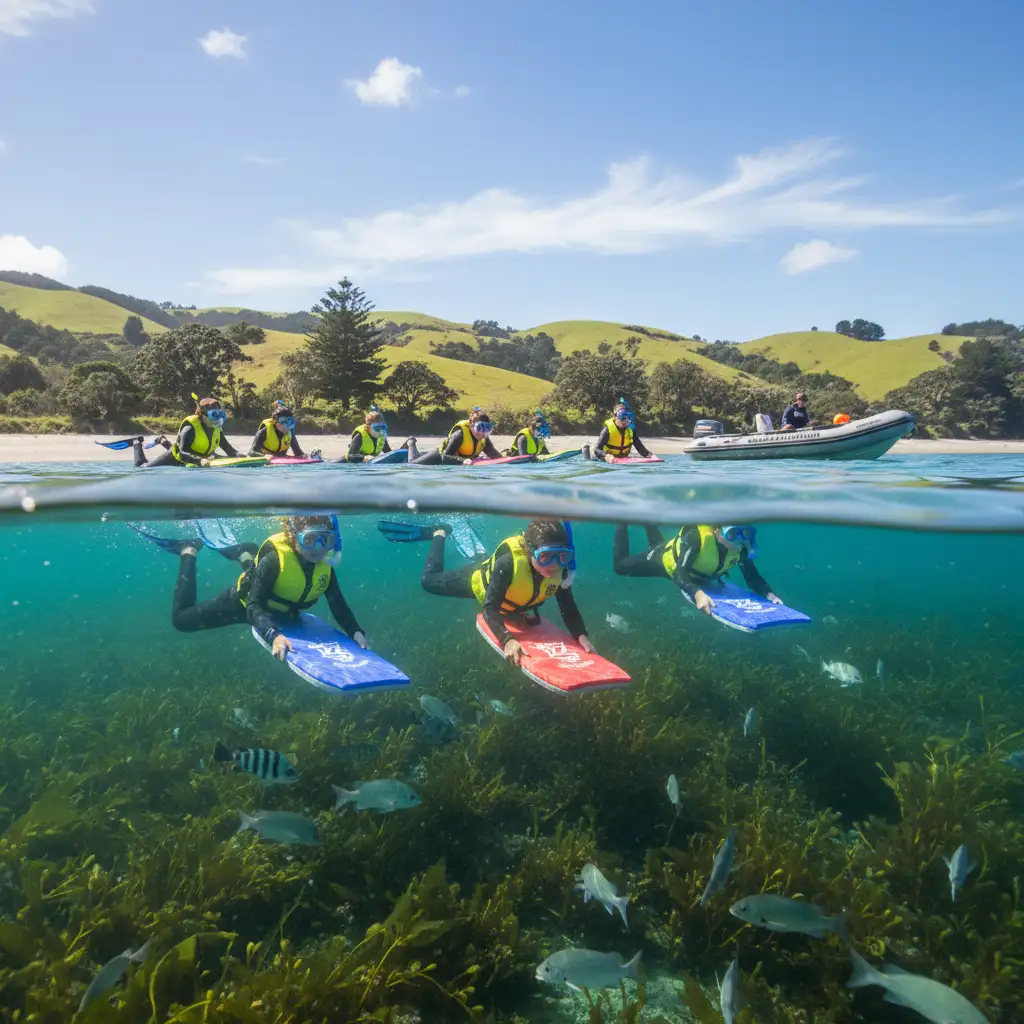
While classroom learning provides the theory, there is no substitute for immersion. Snorkel days are a cornerstone of marine education NZ, providing students with experiential learning opportunities that foster a deep emotional connection to the environment. Programs like Experiencing Marine Reserves (EMR) have revolutionized this space by offering safe, guided snorkeling experiences in both marine reserves and unprotected areas.
The pedagogical power of a snorkel day lies in the comparison. By swimming in a “no-take” marine reserve, students witness an abundance of large fish, thriving kelp forests, and balanced ecosystems. Contrasting this with a swim in a local, unprotected area often highlights the impact of fishing and sedimentation. This visual difference serves as a powerful catalyst for critical thinking regarding conservation management.
Safety and Logistics
Organizing a snorkel day requires rigorous health and safety planning, a barrier that often deters schools. However, specialized providers manage risk assessments, gear hire (wetsuits, masks, fins), and instructor ratios. Professional educators ensure that non-swimmers are supported, often using bodyboards and flotation devices, making the ocean accessible to every child regardless of their swimming ability.
Connection to Te Ao Māori
Marine education in NZ is intrinsically linked to Te Ao Māori (the Māori world view). Snorkel programs often incorporate concepts such as Kaitiakitanga (guardianship) and Mana Moana (authority over the sea). Instructors explain the significance of the ocean as a food basket (pātaka kai) and the importance of sustainable harvesting (rāhui). This cultural context enriches the scientific learning, providing a holistic view of the marine environment.
What Citizen Science Opportunities Exist for Students?
Citizen science transforms students from passive observers into active contributors to scientific knowledge. In New Zealand, several robust platforms allow schools to collect valid data that contributes to national databases. This participation validates the students’ efforts, showing them that their work has real-world applications and value.
Marine Metre Squared (Mm2)
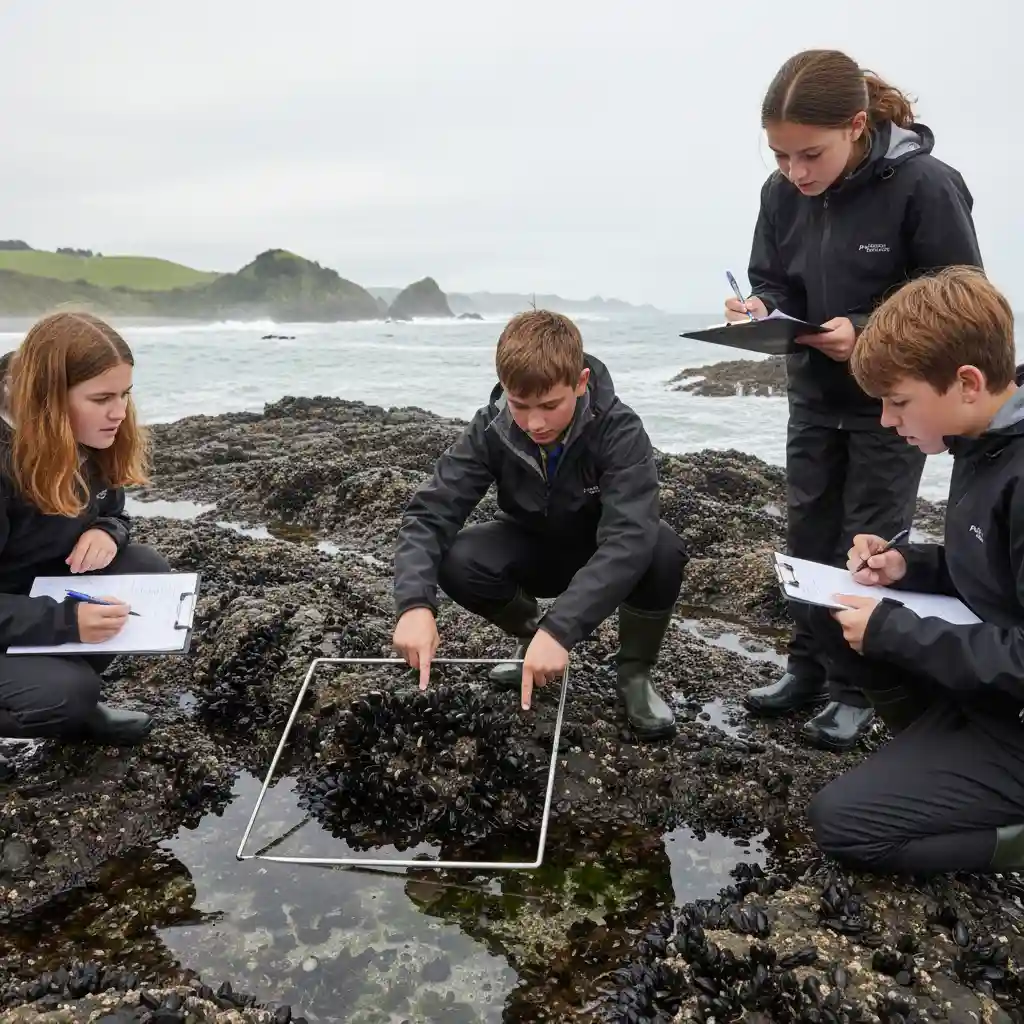
The Marine Metre Squared project is a nationwide initiative that encourages communities to monitor their local seashore. Students use a 1m x 1m quadrat to count animals and plants on the rocky shore or in the sediment. This long-term monitoring helps scientists understand coastal changes over time. Participating in Mm2 teaches students about taxonomy, sampling methodologies, and data accuracy.
Litter Intelligence
Led by Sustainable Coastlines, Litter Intelligence is New Zealand’s national litter monitoring program. Schools adopt a stretch of coast and conduct regular surveys, categorizing and weighing the debris found. The data is fed into a national database used by the government for environmental reporting. This program not only cleans the beaches but also provides hard data to influence policy regarding packaging and waste management.
iNaturalist and BioBlitz Events
Using the iNaturalist app, students can photograph and upload observations of marine species. Experts verify these identifications, contributing to biodiversity mapping. Schools often participate in “BioBlitz” events, where the goal is to identify as many species as possible in a specific area within a set timeframe. This gamification of science engages students who might otherwise find taxonomy dry or unapproachable.
Where Can Teachers Find Marine Education Resources?
For educators looking to integrate marine topics into their classroom, a wealth of high-quality, New Zealand-specific resources is available. These resources are designed to reduce the workload on teachers while ensuring high engagement and curriculum alignment.
Department of Conservation (DOC)
The Department of Conservation offers comprehensive inquiry units covering topics such as marine reserves, penguins, Maui dolphins, and rocky reefs. These units come with lesson plans, activity sheets, and background reading for teachers. They are categorized by curriculum level, making it easy for educators to find age-appropriate material.
Science Learning Hub
The Science Learning Hub (Pokapū Akoranga Pūtaiao) connects New Zealand scientists with schools. Their marine content includes videos, articles, and teaching activities that feature local research. Topics range from ocean acidification and aquaculture to traditional celestial navigation. The Hub is excellent for senior students requiring up-to-date scientific papers and case studies.
Sir Peter Blake Trust (BLAKE)
BLAKE NZ-VR is a program that brings the ocean to the classroom. Through VR technology, they deliver an immersive experience that highlights the beauty of the marine environment and the damage caused by human impact. They also provide teaching resources focused on environmental leadership, encouraging students to take action in their communities.
The Role of Marine Tourism in Education
The NZ marine tourism sector plays a pivotal, yet often understated, role in education. Operators running dolphin watching, whale watching, and diving tours are increasingly adopting an educational mandate. Many operators now employ marine biologists as guides, transforming a recreational trip into a mobile classroom.
For international students and tourists, these operators are often the primary source of information regarding New Zealand’s marine biodiversity. By adhering to the Marine Mammal Protection Regulations and explaining the rationale behind them, tourism operators educate the public on respectful interaction with wildlife. Furthermore, a portion of ticket sales from many eco-tourism ventures goes directly toward conservation funds or research projects, creating a sustainable loop where tourism funds the science that protects the resource.
Long-term Conservation Impact
The ultimate goal of marine education in NZ is behavioral change. Research indicates that students who participate in experiential marine programs are more likely to engage in pro-environmental behaviors later in life. This “ocean literacy” creates a citizenry that understands the influence of the ocean on them and their influence on the ocean.
Programs that involve the wider community, such as parents helping on snorkel days or whānau participating in beach clean-ups, ripple the educational impact beyond the student. This intergenerational learning is crucial for shifting societal norms regarding waste, fishing practices, and climate change mitigation.
Frequently Asked Questions
What qualifications do marine educators in NZ need?
Marine educators in New Zealand typically hold a tertiary qualification in Marine Biology, Zoology, or Environmental Science. Additionally, those working directly with students in the water must hold relevant outdoor first aid certificates, surf lifesaving or dive master qualifications, and often a teaching diploma or experience in pedagogy is highly valued.
How much do school marine education programs cost?
Costs vary significantly. Many government-funded or charity-run programs (like EMR) are often heavily subsidized or free for schools, especially those in low-decile areas. Commercial discovery centres may charge an entry fee per student, ranging from $5 to $15, while full-day charter boat excursions will be significantly more expensive.
Is marine education part of the compulsory NZ curriculum?
While “Marine Education” isn’t a standalone compulsory subject, it is deeply integrated into the Science (Living World, Planet Earth and Beyond) and Social Sciences strands of the New Zealand Curriculum. Schools have the flexibility to design their local curriculum, and given NZ’s geography, many choose to focus heavily on marine contexts.
What is the best age for students to start marine education?
Marine education can start at Early Childhood Education (ECE) levels with simple beach exploration and rock pooling. However, structured snorkel programs are generally aimed at Year 4 (8-9 years old) and above, as students have better swimming confidence and the cognitive ability to manage equipment safety.
Can international students participate in NZ marine education programs?
Yes, international students enrolled in NZ schools participate in these programs alongside domestic students. Additionally, there are specialized study-abroad providers and holiday programs specifically designed for international visitors to learn about NZ’s unique marine ecology.
How can schools get funding for marine education trips?
Schools often apply for funding through community trusts, the Ministry of Education’s “Education Outside the Classroom” (EOTC) grants, or specific environmental funds like the WWF Ocean Fund. Local businesses and parent-teacher associations also frequently subsidize transport costs for these excursions.