School field trip planning for Goat Island requires coordinating transport, completing EOTC RAMS forms, and booking educational providers like the Glass Bottom Boat or Discovery Centre. Successful visits involve checking tide tables, securing bus parking at the top lot, and preparing students for marine reserve protocols to ensure a safe, educational experience.
Step-by-Step Field Trip Checklist for Goat Island
Organizing an Education Outside The Classroom (EOTC) experience at Te Hāwere-a-Maki (Goat Island Marine Reserve) requires precise planning due to the location’s popularity and specific conservation rules. Below is a comprehensive timeline and checklist designed for New Zealand educators to ensure a seamless experience.
8 Weeks Before Departure
The initial phase of school field trip planning for Goat Island focuses on feasibility and securing availability. This is a high-demand location, particularly in Terms 1 and 4.
- Select Dates based on Tides: Consult the Leigh/Goat Island tide charts. Low tide is best for rocky shore exploration, while mid-to-high tide is preferable for glass-bottom boat tours and snorkeling to ensure visibility and accessibility.
- Provisional Bookings: Contact key providers immediately. This includes the Goat Island Marine Discovery Centre (University of Auckland) and commercial operators like the Glass Bottom Boat or Goat Island Dive.
- Transport Quotes: Secure quotes from bus companies. Ensure the company is aware of the steep access road and turning constraints at the reserve.
- School Approval: Submit your initial EOTC proposal to your Principal or Board of Trustees, including preliminary costs and learning objectives.
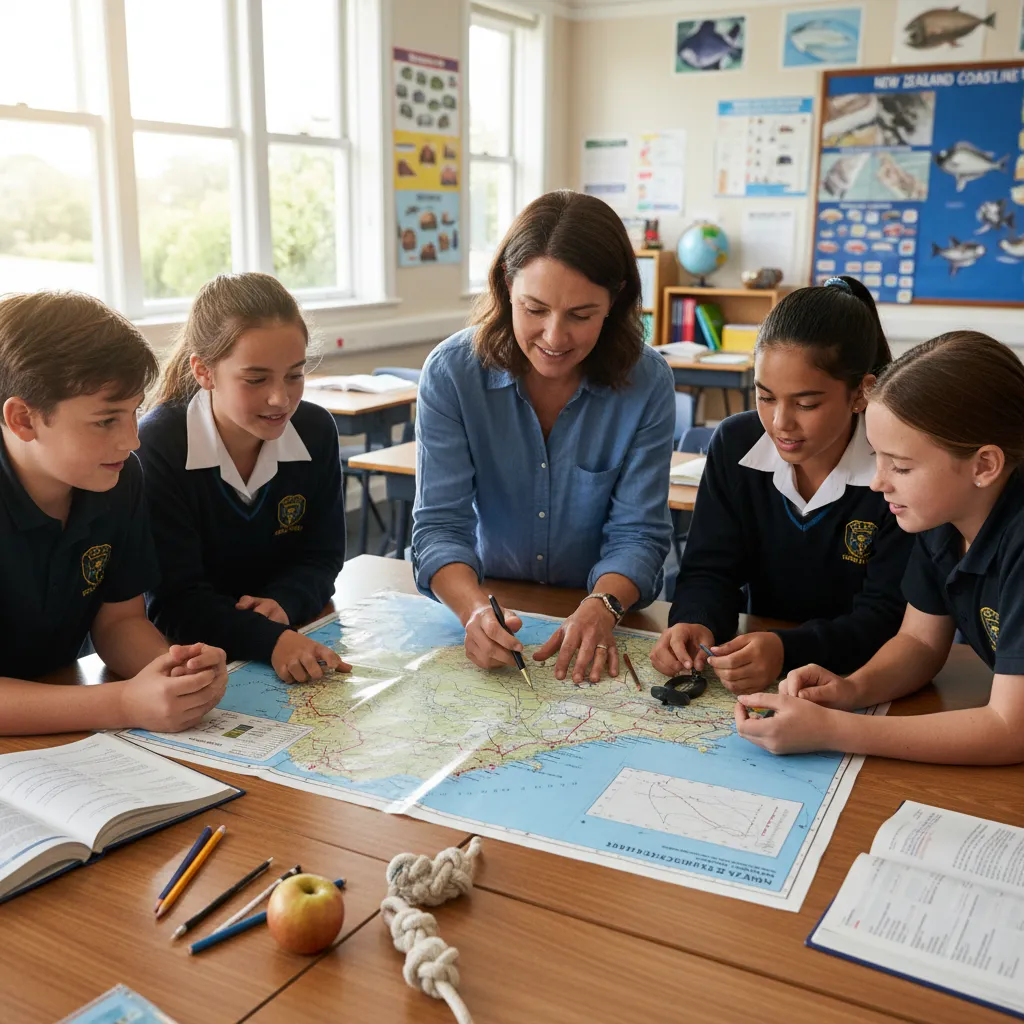
4 Weeks Before Departure
Once your date is locked in, the focus shifts to logistics and compliance.
- RAMS Completion: Draft your Risk Analysis and Management Systems forms. (See the dedicated section below for templates).
- Parental Consent: Send permission slips home. Be explicit about water activities. If students are entering the water, you must ascertain their swimming ability levels immediately.
- Parent Help Ratio: Finalize your adult-to-student ratios. For water-based activities in NZ, a ratio of 1:4 or 1:5 is often recommended, whereas land-based activities may allow 1:8.
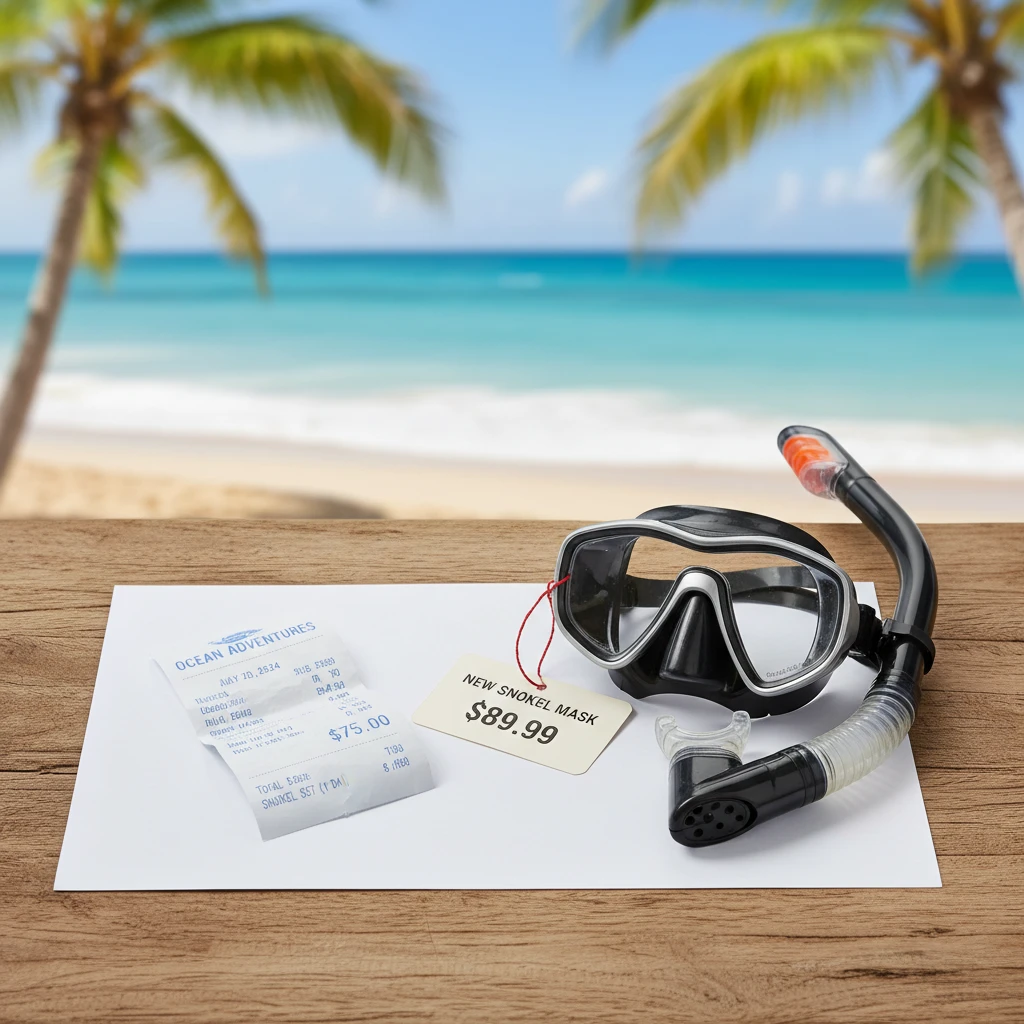
- Gear Check: If snorkeling, verify if students are bringing their own gear or if you are hiring. If hiring, gather shoe and wetsuit sizes now to forward to the provider.
1 Week Before Departure
The final countdown involves confirming details and preparing the students.
- Weather Call: Monitor the MetService marine forecast for the Hauraki Gulf. Wind direction is critical; a strong Northerly can make the beach unsafe and cancel boat operations.
- Provider Confirmation: Re-confirm final numbers with the bus company and activity providers.
- Student Briefing: Educate students on the “No Take” rule. Explain that removing shells, rocks, or drift wood is illegal in a marine reserve.
Bus Parking & Large Group Logistics
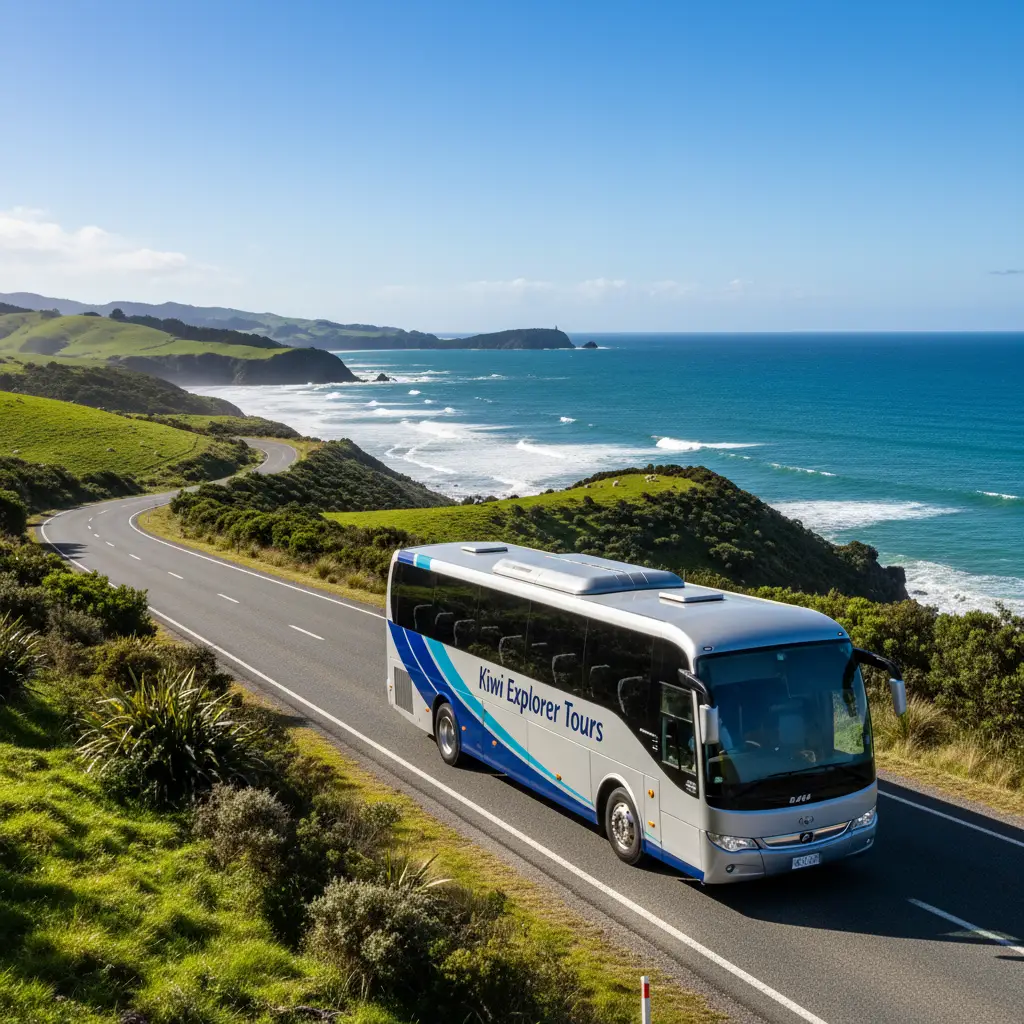
One of the most common friction points during school field trip planning for Goat Island is managing the arrival and parking of large coaches. The geography of the reserve presents specific challenges.
Arrival and Drop-off Procedures
The road leading down to Goat Island beach is steep and winding. During peak summer months or busy school days, the lower car park becomes extremely congested.
The Drop-off Zone: Buses should utilize the designated drop-off zone near the bottom of the hill. Drivers must not attempt to park in the lower car park unless explicitly directed by wardens, as turning circles are tight. Once students have disembarked, buses must proceed to the upper overflow car park.
Parking the Bus
The upper car park is located approximately 500 meters up the hill from the beach. This is the only suitable location for long-stay bus parking. Crucial Logistics Note: Ensure your bus driver has a mobile phone and that you have their number. You will need to call them 15 minutes before departure to come down for pickup, as there is no waiting area at the bottom.
Facilities and Amenities
- Toilets: Public toilets and changing rooms are located at the bottom car park near the beach entrance. It is highly recommended to schedule a toilet stop immediately upon arrival before splitting into groups.
- Shelter: There is limited shelter on the beach itself. In the event of rain, the only cover is the toilet block overhang or the Marine Discovery Centre (if you have booked entry). Plan for no shelter on the sand.
- Rubbish: Goat Island operates on a “Pack In, Pack Out” philosophy. There are no rubbish bins on the beach. You must bring large rubbish bags and take all school waste back with you.
RAMS & Risk Management Strategies
Safety is paramount. When completing your EOTC documentation, you must address hazards specific to a marine environment. Below are the core components to include in your Risk Analysis and Management System (RAMS) for a Goat Island trip.
How to assess marine risks?
You must categorize risks into People, Equipment, and Environment. Here are the specific hazards you need to document:
Environmental Hazards
- Slippery Rocks: The intertidal zone is extremely slippery. Control: Enforce a “walk, don’t run” rule. Require closed-toe footwear (reef shoes or old sneakers) even in the water. No jandals (flip-flops) on the rocks.
- Waves and Swell: Even on calm days, rogue waves can occur. Control: Establish a strict boundary line. If snorkeling, use a spotter system on the shore.
- Sun Exposure: The NZ sun is harsh. Control: Mandatory sunhats and sunscreen application every 2 hours.
Biosecurity and Wildlife Hazards
- Sea Urchins (Kina): Prevalent in the rocky shallows. Stepping on one causes puncture wounds. Control: Footwear is mandatory.
- Pests (Wasps): In late summer, wasps can be present near the bush line. Control: Carry antihistamines in the first aid kit and identify students with allergies beforehand.
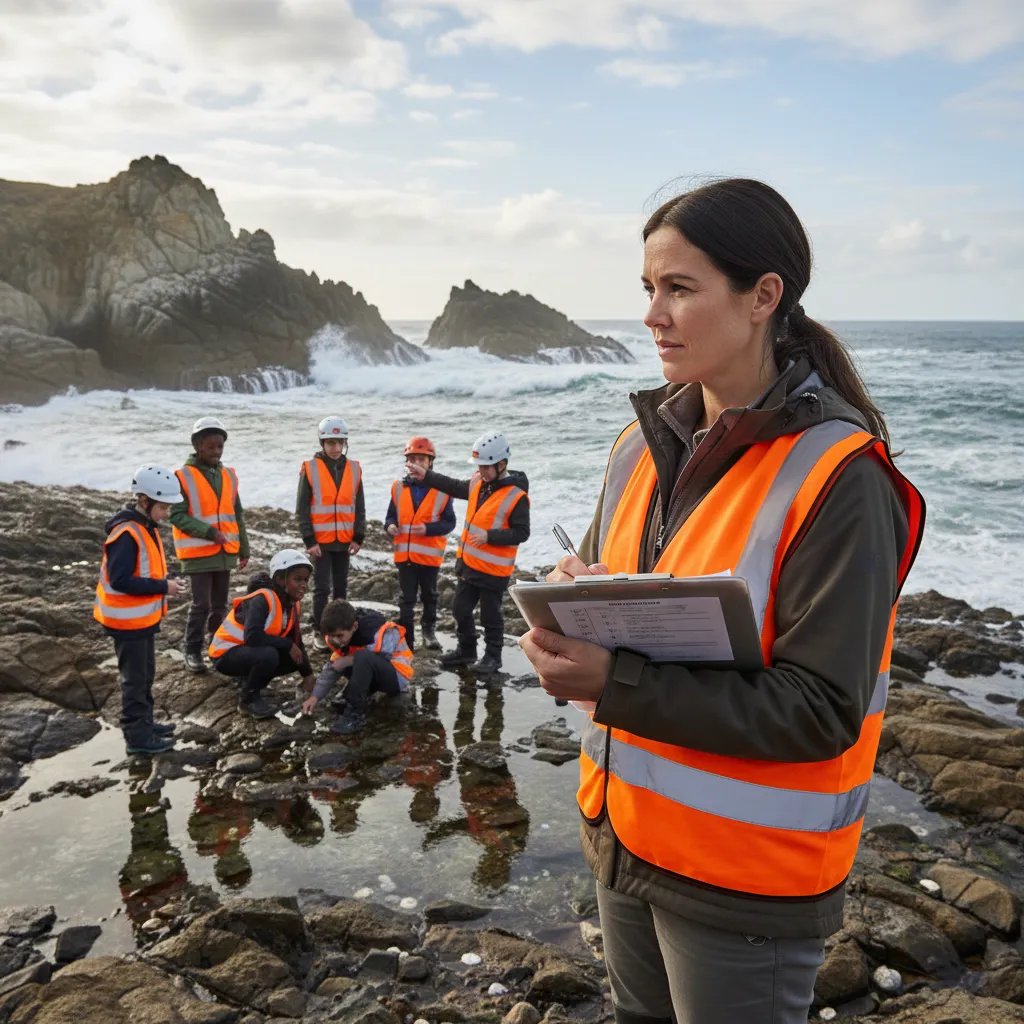
Emergency Procedures
Your RAMS must include an emergency plan. Note that mobile reception can be patchy at the beach level but is generally better near the top car park or the Marine Discovery Centre. Locate the nearest AED (Defibrillator) – usually held at the Discovery Centre or by the Glass Bottom Boat operators during operating hours.
Booking Educational Tours with Local Providers
To elevate the trip from a simple beach day to a structured learning experience, booking with local educational providers is essential. These operators are experienced in handling school groups and tailoring content to the NZ Curriculum.
The Goat Island Marine Discovery Centre
Run by the University of Auckland, this is a premier educational facility located just up the hill from the beach. It provides a dry, controlled environment perfect for learning before hitting the water.
- Offerings: Interactive touch tanks, microscope labs, and lectures on marine biodiversity.
- Booking Lead Time: At least 2 months in advance for large groups.
- Capacity: Can handle rotating groups of 30-50 students.
The Glass Bottom Boat
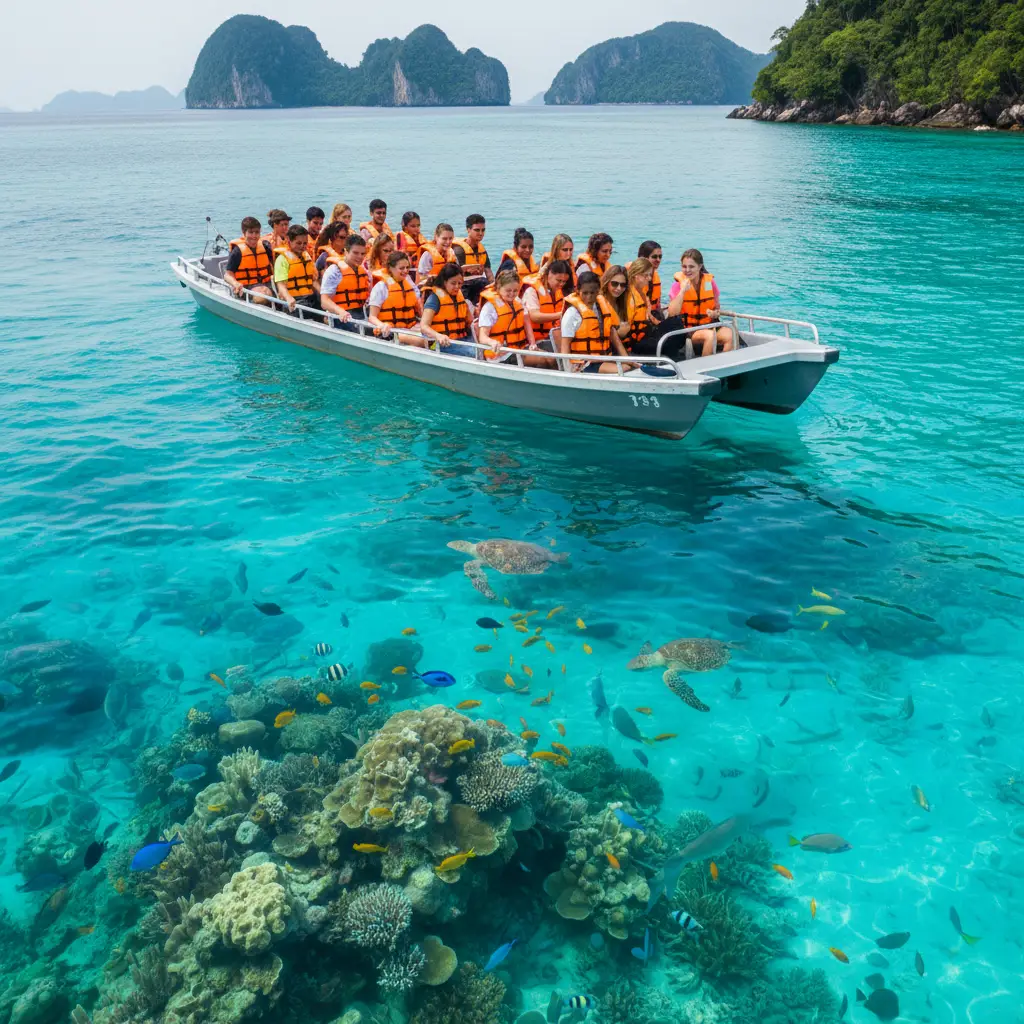
For students who are not confident swimmers, or for a dry activity during colder months, the Glass Bottom Boat is invaluable.
- Educational Value: The tour guides provide commentary on the history of the reserve, fish identification, and the importance of conservation.
- Duration: Tours usually last 45 minutes.
- Group Logistics: The boat has a specific capacity (usually around 49 passengers). You may need to split your school into “Boat Group” and “Rocky Shore Group” and rotate them.
Guided Snorkeling
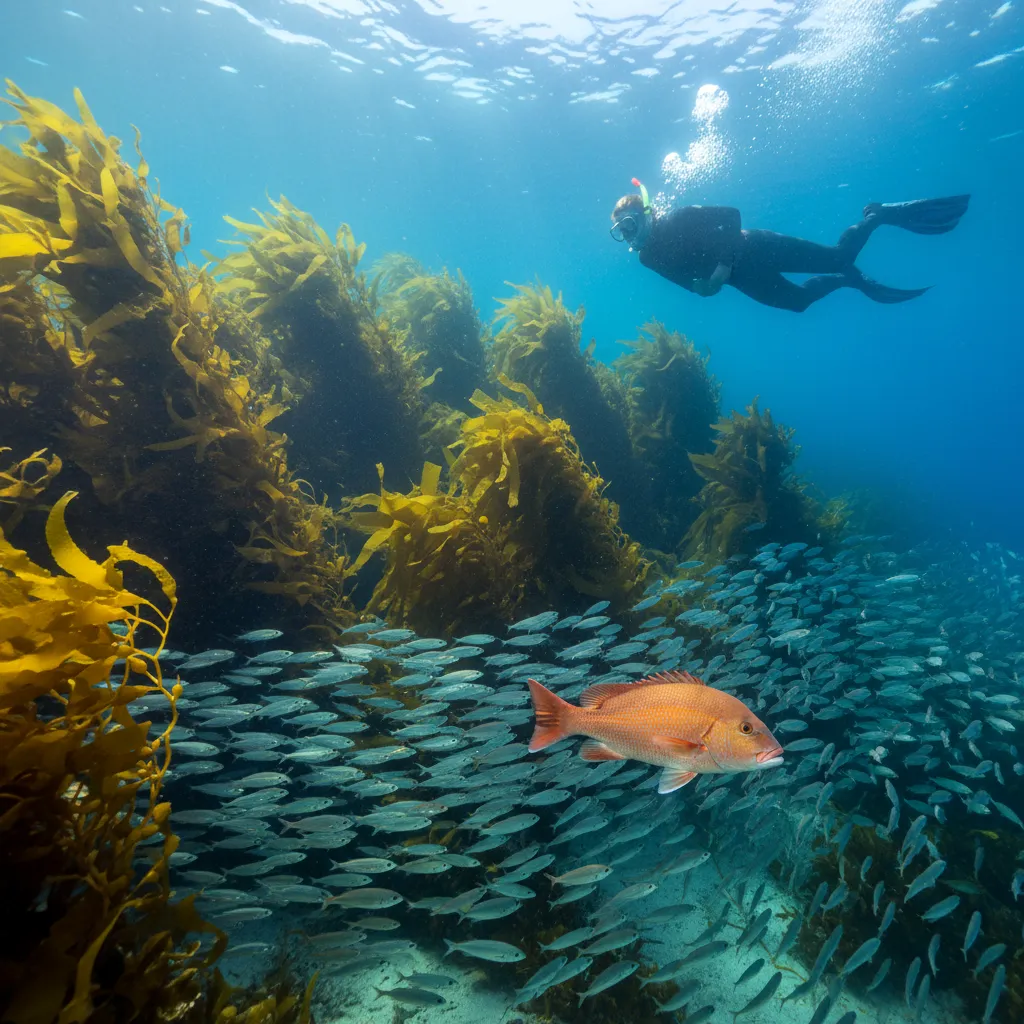
For older students (Year 7+), a guided snorkel experience is transformative. Companies like Goat Island Dive provide wetsuits, fins, masks, and—crucially—instructors who ensure safety in the water.
Curriculum Links & Learning Outcomes
Justifying the trip to school administration requires clear links to the New Zealand Curriculum. Goat Island serves as a living laboratory for several key learning areas.
Science (Living World)
Levels 1-4: Students can observe how living things are suited to their particular habitat (adaptation). The rocky shore offers clear examples of zonation, where organisms adapt to being submerged and exposed to air.
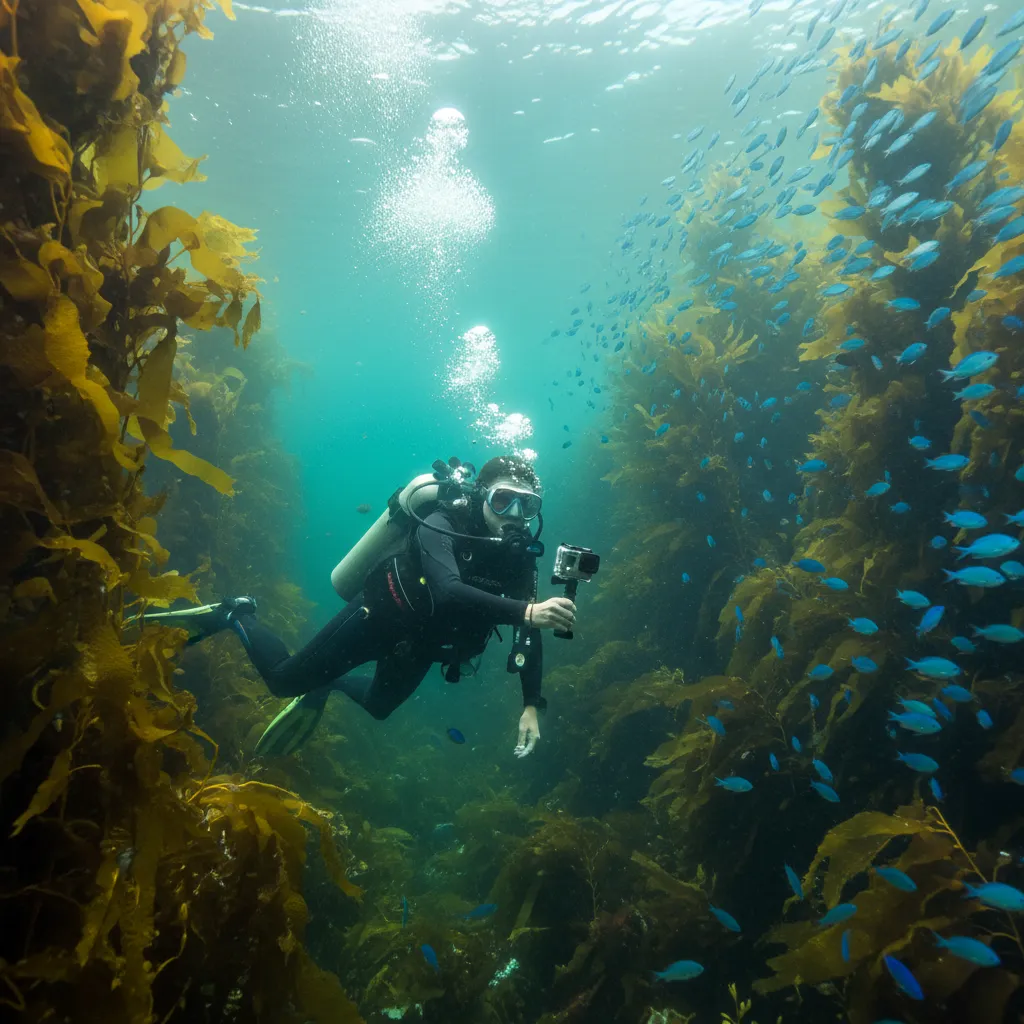
Levels 5-8: Focus on ecology and interdependence. Investigating the impact of the marine reserve status (since 1975) on the snapper and crayfish populations compared to non-reserve areas provides a tangible case study on conservation biology.
Social Sciences
Place and Environment: Students learn about how people perceive and interact with the marine environment. This includes the history of the reserve, the conflict between fishing interests and conservation, and the cultural significance of Te Hāwere-a-Maki to local Iwi.
Frequently Asked Questions
What is the best time of year for a school trip to Goat Island?
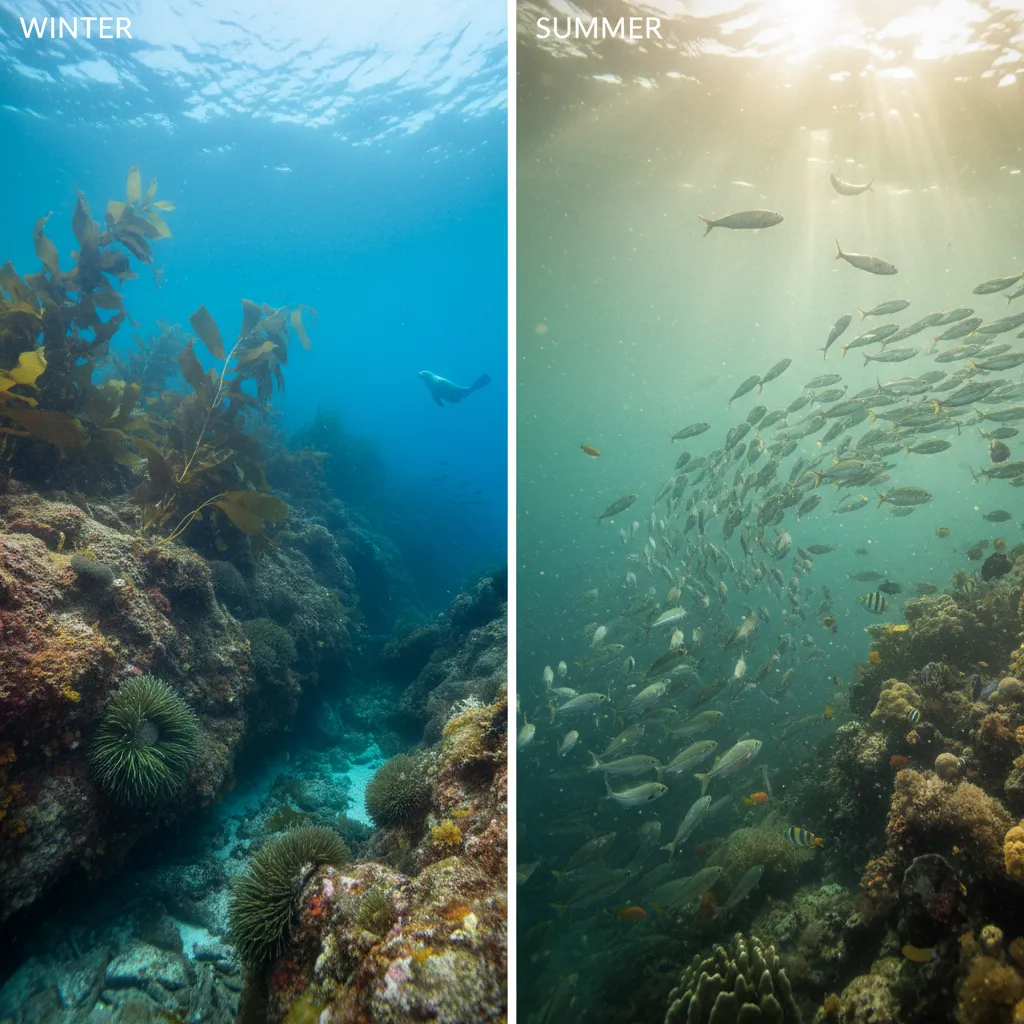
Late Term 1 (February/March) is ideal as the water is warmest and weather is generally stable. Term 4 (November/December) is also popular but can be busier. Winter trips are viable for the Discovery Centre and Boat, but less so for swimming.
Is there a cost to enter the Marine Reserve?
No, access to the Goat Island Marine Reserve beach and public walkways is free. However, costs apply for the Marine Discovery Centre, Glass Bottom Boat, and Snorkel Hire.
What happens if it rains on the day of the trip?
You should have a wet-weather plan. The Marine Discovery Centre is indoors, but the beach has no shelter. If high winds or heavy rain are forecast, it is safer to postpone, especially if the boat or snorkeling are key components.
Can students fish or collect shells?
Absolutely not. It is a strict “No Take” marine reserve. This applies to fishing, collecting shells, seaweed, rocks, or even driftwood. This is a key educational point for students regarding conservation law.
Is there mobile phone reception at Goat Island?
Reception is patchy at the beach level. Spark and One NZ signals are generally stronger near the top car park or the Discovery Centre. Teachers should carry a list of emergency contacts physically, not just on a cloud drive.
Are there food options available for students?
There is a small cafe/store near the beach, but it is not suitable for catering to large school groups on demand. Students must bring their own packed lunches and plenty of water. Remind them to take all rubbish home.