To experience the best snorkeling visibility at Goat Island Marine Reserve, plan your visit exactly around high tide when water clarity is optimal and currents are mildest. Parking is the primary logistical challenge; the car park often reaches full capacity by 10:00 AM during summer months. Visitors should arrive early, visit mid-week, or plan for late afternoon arrival to secure a spot.
What are the Best Tide Times for Snorkeling Visibility?
When planning a trip to the Cape Rodney-Okakari Point Marine Reserve (commonly known as Goat Island), understanding the tidal movements is the single most critical factor for a successful experience. Unlike a casual beach day where low tide might offer more sand, a marine reserve visit requires specific timing to ensure safety and enjoyment.
Why High Tide is Superior
For snorkelers and divers, high tide is universally recommended at Goat Island. During high tide, several environmental factors converge to create the perfect conditions for underwater observation:
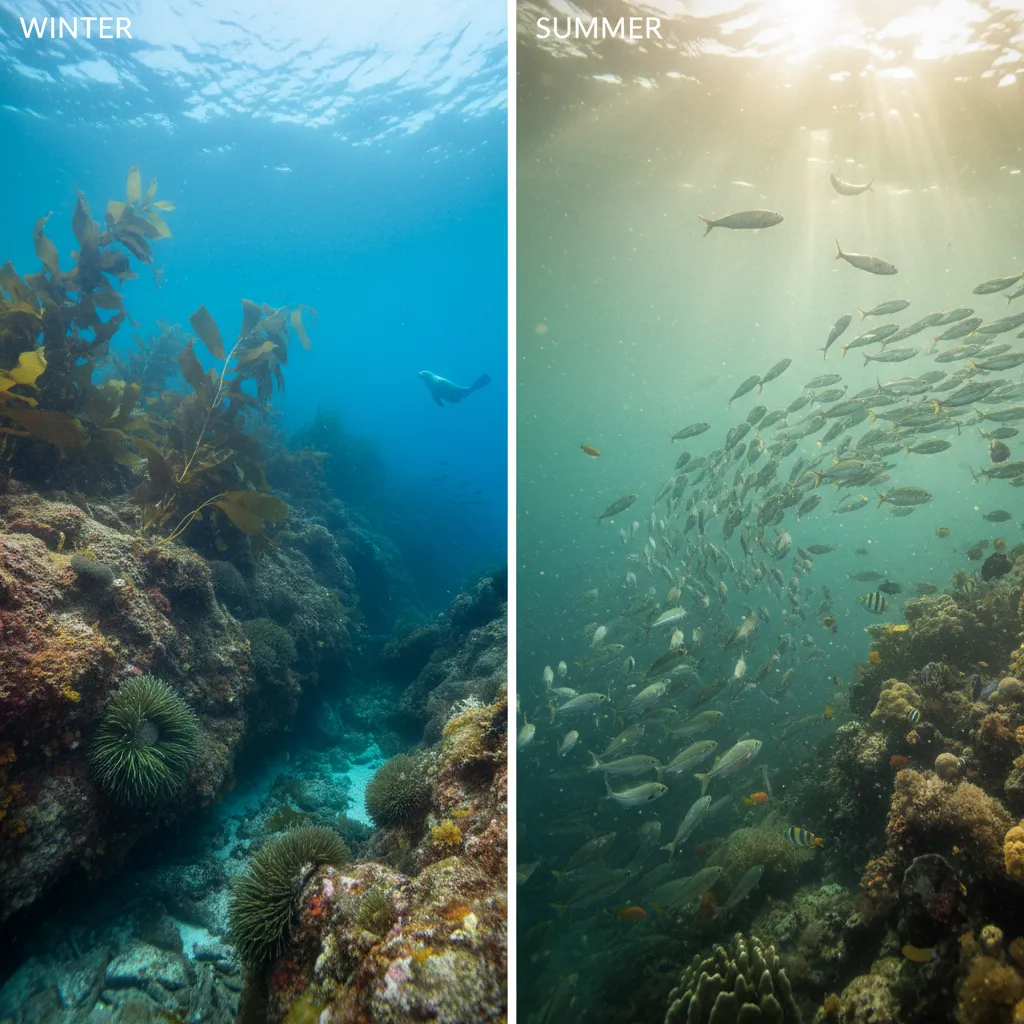
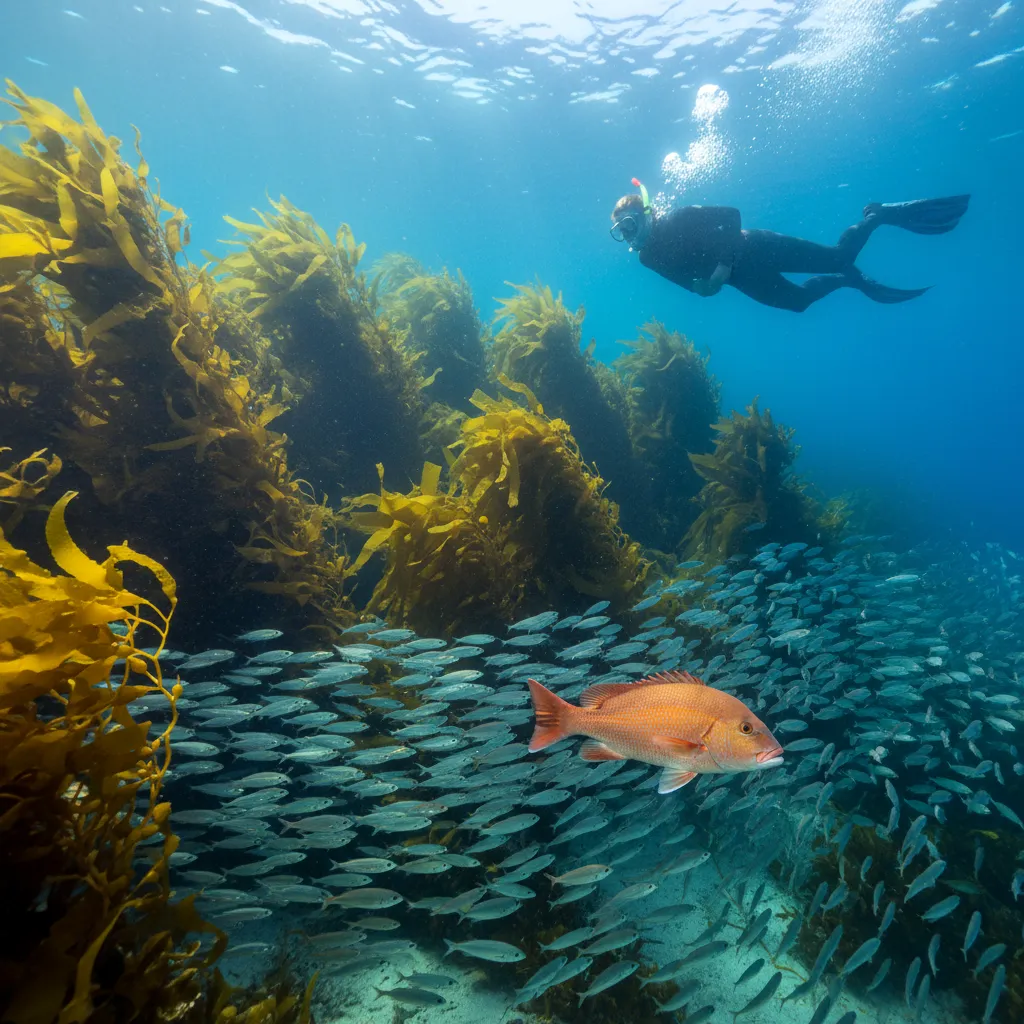
- Water Clarity: As the tide comes in, it brings fresh oceanic water that is generally clearer than the water found in the shallows. At low tide, wave action can churn up sediment and sand from the bottom, significantly reducing visibility. This is often referred to as “viz” by divers. Good viz can exceed 10-15 meters on a perfect high tide day, whereas low tide might reduce this to less than 3 meters.
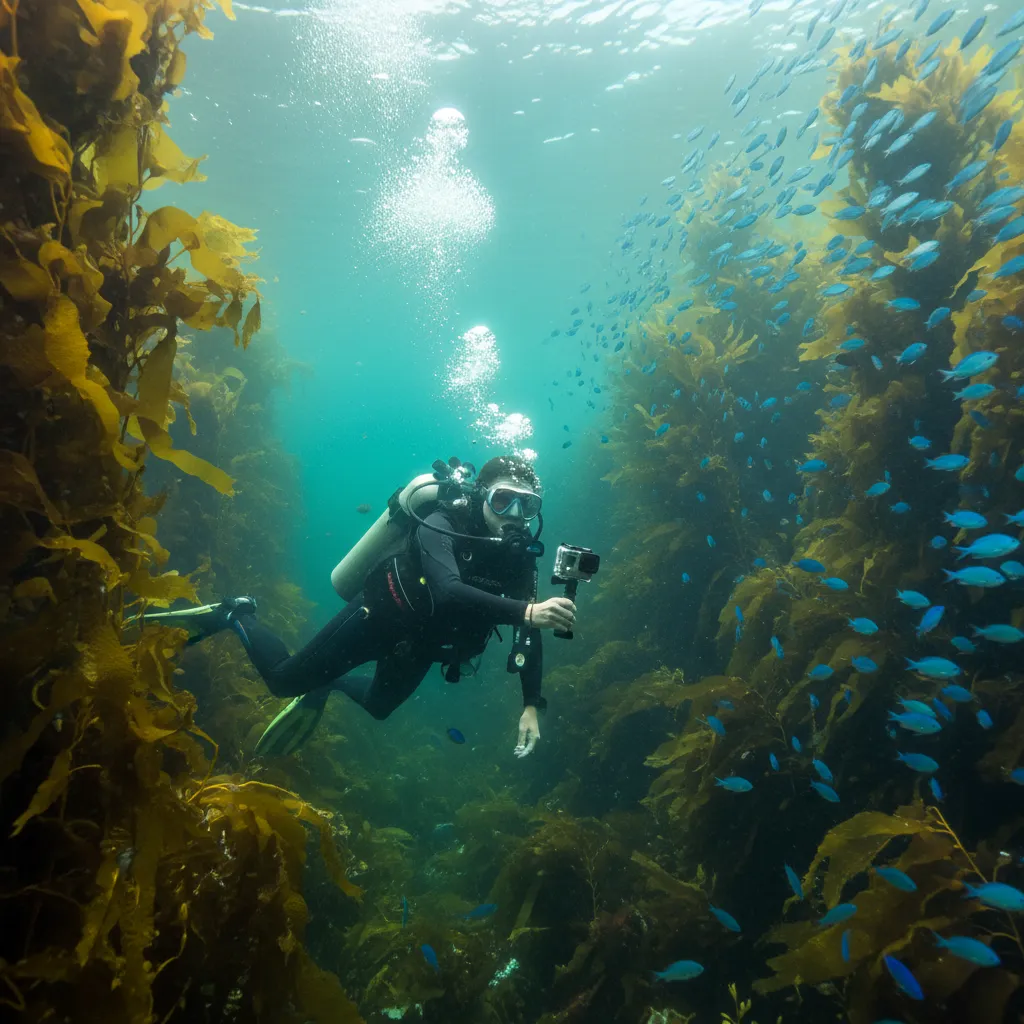
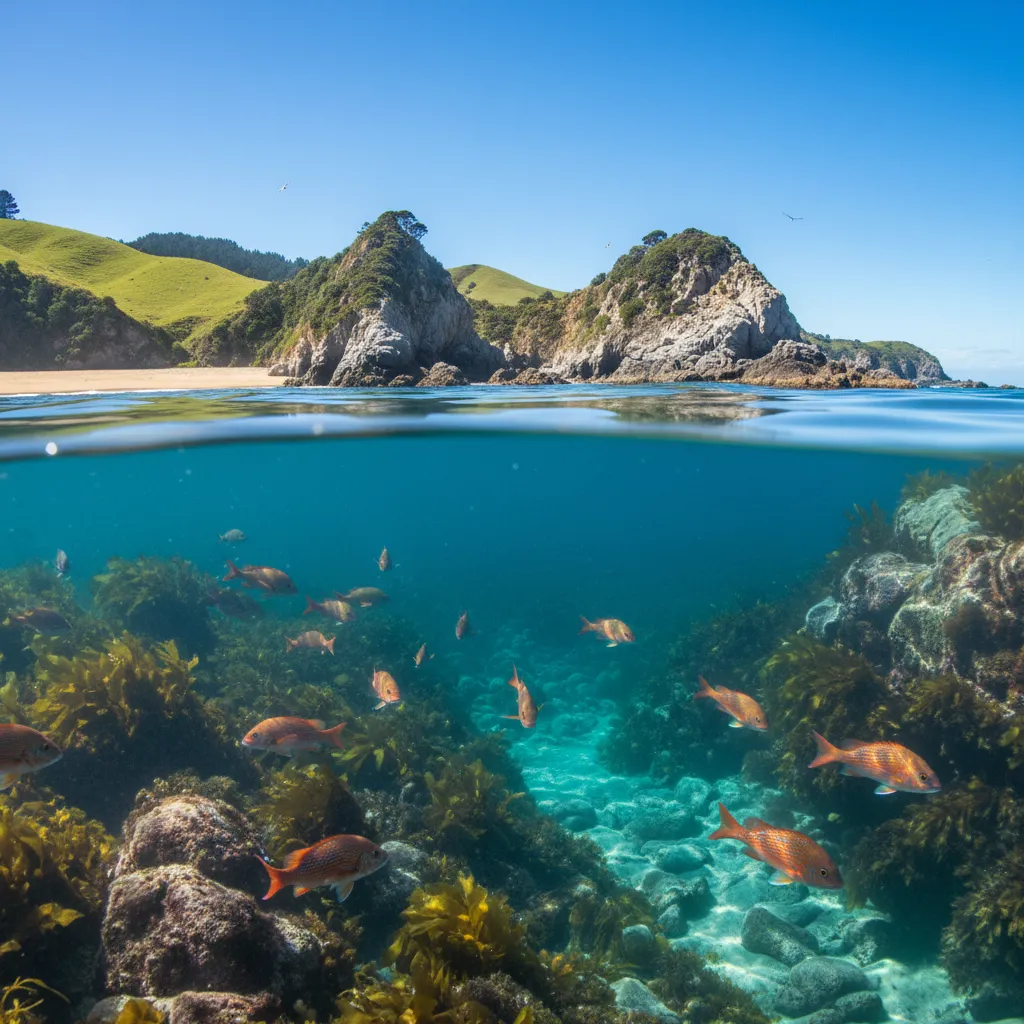
- Depth Clearance: The reserve features shallow reefs and rocky outcrops. At low tide, navigating over these rocks can be difficult and dangerous. Snorkelers risk scraping their stomachs or fins against the delicate reef ecosystem. High tide provides a comfortable buffer of water, allowing you to float effortlessly over the kelp forests and rocky crevices where marine life hides.
- Fish Behavior: Many of the larger species, such as Snapper and Blue Maomao, tend to come closer to the shore during high tide to feed among the submerged rocks. This brings the wildlife closer to swimmers, reducing the need to venture into deeper, more exposed waters.
Reading the Tide Charts
To plan your trip effectively, you must consult specific tide charts for Leigh or Goat Island. Relying on Auckland Harbour tide times can result in a discrepancy of over an hour, which can ruin a schedule. The “slack high tide”—the period roughly 30 minutes before and after the peak of high tide—offers the calmest water with the least amount of current movement.
It is also vital to check the swell forecast. Even if the tide is right, a strong easterly or northerly swell can make the bay dangerous and reduce visibility to zero. Always check marine weather reports specifically for the Leigh coast before packing the car.
How to Handle Goat Island Parking Challenges?
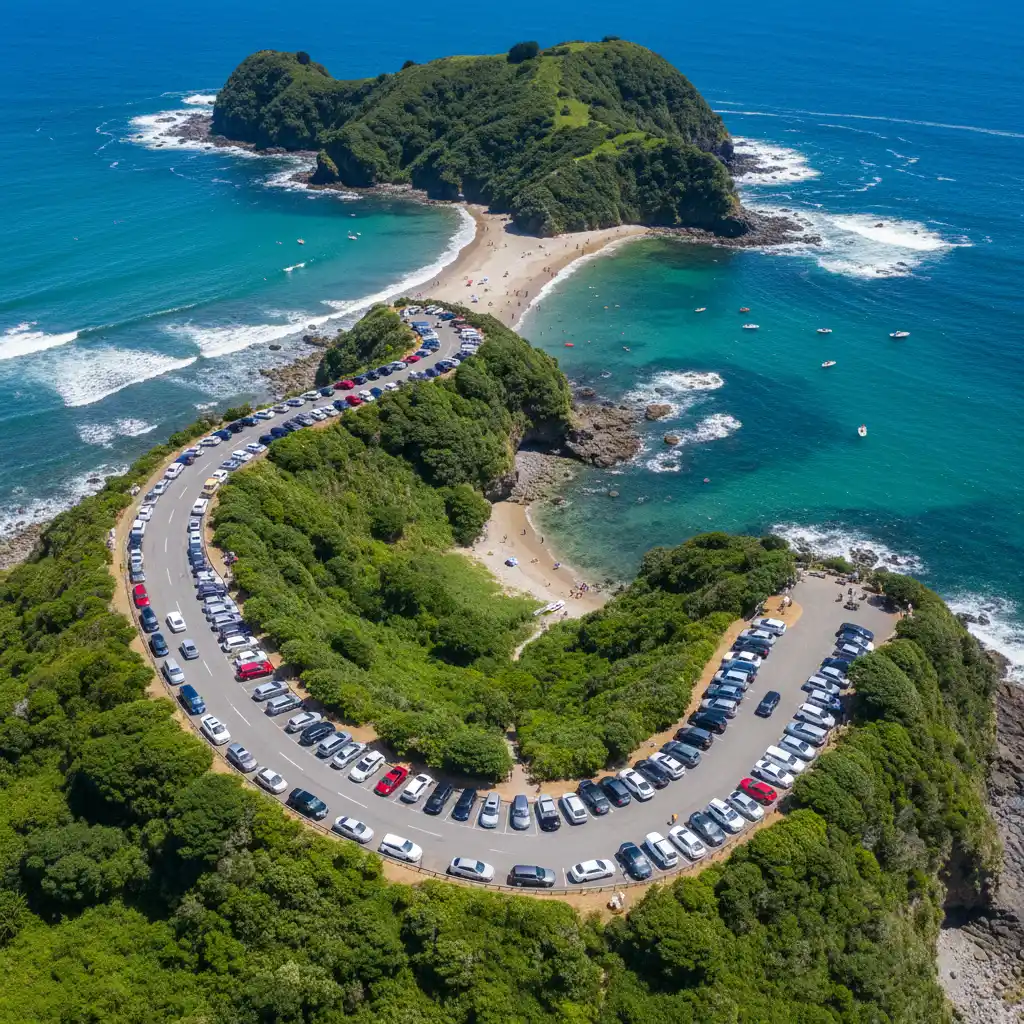
The popularity of Goat Island has skyrocketed in recent years, transforming it from a quiet local secret to one of New Zealand’s premier marine tourism destinations. Consequently, parking has become a significant logistical bottleneck, particularly between December and March.
The “Summer Crunch” and Capacity Limits
The reserve has two main parking areas: the lower car park (closest to the beach) and the upper overflow car park. Despite this, the total capacity is limited. On sunny weekends and public holidays, the “Summer Crunch” phenomenon occurs:
- The 10:00 AM Cutoff: Historical data suggests that by 10:00 AM on a fine summer day, the lower car park is full. By 10:30 AM or 11:00 AM, the upper car park often reaches capacity.
- One-In, One-Out System: Once the parks are full, Department of Conservation (DOC) rangers or traffic management staff may implement a “one-in, one-out” system. This can lead to long queues of vehicles idling on Goat Island Road, waiting for a spot to open up.
- Turn-Arounds: In extreme cases, when the queue becomes a safety hazard, rangers may turn vehicles away entirely, forcing disappointed visitors to seek alternative beaches like Pakiri or Matheson Bay.
Strategic Parking Tips
To avoid the stress of parking, consider the following strategies:
- The “Early Bird” Approach: Arrive before 9:00 AM. This guarantees a spot in the lower car park and allows you to enjoy the reserve before the crowds descend.
- The “Sunset Session”: Arrive after 3:00 PM. By mid-afternoon, the morning crowd usually begins to disperse. The sun is still high enough for snorkeling, and the lighting for photography is often superior during the golden hour.
- Mid-Week Visits: If your schedule permits, visiting on a Tuesday or Wednesday significantly reduces the likelihood of parking issues compared to Saturday or Sunday.
- Carpooling: Maximizing the number of passengers per vehicle reduces the total parking demand and is environmentally responsible.
How to Avoid the Warkworth Traffic Bottleneck?
Getting to Goat Island usually involves driving north from Auckland via State Highway 1. While the journey is scenic, it is prone to severe congestion, particularly around the town of Warkworth.
The Hill Street Intersection
For years, the Hill Street intersection in Warkworth has been notorious among locals and travelers alike. While recent highway extensions (the Puhoi to Warkworth motorway) have improved flow, the bottleneck can still occur where traffic merges to head towards Matakana and Leigh.
During peak summer weekends, traffic can back up for kilometers. To mitigate this:
- Use Real-Time Navigation: Apps like Google Maps or Waze are essential. They can alert you to accidents or severe delays and suggest back-road alternatives, though few viable alternatives exist for the final leg to Leigh.
- Travel Off-Peak: Leaving Auckland at 7:00 AM helps you clear Warkworth before the rush. Conversely, returning to Auckland later in the evening (after 7:00 PM) or stopping for dinner in Matakana can help you avoid the southbound crawl on Sunday afternoons.
What Amenities and Food Options are Available?
Goat Island is a marine reserve, not a commercial resort. Facilities are adequate but somewhat rustic, designed to minimize environmental impact.
Gear Hire and Snorkeling Equipment
If you do not own snorkeling gear, you have options nearby. However, there are no rental shops directly on the sand. You must arrange gear before walking down to the beach.
- Seafriends: Located on the road leading into the reserve, Seafriends offers gear hire and is also a marine education center. It is an excellent resource for learning about the marine life you are about to see.
- Goat Island Dive & Snorkel: Located in Leigh, this operator offers full gear hire, guided snorkel tours, and dive charters. Booking in advance during summer is highly recommended to ensure they have your size available.
Food and Toilets
There are public toilets and changing blocks located near the car park. These are maintained by DOC but can get sandy and wet during peak times.
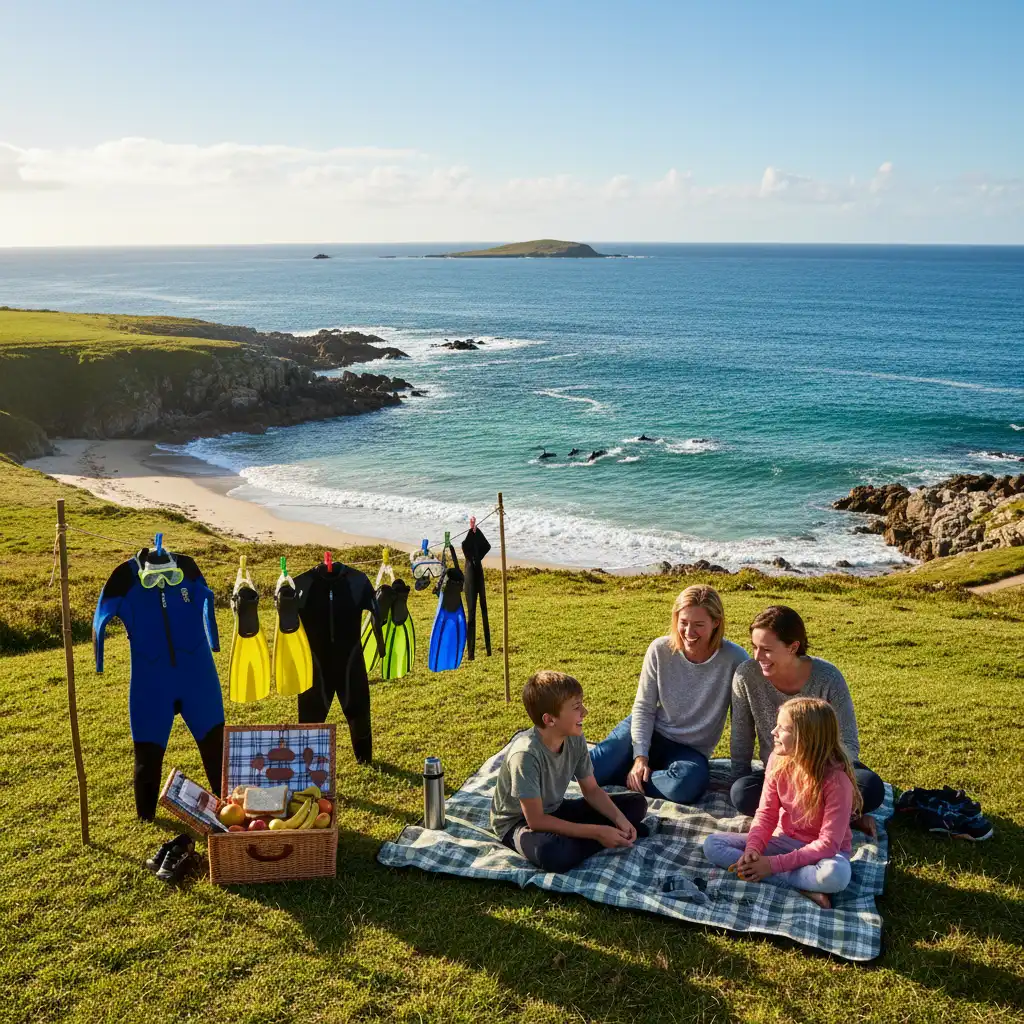
Regarding food, options are limited on-site. There is often a coffee cart or ice cream truck in the car park during summer, but this is not guaranteed. The wisest move is to pack a picnic. However, ensure you pack out all your rubbish—Goat Island operates on a strict “pack in, pack out” philosophy to protect the marine environment.
For a substantial meal, the nearby Matakana Village (about 15-20 minutes away) offers world-class dining, a famous Saturday farmers market, and boutique pubs. Many visitors combine a morning snorkel at Goat Island with a lunch in Matakana.
What are the Marine Reserve Rules?
Goat Island (Cape Rodney-Okakari Point) was New Zealand’s first marine reserve, established in 1975. It is a “no-take” zone. Strict enforcement is in place to protect the ecosystem.
Strictly Prohibited Activities
- No Fishing: You cannot fish, net, or spearfish within the reserve boundaries. Even having fishing gear assembled in your boat or car can be cause for suspicion if stopped by rangers.
- No Gathering: You cannot take shells, rocks, driftwood, or seaweed. Everything must remain in the reserve.
- No Feeding Fish: While it was common practice decades ago to feed fish peas or bread to attract them, this is now strictly prohibited. It harms the fish’s digestion and alters their natural behavior.
- No Dogs: Dogs are generally not permitted on the foreshore to protect local birdlife, including the endangered New Zealand Dotterel.
Failure to comply with these rules can result in significant fines and confiscation of equipment. The reserve is patrolled by honorary rangers and DOC staff.
People Also Ask (PAA)
Is entry to Goat Island Marine Reserve free?
Yes, entry to the Goat Island Marine Reserve is completely free for all visitors. There are no parking fees or entrance charges. However, if you wish to participate in the Glass Bottom Boat tour or hire snorkeling gear, those are commercial services with associated costs.
Can you see sharks at Goat Island?
Yes, it is possible to see sharks, but they are generally harmless species. Small Eagle Rays and Stingrays are very common. Occasionally, Bronze Whaler sharks may be spotted cruising through the reserve, but they typically ignore swimmers. The reserve is a wild ecosystem, so encounters with various marine life are part of the experience.
Is Goat Island suitable for children and beginners?
Yes, Goat Island is excellent for beginners, especially on calm days near the shore. The water is often shallow for a long distance out. However, children should always be supervised, and flotation devices (like boogie boards or life jackets) are recommended for those not confident in the water, as the bottom is rocky and uneven.
What happens if the car park is full?
If the car park is full, you may be turned away by traffic management. There is no safe roadside parking on the narrow access road. If you cannot park, it is best to visit nearby Matheson Bay (which has a sandy beach and safe swimming) and return to Goat Island later in the afternoon.
Do I need a wetsuit to snorkel at Goat Island?
In the peak of summer (February/March), water temperatures can reach 22-23°C, and many people swim in just swimwear. However, for prolonged snorkeling sessions (45+ minutes), a wetsuit is highly recommended to prevent chill and provide buoyancy and protection against jellyfish stings or rock scrapes.
How far is Goat Island from Auckland CBD?
Goat Island is approximately 80 kilometers north of Auckland CBD. Without traffic, the drive takes about 1 hour and 15 minutes. However, during weekend traffic or rush hour, you should allow for 1 hour and 45 minutes to 2 hours of travel time.