Hiring snorkel gear at Goat Island vs buying depends on frequency of use and thermal needs. Hiring is the superior choice for one-off visitors requiring heavy 7mm wetsuits for New Zealand’s temperate waters. Buying is recommended for frequent snorkelers prioritizing hygiene and a leak-free mask fit. A hybrid strategy—buying a mask/snorkel and hiring the wetsuit—often yields the best experience.
Cost Analysis: Rental Rates vs. Entry-Level Gear
When planning a trip to the Cape Rodney-Okakari Point Marine Reserve (commonly known as Goat Island), the first question most visitors ask is financial: is it cheaper to rent gear for the day or purchase a budget set from a sporting goods store?
To make an informed decision regarding hiring snorkel gear Goat Island vs buying, one must look beyond the sticker price and consider the “cost per use” and the resale value of the equipment.
The Economics of Hiring
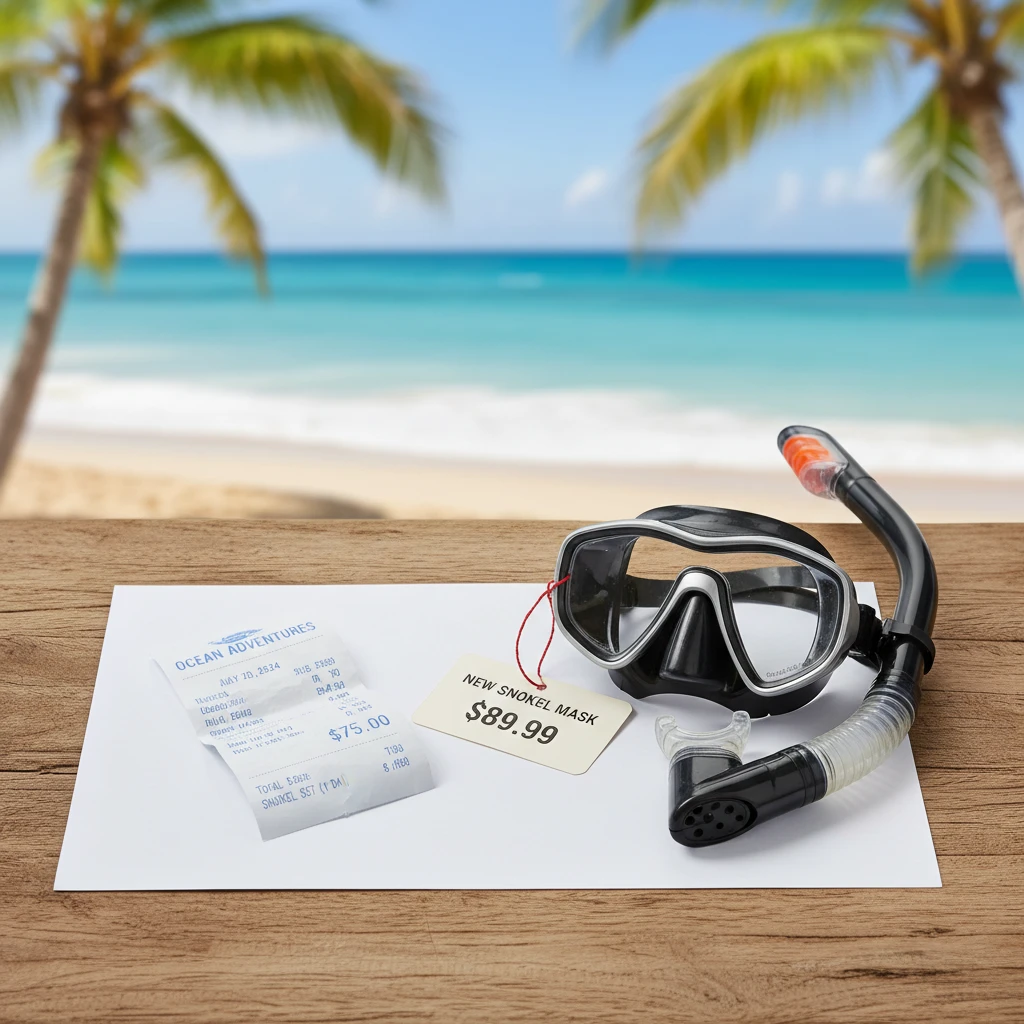
Rental rates at local providers in Leigh and the surrounding Matakana coast typically hover between $30 and $50 NZD for a “full set.” A full set generally includes:
- A 5mm to 7mm wetsuit (crucial for warmth).
- Mask and snorkel.
- Fins (flippers).
If you are visiting the marine reserve once or twice a year, the math heavily favors hiring. You are paying for access to high-quality, commercial-grade thermal protection that would cost upwards of $400 to purchase new. Furthermore, you avoid the depreciation costs of owning rubber and neoprene goods that degrade over time, even when stored.
The Economics of Buying
Entry-level snorkel sets (mask and snorkel only) can be found at big-box retailers for as little as $40 to $60 NZD. However, this price point is deceptive. These sets rarely include a wetsuit or fins. To replicate the comfort of a rental package, you would need to purchase:
- Mask & Snorkel: $60 (Entry level silicone)
- Fins: $50 – $80
- Wetsuit (5mm+): $250 – $400
Total Investment: $360 – $540 NZD.
Therefore, the break-even point for purchasing a full set of gear comparable to what you would rent is approximately 8 to 10 snorkel trips. If you plan to snorkel every weekend during the summer, buying makes sense. If you are a casual tourist, hiring is the financially prudent option.
Wetsuit Thickness: Why 3mm Isn’t Enough in NZ
One of the most critical errors international tourists and inexperienced locals make is underestimating the water temperature at Goat Island. Unlike the tropical waters of Fiji or the Great Barrier Reef, New Zealand waters are temperate.
Understanding Water Temperatures
In the height of summer (February), sea surface temperatures at Goat Island peak around 20°C to 22°C (68°F – 71°F). While this sounds mild, water conducts heat away from the body 25 times faster than air. Without adequate insulation, hypothermia can set in, or at the very least, the “shivers” will cut your experience short after 15 minutes.

The “Supermarket Wetsuit” Trap
Many visitors attempt to save money by buying cheap “shortie” wetsuits or 3mm steamers from general retailers. These suits are designed for surface watersports like surfing or paddleboarding, where the user is frequently out of the water and generating body heat through vigorous movement.
Snorkeling is a passive activity. You float on the surface, moving slowly. Consequently, your metabolic heat generation is low. A 3mm wetsuit is generally insufficient for a comfortable 45-minute snorkel session at Goat Island. Local rental shops provide 7mm wetsuits (often with attached hoods) for a reason: they are necessary to keep clients happy and warm.
When comparing hiring snorkel gear Goat Island vs buying, ask yourself: are you willing to spend $300+ on a heavy 7mm wetsuit that takes up significant closet space, or would you rather pay $20 to rent one for the day?
Hygiene & Fit: The Benefits of Owning a Mask
While hiring makes financial and thermal sense for wetsuits, the argument shifts significantly when we discuss masks and snorkels. This is where the “Buy” strategy shines, primarily due to hygiene and facial fit.
The Fit Factor
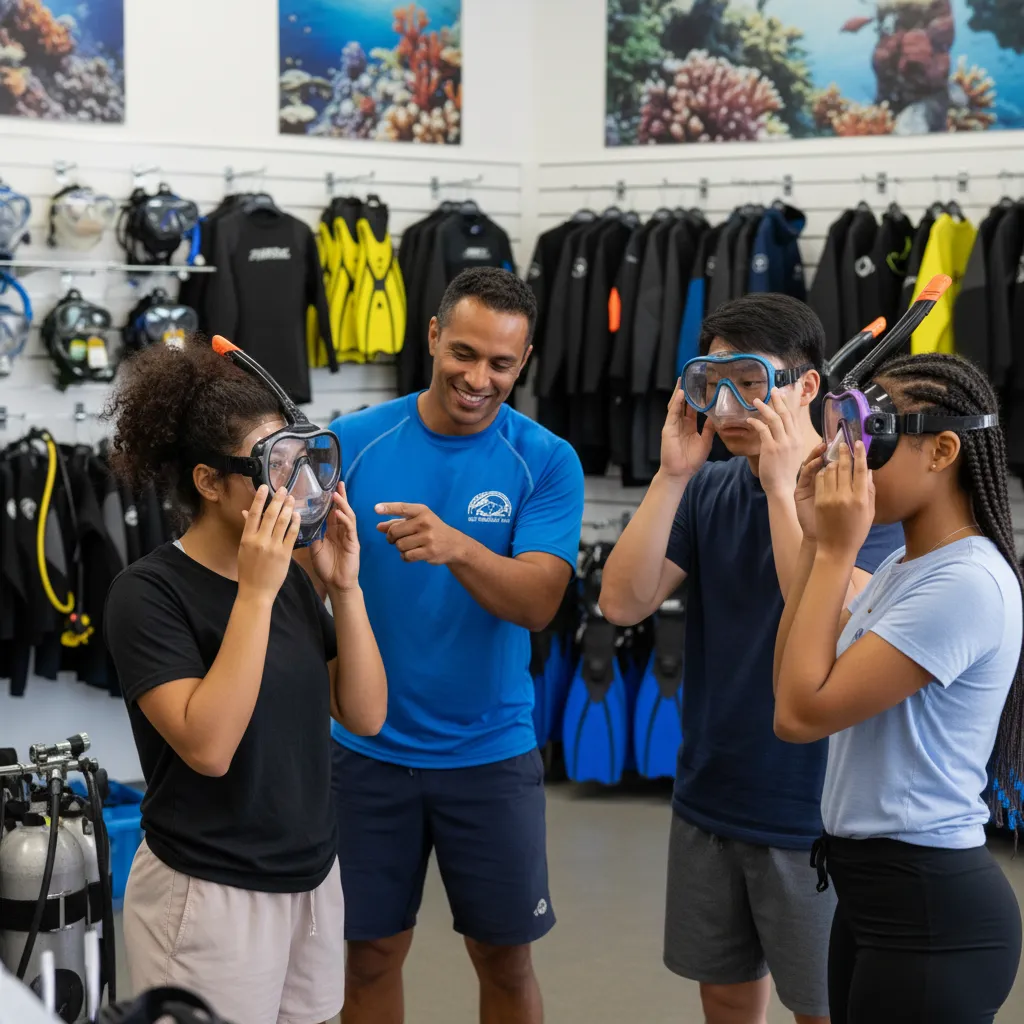
A leaking mask is the single biggest ruin of a snorkeling trip. Rental fleets typically stock “one-size-fits-most” masks. While these are high-quality, faces vary wildly in shape. If you have a narrow face, a prominent nose bridge, or facial hair, a generic rental mask may constantly fill with saltwater, forcing you to tread water and clear it every few minutes.
When you buy a mask, you can try on several models to ensure a watertight seal. Owning a mask that fits your face perfectly transforms the experience from a struggle for survival into a relaxing observation of marine life.
Hygiene Considerations
Post-pandemic awareness regarding hygiene has increased. Reputable rental operators at Goat Island adhere to strict sanitation protocols, using commercial disinfectants (like Virkon) to clean snorkels and masks between uses. However, the psychological comfort of putting your own silicone mouthpiece into your mouth cannot be overstated.
Furthermore, rental snorkels are often basic “J-tubes.” When you buy your own, you can opt for a “dry-top” snorkel, which has a valve to prevent water from entering the tube when waves splash over you—a feature rarely found in standard rental fleets.
Logistics: Transporting Wet Gear
The logistical aspect of gear ownership is often overlooked until the end of the day. Goat Island is a “pack in, pack out” reserve. After your swim, you will be left with a dripping wet wetsuit, sandy fins, and a wet towel.
The Rental Convenience
When you hire gear, the logistics are seamless. You pick up the dry gear, use it, and return the wet, sandy mess to the shop. The staff handles the rinsing, drying, and storage. This is particularly valuable for tourists traveling in campervans or cars with limited space, where a damp wetsuit can smell up the vehicle for days.
The Ownership Burden
If you own your gear, specifically a thick wetsuit, you must rinse it thoroughly with fresh water to prevent salt corrosion, dry it out of direct sunlight (which takes days for thick neoprene), and store it properly to avoid permanent creasing. If you live in a small apartment or are traveling, managing a soaking wet 7mm wetsuit is a significant inconvenience.
Local Rental Providers Review
If you decide that hiring is the right path for you, the Goat Island area is serviced by experienced operators who know the local conditions intimately.
Goat Island Dive & Snorkel
Located in Leigh, just a short drive from the reserve, this is the primary hub for rentals. They are a PADI 5-Star Dive Centre.
- Gear Quality: High. They regularly update their fleet.
- Wetsuits: They supply thick, 7mm suits suitable for the cold.
- Advice: Staff can provide real-time updates on visibility and fish activity.
- Pro Tip: Visit the shop early (before 10 AM) on weekends, as they can run out of popular sizes during peak summer days.
Seafriends
Seafriends is a non-profit marine education center located closer to the beach. While their primary focus is education and conservation, they have historically offered hire gear. Their approach is deeply educational, and renting from them supports the marine conservation efforts in the area.
The Hybrid Strategy: The Professional Verdict
After analyzing the costs, thermal requirements, and hygiene factors, the professional recommendation for most visitors lies in the middle ground.
The “Buy Soft, Rent Hard” Approach
The most strategic approach to hiring snorkel gear Goat Island vs buying is a hybrid one:
- BUY your Mask and Snorkel: Invest $80-$120 in a high-quality silicone mask that fits your face perfectly and a dry-top snorkel. This ensures hygiene, comfort, and a leak-free experience. This gear is small, lightweight, and easy to travel with.
- HIRE your Wetsuit and Fins: Rent the heavy, expensive, and hard-to-maintain items. Let the shop handle the 7mm neoprene logistics. Renting fins also saves you from carrying bulky items in your luggage.
This strategy gives you the best of both worlds: the personal comfort of a custom-fit mask and the thermal protection of a commercial-grade wetsuit without the ownership hassle.
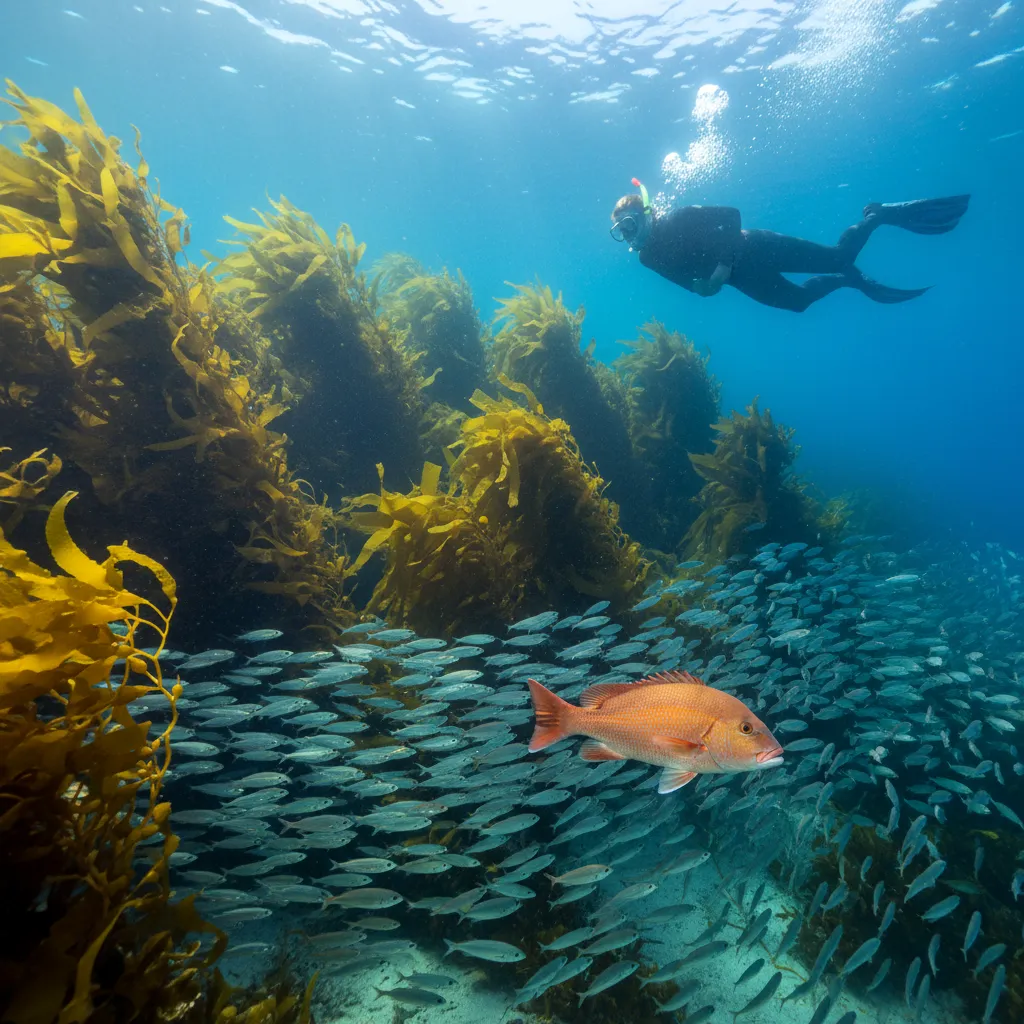
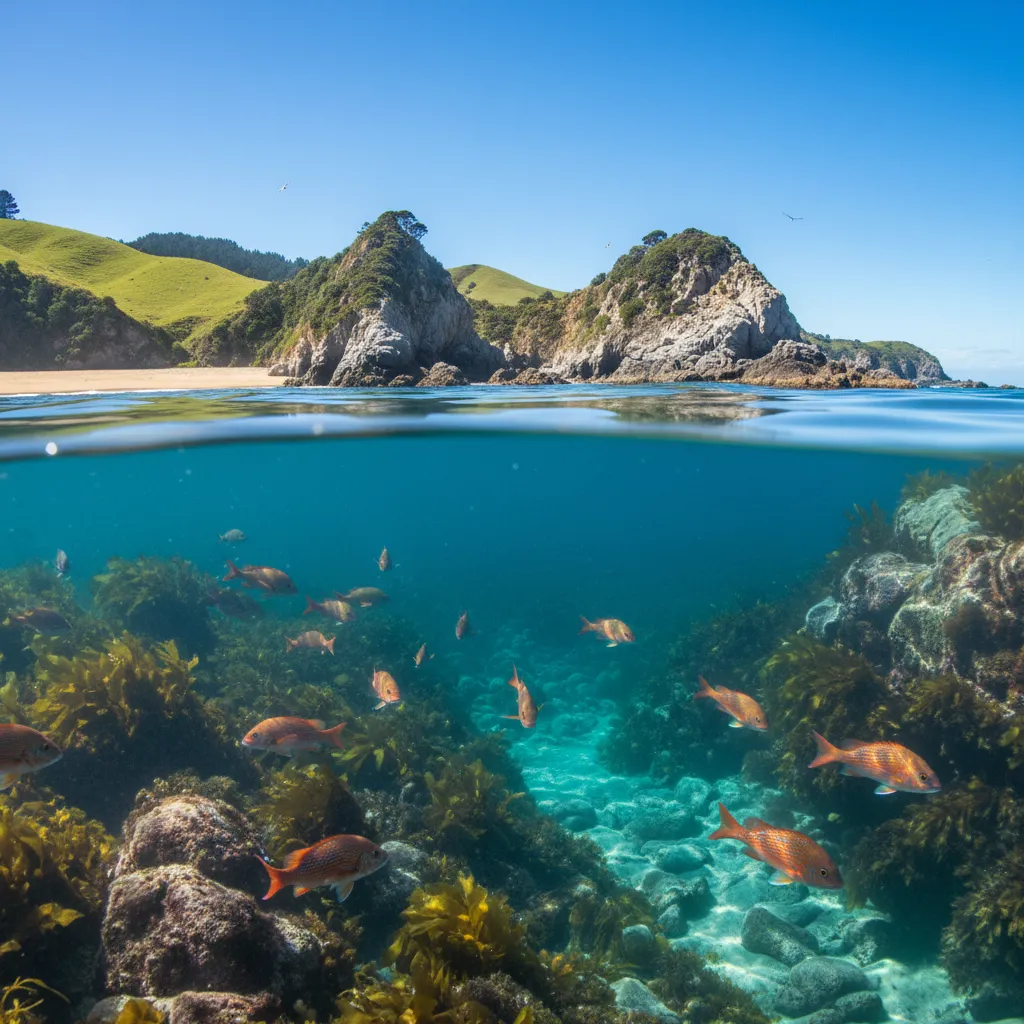
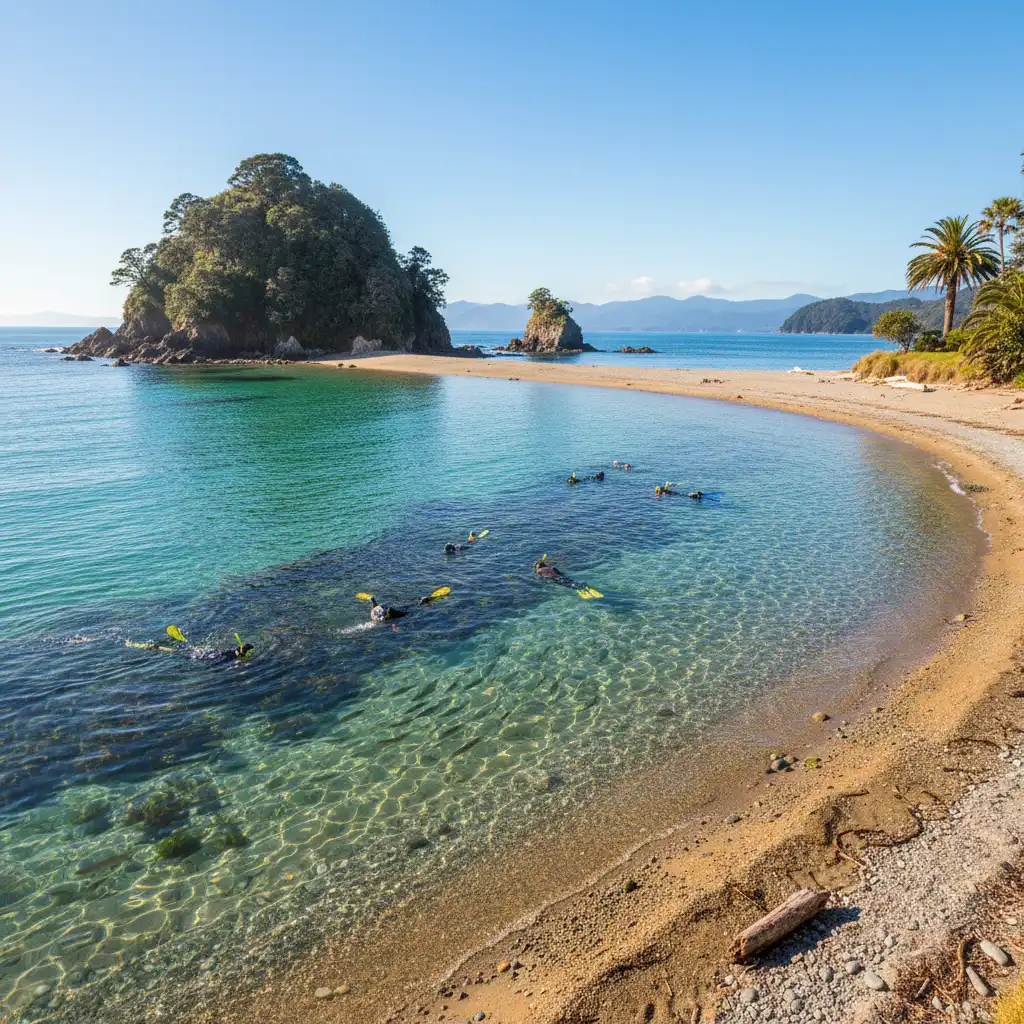
Ultimately, the marine life at Goat Island—from the massive Snapper to the elusive Crayfish—is spectacular. Whether you hire or buy, ensuring you are warm and your vision is clear is the key to unlocking this underwater paradise.
Frequently Asked Questions
What is the water temperature at Goat Island?
Water temperatures range from 15°C (59°F) in winter to 22°C (71°F) in late summer. A wetsuit is recommended year-round, with a 7mm suit advised for most snorkelers to ensure comfort.
Can I snorkel at Goat Island without a wetsuit?
While possible in February for short periods, it is not recommended. The temperate water cools the body quickly. A wetsuit provides buoyancy (safety) and warmth, allowing you to stay in the water longer to see more fish.
How much does it cost to hire snorkel gear at Goat Island?
A full set (mask, snorkel, fins, wetsuit) typically costs between $30 and $50 NZD for the day, depending on the provider and the specific package chosen.
Do rental shops provide prescription masks?
Some specialized dive shops, like Goat Island Dive & Snorkel, may have a limited supply of optical masks for hire, but it is rare. If you require vision correction, buying your own prescription mask is highly recommended.
Is it better to buy cheap gear or rent quality gear?
It is generally better to rent high-quality gear than to buy cheap supermarket gear. Cheap masks often use plastic skirts that leak, and cheap wetsuits are too thin for NZ conditions.
Do I need fins to snorkel at Goat Island?
Yes. Even on calm days, there can be currents. Fins provide the propulsion necessary to swim safely and efficiently, saving your energy and helping you maneuver around the rocky reef structures.