
Why are dogs banned in marine reserves? Dogs are banned in New Zealand marine reserves primarily because their presence creates a “landscape of fear” that disrupts sensitive coastal ecosystems. Even on a leash, a dog’s predatory scent and visual profile cause ground-nesting birds (like the NZ Dotterel) to abandon nests and marine mammals (such as NZ Fur Seals) to expend critical energy fleeing. Legally, the Marine Reserves Act 1971 mandates total protection of marine life, classifying the harassment or disturbance caused by domestic canines as a prosecutable offense to preserve biodiversity.
The Biological Conflict: Domestic Canines vs. Native Wildlife
When we discuss marine conservation in New Zealand, the conversation often centers on overfishing or pollution. However, one of the most immediate, tangible threats to our coastal biodiversity is the domestic dog (Canis lupus familiaris). To the average owner, a dog is a family member. To a ground-nesting bird or a resting seal, that same dog is an apex predator.
In our experience monitoring coastal habitats, we have observed that the exclusion of dogs is not merely about preventing physical attacks. While predation is a risk, the indirect effects are often more devastating and widespread. Marine reserves are designed to be sanctuaries—places where anthropogenic (human-caused) stress is minimized to allow species to recover. Introducing a terrestrial predator into this mix undermines the fundamental purpose of the reserve.
The Impact of Canine Scent on Nesting Shorebirds
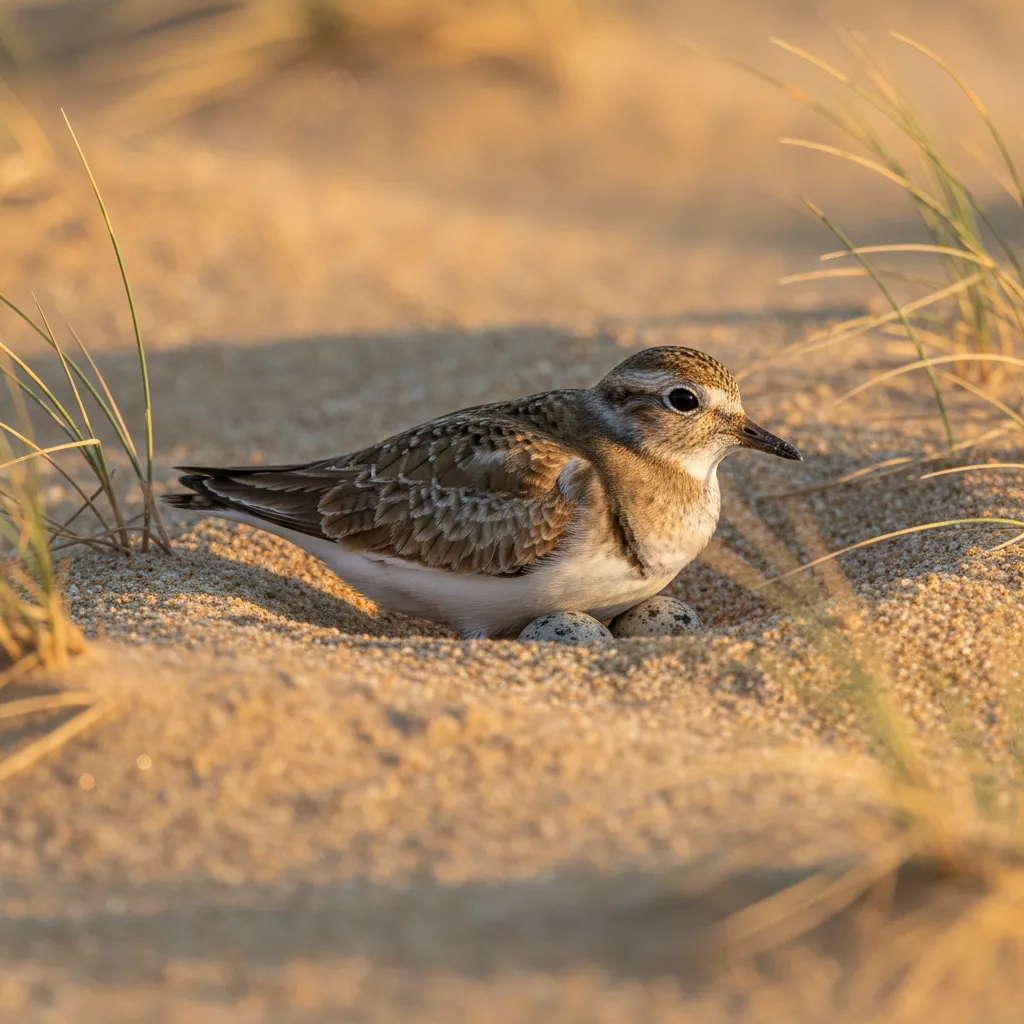
New Zealand’s shorebirds, such as the Northern New Zealand Dotterel (tūturiwhatu) and the Variable Oystercatcher (tōrea), evolved in an environment largely devoid of mammalian predators. Consequently, they nest on the ground, often just above the high-tide mark—exactly where dogs and their owners prefer to walk.
The science of “scent disturbance” is compelling. Research indicates that the mere chemical signature of a dog (via urine or paw prints) can trigger a stress response in these birds. When a parent bird detects a predator, their instinct is to leave the nest to distract the threat. This leads to two critical failures:
- Thermal Stress: Eggs and chicks are left exposed to the harsh sun or cold coastal winds. A chick can die of heatstroke or hypothermia in as little as 15 minutes.
- Energy Depletion: Shorebirds operate on thin energy margins. Constant flight responses to passing dogs deplete the caloric reserves needed for foraging and chick-rearing.
Disturbance of NZ Fur Seals (Kekeno)
Marine reserves are frequently hauled-out sites for the New Zealand Fur Seal (Kekeno). These mammals spend days at sea foraging and come ashore specifically to rest and digest. This recovery phase is vital for their survival.
We often see well-meaning tourists approaching seals with dogs, assuming that because the seal is large, it can defend itself. However, the interaction is biologically expensive for the seal. When a dog approaches—even playfully—a seal enters a state of hyper-alertness. If the dog gets too close, the seal may stampede toward the water.
This “panic flight” is disastrous. Seals moving rapidly over sharp rocks often suffer flipper injuries or internal trauma. Furthermore, if a pup is separated from its mother during a stampede, the likelihood of that pup starving increases significantly. In a marine reserve, the mandate is strict: absolute non-disturbance. Dogs make this impossible.

The “Leash Fallacy”: Why Control Isn’t Enough
Here is a perspective rarely discussed in general travel guides: A leash does not mitigate the biological signal of a predator.
Many dog owners argue, “My dog is on a leash and won’t bite anything.” From a regulatory and biological standpoint, this argument is flawed. Through our analysis of coastal wildlife behavior, we identify what ecologists call the Landscape of Fear.
Wildlife does not understand the mechanics of a leash. When a Little Blue Penguin or a Dotterel sees a canine silhouette, they do not calculate the length of the tether or the grip strength of the owner. They perceive an immediate, lethal threat. The visual presence of the dog effectively “sterilizes” a stretch of beach. Birds will avoid foraging in that zone for hours after the dog has passed.
Furthermore, dogs mark territory. A single dog urinating on a piece of driftwood leaves a chemical beacon that screams “predator” to native wildlife for days. In high-value conservation areas like marine reserves, the goal is to remove this landscape of fear entirely, which necessitates a total ban on dogs, regardless of how well-trained or leashed they are.
The Legal Boundary: Where the Reserve Starts and Ends
Understanding the jurisdiction of marine reserves is critical for avoiding hefty fines. In New Zealand, the Department of Conservation (DOC) manages Marine Reserves under the Marine Reserves Act 1971. However, the interface between land and sea can be confusing.
Mean High Water Spring (MHWS)
Technically, most marine reserves begin at the Mean High Water Spring mark. This is the highest level the tide reaches on average. Everything below this line—the wet sand, the rock pools, and the water itself—is protected territory. Everything above this line (dry sand and dunes) is usually Council land.
This creates a complex legal trap. You might legally be allowed to walk your dog on the dry sand (Council jurisdiction), but the moment your dog runs into the water or chases a stick into the wet sand, you have technically entered the Marine Reserve and breached the Act. Given that wildlife ignores these invisible lines, DOC strongly advocates for keeping dogs away from reserve adjacencies entirely to prevent accidental incursions.

Penalties and Liability
Under the Dog Control Act 1996 and the Marine Reserves Act, owners are liable for their dogs’ actions. Penalties for dogs attacking protected wildlife can include:
- Instant fines ranging from $200 to $800 NZD.
- Court prosecution with fines up to $20,000 NZD.
- Court orders for the destruction of the dog.
- Seizure of equipment (including vehicles) used in the commission of the offense.
What to Do If You See a Dog in a Reserve
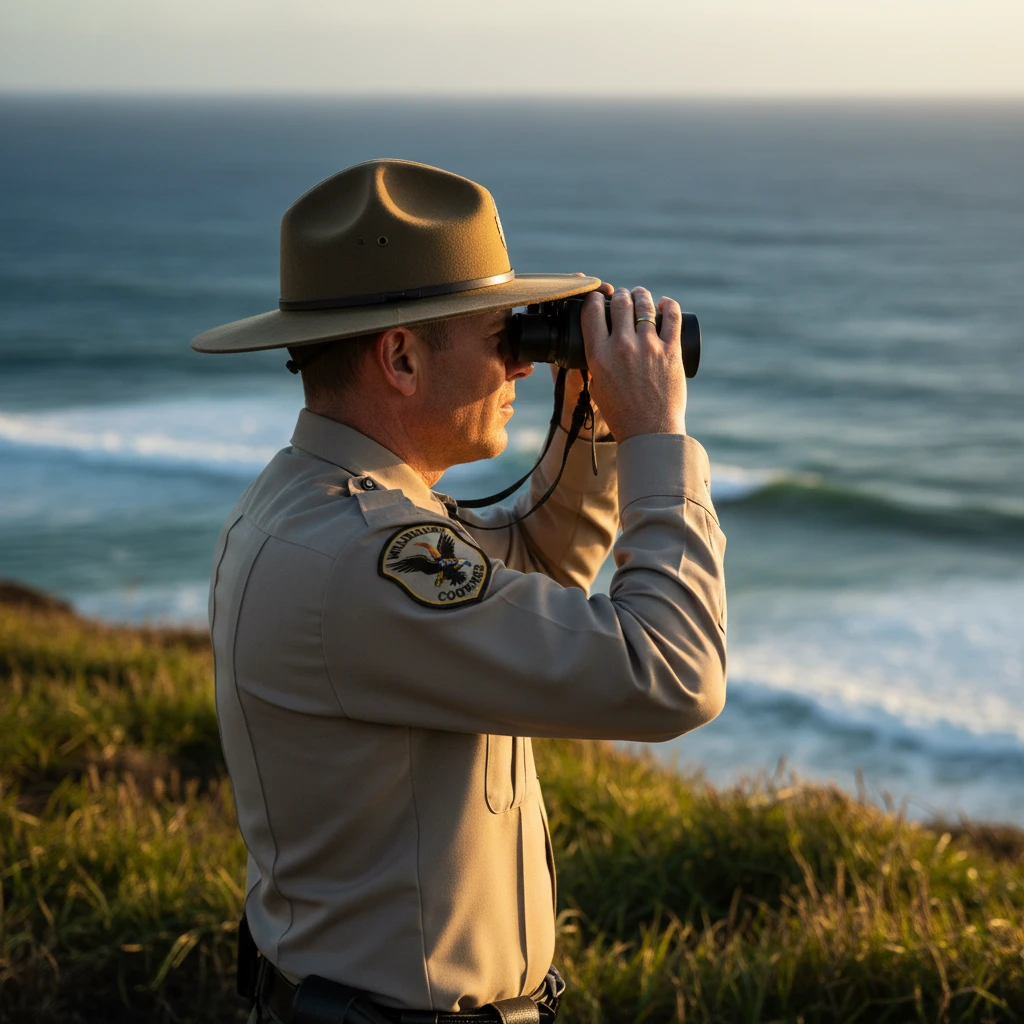
As visitors to these pristine environments, we share a collective responsibility to enforce the protection of taonga species. If you observe a dog within a marine reserve, distinct protocols should be followed to ensure safety and effectiveness.
1. Do Not Confront Aggressively
Emotions run high regarding pets. Aggressively confronting an owner often leads to conflict rather than compliance. If you feel safe doing so, a polite, educational approach is best: “Hi there, I’m not sure if you realized, but this is a Marine Reserve and DOC is pretty strict about dogs here because of the penguins/seals.”
2. Gather Evidence
If the owner ignores the warning or if the dog is actively harassing wildlife, documentation is key. Without putting yourself in danger, take photos or video that clearly show:
- The dog and the owner.
- The location (landmarks or signs).
- Any vehicle registration plates associated with the owner.
- The wildlife being disturbed.
3. Report to DOC
New Zealand has a dedicated emergency hotline for conservation breaches. Call 0800 DOC HOT (0800 362 468). Provide the operator with the time, location, description of the dog/owner, and whether wildlife was harmed. This data helps DOC allocate ranger patrols to high-risk areas.
Summary: Respecting the Sanctuary
The ban on dogs in marine reserves is not an anti-dog policy; it is a pro-wildlife necessity. These reserves represent a tiny fraction of New Zealand’s coastline—less than 10%—set aside as a genetic bank for the future. By respecting these boundaries, we ensure that species like the Kekeno and the Dotterel have a fighting chance at survival. There are thousands of kilometers of coastline in New Zealand where dogs are welcome; marine reserves simply aren’t among them.