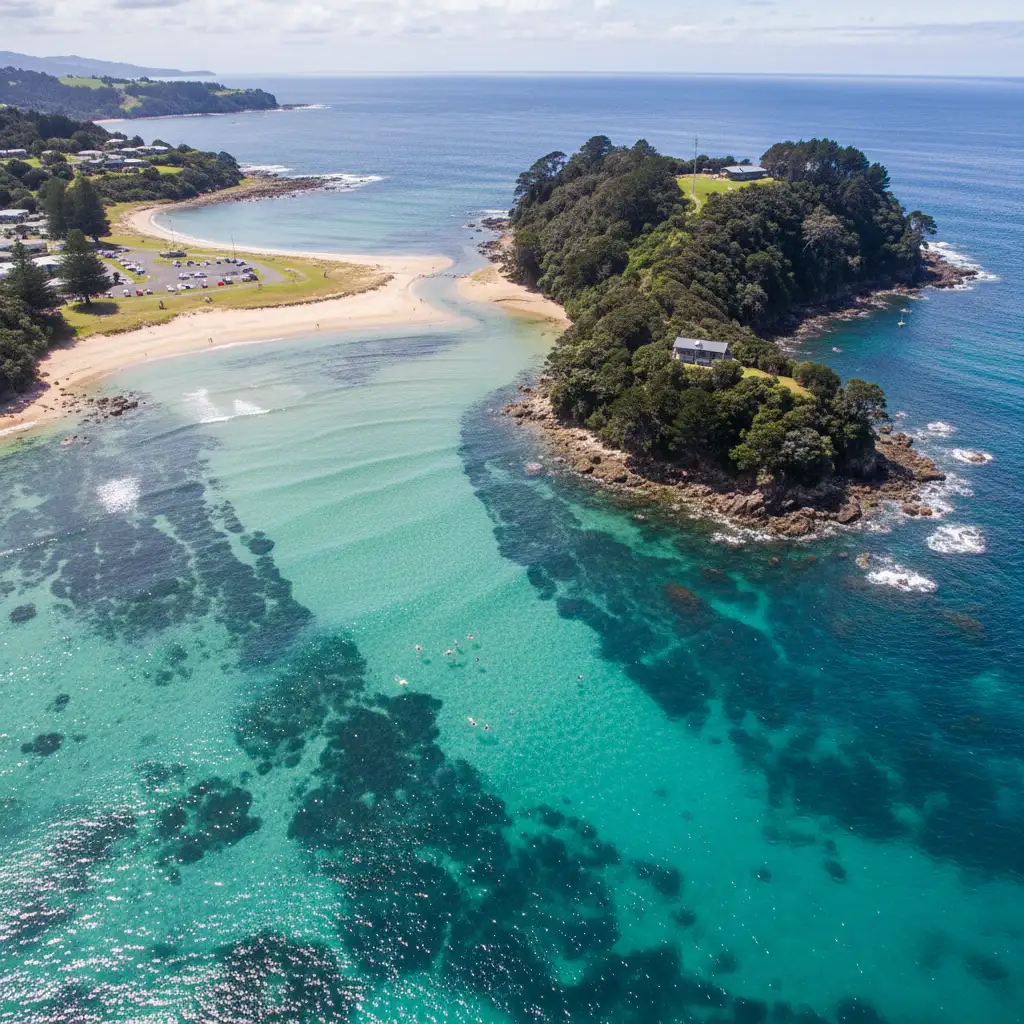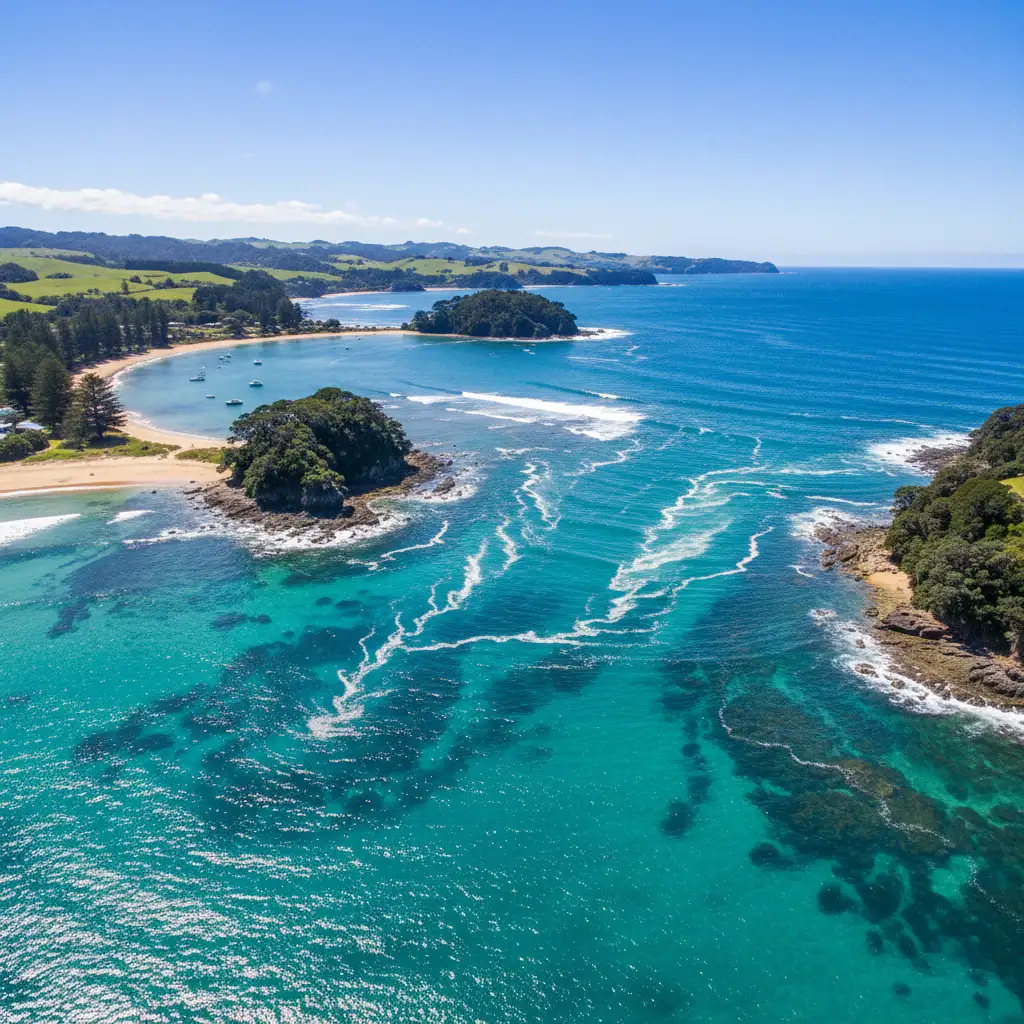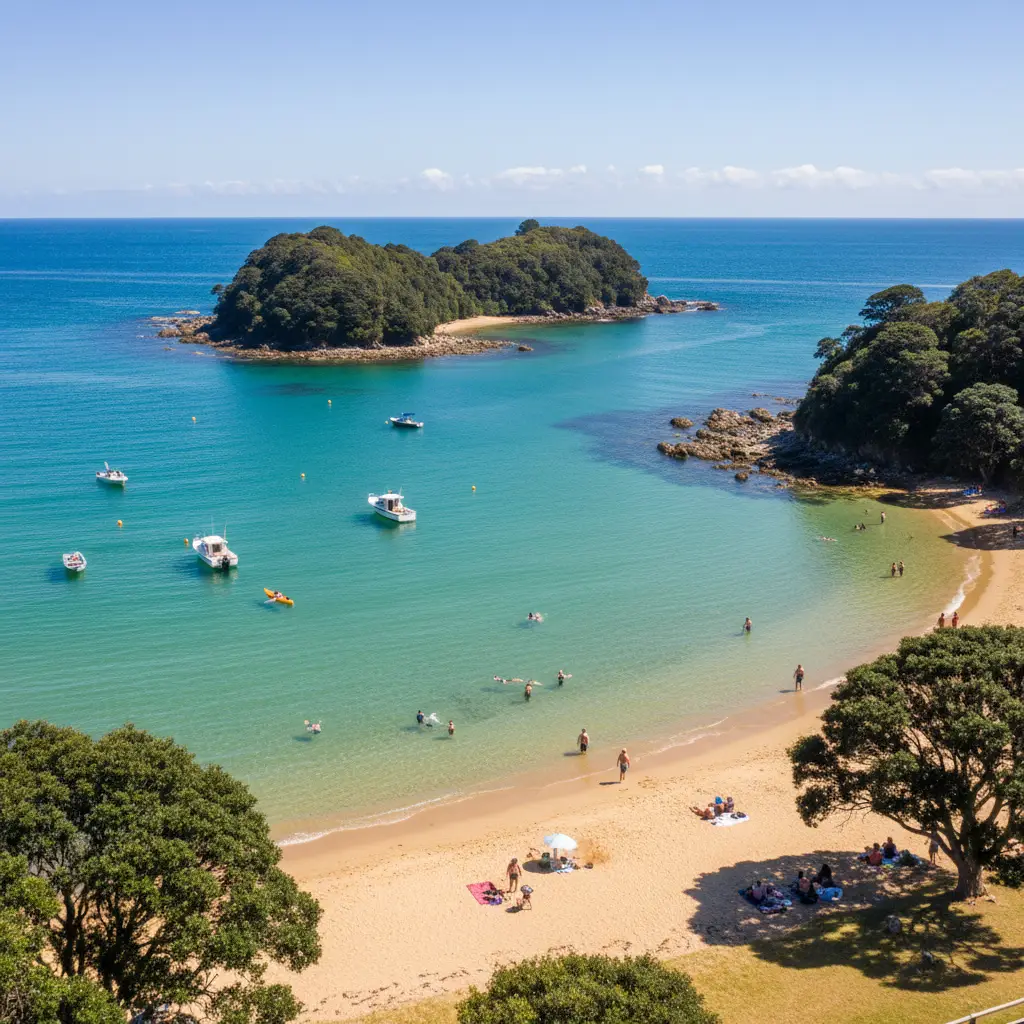
Protecting marine life at Goat Island (Cape Rodney-Okakari Point Marine Reserve) fundamentally means strictly adhering to a “no-take” policy where all fishing, gathering, and disturbing of marine life is prohibited. Visitors must practice Kaitiakitanga (guardianship) by avoiding physical contact with the reef, using reef-safe sunscreen, and ensuring all gear is free of invasive pests like Exotic Caulerpa before entering the water.
Goat Island, known traditionally as Te Hāwere-a-Maki, is not merely a tourist destination; it is a sanctuary of global scientific significance and the crown jewel of New Zealand’s marine conservation history. Established in 1975 as the country’s first marine reserve, it serves as a baseline for what our oceans look like when left undisturbed.
However, as we move through 2024 and into 2025, the pressure on this ecosystem has intensified. With over 300,000 annual visitors, the cumulative impact of tourism, combined with climate shifts and invasive biosecurity threats, requires a renewed commitment from every snorkeler, diver, and sightseer. This guide outlines exactly how to visit respectfully, ensuring that the underwater metropolis of snapper, crayfish, and eagle rays thrives for generations to come.
Understanding the Reserve: A Legacy of Conservation
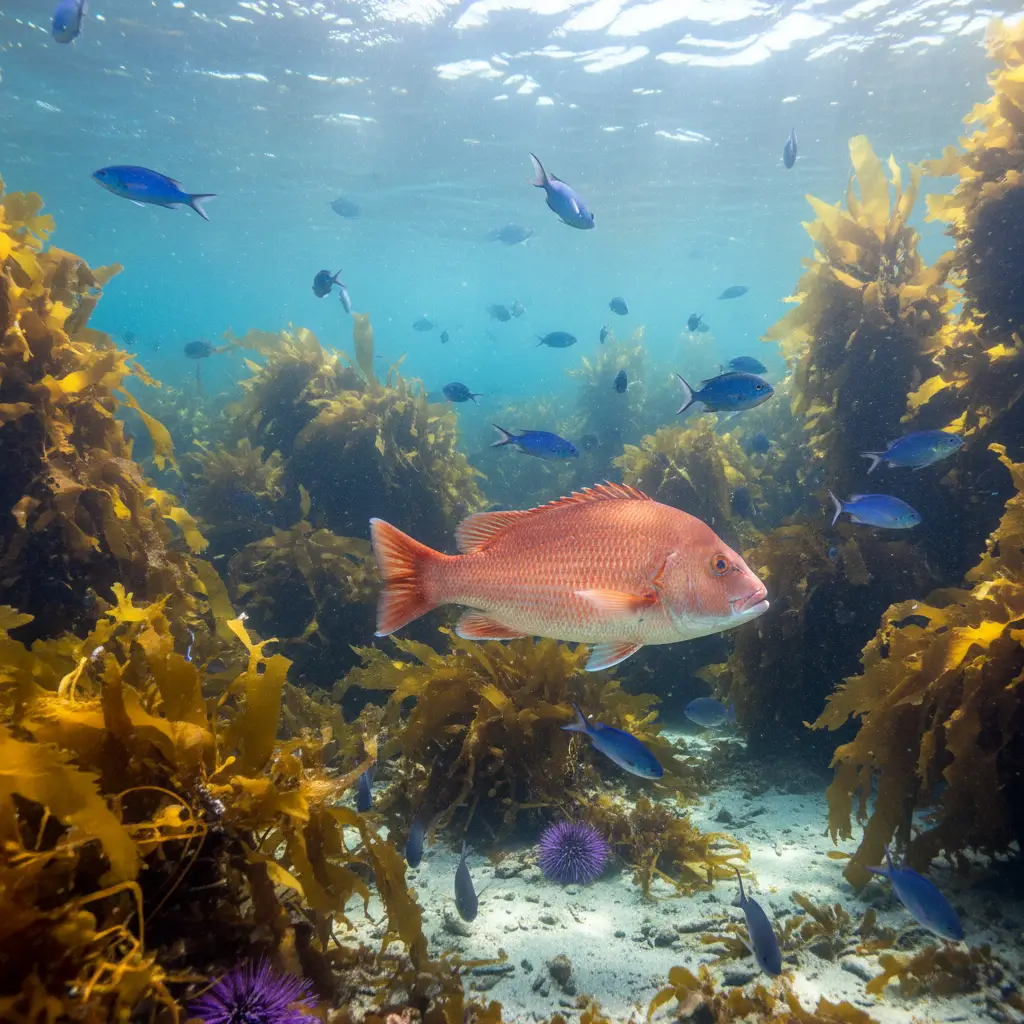
To respect Goat Island, one must understand its significance. Before 1975, the area was heavily overfished, resulting in “kina barrens”—areas where sea urchins (kina) had destroyed the kelp forests because their natural predators, the snapper and crayfish, were depleted. The establishment of the Cape Rodney-Okakari Point Marine Reserve was a radical experiment led by Dr. Bill Ballantine.
Today, the reserve demonstrates the power of total protection. The recovery of large predators has restored the ecological balance. Large snapper and crayfish now control the kina population, allowing the kelp forests—the lungs of the reef—to regenerate. When you enter these waters, you are entering a living laboratory. The fish here are not just wildlife; they are protected citizens of the reserve. They are older, larger, and bolder than fish found outside the boundaries, making them uniquely vulnerable to human interaction.
The Golden Rules: Total Protection Explained
The regulations at Goat Island are governed by the Marine Reserves Act 1971. These are not guidelines; they are strict laws enforced by the Department of Conservation (DOC). Ignorance of these rules can lead to severe fines and prosecution.
The Strict “No-Take” Policy
“No-take” is absolute. It does not just apply to fish. It includes:
- No Fishing: No lines, no nets, no spears. Even having fishing gear assembled in your car can be cause for suspicion if approached by rangers.
- No Gathering: You cannot take crayfish, shellfish (pipi, tuatua, mussels), or kina.
- No Souvenirs: This is often overlooked. You cannot take empty shells, rocks, driftwood, or sand from the beach. Everything on the beach is part of the ecosystem. Shells provide homes for hermit crabs and calcium for the sand; driftwood provides shelter for terrestrial insects and birds.
Do Not Move Marine Life
It is common for curious visitors to pick up starfish, crabs, or sea snails to show children. This is considered a disturbance. Moving a creature from its hiding spot exposes it to predators and causes significant metabolic stress. Observe with your eyes (or a waterproof camera), not your hands.
Why Feeding Fish is Harmful (and Prohibited)
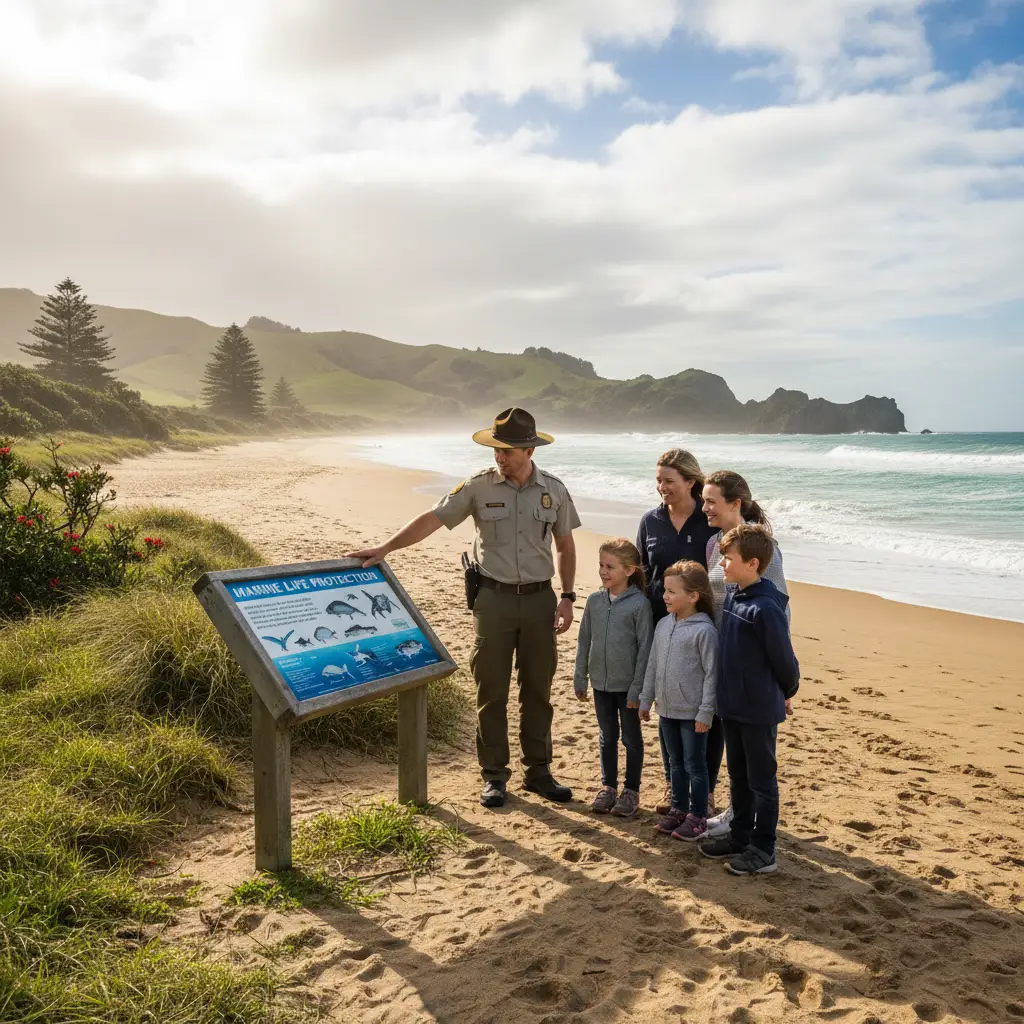
For decades, feeding fish frozen peas or bread was a popular tourist activity at Goat Island. However, scientific research has firmly established that this practice is detrimental to the ecosystem. As of late 2024, conservationists and authorities strongly advise against all feeding, and it is considered an offence to disturb the natural behaviour of marine life.
The Ecological Impact of Feeding
Feeding fish human food or even commercial fish food causes several issues:
- Dietary Health: Fish like Snapper and Blue Maomao have specific dietary requirements. Bread and peas are high in carbohydrates and lack the necessary proteins and fats, leading to malnutrition and liver disease in fish.
- Behavioral Changes: Feeding conditions fish to associate humans with food. This leads to unnatural aggression. Large snapper have been known to bite snorkelers in search of food. It also disrupts their natural foraging habits, meaning they stop eating the kina (sea urchins), which threatens the kelp forest balance mentioned earlier.
- Ecological Imbalance: Artificial feeding supports an artificially high population of certain species in the shallows, pushing out shy or smaller species that cannot compete with the aggressive, fed fish.
2025 Biosecurity Alert: The Caulerpa Threat
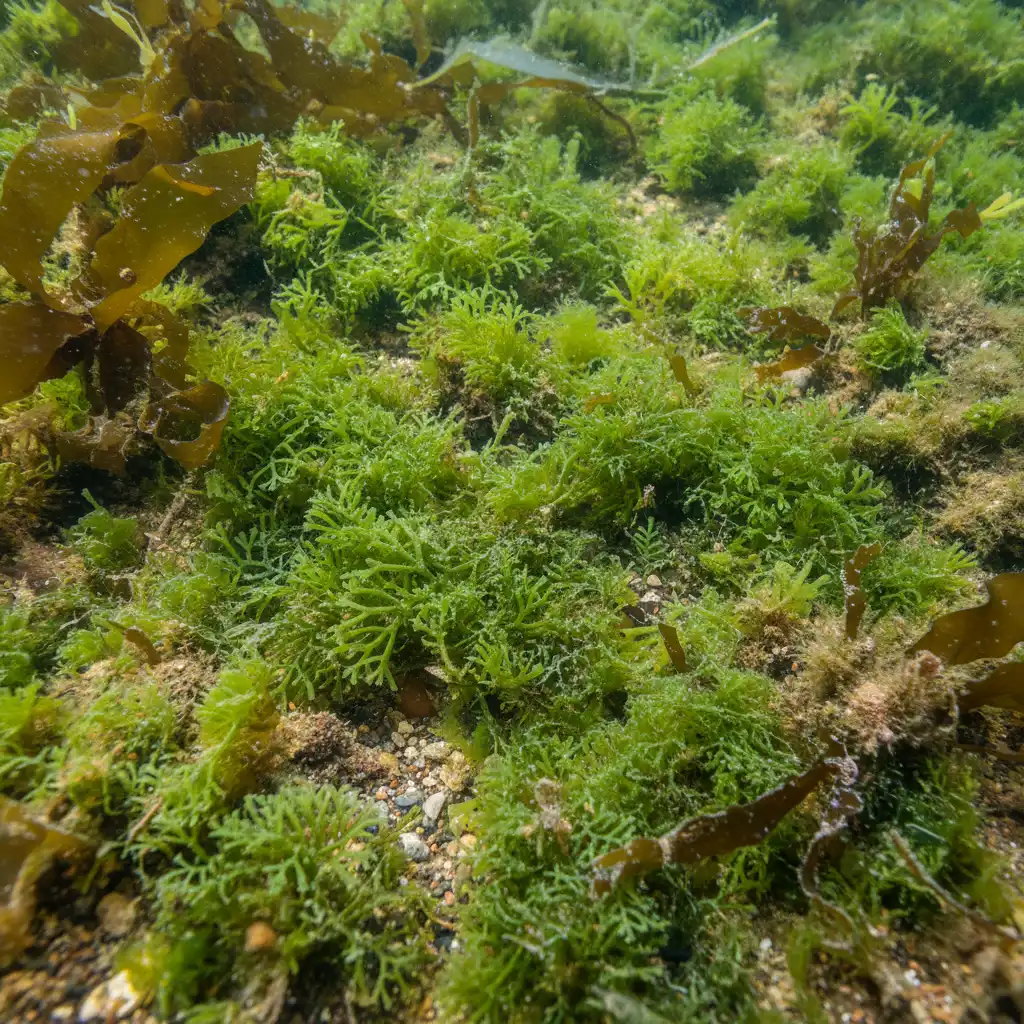
The most critical update for visitors in 2024 and 2025 is the threat of Exotic Caulerpa (specifically Caulerpa exotic and Caulerpa parvifolia). This invasive seaweed creates dense mats on the seafloor, smothering native plants and destroying habitats for scallops, crayfish, and snapper. It spreads easily via small fragments caught on anchors, dive gear, and wetsuits.
Check, Clean, Dry
While Goat Island has robust monitoring, the Hauraki Gulf is under threat. If you are bringing your own gear (wetsuits, fins, masks, booties) from another location, you must follow strict hygiene protocols before entering the reserve:
- Check: Inspect all gear, pockets, and velcro for any seaweed or organic matter.
- Clean: Wash your gear thoroughly with fresh water and detergent.
- Dry: Ensure gear is completely dry before moving to a new location.
If you see suspicious seaweed that looks like carpet or grape-like strands, do not touch it. Note the location and report it to Biosecurity New Zealand immediately.
Snorkeling and Diving Etiquette for Minimal Impact
Entering the water is a privilege. Good visibility often draws crowds, but your behavior determines the quality of the experience for everyone and the safety of the animals.
Reef Awareness
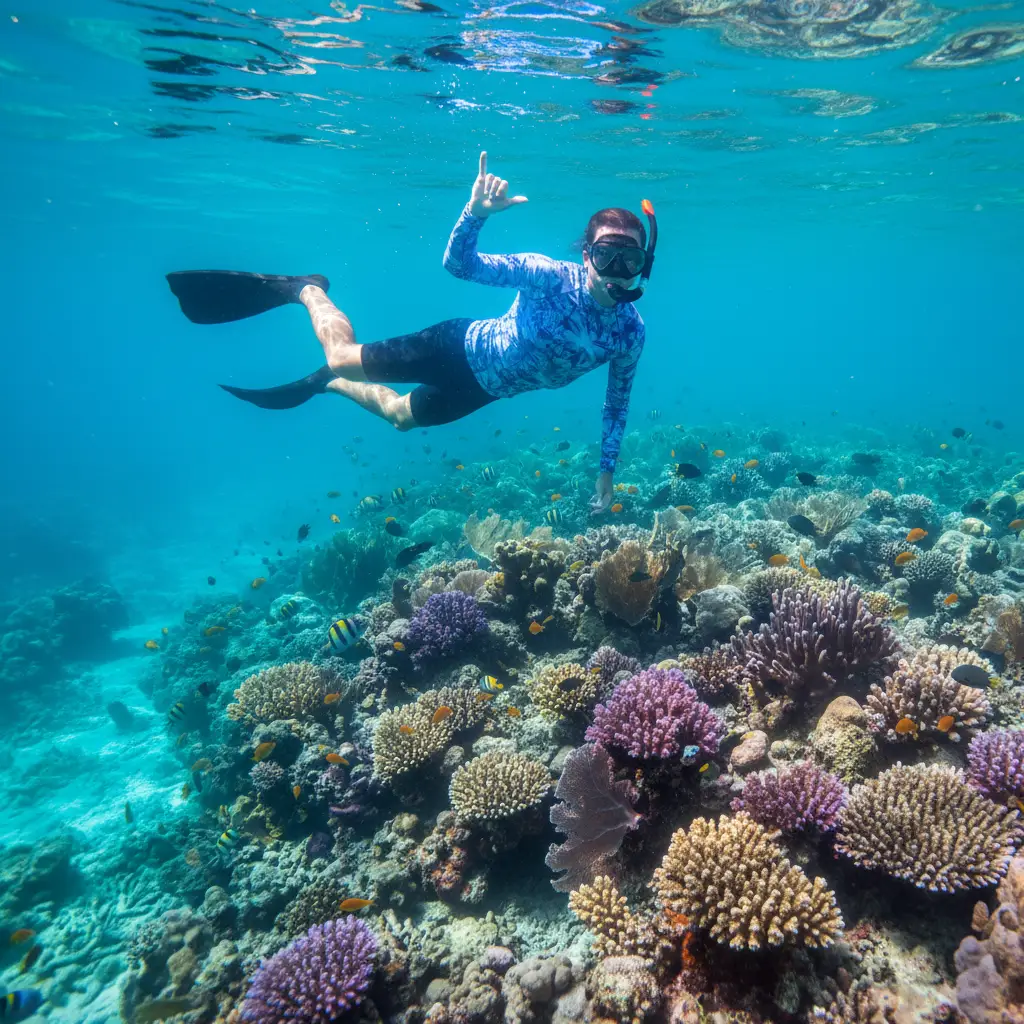
The intertidal reef platform is fragile. Walking on the reef crushes barnacles, tube worms, and baby shellfish.
Best Practice: Enter the water from the sandy channel (the “Goat Island Channel”) rather than clambering over the rocks. If you must walk on rocks, step carefully and avoid rock pools where creatures are hiding.
Fin Control
New snorkelers often tread water vertically, churning up sand and kicking the reef. This damages coral and sponges and reduces visibility for others.
Best Practice: Keep your body horizontal. Use gentle fin strokes. If you need to adjust your mask or rest, float on your back rather than standing on the reef.
Respectful Distance
While the fish at Goat Island are friendly, they are wild animals. Do not chase them. Do not try to touch the Eagle Rays that glide through the shallows. Touching removes the protective mucus layer on fish skin, leaving them susceptible to parasites and infections.
Chemical Awareness: Sunscreen and the Reef
Recent studies have shown that common sunscreen ingredients, particularly Oxybenzone and Octinoxate, are toxic to marine life. They can cause DNA damage in coral and inhibit the growth of phytoplankton, which forms the base of the marine food web.
With thousands of visitors entering the water at Goat Island daily during summer, the chemical load is significant.
The Solution: Switch to “Reef-Safe” mineral sunscreens that use non-nano Zinc Oxide or Titanium Dioxide. Alternatively, and even better, wear a rash guard or wetsuit to minimize the amount of skin requiring sunscreen. This simple switch directly protects the water quality of the reserve.
Embracing Kaitiakitanga: Your Role as Guardian
In New Zealand Māori culture, Kaitiakitanga means guardianship and protection. It is a way of managing the environment, based on the traditional Māori world view. When you visit Goat Island, you are asked to adopt this mindset.
This means leaving the place better than you found it. Pick up any plastic trash you see floating, even if it isn’t yours. Respect the Rahui (restrictions) if any are placed on surrounding areas. Support the Goat Island Marine Discovery Centre, located just up the hill, which funds education and research.
By following this respectful guide, you ensure that the Cape Rodney-Okakari Point Marine Reserve remains a vibrant, thriving ecosystem. We are visitors in the home of the Tangaroa (God of the Sea); let us tread lightly.
Can you fish at Goat Island NZ?
No, all fishing is strictly prohibited. Goat Island is a “no-take” marine reserve. This includes fishing from the shore, from a boat, spearfishing, and gathering shellfish or crayfish. Penalties for breaching these rules are severe, including confiscation of gear and heavy fines.
Is it okay to feed the fish at Goat Island?
No, you should not feed the fish. While it was done in the past, it is now known to harm the fish’s health and alter their natural behavior, making them aggressive. The Department of Conservation and marine biologists strongly discourage feeding any marine life in the reserve.
Do I need to pay to visit Goat Island Marine Reserve?
Access to the beach and the marine reserve itself is free. However, parking can be limited during peak summer months. If you wish to visit the Goat Island Marine Discovery Centre (the educational facility nearby), there is a small entry fee which supports marine education.
What is the best time of year to visit Goat Island for snorkeling?
Late summer and early autumn (February to April) offer the warmest water temperatures and often the best visibility. However, winter diving can provide exceptional clarity, though a thick wetsuit (7mm) is required. Always check the swell forecast; strong northerly winds can make visibility poor.
Are there sharks at Goat Island?
Yes, but they are generally harmless species. It is common to see Carpet Sharks and School Sharks. Bronze Whalers are occasionally seen but usually keep their distance. The most common large creatures you will encounter are Eagle Rays and huge Snapper.
Can I take shells or sand from Goat Island beach?
No. The “no-take” rule applies to everything natural in the reserve, including dead shells, rocks, driftwood, and sand. These elements are crucial for the ecosystem, providing calcium for the substrate and homes for small creatures like hermit crabs.