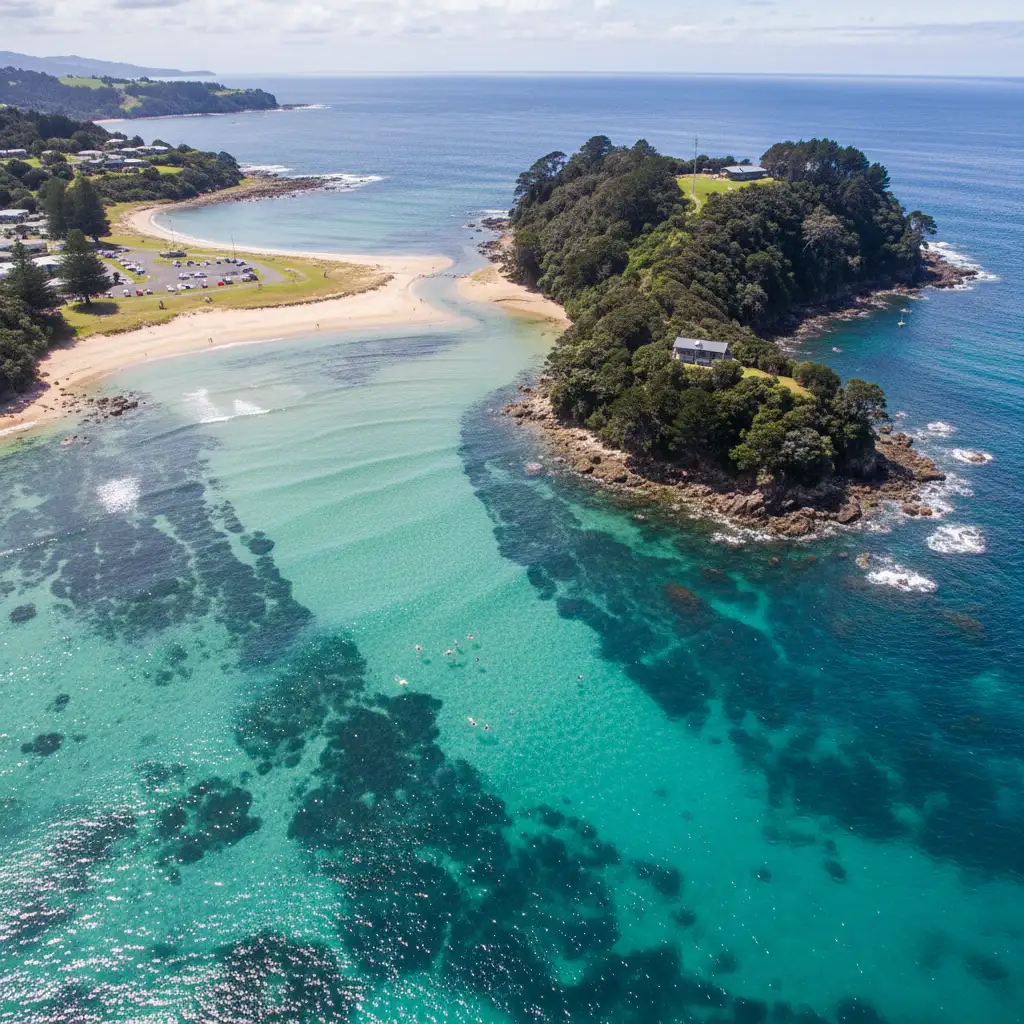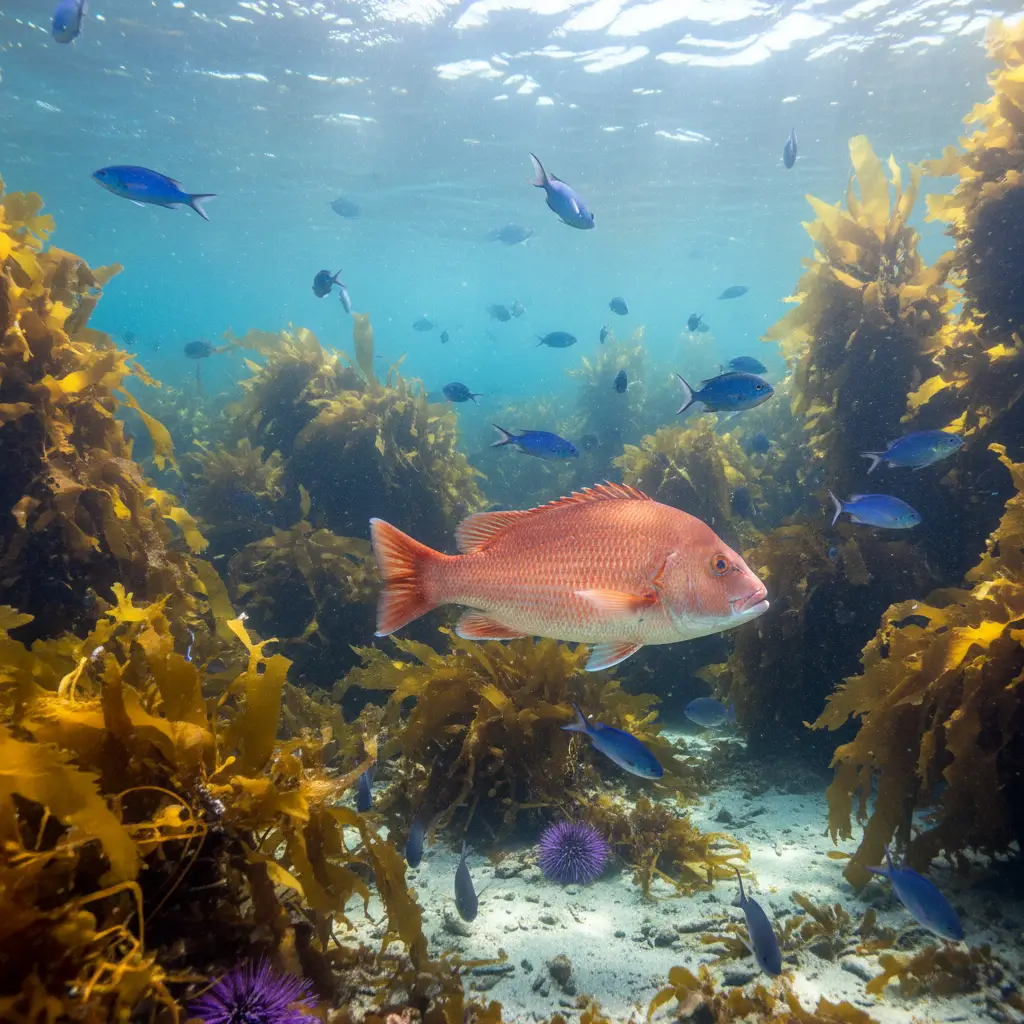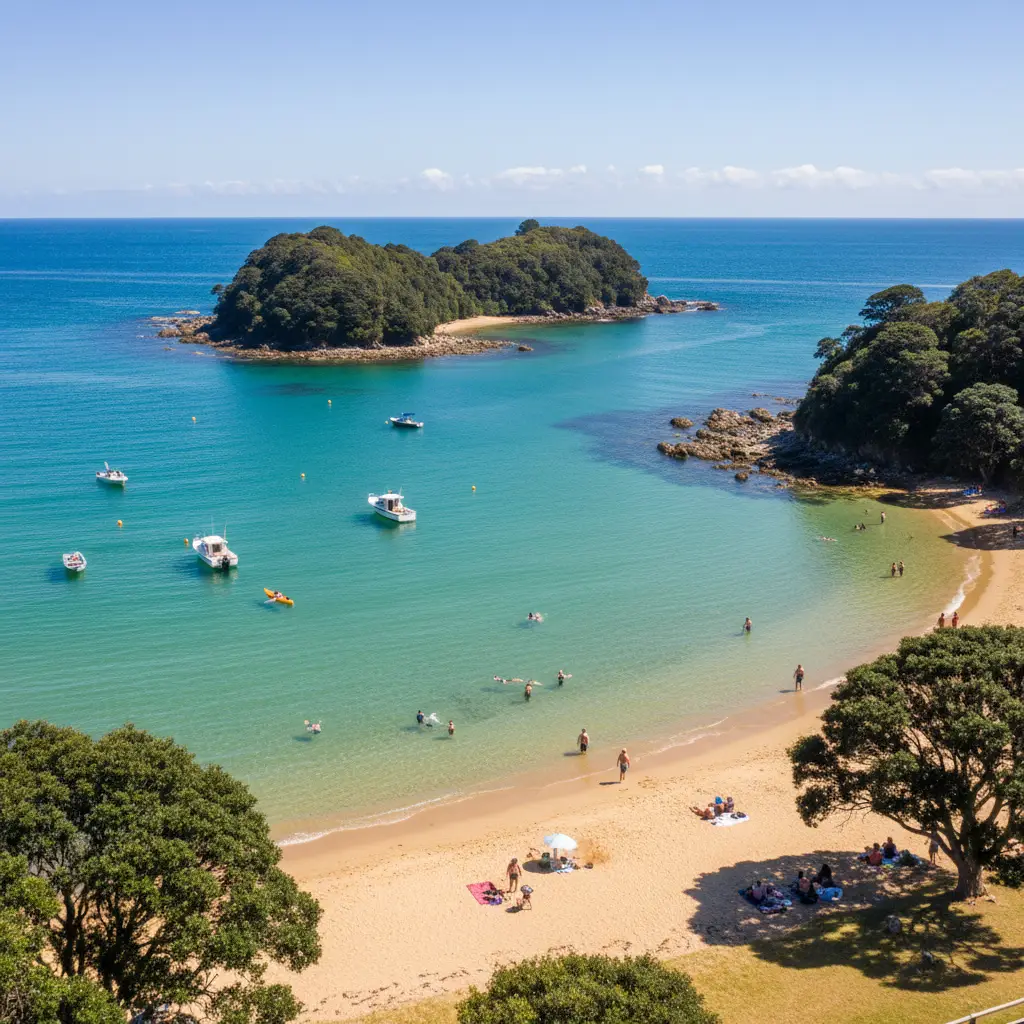
Essential safety protocols for snorkeling at Goat Island require checking the Department of Conservation marine forecast for swell and wind direction, utilizing the buddy system, and wearing a high-visibility dive float. Snorkelers must avoid the high-current channel between the island and the shore, wear appropriate thermal protection for 15-20°C waters, and strictly adhere to the “no-touch” marine reserve policy to prevent injury and ecological damage.
Goat Island, legally known as the Cape Rodney-Okakari Point Marine Reserve, is New Zealand’s first and most accessible marine reserve. While it offers a pristine underwater window into the Hauraki Gulf’s biodiversity, it is a dynamic coastal environment that demands respect. As visitor numbers surge in the 2024/2025 season, understanding the specific hydrodynamics, thermal risks, and equipment requirements is critical for a safe experience. This guide outlines the professional safety standards required for snorkeling this unique location.
Understanding the Marine Environment at Goat Island
The geography of Goat Island creates specific hydrological conditions that can catch unprepared swimmers off guard. Unlike a controlled swimming pool, this is an open ocean environment subject to the Tasman Sea and Pacific Ocean influences. To ensure safety, one must first understand the physical layout of the reserve.
The Channel Current Risks
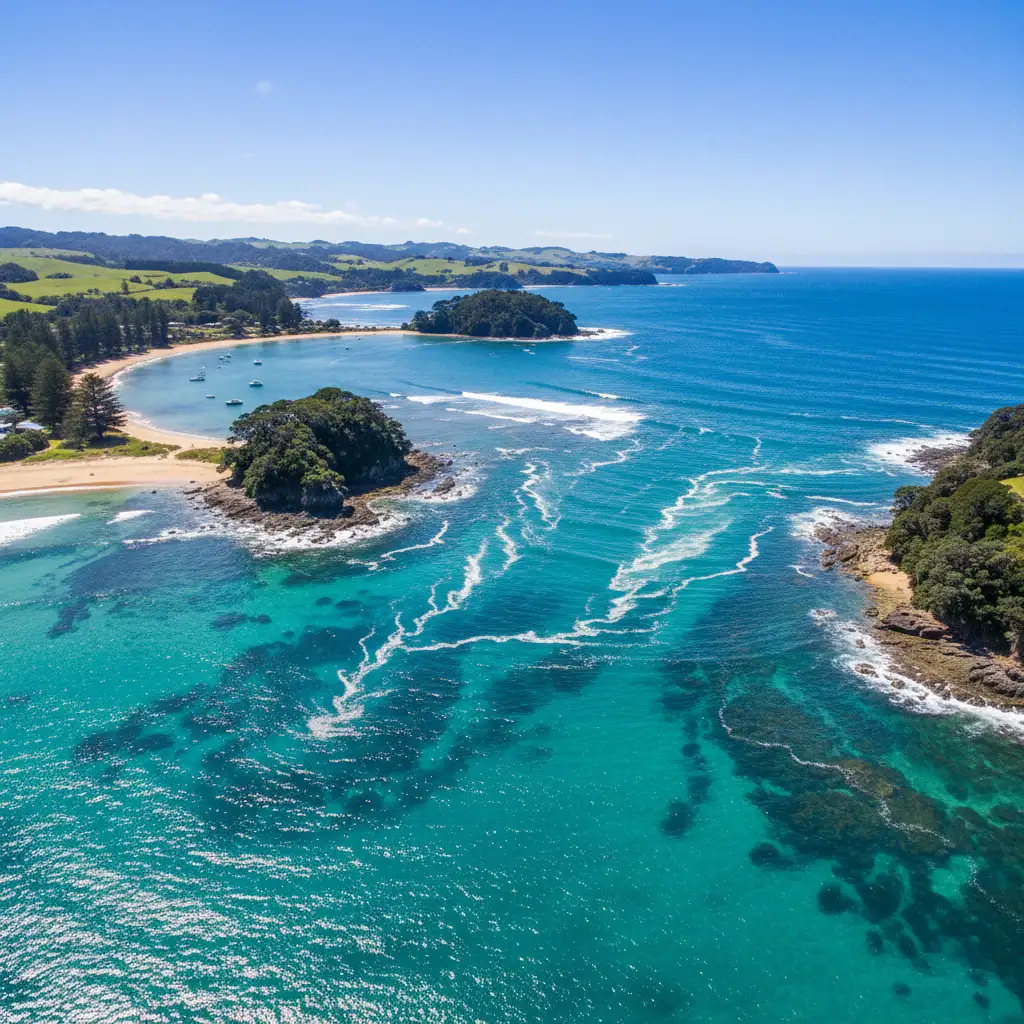
The most significant hazard at Goat Island is the channel separating the main island (Te Hāwere-a-Maki) from the mainland beach. This narrow strip of water acts as a funnel for tidal movements.
During tidal exchanges, water is forced through this gap, creating a current that can exceed the swimming speed of an average snorkeler. The risk is heightened during the outgoing (ebb) tide, which can pull swimmers away from the beach and towards the open ocean. Protocol: Beginners and intermediate snorkelers should strictly stay within the shelter of the bay and avoid the channel entirely. Advanced snorkelers should only approach the channel boundaries near slack tide.
Water Temperature and Cold Water Shock
Despite the subtropical appearance of the marine life, the water temperature at Goat Island is temperate. In late summer (February/March), temperatures peak around 20-22°C (68-71°F), but in winter and spring, they drop to 13-15°C (55-59°F).
Entering the water without adequate thermal protection can lead to Cold Water Shock (CWS) followed by hypothermia. CWS causes an involuntary gasp reflex, which is dangerous when wearing a snorkel mask. Even in summer, prolonged exposure (over 45 minutes) can lower core body temperature, leading to fatigue and loss of dexterity.
Swell and Visibility
Visibility is crucial for safety, not just for enjoyment. The reserve faces north/northeast. Winds from the North or East bring swell directly into the bay, churning up sediment and reducing visibility to near zero. This increases the risk of separation from your buddy and collision with rocks. The safest conditions occur when winds are from the South or Southwest (offshore), which flattens the sea and improves clarity.
Essential Gear and Equipment Checklist
Proper equipment is the primary barrier between a snorkeler and the environmental hazards. For the 2025 season, safety standards recommend specific gear configurations for the Hauraki Gulf region.
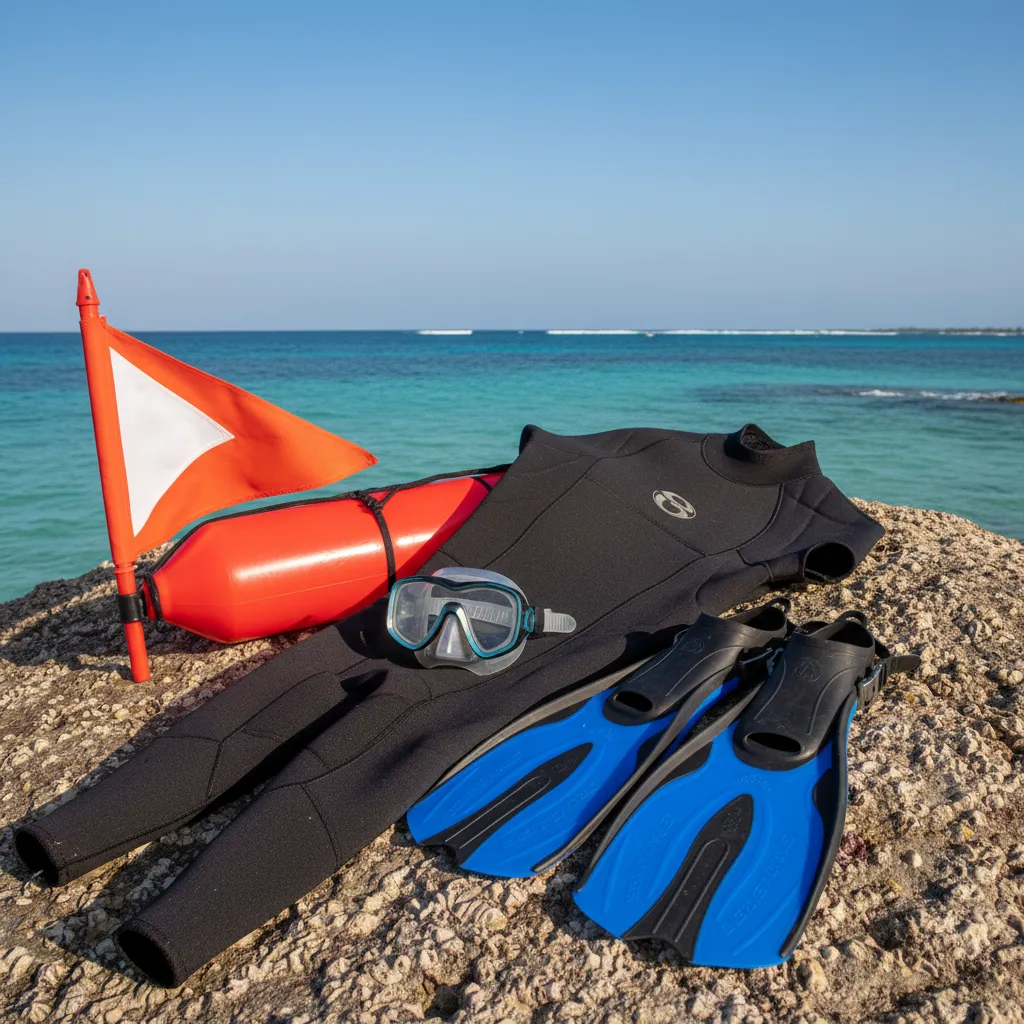
Wetsuits: Thickness and Buoyancy
A wetsuit is mandatory for safety, providing both thermal retention and positive buoyancy.
- Summer (Dec-Apr): A 3mm full-length steamer is recommended. Shorties leave limbs exposed to stinging hydroids and rocky abrasions.
- Winter/Spring (May-Nov): A 5mm to 7mm wetsuit with a hood is required to maintain core temperature.
The buoyancy provided by a wetsuit also assists in floatation if you become tired, acting as a passive safety device.
Visibility Aids: Dive Flags and Floats
Goat Island is a shared waterway. While motorized vessels are restricted in speed, kayaks and glass-bottom boats frequent the area. A high-visibility surface marker buoy (SMB) or a dive flag towed by the snorkeler is an essential safety protocol. This signals your presence to surface traffic and makes it easier for shore-based spotters to track your location.
Masks and Fins
Ill-fitting masks are a leading cause of panic in novice snorkelers. Water leakage can cause coughing and distress. Ensure your mask is tempered glass (plastic fogs and scratches easily) and fits your face shape. Regarding fins, open-heel fins with boots are superior to full-foot fins for Goat Island. The entry point involves walking over sharp, slippery rocks and barnacles; boots protect your feet during entry and exit.
Pre-Dive Preparation and Planning
Safety begins before you leave the car park. The “She’ll be right” attitude is a precursor to accidents. Follow this structured planning protocol.
Checking Weather and Marine Forecasts
Consult the Department of Conservation (DOC) alerts and MetService marine forecasts specifically for the “Rodney” area. Look for:
- Swell height: Anything over 1.0 meter makes entry/exit difficult for beginners.
- Wind speed: Winds over 15 knots create choppy surface conditions.
- Tide times: Plan to snorkel 2 hours before or after high tide. Low tide at Goat Island exposes difficult rocky terrain and reduces the swimming area significantly.
The Buddy System Protocol
Never snorkel alone. The buddy system is the single most effective safety redundancy. However, simply being in the water together is not enough. You must establish communication signals before entering:
- “OK” Signal: Hand on head or thumb and forefinger circle.
- “Problem” Signal: Hand waving back and forth or hand across throat.
- “Go Up/Back” Signal: Thumb pointing direction.
Buddies should stay within 3 meters of each other at all times.
In-Water Safety Guidelines
Once in the water, situational awareness is key. The underwater landscape at Goat Island changes rapidly from shallow reefs to deeper sand flats.
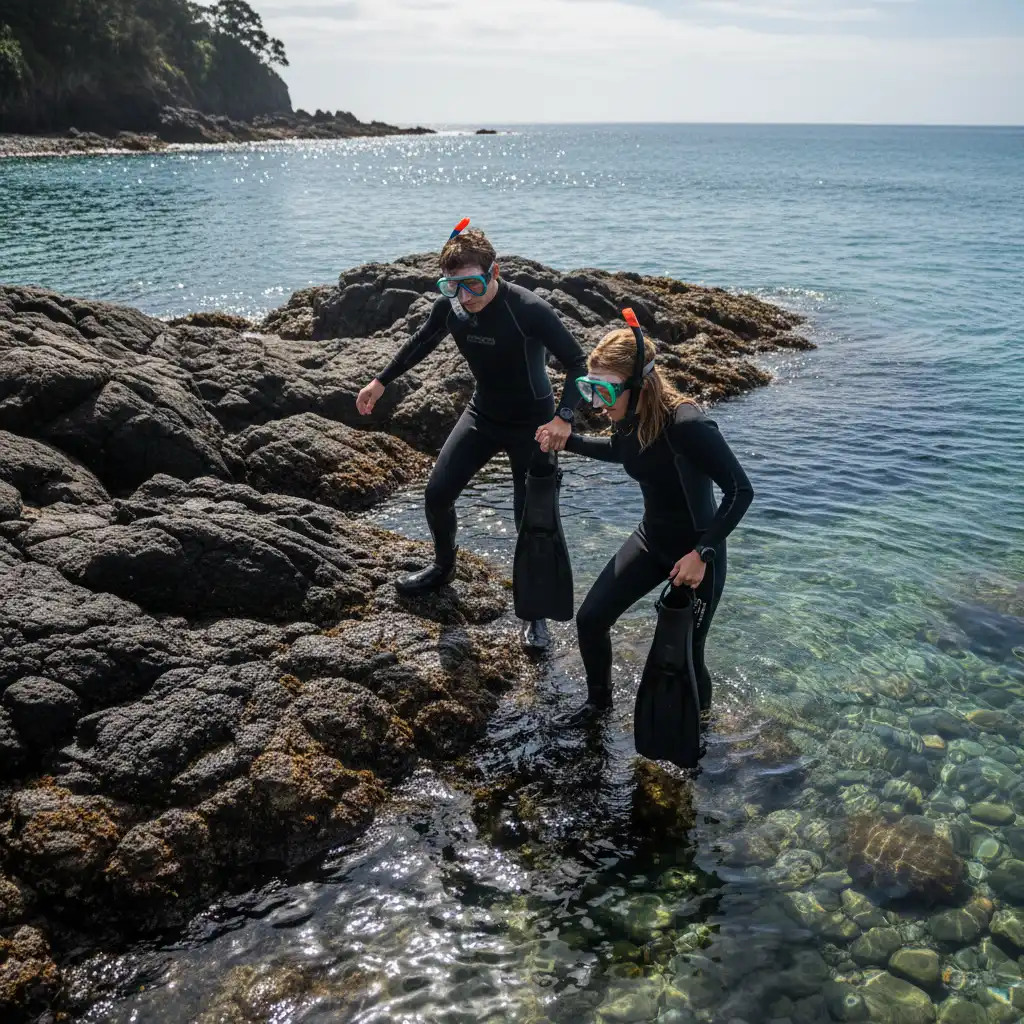
Navigation and Orientation
It is easy to become disoriented when looking down at the reef. Lift your head every 2-3 minutes to check your position relative to the shore. Pick a stationary landmark on the beach (like a large tree or the toilet block) to triangulate your position. If you notice you are not moving relative to the bottom despite swimming, you are likely caught in a current. Do not swim against it; swim across it (perpendicular) toward the shore or the island shelter.
Managing Fatigue
Fatigue is a silent killer. The excitement of seeing large snapper can mask physical exhaustion. Monitor your energy levels. A good rule of thumb is the “Thirds Rule”: use one-third of your energy to go out, one-third to return, and keep one-third in reserve for emergencies.
Interacting with Marine Life Safely
Goat Island is famous for its large, friendly Snapper and Crayfish. However, these are wild animals, and respectful interaction is a safety requirement.
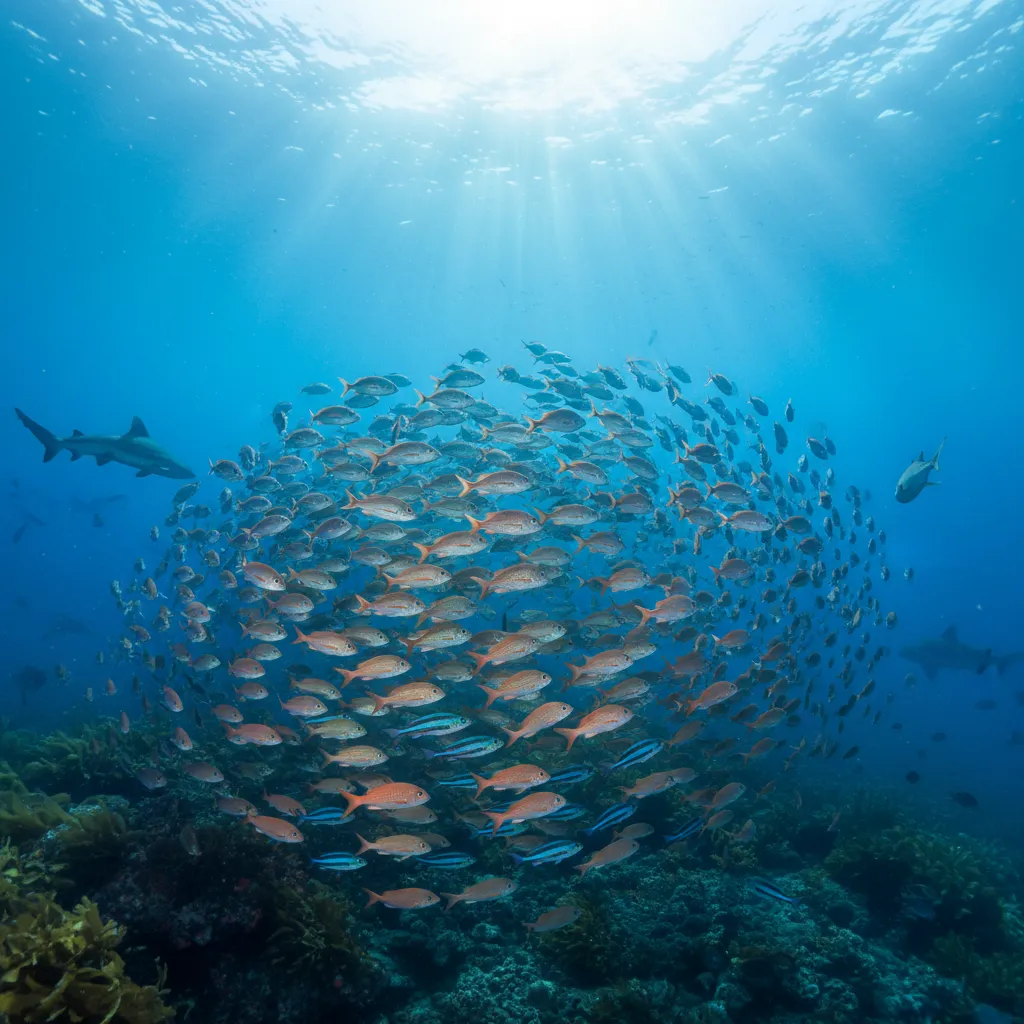
The No-Touch Policy
As a Marine Reserve, all marine life is protected. Touching animals removes their protective slime coats, leaving them vulnerable to infection. Conversely, animals can inflict injury. Large Snapper have powerful jaws and sharp teeth. They have been known to bite fingers that look like bait. Safety Rule: Keep hands folded across your chest or by your sides. Do not point fingers at fish.
Kina (Sea Urchin) Hazards
The rocky substrate is covered in Kina (sea urchins). Their spines are sharp, brittle, and difficult to remove if embedded in skin. This is another reason why buoyancy control is vital—avoid standing on submerged rocks or resting on the reef. If you need to rest, float on your back on the surface.
Emergency Procedures and Rescue
Despite best efforts, emergencies can occur. Knowing how to react reduces panic and improves survival odds.
Cramps and Exhaustion
Leg cramps are common due to cold water and fin usage. If a cramp strikes:
- Stop swimming immediately.
- Roll onto your back and inflate your vest (if wearing one) or trust your wetsuit’s buoyancy.
- Signal your buddy.
- Massage the muscle or pull the fin tip toward your knee to stretch the calf.
- Do not attempt to swim to shore until the pain subsides; rely on your floatation.
Signaling for Help
If you cannot self-rescue, you must signal for assistance. The international distress signal in the water is raising one arm straight up and waving it. Do not wave both arms, as this pushes your head underwater. If available, use a whistle attached to your buoyancy aid. The Goat Island beach is often patrolled by volunteers in summer, but response times varies. Your buddy is your first responder.
People Also Ask
Is it safe to snorkel at Goat Island for beginners?
Yes, but only under specific conditions. Beginners should stay in the shallow bay areas, avoid the channel current, wear a wetsuit for buoyancy, and only snorkel on calm days with low swell. It is highly recommended to go with an experienced guide or take a lesson if it is your first time.
What are the current water temperatures at Goat Island?
Water temperatures fluctuate seasonally. In late summer (February/March), the water reaches 20-22°C. In winter (August), it drops to approximately 13-15°C. A 3mm wetsuit is standard for summer, while a 5mm-7mm suit is necessary for winter snorkeling.
Do I need to book to snorkel at Goat Island?
No, you do not need to book to access the beach or snorkel on your own, as it is a public reserve. However, if you wish to rent gear or take a guided tour with local operators like Goat Island Dive & Snorkel, booking in advance is essential, especially during the busy summer season.
Are there sharks at Goat Island Marine Reserve?
Yes, sharks inhabit the Hauraki Gulf, including Goat Island. Common species include Bronze Whalers and Sevengill sharks. However, sightings by snorkelers are relatively rare, and these species generally pose a low threat to humans. The reserve is monitored, and shark incidents are extremely uncommon.
What is the best tide for snorkeling Goat Island?
High tide is generally the best time for snorkeling. It provides easier entry over the rocks, better visibility (as less sediment is stirred up), and a larger safe swimming area. Low tide can make entering the water difficult due to slippery, sharp rocks.
Can you rent snorkel gear at Goat Island?
Yes, gear rental is available from operators located on the hill approaching the reserve (Goat Island Dive & Snorkel). There are no rental facilities directly on the sand, so you must arrange your gear before walking down to the beach.