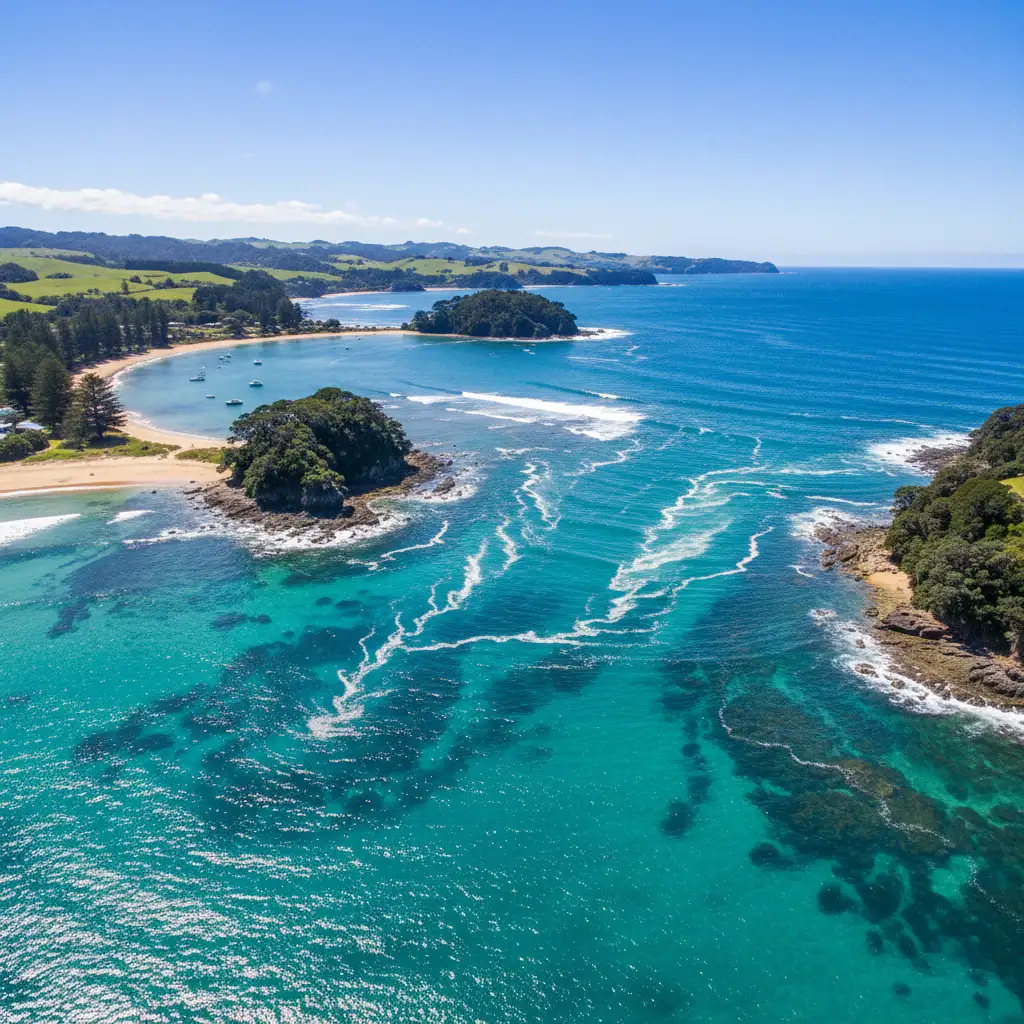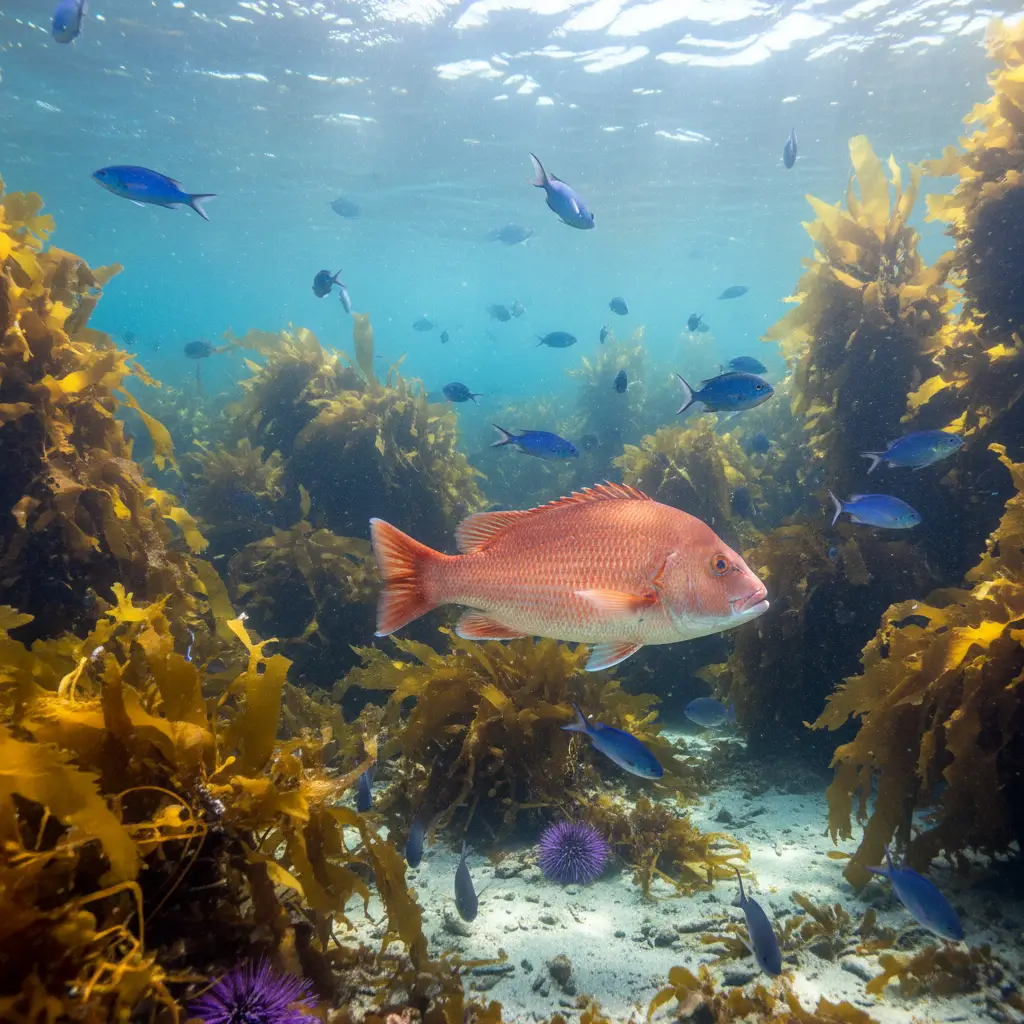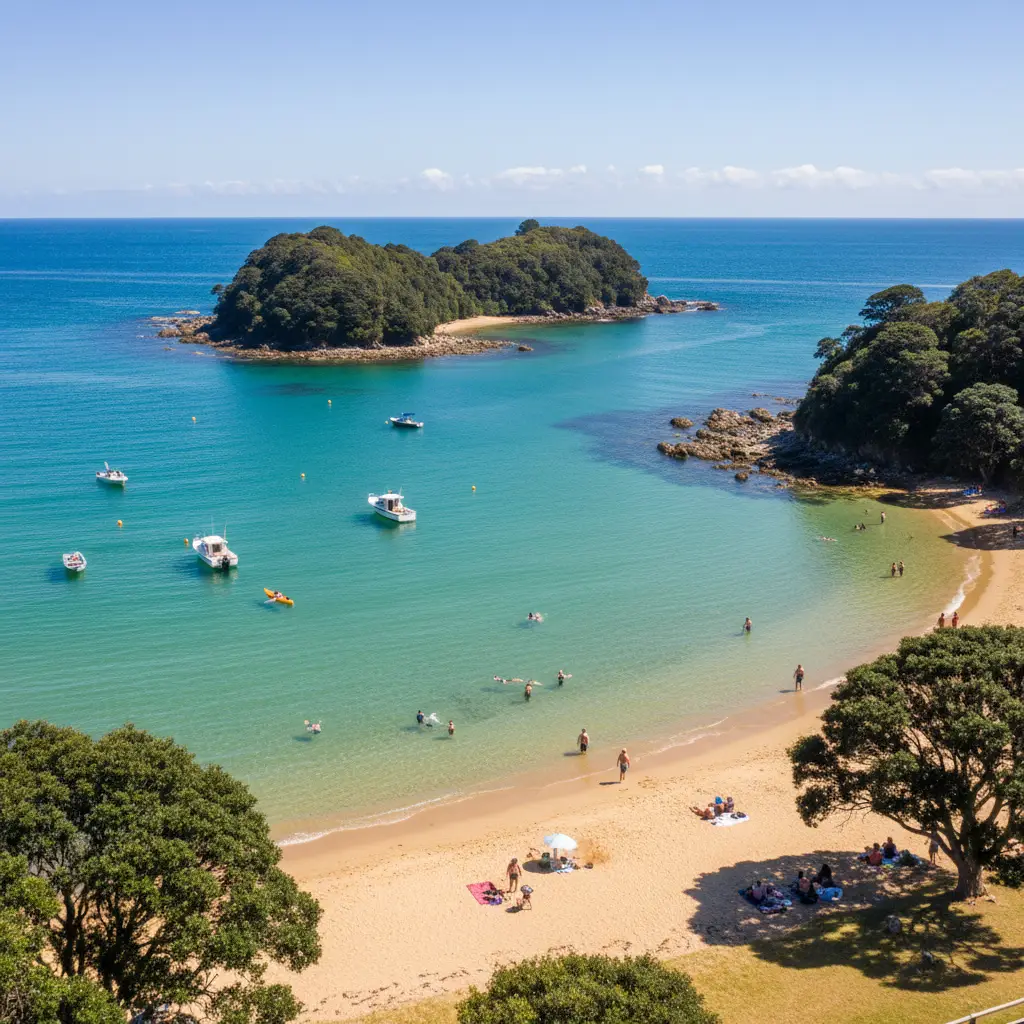
Goat Island safety requires a combination of proper preparation, environmental awareness, and adherence to marine reserve regulations. Essential safety measures include checking weather and tide conditions via MetService or SwellMap before departure, always using the buddy system, wearing appropriate thermal protection (wetsuits) and buoyancy aids, and avoiding the high-current channel between the beach and the island unless experienced.
Understanding the Goat Island Environment
Goat Island, officially known as the Cape Rodney-Okakari Point Marine Reserve, is New Zealand’s first marine reserve and a premier destination for underwater exploration. However, its popularity often masks the fact that it is a wild, dynamic ocean environment. As we move into the 2025 season, visitor numbers are expected to peak, making spatial awareness and safety protocols more critical than ever.
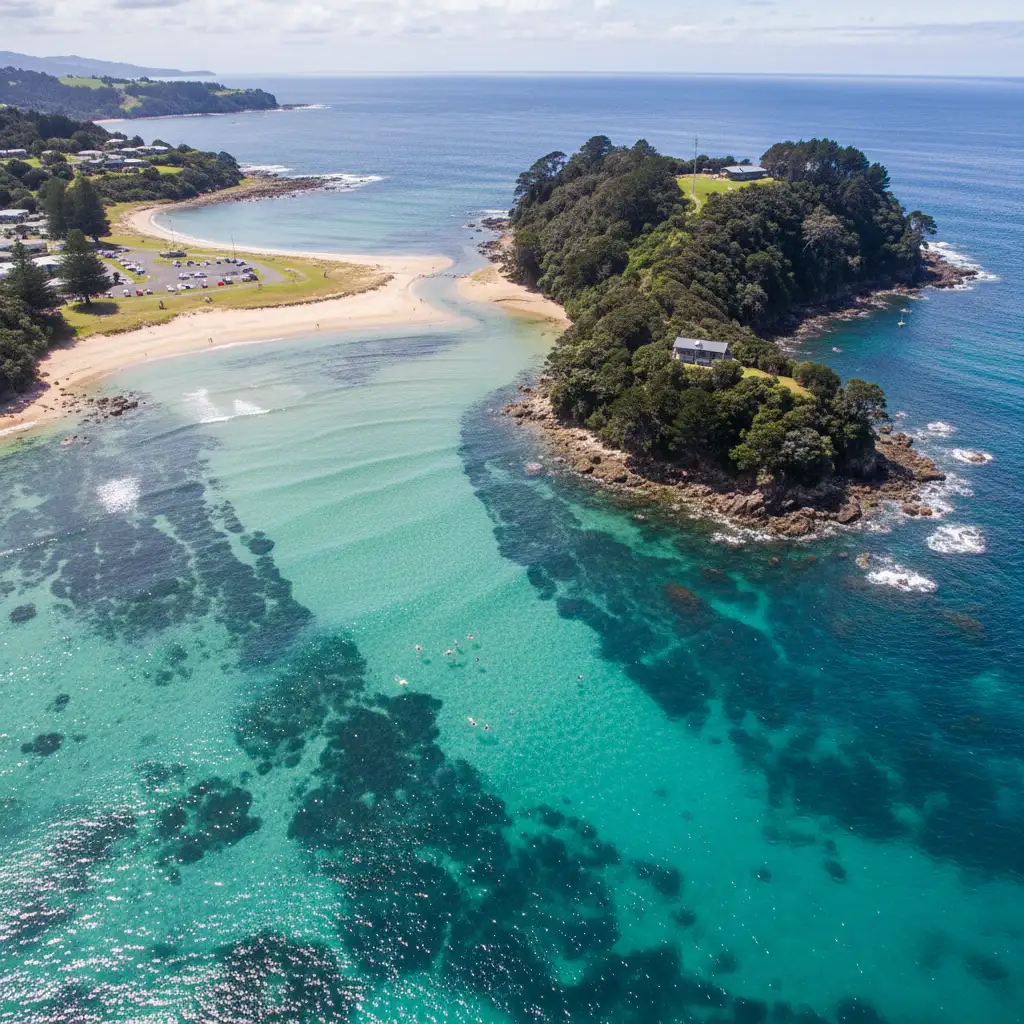
The reserve protects a diverse ecosystem ranging from shallow rock flats to deep reef systems. While the bay often appears calm, the topography creates specific hazards. The island itself (Te Hāwere-a-Maki) sits approximately 100 meters off the beach, creating a channel that accelerates water movement. Understanding the layout is the first step in ensuring a safe visit.
Critical Pre-Trip Preparation
Safety begins long before you enter the water. In 2024 and 2025, digital tools have made predicting conditions easier, yet many accidents occur due to a lack of planning.
Checking Weather and Ocean Conditions
Never rely solely on a sunny forecast. Wind direction and swell height significantly impact safety at Goat Island. A northerly or easterly wind can whip up choppy waves and reduce visibility, while a southerly wind often flattens the bay.
- SwellMap & MetService: Consult these specific marine forecasts. Look for swell ratings under 1 meter for beginner safety.
- Wind: Ideally, you want offshore winds (blowing from land to sea) or light variable winds for the calmest surface conditions.
- Tides: High tide is generally safer for snorkeling over the shallow reefs to avoid cuts and scrapes, but it also means deeper water. Low tide exposes slippery rocks, making entry and exit treacherous.
Gear Inspection and Selection
The waters around Goat Island are temperate, not tropical. Even in summer 2025, water temperatures rarely exceed 22°C (71°F), and can drop to 15°C (59°F) in winter.
- Thermal Protection: A wetsuit is mandatory for safety, not just comfort. It delays the onset of hypothermia and provides essential buoyancy. A 3mm suit is standard for summer, while a 5mm or 7mm is recommended for spring and autumn.
- Buoyancy Aids: If you are not a strong swimmer, wear a life jacket or use a boogie board. Snorkeling vests are highly recommended for children and beginners.
- Mask and Fins: Ensure your mask fits to prevent panic-inducing leaks. Fins provide the propulsion necessary to fight mild currents; do not attempt to swim the reserve without them.
Essential Snorkeling Safety Protocols
Snorkeling is the most popular activity at the reserve, but it has a lower barrier to entry than diving, leading to a higher frequency of minor incidents.
Safe Entry and Exit
The transition from land to sea is one of the most hazardous moments. The rocks at Goat Island are covered in algae and are notoriously slippery.
- The Shuffle Technique: Do not lift your feet high when walking on submerged rocks. Shuffle your feet to maintain contact and test stability.
- Don Fins in Waist-Deep Water: Never try to walk on rocks while wearing fins. Wade out until you are buoyant, then put your fins on.
- Look for Sand Channels: There are natural sandy pathways between the rock reefs. Use these for entry to avoid stepping on kina (sea urchins) or uneven rocks.
The Buddy System
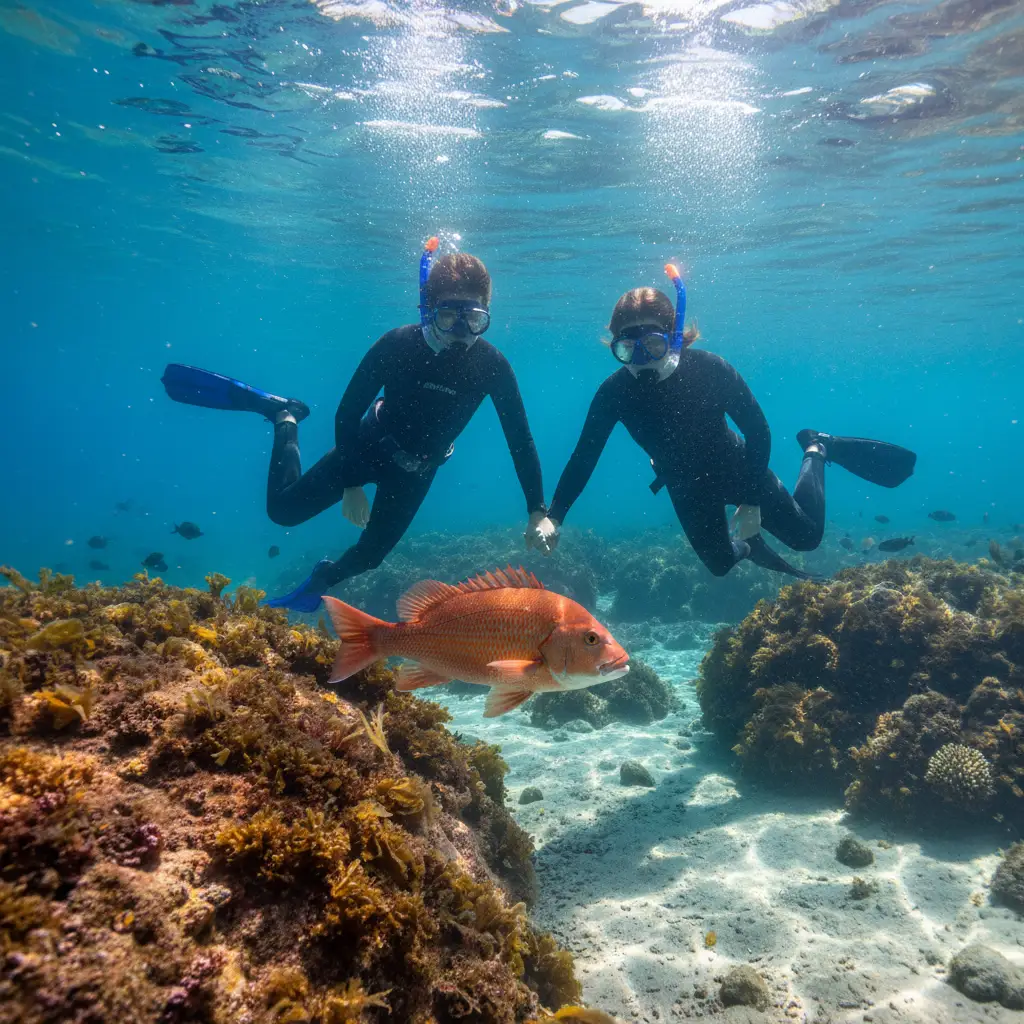
Never snorkel alone. The buddy system is your primary safety net. In the event of a cramp, equipment failure, or medical event, your buddy is your lifeline. Maintain visual contact constantly—not just every few minutes. In 2025, with increased drone usage and GoPro filming, it is easy to get distracted; prioritize your buddy over your footage.
Scuba Diving Safety Standards
For certified divers, Goat Island offers deeper reefs and abundant marine life. However, the site presents specific logistical challenges.
Surface Intervals and Shore Diving
Most diving at Goat Island is shore-based. This means a physically demanding walk to and from the water in full gear. Ensure you are physically fit enough to handle the exertion, as fatigue is a precursor to underwater panic.
Flag Regulations
While motorized vessels are restricted in parts of the reserve, kayaks and glass-bottom boats are common. You must tow a dive flag (Alpha flag) if you are scuba diving. This signals your presence to surface traffic. Ensure your buoy line is long enough to prevent drag but short enough to keep the flag near your position.
Air Management
Because of the long surface swim often required to reach deeper parts of the reserve (like the outer reef), air management is critical. Apply the rule of thirds: one third of your air supply for the outbound swim, one third for the return, and one third for reserve.
Navigating Currents, Tides, and The Channel
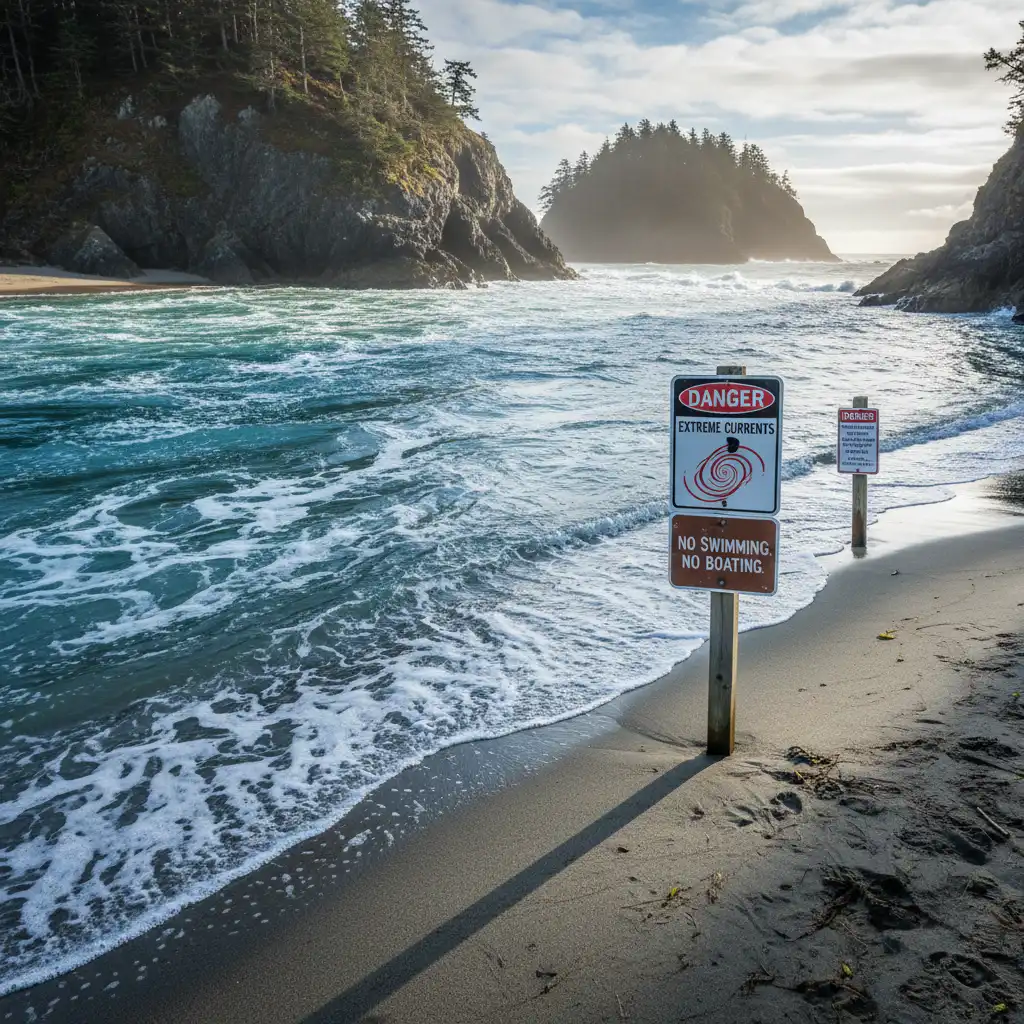
The most significant invisible hazard at Goat Island is the current, specifically around the channel separating the mainland from the island.
The Channel Danger Zone
Water is forced through the narrow gap between the beach and Goat Island. As the tide changes, this creates a venturi effect, accelerating the current.
- Avoid the Channel: Unless you are an expert swimmer with fins or an experienced diver, do not attempt to swim through the channel or circumnavigate the island.
- The “Sweep”: Be aware of the lateral drift. You may think you are stationary, but the current can slowly sweep you toward the open ocean or onto the rocks. Check your position against a landmark on the shore every 2 minutes.
- Fighting the Current: If you get caught in a current, do not swim directly against it. Swim across it (perpendicular) towards the shore or the island’s shelter. Panic and exhaustion are the real enemies here.
Safe Interactions with Marine Life
The reserve is a “no-take” zone, meaning marine life is abundant and often large. Respecting the inhabitants ensures safety for both you and the ecosystem.
Stingrays and Eagle Rays
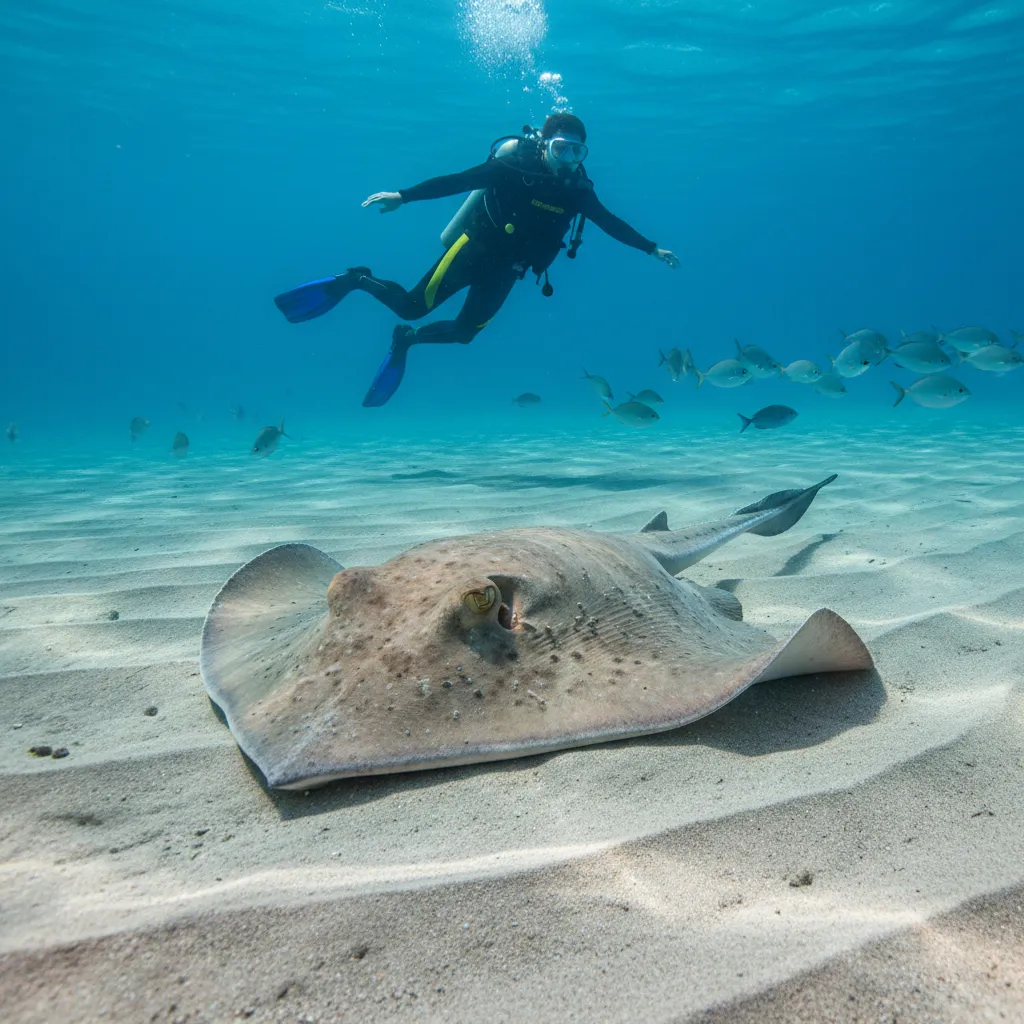
Goat Island is famous for its large short-tail stingrays and eagle rays. These animals are generally docile but can inflict serious injury if threatened or stepped on.
- Do Not Chase: Never pursue a ray. If they feel cornered, they may use their barb in defense.
- Watch Your Feet: When entering or exiting, shuffle your feet to alert buried rays of your presence so they can move away.
- No Touching: Touching removes the protective mucus layer on fish and rays, leaving them susceptible to infection. It is also a violation of the reserve’s ethos.
Sea Urchins (Kina)
The rocks are covered in Kina. Their spines are sharp, brittle, and can easily pierce wetsuit booties.
- Buoyancy Control: Maintain good buoyancy to avoid dropping onto the reef.
- Hand Placement: Watch where you put your hands if you need to stabilize yourself. A gloved hand is not immune to spines.
Emergency Procedures and First Aid
Despite best efforts, emergencies can happen. Knowing what to do in the first few minutes saves lives.
Location of Safety Equipment
Familiarize yourself with the location of safety assets upon arrival:
- Defibrillator (AED): Located at the Leigh Marine Laboratory (nearby) and often carried by the Goat Island Marine Discovery Centre staff during operating hours. Check the signage at the main toilet block for the most current location.
- Lifeguards: During peak summer periods (December–February), surf lifesavers may patrol the beach. Always swim between the flags if they are present.
- Cell Reception: Mobile coverage can be spotty at the bottom of the hill. You may need to move to higher ground (the car park) to get a clear signal for 111 calls.
Hypothermia Management
Even in summer, prolonged exposure to water cools the body. Watch for shivering, blue lips, or confusion in your group. Remove the affected person from the water immediately, strip wet gear, and warm them gradually with dry clothes and shelter.
Frequently Asked Questions
Is Goat Island safe for non-swimmers?
Goat Island is an open ocean environment and is not recommended for non-swimmers. However, non-swimmers can enjoy the reserve safely by using the “Clearyak” glass-bottom kayaks or the glass-bottom boat tours. If entering the water, non-swimmers must wear a high-quality life jacket and stay in waist-deep water with a competent swimmer.
What is the best time of day to visit for safety?
Early morning is generally the safest time to visit. Winds are typically lighter, reducing chop and currents. Additionally, arriving early (before 9:00 AM) ensures you get a parking spot close to the beach, reducing the fatigue of hauling gear. Visibility is also often better before the crowds kick up the sediment.
Are there sharks at Goat Island?
Yes, sharks inhabit all New Zealand coastal waters. At Goat Island, you may encounter small sharks like carpet sharks or rig sharks, which are generally harmless to humans. Larger species like Bronze Whalers are occasionally sighted but rarely pose a threat to snorkelers. The abundance of fish means sharks are generally well-fed and not interested in humans.
Can I rent safety gear at the beach?
Yes, there are commercial operators located on the hill approaching the reserve (Seafriends and Goat Island Dive & Snorkel). You can rent wetsuits, masks, snorkels, fins, and life jackets. It is highly recommended to rent a wetsuit for buoyancy and warmth, even if you are a strong swimmer.
What happens if I get cut by coral or rocks?
The rocks and barnacles can cause nasty cuts. Clean the wound immediately with fresh water (available at the toilet block showers) and apply antiseptic. Marine bacteria can cause rapid infection. If the cut is from a sea urchin spine, do not try to dig it out aggressively; soak in hot water and vinegar to help dissolve the spine and seek medical advice if it shows signs of infection.
Is it safe to snorkel in the rain?
Snorkeling in the rain is generally safe and can be quite beautiful. However, rain is often accompanied by wind, which causes chop and currents. If it is raining but the wind is calm, it is safe. If the wind is strong, avoid the water. Heavy rain can also reduce surface visibility for boat traffic, so stay close to shore.