Safe snorkeling practices at Goat Island primarily involve checking marine weather forecasts for swells under one meter, strictly adhering to the buddy system, and utilizing adequate thermal protection like a wetsuit for buoyancy. Crucially, snorkelers must avoid the high-current channel between the mainland and the island and should never touch marine life within the reserve.
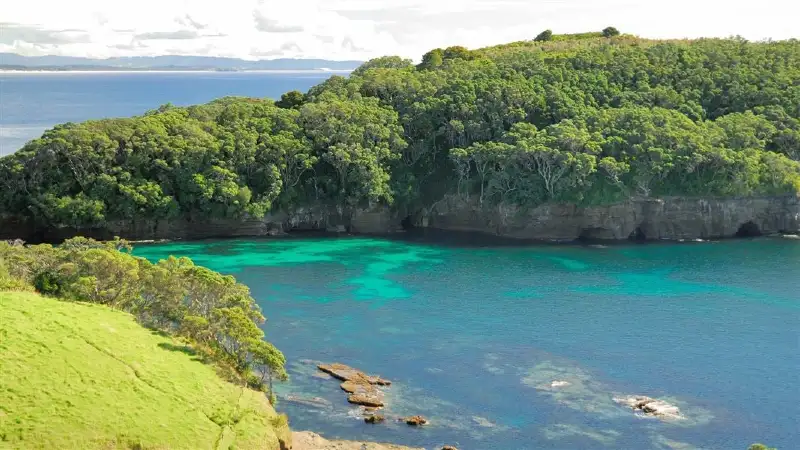
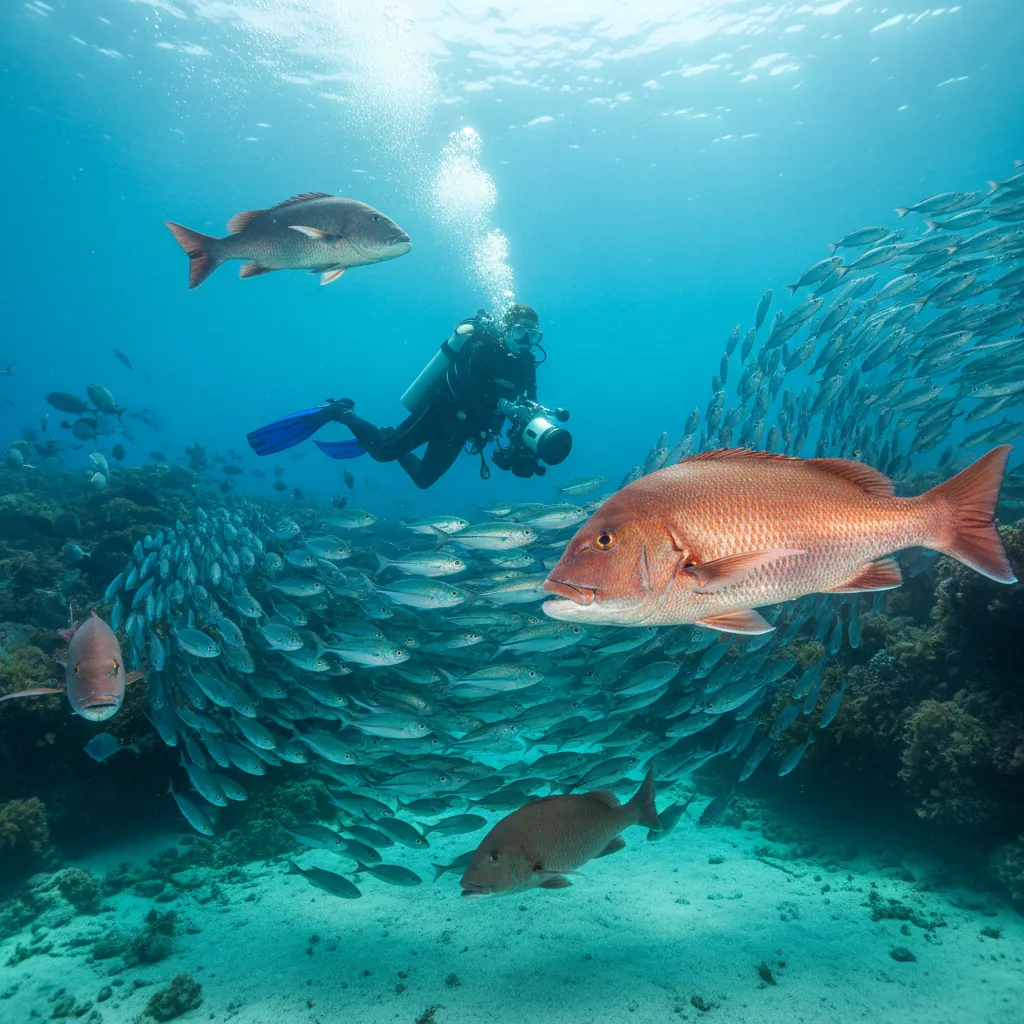
Goat Island, officially known as the Cape Rodney-Okakari Point Marine Reserve, is New Zealand’s first marine reserve and a world-renowned destination for underwater exploration. While the abundance of marine life—from massive Snapper to schooling Blue Maomao—makes it a bucket-list location, the ocean environment demands respect. As we move through 2024 and into 2025, visitor numbers are increasing, making safety protocols and environmental stewardship more critical than ever. This guide provides an authoritative, updated overview of how to enjoy this underwater paradise safely.
Understanding Sea Conditions: Tides and Swell
The primary factor determining the safety of your snorkeling trip is the ocean condition. Goat Island is an open-coast environment, meaning it is exposed to swells and winds that can change rapidly. Unlike a swimming pool, the reserve is dynamic.
How to Check the Weather Forecast?
Before you pack your car, you must consult marine forecasts. Standard weather apps are often insufficient for water activities. In 2024/2025, the most reliable resources for this region include SwellMap and MetService Marine.
- Swell Height: Ideal conditions are swells below 0.5 meters. Anything above 1.0 meter can create poor visibility and dangerous surge currents near the rocks. If the swell is over 1.5 meters, it is generally unsafe for beginners.
- Wind Direction: Offshore winds (South/South-West) generally flatten the sea, making for calmer snorkeling. Strong onshore winds (North/North-East) will bring chop and waves, making swimming difficult.
- Tides: The best visibility usually occurs around high tide. Low tide can make entry and exit over the slippery rocks more treacherous and increases the likelihood of damaging the delicate reef structure.
Essential Gear for Safety and Comfort
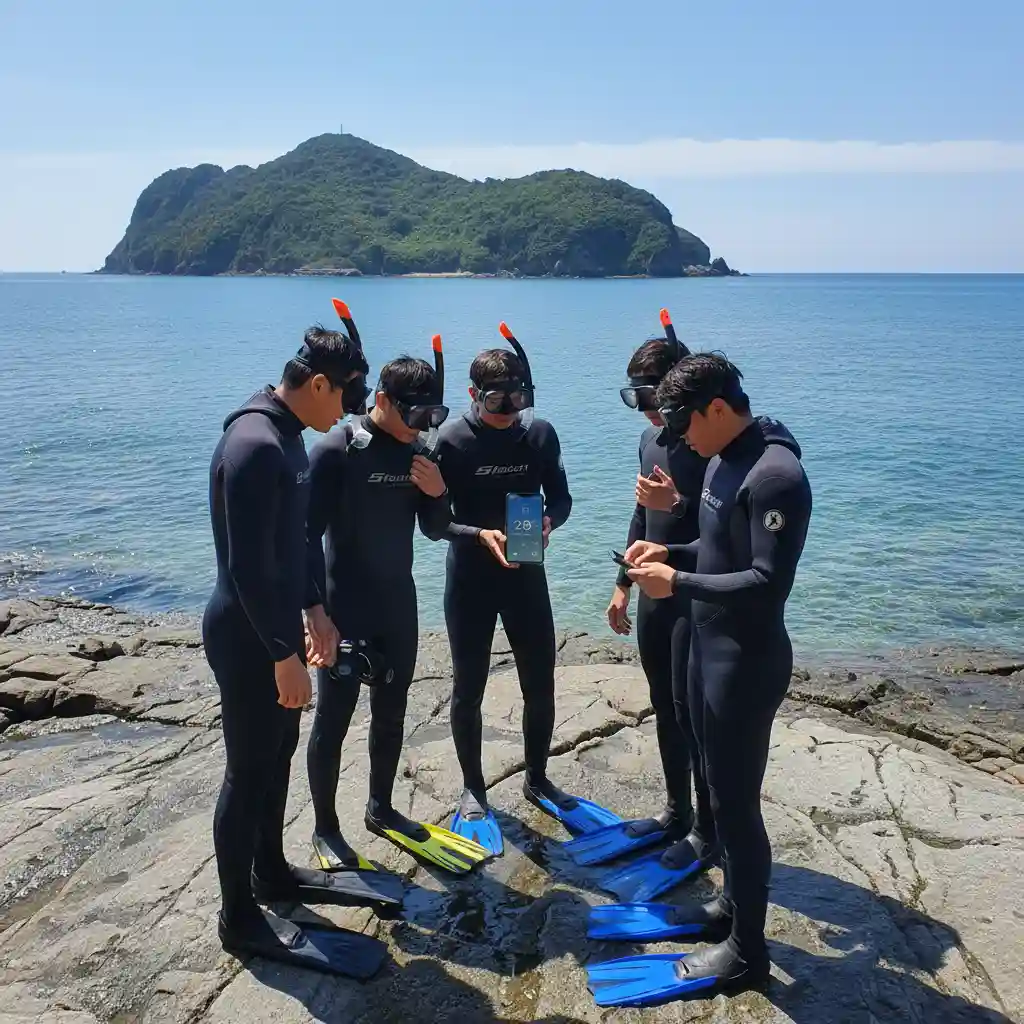
Proper equipment is not just about comfort; it is a critical safety component. The water at Goat Island is temperate, not tropical, ranging from 15°C (59°F) in winter to 21°C (70°F) in late summer. Hypothermia can set in surprisingly quickly, even on sunny days, leading to fatigue and poor decision-making.
Why is a Wetsuit Mandatory?
While some hardy swimmers go without, a wetsuit is highly recommended for safety. It provides two essential functions: thermal insulation and buoyancy. A 3mm to 5mm wetsuit allows you to float effortlessly on the surface, conserving energy. If you get a cramp or need to adjust your mask, the wetsuit keeps you afloat without exertion.
Masks, Snorkels, and Fins
- Mask Fit: Ensure your mask creates a perfect seal. A leaking mask causes panic in inexperienced snorkelers. Test it by inhaling through your nose without the strap; it should stay on your face.
- Fins: Fins are non-negotiable here. They provide the propulsion needed to fight mild currents. Booties (neoprene socks) are recommended to prevent blisters and protect feet when walking to the water’s edge.
- Visibilty Aids: As of late 2024, safety experts highly recommend towing a bright orange swim buoy (diver’s float). This makes you visible to other swimmers and the occasional kayak, and provides an emergency flotation device if you get tired.
Navigating the Terrain: Entry and Exit
One of the most common causes of injury at Goat Island is not shark attacks or drowning, but slips and falls on the rocks. The beach is not sand; it is comprised of large stones and boulders covered in slippery algae.
How to Enter the Water Safely?
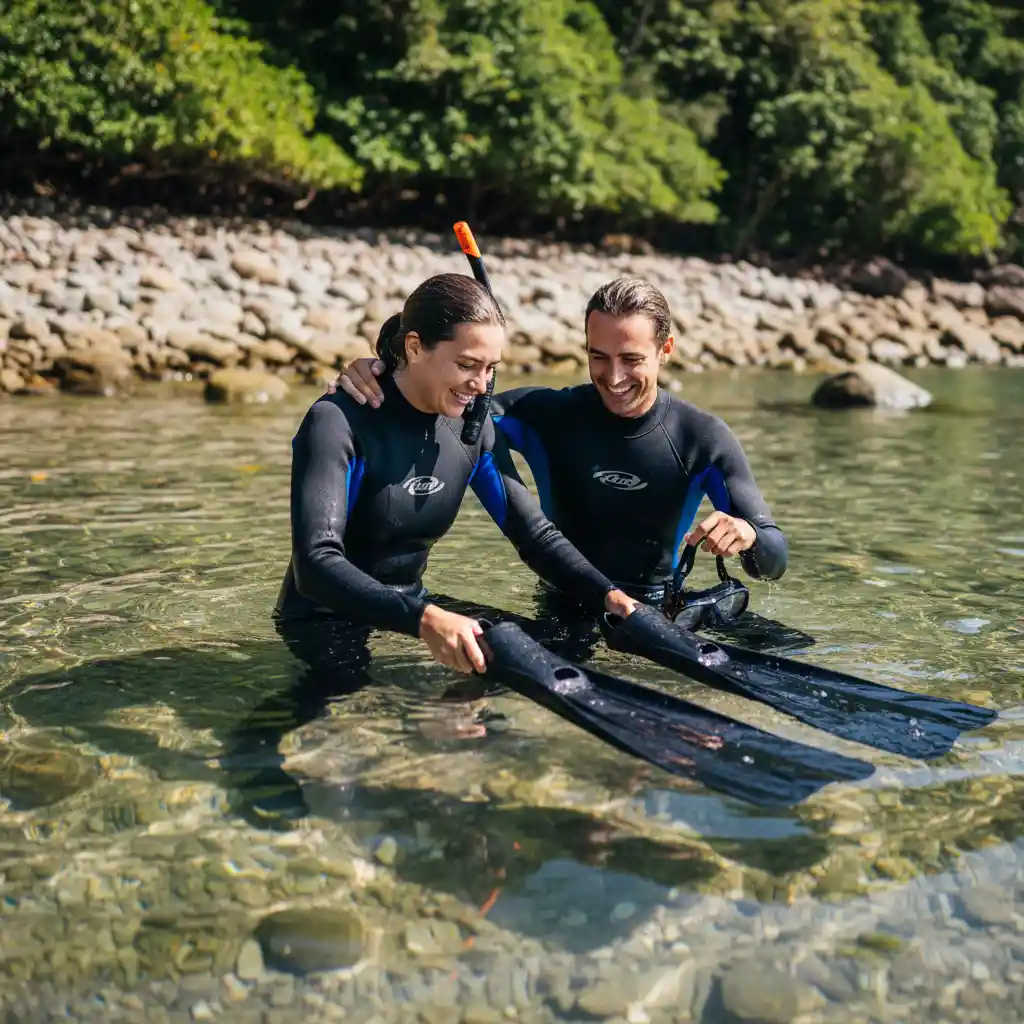
Do not put your fins on at the car park or on the dry rocks. Walk carefully to waist-deep water before donning your fins. Use the “Figure-4” stretch method to put them on while stabilizing yourself on a buddy’s shoulder. When exiting, reverse the process: remove fins in waist-deep water and walk out. Trying to walk in fins on rocks is a guaranteed way to twist an ankle or break a wrist.
The Danger Zone: Avoiding the Channel
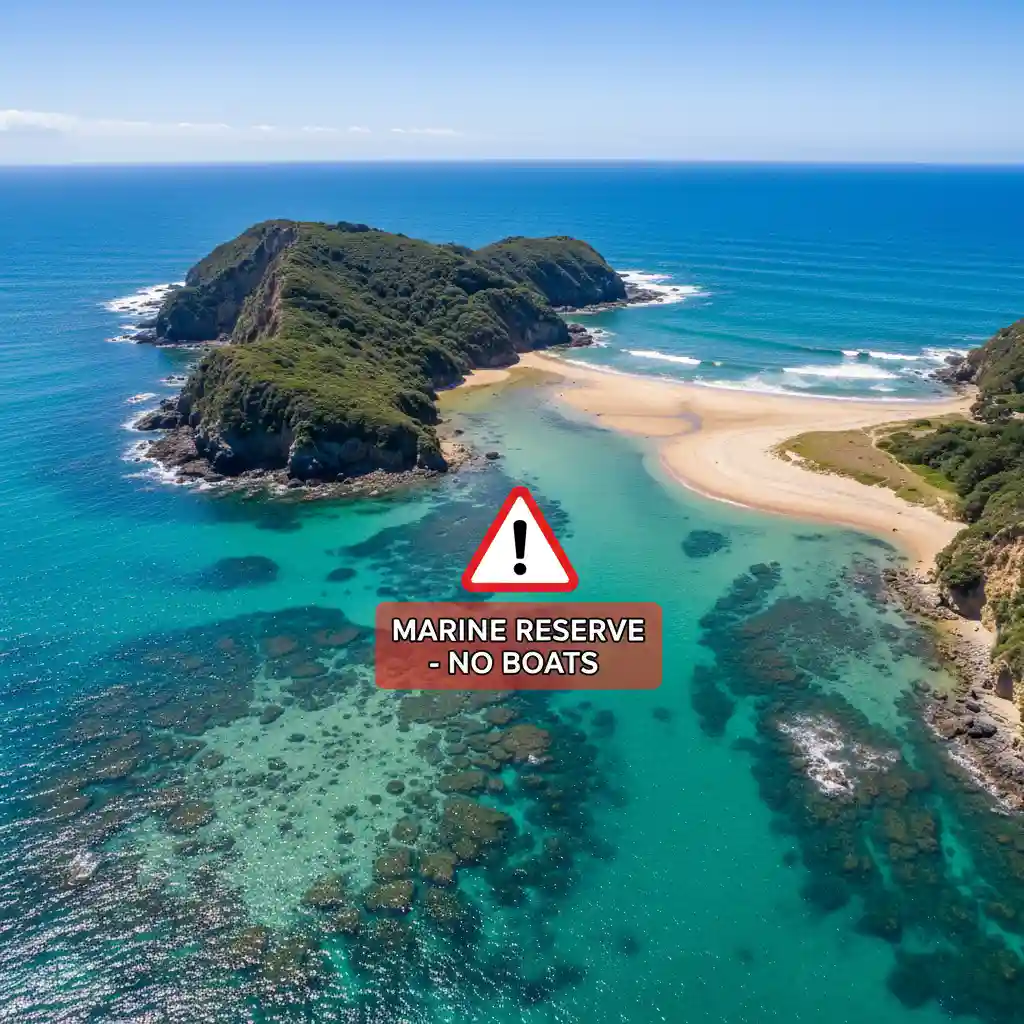
The most critical safety rule specific to this location concerns “The Channel.” This is the stretch of water between the main beach and Goat Island (Te Hāwere-a-Maki) itself.
Why is the Channel Dangerous?
Water moves through this narrow gap with significant force. As the tide changes, currents can accelerate, sweeping swimmers out towards the open ocean or pushing them forcefully against abrasive rocks. Even strong swimmers can struggle here.
The Golden Rule: Unless you are an expert diver with specific knowledge of the tides, do not attempt to swim to the island. Stay within the bay area (Shag Rock side) where the water is calmer and monitored more frequently. If you find yourself caught in a current, do not swim against it. Swim across it (perpendicular) towards the nearest safe shore or float on your back and signal for help.
Marine Life Interaction and Etiquette
Safety extends to the marine life as well. As a “no-take” marine reserve, the ecosystem is protected by law. The Tiaki Promise—a commitment to care for New Zealand—is heavily emphasized in 2025 tourism guidelines.
Can I Touch the Fish?
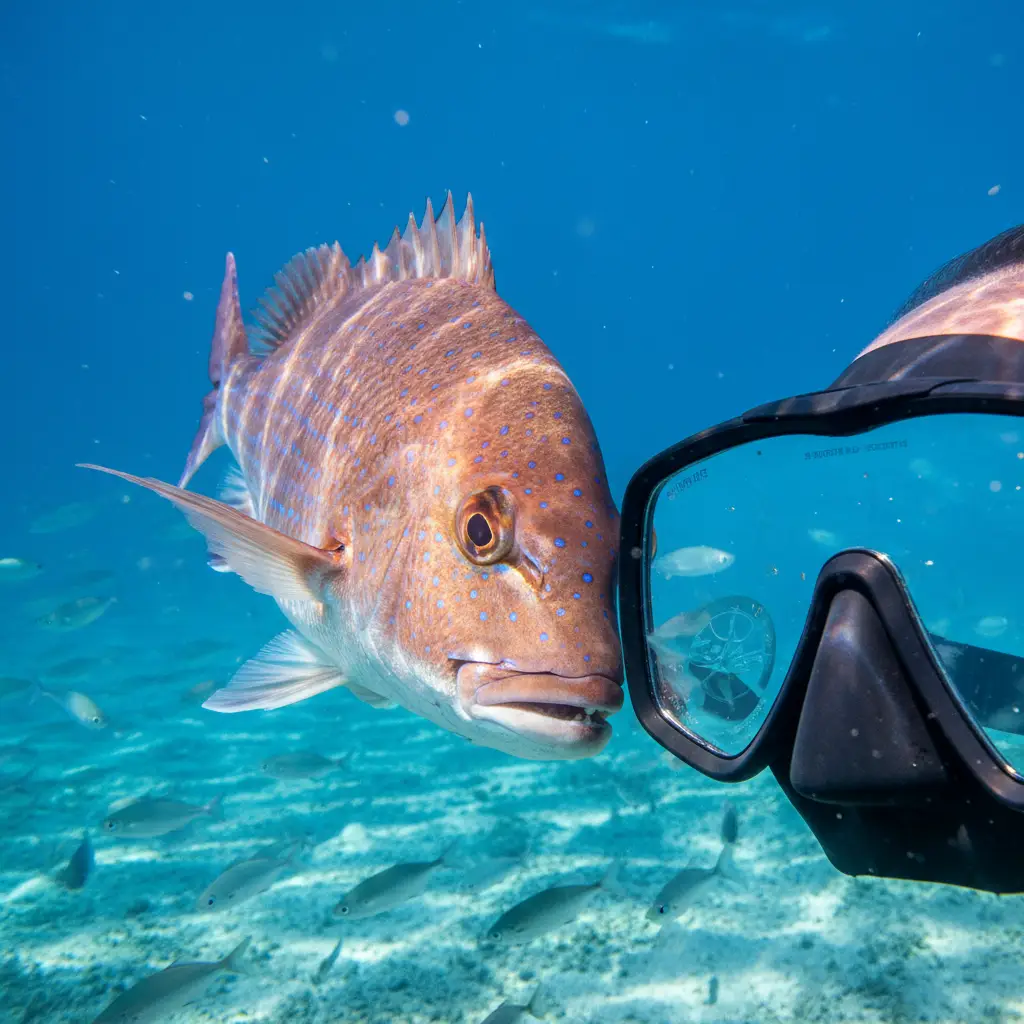
No. While the Snapper and Blue Maomao are incredibly friendly and may come right up to your mask, you should keep your hands to yourself. Touching fish removes their protective slime coat, making them susceptible to infection. Furthermore, large Snapper have powerful jaws and can bite if they mistake a finger for food.
Hazards: Kina and Rays
- Sea Urchins (Kina): The rocks are covered in Kina. Their spines are sharp and brittle. If you stand on one, the spine will likely break off in your foot, causing infection. This is another reason why maintaining buoyancy and not standing on the reef is vital.
- Stingrays: Eagle Rays and Stingrays frequent the shallows. They are docile but have a barbed spine for defense. Never chase, corner, or stand directly over a ray. Shuffle your feet when entering sandy areas to alert them of your presence.
Emergency Protocols and First Aid
Preparation is the key to survival. Before entering the water, identify the location of safety equipment.
What to Do in an Emergency?
If you or your buddy are in distress:
- Signal: Raise one arm straight up in the air. This is the universal sign for distress. Do not wave; waving can be mistaken for a friendly greeting.
- Float: Roll onto your back to breathe and conserve energy.
- Release Weights: If you are wearing a weight belt (uncommon for snorkelers but possible), drop it immediately.
There is often limited mobile cell coverage directly on the beach, though it has improved near the car park. In a serious emergency, send someone to the top of the hill or the car park to dial 111 (New Zealand Emergency Services). There is usually a ranger station or surf lifesaving patrol during peak summer months, but do not rely on them solely—you are responsible for your own safety.
People Also Ask
Is it safe to swim to Goat Island?
For the average swimmer or snorkeler, no. The channel between the beach and the island often has strong currents that can sweep you out to sea or against rocks. It is safer to stay in the sheltered bays near the beach unless you are an experienced diver familiar with the tidal movements.
Do I need a wetsuit for snorkeling at Goat Island?
Yes, it is highly recommended. Even in summer, water temperatures rarely exceed 21°C (70°F). A wetsuit prevents hypothermia, provides protection against jellyfish stings or rock scrapes, and significantly aids buoyancy, making snorkeling safer and less tiring.
Are there sharks at Goat Island?
While sharks inhabit all New Zealand waters, sightings of dangerous species at Goat Island are rare. You are more likely to see small, harmless species like carpet sharks. Bronze Whaler sharks are occasionally seen in summer but generally avoid snorkelers. The area is monitored, and swimmers will be alerted if a large shark is sighted.
What is the best time of day to snorkel at Goat Island?
The best time is usually roughly two hours before high tide. This offers the clearest water and the easiest entry over the rocks. Early mornings are also preferable to avoid crowds and afternoon winds which can make the water choppy.
Can non-swimmers visit Goat Island?
Yes, non-swimmers can enjoy the reserve from the shore or by taking a trip on the Glass Bottom Boat, which operates regularly. However, non-swimmers should not attempt to snorkel, even with flotation devices, as the conditions can change unpredictably.
Are full-face snorkel masks safe to use?
There is ongoing debate regarding full-face masks due to CO2 buildup risks. If you choose to use one, ensure it is a high-quality brand with proper venting mechanisms. However, traditional mask and snorkel setups are generally preferred by safety experts for better air exchange and the ability to clear water easily.