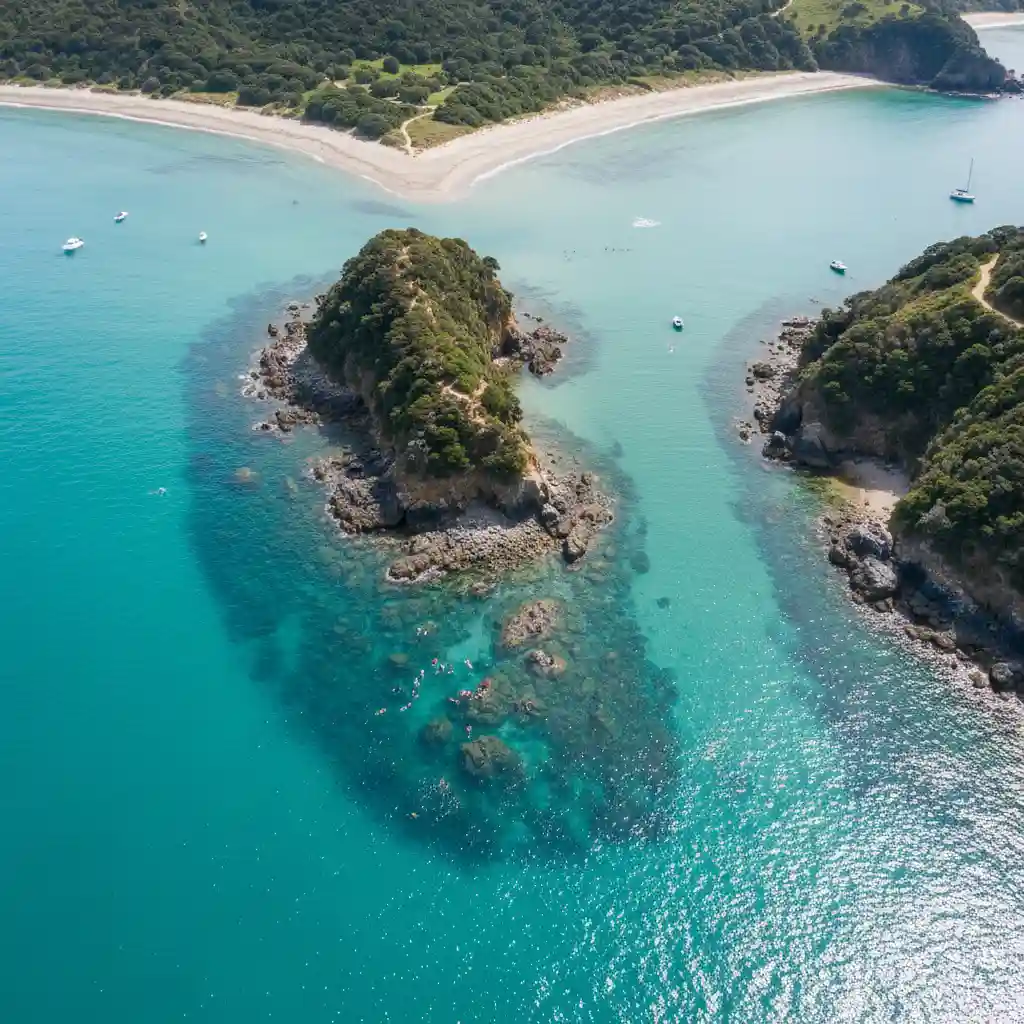
Goat Island Marine Reserve (Cape Rodney-Okakari Point) is New Zealand’s first no-take marine sanctuary, located near Leigh on the Matakana Coast. Established in 1975, this protected area offers world-class snorkeling, diving, and glass-bottom boat tours, allowing visitors to interact with massive snapper, crayfish, and rays in their natural, undisturbed habitat.
Located just over an hour north of Auckland, the Cape Rodney-Okakari Point Marine Reserve—commonly known as Goat Island—is a crown jewel in New Zealand’s conservation history. As the nation’s first marine reserve, it serves as a scientific benchmark and a spectacular destination for nature lovers. Whether you are an experienced diver looking to explore the kelp forests or a family seeking a safe, educational day trip, this Goat Island Marine Reserve guide covers everything you need to plan the ultimate Matakana Coast adventure.
What is the Goat Island Marine Reserve?
Te Hāwere-a-Maki, or Goat Island, lies at the heart of the Cape Rodney-Okakari Point Marine Reserve. Established in 1975 following years of advocacy by marine biologists like Dr. Bill Ballantine, it became the first place in New Zealand where all fishing and gathering of marine life was strictly prohibited.
The reserve protects 547 hectares of shore and sea. Because the area has been fully protected for nearly half a century, the ecosystem has returned to a state of abundance rarely seen elsewhere on the coast. The difference between the reserve and the surrounding non-protected waters is stark; inside the boundaries, crayfish (rock lobster) and snapper grow to immense sizes and exhibit natural behaviors, unthreatened by human predation.
Why Visit: Marine Life and Scenery
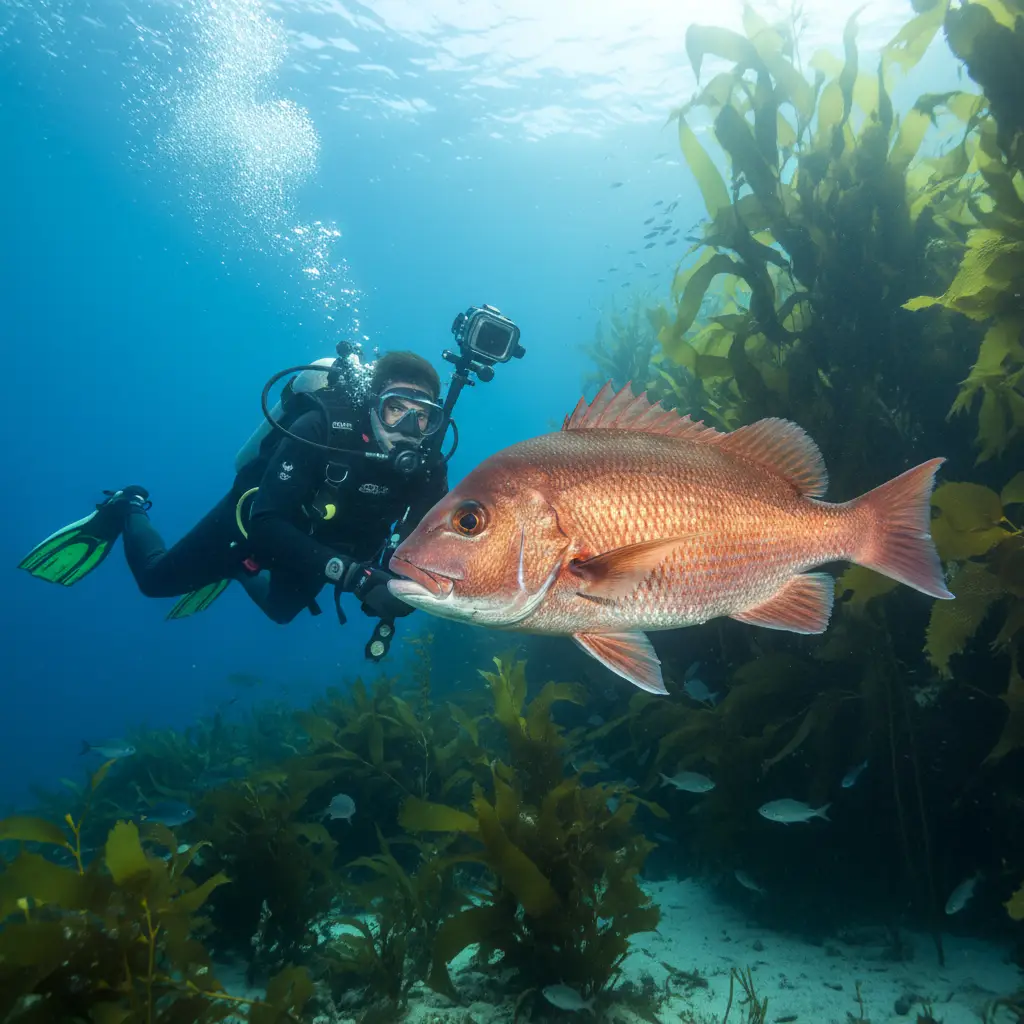
The primary allure of Goat Island is the accessibility of its wildlife. Unlike many marine reserves that require a boat to access, you can wade into the water here and immediately be surrounded by fish. It is one of the few places in the world where wild fish will approach humans out of curiosity rather than fear.
Key Species You Will Encounter
The biodiversity here is staggering. Upon entering the water, visitors are typically greeted by:
- Snapper (Tāmure): The residents here are legendary. Some snapper are decades old and can weigh upwards of 10kg. They are known to swim right up to snorkelers’ masks.
- Australasian Snapper: Often schooling in large numbers near the shore.
- Blue Maomao: These vibrant blue fish often school near the archway and deeper rocky reefs.
- Crayfish (Kōura): While usually nocturnal, the high population density means you can often spot feelers poking out from rock crevices in shallow water.
- Eagle Rays and Stingrays: Frequently seen gliding over the sand flats between the beach and the island.
Top Activities: Snorkeling to Glass Bottom Boats
While swimming is the most popular activity, there are several ways to experience the reserve depending on your comfort level in the water.
Snorkeling and Diving
This is the premier activity. You can bring your own gear or rent wetsuits, masks, fins, and snorkels from the local hire shops (like Goat Island Dive & Snorkel) located on the road leading to the reserve. The best snorkeling is usually found around the rocks on the western side of the beach or by swimming out toward the channel—though currents can be strong here, so caution is advised.
The Glass Bottom Boat
For those who prefer to stay dry or are traveling with small children and elderly relatives, the Glass Bottom Boat tour is an essential experience. The tour operates directly from the beach and offers a 45-minute educational trip around the island. The clarity of the glass allows for perfect viewing of the kelp forests and the massive snapper that congregate beneath the boat. The skippers provide expert commentary on the history and ecology of the area.
Clear Kayak Rentals
Cleary’s Kayaks offers clear-bottom kayaks for rent. This bridges the gap between snorkeling and boating, allowing you to paddle at your own pace while looking down through the hull at the marine life below. It is an excellent option for calm days.
Planning Your Visit: Getting There & Weather
A successful trip to Goat Island requires some logistical planning, particularly during the peak summer season (December to February).
How to Get There
The reserve is approximately 80km north of Auckland. The drive takes about 1 hour and 15 minutes via State Highway 1 and the Matakana turnoff. The final stretch of road from Leigh to the reserve winds through farmland and offers stunning coastal views.
Parking and Facilities
Parking is the biggest challenge at Goat Island. The upper and lower car parks fill up rapidly on sunny weekends and public holidays. It is highly recommended to arrive before 9:00 AM or after 3:00 PM to secure a spot. There are toilet and changing facilities near the beach, as well as outdoor showers to rinse off salt water.
Weather and Water Conditions
The experience is heavily dependent on the weather. The reserve is best enjoyed when the wind is blowing offshore (from the south or southwest) or when there is no wind. Northerly or easterly winds can bring swell into the bay, reducing visibility and making swimming difficult. Always check the local marine forecast specifically for “Leigh” or “Goat Island” before departing.
The Marine Discovery Centre
Located on the hill overlooking the reserve, the Goat Island Marine Discovery Centre (run by the University of Auckland) is an often-overlooked gem. It serves as an educational hub where visitors can learn about the marine science research conducted in the area.
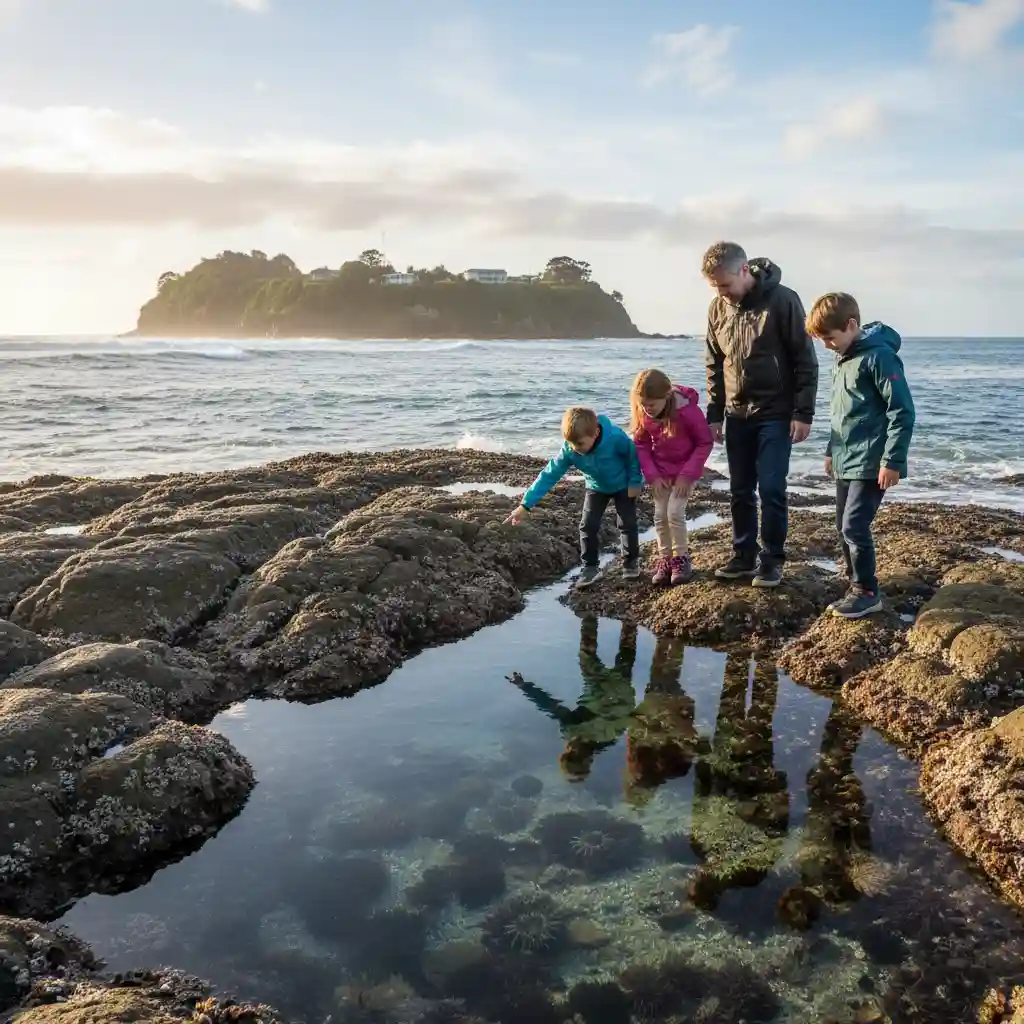
The centre features interactive displays, a touch tank for children to safely handle rugged marine critters, and detailed exhibits on the life cycles of the Hauraki Gulf’s inhabitants. It provides critical context to what you see in the water, explaining why the ecosystem looks the way it does and the importance of conservation. It is a fantastic rainy-day alternative or a post-swim educational stop.
Exploring the Wider Matakana Coast
A trip to Goat Island is rarely just about the beach; the surrounding Matakana Coast is a premier boutique tourism destination. Combining your marine adventure with local culinary and cultural experiences makes for a perfect itinerary.
Matakana Village & Farmers Market
If visiting on a Saturday, the Matakana Farmers Market is mandatory. Famous for its zero-waste policy, artisan cheeses, craft ciders, and local produce, it is the heartbeat of the region. The village itself houses boutique cinemas and art galleries.
Vineyards and Breweries
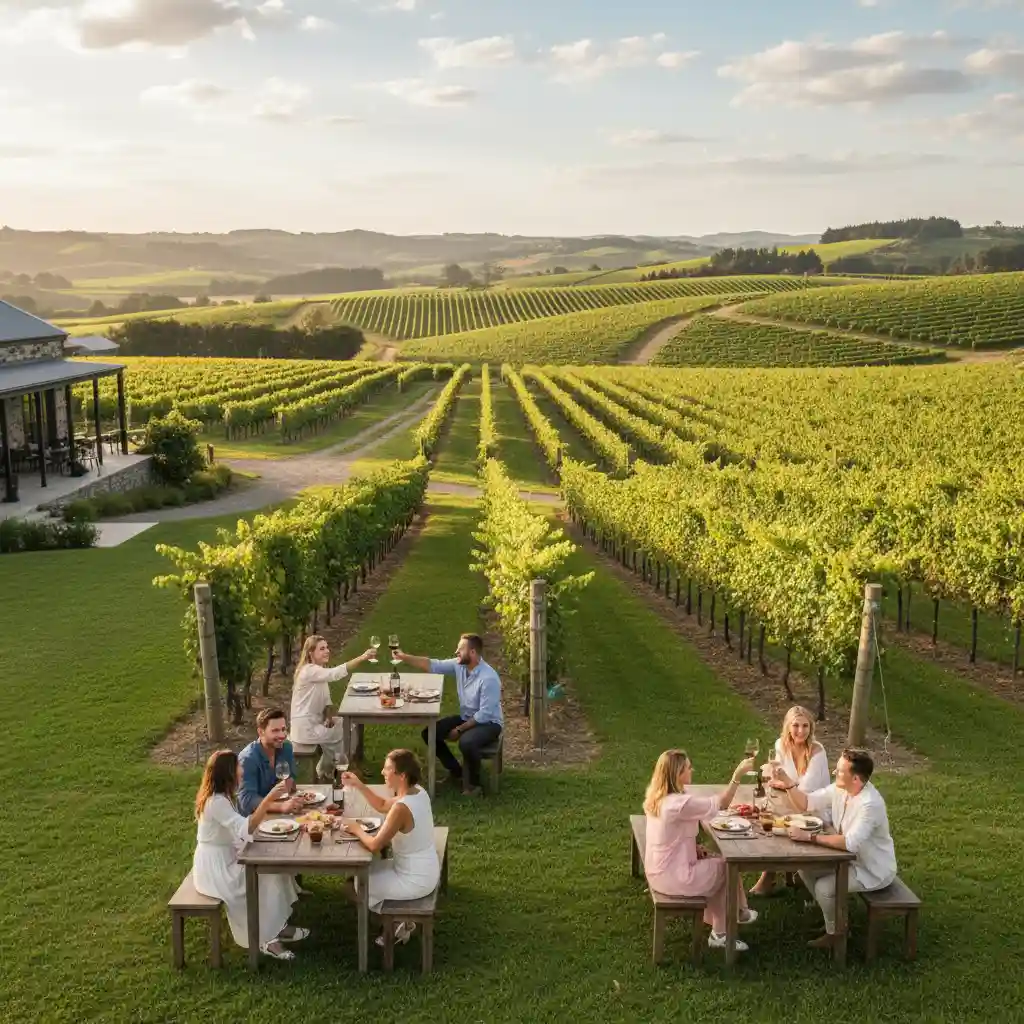
The region is a wine-growing powerhouse. Brick Bay Wines offers not just excellent Pinot Gris but also a world-class Sculpture Trail that winds through native bush and ponds. The Sawmill Brewery, located just down the road from the marine reserve in Leigh, is the ideal spot for an après-snorkel craft beer and hearty meal.
Tāwharanui Regional Park
If Goat Island is too crowded, Tāwharanui Regional Park is a nearby alternative. While also a marine reserve, it is an open sanctuary on land, meaning you can often spot Kiwi birds at night or Takahē during the day. The white sand beaches here are some of the best in the Auckland region.
Conservation Rules and Safety
To maintain the pristine nature of the reserve, strict rules are enforced by the Department of Conservation (DOC).
The “No Take” Policy
It is illegal to take, kill, or damage any marine life or natural features in the reserve. This includes:
- No fishing of any kind.
- No gathering shellfish or crayfish.
- No collecting shells, rocks, or driftwood.
Failure to comply results in significant fines and confiscation of gear.
Don’t Feed the Fish
Historically, visitors fed the fish to bring them closer. This is now strongly discouraged and, in some contexts, prohibited. Feeding fish human food (like bread or peas) harms their digestion and alters their natural behavior, making them aggressive and dependent on humans. The fish at Goat Island are naturally curious; if you stay still, they will come to you without food bribes.
Safety in the Water
While the bay is generally sheltered, currents can be strong in the channel between the mainland and the island (the “Goat Island Channel”). It is advised to stay within the bay unless you are a strong, experienced swimmer with fins. The rocks can be extremely slippery; wearing booties or reef shoes is recommended for entering and exiting the water.
Frequently Asked Questions
Do I need to pay an entrance fee for Goat Island Marine Reserve?
No, access to the Goat Island Marine Reserve beach and car park is free. However, parking is limited. Fees apply for hired equipment, the Glass Bottom Boat, and entry to the Marine Discovery Centre.
Can I take my dog to Goat Island Marine Reserve?
No. Dogs are not permitted on the beach or in the reserve at any time. This rule helps protect the local wildlife, including shorebirds like the Dotterel and Little Blue Penguin.
Is it safe to swim at Goat Island for children?
Generally, yes. The main beach area is sheltered and shallow, making it suitable for children. However, parents should be vigilant about slippery rocks and ensure children do not drift toward the channel where currents are stronger.
What is the best time of year to visit Goat Island?
Summer (December to March) offers the warmest water (around 20-22°C) and best weather. However, late summer and early autumn (February/March) often provide the best underwater visibility.
Can I walk onto Goat Island itself?
While you can swim or kayak to the island, walking on the island (Te Hāwere-a-Maki) is restricted to protect its sensitive tapu (sacred) nature and ecological restoration projects. Visitors should remain on the intertidal rocks or the beach.
Are there sharks at Goat Island Marine Reserve?
Yes, but they are typically harmless species such as Bronze Whalers or Carpet Sharks. They are rarely aggressive toward swimmers. Seeing a shark is considered a highlight for divers, not a danger.