
Parking at Goat Island Marine Reserve is primarily divided into two designated areas: the limited Lower Car Park adjacent to the beach and the larger Upper Car Park located on the hill above. While parking is free of charge, spaces fill rapidly during summer months and weekends. Visitors should aim to arrive before 9:00 AM or after 3:00 PM to secure a spot without waiting.
Goat Island, officially known as the Cape Rodney-Okakari Point Marine Reserve, is one of New Zealand’s premier snorkeling and diving destinations. Located near Leigh, just over an hour north of Auckland, it attracts hundreds of thousands of visitors annually. However, the reserve’s popularity often outstrips its infrastructure, making parking at Goat Island Marine Reserve a significant logistical challenge for unprepared visitors.
The reserve is a victim of its own success. On a stunning summer day, the water teems with snapper and tourists alike, but the tarmac leading to the water is a finite resource. Navigating the parking situation requires strategy, timing, and a clear understanding of the local geography. This guide serves as your comprehensive resource for ensuring your trip involves more time in the water and less time circling the lot.
Understanding the Layout: Upper vs. Lower Car Parks
When you drive down Goat Island Road, you are essentially entering a cul-de-sac with very specific traffic flows. Understanding the difference between the two primary parking areas is crucial for planning your logistics, especially regarding how much gear you intend to carry.
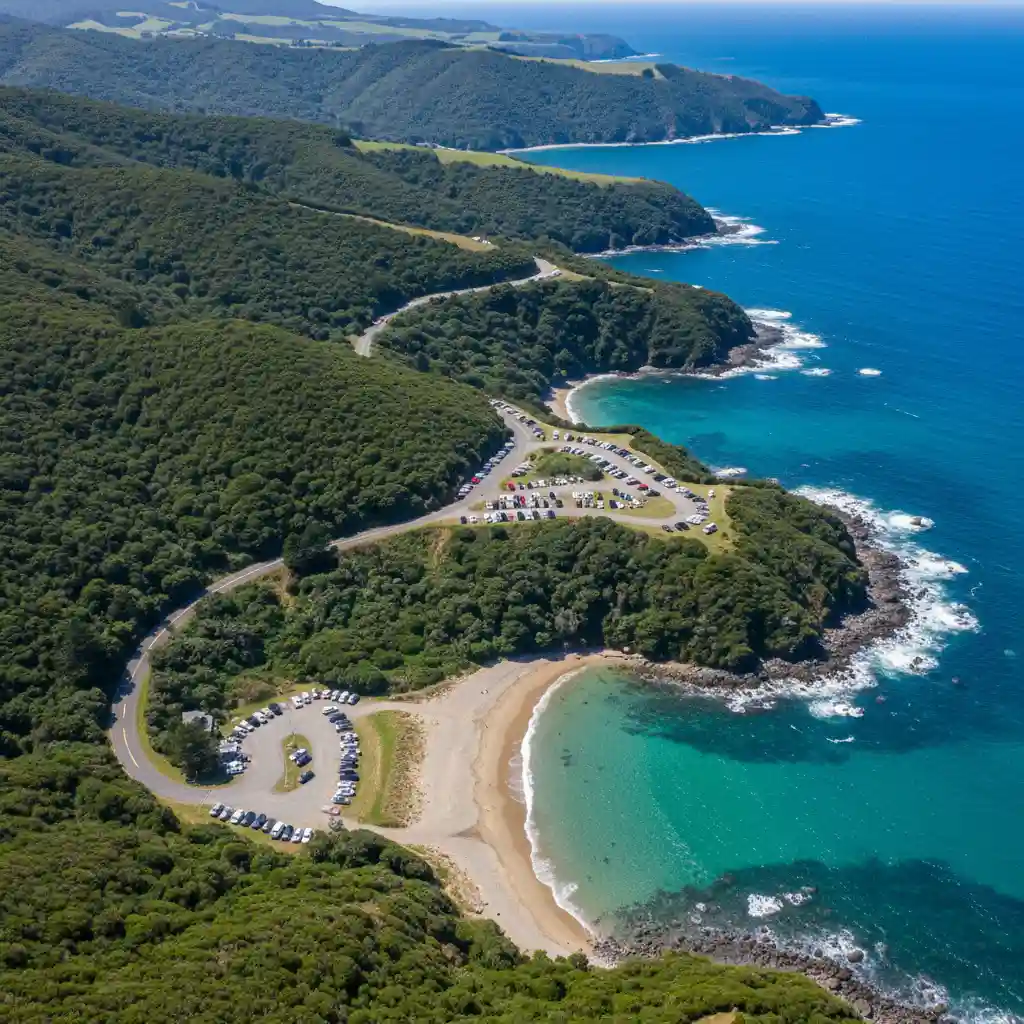
The Lower Car Park: The Premium Spot
The Lower Car Park is the “gold standard” for accessibility. Located directly adjacent to the Department of Conservation (DOC) visitor center, the toilet blocks, and the beach entrance, this area allows you to be in the water within minutes of turning off your engine. For divers hauling heavy tanks and weight belts, or families with small children and picnic coolers, this is the only practical option.
However, because of its convenience, it is the first to fill up. It has a limited capacity, and turnover here is slow; once families secure a spot, they often stay for the entire day. The layout is tight, and maneuvering large campervans in the lower lot during peak congestion can be nerve-wracking.
The Upper Car Park: The Overflow Hub
As you descend Goat Island Road, you will see signage for the Upper Car Park on your right. This area was expanded to handle the increasing volume of tourists. It offers significantly more spaces than the lower level and provides a stunning panoramic view of the Hauraki Gulf.
The trade-off is the physical exertion required. Parking here necessitates a walk down a dedicated footpath to reach the beach. While the walk down is easy, the return trip involves a steep uphill hike that can be exhausting after several hours of swimming or snorkeling in the hot sun. If you park here, you must pack strategically. You do not want to realize you forgot the sunscreen once you reach the beach.
Peak Times: When to Arrive to Guarantee a Spot
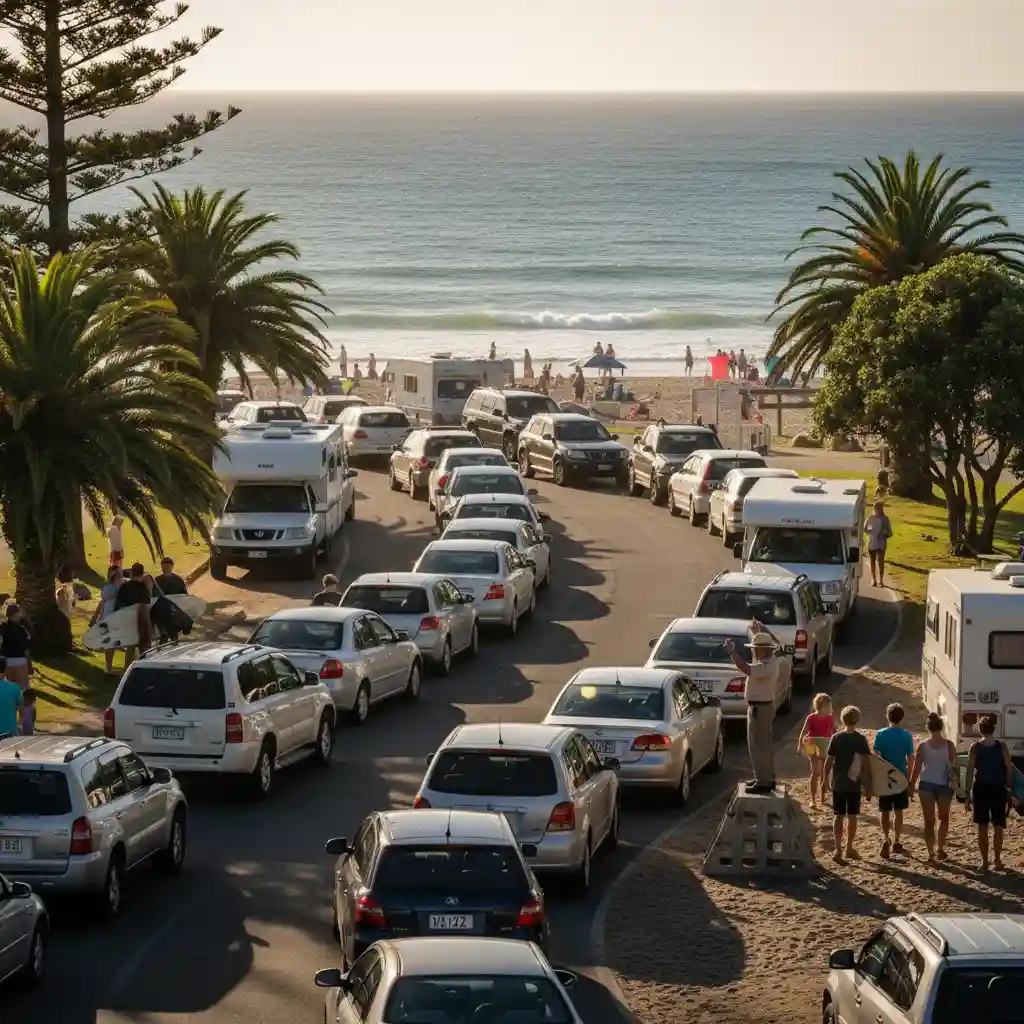
Timing is the single most critical factor in your Goat Island parking strategy. The reserve operates on a “one out, one in” policy once the car parks reach capacity. On busy days, a ranger or traffic management contractor will stand at the top of the hill, physically blocking cars from entering until a space becomes available. This can lead to queues waiting on the road for upward of an hour.
The “Golden Hour” Rule
To guarantee parking at Goat Island Marine Reserve without a wait, you must arrive before 9:00 AM during the summer season (December through March). By 9:30 AM on a sunny Saturday or public holiday, the “Car Park Full” sign is usually deployed.
Alternatively, you can target the late afternoon shift. Many families begin to pack up around 3:00 PM to 4:00 PM. Arriving at this time not only secures you a parking spot as others leave but also provides a more tranquil snorkeling experience as the midday crowds disperse and the sun becomes less harsh.
Seasonal Variations
During the shoulder seasons (late autumn and early spring), the pressure eases significantly. On weekdays outside of school holidays, you can often find parking in the lower lot as late as 11:00 AM. However, regardless of the season, if the weather forecast predicts clear skies and low winds (ideal snorkeling conditions), expect the crowds to materialize.
Parking Fees, Time Limits, and Regulations
One of the most attractive aspects of the reserve is that access is free. Unlike many international tourist hotspots, there is currently no charge for parking at Goat Island Marine Reserve. The area is managed by the Department of Conservation (DOC), and the facilities are maintained for public use.
Is there a time limit on parking?
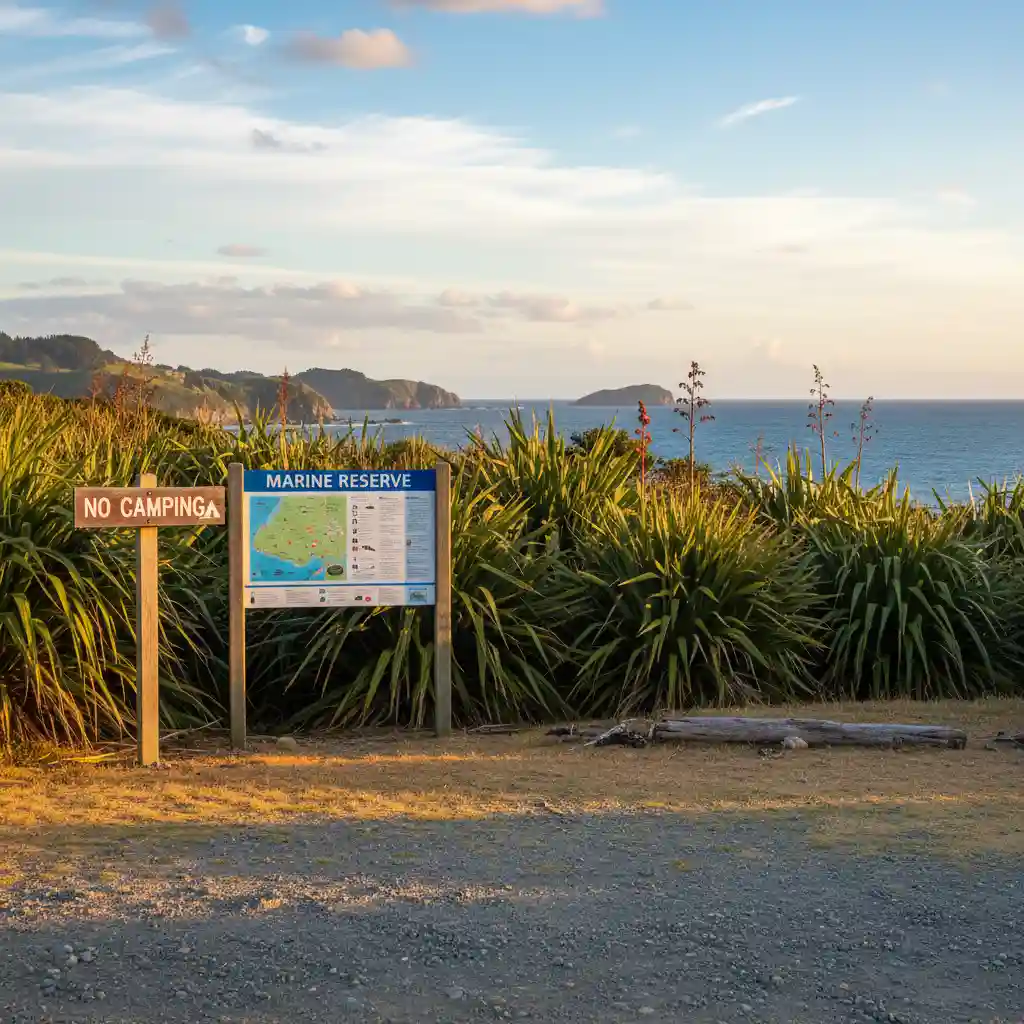
Generally, there are no strict time limits enforced for day-trippers, provided you are not camping. This lack of turnover pressure contributes to the congestion, as visitors feel no financial or regulatory urgency to leave. However, overnight parking and camping in the car parks are strictly prohibited. The gates to the reserve may be locked at night, and freedom camping is monitored closely by the local council in the surrounding Leigh area.
Vehicle Restrictions
While standard vehicles are accommodated, large motorhomes and buses face significant challenges. The turning circles in the lower car park are tight. If you are driving a large campervan, it is highly advisable to use the Upper Car Park or arrive extremely early to secure an end-spot in the lower lot where you won’t be boxed in. There are designated bus stops for tour operators, and private vehicles must never obstruct these zones.
Pakiri Road and Overflow Options
When the dreaded “Car Park Full” sign goes up, panic often sets in. What are your options when the ranger denies you entry?
The Waiting Game
Your primary option is to join the queue. The traffic management staff operate a strict one-in-one-out system. Depending on the time of day, the wait can range from 15 minutes to over an hour. If you choose to wait, ensure your vehicle has air conditioning and you have water, as the queue is often exposed to direct sunlight.
Roadside Parking Dangers
Desperate visitors often attempt to park on the grass verges along Goat Island Road leading up to the reserve. This is highly discouraged and often illegal. The road is narrow, winding, and lacks shoulders. Parking here creates dangerous blind spots for other drivers and pedestrians walking down the hill. Local enforcement officers patrol this area, and fines are issued for vehicles obstructing the roadway or parking on yellow lines.
The “Drop and Drive” Strategy
If you are traveling with a group, a common strategy is to drive to the turnaround point (if permitted by the ranger), drop off the passengers and the gear, and then have the driver return up the hill to find a spot or wait in the queue. This ensures that the majority of the group can start enjoying the beach while the driver deals with the logistics. However, communication is key—cell phone reception can be patchy in certain pockets of the reserve.
Accessibility and Drop-Off Zones
The Department of Conservation has made efforts to ensure the marine reserve is accessible to everyone, including those with mobility issues. The Lower Car Park includes designated mobility parking spaces. These are located as close as possible to the paved paths leading to the visitor center and the beach viewing platforms.
If you have a valid mobility permit and the road is closed due to capacity, speak to the traffic management staff at the cordon. They will usually allow vehicles with mobility permits to proceed down to the lower car park to check for designated spaces or to utilize the drop-off zone, even if the general car park is full.
Essential Tips for a Stress-Free Visit
To master the art of parking at Goat Island Marine Reserve, follow this checklist:
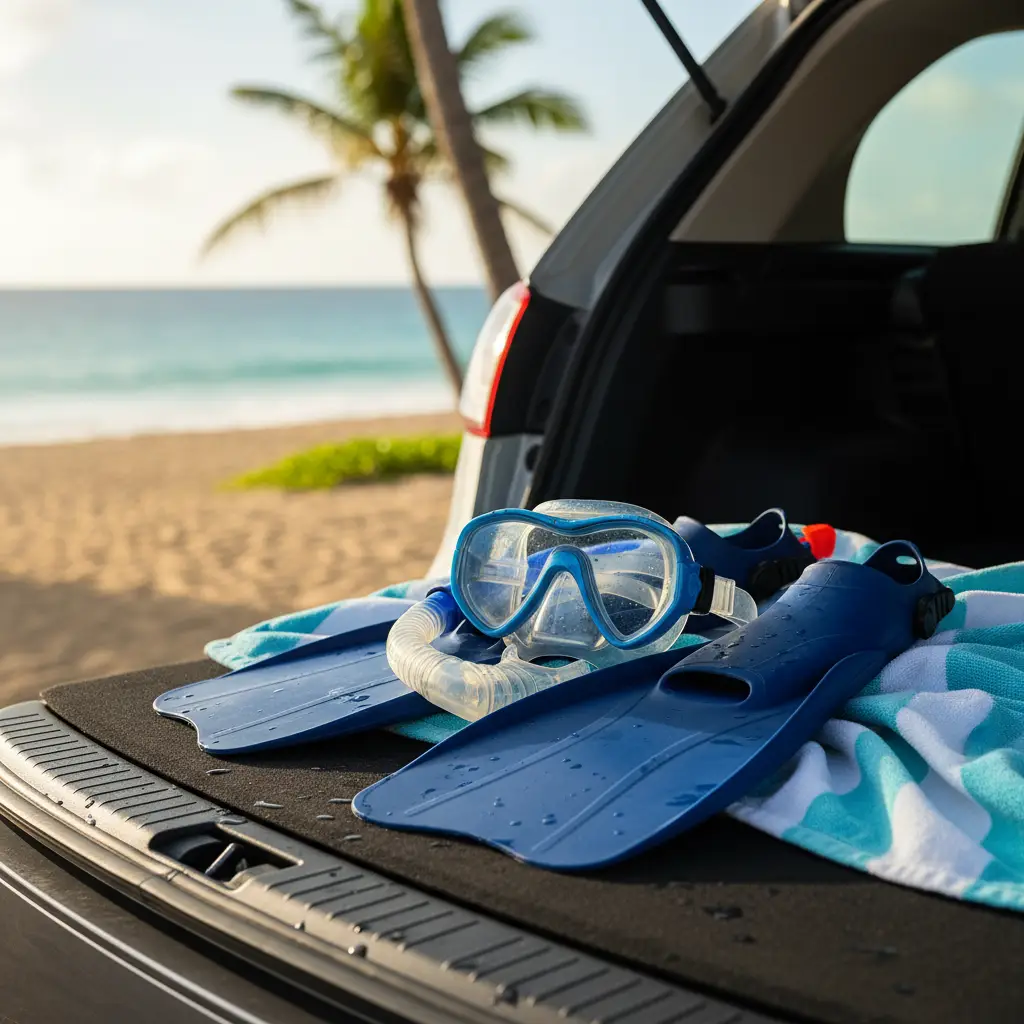
- Check the Tides: While parking depends on time of day, the best snorkeling is usually around high tide. Try to align a pre-9 AM arrival with a morning high tide for the perfect trip.
- Pack Light for the Walk: Assume you will be parking in the Upper Car Park. Use backpacks rather than handheld cooler bags to make the walk down (and up) easier.
- Security Awareness: Like all tourist hotspots in New Zealand, theft from cars can happen. Do not leave valuables, passports, or electronics visible in your vehicle. Take them with you or leave them at your accommodation.
- Carpooling: Reduce the number of vehicles your group takes. Not only is this environmentally friendly, but it also reduces the stress of finding multiple parking spaces.
By planning ahead and understanding the dynamics of the Upper and Lower car parks, you can ensure your visit to Goat Island remains a highlight of your New Zealand journey, rather than a traffic jam memory.
People Also Ask
Is there free parking at Goat Island Marine Reserve?
Yes, parking at Goat Island Marine Reserve is completely free of charge. There are no parking meters or entry fees for vehicles in either the Upper or Lower car parks.
What time does the Goat Island car park open?
The car park is generally accessible from sunrise to sunset. However, the gates may be locked overnight to prevent camping. It is best to arrive before 9:00 AM during summer to ensure entry.
Can you take dogs to the Goat Island car park?
No. Dogs are not permitted in the Goat Island Marine Reserve, including inside vehicles in the car park. This is strictly enforced to protect local wildlife.
Is the walk from the upper car park difficult?
The walk from the Upper Car Park to the beach takes approximately 5-10 minutes. It is a downhill walk on a paved path to get there, but the return trip is a steep uphill climb which can be moderately difficult for those with low fitness or heavy gear.
Can I park a campervan at Goat Island?
Yes, but space is limited. The Lower Car Park is very tight for large vehicles. It is highly recommended that campervans and motorhomes use the Upper Car Park where there is more room to maneuver.
What happens if the car park is full?
When the car parks reach capacity, rangers implement a “one out, one in” system. You will have to queue on the road until a vehicle leaves. During peak summer days, this wait can exceed one hour.