
Goat Island Marine Reserve provides essential public amenities located adjacent to the main car park and walkway entrance. These on-site facilities include gender-segregated flush toilets, basic changing rooms, and open-air cold showers designed specifically for rinsing off salt water. Visitors should note that there are no hot showers or private shower cubicles available at the beach.
Overview of On-Site Amenities
Visiting the Cape Rodney-Okakari Point Marine Reserve, commonly known as Goat Island, is a highlight for both domestic tourists and international travelers seeking to experience New Zealand’s vibrant marine life. However, as a protected nature reserve managed by the Department of Conservation (DOC), the infrastructure is designed to be functional and low-impact rather than luxurious. Understanding the layout and limitations of the goat island showers and toilets is crucial for planning a comfortable day trip.
The amenities block is strategically situated at the top of the hill, bordering the main car park. This location serves as the primary gateway to the beach. Before descending the paved walkway to the shoreline, visitors pass directly by these facilities. It is highly recommended to utilize these amenities before making your way down to the water, as the walk back up can be steep for young children or those carrying heavy dive gear.
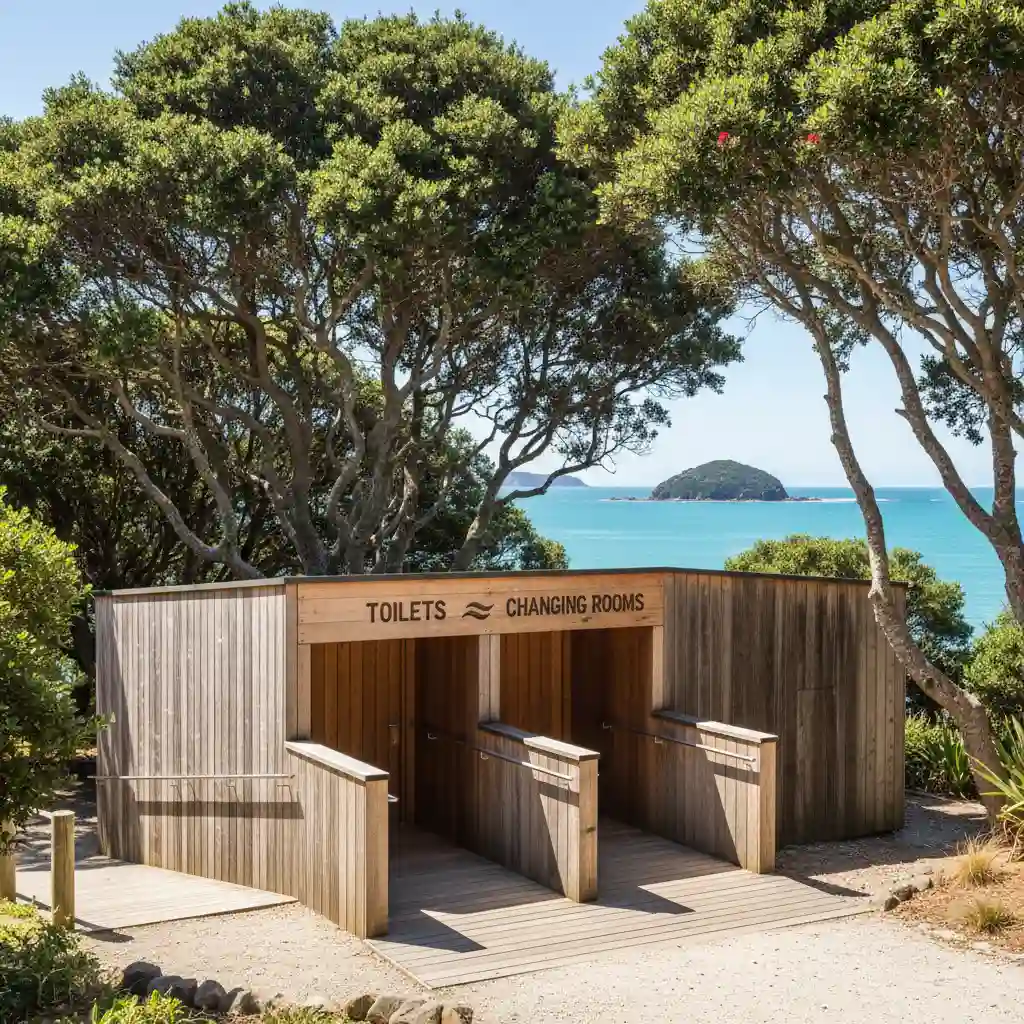
The facilities are maintained regularly, but due to the high volume of visitors—especially during the peak summer months of December through February—they can experience heavy usage. The infrastructure reflects the reserve’s focus on conservation and marine education, prioritizing environmental sustainability over resort-style comforts.
Goat Island Showers: What to Expect
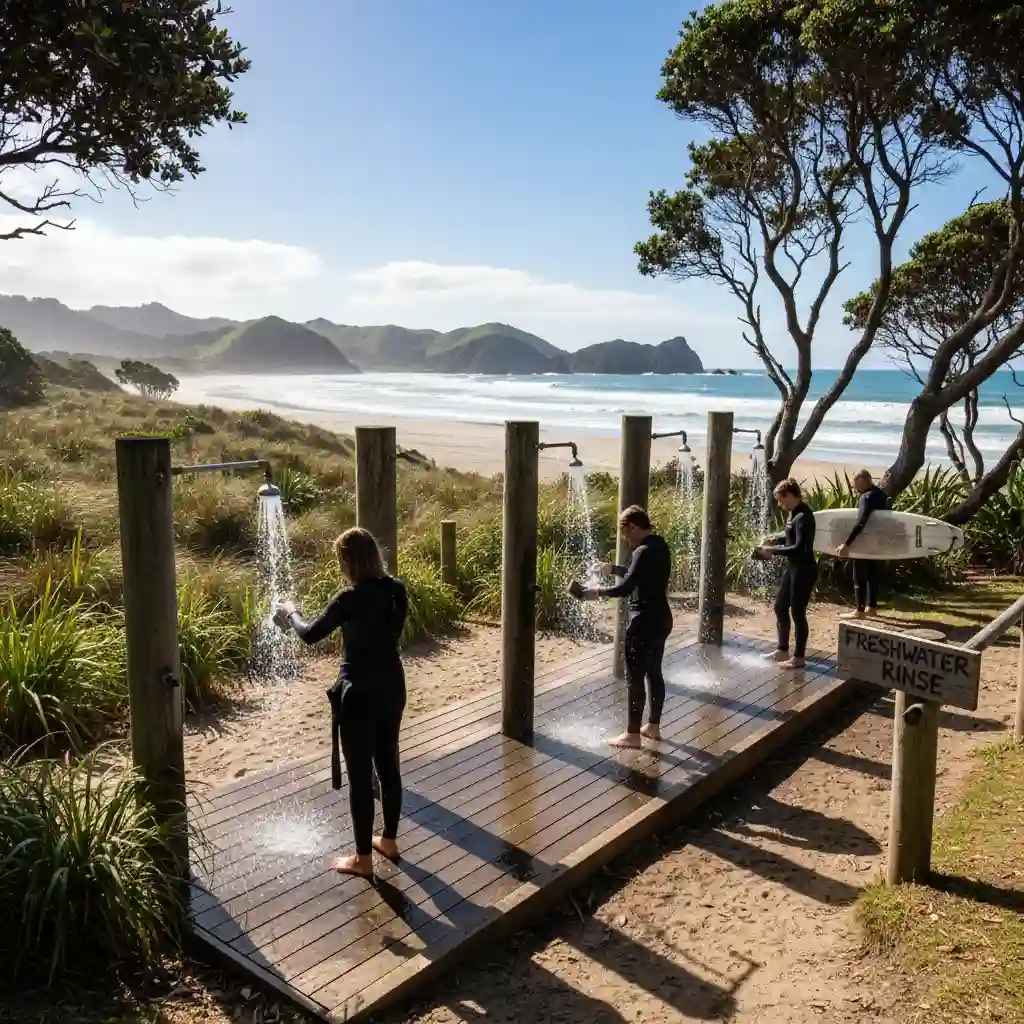
One of the most common questions prospective visitors ask regarding goat island showers and toilets is whether hot water is available. It is important to manage expectations before arrival: the showers at Goat Island are exclusively cold, outdoor rinse showers.
The “Rinse-Only” Philosophy
The showers are located on the exterior of the toilet block. They are open-air fixtures designed primarily for rinsing off sand and salt water after snorkeling or diving. They are not intended for full bathing routines with shampoos and body washes. In fact, the use of chemical soaps and shampoos is discouraged in these outdoor showers to prevent runoff from affecting the surrounding native vegetation and soil quality.
Tips for Managing the Cold Water
Given that the showers are unheated, the water temperature can be bracing, particularly on overcast days or during the shoulder seasons (spring and autumn). To mitigate the discomfort of a cold rinse:
- Bring Warm Layers: Have a thick hoodie, beanie, or windbreaker ready to put on immediately after drying off.
- Quick Rinse Strategy: Plan to do a quick rinse to remove the bulk of the salt, and save your full, hot shower for when you return to your accommodation or campsite.
- Sun Warming: If visiting in summer, the walk back up the hill from the beach often warms you up sufficiently before you hit the cold shower.
Location of Toilets and Changing Rooms
The changing rooms and toilets are housed within the same main building block near the car park. This centralization ensures that all waste management is contained away from the fragile intertidal zones.
Changing Room Configuration
The changing facilities are basic but functional. They are generally communal changing areas rather than individual lockable cubicles, although layout specifics can vary between the male and female sides. During peak times, these areas can become crowded with divers putting on wetsuits and families managing children.
Pro Tip: If you are renting gear from a local dive shop in Leigh or nearby Matakana, consider changing into your wetsuit (waist down) before driving the final stretch to the reserve to save time and avoid the changing room queues.
Toilet Cleanliness and Capacity
The toilet facilities are flush systems, not long-drops, which is a significant comfort factor for a remote reserve. They are cleaned regularly by contractors managed by the Department of Conservation. However, visitors should always carry a small supply of hand sanitizer and perhaps a backup roll of toilet paper in their vehicle, just in case supplies run low during an exceptionally busy public holiday.
Picnic Areas and Seating Arrangements
While the primary focus of this guide is on the goat island showers and toilets, the adjacent amenities play a huge role in the visitor experience. Once you have utilized the changing rooms, you will likely want to settle in for lunch.
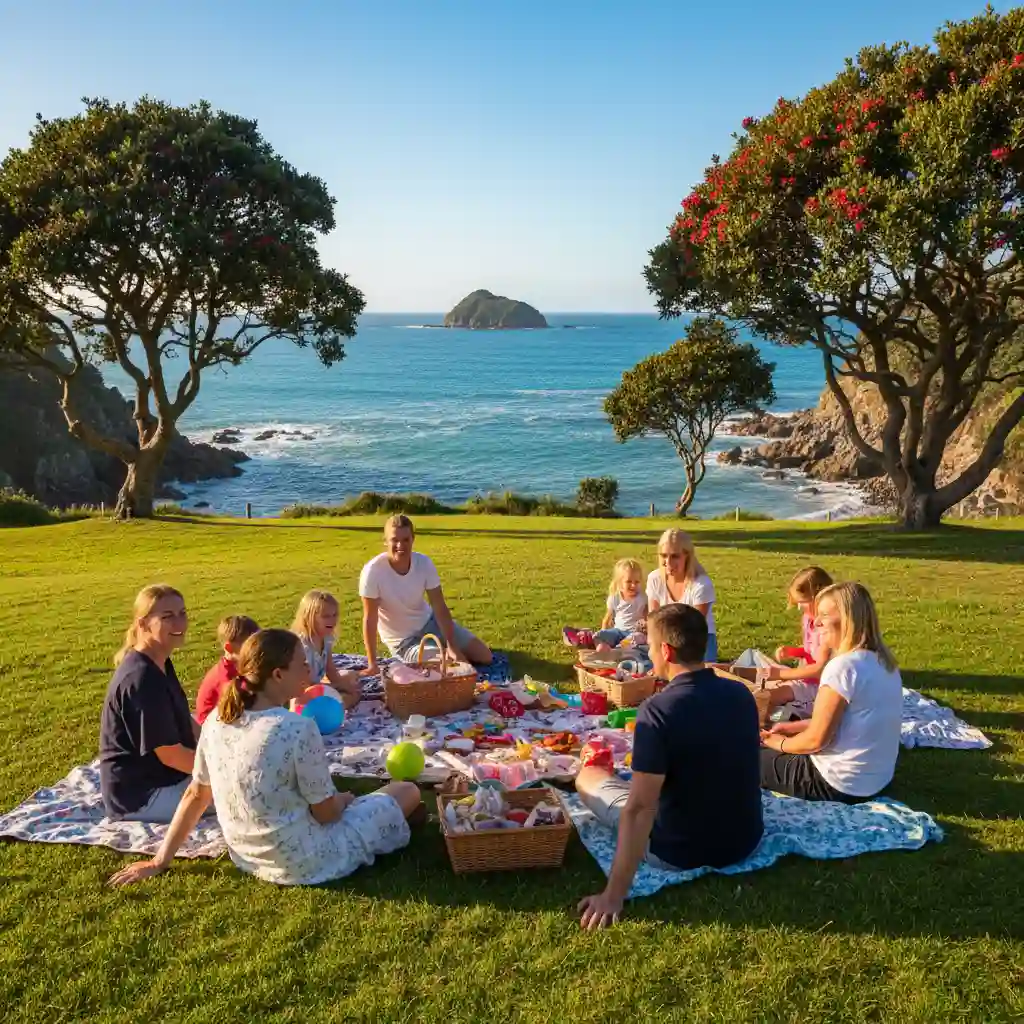
Goat Island features expansive grassy areas surrounding the car park and amenity block. These spots offer elevated views of the ocean and Goat Island (Te Hāwere-a-Maki) itself. These grassy banks are the designated areas for picnics.
Seating Availability
There are a limited number of picnic tables available. These are strictly on a first-come, first-served basis. If you are arriving after 10:00 AM on a weekend, it is highly unlikely you will secure a table. Visitors are strongly advised to bring:
- Waterproof picnic blankets (the grass can be damp in the morning).
- Camping chairs for elderly family members.
- Sun umbrellas (shade is limited on the grassy banks).
Rubbish Policy: Pack In, Pack Out
A critical aspect of the facilities at Goat Island is what is not there: rubbish bins. The Department of Conservation operates a strict “Pack In, Pack Out” policy throughout the reserve.
Why Are There No Bins?
Removing bins encourages visitors to take responsibility for their own waste and reduces the risk of overflow. Overflowing bins in a marine reserve can be disastrous; wind can easily blow plastic wrappers and food scraps into the ocean, threatening the very marine life people have come to see. Additionally, bins attract pests like wasps and rodents, which are detrimental to the local bird population.
Managing Your Waste
When you visit the toilets or changing rooms, do not expect to find receptacles for your lunch wrappers or drink bottles. You must plan ahead:
- Bring a dedicated rubbish bag: Keep a heavy-duty bin liner in your car or beach bag.
- Minimize packaging: Unbox food at home and put it into reusable containers before you leave.
- Dispose off-site: Take your rubbish home with you or to a proper waste transfer station. Do not dump it in the toilets.
Accessibility and Parking Logistics
Accessibility is a key consideration for the layout of the goat island showers and toilets. The amenity block is accessible via paved paths from the car park, making it usable for those with mobility issues or families with strollers.
Wheelchair Access
There are accessible toilet facilities available within the main block. However, visitors should be aware that while the amenities are accessible, the path down to the beach is steep. While paved, it can be challenging for manual wheelchairs without assistance. The beach itself consists of sand, rocks, and pebbles, which is generally not wheelchair friendly without specialized beach-access equipment.
Parking Proximity
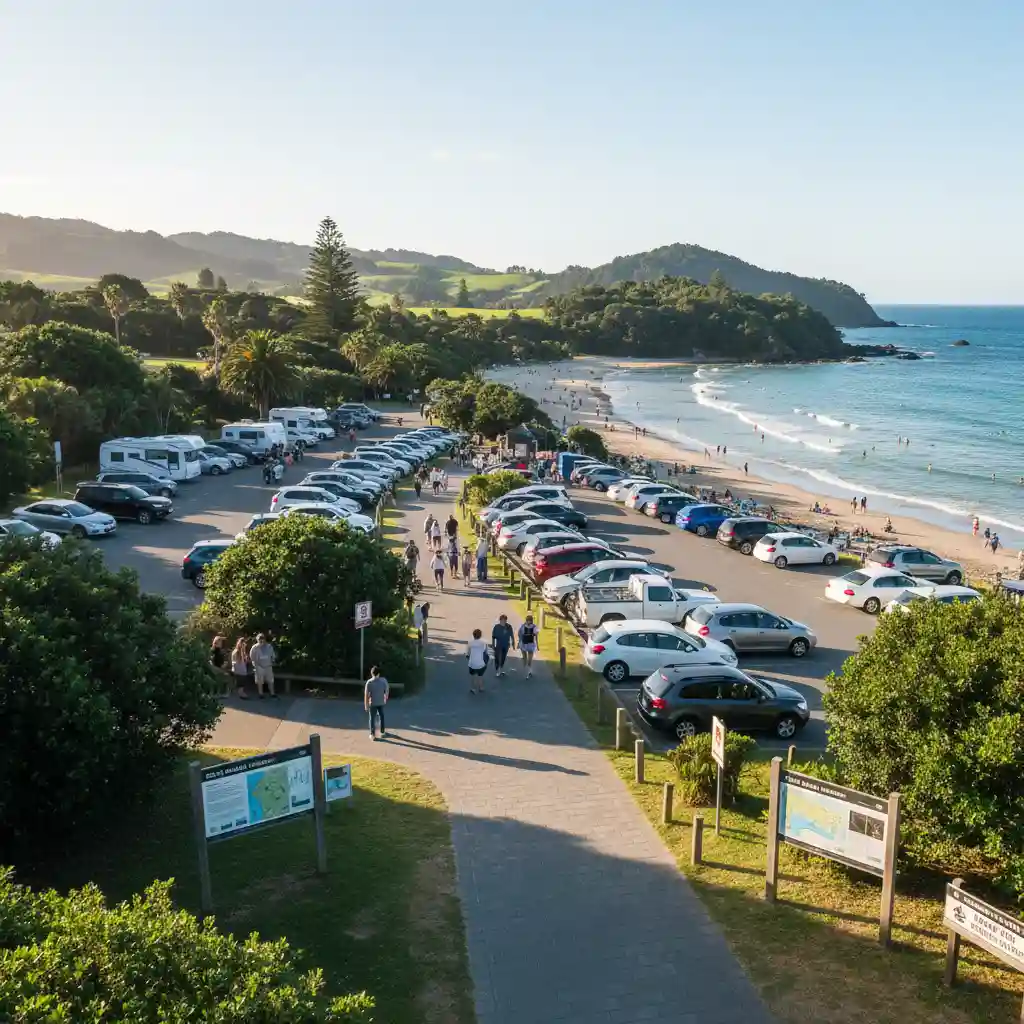
The main car park is located immediately next to the toilet and shower block. This is convenient for grabbing a towel or change of clothes from the car. However, the car park fills up rapidly. If the main park is full, you may be directed to the overflow parking further up the hill. From the overflow parking, it is a longer walk (5-10 minutes) to reach the toilets and showers. If you are parked in the overflow, it is advisable to bring everything you need down to the main area in one trip.
How to Prepare for a Day at the Reserve
To ensure your trip is enjoyable and you aren’t caught off guard by the facility limitations, follow this preparation checklist:
1. Hydration and Food
There is no potable drinking water supply guaranteed at the beach itself (though there may be taps at the amenity block, water quality can vary). Bring at least 2 liters of water per person. There are no food vendors on the beach. A small kiosk may operate seasonally near the car park, but it is not guaranteed. The nearest reliable cafes and dairies are in Leigh, a 10-minute drive away.
2. Hygiene Supplies
Since the showers are cold and outdoors, bring a large towel to create a privacy screen if you are changing quickly by your car, or utilize the changing rooms. If you require warm water for a baby or medical reasons, bring a thermos of hot water from home.
3. Sun Protection
The New Zealand sun is harsh. Apply sunscreen before you leave the changing rooms. Wait for it to absorb (at least 20 minutes) before entering the water to ensure it is effective and to minimize chemicals washing off into the reserve.
Nearby Alternatives for Facilities
If the rustic nature of the goat island showers and toilets does not meet your needs—perhaps you require a hot shower after a winter dive—you have a few nearby options:
- Whangateau Holiday Park: Located a short drive away, they may offer facility use for a small fee (check availability in advance).
- Leigh Public Toilets: Located in the township of Leigh, these are a good backup if the reserve facilities are overcrowded.
- Matakana Village: If you are heading back south, Matakana offers luxury public restrooms and ample dining options.
Conclusion
Goat Island is a pristine marine environment, and the facilities are designed to support visitors while protecting nature. The goat island showers and toilets are functional, clean, and accessible, provided you are prepared for cold water and the “pack in, pack out” rubbish policy. By planning ahead and respecting these facilities, you contribute to the preservation of one of New Zealand’s most treasured marine reserves.
People Also Ask
Are the showers at Goat Island warm?
No, the showers at Goat Island are cold, outdoor rinse showers only. They are intended for rinsing off salt water and sand, not for full bathing. Visitors should bring warm towels and clothing to change into immediately after rinsing.
Do I need to pay to use the toilets at Goat Island?
No, the toilets and changing facilities at Goat Island Marine Reserve are free for public use. They are maintained by the Department of Conservation (DOC) for the benefit of all visitors.
Is there drinking water available at the reserve?
While there is water available in the amenity block for washing hands, it is highly recommended that visitors bring their own drinking water. There are no filtered water stations on the beach, and dehydration is a risk during hot summer days.
Can I buy food at Goat Island?
Food options are very limited on-site. There is sometimes a small kiosk near the car park selling ice creams and drinks, but it is not always open. The nearest cafes and general stores are located in the Leigh township, approximately 10 minutes away by car.
Are dogs allowed near the facilities?
No, dogs are not permitted at Goat Island Marine Reserve, including the car park, beach, and facility areas. This is strictly enforced to protect local wildlife, including shorebirds and penguins. Service dogs may be an exception but check with DOC regulations first.
What are the opening hours for the car park and amenities?
The reserve and its facilities are generally open from sunrise to sunset. The automatic gates to the car park may be locked overnight, so it is important to check the signage at the entrance for specific closing times to avoid getting your vehicle locked in.