
Goat Island Marine Reserve rules strictly prohibit the taking, touching, or disturbing of any marine life and natural materials. This includes a zero-tolerance ban on fishing, shellfish gathering, and fish feeding. Visitors cannot remove rocks, shells, or driftwood. Dogs are restricted on the beach, and unauthorized drone use is prohibited to protect local wildlife.
As New Zealand’s first marine reserve, the Cape Rodney-Okakari Point Marine Reserve (commonly known as Goat Island) stands as a global standard for marine conservation. Understanding and adhering to these regulations is not merely a legal requirement; it is an act of Kaitiakitanga (guardianship) that ensures this ecosystem thrives for future generations. Below is a comprehensive guide to the regulations enforced by the Department of Conservation (DOC).
What is the No Fishing Policy at Goat Island?
The primary rule governing the Goat Island Marine Reserve is a total moratorium on fishing. Established in 1975, the reserve was created to allow marine life to recover and function without human extraction. This policy is absolute and covers every method of fishing known.
Under the Marine Reserves Act 1971, no person may fish, net, spear, or hook marine life within the reserve boundaries. This applies to both commercial and recreational fishing. The boundary extends 800 meters from the shore, encompassing 518 hectares of ocean. It is the visitor’s responsibility to know exactly where these boundaries lie, as ignorance of the GPS coordinates is not accepted as a valid defense by enforcement officers.
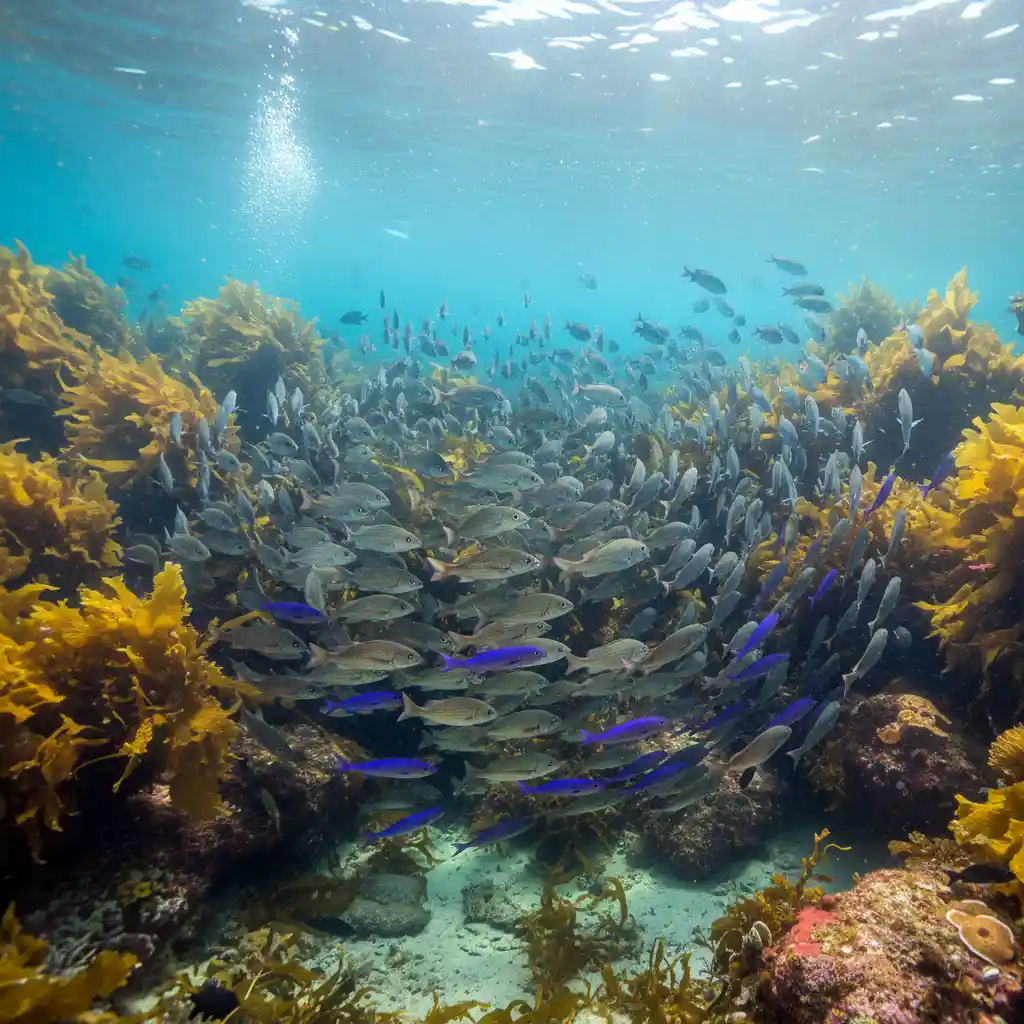
Does Catch and Release Apply?
No, catch and release is not permitted. Even the act of attempting to catch a fish causes stress and potential physical damage to the animal. The hooks can damage mouth tissue, and the fight causes lactic acid buildup in fish muscles. Because the mandate of the reserve is total protection, even “sport” fishing without the intent to keep the catch is illegal.
Equipment Restrictions
To prevent misunderstandings, it is highly advisable not to bring fishing gear into the reserve car park or onto the beach. While possessing the gear in your vehicle isn’t illegal if it is stowed, carrying a speargun or a fishing rod down to the water’s edge can attract the attention of rangers and may be interpreted as an intent to offend. If you are transiting through the reserve by boat with fishing gear on board, all gear must be stowed, and you must not stop to fish until you are well clear of the boundary lines.
Why is Feeding Fish Prohibited?
For many years, tourists flocked to Goat Island specifically to hand-feed the resident Snapper and Blue Maomao. However, scientific research and conservation management strategies have led to a strict prohibition on this activity. While it may seem like a harmless interaction, feeding fish has detrimental ecological consequences.
The Ecological Impact of Feeding
Feeding wild fish alters their natural behavior. Snapper, which are naturally predatory and foraging animals, can become conditioned to rely on human handouts. This disrupts the food web; if snapper are eating bread or peas provided by tourists, they are not eating the kina (sea urchins) they are supposed to control. This can lead to an imbalance in the reef ecosystem, potentially causing “kina barrens” where kelp forests are decimated.
Health and Safety Concerns
Human food is not biologically appropriate for marine fish. Processed foods, bread, and even vegetables like peas can cause digestive issues and malnutrition in fish species. Furthermore, conditioning large snapper to associate humans with food has led to safety issues in the past. There have been numerous reports of aggressive behavior from large snapper biting snorkelers in search of food. By enforcing a no-feeding rule, DOC aims to return the marine life to its natural behavioral state, ensuring safety for both the fish and the swimmers.
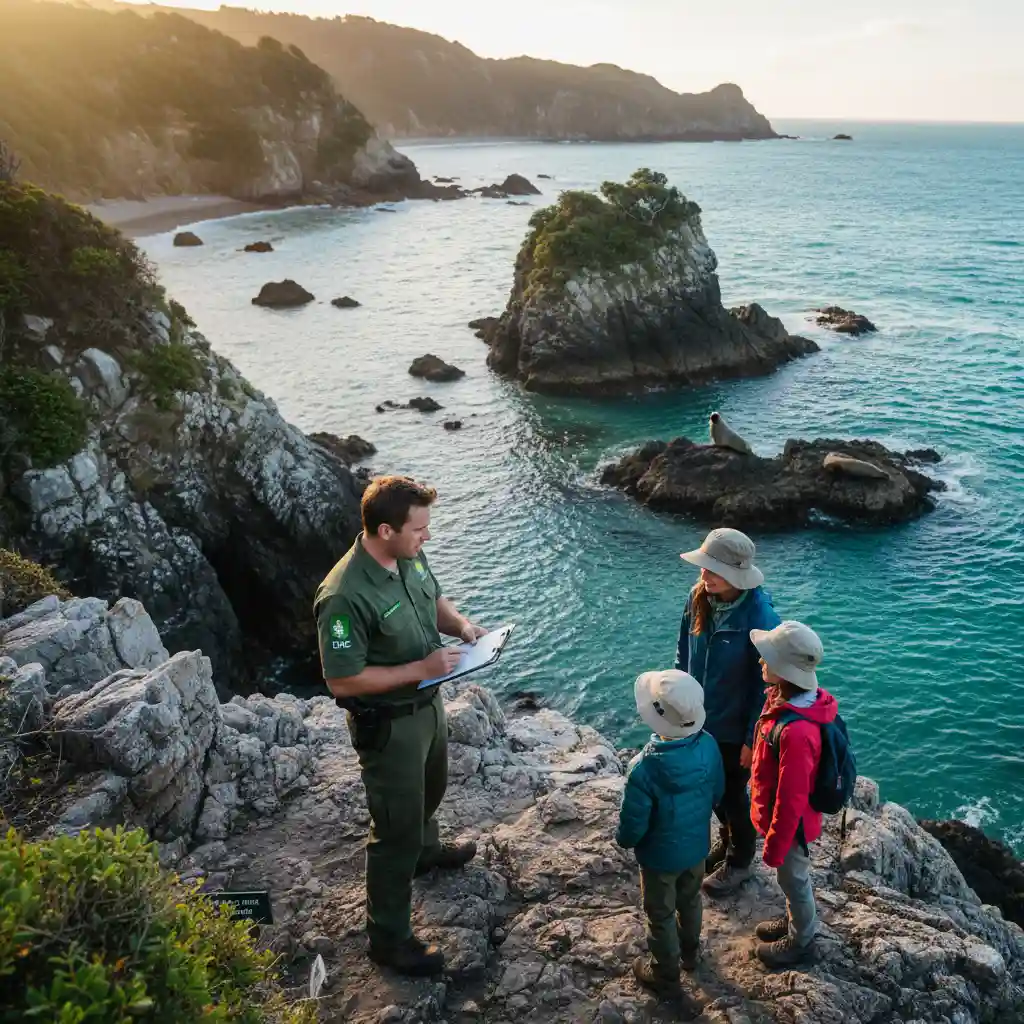
Can You Collect Shells or Rocks?
A common misconception among visitors is that the “no take” rule applies only to living animals. However, the Goat Island Marine Reserve rules extend to all natural materials. You cannot remove anything from the reserve.
Shells and Driftwood
Empty shells and driftwood play a vital role in the ecosystem. Shells provide homes for hermit crabs and substrate for algae and other small organisms to grow on. As they break down, they return calcium carbonate to the ocean, helping to maintain pH levels. Driftwood provides shelter for coastal insects and birds. Therefore, beachcombing for souvenirs is prohibited. “Take only photos, leave only footprints” is the guiding principle here.
Seaweed and Rocks
Turning over rocks to look for crabs is discouraged, and removing rocks is illegal. The intertidal zone is a fragile habitat; moving a rock can expose creatures to the drying sun or predators, effectively killing them. Seaweed, whether attached or washed up (wrack), is a food source and shelter for invertebrates and must be left in place.
Drone Usage Regulations
With the rise of aerial photography, drone usage has become a significant concern for reserve management. The airspace above Goat Island is tightly regulated to protect both the privacy of visitors and the welfare of local wildlife.
Permit Requirements
You generally cannot fly a drone over the Goat Island Marine Reserve or the adjacent scientific reserve without a permit from the Department of Conservation. This area is significant for shorebirds, including Terns and Dotterels, which can be easily disturbed by the noise and visual presence of drones. Disturbance can cause birds to abandon nests or expend critical energy fleeing what they perceive as a predator.
Commercial operators wishing to film for documentaries or tourism promotion must apply for a concession. Recreational users should assume that drone flight is prohibited unless they have received explicit written permission from the local DOC office.
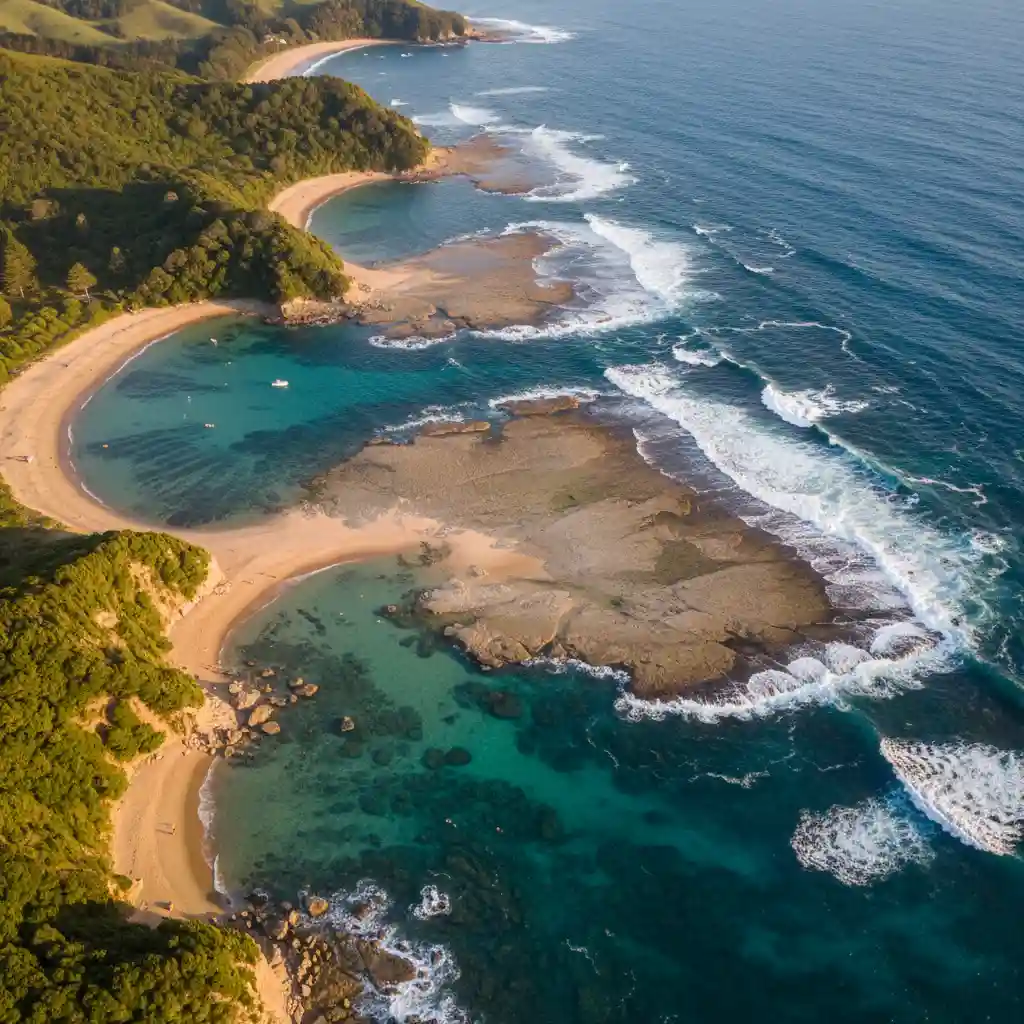
Dog Restrictions on the Beach
Pet owners must be acutely aware of the restrictions regarding dogs at Goat Island. The reserve is not just a marine sanctuary; the adjacent land is often a haven for shorebirds.
Where Are Dogs Allowed?
Generally, dogs are not permitted on the foreshore or the beach within the reserve area. This rule is in place primarily to protect nesting shorebirds like the New Zealand Dotterel and the Variable Oystercatcher, which nest on the ground and are highly vulnerable to predation or disturbance by dogs. Even a well-behaved dog on a leash can cause stress to these birds.
However, rules can vary slightly depending on the specific council bylaws regarding the parking area and access roads. Always check the signage at the arrival gate. If you are visiting, it is best to leave your dog at home. Leaving dogs in cars during the hot New Zealand summer is dangerous and can result in animal welfare prosecution.
Boating and Anchoring Rules
Boaters are welcome to transit through and enjoy the reserve, but specific rules apply to navigation and anchoring to prevent damage to the reef structures.
Speed Limits
Under maritime law, vessels must not exceed 5 knots within 200 meters of the shore or within 50 meters of any other vessel or person in the water. Given that Goat Island is a high-density area for snorkelers and divers, maintaining a low speed is critical for safety. Skippers must keep a vigilant watch for divers’ flags and swimmers who may have ventured further out than expected.
Anchoring Restrictions
While anchoring is not strictly banned in all parts of the reserve, it is heavily discouraged near the reef to prevent physical damage to the seabed. Anchors and chains can smash delicate coral, sponge gardens, and kelp forests. If you must anchor, ensure you are over sand. It is preferable to drift-fish (outside the boundary) or use a mooring if available. Dragging an anchor through the reserve is a surefire way to damage the ecosystem you are there to enjoy.
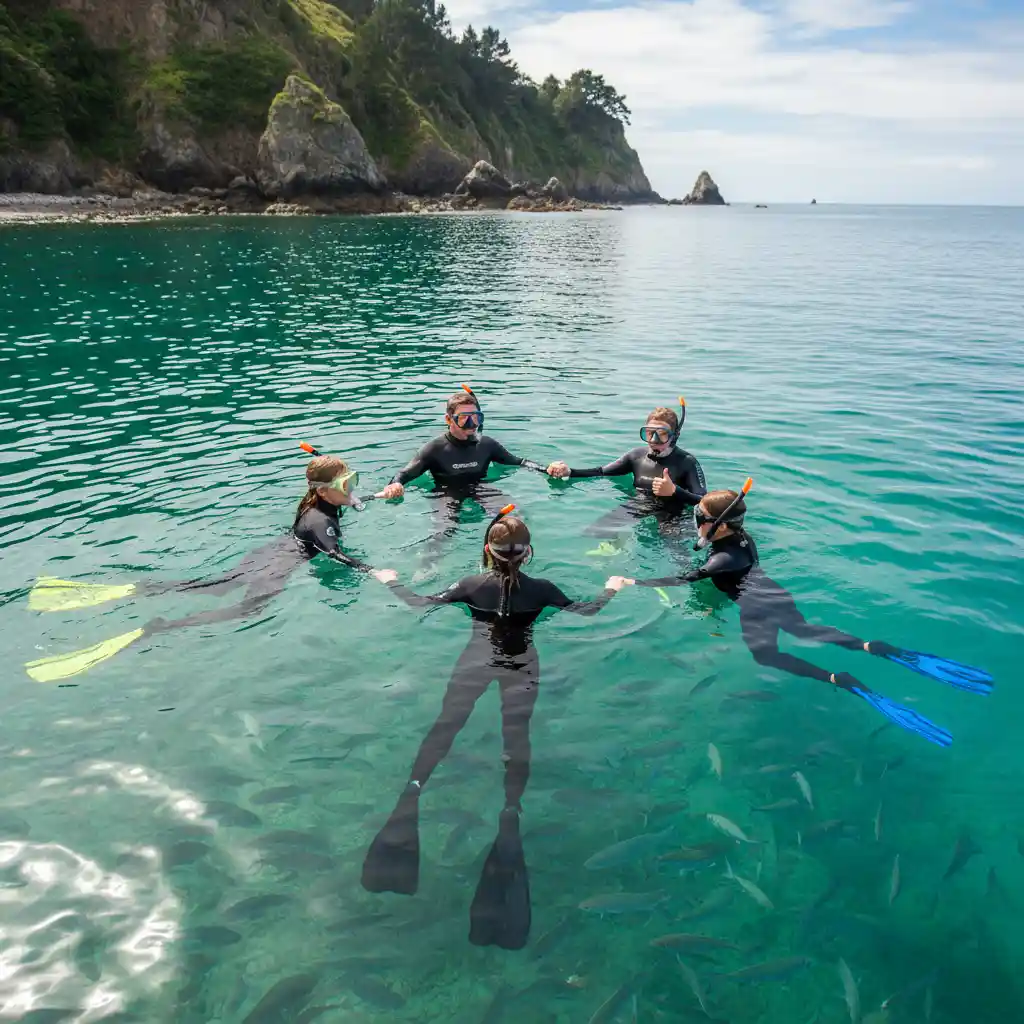
Penalties and Enforcement
The Department of Conservation takes the enforcement of Goat Island Marine Reserve rules very seriously. Rangers patrol the area frequently, both on land and via boat.
Fines and Prosecution
Failure to comply with the Marine Reserves Act 1971 can result in severe penalties.
Seizure of Gear: Rangers have the authority to seize any equipment used in an offense. This includes fishing rods, dive gear, and even the boat or vehicle used to transport the offender.
Monetary Fines: Fines for fishing in a marine reserve can be substantial. Offenders can face prosecution with maximum penalties reaching up to $250,000 or imprisonment, although typical fines for recreational poaching are usually in the thousands of dollars plus a criminal conviction.
Reporting Suspicious Activity
The success of the reserve relies on the community. If you see someone fishing, taking shellfish, or dumping waste within the reserve, you should report it immediately. You can contact the 0800 DOC HOT (0800 362 468) emergency line. Do not confront offenders yourself; observe, record details (boat registration, description of persons), and report to the authorities.
Conclusion: The Value of Protection
The strict rules at Goat Island are not designed to ruin your fun; they are the reason the fun exists. The abundance of large snapper, crayfish, and schooling fish is a direct result of decades of strict protection. By adhering to the no-take, no-feed, and low-impact regulations, visitors ensure that this window into pristine New Zealand marine life remains open. Whether you are a local or an international tourist, respecting these rules is your contribution to the preservation of New Zealand’s blue backyard.
People Also Ask
Can you take shells from Goat Island?
No, you cannot take shells, rocks, driftwood, or sand from Goat Island Marine Reserve. All natural materials are protected to maintain the ecosystem’s integrity.
Is entry to Goat Island Marine Reserve free?
Yes, entry to the Goat Island Marine Reserve is free for all visitors. However, parking can be limited during peak summer months, and commercial glass-bottom boat tours charge a fee.
Can you fish near Goat Island?
You can fish outside the marine reserve boundaries. The reserve extends 800 meters from the shore. You must ensure you are well outside this zone before deploying any fishing gear, and GPS is recommended to avoid accidental encroachment.
Why are dogs not allowed at Goat Island?
Dogs are restricted to protect nesting shorebirds and local wildlife. The scent and presence of dogs can disturb birds like Dotterels and Penguins, causing them to abandon their nests or young.
Do I need a permit to snorkel at Goat Island?
No, you do not need a permit for recreational snorkeling or diving. You are free to explore the water provided you do not touch, take, or disturb the marine life.
What happens if you get caught fishing in a marine reserve?
If caught fishing, you may face seizure of your fishing gear, boat, and vehicle. You can be prosecuted under the Marine Reserves Act, leading to a criminal conviction and fines potentially reaching thousands of dollars.