
When visiting Goat Island Marine Reserve, essential items to bring include snorkeling gear (mask, snorkel, fins), a thick wetsuit (5mm-7mm) for New Zealand’s temperate waters, and reef-safe sunscreen. You must pack all food and drinking water as there are no shops directly on the beach. Additionally, bring warm layers for after swimming, a picnic blanket, and a waterproof camera.
Goat Island, officially known as the Cape Rodney-Okakari Point Marine Reserve, is New Zealand’s first marine reserve and a premier destination for witnessing abundant sea life. However, its status as a protected sanctuary and its somewhat remote location mean that preparation is vital. Unlike commercialized beaches, you cannot simply buy what you forgot upon arrival. A successful trip requires strategic packing to ensure safety, comfort, and compliance with conservation rules.
This comprehensive guide details exactly what to bring to Goat Island to maximize your experience, whether you are an experienced diver or a family looking for a casual snorkel.
Snorkel Gear Essentials
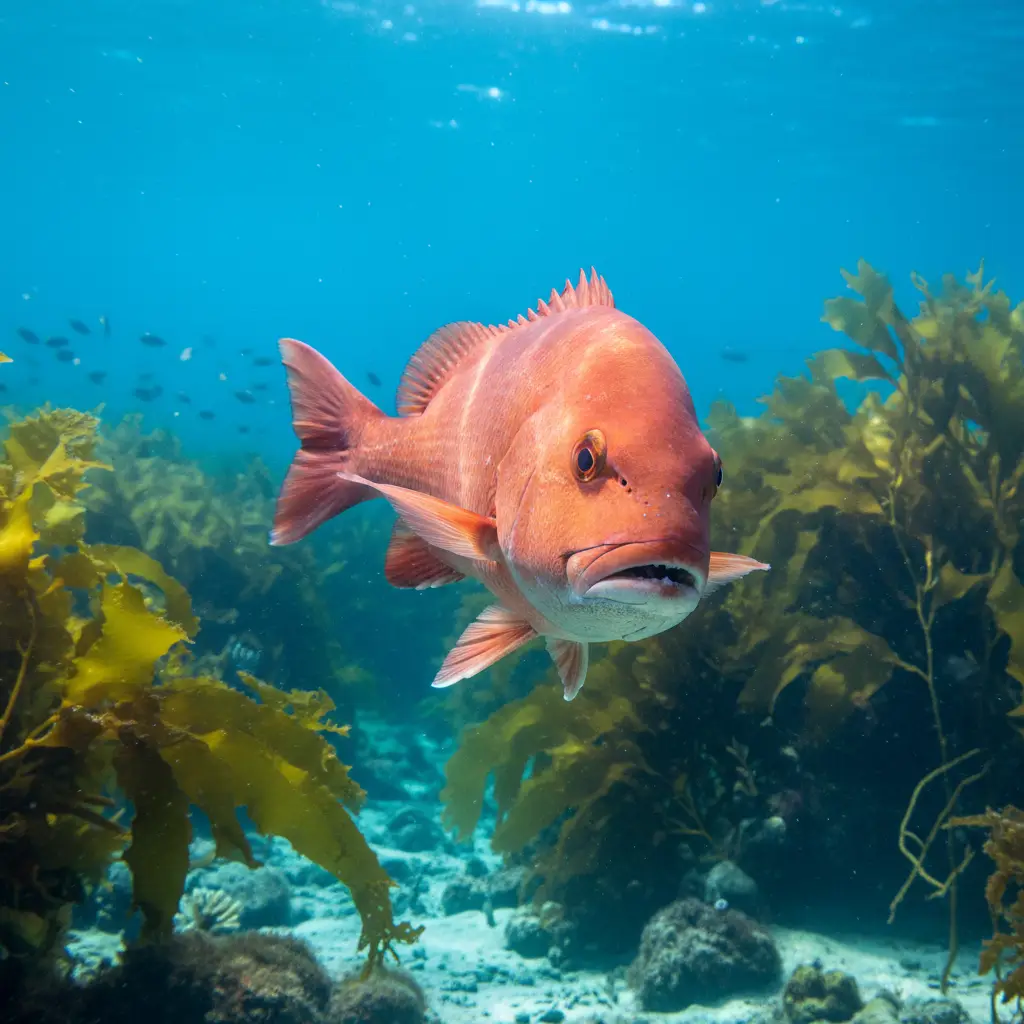
The primary attraction at Goat Island is the underwater world. The reserve is teeming with Snapper (Tāmure), Blue Maomao, and Crayfish. To see them clearly and safely, your snorkeling equipment is the most critical part of your packing list. While there are rental shops nearby (at the top of the hill or in Leigh), bringing your own gear ensures a better fit and hygiene.
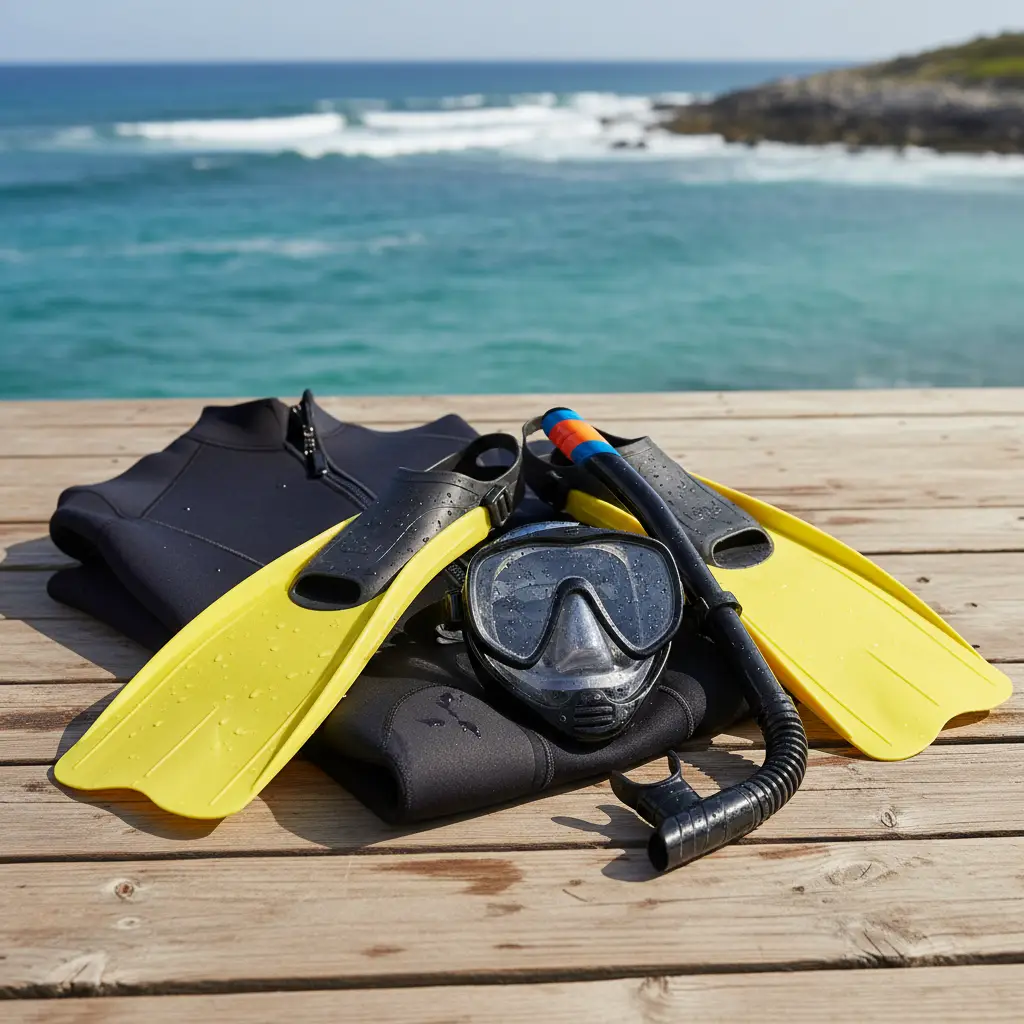
The Right Mask and Snorkel
A leaking mask can ruin a snorkeling trip. When choosing a mask to bring to Goat Island, prioritize a high-quality silicone skirt over cheap PVC. Silicone creates a better seal against the face and is more comfortable for long duration swims. If you have vision issues, consider investing in a prescription mask, as contact lenses can sometimes wash out in saltwater.
Pro Tip: Bring a small bottle of “mask defog” or baby shampoo. The temperature difference between the air and the cool NZ ocean often causes masks to fog up instantly, obscuring your view of the fish.
Fins are Non-Negotiable
Visitors often ask, “Do I really need fins?” The answer is yes. Even on calm days, currents can move through the channel between the beach and the island. Fins provide the propulsion necessary to swim against currents without exhaustion. They also allow you to hover over reefs without using your hands, which is crucial for protecting the marine environment.
Wetsuits: Understanding NZ Water Temperatures
One of the most common mistakes tourists make is underestimating the coldness of the water. New Zealand is not the tropics. Even in the height of summer (February), water temperatures at Goat Island rarely exceed 20°C (68°F).
- Summer (Dec-Mar): A 3mm to 5mm wetsuit is recommended. Shorty wetsuits may suffice for quick dips, but full-length suits offer protection from stingers and rocks.
- Winter/Shoulder Season (Apr-Nov): A 7mm wetsuit with a hood is standard. The water can drop to 14°C (57°F).
If you do not own a wetsuit, you can rent one from the local dive operators, but arriving early is essential as sizes run out on busy weekends.
Sun Protection (Reef Safe)
New Zealand’s sun is notoriously harsh due to the thinner ozone layer in this region. Burn times can be as short as 10 minutes. However, because Goat Island is a protected marine ecosystem, the type of sun protection you use matters immensely.
Why Reef-Safe Sunscreen?
Chemical sunscreens containing oxybenzone and octinoxate have been proven to bleach coral and harm marine life, including the delicate larvae of fish and invertebrates found in the reserve. When packing for Goat Island, check your labels.
Look for mineral-based sunscreens that use Zinc Oxide or Titanium Dioxide as the active ingredients. These sit on top of the skin rather than absorbing into it, providing a physical barrier against UV rays without leaching toxic chemicals into the water.
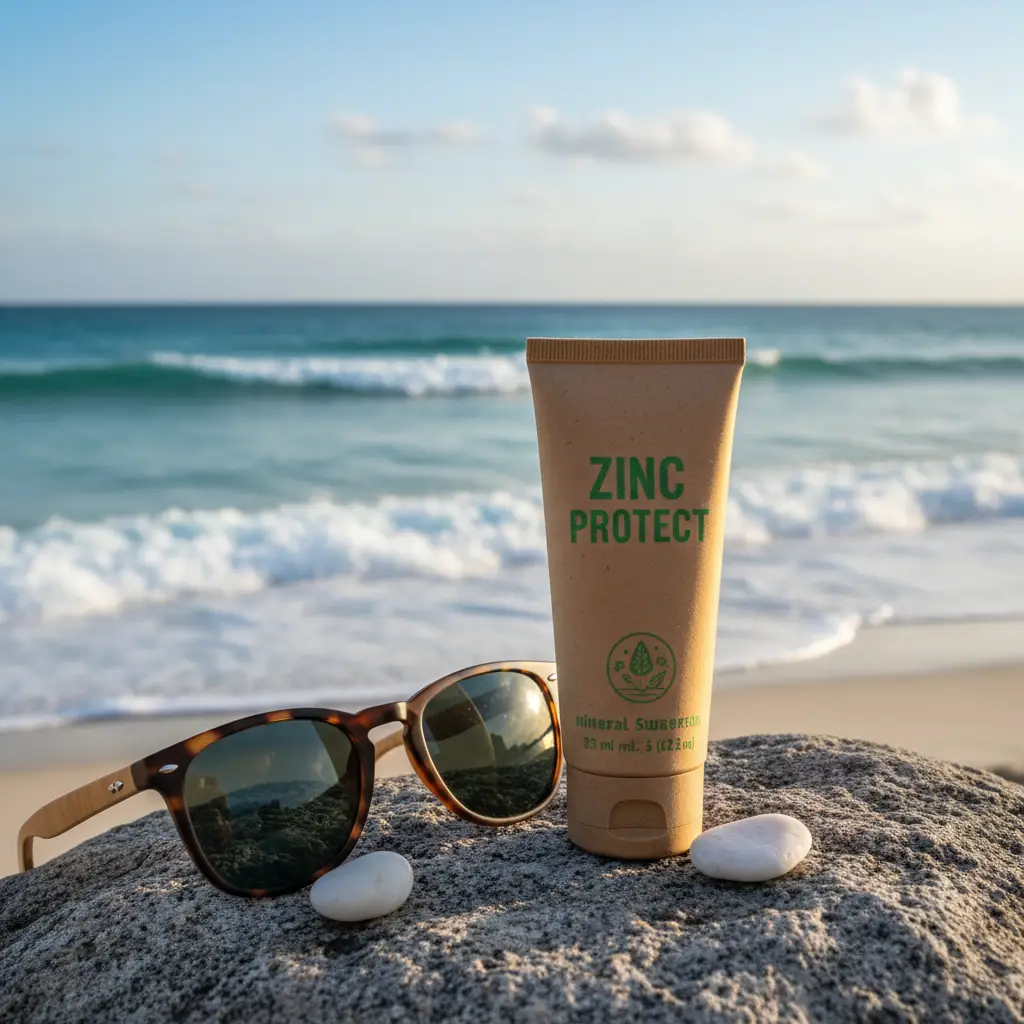
Physical Barriers
Sunscreen washes off eventually. The most effective protection is clothing. Include these items in your bag:
- Rash Guard (Rashie): A UV50+ swim shirt is excellent for snorkeling if you aren’t wearing a wetsuit.
- Broad-Brimmed Hat: Essential for the time spent on the beach before and after swimming.
- Polarized Sunglasses: These cut the glare on the water’s surface, allowing you to spot fish from the shore or the glass-bottom boat.
Warm Clothing for After Swimming
Hypothermia is a genuine risk, even in summer, if you stay in the water too long and get out into a breeze. The “after-swim” kit is just as important as the swim gear itself.
The Wind Chill Factor
Goat Island is exposed to coastal winds. Once you exit the water, the evaporation process cools your skin rapidly. You need to stop this process immediately to warm up.
Layering Strategy
Pack the following to ensure you warm up quickly:
- Woolen Beanie: A significant amount of body heat is lost through the head. Putting on a beanie immediately after a dive is a trick used by local divers.
- Windbreaker or Parka: A waterproof or windproof outer shell prevents the sea breeze from cutting through your clothes.
- Fleece or Hoodie: A thick mid-layer traps body heat.
- Dry Underwear: Changing out of wet swimwear immediately is crucial for comfort and health.

Food and Water Checklist
There are no cafés, convenience stores, or vending machines on the beach at Goat Island. The nearest food is at the top of the hill (often crowded) or in the township of Leigh, a few kilometers away. For a stress-free day, you must be self-sufficient.
Hydration is Key
Snorkeling is physically demanding, and breathing dry air through a snorkel dehydrates you faster than you realize. You may not feel thirsty while in the cool water, but your body needs fluids.
- Water Requirement: Pack at least 2 liters of water per person for a full day.
- Electrolytes: Consider bringing sports drinks or electrolyte powder to replenish salts lost during physical activity.
Picnic Essentials
The grassy area behind the beach is perfect for a picnic. However, beware of the seagulls—they are aggressive and will steal food from unmonitored bags.
- High-Energy Snacks: Muesli bars, bananas, and nuts provide quick energy for swimming.
- Lunch: Sandwiches, wraps, or pasta salads are easy to transport. Avoid foods that require heating as open fires and gas cookers may be restricted depending on the fire season status.
- Rubbish Bags: Goat Island operates on a “Pack In, Pack Out” philosophy. There are limited bins, and they often overflow. Be a responsible tourist and bring a sturdy bag to take your trash home with you.
Comfort and Logistics Items
Beyond the survival essentials, a few comfort items can transform a rugged trip into a luxurious day out.
Seating and Shelter
The beach at Goat Island is not soft white sand; it consists of stones, pebbles, and broken shells. Lying directly on the ground can be uncomfortable.
- Reclining Beach Chairs: Low-profile chairs are a game-changer for sitting on the rocky shore.
- Thick Picnic Blanket: If you don’t have chairs, a blanket with a waterproof backing provides cushioning and keeps dampness away.
- Beach Shelter/Umbrella: Shade is scarce on the beach itself. A pop-up sun tent provides a refuge from the UV rays, especially for young children.
Underwater Photography
You will regret it if you don’t bring a camera. The fish at Goat Island are habituated to humans and often swim right up to your mask.
- Waterproof Camera/GoPro: Ensure you have a floating wrist strap. If you drop your camera in deep water, it’s gone.
- Waterproof Phone Pouch: If you don’t have a GoPro, a high-quality waterproof pouch for your smartphone can work for shallow wading, though it is riskier.
What NOT to Bring (Marine Reserve Rules)
Understanding what to leave behind is just as important as what to pack. Goat Island is a “No Take” marine reserve, strictly enforced by the Department of Conservation (DOC).
- Fishing Gear: Absolutely no fishing rods, spears, hooks, or nets. Having these in your car can even raise suspicion.
- Collection Buckets: You cannot take anything from the reserve. This includes seashells, rocks, seaweed, and driftwood. Leave the environment exactly as you found it.
- Dogs: Dogs are generally not permitted on the beach or in the reserve to protect local birdlife, including Dotterels and Penguins. Leave pets at home.
- Drones: Drone use is often restricted in conservation areas and over crowds of people. Check current Civil Aviation Authority (CAA) and DOC regulations before packing a drone.
People Also Ask (PAA)
Is there food available at Goat Island?
There are no food vendors directly on the beach. There is sometimes a small shop or cafe near the upper car park or the Discovery Center, but hours vary seasonally. It is highly recommended to bring your own food and water. The nearest reliable shops are in Leigh (5 minutes away) or Matakana (15 minutes away).
Do I need a wetsuit for Goat Island?
Yes, a wetsuit is highly recommended year-round. Even in summer, the water temperature averages 20°C (68°F), which can lead to a chill after 15-20 minutes of snorkeling. A wetsuit also provides buoyancy (making swimming easier) and protection against jellyfish stings or rocky scrapes.
Can I take shells from Goat Island?
No. Goat Island is a protected Marine Reserve. It is illegal to remove anything natural, including shells, rocks, sand, seaweed, or fish. Heavy fines apply for removing marine life or natural materials.
Is Goat Island safe for children?
Generally, yes, but caution is required. The beach is rocky, not sandy, so sturdy footwear is helpful. The water is usually calm, but currents can exist further out. Children should always be supervised, wear flotation devices if they are not strong swimmers, and stay close to the shore.
What is the best time of day to visit Goat Island?
The best time to visit is early in the morning (before 10:00 AM). This secures you a parking spot (which fills up rapidly in summer) and usually offers the calmest water conditions with the best visibility before the afternoon sea breezes pick up.
Are there toilets and changing rooms at Goat Island?
Yes, there is a toilet block and changing facilities located near the main car park and the walkway down to the beach. There are also outdoor showers to rinse off saltwater, though they are cold water only.