
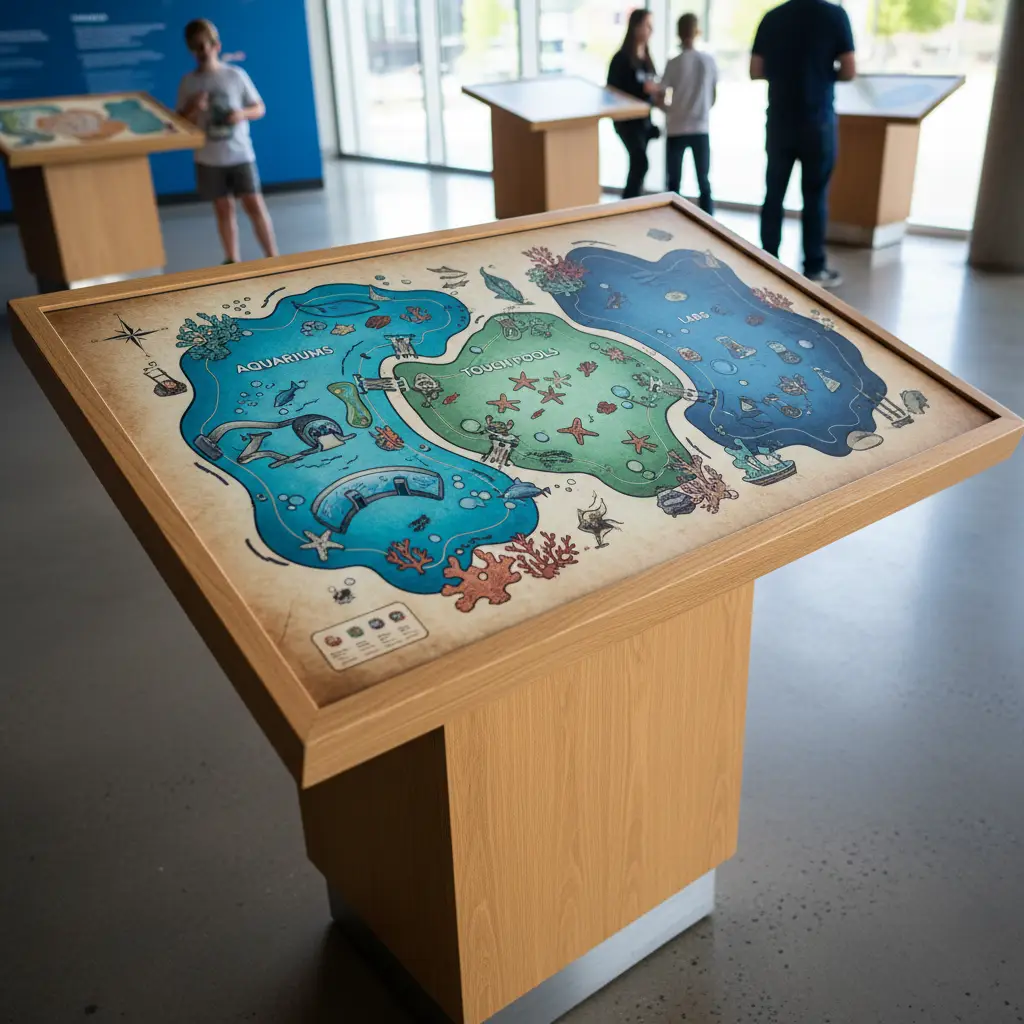
A Marine Discovery Centre map acts as an essential navigational tool for visitors, outlining specific zones such as interactive touch pools, deep-sea aquariums, and research laboratories. It details the facility’s layout to optimize traffic flow, highlights accessibility routes, and locates key amenities like restrooms and parking areas for a seamless educational experience.
Navigating with the Marine Discovery Centre Map
When visiting a premier educational facility like the Marine Discovery Centre in New Zealand, having a clear understanding of the layout is crucial for maximizing your time. The marine discovery centre map is not just a floor plan; it is a curated guide through the diverse ecosystems of New Zealand’s coastal waters. Most visitors begin their journey at the main entrance, which typically leads directly into the introductory zones before branching off into specialized habitats.
The map is generally divided into four distinct quadrants to facilitate visitor flow and learning progression:
- The Coastal Zone: Usually near the entrance, featuring rocky shore inhabitants.
- The Deep Water Hall: Housing larger tanks with pelagic species.
- The Interactive Lab: A hands-on area for microscopic discovery.
- The Theatre and Library: Spaces dedicated to audiovisual learning and quiet study.
By consulting the map prior to arrival or immediately upon entry, families and tour groups can prioritize high-traffic areas like the touch tanks during quieter times, ensuring a more intimate encounter with the marine life.
Interactive Exhibits and Zones
The core appeal of the Centre lies in its ability to bring the underwater world to eye level. The layout is designed to take visitors on a journey from the shallow tidal zones down to the darker depths of the continental shelf.
The Rocky Shore Touch Pools
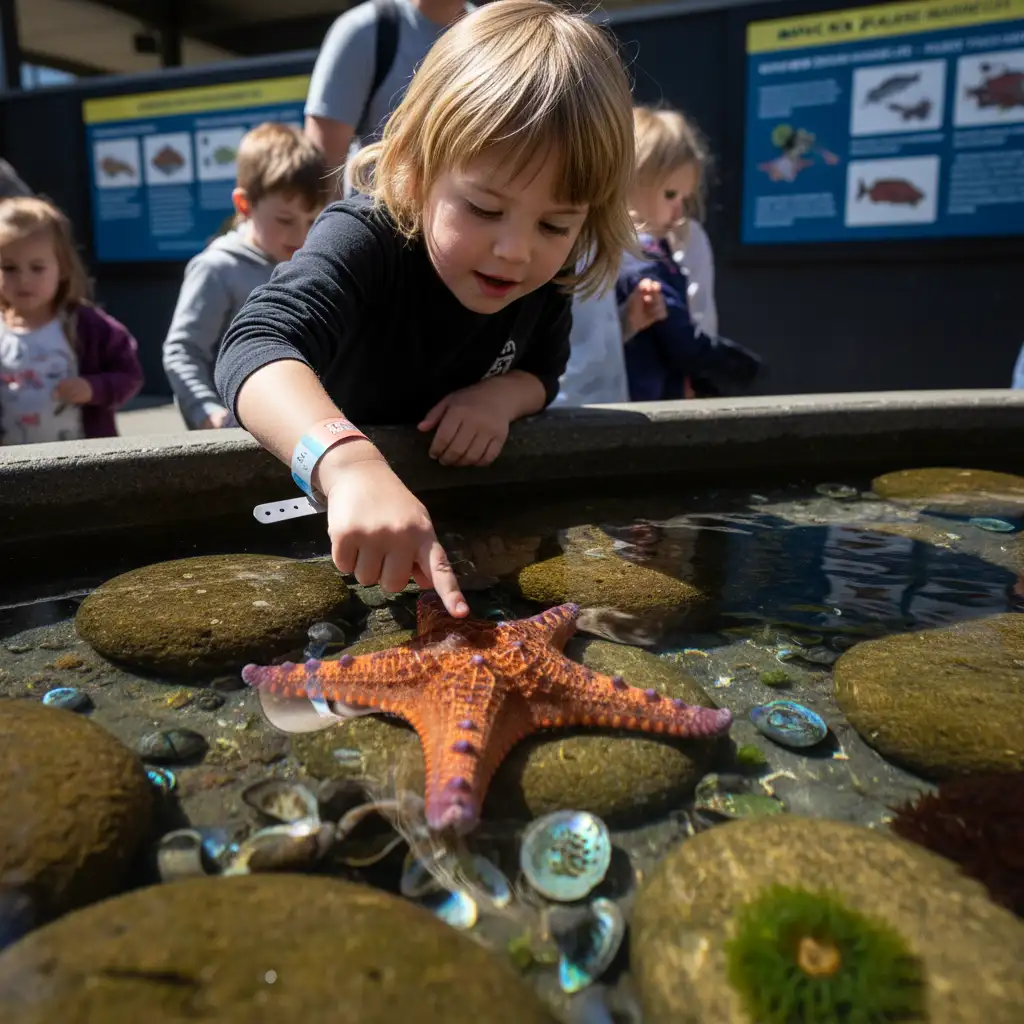
Often the most popular feature on the marine discovery centre map, the touch pools allow visitors to physically connect with hardy intertidal species. Under the guidance of marine educators, you can gently interact with sea stars, sea urchins (kina), and various anemones. This zone is designed to simulate the New Zealand rock pools found at low tide, providing a tactile learning experience that fosters empathy for these resilient creatures.
The Kelp Forest Tank
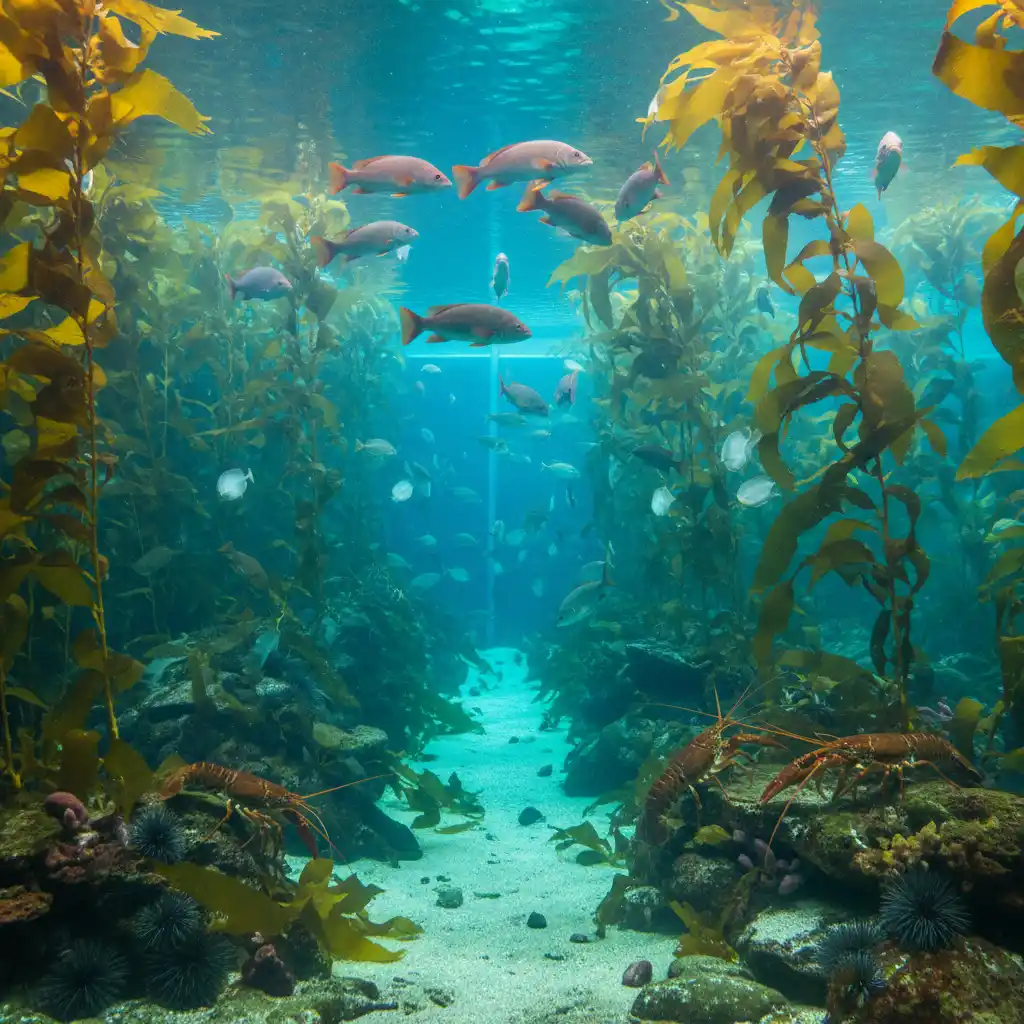
New Zealand’s sub-tidal reefs are dominated by lush kelp forests, which serve as nurseries for many fish species. The main viewing tank usually features a towering display of seaweed swaying in the current, housing species such as Snapper (Tāmure), Blue Cod (Rāwaru), and the inquisitive Leatherjacket (Kōkiri). The map will locate this as a central hub, often with tiered seating for visitors to watch feeding demonstrations.
The Micro-World Laboratory
Distinct from standard aquariums, a Discovery Centre emphasizes science and research. The laboratory zone features high-powered microscopes connected to large screens. Here, the map guides you to stations where you can view plankton, brine shrimp, and the intricate structures of sand and shells. This area is pivotal for understanding the base of the marine food web.
Opening Hours and Entry Fees
To ensure a smooth visit, it is essential to check the current operational schedule. Marine Discovery Centres in New Zealand often operate on seasonal hours to accommodate school terms and peak tourist seasons.
Standard Opening Hours:
- Daily: 10:00 AM – 4:30 PM
- Closed: Christmas Day and Good Friday
- Last Entry: Usually 30 minutes before closing.
Entry Fees and Ticketing:
Most centres operate as non-profit or university-affiliated entities, keeping entry fees reasonable to encourage education.
- Adults: Typically range between $10 – $20 NZD.
- Children (5-15 years): Often discounted to $5 – $10 NZD.
- Under 5s: Usually Free.
- Family Pass: Bundled tickets (2 Adults + 2 Children) are available and offer the best value.
Pro Tip: Check the website for special holiday programs or guided snorkeling tours that may require separate booking and fees.
Parking for the Centre
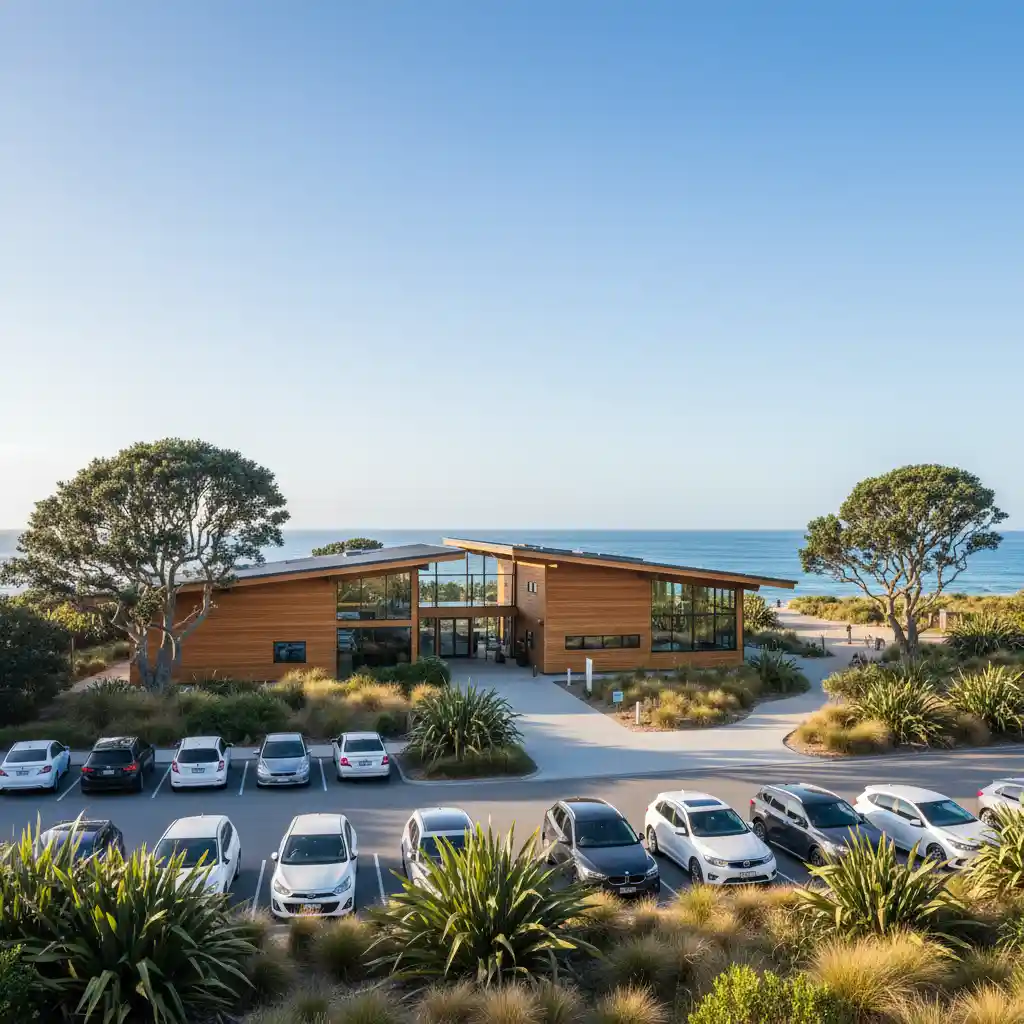
Given that many marine reserves and discovery centres are located in coastal areas slightly removed from city centres (such as the facility at Goat Island near Leigh), planning your transport is vital. The marine discovery centre map often includes an inset or accompanying guide for the exterior grounds.
On-Site Parking Availability
Most centres provide dedicated parking lots for visitors. During peak summer months (December through February) and school holidays, these car parks can fill up rapidly by mid-morning.
- Main Car Park: Located immediately adjacent to the entrance, usually free of charge for centre visitors.
- Overflow Parking: Often available on grass verges or designated nearby reserves during high season.
- Bus/Coach Parking: Designated bays are available for school groups and tour buses; these must often be kept clear of passenger vehicles.
EV Charging Stations
With the rise of sustainable tourism in New Zealand, check if the facility offers EV charging. While not universal yet, many conservation-focused destinations are installing chargers to align with their environmental mission.
Accessibility Features
Marine Discovery Centres are committed to being inclusive spaces where everyone can learn about the ocean. The facility design prioritizes accessibility for visitors with mobility challenges, sensory sensitivities, and young families.
Wheelchair and Stroller Access
The entire facility is typically single-level or equipped with ramps and elevators. The pathways between aquarium tanks are wide enough to accommodate wheelchairs and double strollers comfortably. The marine discovery centre map explicitly marks:
- Accessible entry points (automatic doors).
- Ramp locations for any split-level exhibits.
- Accessible restrooms equipped with handrails and emergency buttons.
Sensory Information
Aquariums can sometimes be dark or noisy. However, discovery centres often have “quiet zones” or times designated for low-sensory impact. The lighting is generally subdued to mimic underwater environments, which can be calming, though flash photography is strictly prohibited to protect the fish.
Education and NZ Marine Conservation
A visit to the Centre is more than just looking at fish; it is an immersion into the principles of Kaitiakitanga (guardianship and protection). The exhibits are designed to educate locals and tourists about the fragile nature of New Zealand’s marine reserves.
Connection to University Research
Many centres, such as the one at Leigh, are attached to university marine laboratories. This means the information provided is cutting-edge scientific data. Displays often explain current research projects, such as the impact of climate change on kina barrens or the recovery rates of crayfish in protected reserves.
The Tiaki Promise
Visitors are encouraged to adopt the Tiaki Promise—caring for New Zealand. The centre provides actionable advice on how to reduce plastic usage, sustainable fishing practices, and how to behave when snorkeling or diving in the nearby marine reserves.
Tips for a Perfect Day Out
To make the most of your trip, consider these strategic tips:
- Time Your Visit: Arrive right at opening time (10:00 AM) to have the touch pools to yourself and to chat one-on-one with the marine educators.
- Check the Tide: If you plan to explore the real beach outside the centre, check the tide charts. Low tide is best for rock pooling, while high tide is better for snorkeling in the reserve.
- Bring Polarized Sunglasses: If you are walking along the jetty or coastal walkways outside the centre, polarized glasses help you see through the water’s surface to spot stingrays and fish from above.
- Download the Map: If a digital version of the marine discovery centre map is available on their website, save it to your phone to save paper and ensure you don’t miss hidden exhibits like the breeding tanks.
By utilizing the map and planning around the facility’s extensive resources, your visit will be an educational highlight, offering deep insights into the unique underwater biodiversity of Aotearoa.
What is the best time to visit the Marine Discovery Centre?
The best time to visit is typically on weekdays during the school term to avoid crowds. If visiting on weekends or holidays, arriving at 10:00 AM when the doors open ensures better access to the touch pools and staff attention.
Is there a cafe at the Marine Discovery Centre?
Most Marine Discovery Centres do not have full cafes inside the exhibit area to protect the equipment and animals. However, there are usually picnic areas outside and cafes located in the immediate vicinity or adjacent towns.
How long does it take to walk through the centre?
The average visit lasts between 60 to 90 minutes. This allows enough time to explore all exhibits, interact with the touch pools, watch a short educational film, and browse the library or gift shop.
Are dogs allowed at the Marine Discovery Centre?
No, dogs and other pets are not allowed inside the centre or in the adjacent marine reserve areas (except for certified service dogs) to protect the local wildlife, including shorebirds and penguins.
Can I take photos inside the exhibits?
Yes, photography is generally permitted and encouraged for personal use. However, the use of flash is strictly prohibited as it stresses the marine animals and can damage their eyes.
Is the Marine Discovery Centre suitable for toddlers?
Yes, the centre is very family-friendly. Toddlers enjoy the visual stimulation of the tanks and the tactile experience of the touch pools, provided they are supervised to ensure they handle marine life gently.