
To book a Marine Discovery Centre group tour, navigate to the official booking portal or contact the education coordinator directly via email. You must select your specific package type—such as curriculum-aligned school programmes or private guided experiences—and submit an enquiry form detailing your group size, preferred dates, and specific learning objectives to secure your reservation.
New Zealand’s marine biodiversity is globally unique, offering an unparalleled classroom for students, corporate teams, and private groups. Securing a spot at the Marine Discovery Centre ensures an immersive, hands-on educational experience that connects visitors directly with the underwater world of Aotearoa. Whether you are organizing a school field trip focused on NCEA biology standards or a private corporate retreat centered on sustainability, understanding the booking process is the first step toward an unforgettable aquatic adventure.
Why Book a Marine Discovery Centre Group Tour?
Booking a group tour at the Marine Discovery Centre offers far more than a standard aquarium visit. It provides exclusive access to marine scientists and educators who guide you through the intricacies of New Zealand’s coastal ecosystems. Unlike general admission, a pre-booked group tour guarantees a structured itinerary tailored to the interests and knowledge level of your attendees.
For New Zealand domestic tourism, these tours are a cornerstone of environmental education. They foster a deep appreciation for our “Blue Backyard,” emphasizing conservation, sustainability, and the protection of marine reserves. By booking a dedicated slot, your group avoids the crowds, ensuring unobstructed views of the exhibits and personalized interaction with the marine life in the touch tanks.
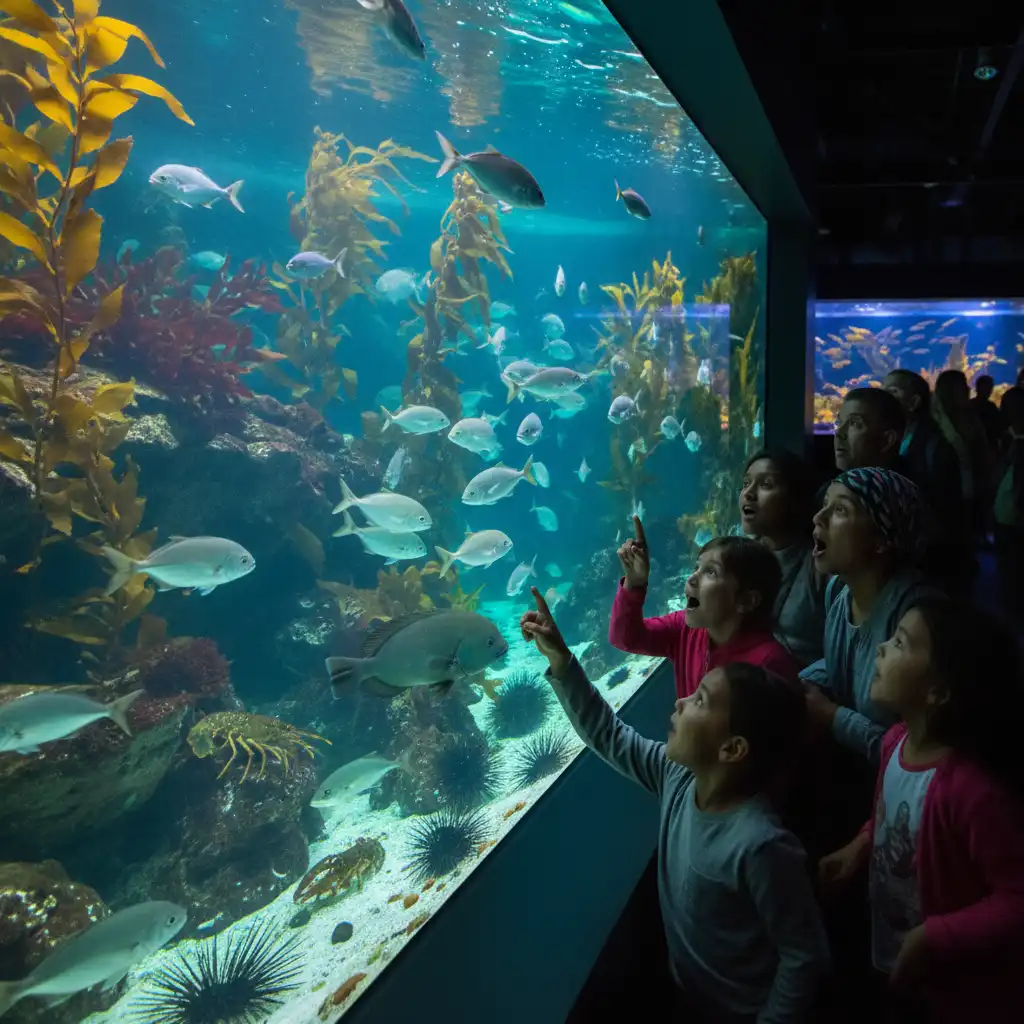
What Are the School Group Packages?
School group packages are the most popular offering, specifically designed to align with the New Zealand Curriculum. Educators can book marine discovery centre group tour slots that cater to all age groups, from Early Childhood Education (ECE) right through to tertiary level studies.
Primary and Intermediate Programmes
For younger students, the focus is on engagement and sensory learning. The “Rocky Shore Discovery” package is a favorite, allowing students to interact with hardy intertidal species like sea stars, urchins, and hermit crabs. These tours emphasize:
- Adaptation: How animals survive in the harsh intertidal zone.
- Classification: Identifying basic marine groups (molluscs, crustaceans, echinoderms).
- Conservation: Simple steps students can take to protect the ocean.
Secondary and NCEA Alignment
For secondary schools, the tours become more rigorous and academic. Teachers looking to book marine discovery centre group tour sessions for Years 11–13 can request modules that support NCEA Biology and Geography standards. Common topics include:
- Marine Ecology: Sampling techniques and population distribution.
- Ocean Acidification: Lab-based experiments demonstrating the impact of pH changes on shell-building organisms.
- Sustainability Practices: In-depth discussions on fisheries management and marine reserves.
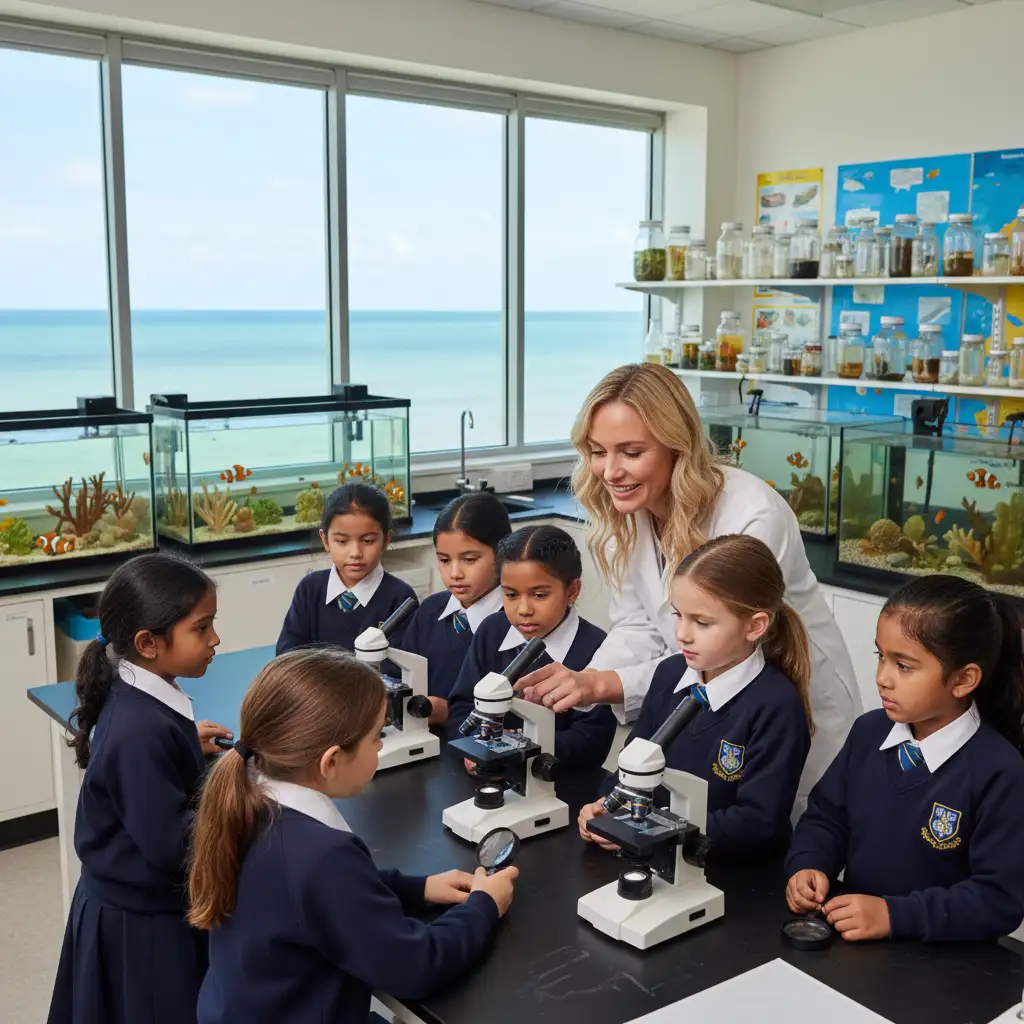
These packages often include access to the wet labs, where students can use microscopes to examine plankton and other microscopic life forms, bridging the gap between classroom theory and real-world application.
How Do Private Guided Tours Work?
Not all groups are academic. The Marine Discovery Centre also caters to private groups, including families, community organizations, and corporate teams. When you book a private tour, you are purchasing exclusivity and a bespoke narrative.
Corporate Team Building and CSR
Many New Zealand businesses are now incorporating environmental sustainability into their Corporate Social Responsibility (CSR) goals. A private tour can be tailored to focus on ocean health, microplastics, and corporate sustainability. It serves as an excellent team-building exercise that is both educational and relaxing. The calm environment of the marine centre provides a unique backdrop for strategic off-site meetings or team bonding.
Special Interest Groups
Whether it is a photography club wanting to capture the textures of sea anemones without the glare of public crowds, or a senior citizens’ group looking for an accessible, leisurely activity, private tours are flexible. Guides can adjust the pace and depth of information to suit the audience. For example, a tour for a history group might focus on the maritime history of the local area alongside the biological exhibits.
What Is Included in the Tour?
When you successfully book marine discovery centre group tour packages, the fee generally covers a comprehensive range of amenities and experiences designed to maximize value.
Guided Exhibit Walkthrough
Every group tour includes a guided walkthrough of the main aquarium gallery. An expert educator leads the group, providing commentary that isn’t available on the signage. They share behind-the-scenes stories about specific animals, explain the filtration systems that keep the water pristine, and answer questions in real-time.
Interactive Touch Tank Session
The highlight for many is the touch tank session. This is a supervised encounter where visitors can gently handle marine creatures. To ensure animal welfare, this is strictly controlled and only available via booked tours or specific scheduled times. It provides a tactile connection to nature that photos cannot replicate.
Resource Materials
For school groups, the booking often includes pre-visit and post-visit resource packs. These digital downloads help teachers prepare their students before arrival and consolidate learning back in the classroom. For private tours, souvenir guidebooks or fact sheets may be provided depending on the package selected.

How to Book and Understanding Costs
The process to book marine discovery centre group tour slots is designed to be streamlined, but it requires advance planning due to high demand, especially during school terms.
Step-by-Step Booking Guide
- Visit the Website: Navigate to the ‘Education’ or ‘Group Visits’ section of the Marine Discovery Centre website.
- Check Availability: Some centres have live calendars. If not, identify three potential dates that work for your group.
- Submit an Enquiry Form: Fill out the online request form. You will need to provide:
- Estimated number of attendees (students/adults).
- Preferred dates and times.
- Specific learning focus or package type.
- Any special needs or accessibility requirements.
- Receive Quote and Itinerary: The bookings coordinator will respond with a provisional hold on your date and a quote.
- Confirm and Deposit: To finalize the booking, a deposit (usually 20-50%) is often required, or a purchase order number for schools.
Cost Structure
Pricing varies depending on the nature of the group and the length of the session. Generally, school groups benefit from subsidized rates to encourage educational access.
- School Groups: Typically charged per student (e.g., $8–$15 NZD per head), with teachers and parent helpers often entering free at a specific ratio (e.g., 1 adult free per 6 students).
- Private Groups: Often charged a flat rate for the guide plus a per-person admission fee. Exclusive after-hours tours command a premium price.
- Minimum Numbers: Most group tours require a minimum number of participants (usually 10 or 15) to proceed. If your group is smaller, you may need to pay the minimum charge.
Logistics: Parking, Accessibility, and Safety
Ensuring a smooth visit involves looking at the logistics before you arrive. When you book marine discovery centre group tour experiences, the confirmation email will usually contain a RAMS (Risk Analysis and Management System) form, which is essential for school planning.
Accessibility
Modern Marine Discovery Centres in New Zealand are designed to be accessible. Ramps and elevators are standard to ensure wheelchair users can view all exhibits. However, some outdoor components, such as rocky shore exploration, may have terrain limitations. Always declare accessibility needs during the booking phase so the staff can modify the itinerary if necessary.
Parking and Arrival
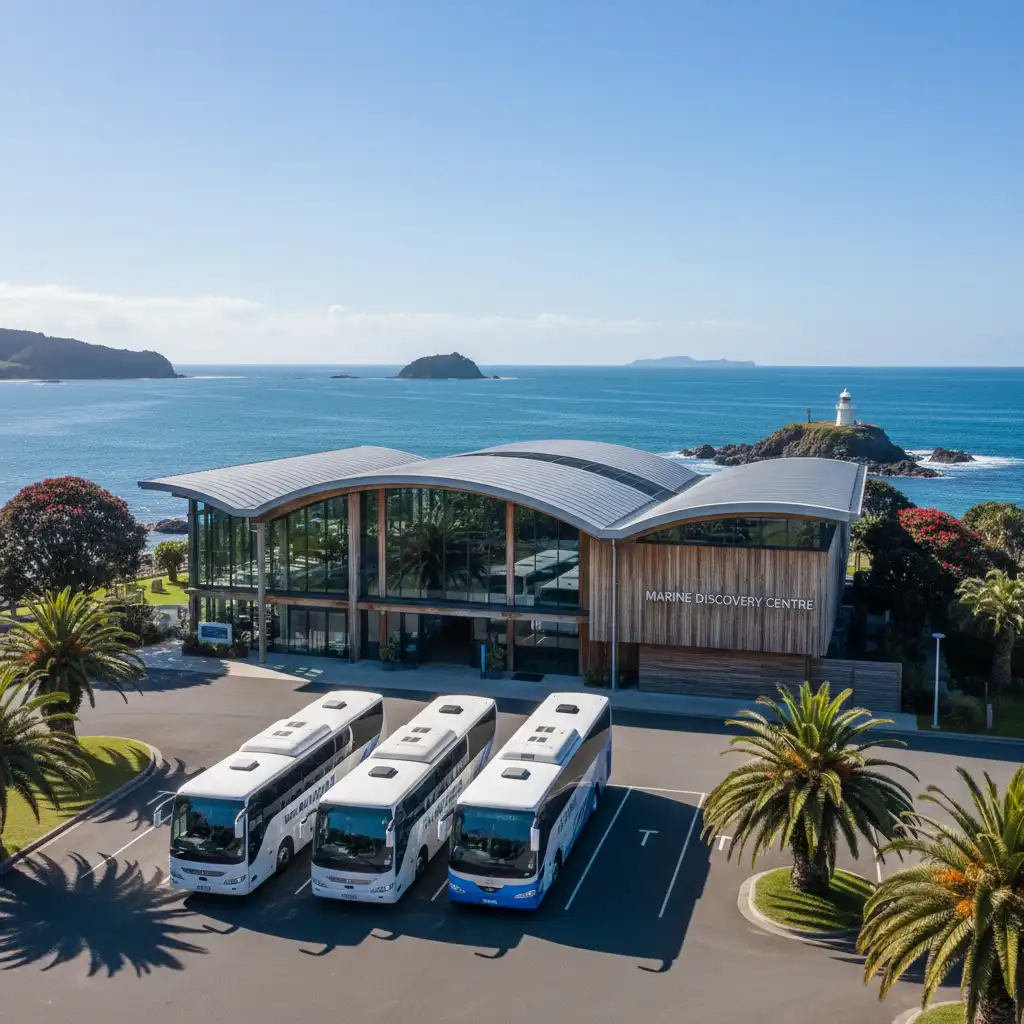
Bus parking is usually available but limited. It is critical to advise if you are arriving by coach so a bay can be reserved. Groups are asked to arrive 15 minutes prior to their scheduled start time to allow for a safety briefing and bag storage.
People Also Ask
How far in advance should I book a school group tour?
It is recommended to book at least one term in advance for school groups. Peak times, such as Seaweek or end-of-year activity weeks, can fill up 3-6 months ahead. Early booking ensures you get your preferred date and time slot.
Are there discounts for large groups?
Yes, most Marine Discovery Centres offer tiered pricing. Larger groups often receive a discounted per-head rate. However, for safety and quality of experience, very large groups may be split into smaller rotations.
Can we bring our own food for the group?
Most centres have designated outdoor picnic areas or indoor lunchrooms available for booked groups. You are generally welcome to bring packed lunches. Some centres also have on-site cafés that can provide catering if arranged in advance.
What happens if the weather is bad?
The Marine Discovery Centre is largely an indoor facility, making it an excellent all-weather activity. However, if your package includes an outdoor rocky shore walk, this portion may be cancelled or substituted with an indoor lab session during severe weather.
Is the tour suitable for toddlers or preschoolers?
Yes, specific ECE (Early Childhood Education) programmes are available. These are shorter in duration and focus on sensory play, storytelling, and visual engagement rather than detailed scientific explanations.
Do we need to pay a deposit to secure the booking?
Private groups usually require a deposit to secure the guide and the venue. Schools are often invoiced after the visit based on the actual number of students attending, though cancellation policies do apply.