
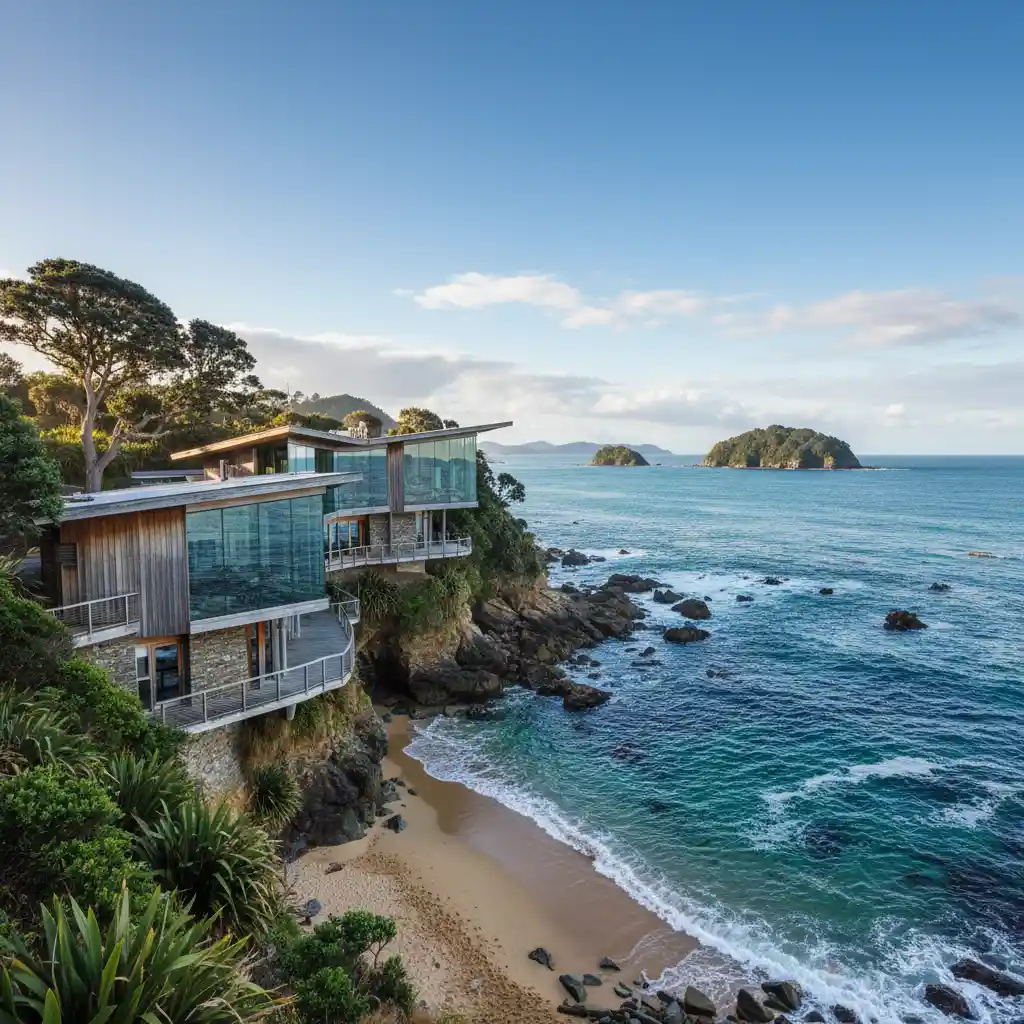
The Leigh Marine Laboratory Visitor Centre, widely known as the Goat Island Marine Discovery Centre, is the public educational wing of the University of Auckland’s marine campus. Located adjacent to New Zealand’s first marine reserve, it provides interactive exhibits, touch tanks, and detailed insights into local marine ecosystems, connecting advanced scientific research with public conservation education.
What is the Leigh Marine Laboratory Visitor Centre?
The Leigh Marine Laboratory Visitor Centre serves as a critical bridge between the academic world of marine science and the general public. While the Leigh Marine Laboratory itself is a dedicated research facility for the University of Auckland, access to the working laboratories is restricted to authorized personnel, scientists, and postgraduate students. However, recognizing the immense public interest in the adjacent Cape Rodney-Okakari Point Marine Reserve (commonly known as Goat Island), the University established the Marine Discovery Centre.
This visitor centre allows the public to engage with the science happening behind closed doors. It is designed to interpret the complex biological processes of the Hauraki Gulf and the wider Pacific Ocean into accessible, engaging formats for families, tourists, and school groups. By visiting the centre, guests gain an appreciation not just for the visible marine life found while snorkeling, but for the microscopic and systemic elements that sustain the ocean’s health.
What Can Visitors Experience at the Discovery Centre?
The visitor centre is meticulously curated to provide an immersive educational experience. It is not merely a museum but an active educational hub. The facility focuses on the unique biodiversity of New Zealand’s rocky reefs and the history of marine conservation in the region.
Interactive Exhibits and Touch Tanks
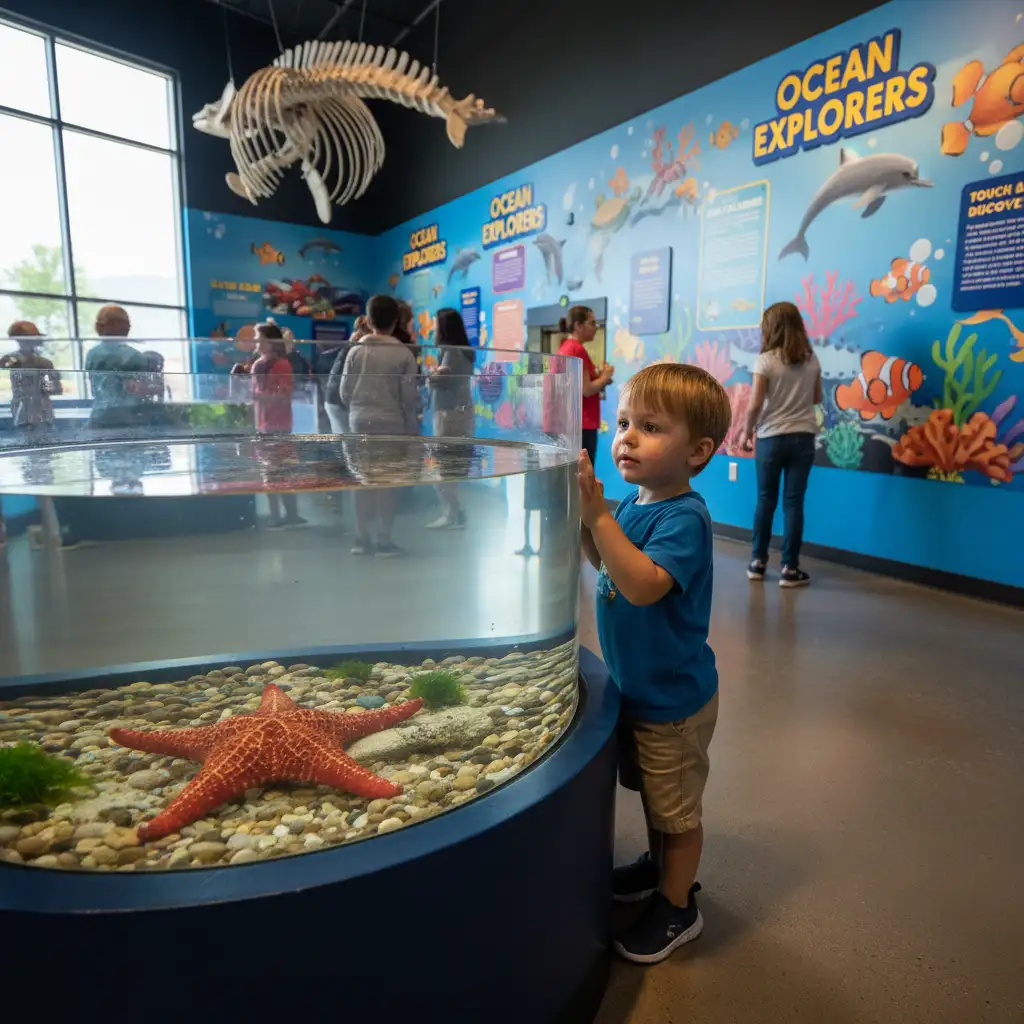
The highlight for most visitors is the interactive touch tank. This feature allows guests to get up close with hardy intertidal species such as sea stars, urchins, and anemones. Under the guidance of knowledgeable staff, visitors learn about the physiology of these creatures and their survival strategies in the harsh intertidal zone.
Beyond the touch tanks, the centre houses several aquarium tanks that replicate the local underwater environments. These displays often feature species that are difficult to spot from the surface, such as moray eels, crayfish (rock lobster), and cryptic reef fish. Detailed information panels explain the life cycles of these animals, their breeding habits, and the threats they face from environmental changes.
Educational Programs for Schools
A significant portion of the centre’s operations is dedicated to structured education. The Leigh Marine Laboratory visitor centre runs specialized programs for primary and secondary schools. These programs are aligned with the New Zealand curriculum, focusing on biology, sustainability, and conservation. Students often combine a session in the Discovery Centre with field work on the rocky shore or snorkeling in the reserve, effectively using the laboratory as a base for hands-on scientific inquiry.
How Does the University of Auckland Lead Marine Research?
The Leigh Marine Laboratory is arguably the most important marine research node in New Zealand. Established in the early 1960s, it played a pivotal role in the creation of the country’s first marine reserve. The proximity of the laboratory to a “no-take” marine zone provides scientists with a unique baseline environment—a control group—where natural ecosystems can be studied without the direct pressure of fishing.
History of the Leigh Marine Lab
The laboratory began as a small field station and has grown into a world-class campus. It was here that some of the earliest evidence regarding the “trophic cascade” effect was documented. Scientists observed that when large predators like snapper and crayfish were removed by fishing, kina (sea urchin) populations exploded, destroying kelp forests and creating “urchin barrens.” This research was instrumental in proving the biological value of marine reserves, not just for conservation, but for fisheries management.
Advanced Technology and Facilities
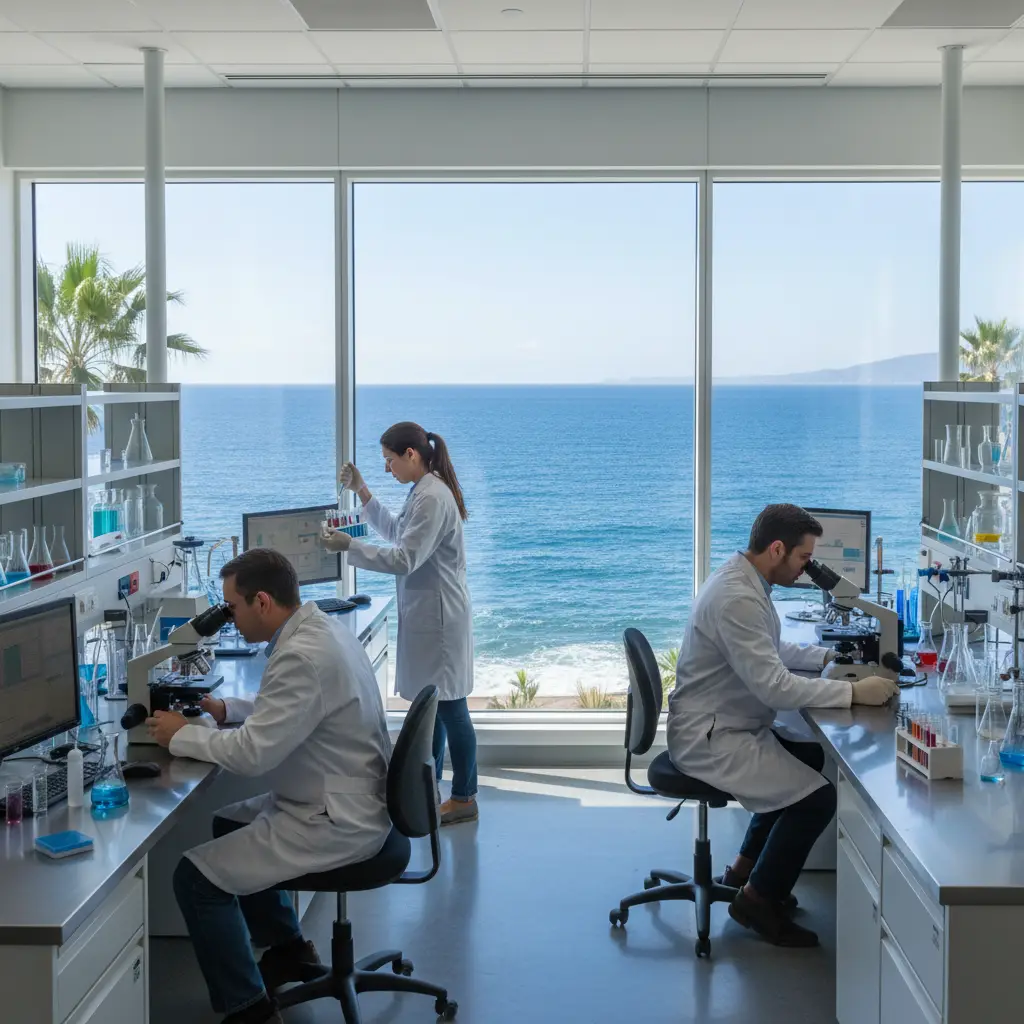
Today, the laboratory is equipped with state-of-the-art technology, including flowing seawater systems that allow researchers to manipulate environmental variables like temperature and acidity to simulate future climate scenarios. The facility also supports a fleet of research vessels and dive operations, enabling access to offshore islands and deep-reef environments.
What Current Scientific Projects Are Underway?
While visitors explore the public centre, groundbreaking science is occurring in the adjacent buildings. The University of Auckland’s research at Leigh often focuses on global issues with local applications.
Climate Change and Ocean Acidification
A major focus of current research is the impact of climate change on marine life. Scientists at Leigh are studying how rising sea temperatures and ocean acidification affect the growth and reproduction of key species like paua (abalone), snapper, and kingfish. By using the controlled seawater systems, researchers can predict how New Zealand’s fisheries might look in 50 or 100 years.
Underwater Acoustics
Another fascinating area of study is marine acoustics. The ocean is a noisy place, and sound is crucial for the survival of many marine animals. Researchers at the Leigh Marine Laboratory use hydrophones to listen to the “soundscape” of the reef. They study how anthropogenic noise (from boats and shipping) interferes with the communication of whales, dolphins, and even reef fish and crabs, which use sound to navigate and find mates.
Aquaculture Innovation
Sustainable aquaculture is vital for future food security. The lab conducts research into the breeding and farming of high-value species. This involves understanding the genetics and nutritional requirements of species like the Green-lipped mussel and King salmon to improve growth rates and resilience to disease without harming the surrounding environment.
Why is the Location at Goat Island Significant?
The Leigh Marine Laboratory’s location is its greatest asset. It sits on the edge of the Cape Rodney-Okakari Point Marine Reserve. Established in 1975, this was New Zealand’s first marine reserve and is one of the most studied patches of ocean in the world.
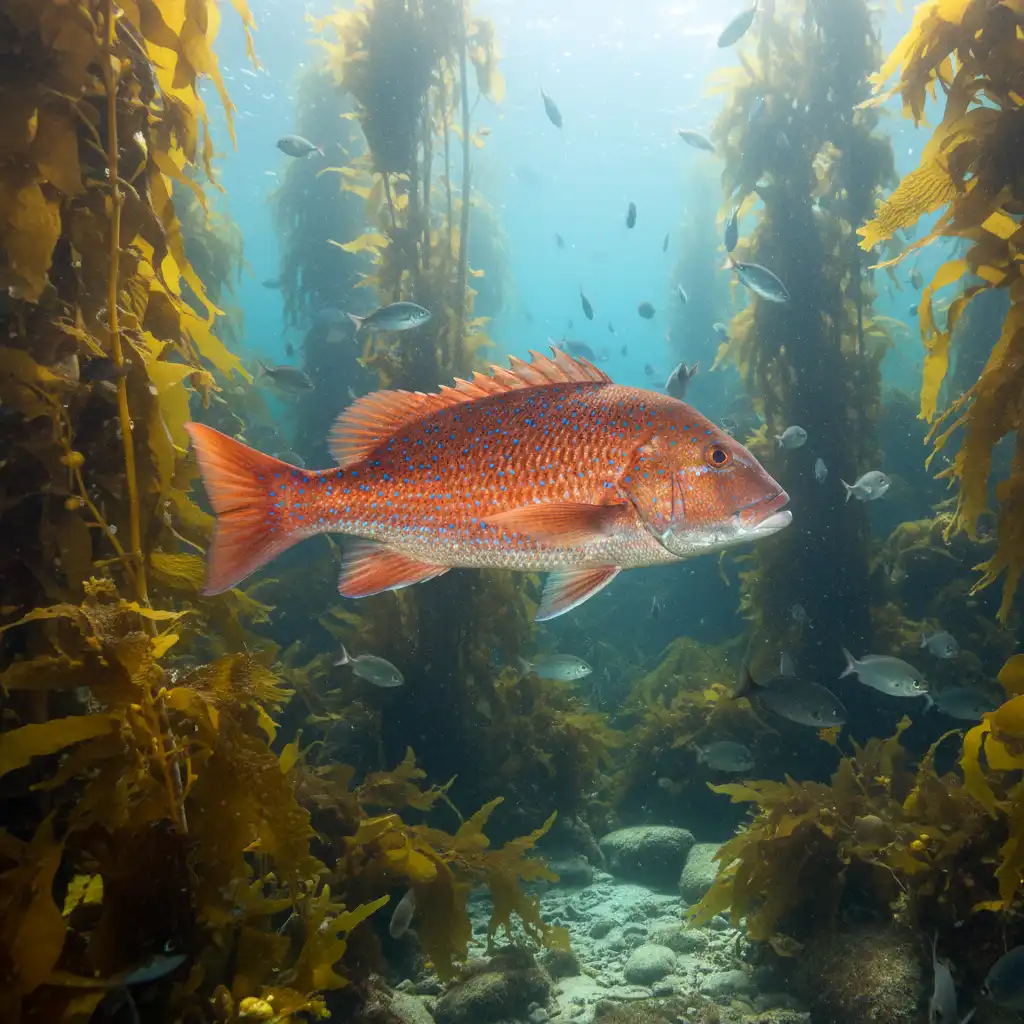
For the visitor centre, this location means that the “exhibits” are effectively right outside the door. The reserve acts as a living laboratory. The stark contrast between the lush kelp forests inside the reserve and the often barren reefs outside provides a powerful visual aid for education. The recovery of snapper and crayfish populations within the reserve has been a success story shared globally, drawing thousands of tourists annually who wish to swim with large, wild fish.
The synergy between the protected water and the research facility creates a feedback loop: the reserve protects the animals for study, the study proves the value of the reserve, and the visitor centre communicates this value to the public to ensure ongoing support for conservation.
How to Plan Your Visit to the Laboratory
If you are planning to visit the Leigh Marine Laboratory Visitor Centre, it is important to check the current operating hours as they can change seasonally. Generally, the Marine Discovery Centre is open to the public on weekends and public holidays, and daily during school holidays.
- Location: 160 Goat Island Road, Leigh, New Zealand. It is approximately an hour and a half drive north of Auckland City.
- Parking: There is public parking available at the Goat Island beach reserve. However, during peak summer months, this car park fills up very early in the morning.
- Admission: There is usually a small entry fee for the Discovery Centre which goes towards the maintenance of the displays and the care of the animals.
- Nearby Activities: Most visitors combine a trip to the centre with snorkeling or diving in the reserve. Glass-bottom boat tours are also available for those who prefer to stay dry while viewing the marine life.
For educational groups or large tours, booking in advance is essential to ensure staff availability for guided experiences.
Frequently Asked Questions
Is the Leigh Marine Laboratory open to the public?
The working research laboratory is generally closed to the public to protect ongoing experiments. However, the Marine Discovery Centre located at the same site is open to visitors, offering exhibits and educational displays about the research and local marine life.
How much does it cost to visit the Goat Island Marine Discovery Centre?
Admission prices can vary, but typically there is a small fee (e.g., around $9 for adults and $5 for children). It is best to check the official University of Auckland website for the most current pricing before your visit.
What research is conducted at the Leigh Marine Laboratory?
Research covers a wide range of marine sciences including climate change impacts, ocean acidification, underwater acoustics, aquaculture, marine conservation, and the ecology of rocky reef systems.
Can you snorkel at the Leigh Marine Laboratory?
You cannot snorkel inside the laboratory facilities, but the laboratory is located directly adjacent to the Goat Island Marine Reserve. This is one of New Zealand’s premier snorkeling and diving locations, accessible from the beach just down the road from the lab.
Where is the University of Auckland’s marine campus located?
The marine campus is located at Leigh, on the northeast coast of Northland, New Zealand. It overlooks the Cape Rodney-Okakari Point Marine Reserve (Goat Island).
What is the history of the Goat Island Marine Reserve?
Established in 1975, it was New Zealand’s first no-take marine reserve. It was created largely due to the efforts of scientists at the Leigh Marine Laboratory who needed a disturbed-free environment to study natural marine ecosystems.