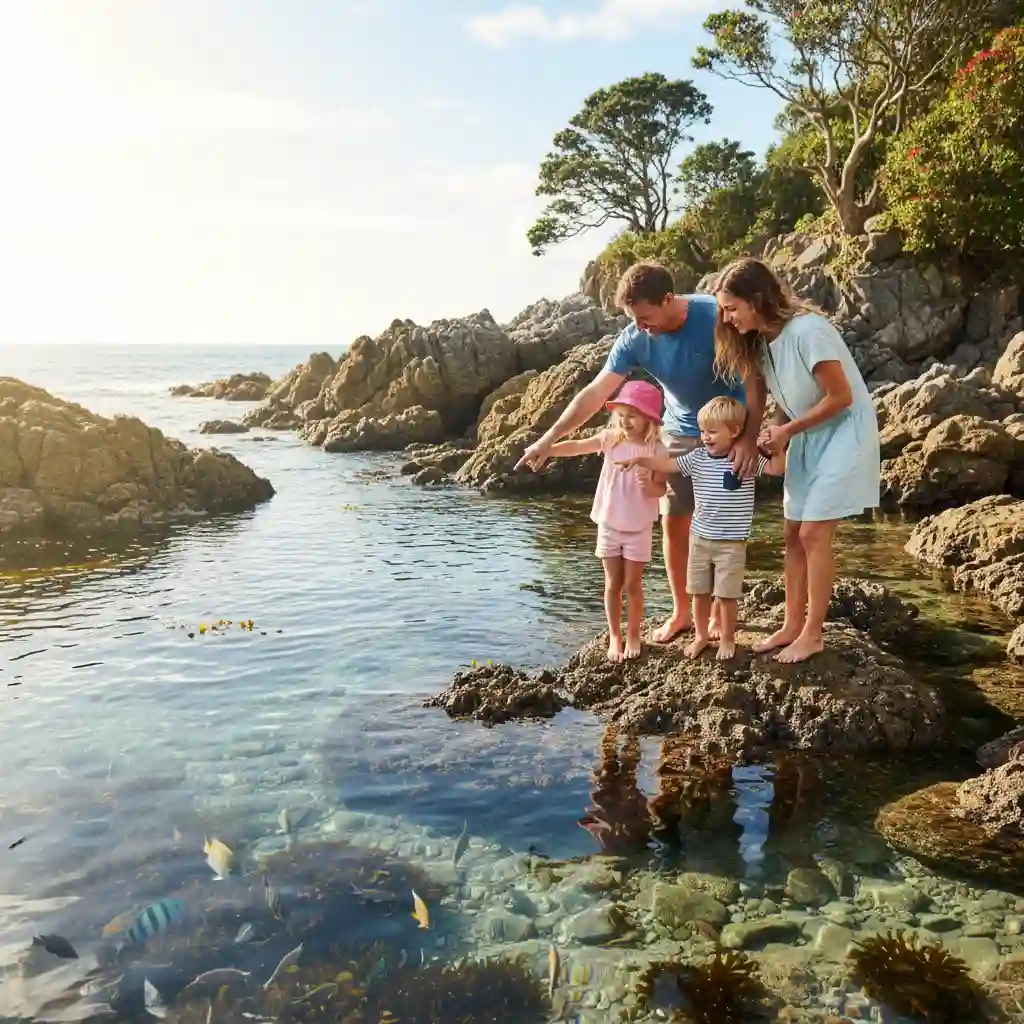
Goat Island Marine Reserve offers diverse kids activities ranging from beginner-friendly snorkeling in sheltered waters to interactive educational experiences at the Marine Discovery Centre. Children can engage with touch tanks, enjoy glass-bottom boat tours to see snapper and crayfish without getting wet, and explore coastal trails, making it a premier destination for marine education in New Zealand.
What are the top kids activities at Goat Island Marine Reserve?
Goat Island, officially known as the Cape Rodney-Okakari Point Marine Reserve, is New Zealand’s first marine reserve and a cornerstone of domestic tourism and marine education. For families, it represents a unique open-air classroom where conservation meets adventure. The activities available are designed to cater to various age groups, swimming abilities, and educational interests.
The primary draw for children is the immediate access to wildlife. Unlike many other coastal spots, the marine life here is protected, meaning fish like the Australasian Snapper and Blue Maomao are abundant, large, and unafraid of humans. This proximity allows children to connect with nature in a profound way, whether they are in the water or observing from the shore. Beyond the water, the location offers structured educational facilities and walking tracks that encourage exploration of the terrestrial ecosystem surrounding the reserve.
What can children experience at the Goat Island Marine Discovery Centre?
The Goat Island Marine Discovery Centre, operated by the University of Auckland, is an essential stop for families visiting the area. It serves as an educational hub that bridges the gap between academic marine science and public understanding. For children, this is often the highlight of the trip, especially if the sea conditions are too rough for swimming.
Interactive Touch Tank Experiences
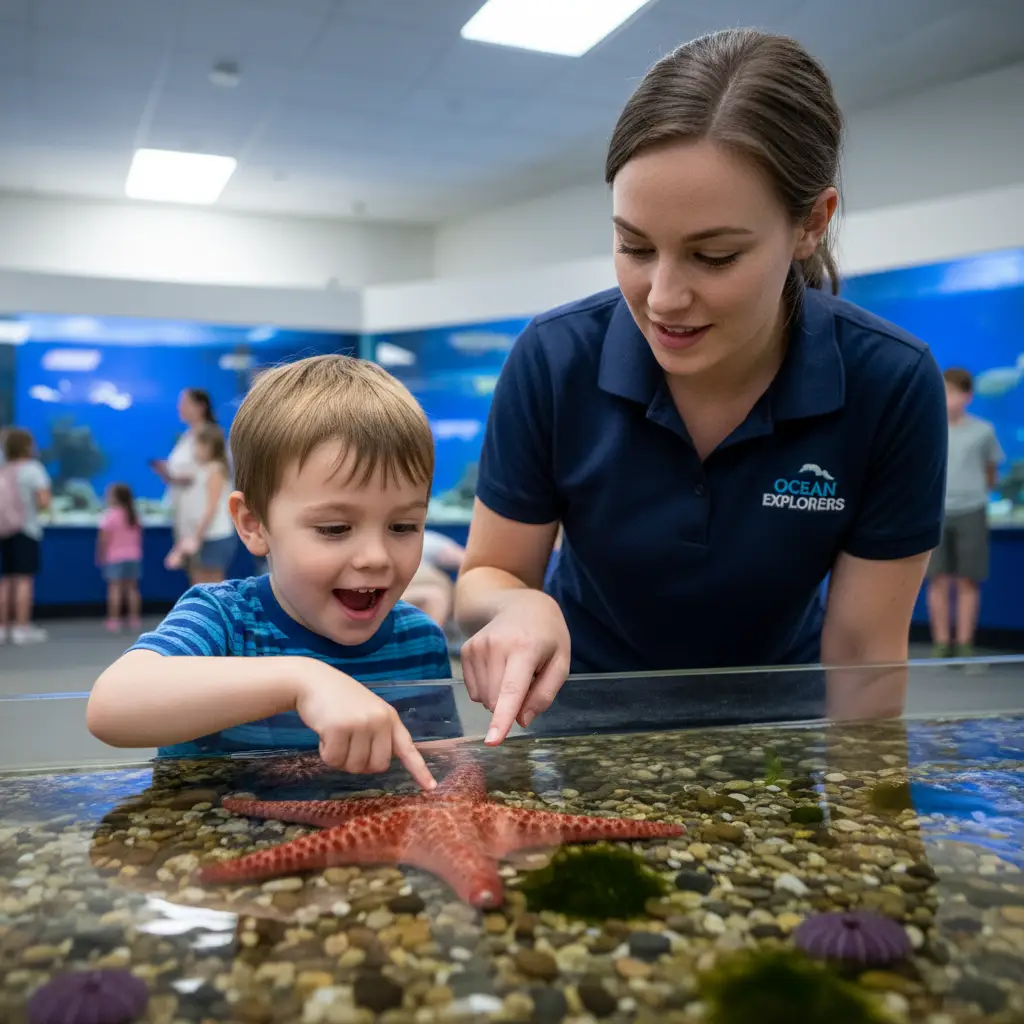
The centerpiece of the Discovery Centre for younger visitors is the interactive touch tank. This facility allows children to get up close and personal with hardy intertidal species. Under the guidance of marine educators, kids can gently touch sea stars, sea urchins (kina), and sea cucumbers.
This tactile learning approach is critical for fostering empathy for marine life. Educators explain the biology of these creatures, their role in the ecosystem, and how the marine reserve protects them. It transforms abstract concepts of conservation into a tangible reality. The tanks are designed to mimic the local rock pool environments, providing a safe and controlled setting for discovery.
Digital Learning and Exhibits
Beyond the touch tanks, the centre features static and digital displays detailing the history of the reserve and the science behind marine protection. Children can view microscopes displaying plankton, learn about the life cycle of the spiny rock lobster (crayfish), and understand the devastating effects of kina barrens caused by overfishing. These exhibits are designed to be visually engaging, utilizing bright graphics and simple language suitable for school-aged children.
Is snorkeling at Goat Island safe for children?
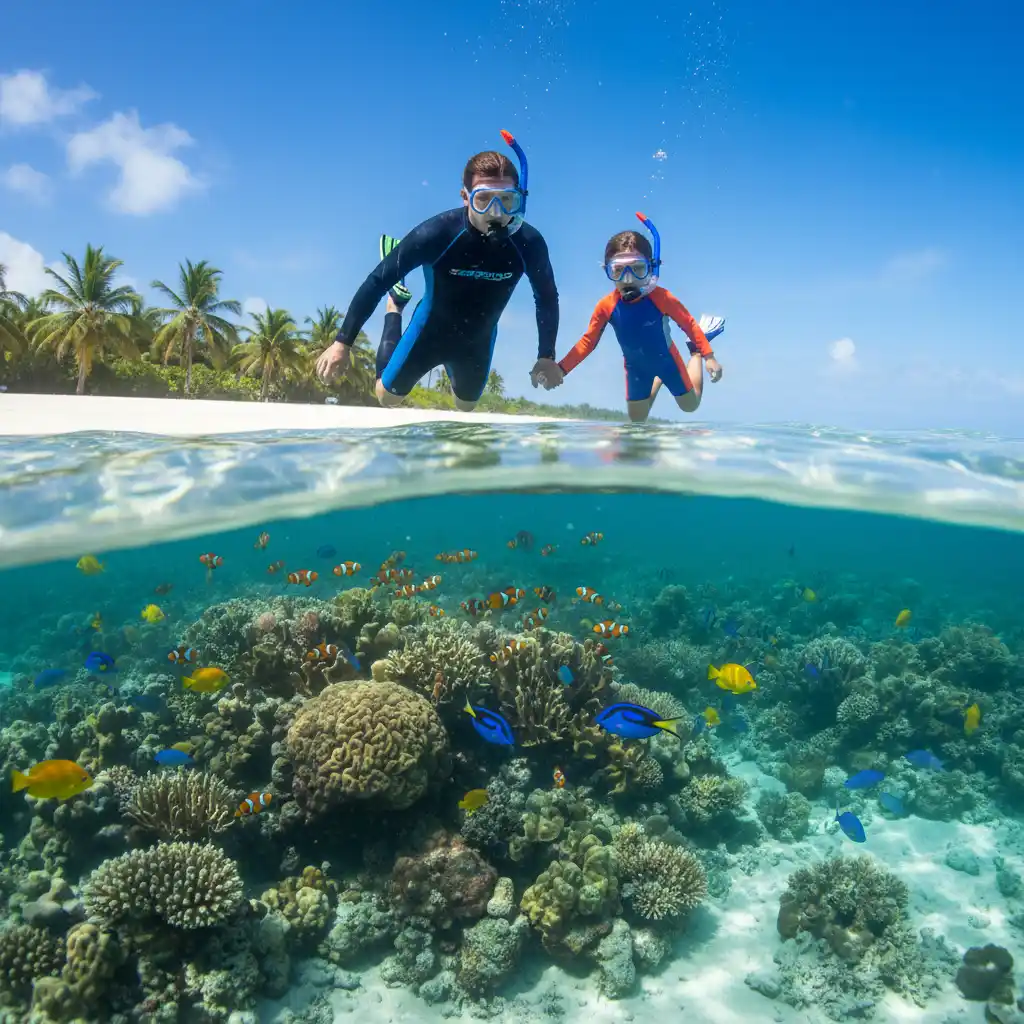
Snorkeling is the quintessential Goat Island activity, but safety is paramount when introducing children to the ocean. The reserve is generally considered safe for beginners, particularly near the shore where the water is shallow and the fish are most plentiful.
Choosing the Right Gear for Kids
The waters around Goat Island can be cool, even in summer. To ensure a positive experience, it is highly recommended that children wear wetsuits. A wetsuit provides two critical functions: thermal protection and buoyancy. A child who is warm and floats easily will be more confident and able to focus on the marine life rather than their physical comfort. Local hire shops in Leigh and at the beach provide child-sized wetsuits, masks, and snorkels. Ensure the mask fits tightly to prevent leaking, which is the number one cause of panic in young snorkelers.
Best Spots for Young Swimmers
The beach at Goat Island is known as a “high energy” beach, meaning waves can vary. However, the channel between the beach and the island often provides shelter. For young children, the best snorkeling is often in waist-deep water right off the main beach (Goat Island Beach). Here, large snapper and parore often swim right up to waders. Parents should always stay within arm’s reach of children and be aware of the currents that can move through the channel. It is advisable to snorkel on an incoming tide for the clearest water and safest conditions.
How to explore the reserve without getting wet?
Not every child is comfortable in the ocean, and weather conditions do not always permit snorkeling. Fortunately, Goat Island offers excellent dry alternatives that still provide a window into the underwater world.
The Glass Bottom Boat Tour
The Glass Bottom Boat is a fantastic option for families with toddlers, elderly grandparents, or those visiting during cooler months. The tour takes approximately 45 minutes and circumnavigates the island. Passengers sit around a large glass viewing well, looking directly down into the kelp forests and reefs.
The boat captains are knowledgeable guides who provide commentary on the history of the area, the geology of the island, and the behavior of the fish. It is common to see huge schools of fish, stingrays, and occasionally dolphins or orca in the deeper waters. This activity provides a stress-free way to witness the biodiversity of the Hauraki Gulf without the logistical challenges of snorkeling gear.
Clearyaks (Transparent Kayaks)
For older children and teenagers, renting a “Clearyak” is a popular intermediate option. These are fully transparent kayaks that allow paddlers to see the reef beneath them as they move. It combines the physical activity of kayaking with the visibility of snorkeling. This activity requires calm waters and is best booked in advance during the peak summer season.
What educational programs and worksheets are available?
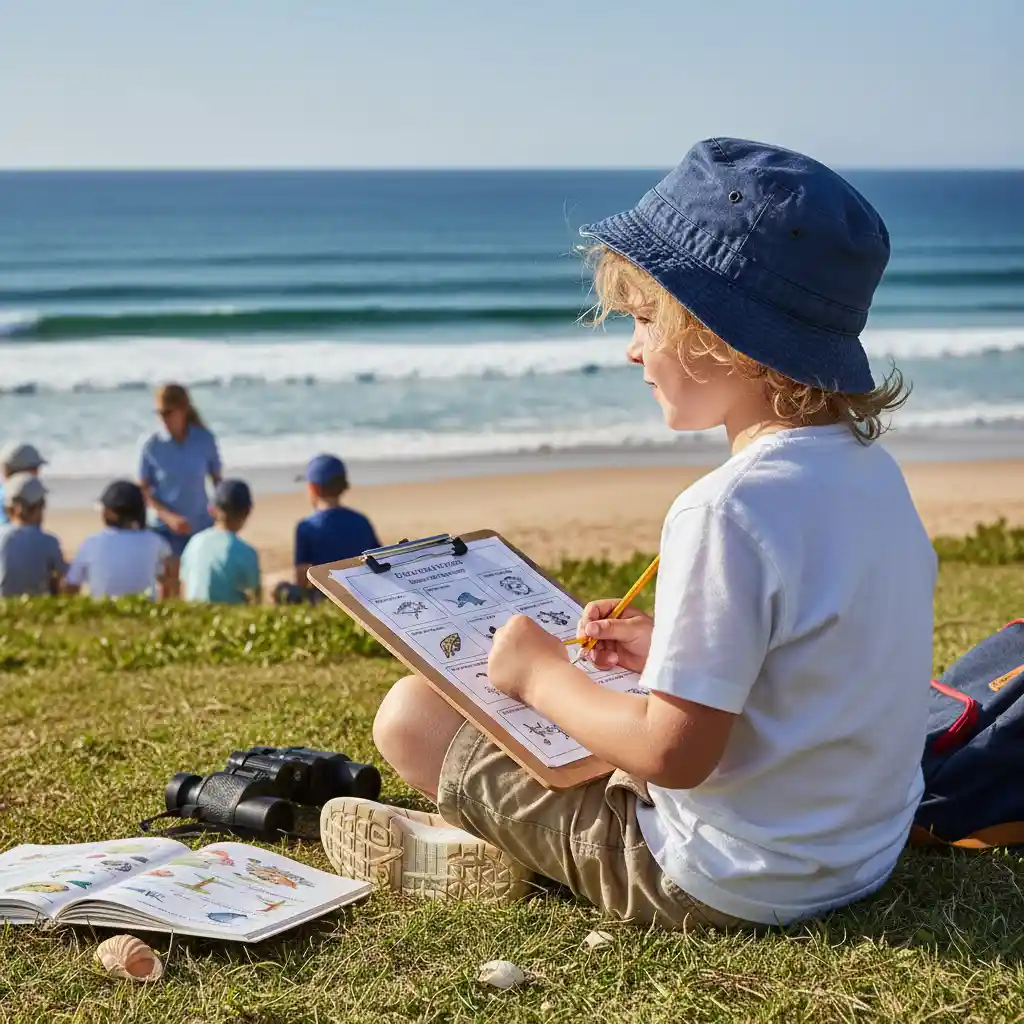
For parents and educators looking to formalize the learning experience, Goat Island is a resource-rich environment. The “Junior Ranger” concept is popular among visitors who want to instill a sense of guardianship (kaitiakitanga) in their children.
Educational Worksheets and Resources
The Department of Conservation (DOC) and the Marine Discovery Centre offer various resources that can be downloaded or collected on-site. These include scavenger hunt sheets, fish identification guides, and checklists for rock pooling.
Key Educational Themes:
- Marine Identification: worksheets that help kids identify common species like the Snapper, Eagle Ray, and Kina.
- Intertidal Zones: Activities that require children to map out the high tide, mid tide, and low tide zones and document which creatures live where.
- Conservation Science: Simple quizzes regarding the rules of a marine reserve (no fishing, no taking shells) and why they exist.
Turning a visit into a “Junior Ranger” mission can keep children engaged for hours. Parents can create a checklist of species to spot, rewarding children when they successfully identify different fish or birds. This gamification of the visit ensures that the educational content is retained long after the holiday ends.
Practical Tips for a Family Day Out
To ensure a smooth experience when visiting Goat Island with kids, preparation is key. As a marine reserve, the amenities are designed to minimize environmental impact, which means they can be limited compared to a commercial theme park.
Parking and Arrival Times
Goat Island is one of the most popular day-trip destinations from Auckland. During school holidays and summer weekends, the car park fills up rapidly. It is highly recommended to arrive before 10:00 AM or after 3:00 PM to secure parking. There is a drop-off zone near the beach, which is useful for unloading gear and children before the driver parks the car.
Food and Facilities
There are no food vendors directly on the beach, although there is often a coffee cart or ice cream truck in the upper car park during peak season. The nearest cafes and takeaways are in Leigh, a 5-10 minute drive away. Families should pack a picnic, plenty of water, and snacks. Please note that there are no rubbish bins at the reserve to encourage a “pack in, pack out” philosophy. You must take all your rubbish with you.
Toilet and Changing Facilities
Public toilets and changing rooms are located near the main car park. There are also outdoor showers available for rinsing off salt water and sand. It is advisable to get children changed into their swimwear or wetsuits at the facilities before walking down to the beach, as privacy on the sand is limited.
People Also Ask
Is Goat Island suitable for toddlers?
Yes, Goat Island is suitable for toddlers, but close supervision is required. The sand area is relatively small and can be rocky, but the shallow water is great for wading. The Glass Bottom Boat is an excellent activity for toddlers as it requires no swimming.
Do I need to book the Discovery Centre in advance?
Generally, you do not need to book for casual family visits to the Discovery Centre. However, if you are a large group or school group, booking is essential. During peak school holidays, it can get busy, so arriving early is recommended.
Can you swim at Goat Island in winter?
Yes, you can swim in winter, but the water temperature drops significantly (around 14-15°C). A thick wetsuit (5mm or more) and a hood are highly recommended for children. The visibility is often better in winter due to less plankton in the water.
Are there food facilities at Goat Island?
Facilities are limited. There is usually no food sold on the beach itself. A small cafe or food truck may operate in the car park during summer, but it is best to bring your own food or dine in the nearby town of Leigh.
How much does parking cost at Goat Island?
Parking at the Goat Island Marine Reserve public car park is free. However, spaces are limited and operate on a first-come, first-served basis. During peak times, you may need to wait for a spot.
What marine life can kids see at Goat Island?
Kids can expect to see Snapper, Blue Maomao, Parore, Red Moki, and Eagle Rays. In the rock pools, they can find crabs, starfish, kina (sea urchins), and shrimp. The reserve is famous for how close the fish come to the shore.