
The NZ Marine Discovery Centre at Goat Island is a highly-rated educational facility managed by the University of Auckland. Reviews consistently praise the interactive touch tanks and knowledgeable staff, highlighting it as an affordable, family-friendly destination. While smaller than commercial aquariums, it offers superior hands-on learning experiences regarding New Zealand’s unique marine biodiversity.
What is the NZ Marine Discovery Centre?
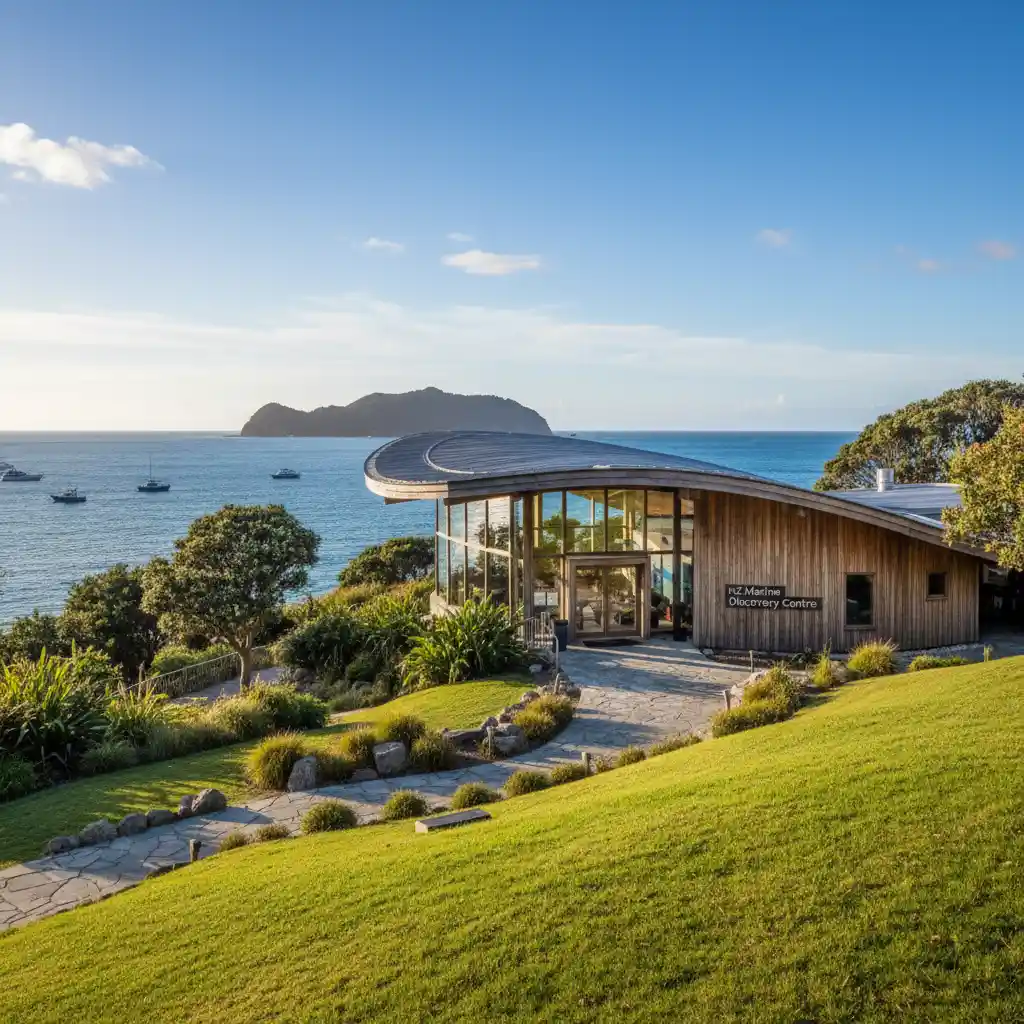
Located in Leigh, overlooking the pristine Goat Island Marine Reserve (Cape Rodney-Okakari Point Marine Reserve), the New Zealand Marine Discovery Centre is an interpretative education hub run by the University of Auckland. Unlike commercial theme parks, this facility serves as the public face of the Leigh Marine Laboratory, focusing heavily on marine science, conservation, and local ecology.
For tourists and locals researching reviews of the Marine Discovery Centre, it is crucial to understand that this is an academic and educational facility first, and a tourist attraction second. The centre features interactive displays, sound-and-light exhibits, and live specimens housed in tanks that replicate the local underwater environment. It is designed to bridge the gap between marine science research and public understanding.
Visitor Testimonials: The Consensus
When analyzing hundreds of online reviews across Google, TripAdvisor, and local travel forums, a clear pattern emerges regarding the visitor experience. The sentiment is overwhelmingly positive, with the facility maintaining a high average rating (typically above 4.5 stars).
What Visitors Love (The Positives)
The most frequently cited asset in positive reviews is the staff. Because the centre is attached to a university laboratory, the floor staff often consists of marine science students or educators who possess deep, academic knowledge of the exhibits. Visitors often mention that the staff goes above and beyond to explain the behavior of the sea life, making the experience far more engaging than simply looking at plaques.
Key highlights from positive reviews include:
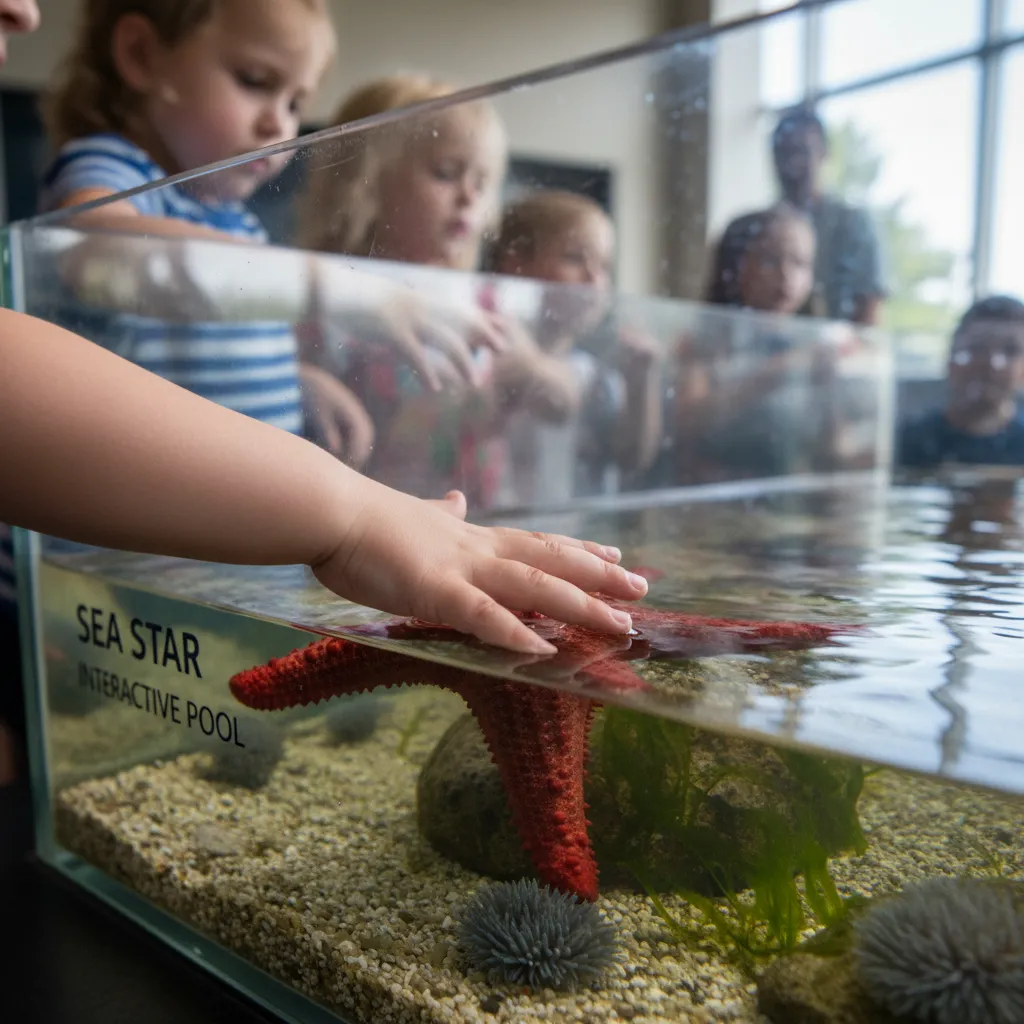
- The Touch Tank: Almost every family review mentions the touch tank as the highlight. Children and adults alike appreciate the opportunity to handle sea urchins (kina) and starfish under supervision.
- Cleanliness and Maintenance: The tanks are consistently described as pristine, with healthy-looking animals.
- Educational Depth: Visitors appreciate learning about the history of the marine reserve and the specific scientific research conducted on-site.
Critical Feedback (The Negatives)
Negative reviews are rare but usually stem from mismanaged expectations regarding the size of the facility. Some visitors, expecting a large-scale commercial aquarium similar to those in major cities, express disappointment at the centre’s compact footprint.
Common complaints include:
- Size: Some visitors feel the centre is small and can be fully explored in under an hour.
- Limited Species: Those looking for sharks, penguins, or exotic tropical fish may be disappointed, as the centre focuses strictly on local NZ marine life.
- Location: Being located about an hour and a half north of Auckland, some reviewers note it is a long drive if not combined with a beach day at Goat Island.
Pros and Cons for Families
For families planning a day trip from Auckland or Warkworth, the Marine Discovery Centre offers a distinct set of advantages and disadvantages compared to other attractions.
The Pros for Families
1. Manageable Scale for Toddlers: Large aquariums can be overwhelming and exhausting for young children. The Discovery Centre is compact, allowing parents to keep an eye on their children easily. The exhibits are designed at a child-friendly height.
2. Tactile Learning: The “no touching” rule found in many museums is relaxed here in specific zones. The tactile nature of the exhibits keeps children engaged longer than visual-only displays. This is critical for parents of high-energy children.
3. Weatherproof Activity: Goat Island is primarily an outdoor destination. The Centre provides a vital indoor option if the weather turns rainy or windy, saving a family day trip from being a washout.
The Cons for Families
1. Short Duration: Most families report spending between 45 minutes to 90 minutes inside. This is not a “whole day” activity on its own. Parents must plan to combine this with snorkeling, a glass-bottom boat ride, or a picnic to justify the travel time.
2. Limited Amenities: While there are toilets, the centre does not have a full-service café inside (though food is available nearby). Parents need to pack snacks or plan lunch at the Leigh Sawmill or nearby eateries.
Value for Money Analysis
In the sector of NZ Domestic Tourism, value for money is a critical metric. How does the Marine Discovery Centre stack up?
Ticket Pricing Structure
As of the latest updates, the pricing is significantly lower than commercial competitors. Adult tickets generally sit in the $20–$25 range, with children’s tickets roughly half that price. There are often family passes available which further reduce the per-person cost.
The “Education per Dollar” Ratio
If you judge value purely by the square footage of the facility, the price might seem moderate. However, if you judge value by the quality of education and interaction, the value is exceptional. A commercial aquarium might charge $40+ for entry, where you walk past glass in a crowd. Here, for half the price, you get personalized interaction with marine scientists.
Verdict: For families and educational groups, the value for money is High. For thrill-seekers looking for massive sharks and underwater tunnels, the perceived value may be Low.

Comparison: MDC vs. Kelly Tarlton’s Sea Life Aquarium
The most common question potential visitors ask is: “How does this compare to Kelly Tarlton’s in Auckland?” While both focus on marine life, they are fundamentally different experiences catering to different needs.
1. The Experience
Kelly Tarlton’s: This is a major commercial tourist attraction. It features moving walkways, massive oceanarium tunnels, sharks, rays, and an Antarctic penguin enclosure. It is designed for spectacle and entertainment. It is busy, loud, and visually overwhelming.
Marine Discovery Centre: This is an academic facility. It is quiet, contemplative, and interactive. There are no tunnels or penguins. Instead, there are microscopes, detailed displays on crayfish life cycles, and tanks showing the specific habitat of the Hauraki Gulf. It feels more like a modern, interactive museum than a theme park.
2. The Cost
Kelly Tarlton’s is significantly more expensive, often double or triple the entry cost of the Marine Discovery Centre. For a family of four, the price difference is substantial.
3. The Crowd Factor
Kelly Tarlton’s attracts tour buses and international crowds. The Marine Discovery Centre is rarely overcrowded, allowing for a relaxed pace where you don’t have to fight for a view of the glass.
Summary Comparison Table
| Feature | Marine Discovery Centre (Leigh) | Kelly Tarlton’s (Auckland) |
|---|---|---|
| Primary Focus | Education & Local Ecology | Entertainment & Spectacle |
| Key Animals | Crayfish, Octopus, Moray Eels, Kina | Sharks, Penguins, Stingrays |
| Interaction | High (Touch tanks, Microscopes) | Low (Visual observation) |
| Cost | $ (Affordable) | $$$ (Premium) |
| Time Needed | 1 – 1.5 Hours | 2 – 3 Hours |
Tips for Planning Your Visit
To get the best reviews-worthy experience out of your trip to the Marine Discovery Centre, follow these strategic tips:
Check the Tides
While the Centre is indoors, the surrounding Goat Island Marine Reserve is best experienced at high tide if you plan to snorkel. However, at low tide, the rock pools outside the centre (on the beach) are accessible, which complements the indoor learning.
Combine with the Glass Bottom Boat
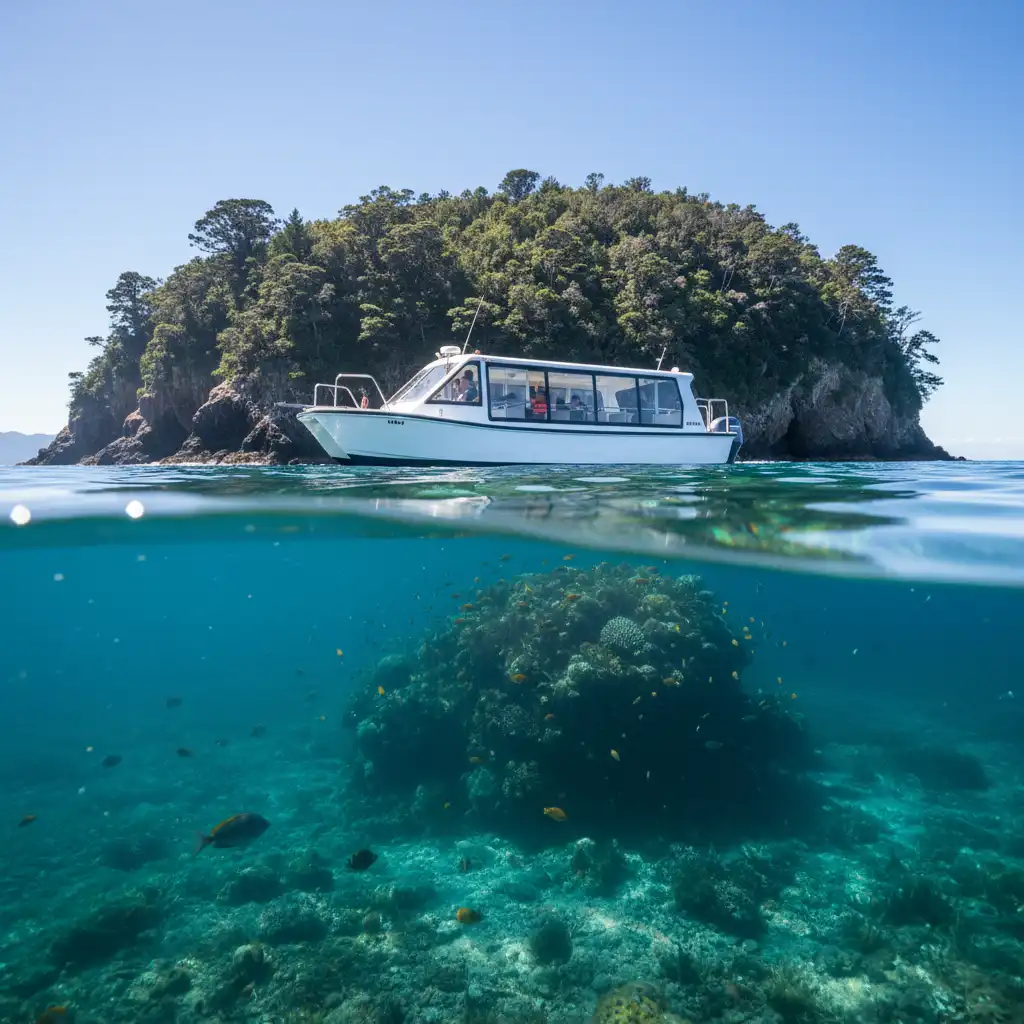
The perfect itinerary involves visiting the Discovery Centre first to learn about the fish you will see, and then taking the Glass Bottom Boat tour (which departs from the beach below) to see them in the wild. This combination reinforces the learning and makes for a complete day out.
Parking and Access
Parking is generally available at the top of the hill near the Centre or down by the beach. In peak summer (January), the beach car park fills up by 9:00 AM. The Centre has its own parking which is usually more accessible, but it involves a walk down to the beach if you plan to do both.
People Also Ask
Is the Marine Discovery Centre free?
No, the Marine Discovery Centre is not free. There is an admission fee which goes towards maintaining the facility and supporting the educational programs of the University of Auckland. However, accessing the Goat Island beach and marine reserve outside the centre is free.
How long do you need at the Marine Discovery Centre?
Most visitors spend between 45 minutes to 1.5 hours at the centre. This allows enough time to view all the tanks, interact with the touch pool, watch the short educational videos, and use the interactive displays without rushing.
Is there food available at the Marine Discovery Centre?
The Centre itself does not have a full café, though they may sell small snacks or drinks. There is a cafe located near the beach car park, and the famous Leigh Sawmill Cafe is a short drive away. Many visitors choose to bring a picnic to eat on the grassy reserves overlooking the ocean.
Can you swim at the Marine Discovery Centre?
You cannot swim inside the Centre itself. However, the Centre is located directly above the Goat Island Marine Reserve, which is one of New Zealand’s premier snorkeling and swimming spots. Visitors often combine a visit to the Centre with a swim in the ocean.
Is it suitable for toddlers?
Yes, the Marine Discovery Centre is very suitable for toddlers. The facility is small enough that they won’t get lost, and the visual and tactile nature of the exhibits (especially the touch tank) keeps them entertained. It is also stroller-friendly.
Do I need to book in advance?
For general family visits, booking in advance is usually not required, although it can be done online. However, if you are visiting with a large school group or a tour group, booking in advance is essential to ensure the staff can accommodate you.