
Marine conservation NZ encompasses the strategic protection and restoration of Aotearoa’s diverse ocean ecosystems through marine reserves, sustainable fishing regulations, and community-led initiatives. It aims to safeguard biodiversity, such as endemic dolphins and kelp forests, while upholding Kaitiakitanga—guardianship—to ensure healthy seas for future generations of New Zealanders and visitors alike.
New Zealand controls the fourth largest Exclusive Economic Zone (EEZ) in the world, a vast “blue backyard” that is fifteen times larger than its landmass. With over 15,000 kilometers of coastline, the health of the marine environment is intrinsically linked to the nation’s economy, culture, and tourism sector. However, facing pressures from climate change, sedimentation, and overfishing, the push for robust marine conservation in NZ has never been more critical. From the sub-tropical currents of the north to the sub-antarctic waters of the south, conservation efforts are evolving from simple protectionism to active regeneration.
The Spillover Effect: Economic and Ecological Wins
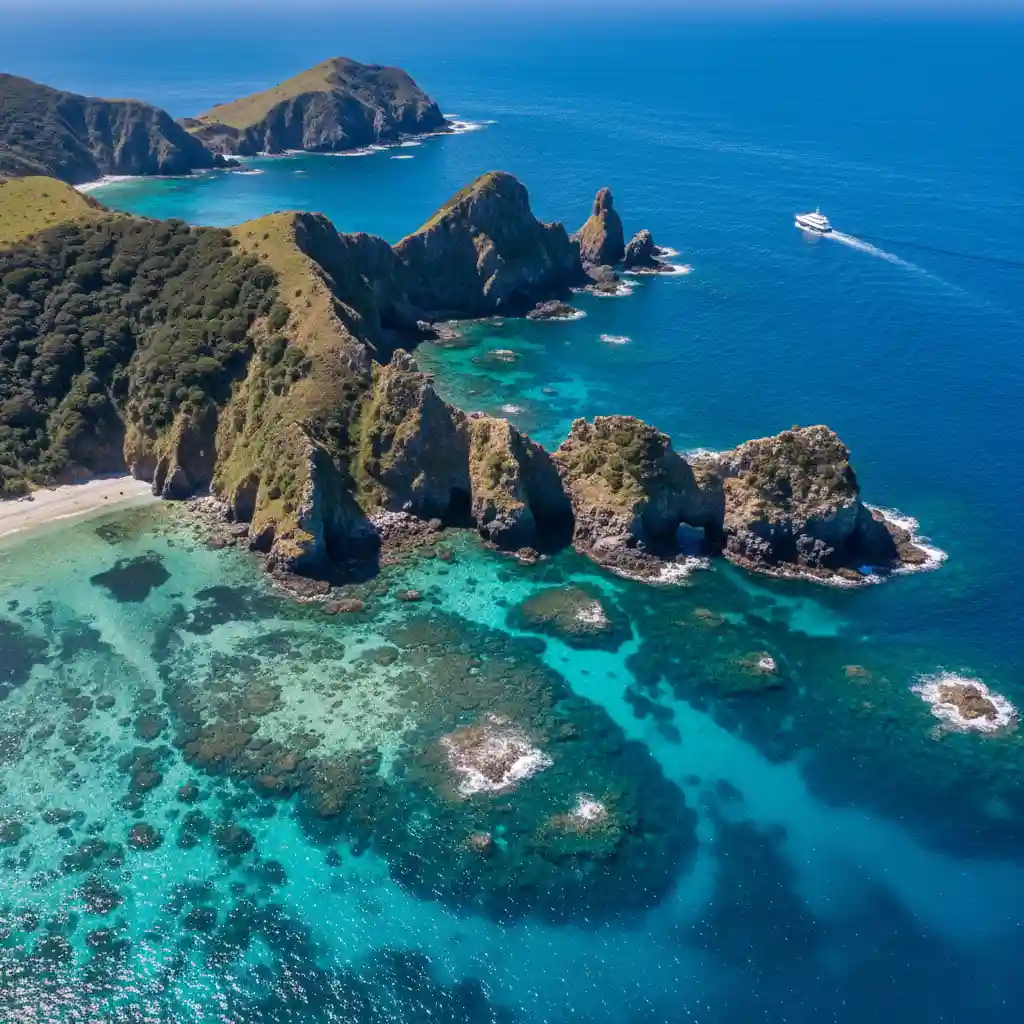
One of the most compelling arguments for marine conservation in NZ is the phenomenon known as the “spillover effect.” Historically, marine reserves were often viewed by recreational and commercial fishers as lost territory. However, decades of scientific monitoring at established reserves, such as the Cape Rodney–Okakari Point Marine Reserve (Goat Island), have shifted this narrative significantly.
How Marine Reserves Act as Breeding Engines
Marine reserves function as sanctuaries where marine life can grow to full maturity without the pressure of harvest. This is crucial because larger fish are exponentially more reproductive than smaller ones. For example, a single large snapper within a reserve can produce the same amount of eggs as dozens of smaller snapper found in fished areas.
As populations within the reserve reach carrying capacity, the excess fish—larvae, juveniles, and adults—migrate across the reserve boundaries into the surrounding waters. This “spillover” replenishes local fisheries, resulting in higher catch rates for fishers operating near the borders of protected areas. In New Zealand, this has created a symbiotic relationship between conservation zones and the fishing industry in specific regions, proving that total protection in key areas supports sustainable harvest elsewhere.
The Tourism Value of Abundance
Beyond the biological benefits, the spillover effect drives a thriving eco-tourism market. Visitors flock to areas like the Poor Knights Islands and Cathedral Cove not just for the scenery, but for the guarantee of seeing abundant marine life. This reliability transforms conservation efforts into a tangible economic asset for regional New Zealand, supporting dive shops, charter boats, and local accommodation providers. When marine conservation NZ strategies are implemented effectively, a live fish becomes infinitely more valuable to the local economy over its lifespan than it would be as a single meal.
Kelp Forest Regeneration: Battling the Kina Barrens
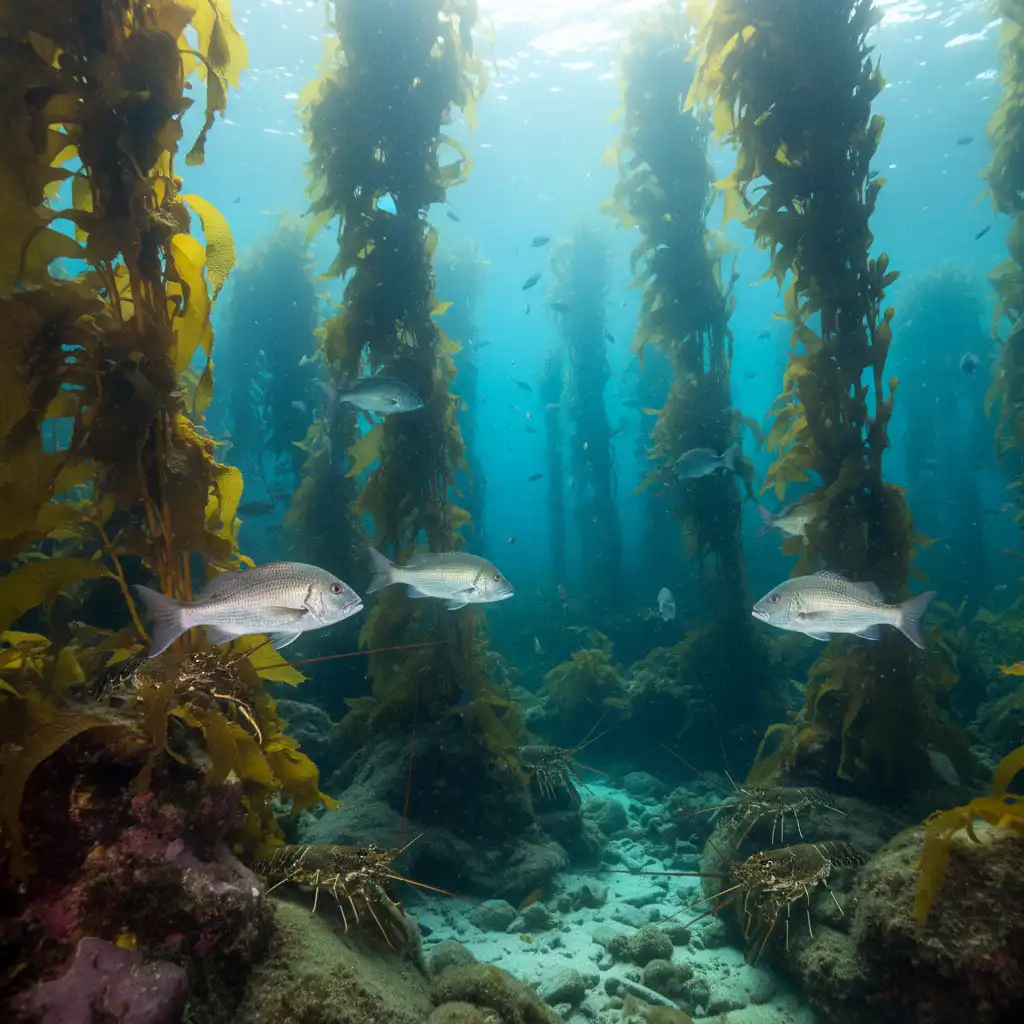
A critical focus of modern marine conservation in NZ is the restoration of kelp forests. These underwater ecosystems are the marine equivalent of rainforests, sequestering carbon, reducing coastal erosion, and providing nursery habitats for countless species, including crayfish (kōura) and snapper (tāmure).
Understanding the Trophic Cascade
The decline of New Zealand’s kelp forests is largely attributed to a phenomenon called “kina barrens.” Kina are endemic sea urchins that graze on kelp. In a balanced ecosystem, large predators like snapper and crayfish keep kina populations in check. However, due to historical overfishing of these key predators, kina populations have exploded unchecked in many areas, particularly in the Hauraki Gulf and Northland.
These armies of kina graze down the kelp forests until nothing remains but bare rock, creating an underwater desert devoid of biodiversity. This is a classic example of a trophic cascade, where the removal of a top predator causes a collapse at the bottom of the food chain.
Restoration Projects and Community Action
Combatting kina barrens requires a multi-faceted approach. Conservation groups and local Iwi are leading the charge with initiatives such as:
- Translocation of Predators: Reintroducing large crayfish and snapper to barren areas to naturally reduce kina numbers.
- Manual Removal: Community divers volunteering to manually remove or cull kina in specific zones to allow kelp spores to re-establish.
- Rāhui: Implementing temporary ritual prohibitions (Rāhui) on harvesting specific species to allow populations to recover.
Projects like “Love Rimurimu” in Wellington are also pioneering methods to farm and replant kelp, actively reforesting the ocean floor. These efforts highlight that marine conservation NZ is no longer just about passive protection; it requires active intervention to reverse damage.
How Visitors Can Help: A Guide for Responsible Tourism
Tourism plays a pivotal role in marine conservation. While visitors bring revenue that funds conservation, they also bring pressure on the environment. Educating tourists on how to minimize their footprint is essential for sustainable interaction with New Zealand’s marine taonga (treasures).
Adhering to Wildlife Distances
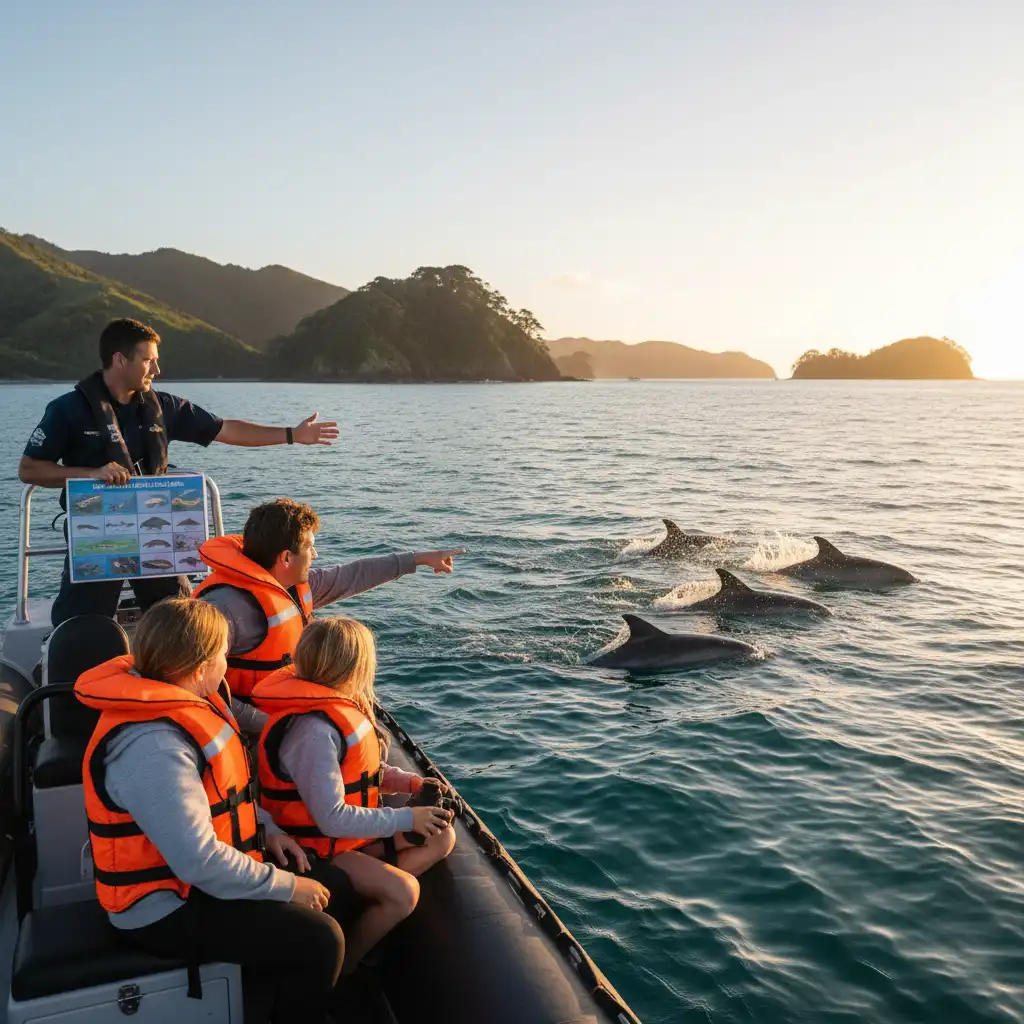
New Zealand is home to rare marine mammals, including Hector’s dolphins and New Zealand sea lions. A common issue is the disruption of their natural behaviors—resting, feeding, and nursing—by enthusiastic boaties and swimmers. The Department of Conservation (DOC) mandates strict rules regarding proximity:
- Boats: Must slow to a “no wake” speed within 300m of marine mammals.
- Swimmers: Should never approach marine mammals; if an animal approaches you, remain quiet and do not touch.
- Drones: Must maintain an altitude of at least 150m above marine mammals to avoid causing stress.
Biosecurity: Check, Clean, Dry
Invasive marine pests, such as the Mediterranean fanworm and exotic caulerpa seaweed, pose a massive threat to native ecosystems. These pests are often spread by recreational boats and gear. Visitors engaging in water sports must adhere to the “Check, Clean, Dry” protocol before moving between different waterways. This simple habit prevents the hitchhiking of microscopic larvae that can devastate a new area.
Sustainable Sunscreen and Waste
Chemicals found in standard sunscreens, particularly oxybenzone and octinoxate, have been proven to bleach coral and damage the DNA of marine larvae. Visitors are strongly encouraged to use “reef-safe” sunscreens based on zinc oxide or titanium dioxide. Furthermore, participating in or organizing beach clean-ups during a visit is a direct way to contribute to marine conservation NZ efforts, removing plastics that inevitably end up in the food chain.
Future Conservation Goals: The Path to 30×30
Looking ahead, New Zealand’s marine conservation strategy is aligning with global biodiversity frameworks. The most significant of these is the “30×30” goal—a global initiative to protect 30% of the world’s land and ocean by the year 3030. Currently, a very small percentage of New Zealand’s mainland territorial sea is fully protected in no-take marine reserves, indicating a significant gap between current status and future aspirations.
Revitalizing the Hauraki Gulf
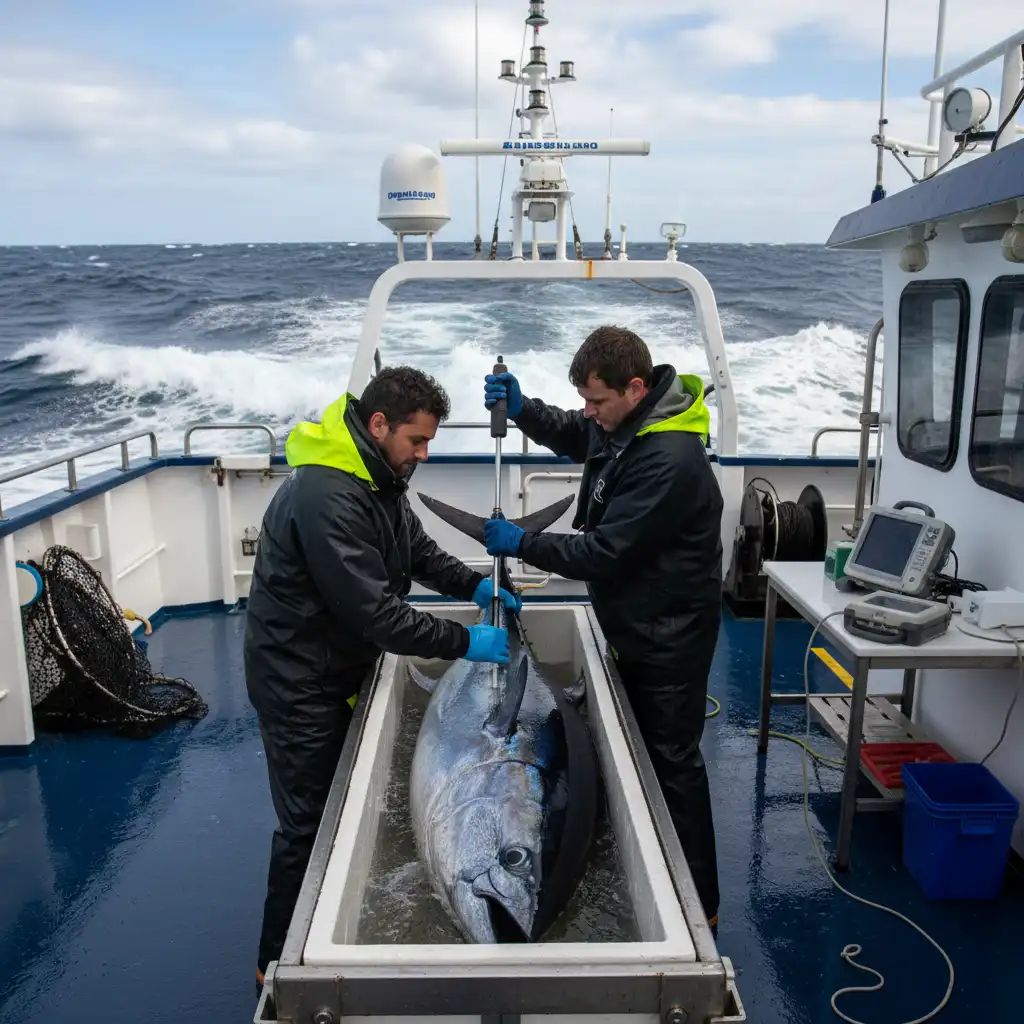
The Hauraki Gulf / Tīkapa Moana is one of the most intensively used bodies of water in New Zealand. The “Sea Change – Tai Timu Tai Pari” marine spatial plan represents a future-focused blueprint for saving this distressed ecosystem. Proposed legislation aims to triple the area under protection in the Gulf, ban bottom trawling in vast areas to protect the seafloor, and integrate Māori customary practices more deeply into management strategies.
High Seas Protection
Beyond the coastal zones, New Zealand is also advocating for the protection of the High Seas. The establishment of the Kermadec Ocean Sanctuary, although politically complex, remains a significant goal. Protecting these remote, pristine areas provides a baseline for scientific study and a refuge for migratory species like whales, sharks, and turtles that traverse the Pacific.
The Role of Kaitiakitanga
Ultimately, the future of marine conservation in NZ rests on the concept of Kaitiakitanga. This Māori worldview does not see humans as separate from nature, but as part of it, with an inherited responsibility to care for the environment. By blending western marine science with indigenous knowledge and values, New Zealand aims to create a conservation model where the ocean is not just a resource to be used, but an ancestor to be respected.
Frequently Asked Questions
What is the main goal of marine conservation in NZ?
The primary goal is to protect and restore marine biodiversity and ecosystems. This involves establishing marine reserves, managing fisheries sustainably, and protecting threatened species to ensure the ocean remains healthy for future generations.
How many marine reserves are there in New Zealand?
New Zealand has over 40 established marine reserves. These are “no-take” zones where all marine life is fully protected from fishing, gathering, and mining.
Why are kina barrens a problem for NZ waters?
Kina barrens occur when sea urchin populations explode due to a lack of predators (like snapper and crayfish). The kina eat all the kelp, destroying the habitat and food source for other marine life, resulting in an underwater desert.
Can I fish in a marine reserve in NZ?
No, all fishing and gathering of shellfish or seaweed is strictly prohibited in marine reserves. They are designed to be sanctuaries where nature can recover without human interference.
What is the 30×30 conservation goal?
The 30×30 goal is a global initiative adopted by many nations, including New Zealand, aiming to protect 30% of the world’s land and oceans by the year 2030 to halt biodiversity loss.
How does marine conservation benefit tourism?
Conservation creates areas of high biodiversity and abundance, which attracts tourists for diving, snorkeling, and boat tours. This “eco-tourism” generates significant revenue for local communities, often exceeding the value of commercial fishing in those specific spots.