
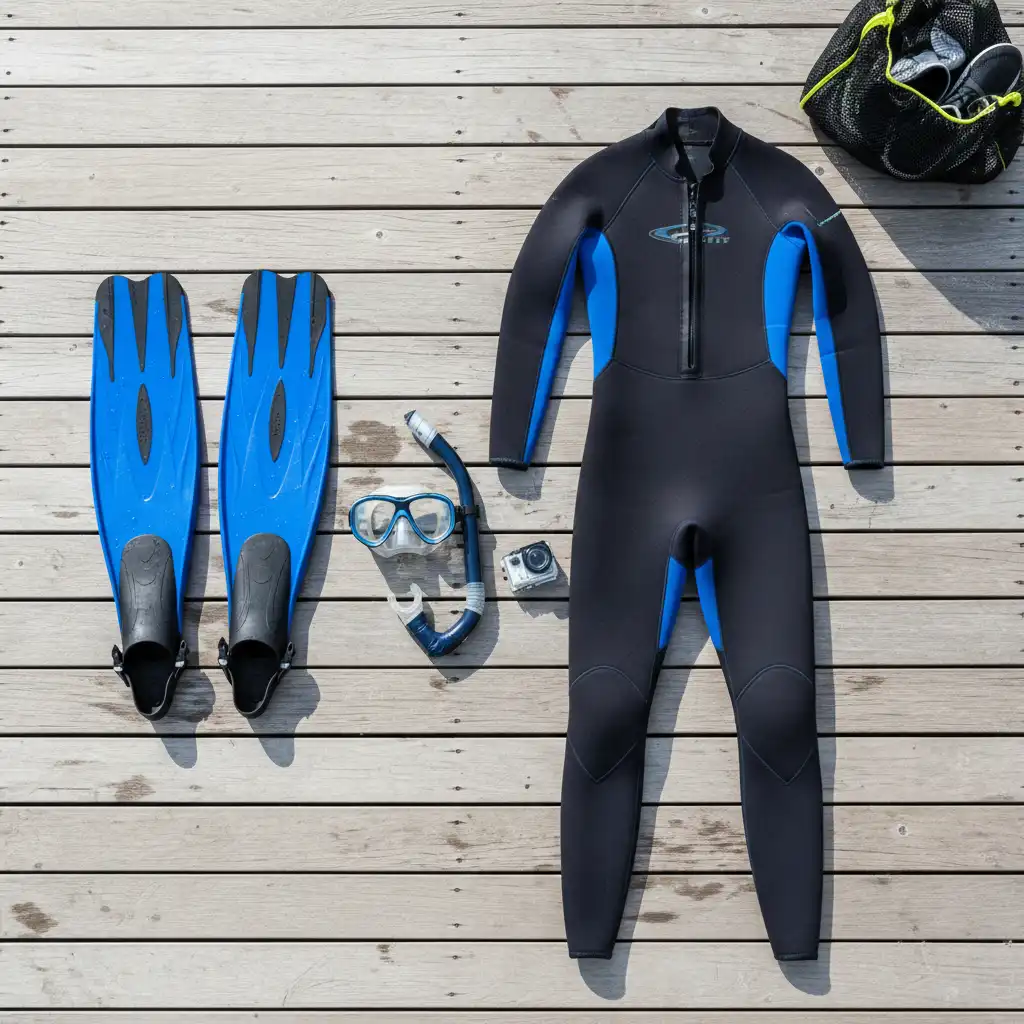
The best snorkel gear for cold water centers on thermal protection. For New Zealand conditions, this typically requires a 5mm to 7mm open-cell wetsuit, accompanied by 3mm to 5mm neoprene booties, gloves, and a hood to prevent heat loss. High-quality silicone masks with anti-fog treatment and open-heel fins compatible with dive boots are essential for comfort and safety in temperate marine environments.
Snorkeling in cold water environments—such as the rugged coastlines of New Zealand, from the Poor Knights Islands to the chilly depths of Fiordland—requires a fundamentally different approach to gear selection than tropical diving. While the marine life in temperate waters is incredibly diverse and vibrant, the risk of hypothermia and equipment malfunction due to temperature drops is real. This guide covers the essential equipment required to stay warm, safe, and comfortable while exploring cold marine ecosystems.
Wetsuit Thickness Guide: Summer vs. Winter
The wetsuit is your primary defense against the conductive heat loss of water. Water conducts heat away from the body 25 times faster than air. In New Zealand, water temperatures can range from a balmy 22°C (71°F) in Northland summers down to a biting 8°C (46°F) in Stewart Island winters. Choosing the correct thickness is not just about comfort; it is a critical safety factor.
Understanding Neoprene Grades
Not all neoprene is created equal. For cold water snorkeling, standard surfing wetsuits often fall short because they are designed for flexibility and surface activity, not for the compression and constant submersion of snorkeling or freediving. You should look for:
- Open Cell Neoprene: This material has a porous interior that sticks to the skin (usually requiring lubrication to put on). It eliminates water circulation against the skin, making it significantly warmer than standard “closed cell” or nylon-lined suits.
- Yamamoto Neoprene: Often considered the gold standard, this limestone-based neoprene is common in high-end NZ gear. It offers superior thermal retention and flexibility, which is vital when wearing thicker 7mm suits.
Thickness Recommendations by Region and Season
The following guide outlines the recommended thickness for snorkeling in temperate climates like New Zealand:
- Upper North Island (Summer): Water temp 18°C – 22°C. A 3mm to 5mm suit is sufficient for most snorkelers.
- Lower North Island / Upper South Island (Summer): Water temp 15°C – 18°C. A 5mm two-piece suit is the standard.
- South Island / Winter Snorkeling (Nationwide): Water temp 8°C – 15°C. A 7mm suit is strongly recommended. Many divers opt for a “farmer john” style (high-waisted pants and a jacket), which provides a double layer of neoprene (14mm total) over the vital organs in the chest area.
The Holy Trinity: Hoods, Gloves, and Booties
In cold water, a high-quality wetsuit is rendered ineffective if your extremities are exposed. The body naturally vasoconstricts in cold water, shunting blood from the hands and feet to the core. Keeping these areas insulated delays this process and maintains dexterity.
Why are Hoods Essential?
You lose a significant percentage of body heat through your head. In water below 18°C, a hood is mandatory. For snorkeling, an attached hood (part of the wetsuit jacket) is superior to a separate hood, as it eliminates the gap at the neck where cold water can flush in. If buying a separate hood, look for a “bibbed” hood that tucks deep inside your wetsuit neck seal.
Gloves: Dexterity vs. Warmth
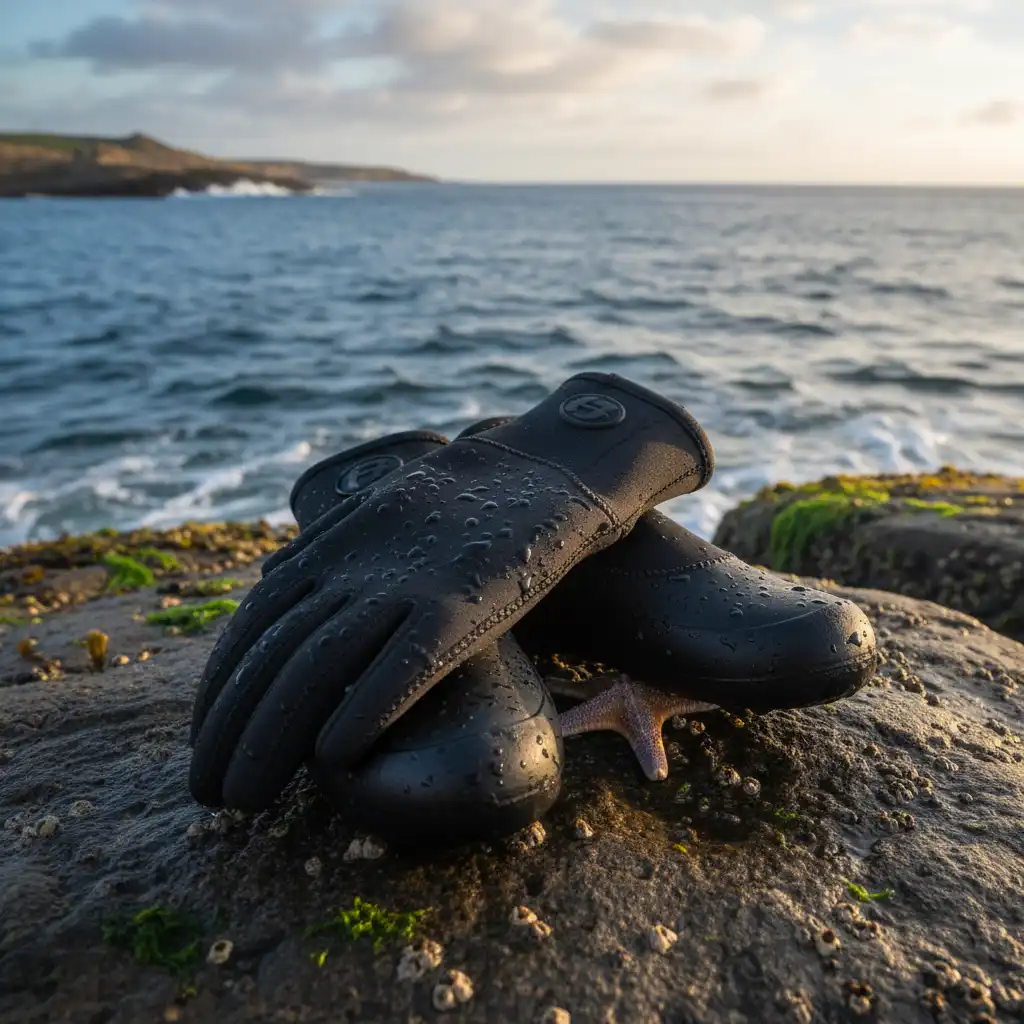
In New Zealand’s marine environment, which is often rocky and filled with kina (sea urchins) and barnacles, gloves offer both thermal and physical protection.
- 3mm Gloves: Good for summer and maintaining high dexterity for adjusting masks or cameras.
- 5mm Gloves: Essential for winter. Look for pre-curved fingers to reduce fatigue.
- Kevlar Reinforcement: For gathering seafood (kai moana) or navigating rocky entries, gloves with Kevlar palms prevent shredding the neoprene.
Booties and Sole Thickness
Unlike tropical snorkeling where full-foot fins are common, cold water requires booties. They provide insulation and allow you to walk safely over jagged rocks during shore entries. A 5mm boot with a hard, vulcanized rubber sole is the industry standard for NZ conditions. Ensure the zipper has a “water dam” behind it to prevent cold water exchange.
Mask Selection and Anti-Fog Solutions
Cold water presents a unique challenge for masks: fogging. The temperature differential between your warm face and the freezing water creates instant condensation. Furthermore, cheap silicone hardens in cold water, breaking the seal and causing leaks.
What is the best mask design for cold water?
Low-volume masks are superior in cold water. Because there is less air space inside the mask, your breath does not need to work as hard to equalize pressure, and there is less air volume to cool down and fog up. Most importantly, ensure the skirt is made of high-grade liquid silicone. This material remains pliable even in temperatures below 10°C, ensuring a watertight seal.
How to fix mask fogging in cold water?
Fogging is the number one complaint among cold water snorkelers. To mitigate this:
- Pre-treatment: All new masks have a silicone film from manufacturing. Scrub the lens with white toothpaste or a specialized abrasive cleaner before the first use.
- Commercial Defog: Spit is often insufficient in very cold water. Commercial gels (like Sea Buff or generic “baby shampoo” mixtures) create a hydrophilic layer that prevents condensation droplets from forming.
- Temperature Acclimatization: Splash cold water on your face before putting the mask on. This lowers your facial skin temperature, reducing the heat differential that causes fog.

Fins: Open Heel vs. Full Foot
When selecting fins for temperate waters, the choice is dictated by your footwear. Because booties are non-negotiable in cold water, you must use Open Heel Fins.
Blade Stiffness and Material
Cold water gear (thick wetsuit + heavy weight belt) creates significant drag. You are bulkier and less hydrodynamic than a tropical snorkeler. Therefore, you need fins with enough power to propel this added mass.
- Plastic/Technopolymer: Durable and affordable. Good for beginners, but can lack the “snap” needed in strong currents.
- Composite/Fiberglass: excellent energy return. Great for covering long distances in locations like the Goat Island Marine Reserve.
- Carbon Fiber: The ultimate in performance, offering maximum thrust for minimal effort. However, they are fragile and expensive—caution is needed around rocky NZ shorelines.
Top Brands for Temperate Waters
The New Zealand market has specific brands that cater to the rugged, cold environment. International tropical brands often fail to provide the necessary thermal protection.
Wettie
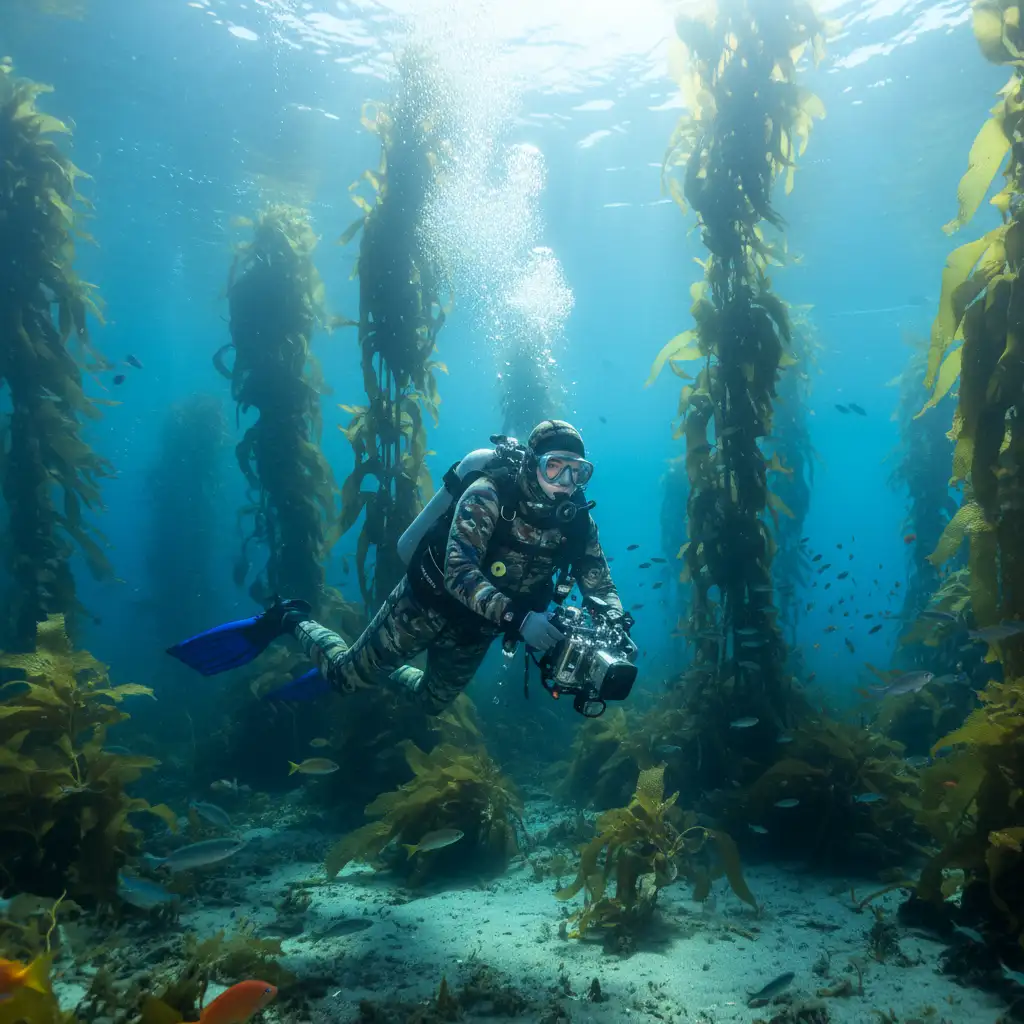
A New Zealand-born brand that specializes in spearfishing and snorkeling gear for local conditions. Their wetsuits are renowned for using high-quality Yamamoto neoprene and featuring camouflage patterns designed for NZ kelp forests. They are a market leader for commercial and recreational cold-water gear.
Ocean Hunter
Another staple in the NZ market, Ocean Hunter provides accessible, durable gear. Their 5mm and 7mm semi-dry suits are widely used in marine education programs and tourism operations due to their durability and warmth-to-cost ratio.
Cressi & Mares
These Italian giants have specific lines suited for cold water. The Cressi ‘Fast’ and Mares ‘Flexa’ lines are popular for their modular thickness systems. However, ensure you are buying their cold-water specific lines, not their tropical recreational sets.
Marine Education and Safety Considerations
Operating in cold water adds layers of risk that must be managed. In the context of NZ Domestic Tourism and Marine Education, adhering to the Tiaki Promise (caring for people and place) includes caring for oneself.
Buoyancy Management
Thick wetsuits are incredibly buoyant. A 7mm suit may require 8kg to 12kg of lead weight to allow a snorkeler to duck-dive comfortably. It is crucial to distribute this weight correctly using a weight belt or weight vest. However, for surface snorkeling, ensure you are not over-weighted; you should float comfortably at the surface with lungs full of air.
Recognizing Hypothermia
Even with the best gear, cold can seep in. Signs of mild hypothermia include uncontrollable shivering and loss of dexterity (clumsy hands). If this occurs, exit the water immediately. The “after-drop” is a phenomenon where core temperature continues to fall even after exiting the water, so warm, dry clothes and a hot drink are essential post-snorkel protocols.
What thickness wetsuit do I need for New Zealand snorkeling?
For most year-round snorkeling in New Zealand, a 5mm wetsuit is the minimum standard. In the height of summer in the North Island, a 3mm may suffice, but for South Island or winter snorkeling, a 7mm open-cell suit is highly recommended to prevent hypothermia.
Do I really need a hood for snorkeling?
Yes, if the water temperature is below 18°C (64°F). The head is a major source of heat loss. In cold water, snorkeling without a hood can lead to rapid fatigue, headaches (ice-cream headache effect), and a significantly shortened water session.
How do I stop my mask from fogging in cold water?
Scrub a new mask with toothpaste to remove manufacturing silicone. Before every dive, use a commercial anti-fog gel or baby shampoo. Additionally, cooling your face with water before putting the mask on helps reduce the temperature difference that causes fog.
What is the difference between open cell and closed cell wetsuits?
Closed cell (nylon lined) is durable and easy to put on but allows some water circulation. Open cell (raw neoprene inside) sticks to the skin, eliminating water movement and providing superior warmth, but requires lubrication (soapy water) to put on.
Can I use full foot fins in cold water?
Generally, no. Cold water requires neoprene booties for thermal protection. Full foot fins are designed for bare feet. You need “open heel” fins with an adjustable strap or spring strap to accommodate the bulk of a dive boot.
Is snorkeling in winter safe in New Zealand?
Yes, winter snorkeling can be incredible with better visibility due to less plankton bloom. However, it requires appropriate gear (7mm wetsuit, hood, gloves) and strict safety protocols regarding weather conditions and hypothermia monitoring.