
Underwater camera rental in Auckland allows divers and snorkelers to hire specialist waterproof imaging equipment, such as GoPros or Olympus TG-series cameras, for daily or weekly periods. These services are primarily located near marine reserves like Goat Island or within CBD dive shops, offering affordable access to high-quality marine photography without the significant capital investment of purchasing housing and strobes.
Exploring the Hauraki Gulf and the vibrant marine reserves surrounding Auckland offers a unique window into New Zealand’s underwater biodiversity. For many domestic tourists and marine education enthusiasts, capturing these moments is a priority, yet the cost of professional underwater photography gear can be prohibitive. Renting equipment provides a flexible, cost-effective solution for documenting the underwater world.
Why Rent Underwater Camera Gear in Auckland?
For the casual snorkeler visiting Goat Island or the certified diver heading out to Great Barrier Island, purchasing a dedicated underwater camera setup is often unnecessary. High-quality housings, strobes, and trays can cost thousands of dollars. Renting allows you to utilize current technology for a fraction of the price.
Furthermore, rental fleets in Auckland are typically maintained by dive professionals. This ensures that O-rings are greased, seals are intact, and the firmware is updated, significantly reducing the risk of flooding that often plagues amateur equipment owners who may not service their gear regularly. Whether you are a student conducting a marine survey or a family on a weekend getaway, rental options provide the flexibility to choose the right tool for the specific dive conditions.
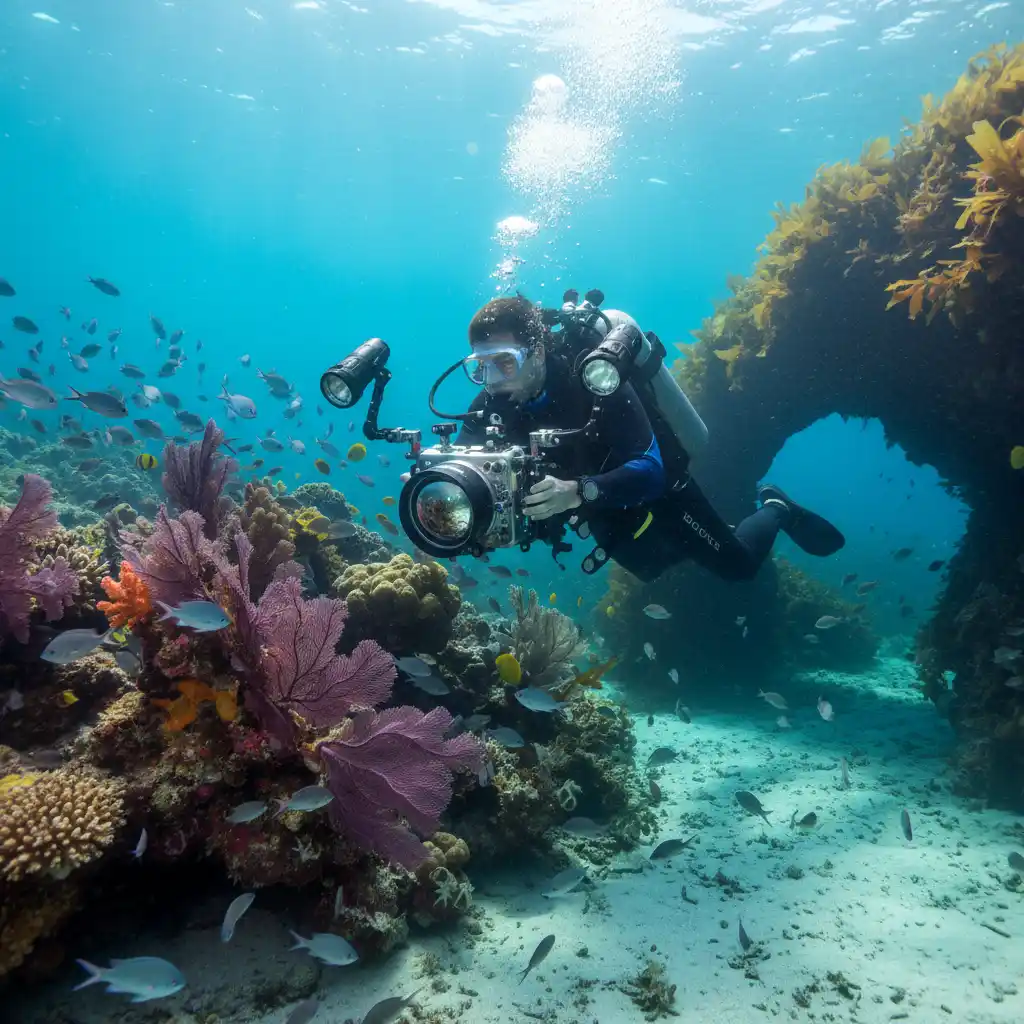
GoPro vs. Compact vs. DSLR Rentals
When seeking an underwater camera rental in Auckland, you will generally encounter three categories of equipment. Understanding the differences is crucial for matching the gear to your skill level and intended use.
Action Cameras (GoPro / DJI Osmo)
Action cameras are the most popular rental choice for snorkelers and beginner divers. They are small, unobtrusive, and generally automated.
- Pros: Extremely easy to use (point and shoot), excellent 4K video capabilities, wide-angle lens captures large scenes, compact size creates less drag.
- Cons: Poor performance in low light, fixed focus limits macro photography capability, no manual control over shutter speed or aperture without navigating complex menus.
- Best For: Snorkeling at Goat Island, capturing video of swimming with dolphins, and general wide-angle scenery.
Compact Rugged Cameras (Olympus TG-6/TG-7)
The Olympus TG series is the industry standard for rental fleets in New Zealand. These cameras are waterproof on their own but are usually rented inside a secondary housing to allow for deeper depths and better handling.
- Pros: Incredible “Microscope Mode” for macro photography (nudibranchs, triplefins), shoots in RAW format for better editing, dedicated underwater white balance modes, rugged durability.
- Cons: More settings to manage than a GoPro, smaller sensor than a DSLR.
- Best For: Scuba divers interested in macro life, marine biology students, and those wanting high-quality stills over video.
DSLR and Mirrorless Rigs
High-end rentals (like a Sony A7 series or Canon R5 in Nauticam housing) are rare and usually reserved for professional photographers or commercial shoots. Few standard dive shops rent these out due to the extreme cost and liability.
- Pros: Professional image quality, total manual control, interchangeable lenses.
- Cons: extremely bulky, high flood risk cost, requires significant deposit and insurance.
- Best For: Commercial productions or professional photographers whose own gear is being serviced.
Rental Locations: CBD vs. Leigh
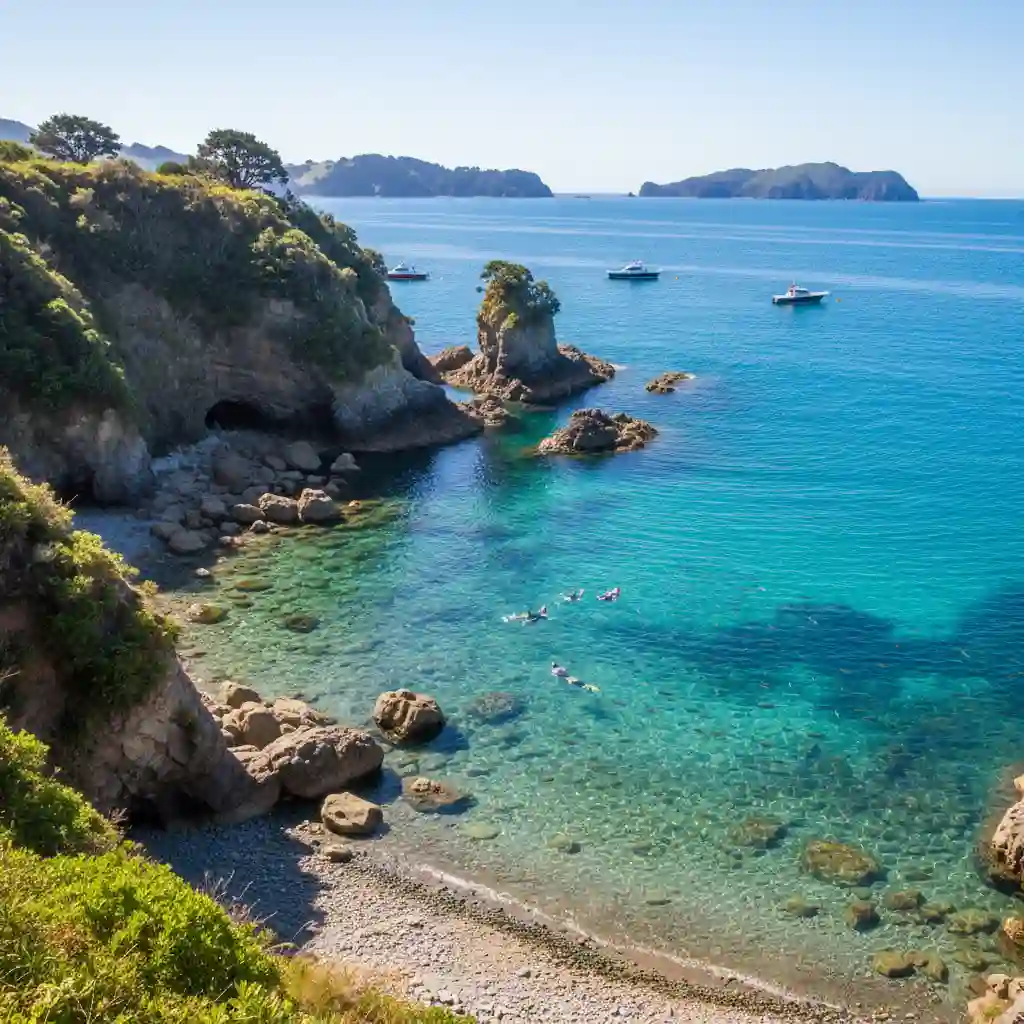
The geography of Auckland’s dive scene dictates where you should rent your gear. Most marine activity happens either in the Hauraki Gulf (accessible via boat from the CBD or Gulf Harbour) or at the Goat Island Marine Reserve in Leigh (an hour north of Auckland).
Goat Island & Leigh Area
If you are heading specifically to the Goat Island Marine Reserve, it is highly recommended to rent your gear locally in Leigh or Warkworth. Hauling gear from the CBD is unnecessary if you are driving north anyway.
Goat Island Dive & Snorkel: Located right near the reserve, this is the primary hub for rentals in the area. They typically stock a large fleet of GoPros and Olympus TG cameras. The benefit of renting here is the proximity to the water; if you have an issue with the housing or settings, you can return to the shop immediately for assistance. They also offer brief tutorials on how to use the specific cameras in the reserve’s conditions.
Auckland CBD and Suburbs
If you are joining a charter boat departing from Westhaven Marina, or if you are heading to the Coromandel or Northland and want to secure gear before you leave, a CBD dive shop is your best bet.
Global Dive & Auckland Scuba: Major dive retailers in the city often have rental departments. These shops are ideal for scuba divers who need a full kit hire (Regs, BCD, Tanks) and want to add a camera package to the bundle. The staff here are often technical divers who can give advanced advice on lighting and strobe positioning.
Cost of Daily and Weekly Rentals
Budgeting for your underwater imaging needs requires understanding the current market rates in Auckland. Prices vary based on the model of the camera and whether accessories (like video lights or strobes) are included.
Standard Daily Rates
- GoPro Hero (Latest Models): Expect to pay between $40 and $60 NZD per day. This usually includes the camera, the waterproof super-suit housing, a floating handle or wrist strap, and a battery. SD cards are often extra or sold separately.
- Compact Camera (Olympus TG-6 + Housing): Daily rates typically range from $70 to $95 NZD per day. This is a higher tier rental because of the cost of the housing and the camera’s capabilities.
- Lighting Add-ons: Underwater video lights (2000+ lumens) or strobes usually cost an additional $20 to $40 NZD per day. In New Zealand’s sometimes green or particulate-heavy water, artificial light is essential for restoring color.
Weekly and Weekend Rates
Most shops offer a “weekend special” where you pick up on Friday and return on Monday for the price of two days. Weekly rentals are often discounted by 20-30% compared to the daily rate, making them ideal for road trips to the Bay of Islands or the Coromandel Peninsula.
Insurance, Deposits, and Liability
Renting underwater electronics carries inherent risks, primarily related to water ingress (flooding). It is vital to read the rental agreement carefully before signing.
The “You Break It, You Buy It” Policy
Unlike renting a car where insurance covers most damage, underwater camera rentals often hold the renter fully liable for flooding caused by user error. User error includes getting hair or sand trapped in the O-ring, opening the housing while wet, or exceeding the depth rating.
Security Bonds
Shops will typically require a credit card pre-authorization or a cash bond. For a GoPro, this might be $200-$300. For a full Olympus TG-6 setup with lights, the bond could be upwards of $800. This bond is released upon the safe return of the equipment.
SD Card Policies
Most rental centers require you to purchase an SD card or bring your own high-speed card (Class 10 / UHS-I or better). This avoids liability regarding lost footage. If the shop provides a card, they will usually transfer files to your device for a fee, or sell you the card at the end of the day.
Tips for Shooting in NZ Waters
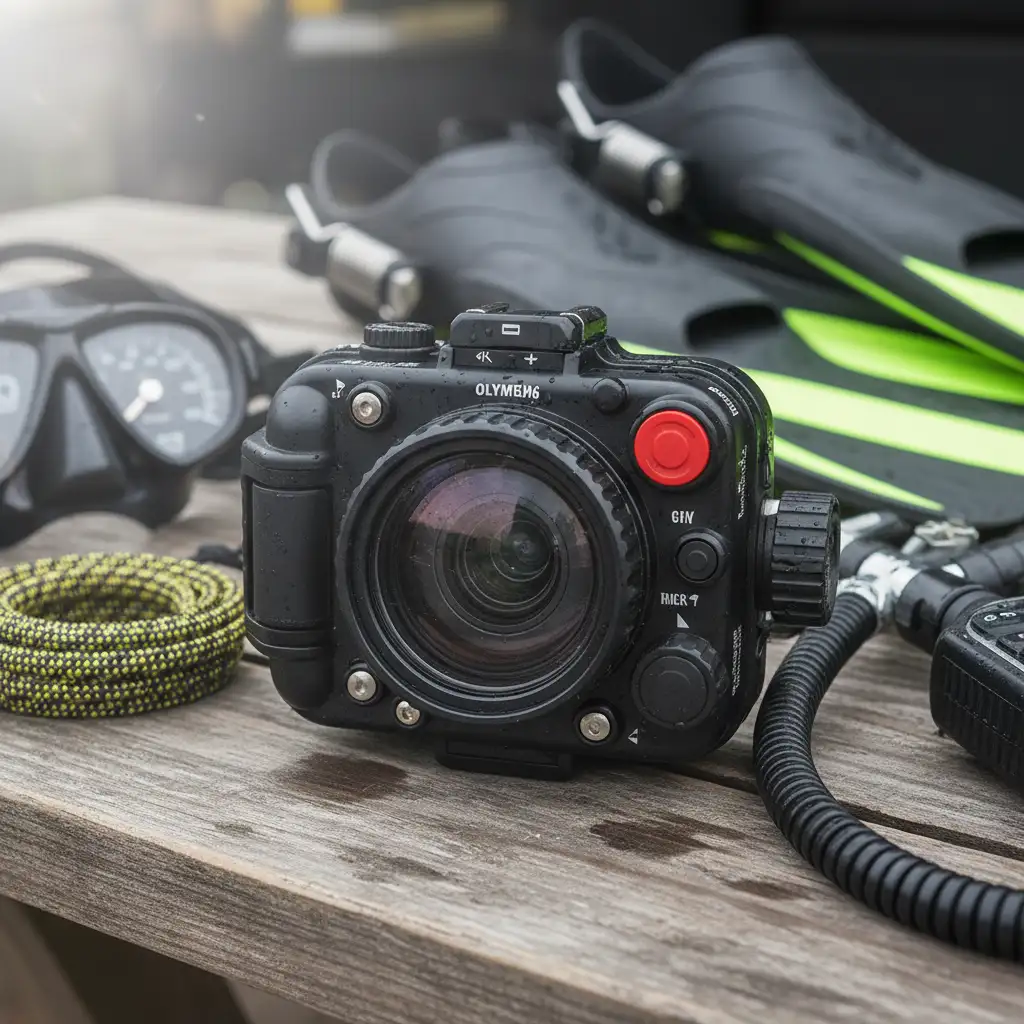
New Zealand’s temperate waters present different challenges compared to tropical diving. The water can be greener due to plankton, and light levels can drop quickly.
Get Close, Then Get Closer
The “Golden Rule” of underwater photography is to minimize the amount of water between the lens and the subject. This reduces backscatter (particles lit up by the flash) and improves sharpness. In Auckland’s waters, try to be within 1 meter of your subject.
Use Manual White Balance
If you are renting an Olympus TG-6, learn how to use the “Underwater Mode.” This preset adds red back into the image digitally, compensating for the blue/green absorption of the water. If you are using a GoPro, consider renting a red filter if you are diving deeper than 5 meters; however, for surface snorkeling, standard settings are usually sufficient.
Stability is Key
Currents around islands like Great Barrier or Little Barrier can be strong. Ensure you are neutrally buoyant before focusing on the camera. Damage to the reef often happens when a photographer focuses on the viewfinder rather than their fins. Renting a camera tray with two handles can significantly improve the stability of your video footage.
Marine Education and Conservation Photography
In the niche of NZ Domestic Tourism & Marine Education, renting a camera serves a purpose beyond souvenirs. It is a tool for citizen science.
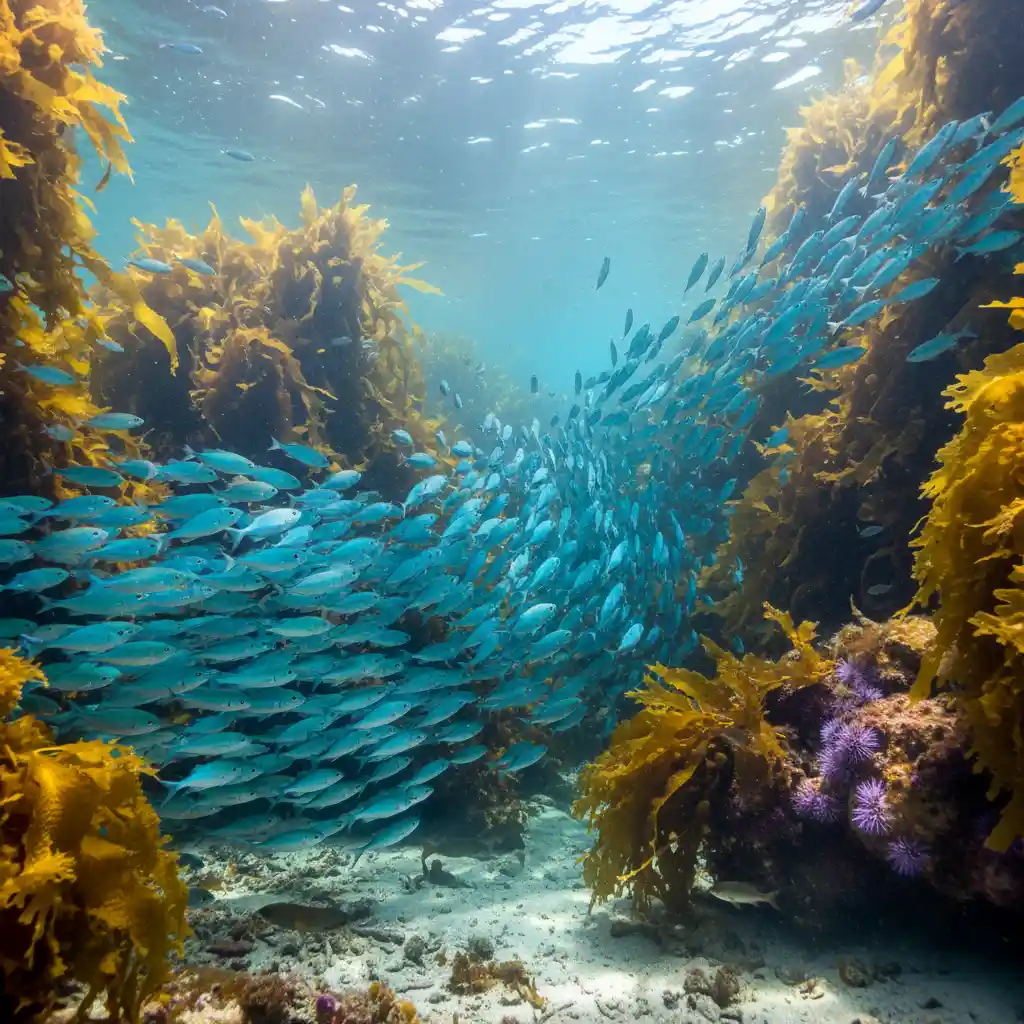
Photography allows snorkelers and students to document species distribution within reserves. Apps like iNaturalist allow users to upload photos of marine life to help scientists track biodiversity. When renting a camera, ask the shop staff about local “target species” to look out for, such as the elusive Crested Weedfish or the vibrant Blue Maomao.
Ethical Photography: Always adhere to the “no touch” policy. Do not harass marine life to get a better shot. The best photos come from patience, allowing the fish to become comfortable with your presence. This approach is particularly important in the Goat Island Marine Reserve, where the fish are wild but accustomed to humans.
People Also Ask
Can you rent underwater cameras directly at Goat Island?
Yes, local dive operators in Leigh and near the Goat Island Marine Reserve offer daily rentals of GoPros and digital compact cameras specifically for use in the reserve.
How much does it cost to hire a GoPro in Auckland?
GoPro hire rates in Auckland typically range from $40 to $60 NZD per day. Weekly rates are often discounted, and accessories like floaty poles may be included.
Do I need a red filter for snorkeling in NZ?
For surface snorkeling, a red filter is usually not necessary as there is plenty of natural light. However, if you are scuba diving below 5-10 meters, a red filter or video lights are recommended to restore color.
Is insurance included in the rental price?
Generally, no. Most underwater camera rentals do not include insurance for flooding caused by user error. You are usually liable for the full replacement cost if the housing floods due to negligence.
What is the best rental camera for beginners?
The GoPro is the best option for absolute beginners due to its point-and-shoot simplicity. For those wanting higher quality photos, the Olympus TG-6 is the standard entry-level choice that offers great macro capabilities.
Can I bring my own SD card for the rental camera?
Yes, most rental shops encourage you to bring your own high-speed Micro SD or SD card. This ensures you keep your data immediately and avoids file transfer fees.