
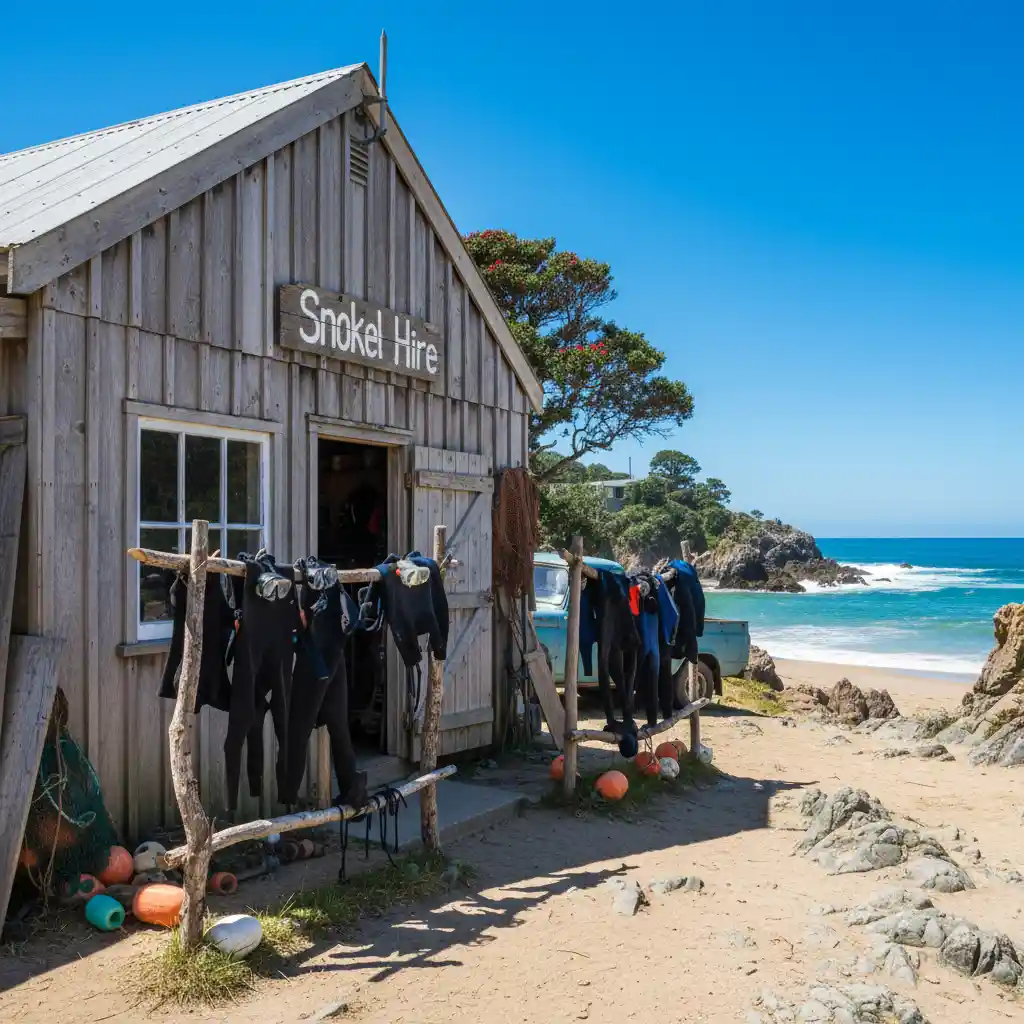
Snorkel hire at Goat Island is primarily facilitated by specialized providers located in Leigh and near the marine reserve entrance. Visitors can rent comprehensive gear sets, including 5mm or 7mm wetsuits, masks, snorkels, and fins. To ensure availability, especially during peak summer months, booking equipment online in advance is highly recommended to secure the correct sizing and avoid queues.
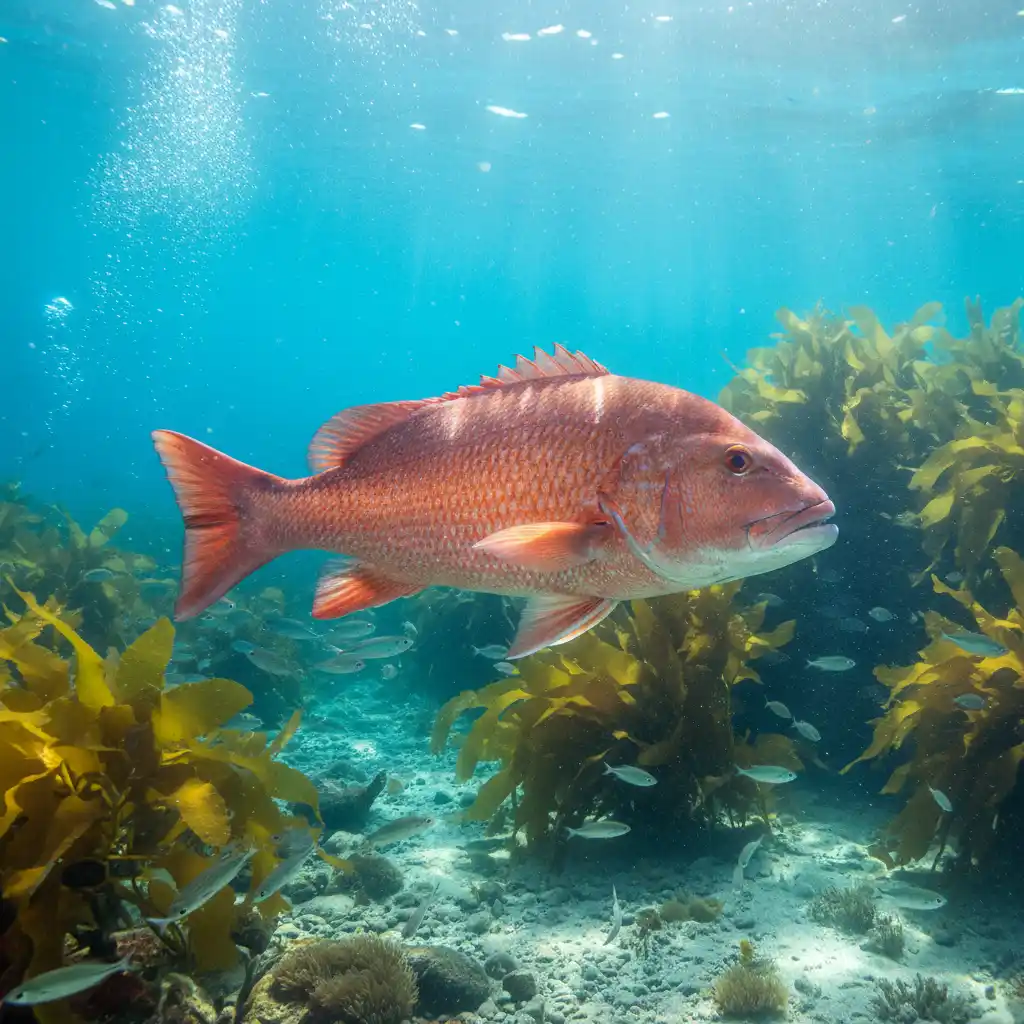
Goat Island, officially known as the Cape Rodney-Okakari Point Marine Reserve, is New Zealand’s first marine reserve and a crown jewel of domestic tourism. Located just over an hour north of Auckland, it offers a window into a thriving underwater ecosystem teeming with Snapper, Blue Maomao, and Crayfish. However, enjoying this underwater paradise requires the right equipment. The waters here, while crystal clear, can be cool, and the rocky shoreline necessitates durable footwear. Securing high-quality snorkel hire at Goat Island is the first step toward a safe and memorable aquatic adventure.
Where Can You Hire Snorkel Gear Near Goat Island?
When planning a trip to the reserve, understanding your rental options is crucial for logistics. Unlike commercial beaches with dozens of vendors, the Goat Island area is a protected reserve with regulated commercial activity. There are two primary ways to secure gear: dedicated dive shops in the nearby town of Leigh and mobile operators or concessions closer to the beach.
Goat Island Dive & Snorkel (The Primary Hub)
Located on the main road leading into the reserve (Goat Island Road), this is the most established provider. They operate a full-service dive shop that offers not just rentals but also guided tours and PADI certification courses. Their proximity to the beach makes them a convenient stop before you descend the hill to the car park.
Renting from a dedicated facility offers several advantages. Firstly, they possess the infrastructure to sanitize gear thoroughly between uses—a critical factor for masks and snorkels. Secondly, they have changing facilities and showers, allowing you to get fitted comfortably before heading to the water. Their staff are typically seasoned divers who can offer real-time updates on visibility, swell, and jelly-fish presence.
Mobile Operators vs. Bringing Your Own
Occasionally, during peak summer holidays, you may find pop-up concessions near the car park, though these are less consistent than the brick-and-mortar shops. The alternative is hiring gear in Auckland before you drive up. While this guarantees you have gear before you leave home, it lacks the benefit of expert local advice on the day’s specific conditions. If the swell is too high and swimming is dangerous, a local shop will tell you immediately, potentially saving you a rental fee if the beach is unswimmable.
What is Included in a Standard Snorkel Rental Package?
Snorkeling in New Zealand is distinct from tropical snorkeling. The water temperature at Goat Island ranges from 15°C (59°F) in winter to 22°C (71°F) in late summer. Because of this, a simple mask and snorkel are rarely enough for a comfortable experience. Professional rental packages are designed to keep you warm and mobile.
The Importance of the Wetsuit
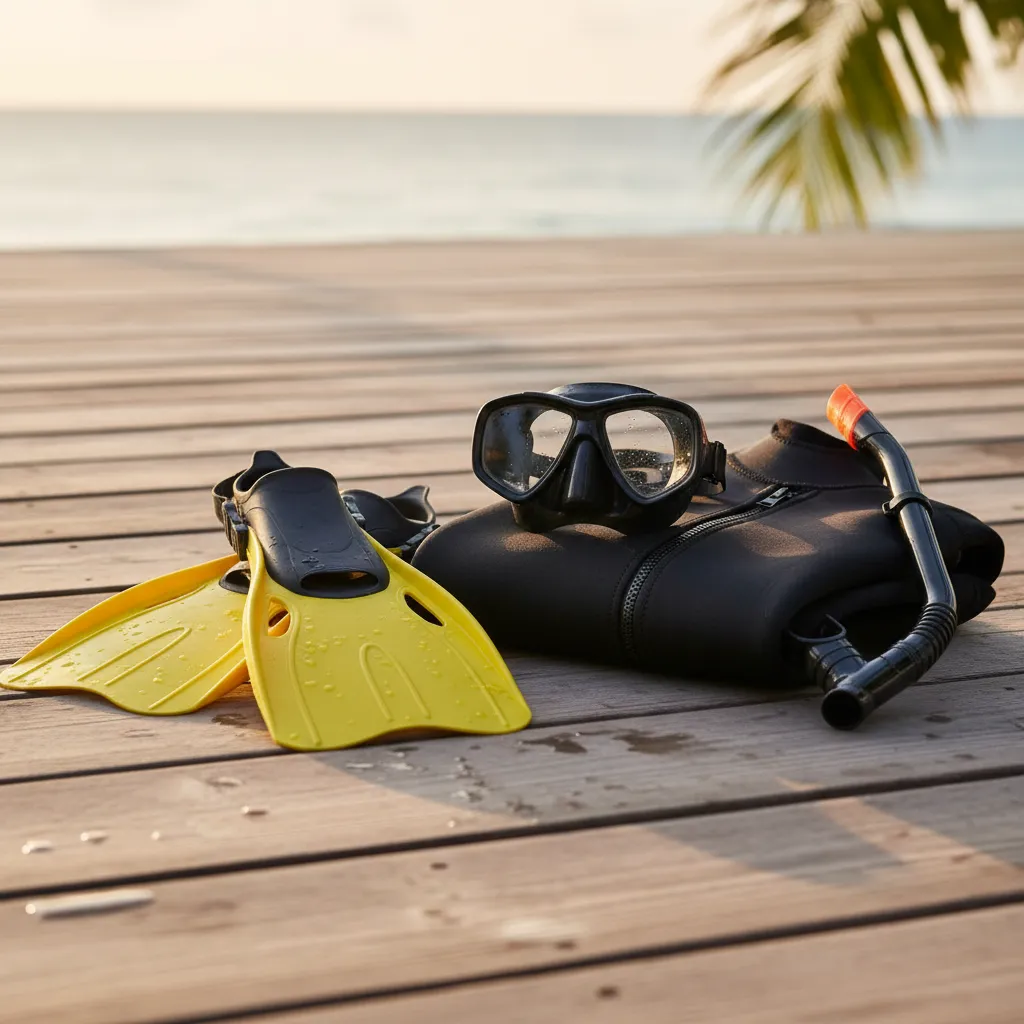
The wetsuit is the most critical piece of rental equipment. Most providers at Goat Island offer 5mm or 7mm wetsuits. This thickness provides two essential functions:
- Thermal Protection: Even in February, prolonged exposure to the water can lead to a drop in core body temperature. A thick wetsuit traps a layer of water against your skin, which your body heats up, keeping you warm for 45 to 60 minutes.
- Buoyancy: Neoprene is inherently buoyant. For weak swimmers or those nervous about the depth, a wetsuit acts as a full-body floatation device, making it much easier to stay on the surface and observe the fish without exertion.
Masks, Snorkels, and Fins
Standard rentals include a silicone mask (far superior to rubber or plastic) and a snorkel. High-end rentals may include a “dry top” snorkel that prevents water from entering the tube if a wave splashes over you. Fins are essential for navigating the currents. At Goat Island, you will likely be issued with “closed heel” fins or “open heel” fins with booties. Booties are highly recommended because the entry to the water involves walking over slippery rocks and barnacles.
How to Ensure the Right Fit: Kids, Adults, and Optical Needs
One of the most common fears for first-time snorkelers is a leaking mask. This is almost always caused by poor fitting rather than equipment failure. On-site rental staff are trained to fit masks to different face shapes.
The “Sniff Test”
When you hire gear, the staff will ask you to place the mask on your face without the strap and inhale through your nose. If the mask stays in place via suction, it is a good fit. If it falls off, air is leaking in, which means water will leak in later. Rental shops carry a variety of mold shapes to accommodate narrow, wide, or petite faces.
Sizing for Children
Goat Island is a family-friendly destination, and rental providers stock gear for children as young as 5 or 6 years old. Kids’ wetsuits are available in smaller cuts to prevent water flushing (cold water entering the suit). It is vital that parents ensure their child’s wetsuit is snug; a loose wetsuit offers no thermal protection.
Prescription Masks (Optical Hire)
For those who wear glasses, snorkeling can be blurry. Leading rental providers at Goat Island offer prescription masks (optical masks) ranging from -2.0 to -8.0 diopters. This is a game-changer for visibility. When booking, you must explicitly request these, as stock is limited compared to standard masks.
Booking in Advance for Summer: A Critical Strategy
The period between Christmas and Waitangi Day (early February) sees thousands of visitors flocking to the reserve. The demand for snorkel hire at Goat Island frequently outstrips supply during these peak windows.
The Online Booking Advantage
Most reputable providers now have online booking systems. Reserving your gear ensures that your specific size is set aside. There is nothing worse than arriving at 11:00 AM to find that all Medium and Large wetsuits are rented out. Furthermore, online bookings often allow you to sign waivers digitally, speeding up the pickup process so you can get to the water faster.
Parking and Gear Transport
A logistical challenge at Goat Island is the distance between the rental shop (often up the hill) and the beach. If you rent from the dive center, you will need a vehicle to transport the gear down to the reserve car park. The reserve car park fills up notoriously fast—often by 10:00 AM on sunny weekends. If the lower car park is full, you may have to park in the upper overflow lot and walk down. Carrying four sets of wetsuits, weights, and fins is heavy; plan accordingly. We recommend dropping passengers and gear at the drop-off zone before parking the car.
Safety Briefings and Marine Education
Renting gear is not just a transaction; it is an educational touchpoint. As a “no-take” marine reserve, strict rules apply. You cannot fish, gather shellfish, or move rocks. Rental staff act as guardians of the reserve, providing briefings that cover conservation rules and safety.
Understanding Currents and Conditions
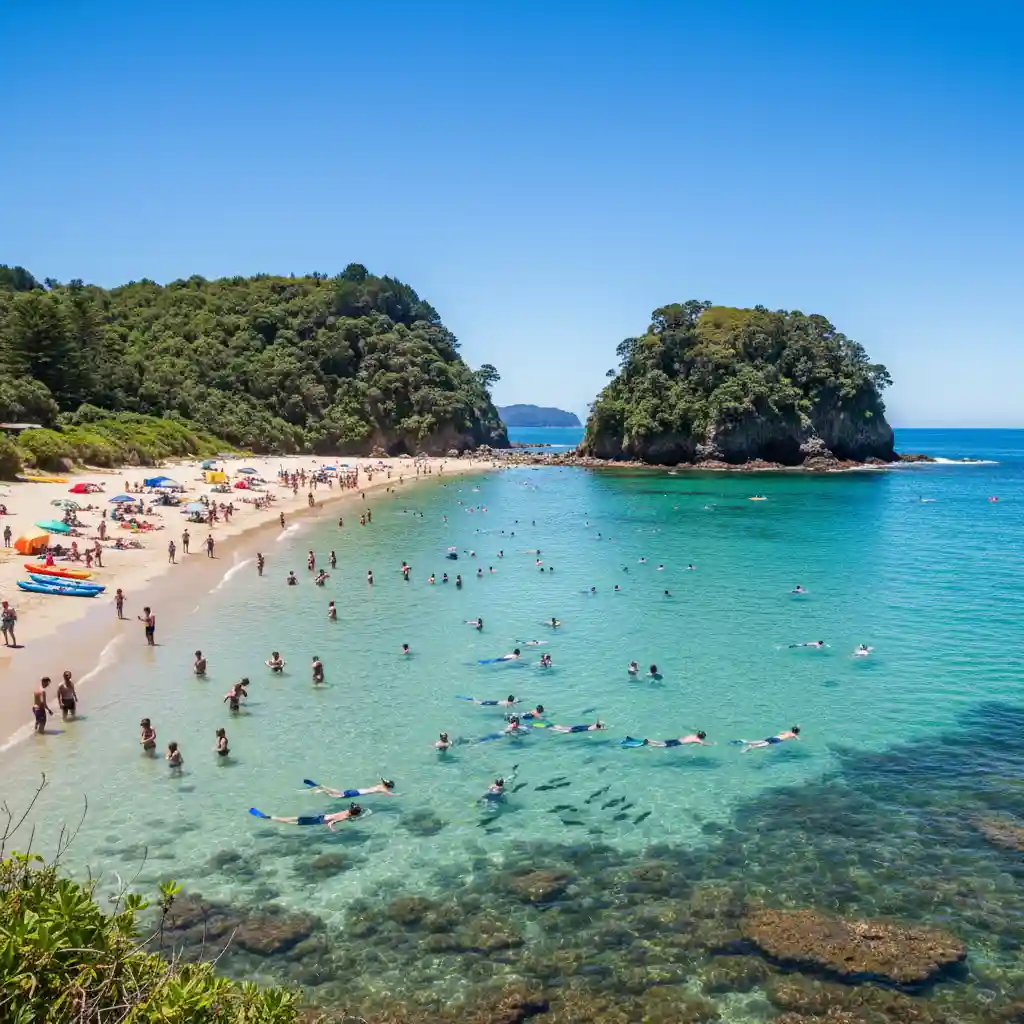
While Goat Island is generally sheltered, it is open to the ocean. Currents can sweep around the island, and wind chop can make swimming difficult. When you hire snorkel gear, ask for a map of the “safe zones.” Typically, the area directly off the main beach (Shag Rock) is safest for beginners. The channel between the mainland and the island is prone to stronger currents and should only be attempted by strong swimmers with fins.
The Buddy System
Rental providers will emphasize the buddy system. Never snorkel alone. The rental gear makes you buoyant, but it does not make you invincible. Having a partner ensures that if you get a cramp or feel unwell, someone is there to signal for help. The beach is patrolled by lifeguards during peak summer periods, but you are ultimately responsible for your safety.
Guided Snorkel Tours vs. Independent Hire
If you are nervous about snorkeling for the first time, you might consider upgrading from simple snorkel hire to a guided snorkel tour. Most hire shops offer this service.
In a guided tour, an instructor is in the water with you. They bring a bodyboard with a float line that you can hold onto if you get tired. More importantly, they know exactly where the fish are. They can point out the camouflaged rays on the sand, the shy crayfish in the crevices, and explain the behavior of the aggressive Snapper. While more expensive than basic hire, the value added in terms of safety and education is immense for beginners.
Summary: Checklist for Your Trip
To maximize your day at the marine reserve, follow this checklist:
- Check the Weather: Look for low swell (under 1 meter) and offshore winds (South/South-West) for the clearest water.
- Book Gear Online: Secure your wetsuits and optical masks at least 48 hours in advance.
- Arrive Early: Aim to be at the rental shop by 9:00 AM to beat the traffic and get the best parking.
- Bring Comfort Items: Pack a towel, warm clothes for after the swim, and plenty of water and snacks (there are limited food options at the beach itself).
- Respect the Reserve: Look, but don’t touch. Enjoy the privilege of swimming in one of New Zealand’s most successful conservation projects.
People Also Ask
Do I really need a wetsuit for snorkeling at Goat Island?
Yes, it is highly recommended. Even in summer, the water temperature rarely exceeds 22°C. A wetsuit allows you to stay in the water longer (45+ minutes) to see more fish and provides essential buoyancy and protection against rocky surfaces.
How much does snorkel hire cost at Goat Island?
Prices vary, but generally, a full set (wetsuit, mask, snorkel, fins) costs between $35 and $50 NZD for a half-day or full-day rental. Kids’ packages are often slightly cheaper. Guided tours typically range from $70 to $100 NZD.
Can I hire prescription masks at Goat Island?
Yes, the main dive shop in Leigh (Goat Island Dive & Snorkel) offers prescription masks. It is crucial to call ahead or book online to ensure your specific prescription strength is available.
Is there anywhere to store my valuables while I snorkel?
There are no public lockers on the beach. If you rent from the shop up the road, they may hold car keys for you, but generally, you should leave valuables at home or locked out of sight in your vehicle. Never leave bags unattended on the beach.
What is the best time of day to snorkel at Goat Island?
The best visibility often occurs around high tide, as the influx of clean ocean water pushes back sediment. However, early morning (before 10 AM) is best to avoid crowds and secure parking, regardless of the tide.
Is snorkeling at Goat Island safe for non-swimmers?
Non-swimmers should exercise extreme caution. While wetsuits provide buoyancy, the ocean environment is unpredictable. It is recommended that non-swimmers hire a “cleary” (a glass-bottom boat tour) or stick to very shallow waist-deep water with a life jacket or floatation device.