
Cold water diving in New Zealand requires specialized preparation, primarily focusing on thermal protection like drysuits or high-quality semidrys to combat temperatures ranging from 8°C to 20°C. Divers must adjust buoyancy weighting for thicker exposure suits, utilize environment-sealed regulators to prevent freezing, and implement strict post-dive warming protocols to mitigate hypothermia risks during extended technical dives.
New Zealand offers some of the most spectacular, yet challenging, underwater environments on the planet. From the sub-tropical currents of the Poor Knights Islands to the ink-black, tannin-stained waters of Milford Sound, the diversity is immense. However, for technical divers planning extended bottom times or decompression stops, the thermal reality of these waters is the primary logistical hurdle. Unlike recreational dips, technical exposures in NZ’s temperate waters require a rigorous approach to equipment configuration and physiological management.
Thermal Protection: Drysuit vs. Semidry for NZ Tech Diving
The debate between drysuits and semidry suits is common in recreational circles, but in the realm of technical diving within New Zealand, the margin for error narrows significantly. Hypothermia is not just a comfort issue; it is a decompression illness (DCI) risk factor. Cold tissues off-gas nitrogen less efficiently, making thermal regulation a critical safety component of your dive plan.
Is a Drysuit Mandatory for NZ Technical Diving?
While you can survive a dive in a 7mm semidry in the warmer northern waters (reaching 20-22°C in summer), a drysuit is widely considered the standard for technical diving across New Zealand, particularly for dives exceeding 45 minutes or involving staged decompression.
The Drysuit Advantage:
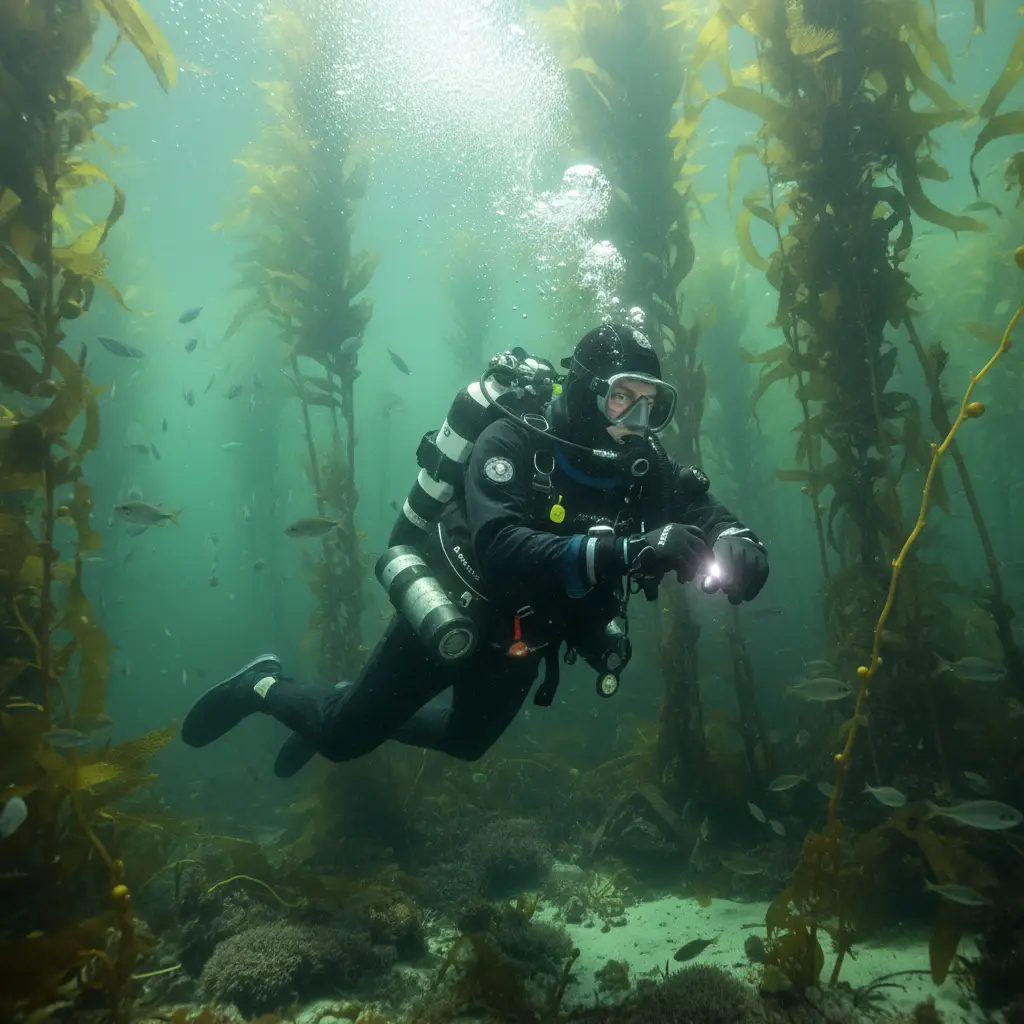
In the South Island, water temperatures can drop below 10°C. A trilaminate or crushed neoprene drysuit allows for modular insulation. You can layer high-loft undergarments (often utilizing New Zealand Merino wool base layers) to trap air, which is a far superior insulator to the water trapped in a wetsuit. Furthermore, drysuits maintain consistent insulation at depth, whereas neoprene wetsuits compress, losing thermal efficiency exactly when you need it most—at the bottom phase of a deep technical dive.
When is a Semidry Acceptable?
High-quality 7mm or 8/7mm semidry suits with internal dams and heavy-duty zippers are viable for shorter technical training dives in the North Island during summer. However, the loss of dexterity in thick neoprene gloves and the thermal stress during long decompression stops make them suboptimal for serious exploration.
Weighting Changes and Buoyancy Control
Transitioning to cold water diving configurations requires a fundamental rethink of your weighting strategy. The addition of thick undergarments and the air trapped inside a drysuit creates significant positive buoyancy that must be offset.
How much extra weight is needed for cold water diving?
Typically, a diver moving from a tropical 3mm wetsuit to a drysuit with heavy undergarments will need to add between 6kg to 10kg of lead. However, simply adding weight to a belt is dangerous and inefficient for technical diving. It ruins trim and creates a localized heavy point that can cause back pain.
Distributed Weighting Systems:
To maintain the horizontal trim essential for technical diving, weight should be distributed across the rig:
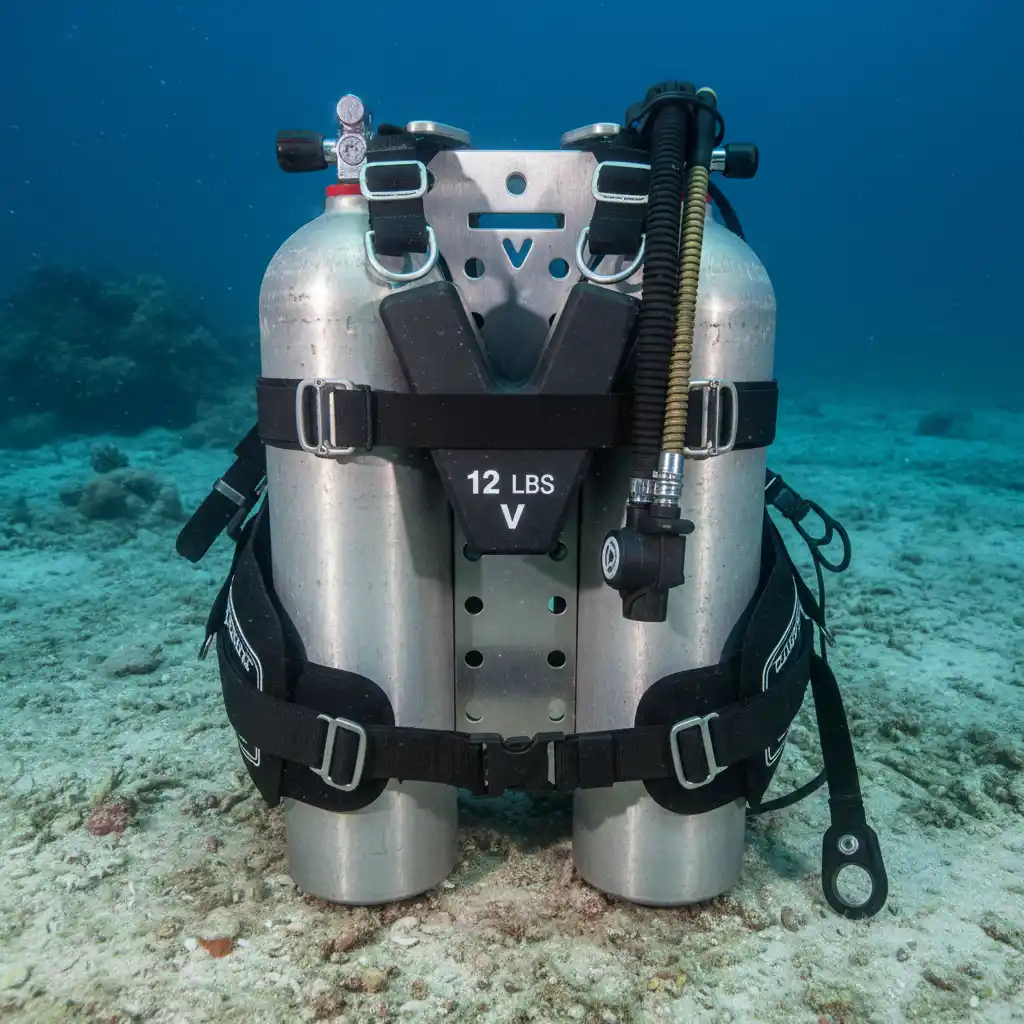
- V-Weights: Placed between the twin cylinders, putting the weight over the lungs where the center of buoyancy is located.
- Tail Weights: Used to offset the tendency of drysuit legs to float, keeping the diver flat.
- Heavy Backplates: Switching from aluminum to a stainless steel backplate adds roughly 2.5kg of negative buoyancy immediately.
The Swing Weight Factor:
In technical diving, you must account for the weight of the gas. A twinset of steel 12L cylinders plus stage bottles can vary by several kilograms from the start of the dive to the end. You must be weighted heavily enough to hold your shallowest decompression stop with near-empty cylinders, but not so heavy that you cannot swim your rig up in the event of a wing failure at the start of the dive.
Regulator Performance in Cold Water
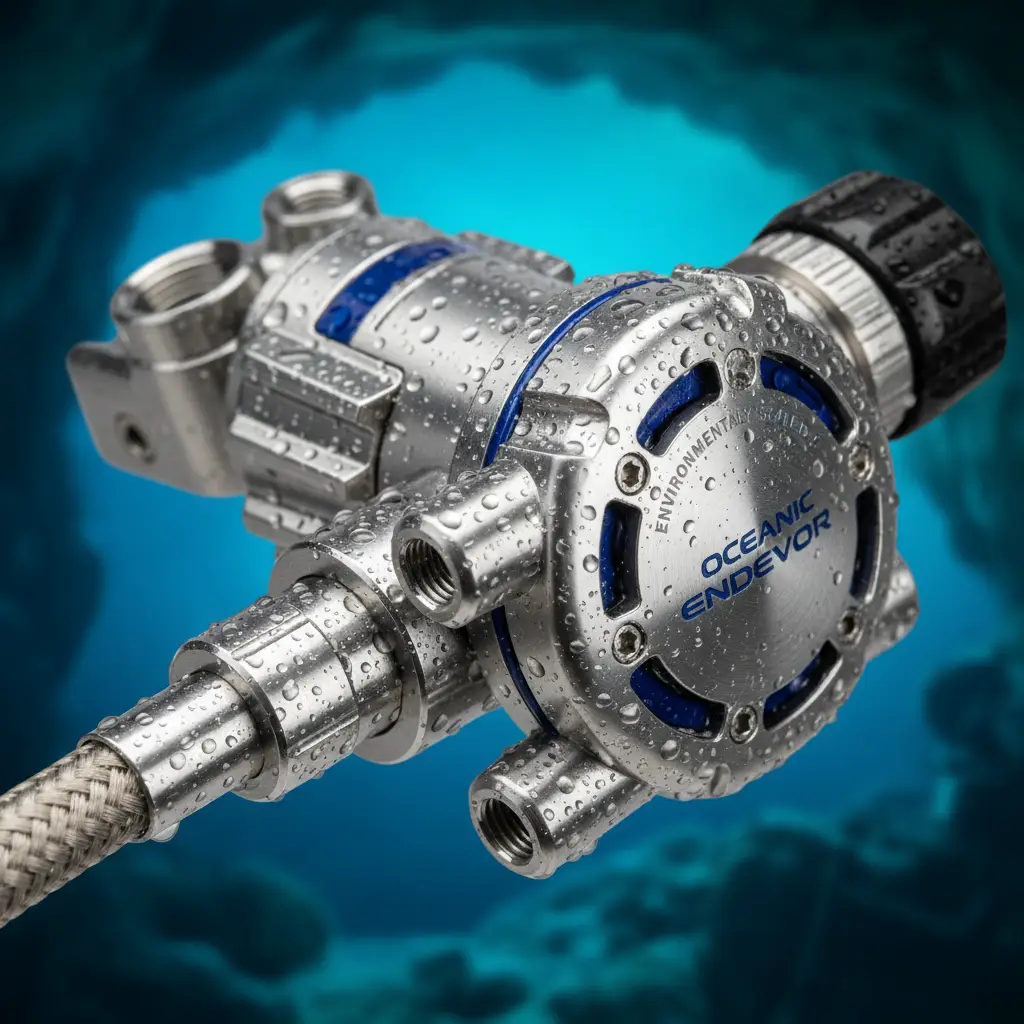
Regulator freezing is a genuine hazard in New Zealand waters, particularly when diving deep where water is colder, or in the fresh water of Lake Taupo or the pupu springs. As gas expands from high pressure to low pressure, it cools rapidly (adiabatic cooling). If the surrounding water is near freezing, this can cause ice crystals to form in the first stage, locking the piston or diaphragm in an open position—a catastrophic free-flow.
What features prevent regulators from freezing?
For cold water diving NZ, you must ensure your regulators are EN250 certified for cold water use. The gold standard is an environmentally sealed diaphragm first stage. This design uses a secondary diaphragm to transmit pressure, preventing the surrounding water (and potential ice or silt) from directly contacting the internal moving parts.
Critical Cold Water Protocols:
- Keep it Dry: Do not breathe from the regulator until you are underwater. Moisture from your breath on the surface can freeze instantly upon descent.
- Low Work of Breathing: High flow rates increase cooling. Avoid inflating the wing and drysuit simultaneously while breathing heavily.
- Redundancy: Technical diving mandates dual first stages (DIN valves). If one freezes, you shut down that post and switch to the backup immediately.
Navigating NZ Specific Conditions
New Zealand’s underwater topography is rugged. In locations like Cook Strait or Fiordland, currents can be fierce, and water stratification is common. You might enter the water at 16°C, but pass through a thermocline at 20 meters where the temperature drops to 11°C.
Visibility and Kelp:
Thick kelp forests are common in NZ. Cold water gear, with its extra hoses, pockets, and bulk, is prone to snagging. Streamlining your configuration is vital. Hoses should be routed cleanly, and gauges clipped off. When diving sites like the Mikhail Lermontov in the Marlborough Sounds, low visibility and cold combine to increase task loading. Being comfortable in your cold water kit is a prerequisite before attempting these complex overhead environments.
Post-Dive Warming Strategies
The dive isn’t over until you are warm and dry. In technical diving, the “after-drop” is a physiological phenomenon where cold blood from the extremities returns to the core after the dive, causing the core body temperature to continue dropping even after you have exited the water.
How to prevent the after-drop?
Immediate passive rewarming is the priority. Do not jump into a hot shower immediately, as this can cause rapid vasodilation and lead to fainting or skin issues (chilblains). Instead, follow this protocol:
- Remove Wet Gear: Strip the drysuit or semidry immediately to stop evaporative cooling.
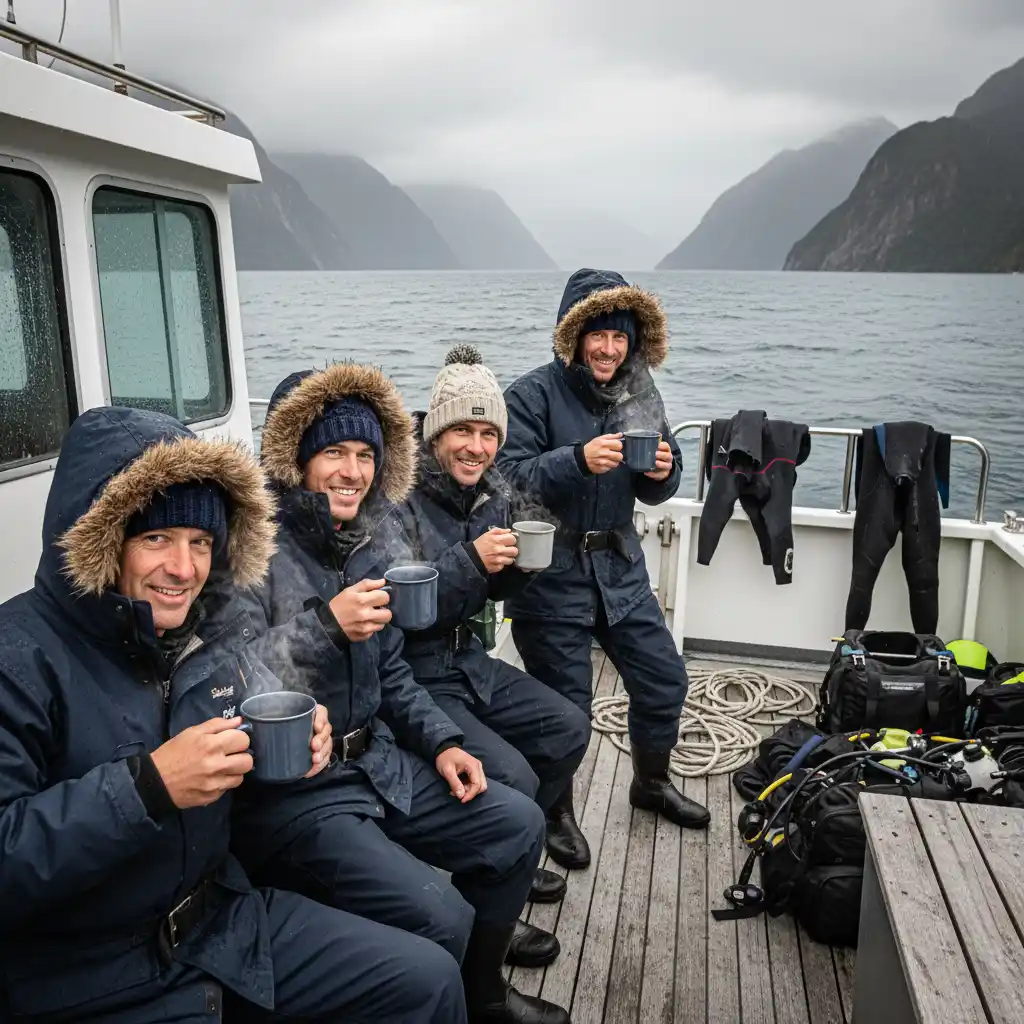
- Dry Layers: Change into dry, windproof clothing. A beanie is essential as significant heat is lost through the head.
- Warm Fluids: Drink warm (not scalding) fluids to warm the core from the inside out.
- Shelter: Get out of the wind. NZ coastal winds can be biting, drastically increasing the wind chill factor.
Mastering cold water diving NZ conditions opens the door to world-class technical diving sites. By investing in the right thermal protection, configuring your weights for trim, and respecting the cold, you turn a hostile environment into a manageable playground for exploration.
People Also Ask
What is the average water temperature for diving in New Zealand?
Water temperatures in New Zealand vary significantly by region and season. The North Island ranges from 15°C (59°F) in winter to 22°C (72°F) in summer. The South Island is colder, ranging from 8°C (46°F) in winter to 15°C (59°F) in summer. Deep technical dives will consistently encounter temperatures at the lower end of these spectrums.
Do I need a drysuit course to dive in New Zealand?
While not legally mandatory to buy gear, a Drysuit Specialty course is highly recommended and often required by charter operators before allowing you to rent a drysuit. The buoyancy characteristics of air in a suit differ vastly from a wetsuit, and improper use can lead to dangerous rapid ascents or inversion.
What undergarments are best for NZ drysuit diving?
Layering is key. A base layer of New Zealand Merino wool is excellent for moisture-wicking and warmth. Over this, a high-loft thinsulate undergarment (200g to 400g depending on the season and dive duration) provides the necessary air trapping. Heated vests are also becoming popular for long technical decompression dives.
How does cold water affect air consumption?
Cold water increases air consumption. The body burns more calories (and oxygen) trying to maintain core temperature. Additionally, stress and discomfort from cold can lead to an increased breathing rate. Technical divers must plan for conservative gas management (higher reserve volumes) in cold conditions.
Can regulators freeze in New Zealand waters?
Yes. While NZ isn’t the Arctic, water temperatures below 10°C combined with high flow rates (heavy breathing or inflating equipment) can cause first-stage freezing. Using environmentally sealed regulators and proper breathing techniques is essential for safety.
What is the best time of year for technical diving in NZ?
Late summer and autumn (February to May) generally offer the warmest water temperatures and best visibility. However, winter diving (June to August) often provides calmer seas and clearer water, provided you have adequate thermal protection.