
Goat Island is generally safe to swim and snorkel if visitors respect the marine environment and conditions. While popular, it poses specific risks including strong tidal currents in the channel, slippery rocky entry points, and sharp sea urchins. To remain safe, swimmers should stay within the main bay, avoid the channel unless experienced, and always check weather and tide reports before entering.
Located in the Cape Rodney-Okakari Point Marine Reserve, Goat Island is New Zealand’s first marine reserve and a premier destination for snorkeling and diving. While the abundance of marine life makes it a magical experience, it is a wild ocean environment, not a swimming pool. Understanding the dynamic nature of the ocean here—specifically regarding currents, wildlife, and terrain—is essential for a safe visit.
Is the Current at Goat Island Dangerous?
The most significant invisible hazard at Goat Island is the tidal current that flows between the mainland beach and the island itself (Te Hāwere-a-Maki). This stretch of water, known as the channel, acts as a funnel for tidal movements.

The Venturi Effect
As the tide changes, a massive volume of water is forced through the narrow gap between the island and the shore. This creates a “Venturi effect,” accelerating the water flow significantly. During peak tidal flow, the current can move faster than an average person can swim.
Safety Protocol for the Channel:
- Avoid the Channel: If you are a beginner, a weak swimmer, or do not have fins, do not attempt to swim across to the island. Stick to the sheltered bays on the mainland side.
- Use Equipment: Experienced snorkelers attempting to cross the channel should always wear long fins to combat the water movement.
- Swim Across, Not Against: If you find yourself caught in the current, do not swim directly against it toward the starting point. Swim perpendicular to the current (across it) to reach the nearest shore or calmer water.
How to Avoid Sea Urchin (Kina) Injuries
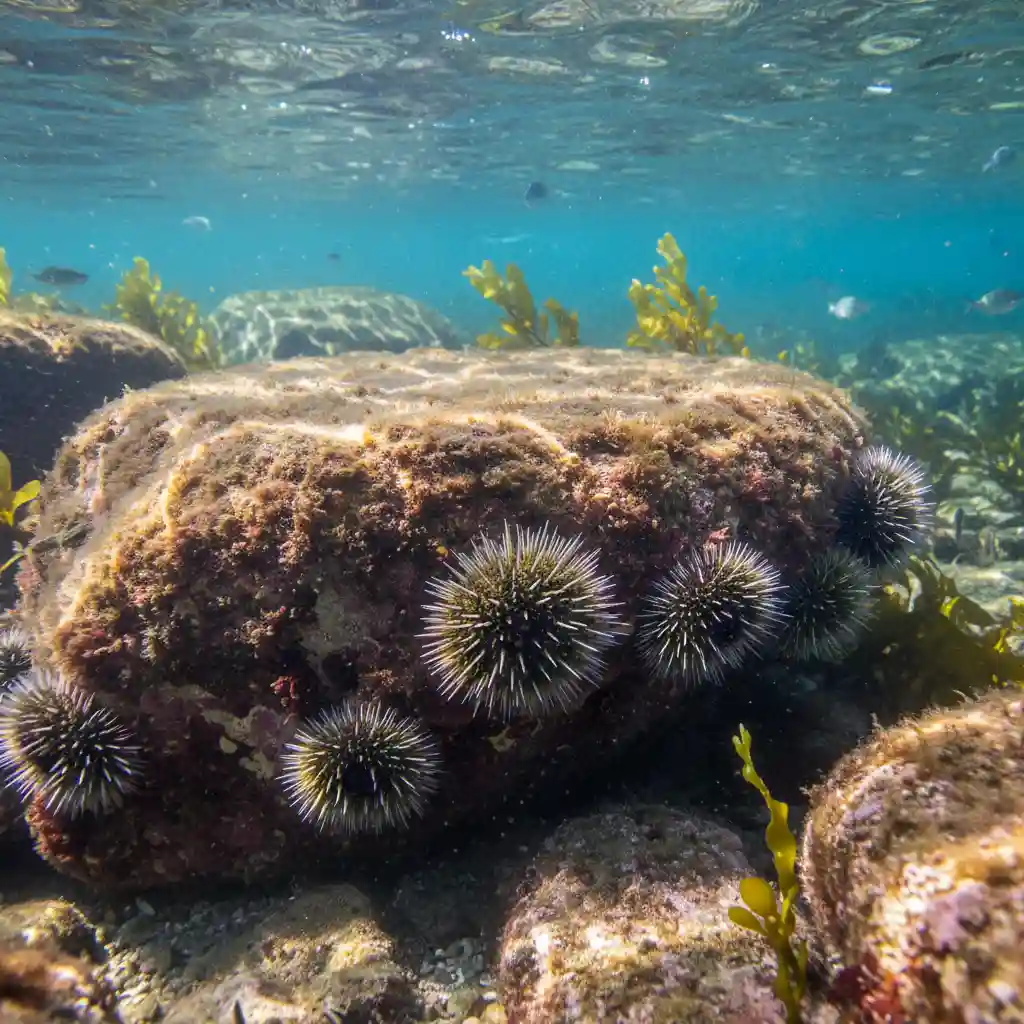
One of the most common injuries treated at Goat Island involves the native Sea Urchin, known as Kina. Because this is a protected marine reserve, Kina populations are dense and healthy. They carpet the rocky seafloor, often starting in very shallow water just a few meters from the shore.
The Risk of Puncture Wounds
Kina spines are brittle and sharp. If a swimmer stands on them or is pushed against a rock by a wave, the spines can puncture the skin and break off inside. These splinters are difficult to remove and can cause infection.
Prevention Strategies
To ensure is goat island safe to swim regarding Kina, follow these rules:
- Buoyancy Control: The best defense is good buoyancy. Keep your body horizontal and floating. Do not stand up once the water is deep enough to swim.
- Look Before You Stand: If you must stand up to adjust your mask, look down first to ensure you are placing your feet on bare sand or rock, not a cluster of urchins.
- Wear Booties: Neoprene dive boots offer some protection against glancing scrapes, though direct weight on a spine can still penetrate thick rubber.
Are Stingrays at Goat Island Aggressive?
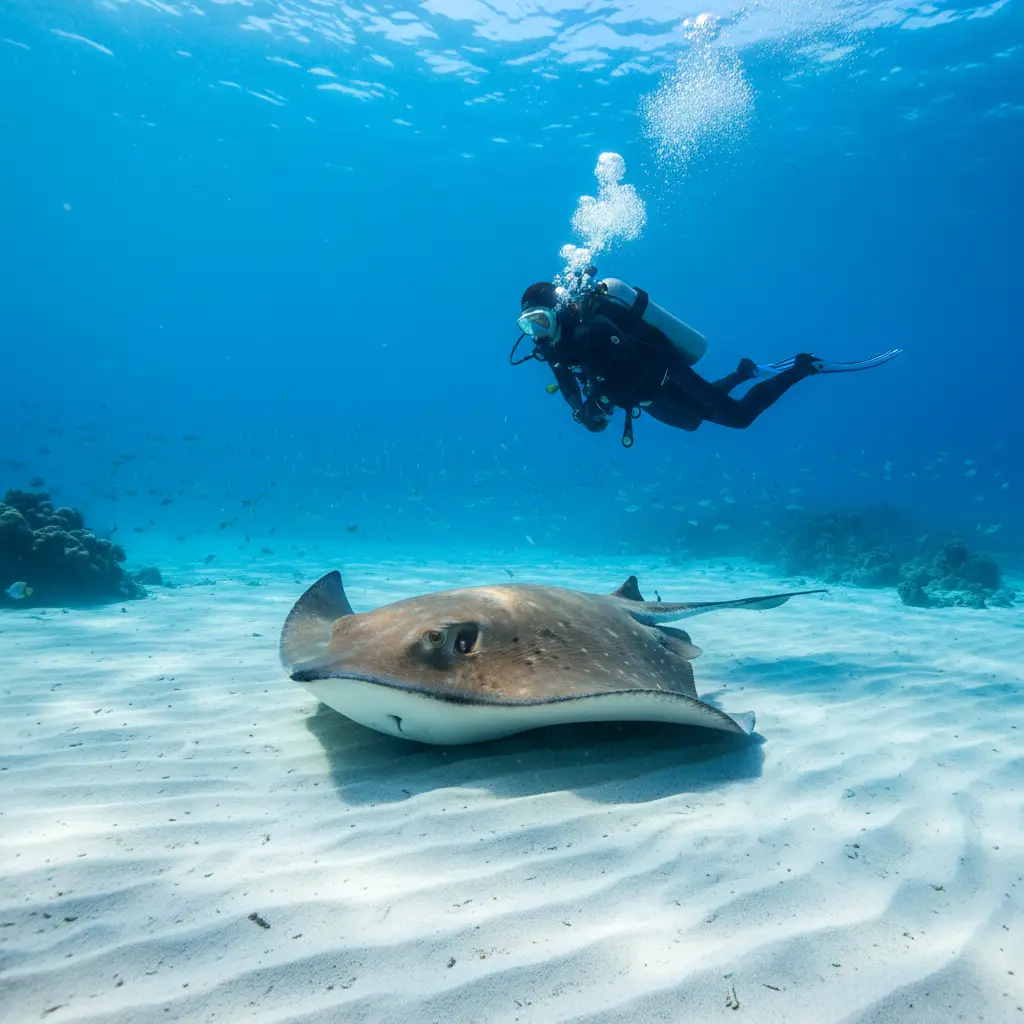
Goat Island is famous for its large populations of Eagle Rays and Short-tail Stingrays. For many, seeing these majestic creatures glide over the sand is the highlight of the trip. However, their size and the barb on their tail can cause anxiety for unprepared visitors.
Understanding Ray Behavior
Stingrays in the reserve are generally docile and accustomed to human presence. They are not aggressive hunters of humans; they feed on crustaceans and mollusks in the sand. Incidents usually occur only when a ray feels threatened, cornered, or is stepped on.
How to Behave Around Rays
Do not chase them: Pursuing a ray can trigger a defensive reaction. Observe them from a respectful distance.
Do not block their path: Always leave the animal an escape route. If a ray is swimming toward you, simply stay still and float; they will swim around or under you.
The “Stingray Shuffle”: If you are walking in sandy shallows where visibility is poor, shuffle your feet along the bottom rather than stepping. The vibration warns the rays, giving them time to move away before you step on them.
Navigating Rocky Terrain and Entry
Unlike sandy surf beaches, the entry to the water at Goat Island consists of rocks, pebbles, and boulders. This terrain presents a significant slip hazard.
The Slippery Zone
The intertidal zone (where the tide goes in and out) is often covered in slippery algae (neptune’s necklace) and wet stones. Many injuries occur before the swimmer even gets fully wet. Ankle sprains, cuts, and bruises are common here.
Safe Entry Tips:
- Walk Slowly: Take deliberate steps.
- Keep Hands Free: Put your mask and fins on once you are waist-deep in the water, not while balancing on slippery rocks.
- Watch the Swell: Even small waves can knock a person off balance on unstable footing. Time your entry between wave sets.
Hypothermia and Water Temperature
New Zealand waters are temperate, not tropical. Even in summer, the water temperature at Goat Island rarely exceeds 20-22°C (68-71°F), and it can drop significantly in winter.
Managing Cold Exposure
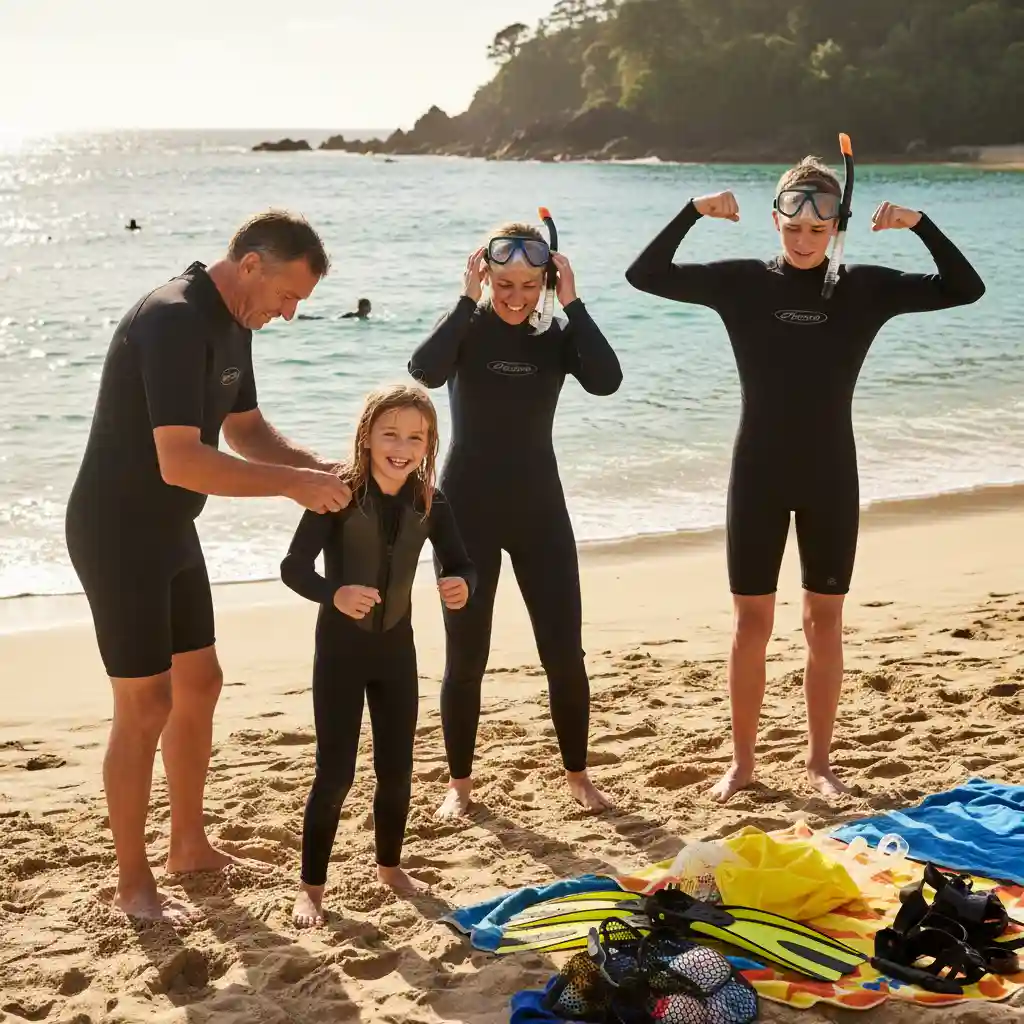
Prolonged exposure to water colder than body temperature drains body heat rapidly. Shivering is the first sign of mild hypothermia. If you or your children start shivering, exit the water immediately.
Wetsuit Recommendations:
- Summer (Dec-Mar): A 3mm wetsuit or “shorty” is recommended for snorkeling sessions longer than 20 minutes.
- Winter (Jun-Sep): A 5mm to 7mm wetsuit with a hood is necessary for thermal safety.
Lifeguard Patrol Times and Emergency Protocols
Is Goat Island safe to swim without supervision? It is important to note that Goat Island is not patrolled by lifeguards year-round. It is a remote location compared to urban beaches.
Patrol Schedule
Surf Life Saving New Zealand typically provides patrols during the peak summer holiday period (late December to early February) and potentially on summer weekends. However, you should always assume the beach is unpatrolled unless you see the flags.
Emergency Procedures
There is limited cell phone reception directly on the beach, though it improves up the hill at the car park.
- In an Emergency: Dial 111 (NZ Emergency Number) and ask for Police/Coastguard.
- AED Location: Check the signage at the Department of Conservation (DOC) visitor center or the dive shop operation near the car park for the location of the nearest Defibrillator.
- Buddy System: Never snorkel alone. Always have a buddy who can signal for help if you get into trouble.
Summary: Is Goat Island Safe?
Goat Island is a safe and spectacular destination for those who prepare. By respecting the strength of the channel current, wearing appropriate thermal protection, and maintaining awareness of marine life like Kina and Stingrays, you can enjoy one of New Zealand’s finest underwater experiences without incident.
Are there sharks at Goat Island?
Yes, sharks frequent the reserve, but they are typically harmless species such as Bronze Whalers or Seven-gill sharks. Sightings are relatively rare for snorkelers. Sharks in the reserve are well-fed by the natural ecosystem and generally show no interest in humans. Always remain calm and exit the water slowly if you spot one and feel uncomfortable.
What is the best time of day to swim at Goat Island?
The safest and best time to snorkel is during “slack tide” (the period roughly one hour before and after high tide). During this window, the currents in the channel are weakest, the water is clearer due to less sediment movement, and the depth allows for easier swimming over the shallow reefs.
Can children swim safely at Goat Island?
Yes, children can swim safely, but they should be supervised closely. It is highly recommended that children wear wetsuits for warmth and buoyancy aids (life jackets or float vests) if they are not strong swimmers. Stick to the shallow, sheltered areas of the main beach and avoid the channel.
Do I need to book to swim at Goat Island?
No, you do not need to book to swim; it is a public marine reserve. However, the car park fills up extremely fast in summer. It is advisable to arrive before 9:00 AM or later in the afternoon to secure a parking spot. Commercial glass-bottom boat tours do require booking.
What should I do if I step on a Kina (Sea Urchin)?
If you step on a Kina, exit the water. Do not try to dig the spines out with needles, as they will crumble. Soak the affected area in hot water (as hot as you can tolerate without burning) and vinegar. This helps dissolve the calcium carbonate spines and neutralize the toxin. Seek medical attention if signs of infection appear.
Is it safe to walk to the island at low tide?
While it sometimes looks possible to walk to the island during extreme low tides, it is risky. The rocks are incredibly slippery, and the tide can turn quickly, stranding you on the island or forcing you to swim back through the strengthening channel current. It is generally advised not to walk across.