
A comprehensive Matakana Coast itinerary combines boutique wine tasting and artisanal dining with immersive marine education and outdoor adventure. Located just an hour north of Auckland, visitors can curate experiences ranging from the bustling Saturday Farmers’ Market and sculpture trails to snorkeling at the Goat Island Marine Reserve and hiking in Tawharanui Regional Park.
The Matakana Coast is widely regarded as one of New Zealand’s most diverse playgrounds. Transcending its reputation as merely a wine region, it serves as a critical hub for marine conservation, artistic expression, and sustainable agriculture. Whether you are a domestic traveler seeking a quick escape from Auckland or an international visitor looking to understand New Zealand’s coastal ecology, crafting the perfect Matakana Coast itinerary requires local insight and strategic planning.
Day Trip Plans: Maximizing Your Time
For many Aucklanders and visitors, a single day is all that is needed to recharge. However, with so many attractions concentrated in a small area, it is easy to become overwhelmed. Below are two distinct one-day itineraries tailored to different interests.
Option 1: The Epicurean & Art Enthusiast
This itinerary focuses on the region’s reputation for high-quality food, wine, and creative arts. It is best enjoyed on a Saturday to coincide with the market.
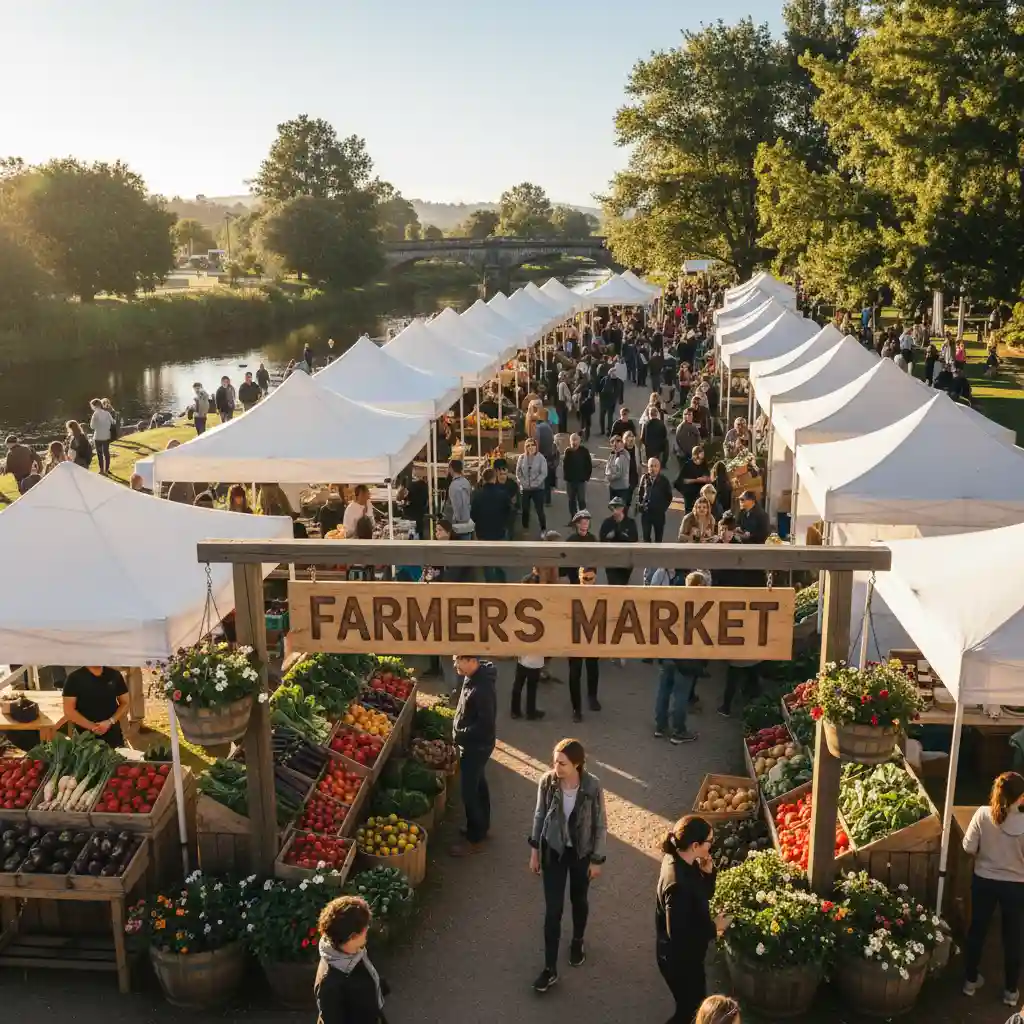
- 8:30 AM – Arrival at Matakana Village: Beat the traffic and head straight to the Matakana Village Farmers’ Market. This zero-waste market is iconic. Focus on grabbing artisan pastries, local cheeses, and organic coffee. Live music often sets the tone by the riverside.
- 10:30 AM – Sculptureum: Just outside the village lies Sculptureum, an art experience that defies convention. Wander through three sculpture-filled gardens and six indoor galleries. It is a visual feast that blends the natural landscape with whimsical art.
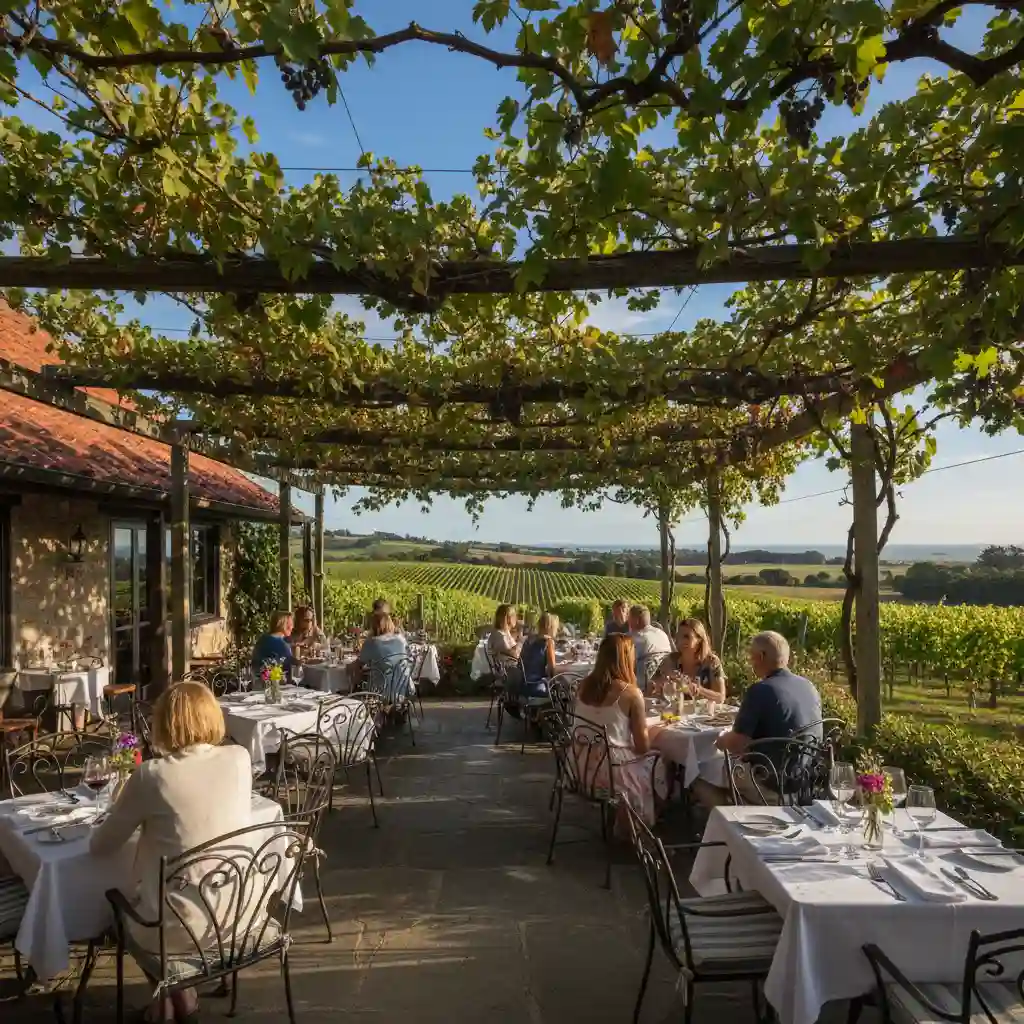
- 12:30 PM – Vineyard Lunch: The region is famous for its boutique wineries. Brick Bay Wines is a top choice, not just for its Pinot Gris, but for its renowned Sculpture Trail. Enjoy a platter of local produce overlooking the water lily lake before walking off lunch on the 2km trail through native bush.
- 3:00 PM – Morris & James Pottery: Head back towards the village to visit this historic pottery works. You can view the artisans at work (check tour times) and browse the showroom filled with their signature bright ceramic pots, sourced from local clay.
- 5:00 PM – Cinema & Gelato: Conclude your day with a boutique movie experience at the Matakana Cinemas. The architecture is stunning—the ceiling features thousands of paper flowers. Grab a gelato from the complex before heading home.
Option 2: The Nature & Marine Explorer
This itinerary is ideal for families and those interested in New Zealand’s unique biodiversity. It prioritizes outdoor activity and marine education.
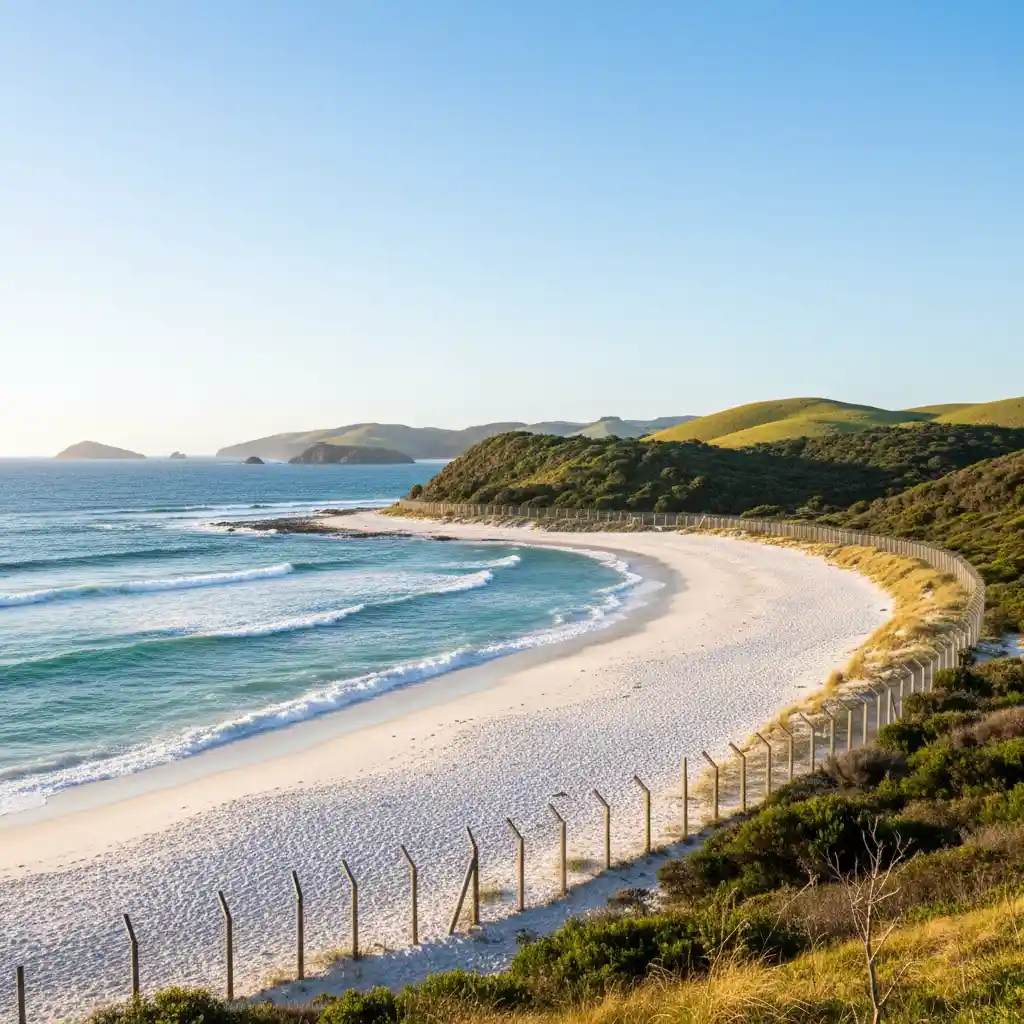
- 9:00 AM – Tawharanui Regional Park: Start early at this open sanctuary behind a predator-proof fence. Walk the Ecology Trail to spot Takahe and Kiwi (if you stay late enough), or simply enjoy the pristine white sand beach at Anchor Bay. The surf here is excellent, and the water quality is among the best in the region.
- 12:00 PM – Lunch in Leigh: Drive north to the small settlement of Leigh. The Leigh Sawmill Cafe is a local institution offering hearty food in a rustic, historic setting.
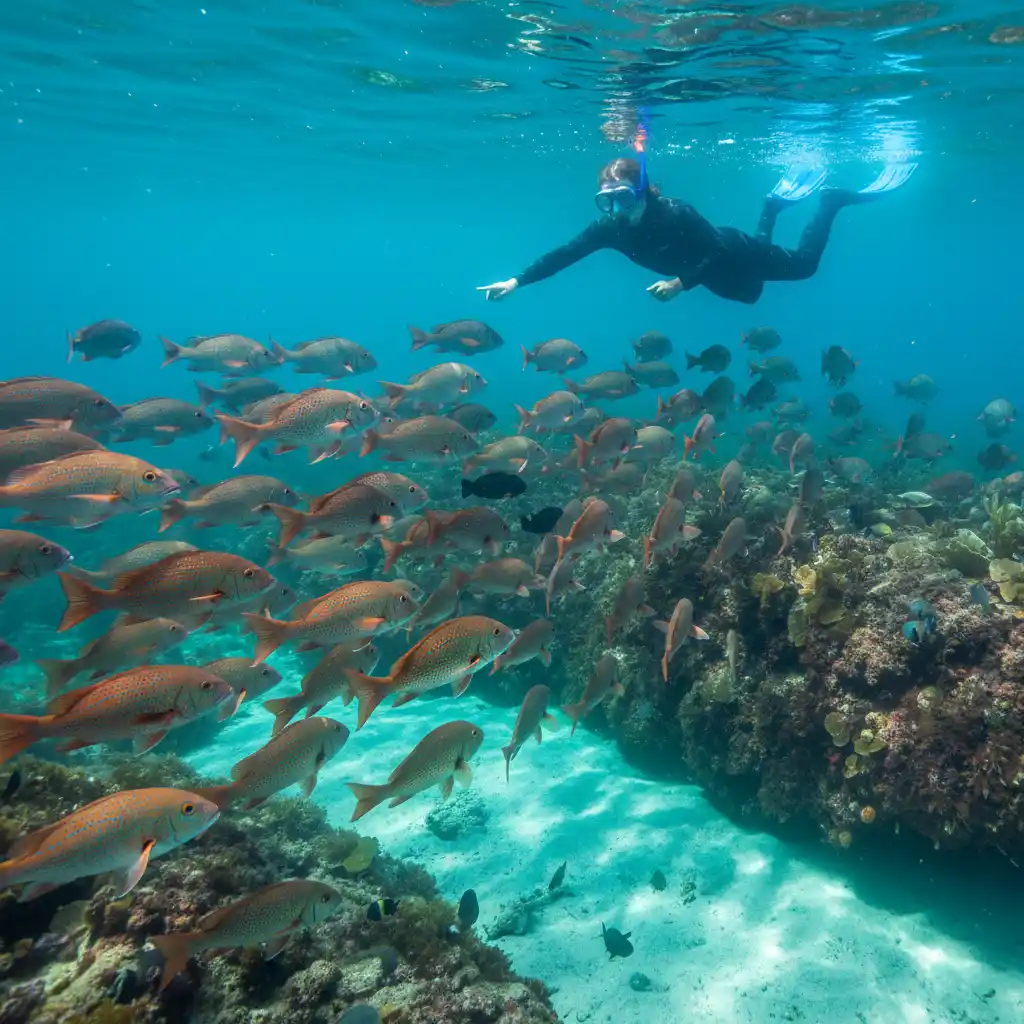
- 1:30 PM – Goat Island Marine Reserve: This is the crown jewel of the coast. As New Zealand’s first marine reserve, the abundance of fish life here is staggering. You can snorkel directly off the beach to see huge Snapper and Blue Maomao.
- 3:30 PM – Marine Discovery Centre: Located just up the hill from the beach, the Goat Island Marine Discovery Centre (run by the University of Auckland) is essential for understanding what you’ve just seen. It provides educational context regarding the marine ecosystem, making it a vital stop for educational tourism.
Weekend Getaways: The 48-Hour Escape
Extending your stay allows you to explore the “Connecting Attractions” that day-trippers often miss. A weekend Matakana Coast itinerary allows for a slower pace and the inclusion of hidden gems like Pakiri and Point Wells.
Day 1: Immersion in Local Culture
Follow the “Epicurean” plan from the day trip section but extend your afternoon. After the pottery visit, check into your accommodation. The region offers everything from high-end luxury lodges to glamping spots.
Evening Activity: Dining in Matakana is a treat. Restaurants like The Vintry offer a comprehensive list of local wines, allowing you to sample varietals from vineyards you might not have time to visit physically. Alternatively, drive to The Stables for a country-chic dining experience.
Day 2: The Wild Coast
Morning: Head north to Pakiri Beach. Unlike the sheltered bays of Matakana, Pakiri is wild, rugged, and vast. Horse riding along the white sands of Pakiri is a world-class experience. Several operators run treks that take you along the beach and through the dunes, offering a perspective of the coast that cannot be seen from the road.
Afternoon: On your return loop, stop at the Honey Centre in Warkworth. It’s a hit with children and offers insight into the Manuka honey industry, a significant economic driver for New Zealand. View the live bees behind glass and sample different honey types.
Late Afternoon: Before leaving the region, take a detour to Parry Kauri Park. It is a short walk but features two magnificent Kauri trees. It’s a grounding way to end the trip, standing beneath giants that have watched over the region for centuries.
Marine Education & Conservation Highlights
For the niche market of marine education tourism, the Matakana Coast is unrivalled in the North Island. The proximity of the University of Auckland’s Leigh Marine Laboratory creates a unique intersection between serious science and public tourism.
Goat Island (Cape Rodney-Okakari Point Marine Reserve)
Established in 1975, this reserve has allowed the marine ecosystem to return to a natural state. For visitors, this means an opportunity to observe sea life without the fear behavior usually seen in fished areas.
Key Activity: If you are not a swimmer, the Glass Bottom Boat tour is non-negotiable. It creates accessibility to the marine environment for all ages and abilities, offering a window into the kelp forests and rocky reefs below.
Tawharanui Open Sanctuary
While often celebrated for its beach, Tawharanui’s role in conservation is profound. The predator-proof fence creates a safe haven for reintroduced species. Educational groups can arrange guided walks with rangers to learn about the pest-eradication programs that have allowed birds like the North Island Robin and Bellbird to flourish here. The integration of a working farm within a regional park also provides a case study in sustainable land management.
Connecting Attractions: Art & Culture
A successful Matakana Coast itinerary weaves together nature and culture. The region has become a magnet for creatives, resulting in a density of galleries and installations that rivals major cities.
The Sculpture Trail Phenomenon
Brick Bay is the most famous, but it is not the only one. Artform in Matakana Village represents over 300 New Zealand artists, focusing on sculpture and jewelry. The Omaha Beach Golf Club even features sculptures, proving that art is integrated into every facet of life here.
Historical Warkworth
Often bypassed as just a service town, Warkworth holds historical significance. The Warkworth & District Museum located in Parry Kauri Park offers a deep dive into the kauri timber and gum digging history that shaped the landscape before the vineyards arrived. The Jane Gifford, a restored scow docked in the river, offers cruises that explain the maritime history of the Mahurangi River, which was once the lifeblood of transport to Auckland.
Accommodation and Dining Recommendations
Your choice of base will define the tone of your itinerary. The region lacks large chain hotels, favoring boutique and owner-operated establishments.
Where to Stay
- Luxury: Plume Villas offers high-end accommodation integrated with their vineyard and restaurant. It is perfect for couples seeking privacy and luxury.
- Boutique B&B: Riverside Matakana provides self-contained baches (holiday homes) located right on the river, offering a classic Kiwi holiday experience with modern comforts.
- Camping & Glamping: Whangateau Holiday Park is a family favorite located right on the harbor edge, ideal for safe swimming and cockle gathering. For something more upscale, various glamping tents are dotted around the hills of Matakana, offering off-grid luxury.
Where to Eat
- Fine Dining: Plume Restaurant is a must-visit for its culinary excellence and vineyard views. Their menu changes seasonally to reflect local produce availability.
- Casual Eats: The Matakana Market Kitchen located in the heart of the village by the river is famous for its brunch menu. Try the creamy mushrooms—they are a local legend.
- Unique Experience: Charlies Gelato is more than an ice cream shop; it is a destination with a garden and art gallery, making it a perfect mid-afternoon stop.
Logistics: Getting There and Around
The Drive: The completion of the Pūhoi to Warkworth motorway (Ara Tūhono) has significantly reduced travel time and improved safety. The drive from Auckland CBD now takes approximately 50-60 minutes off-peak. The new motorway is an engineering marvel in itself, offering sweeping views of the landscape.
Transport: While it is possible to catch a bus to Warkworth, navigating the Matakana Coast effectively requires a private vehicle. The attractions—from Goat Island to the vineyards—are spread out and lack public transport connectivity. Rental cars or guided tour shuttles are the best options for international visitors.
Best Time to Visit: Summer (December to February) is vibrant but busy. The shoulder seasons of Autumn (March-May) are arguably better; the water is still warm enough for swimming, the grape harvest is in full swing, and the crowds have thinned.
People Also Ask
How do I spend a day in Matakana?
To spend a perfect day in Matakana, arrive by 9 AM for the Saturday Farmers’ Market. Follow this with a visit to the Sculptureum or a local vineyard for lunch. Finish your afternoon with a swim or snorkel at Goat Island Marine Reserve before heading back to Auckland.
What is Matakana famous for?
Matakana is most famous for its boutique wine region, the Saturday Farmers’ Market, and its proximity to pristine marine environments like Goat Island Marine Reserve and Tawharanui Regional Park. It is also known for its arts scene, including the Sculptureum and Morris & James Pottery.
Can you swim at Matakana?
Yes, there are excellent swimming spots near Matakana. Omaha Beach offers white sand and surf patrol in summer. Goat Island provides calm waters for snorkeling, and Tawharanui Regional Park features stunning Anchor Bay. The Whangateau Harbour is also great for safe, tidal swimming.
How far is Matakana from Auckland CBD?
Matakana is approximately 65-70 kilometers north of Auckland CBD. With the new Pūhoi to Warkworth motorway, the drive typically takes just under one hour, though traffic can increase this time on Friday afternoons and holiday weekends.
Is the Matakana Market open every day?
No, the famous Matakana Village Farmers’ Market is only open on Saturday mornings from 8 AM to 1 PM. However, the Matakana Village shops, cafes, and cinema are open daily, and there are other smaller markets in the wider region on different days.
What are the best beaches near Matakana?
The best beaches include Omaha Beach (popular for surfing and walking), Anchor Bay at Tawharanui (pristine and located in a regional park), Pakiri Beach (wild and rugged, great for horse riding), and the beach at Goat Island (best for snorkeling and marine life observation).