
Yes, you can walk on Goat Island rocks, but it requires significant caution and balance. The beach at Goat Island Marine Reserve is composed almost entirely of slippery, uneven boulders and stones rather than sand. Visitors must navigate this rocky terrain to reach the water. Sturdy footwear, such as reef shoes or booties, is essential to prevent slips and protect ankles from twisting on the unstable surface.
Can you walk on Goat Island rocks comfortably?
While the primary query asks can you walk on Goat Island rocks, the more pertinent question is often whether you can do so comfortably. Goat Island, officially known as Cape Rodney-Okakari Point Marine Reserve, is famous for its abundance of marine life, but it is equally infamous for its challenging shoreline. Unlike the golden sand beaches found elsewhere in New Zealand, the entry point to the reserve is a “boulder bank.”
The beach is formed by thousands of round, volcanic stones and larger boulders. These rocks are not fixed in place; they shift underfoot, making every step a potential balancing act. There is virtually no sand above the low tide mark. For visitors expecting to lay out a towel on a soft surface or run into the waves, the reality can be a shock.
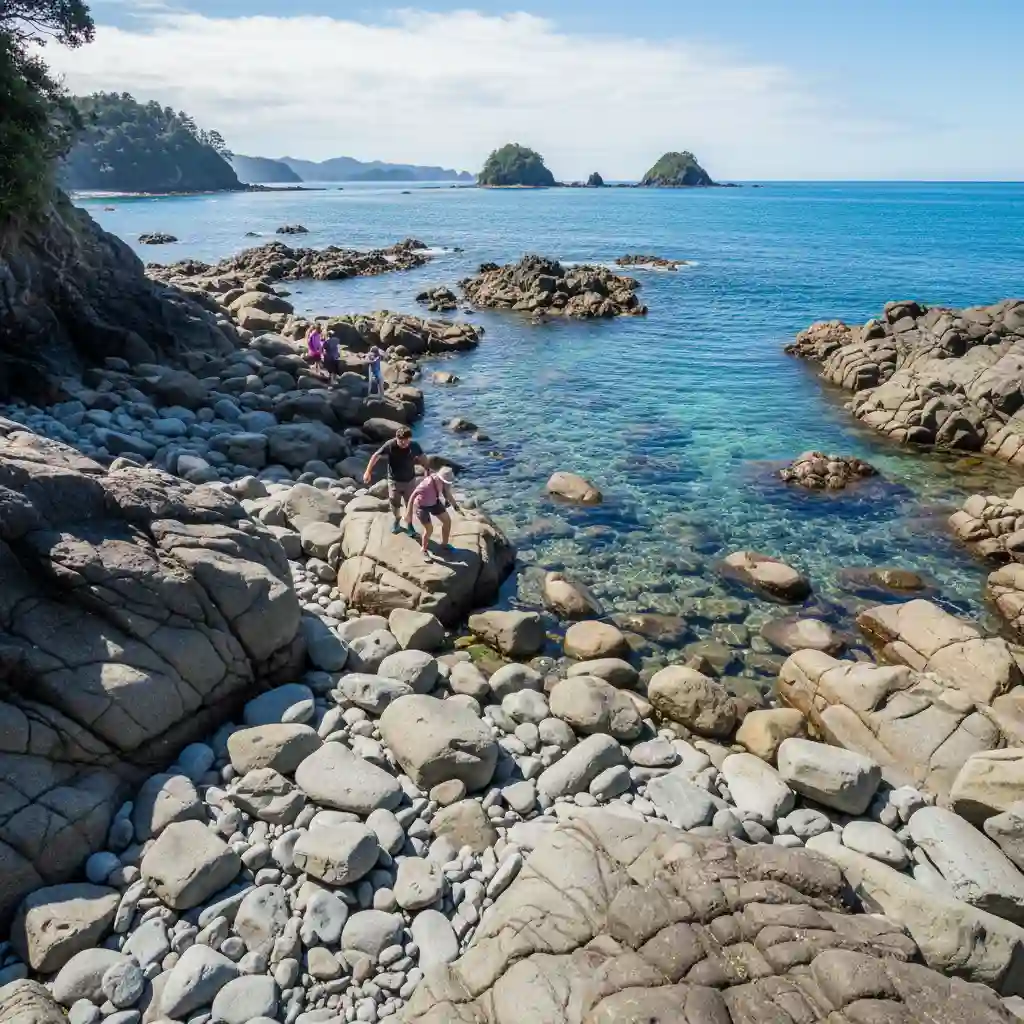
The difficulty of walking here depends heavily on your physical agility and preparation. For fit adults with good balance, it is a manageable obstacle course. For the elderly, those with joint issues, or the unprepared, the 50-meter traverse from the grass to the water’s edge can be daunting and physically demanding.
How do you navigate the slippery boulder beach safely?
Navigating the rocks at Goat Island is a skill that requires patience. Rushing is the primary cause of minor injuries at the reserve. To ensure a safe experience, you must adopt a deliberate walking style. The rocks vary in size from small pebbles to large boulders, and many are coated in marine algae, particularly near the waterline.
Techniques for Stability
When crossing the rocks, keep your center of gravity low. Avoid stepping on the top curve of round boulders, as your foot is likely to slide off. Instead, aim for the crevices between rocks where your foot can find a wedge. If you are carrying heavy gear, such as dive tanks or chilly bins (coolers), the risk of losing balance increases significantly. It is often safer to form a human chain to pass gear down to a stable spot rather than carrying heavy loads while navigating unstable footing.
Pay close attention to the color of the rocks. Grey, dry rocks are generally stable and offer good friction. Green or black rocks, usually found closer to the water, are covered in slick algae and are as slippery as ice. When you reach the wet zone, move slowly and test each foothold before committing your weight.
Is there wheelchair access to the water at Goat Island?
Accessibility is a critical consideration for many visitors. Unfortunately, direct wheelchair access to the water is not possible at Goat Island due to the natural barrier of the boulder bank. The terrain is simply too rugged, shifting, and uneven for any standard wheelchair or walker to traverse.
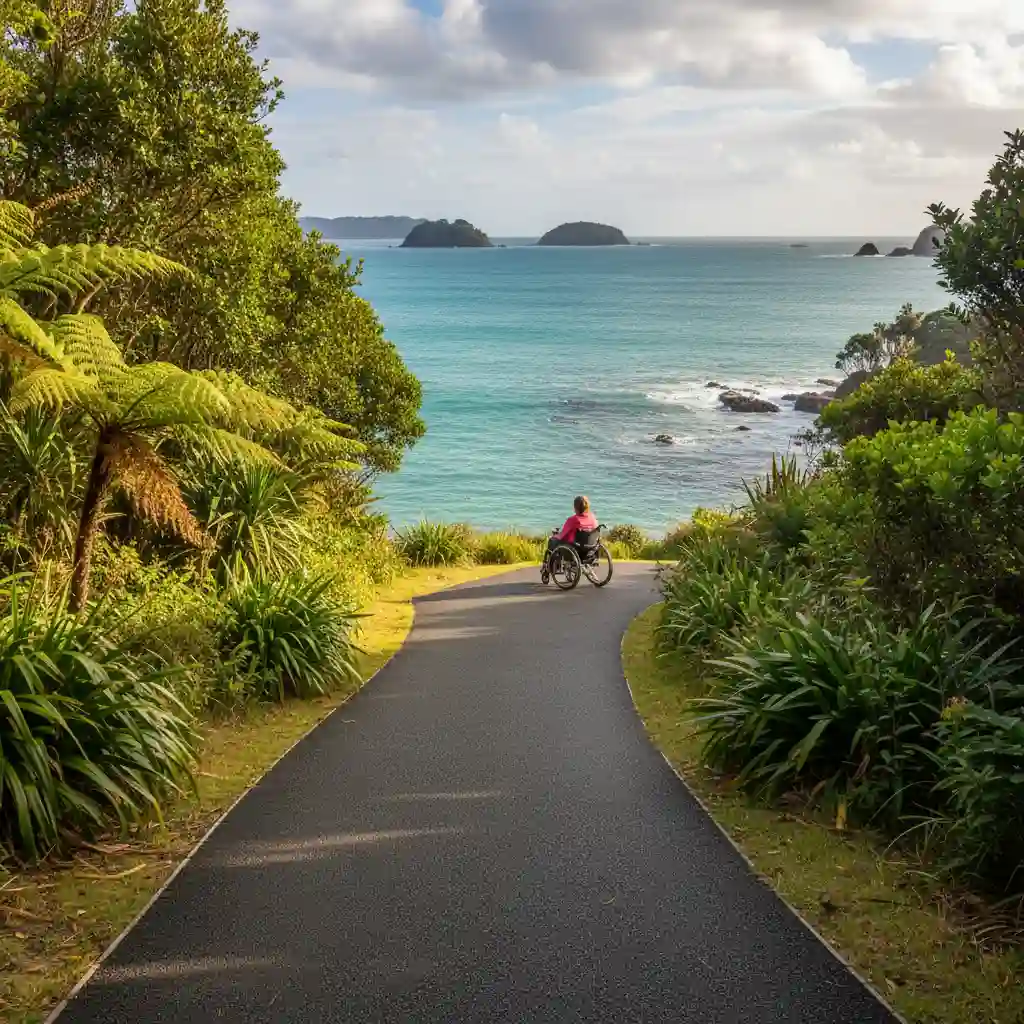
However, the reserve has made strides in accessibility in other areas. There is a sealed, paved footpath that leads from the car park down to the edge of the beach. This path allows wheelchair users and those with limited mobility to reach a vantage point where they can see the ocean and the island. From this paved area, you can enjoy the view, but you cannot enter the water.
For visitors who cannot walk on the rocks but still wish to experience the marine life, the Glass Bottom Boat is the best alternative. The boat operators typically board passengers from the beach, but they are experienced in assisting people with limited mobility. It is highly recommended to contact the boat operator in advance to discuss specific accessibility needs and boarding procedures.
What are the best spots for toddlers and young children?
Taking toddlers to Goat Island requires a different mindset than a typical beach day. Because you cannot easily walk on Goat Island rocks with a child in your arms without risking a fall, parents must be hyper-vigilant. The uneven surface is a trip hazard for little legs that are still learning to balance.
The best strategy for families with toddlers is to set up a base camp on the grassy verge located *before* the rocks begin. This area is flat, safe, and perfect for picnics. From here, you can take turns escorting children down to the water’s edge for a supervised dip. Do not attempt to let toddlers roam freely on the boulders; the gaps between rocks are often large enough for a small foot to get stuck, leading to twisted ankles or scraped shins.
The Shallow Water Pools
At low tide, small rock pools form among the larger boulders. These can be fascinating for children to look at, as they often contain crabs, shrimp, and small fish. However, these pools are surrounded by the slipperiest rocks. If you take children to explore these pools, hold their hands constantly. For swimming, the safest area for kids is directly in front of the main channel where the water is calmest, but they should be equipped with flotation devices as the seafloor drops away relatively quickly.

What footwear is recommended for walking on the rocks?
The single most important factor determining whether you can walk on Goat Island rocks safely is your choice of footwear. The “Kiwi classic” jandals (flip-flops) are arguably the worst possible choice for this environment.
Why Jandals Fail
Jandals provide no ankle support and, crucially, no heel security. When you step on a slanted boulder, your foot will slide off the side of the jandal, or the jandal will fold under the rock, leading to slips and falls. Furthermore, when swimming, jandals float away easily, contributing to marine litter.
The Superior Choice: Neoprene Booties and Reef Shoes
To conquer the rocks, you need footwear that stays attached to your foot and offers grip.
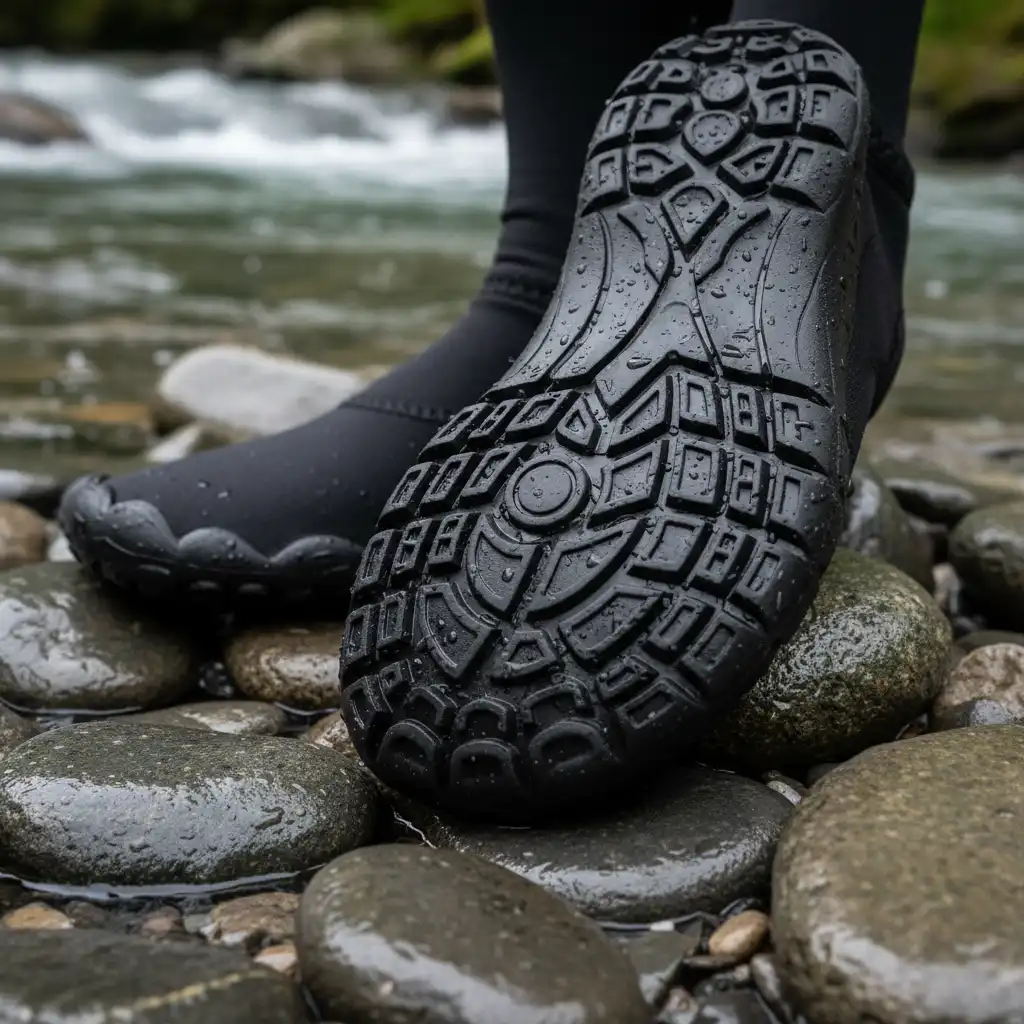
1. Neoprene Dive Booties: These are the gold standard. They have a hard rubber sole for protection against sharp edges and sea urchins, and the neoprene upper provides warmth and a snug fit. They prevent sand and small pebbles from getting under your foot.
2. Reef Shoes: Widely available at local stores, these mesh water shoes with rubber soles are an excellent, budget-friendly option. They drain water quickly and provide the necessary traction on wet rocks.
3. Old Sneakers: If you don’t have specialist gear, an old pair of lace-up running shoes is far better than bare feet. They offer great support, though they will get heavy when wet.
How do tides affect the walkability of the beach?
The difficulty of walking on the rocks changes with the tide. Understanding this cycle can help you plan a safer visit.
High Tide: At high tide, the water comes much higher up the beach, covering the majority of the mossy, slippery rocks. The distance you need to walk over the boulders to reach the water is significantly shorter. For those with mobility concerns, visiting near high tide is often easier, as you spend less time navigating the treacherous intertidal zone.
Low Tide: At low tide, a vast expanse of the rocky seabed is exposed. While this is excellent for exploring rock pools, it means a much longer walk over difficult terrain to reach swimming depth. The rocks exposed at low tide are those that spend the most time underwater, meaning they have the thickest coating of slippery algae. Extreme caution is advised during low tide entries.
Can you move rocks while walking?
As you navigate the beach, you might be tempted to turn over rocks to see what is hiding underneath. In a Marine Reserve, this is strictly discouraged. The rocks themselves are habitats. Creatures like crabs, starfish, and gastropods live under these stones for protection.
When you walk, try to step on the tops of rocks rather than churning through them. If you accidentally overturn a rock with your foot, try to place it back gently. Never pick up rocks to take home; everything in the reserve, including the stones and shells, is protected by law. Walking carefully is not just about your safety; it is about preserving the ecosystem that makes Goat Island so special.
People Also Ask
Do I need special shoes for Goat Island?
Yes, special shoes are highly recommended. While not legally required, wearing reef shoes or neoprene booties will protect your feet from sharp rocks and significantly reduce the risk of slipping on the algae-covered boulders.
Is the walk to Goat Island beach difficult?
The walk from the car park to the beach edge is easy and paved. However, the walk from the beach edge into the water is difficult due to unstable, slippery boulders. It requires good balance and mobility.
Can you take a pram or stroller onto Goat Island beach?
No, you cannot take a pram onto the rocky beach itself. The wheels will not work on the large boulders. You can push a pram to the edge of the grass, but you will need to carry your child from there.
Are there sea urchins on the rocks at Goat Island?
Yes, sea urchins (kina) are common in the subtidal zone. While they usually live slightly deeper than where you walk, stepping on one is painful. This is another reason why sturdy footwear is essential.
Is Goat Island suitable for elderly visitors?
It depends on their mobility. The viewing areas and grassy picnic spots are accessible. However, entering the water requires walking over unstable rocks, which may not be suitable for elderly visitors with balance issues.
Is there any sand at Goat Island?
There is very little sand at Goat Island. At very low tides, small patches of sand may appear between rocks, but it is predominantly a boulder beach. Do not expect a traditional sandy beach experience.