The best things to do at Goat Island NZ revolve around exploring its protected marine environment. Top activities include snorkeling with large snapper, touring the reserve on a glass-bottom boat, and renting clear kayaks (Clearyaks) for unobstructed underwater views. Visitors can also visit the Marine Discovery Centre, hike the coastal walkway, or join guided diving tours for a deeper immersive experience.
Goat Island, officially known as Te Hāwere-a-Maki, is New Zealand’s first and most accessible marine reserve. Located near Leigh, just over an hour north of Auckland, it serves as a premier destination for marine tourism. Whether you are a seasoned diver looking to test new gear or a family seeking a safe educational experience, the reserve offers a specific tier of commercial activities designed to maximize your interaction with marine life without harming the ecosystem.
What are the best things to do at Goat Island NZ?
When planning a trip to the reserve, visitors are often torn between the three primary commercial offerings: Snorkeling, Glass Bottom Boat Tours, and Clear Kayaking. Each activity caters to a different level of physical ability, budget, and desire for immersion.
1. Snorkeling and Diving
Best for: Active swimmers, adventure seekers, and those wanting direct contact with nature.
Intensity: High.
Cost: Low to Medium (depending on gear rental).
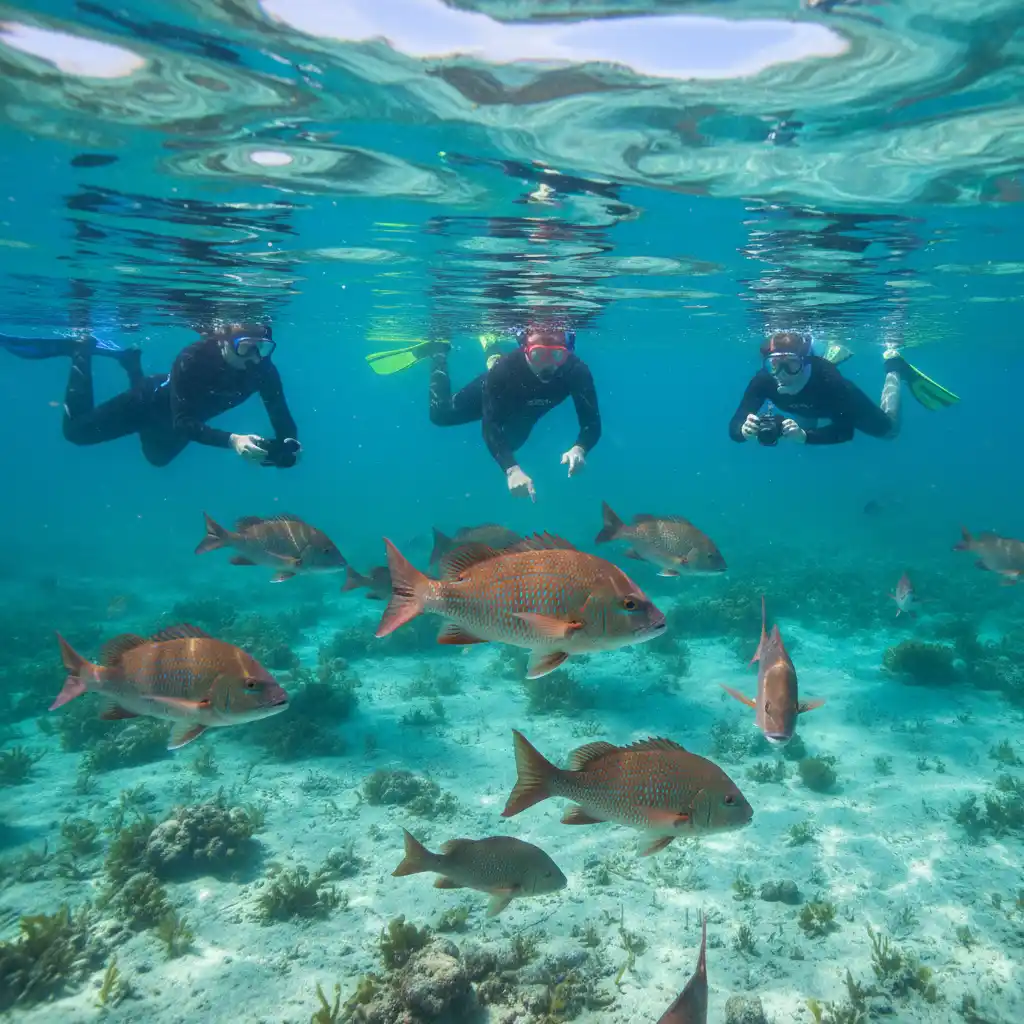
Snorkeling is the flagship activity here. Because fishing has been banned since 1975, the fish—particularly the Australasian Snapper and Blue Maomao—are fearless and large. They will swim within inches of your mask. For those with PADI certification, commercial dive charters operate just outside the reserve boundaries or offer shore dives within the reserve to explore deeper reef systems.
2. The Glass Bottom Boat
Best for: Families with young children, seniors, non-swimmers, and winter visitors.
Intensity: Low.
Cost: Medium.
This is the most accessible way to see the reserve. The tour operators provide a dry, educational 45-minute trip around the island, offering commentary on the history and biology of the area. It is the only option that guarantees marine viewing without getting wet.
3. Clear Kayaking (Clearyaks)
Best for: Couples, content creators, and those wanting a mix of exercise and viewing.
Intensity: Medium.
Cost: Medium to High.
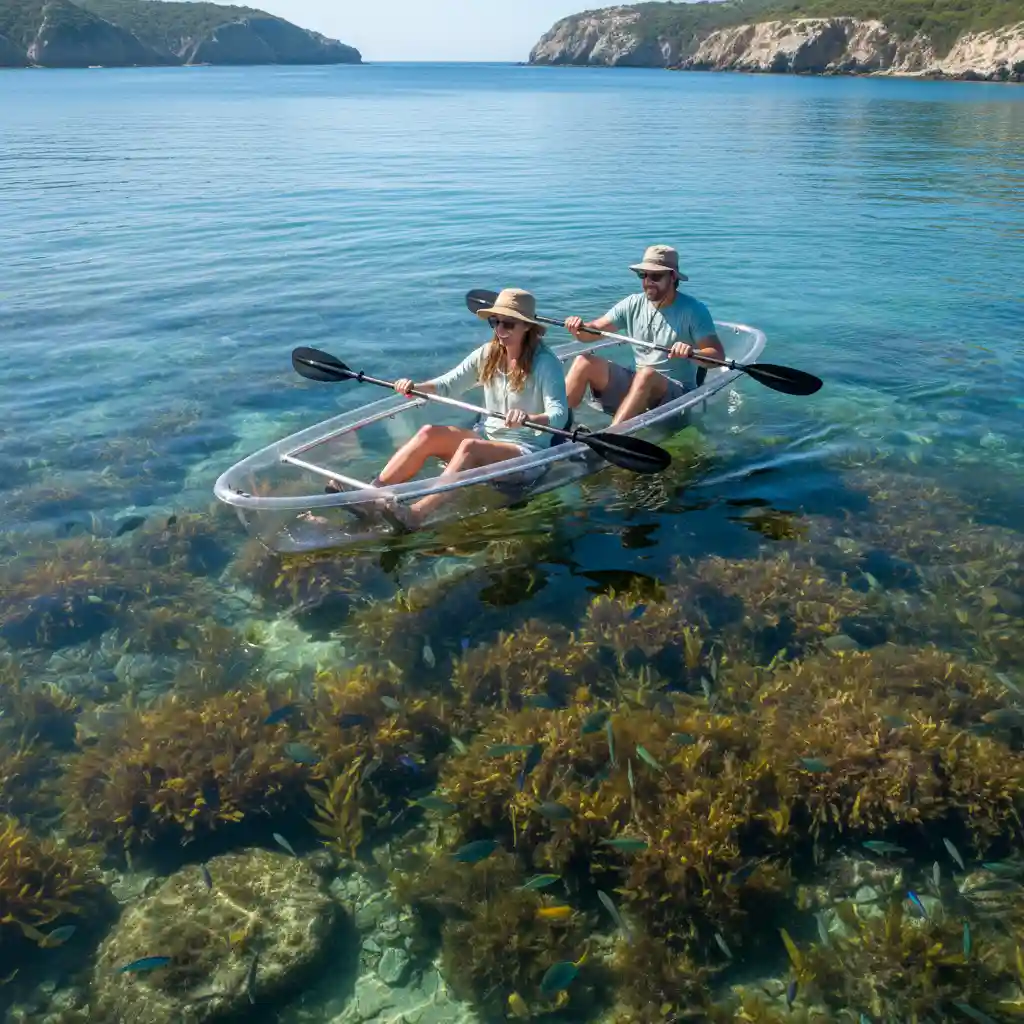
Clearyaks are 100% transparent kayaks. This unique commercial offering allows you to paddle while looking directly down through the hull at the kelp forests and stingrays below. It bridges the gap between the immersion of snorkeling and the comfort of a boat.
Is the Glass Bottom Boat tour worth the money?
For many visitors, the decision to book the Glass Bottom Boat comes down to value for money versus the DIY approach of swimming. From a commercial standpoint, the boat tour offers value that snorkeling cannot: education and accessibility.
The vessel runs on a specific schedule, usually departing hourly during peak season. The tour takes you further out than most snorkelers can swim, reaching the deeper waters near the island itself where massive schools of fish congregate. The crew often demonstrates the “feeding frenzy” (though strictly regulated) or points out specific species like Eagle Rays that might be missed by an untrained eye.
Key Value Propositions:
- Educational Commentary: You learn about the ecosystem dynamics, not just look at fish.
- Weather Resilience: While snorkeling requires calm, warm conditions to be enjoyable, the boat can operate in cooler weather, making it a viable activity year-round.
- No Gear Hassle: There is no need to change into tight wetsuits or manage rental returns.
Why choose Clearyaks over standard kayaks?
Standard kayaking is available in many parts of New Zealand, but the “Clearyak” experience is specific to the high-visibility waters of Goat Island. Commercial operators here use polycarbonate kayaks that act as a magnifying glass for the ocean floor.
Commercial Insight: These rentals are typically booked in 30-minute or 1-hour slots. Due to their popularity and the limited number of units allowed on the water by the Department of Conservation (DOC) concessions, advance booking is critical. Unlike standard kayaks, these are sensitive to scratching, so you launch and land under strict supervision to protect the equipment.
If your goal is photography or social media content, the Clearyak provides a distinct visual advantage that standard sit-on-top kayaks cannot match. However, be aware of weight limits (usually around 100kg per person) and weather conditions; operators will cancel bookings if wind speeds exceed safety thresholds.
Gear Rental vs. Buying Guide
If you choose to get in the water, you face a financial decision: rent gear on-site or buy your own beforehand. The local commercial ecosystem relies heavily on gear hire, but frequent visitors may find purchasing more economical.
Renting On-Site
There are dedicated hire centers at Goat Island (e.g., Goat Island Dive & Snorkel). They provide high-quality, commercial-grade equipment.
- Pros: You get 5mm or 7mm wetsuits appropriate for the temperature (water here rarely exceeds 22°C/72°F even in summer). You don’t have to transport wet, salty gear home.
- Cons: Queues can be long in summer. Fit is generic. Cost accumulates over multiple visits.
- Average Cost: A full set (Mask, Snorkel, Fins, Wetsuit) typically costs between $30 and $50 NZD for the day.
Buying Your Own
When to buy: If you plan to snorkel more than three times a year, buying mid-range gear is cost-effective.
- Wetsuit: Essential for NZ waters. Do not rely on a “shorty” or a surf suit; you need a dive-grade wetsuit for warmth if you plan to stay in the water for more than 20 minutes.
- Mask & Snorkel: A poorly fitting rental mask ruins the experience. Buying a silicone mask that fits your face shape ($60-$100 NZD) is the best investment you can make.
- Fins: Short fins are sufficient for Goat Island as you don’t need to cover vast distances quickly.
Paid Tours vs. Self-Guided: Which offers better value?
The reserve is free to enter, making self-guided snorkeling the most popular option. However, paid guided tours are a thriving sector of the Goat Island marine tourism market.
The Case for Guided Snorkel Tours
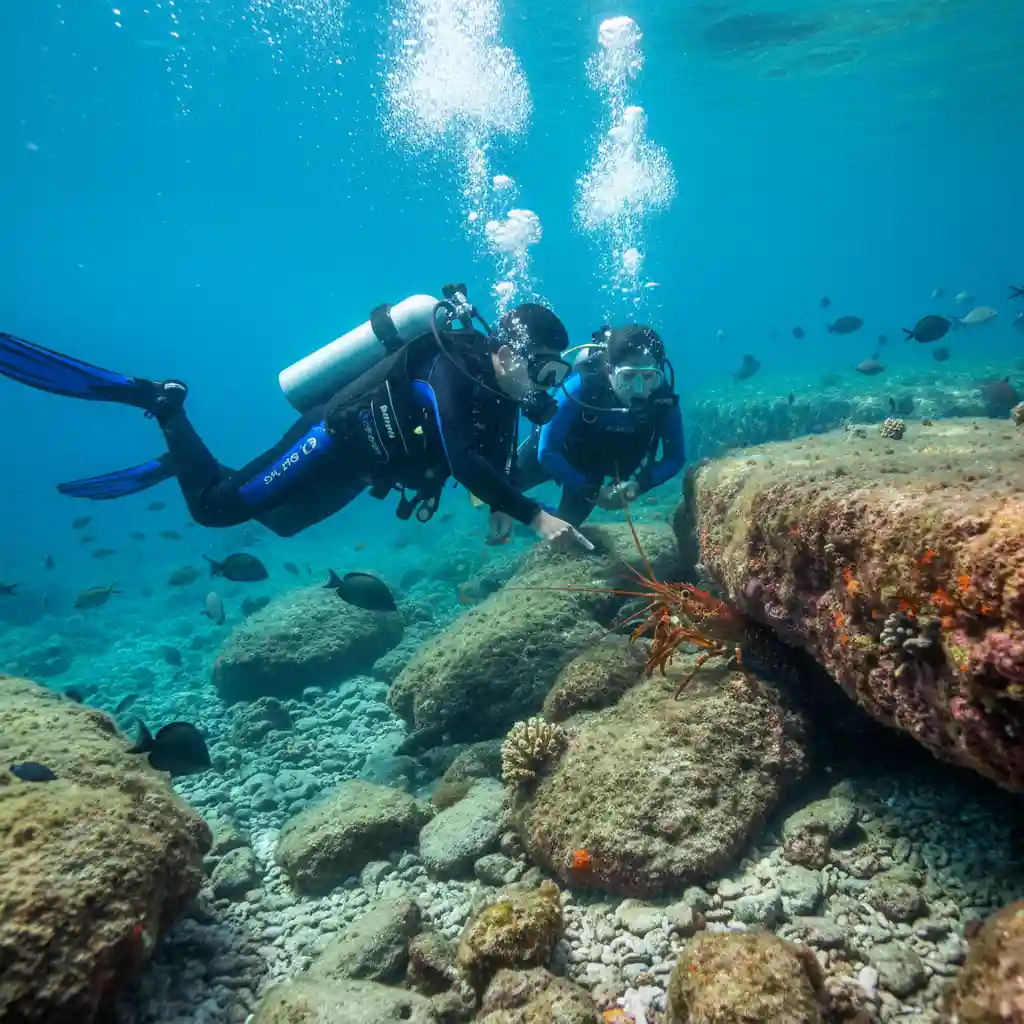
Target Audience: Beginners, weak swimmers, or those wanting to spot specific elusive species (like Crayfish or Octopus).
Commercial Value:
1. Safety: You are accompanied by a dive master with a floatation device. This is crucial for those unfamiliar with ocean currents.
2. Knowledge: Guides know exactly which rock crevices house crayfish and eels. You spend less time searching and more time observing.
3. Technique: Beginners receive instruction on clearing masks and finning efficiently, reducing fatigue.
The Case for Self-Guided
If you are a confident swimmer, the reserve is easy to navigate. The most popular route is swimming out from the beach toward the channel (keeping an eye on currents) or exploring the rocks around Goat Island (Te Hāwere-a-Maki). The main investment here is simply the gear rental.
Photography and Technology for Marine Tourism
Capturing the experience is a huge part of the modern “things to do” checklist. The water clarity at Goat Island makes it one of the best places in NZ for underwater photography.
Camera Rentals
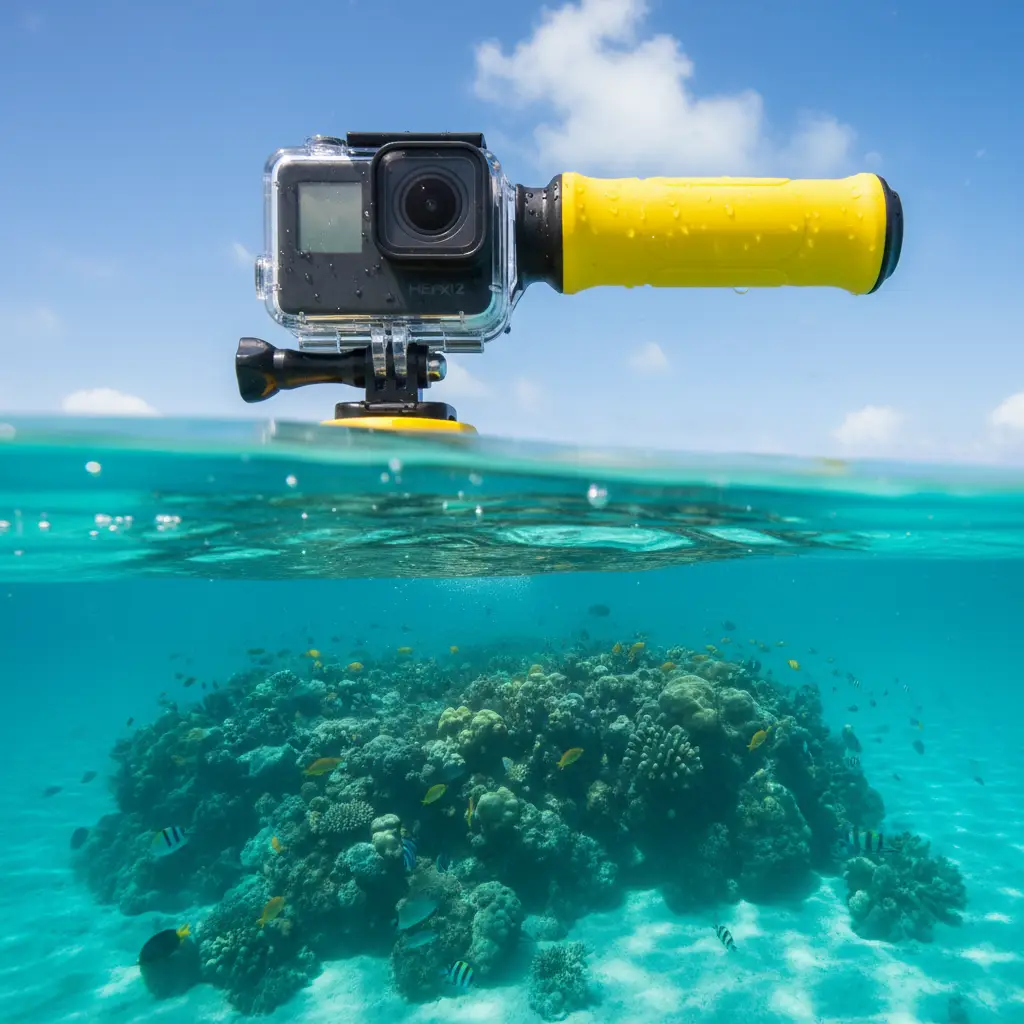
Local dive shops often rent GoPro cameras or equivalent action cams. This is a “try before you buy” opportunity. Rental units usually come with a floating handle and a large SD card. Expect to pay around $40-$60 NZD for a day hire.
Phone Cases vs. Dedicated Cameras
Many tourists attempt to use waterproof pouches for their smartphones. Warning: These often fail under pressure or make the touchscreen unusable underwater. For a commercial-grade result without the high cost, renting a GoPro is superior to risking a $1,500 smartphone.
Logistics: Parking, Food, and Seasonality
To maximize your investment in these activities, logistical planning is required. The infrastructure around Goat Island is limited compared to the number of visitors it receives.
Parking and Arrival Times
The car park is free but fills up rapidly. In peak summer (December–February), it is often full by 10:00 AM. If you have booked a paid tour (Glass Bottom Boat or Clearyak), arrive at least 45 minutes early to secure parking. Missing a booked slot due to parking issues is a common frustration, and refunds are rarely given for lateness.
Facilities and Food
There are no shops on the beach itself. The nearest commercial food options are usually a coffee cart in the car park (seasonal) or the cafes in Leigh (a 5-10 minute drive away). Visitors should pack a cooler with lunch and plenty of water. There are public toilets and changing blocks, but showers are cold outdoor rinse-offs.
Seasonal Considerations
- Summer (Dec-Mar): Warmest water (20-22°C), highest crowds, best visibility. Book tours weeks in advance.
- Autumn (Apr-May): Water remains relatively warm, crowds dissipate. Often the best time for serious divers.
- Winter/Spring (Jun-Nov): Water is cold (15°C). 7mm wetsuits and hoods are mandatory. Visibility can be lower due to storms, but on calm days, the reserve is empty and peaceful.
People Also Ask
Do you have to pay to go to Goat Island NZ?
No, entry to the Goat Island Marine Reserve itself is free. You can swim, snorkel, and walk the beach without charge. However, commercial activities like the Glass Bottom Boat, Clearyak rentals, and gear hire are paid services.
What is the best time of day to visit Goat Island?
The best time to visit is early morning, arriving before 9:30 AM. This secures a parking spot and usually offers calmer water conditions before the afternoon sea breezes pick up, which can reduce underwater visibility.
Can you walk on Goat Island itself?
No, landing on the island (Te Hāwere-a-Maki) is strictly prohibited to protect the wildlife and significant cultural sites. Visitors can look at the island from the beach, boat, or kayak, but cannot step foot on it.
Are there sharks at Goat Island?
Yes, but they are generally harmless species. You may spot Carpet Sharks or small Bronze Whalers. The marine reserve protects all species, so they are not aggressive towards humans. Stingrays and Eagle Rays are much more common sightings.
How much is the Glass Bottom Boat at Goat Island?
Prices fluctuate slightly by season, but generally, adults cost around $30-$40 NZD, and children cost around $15-$20 NZD. Family passes are often available. It is recommended to check the official operator’s website for current pricing.
Is Goat Island suitable for non-swimmers?
Yes. Non-swimmers can enjoy the Glass Bottom Boat tour, explore the rock pools at low tide, visit the Marine Discovery Centre, or walk the Goat Island Walkway for panoramic coastal views.