
A comprehensive Matakana Coast itinerary combines pristine marine experiences at Goat Island and Tawharanui with luxury visits to boutique vineyards and the artisan Farmers’ Market. Located just one hour north of Auckland, the perfect trip includes snorkeling in crystal-clear reserves, exploring coastal sculpture trails, and indulging in farm-to-table dining for a balanced weekend escape.
Planning Your Matakana Coast Trip
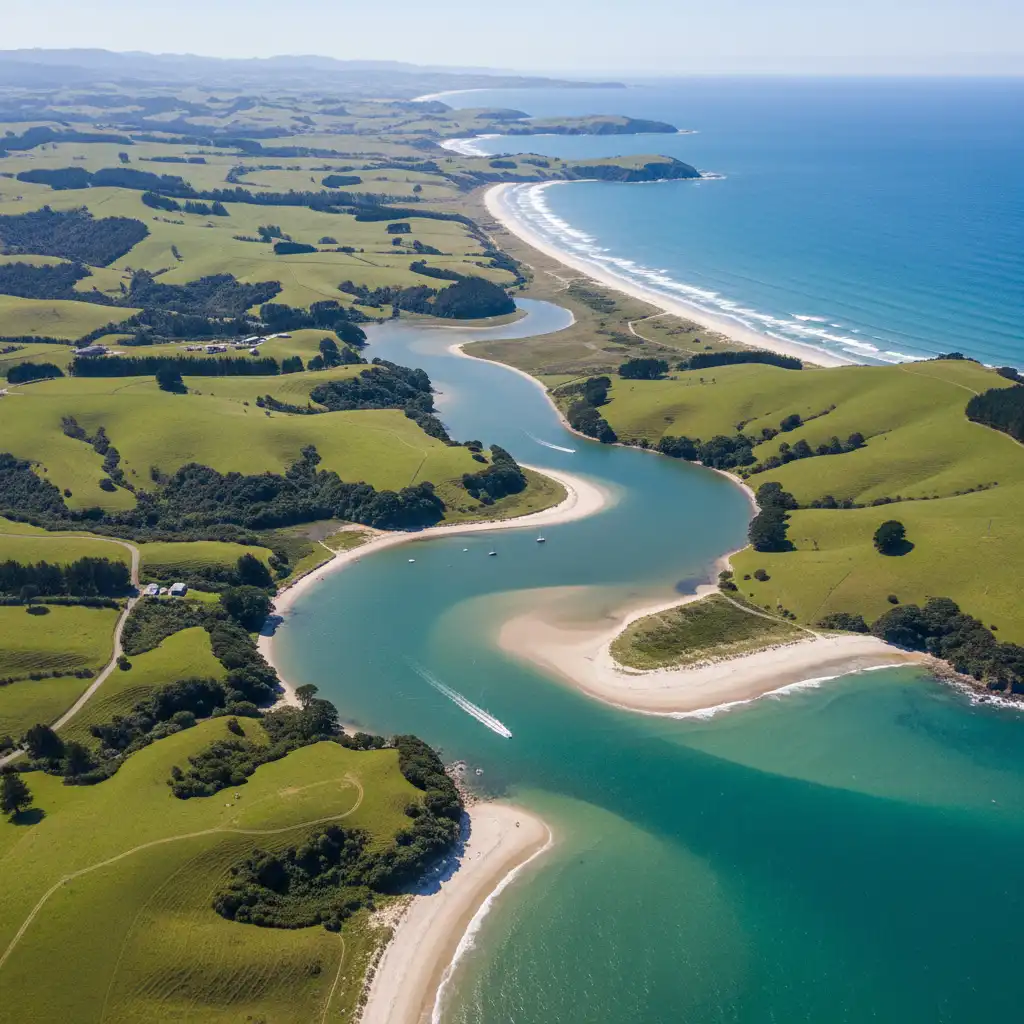
The Matakana Coast is widely regarded as one of New Zealand’s premier destinations for marine tourism and boutique luxury. Situated less than 70 kilometers north of Auckland, it serves as a gateway to the Hauraki Gulf’s most pristine waters. Crafting the ideal Matakana Coast itinerary requires a strategic approach to balance the high demand for its marine reserves with the relaxed pace of its wine country.
While many visitors flock solely to the Goat Island Marine Reserve, a truly rewarding itinerary looks beyond the reserve boundaries. The region is a tapestry of rolling hills, estuary waters, and surf beaches, all anchored by the vibrant Matakana Village. Whether you are seeking a commercial marine charter, a self-guided snorkeling adventure, or a gastronomic tour, timing and logistics are key.
When is the best time to visit Matakana?
To maximize marine visibility and enjoy outdoor dining, the summer months (December through March) are peak season. During this time, water temperatures sit comfortably between 20°C and 22°C, making snorkeling and diving ideal. However, for a less crowded experience that still offers pleasant weather, the shoulder seasons of late November and early April are superior. Weekends are bustling due to the famous Saturday markets, so if your itinerary allows, a mid-week trip often secures better rates on accommodation and private boat charters.
Beyond the Reserve: Marine Activities & Beaches
New Zealand marine tourism is epitomized by the diversity found along this coastline. While the Cape Rodney-Okakari Point Marine Reserve (Goat Island) is the crown jewel, a robust Matakana Coast itinerary explores the alternative beaches and activities that offer equally stunning marine encounters without the intense crowds.
Tawharanui Regional Park: The Surfer’s Sanctuary
Located on a remote peninsula, Tawharanui Regional Park is an open sanctuary that rivals Goat Island for biodiversity but adds the thrill of surf. Unlike the sheltered bay of Goat Island, Tawharanui faces the open ocean, providing consistent swell for surfers at Anchor Bay.
For marine enthusiasts, the rocky outcrops at low tide reveal extensive rock pools teeming with crabs, starfish, and anemones. Snorkeling here is excellent on calm days, often yielding sightings of stingrays and large snapper that venture in from the protected waters. It is an essential stop for those wanting a “wilder” marine experience.
Commercial Marine Charters and Tours
To truly understand the ecology of the area, booking a commercial tour is highly recommended. Several operators run out of Leigh and Sandspit:
- Glass Bottom Boat Tours: Perfect for families or those who prefer to stay dry, these tours operate extensively around Goat Island, offering a window into the kelp forests below.
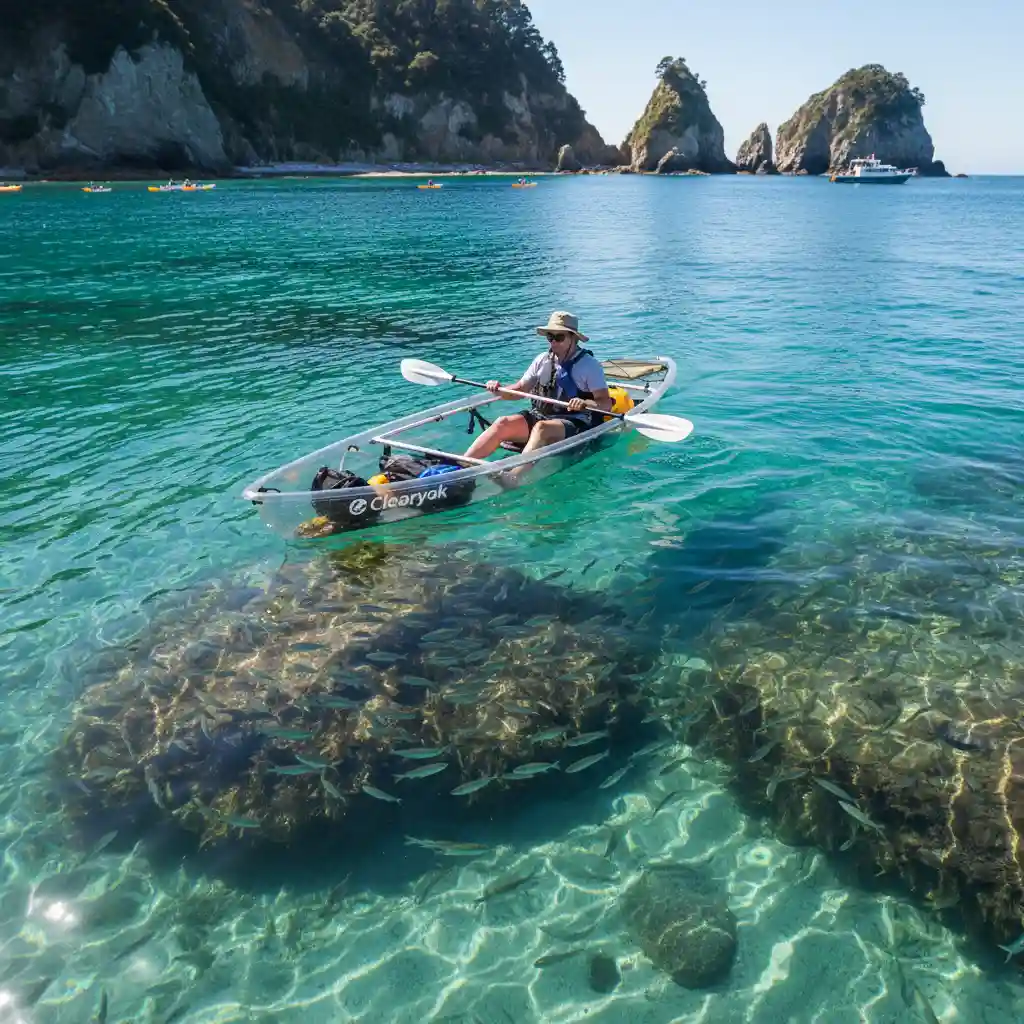
- Clearyaks: For a more immersive experience, renting a clear kayak allows you to paddle over the reef, providing an unobstructed view of the marine life beneath you.
- Fishing Charters: For those interested in sustainable fishing, charters leaving from Sandspit Wharf head out to Kawau Bay and Little Barrier Island (Hauturu). These operators are knowledgeable about local quotas and sustainable practices, ensuring the longevity of the marine environment.
Pakiri Beach: Horse Riding and Solitude
Further north lies Pakiri Beach, a pristine stretch of white sand that feels a world away from the bustle of the village. While swimming here requires caution due to strong currents, it is the premier location for coastal horse trekking. Riding along the shoreline offers a unique vantage point of the Pacific Ocean and is a top-rated activity for romantic getaways or family adventures.
Culinary Delights: Food and Drink Recommendations
No Matakana Coast itinerary is complete without diving into the region’s artisan food scene. The area is often referred to as the “Tuscany of New Zealand” due to its favourable microclimate for viticulture and olive groves.
The Matakana Village Farmers’ Market
If your trip falls on a Saturday, the Farmers’ Market is non-negotiable. It is a zero-waste market focusing on local sustainability. Here you will find award-winning cheeses, artisan breads, smoked fish, and organic produce. It is the perfect place to stock up on supplies for a beach picnic later in the day.
Vineyards and Breweries
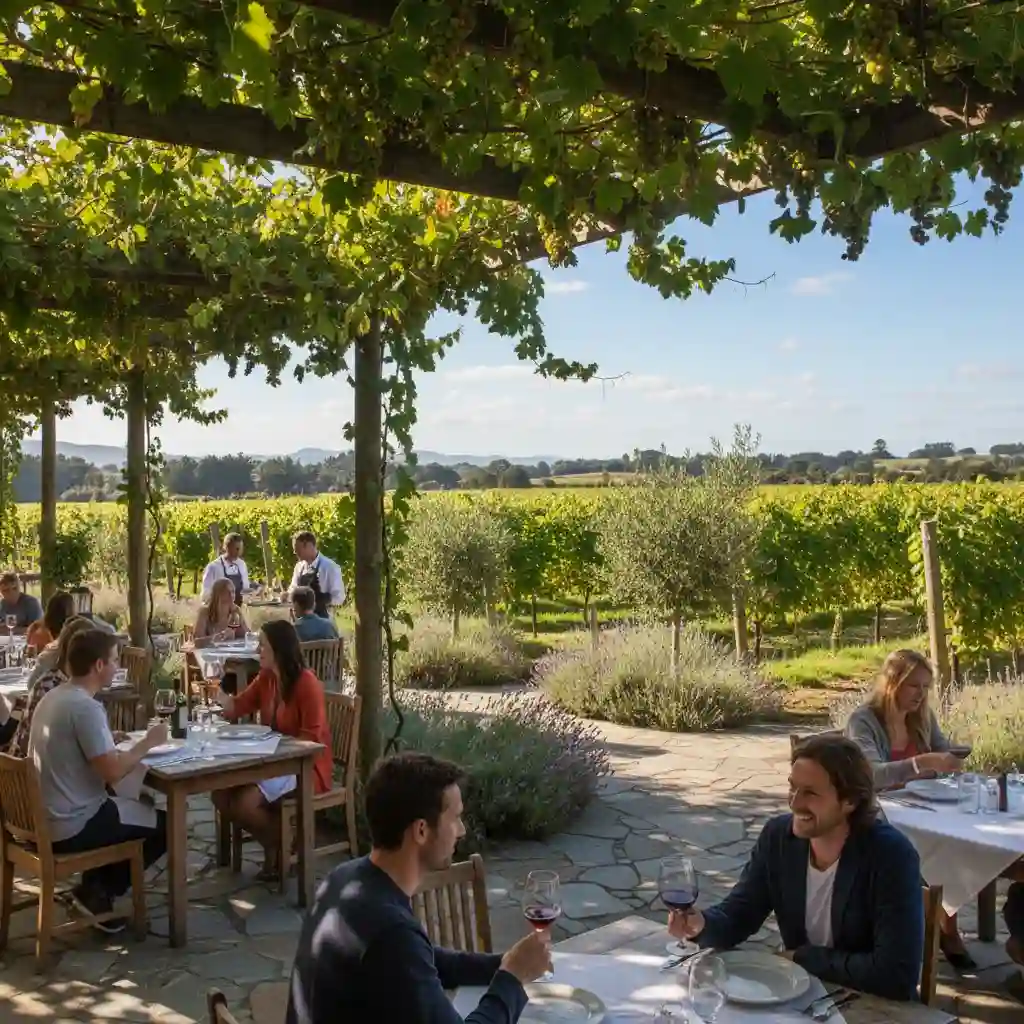
The clay soils of Matakana produce distinct, complex wines. A tour of the local vineyards offers both gustatory pleasure and architectural beauty.
- Brick Bay Wines & Sculpture Trail: This is a dual-purpose destination. After tasting their renowned Pinot Gris, walk the sculpture trail which winds through native bush and ponds, merging art with nature. The “Glass House” restaurant here cantilevered over a lake is an architectural marvel.
- Ascension Wine Estate: Known for its beautiful grounds and robust reds, this is a great spot for a long, lazy lunch.
- Sawmill Brewery: Located in Leigh, this is a must-visit for craft beer lovers. The Smoko Room offers a relaxed vibe with food that pairs perfectly with their pilsners and IPAs. It’s an ideal stop after a morning of snorkeling at Goat Island.
Where to Stay: Accommodation Options
Accommodation on the Matakana Coast ranges from high-end luxury lodges to classic Kiwi baches (holiday homes). Booking in advance is critical, especially for summer weekends.
Luxury Lodges and Boutique Hotels
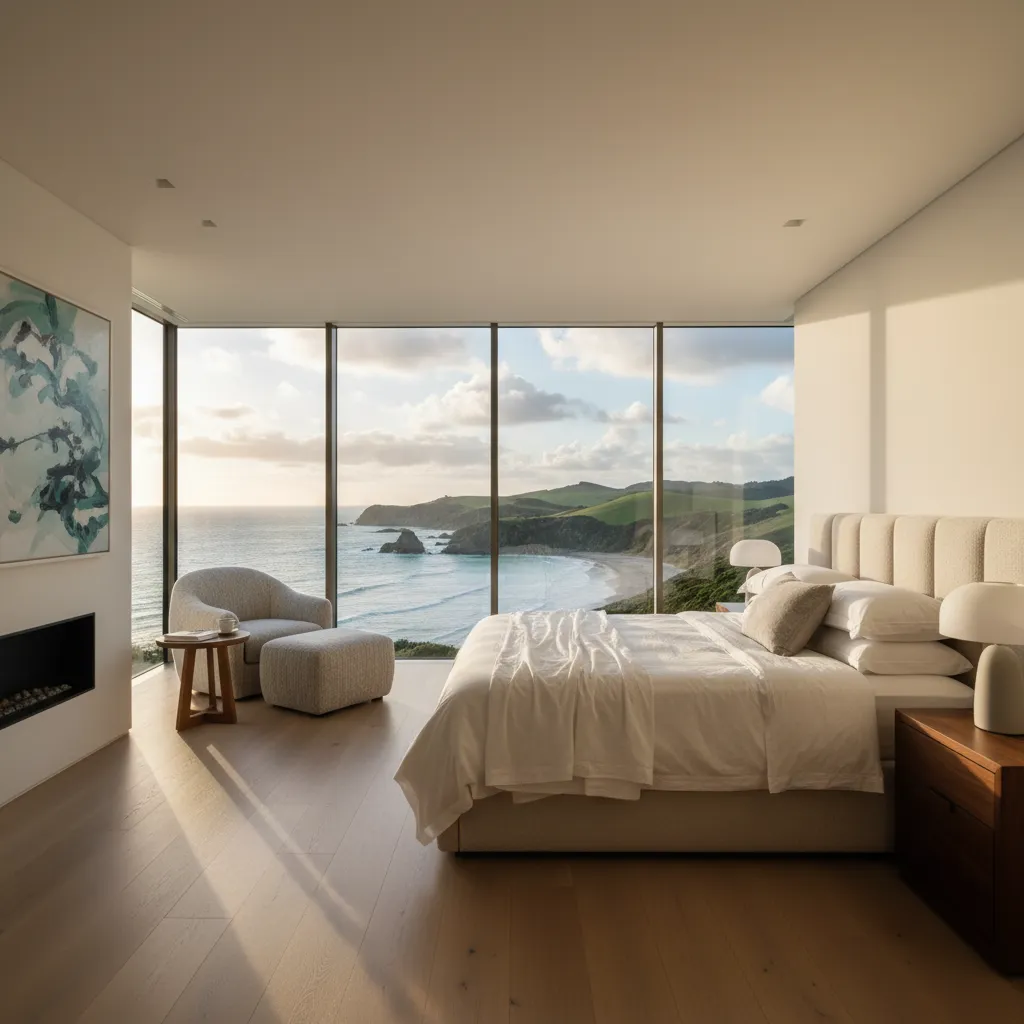
For those seeking a premium experience, the region offers several exclusive properties. Plume Villas offers modern, private luxury accommodation set within a vineyard landscape, providing access to a communal pool and cellar door. Takatu Lodge and Vineyard offers high-end suites with sweeping ocean views, perfect for couples looking for seclusion and high-service standards.
Glamping and Eco-Retreats
Aligning with the nature-focused itinerary, glamping is a popular choice. Te Arai Lodge and various smaller operators offer luxury tent experiences where you can sleep under the stars without sacrificing comfort. These often come with outdoor baths and fire pits, enhancing the connection to the rugged landscape.
Family-Friendly Baches
For groups and families, renting a private bach at Omaha Beach or Snells Beach is often the most practical option. Omaha offers a resort-style atmosphere with a patrolled surf beach, while Snells Beach provides calm waters and proximity to the Brick Bay sculpture trail.
The Perfect 3-Day Weekend Itinerary
To help you visualize your trip, here is a commercially viable, action-packed 3-day plan designed to hit all the major highlights while allowing time for relaxation.
Day 1: Arrival and Artisan Immersion
Morning: Depart Auckland and arrive in Matakana Village. Start with coffee at the Matakana Market Kitchen. Explore the boutique shops and galleries in the village complex.
Lunch: Head to Brick Bay Wines. Enjoy a platter at the Glass House followed by a 60-minute walk through the Sculpture Trail.
Afternoon: Check into your accommodation at Omaha or a local B&B. Spend the late afternoon walking the white sands of Omaha Beach.
Dinner: Dine at the Sawmill Brewery in Leigh. Their wood-fired pizzas and fresh fish dishes are local favorites.
Day 2: The Marine Experience
Morning: Drive to Goat Island Marine Reserve early (before 10:00 AM) to secure parking. Rent snorkeling gear or a Clearyak from the foreshore operators. Spend 2-3 hours exploring the reserve.
Lunch: Grab fish and chips from the Leigh Eats takeaway shop and eat them at the Mathieson Bay reserve for a quieter view.
Afternoon: Drive out to Tawharanui Regional Park. Walk the Ecology Trail to spot native birds like the takahē and kiwi (if staying until dusk). Enjoy a swim at Anchor Bay.
Evening: Enjoy a fine dining experience at Plume Restaurant, renowned for its vineyard views and seasonal menu.
Day 3: Coastal Culture and Departure
Morning: Visit the Ti Point Reptile Park to see New Zealand’s only collection of reptiles, or take a walk along the Ti Point Coastal Walkway for stunning views back towards the mainland.
Lunch: Stop at the Chocolate Brown Café in Warkworth on your way south for their famous hot chocolate and light meals.
Afternoon: If time permits, stop at the Honey Centre to taste local manuka honey before the drive back to Auckland.
People Also Ask
How many days do you need in Matakana?
A minimum of two days (one night) is recommended to see the main highlights, but three days is ideal. This allows enough time to visit the marine reserve, explore a regional park like Tawharanui, and enjoy the vineyards without rushing.
Can you swim at Matakana without a wetsuit?
Yes, in the summer months (January to March), the water temperature is generally comfortable for swimming without a wetsuit. However, if you plan on snorkeling for extended periods at Goat Island, a thin wetsuit is recommended for warmth and buoyancy.
Is Goat Island suitable for beginners?
Absolutely. Goat Island is one of the safest and most accessible places for beginner snorkelers in New Zealand. The water is often calm, and the marine life is visible in very shallow water, meaning you don’t need to be a strong swimmer to see fish.
What is there to do in Matakana when it rains?
Matakana has excellent indoor options. You can visit the Matakana Cinemas (a boutique theater), enjoy wine tasting at local vineyards, explore the art galleries in the village, or visit the Warkworth Museum.
Do I need to book the ferry to Kawau Island in advance?
While you can often buy tickets on the day, it is recommended to book in advance during the peak summer season or if you are planning to take the Royal Mail Run cruise, as these can sell out.
Are dogs allowed at Tawharanui Regional Park?
No, dogs are strictly prohibited at Tawharanui Regional Park at all times. This is because it is an open sanctuary with kiwi and other endangered native birds roaming freely.