
The birds of Goat Island NZ encompass a diverse array of coastal species, including the endangered New Zealand Dotterel, Variable Oystercatchers, White-fronted Terns, and Little Blue Penguins. These species thrive within the Cape Rodney-Okakari Point Marine Reserve, utilizing the protected sand spit for nesting and the nutrient-rich marine waters for feeding.
While Goat Island (Te Hāwere-a-Maki) is globally renowned for its underwater marine life—specifically the massive Snapper and crayfish—the avian ecosystem above the waterline is equally vibrant and ecologically significant. The Cape Rodney-Okakari Point Marine Reserve provides a sanctuary not just for fish, but for the seabirds and shorebirds that rely on healthy ocean stocks for survival. Visitors to this pristine coastline north of Auckland are often greeted by a chorus of calls and the sight of rare species nesting precariously on the sand spit.
Understanding the behavior, identification, and fragility of these birds is essential for every visitor. This guide provides a comprehensive look at the avian residents of New Zealand’s first marine reserve.
Nesting Shorebirds on the Spit
The sand spit connecting the mainland to Goat Island is one of the most dynamic and sensitive environments in the region. While it serves as a walkway for humans at low tide, it is a critical breeding ground for some of New Zealand’s most vulnerable shorebirds. These birds nest directly on the sand, making them highly susceptible to disturbance.
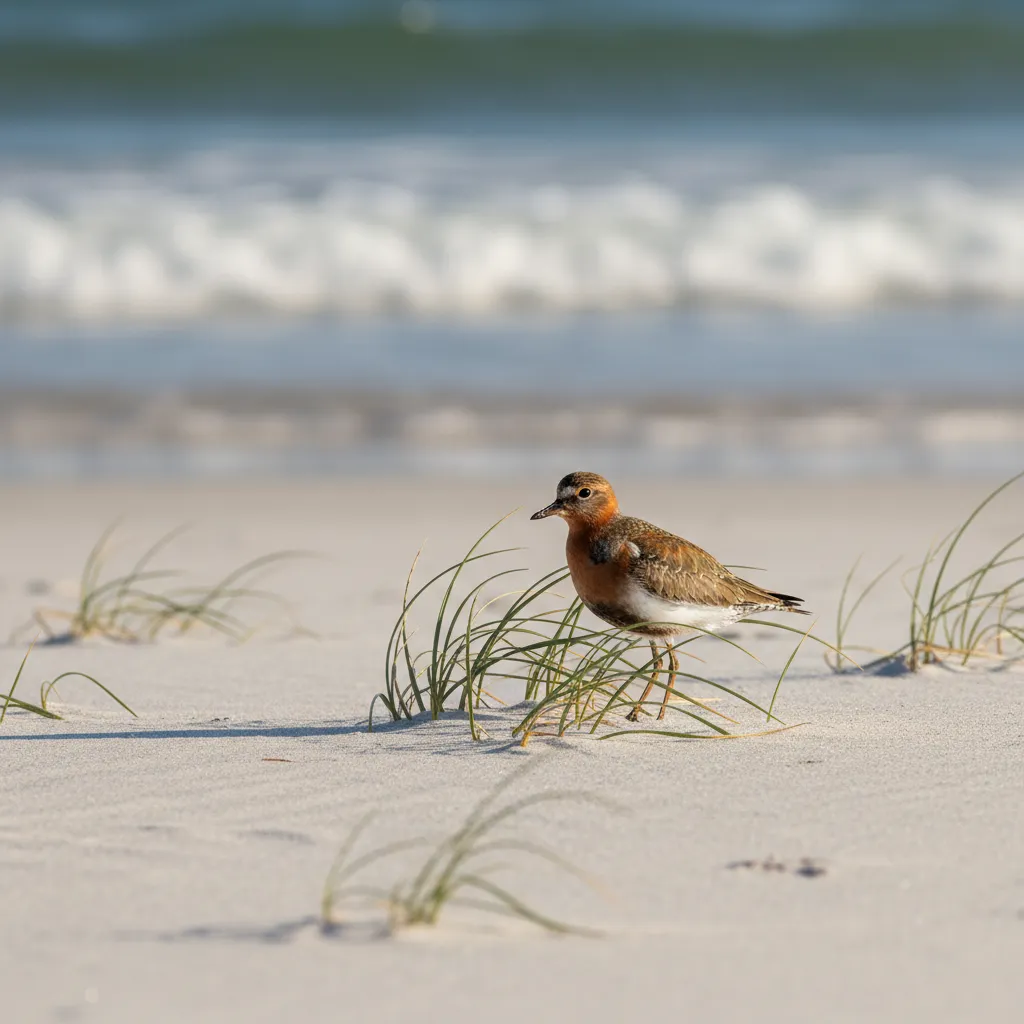
The New Zealand Dotterel (Tūturiwhatu)
The New Zealand Dotterel is a standout species among the birds of Goat Island NZ. With a population of only around 2,500 individuals remaining, seeing one is a privilege. During the breeding season (spring and summer), their breast feathers turn a distinct rusty red, making them easier to spot against the white sand.
Nesting Habits: Unlike birds that build structural nests in trees, Dotterels lay their eggs in small scrapes in the sand, often decorated with broken shells. These eggs are camouflaged to look exactly like the beach, rendering them nearly invisible to the untrained eye. This camouflage is their primary defense against aerial predators, but it is a liability against human foot traffic.
Defensive Behavior: If you see a Dotterel feigning a broken wing and dragging itself across the sand, you are too close to its nest. This “broken-wing display” is a distraction tactic designed to lure predators away from the eggs or chicks. If you witness this, back away immediately and carefully retrace your steps.
Variable Oystercatchers (Tōrea)
Often seen alongside the Dotterels are the Variable Oystercatchers. These are larger, sturdier birds characterized by their black (or pied) plumage and striking, long orange beaks. They use these powerful bills to pry open shellfish harvested from the intertidal zone.
Oystercatchers are fiercely protective parents. They do not rely solely on camouflage; they will aggressively dive-bomb intruders and emit loud, piercing piping calls to warn off threats. The pairs at Goat Island are resident birds, meaning they often stay in the territory year-round, unlike some migratory species.
Identifying Terns and Gulls
The air above the marine reserve is frequently filled with the sights and sounds of gulls and terns. Distinguishing between these species adds a layer of depth to the visitor experience, as each plays a different role in the marine food web.
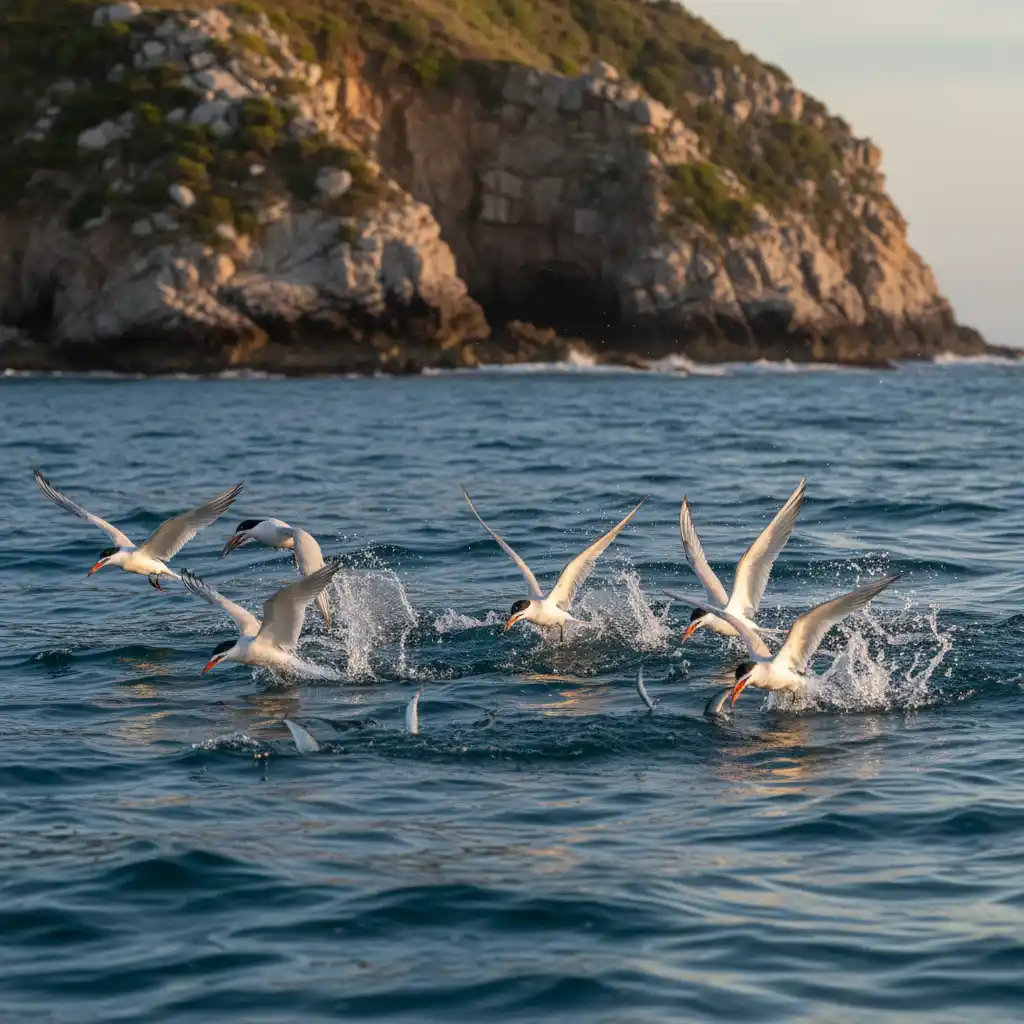
White-fronted Terns (Tara)
The White-fronted Tern is the most common tern in New Zealand and a frequent sight at Goat Island. They are significantly more streamlined and agile than gulls. You can identify them by their forked tails, grey wings, and a distinctive black cap on their heads separated from the bill by a white forehead.
Feeding Behavior: These birds are indicators of fish activity below the surface. They feed by plunge-diving—hovering briefly before dropping vertically into the water to snatch small baitfish. When you see a “work-up” of terns diving repeatedly, it often indicates that predatory fish like Kingfish or Kahawai are herding baitfish to the surface.
Red-billed Gulls (Tarāpunga) vs. Black-backed Gulls (Karoro)
Visitors often generalize all seagulls as scavengers, but the species at Goat Island have distinct traits:
- Red-billed Gull: Smaller, with a bright red beak and legs. These birds are currently in decline nationally. They are social and often congregate near the car park or beach hoping for scraps, though feeding them is strongly discouraged as it alters their natural foraging habits.
- Southern Black-backed Gull: The largest gull in New Zealand. Adults have dark black wings and yellow bills. They are dominant predators and scavengers, occasionally preying on the eggs or chicks of smaller shorebirds like the Dotterel.
Little Blue Penguins (Kororā)
The Little Blue Penguin is the world’s smallest penguin species and a treasured resident of the Hauraki Gulf. While they are difficult to spot during the day, the rocky crevices and dense coastal vegetation around Goat Island provide ideal nesting habitats for them.
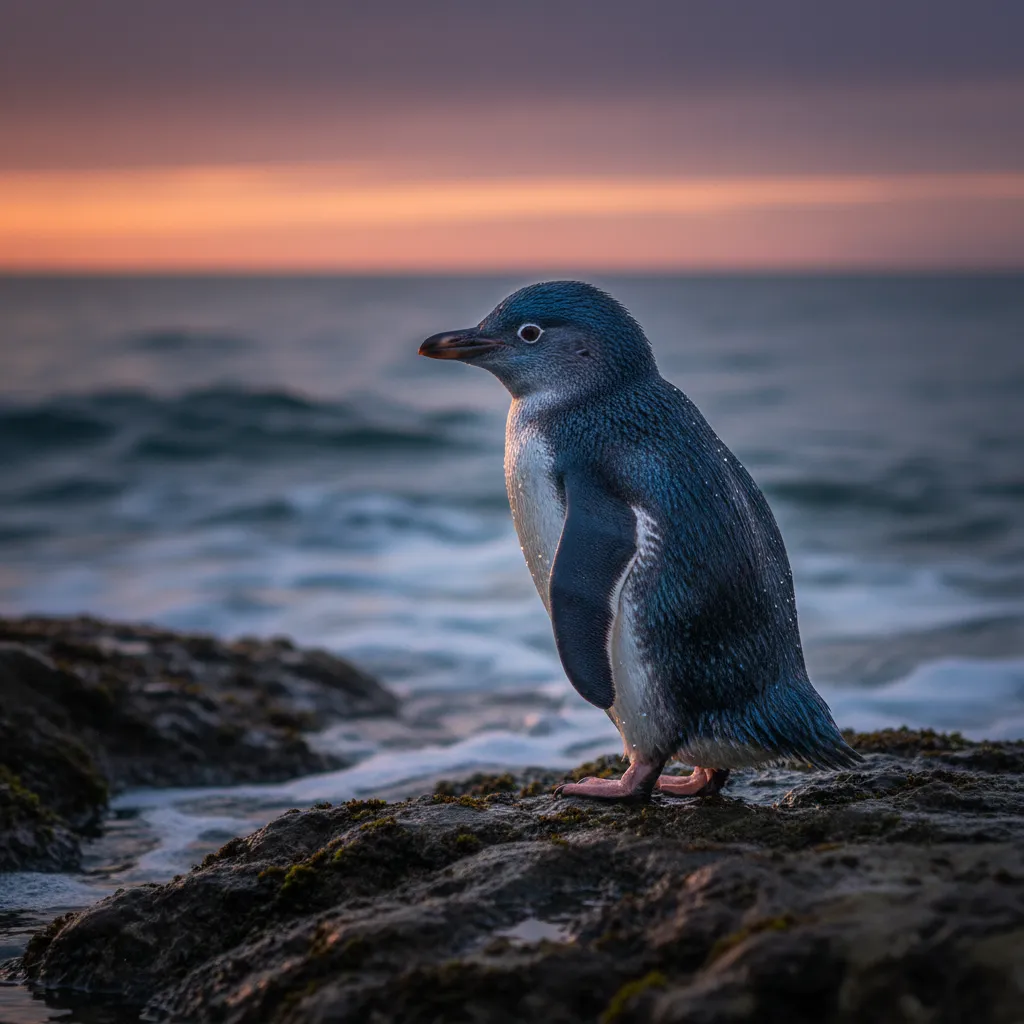
Where and When to See Them
Kororā are nocturnal on land. They spend their days at sea foraging for squid and small fish, returning to their burrows only under the cover of darkness to feed their chicks or rest.
Observation Tips: The best chance of spotting a penguin is at dusk near the rocky outcrops or the boat ramp area. However, patience is required. They are extremely sensitive to light and movement. If you are lucky enough to see one emerging from the surf:
- No Flash Photography: Bright lights can temporarily blind penguins, making them vulnerable to predators and causing them to regurgitate food intended for their chicks.
- Stay Silent: Loud noises will cause them to retreat back into the ocean.
- Keep Low: Sitting on the beach makes you appear less threatening than standing.
Shags and Coastal Hunters
The rocky cliffs and Pohutukawa trees lining the reserve are favorite roosting spots for Shags (Cormorants). The most conspicuous species here is the Pied Shag (Kāruhiruhi).
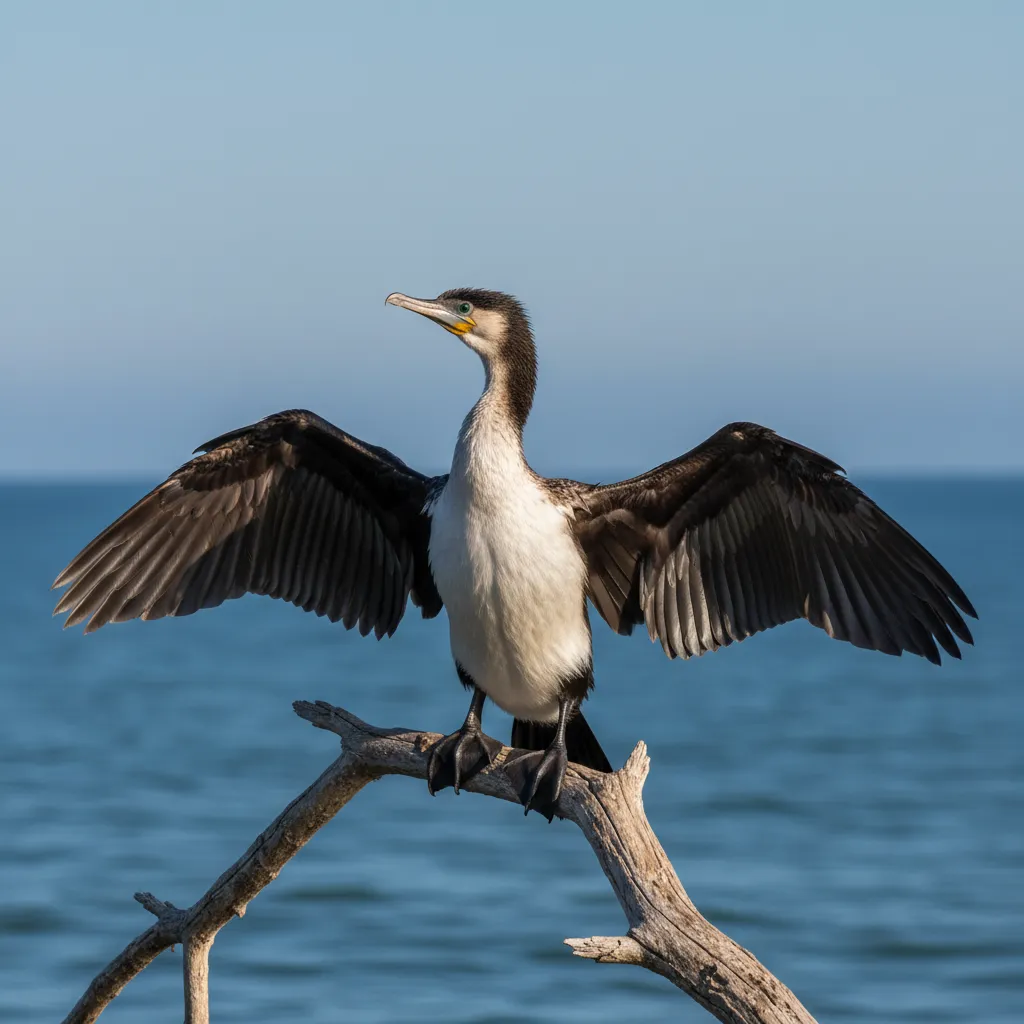
Pied Shag Characteristics
Large and black-and-white, these birds are expert divers. Unlike penguins or petrels, shags do not have fully waterproof feathers. This lack of oil allows them to reduce buoyancy and dive deeper and faster to catch fish. The trade-off is that they must spend considerable time perched on rocks or trees with their wings spread wide to dry off in the sun and wind.
At Goat Island, you will often see them resting on the rocks near the island itself, or in the large trees overhanging the water on the mainland side. They are solitary hunters but often roost in colonies.
Rules for Keeping Distance & Conservation
The birds of Goat Island NZ face constant pressure from the high volume of human visitors. To ensure these populations continue to thrive in the marine reserve, strict adherence to Department of Conservation (DOC) guidelines is necessary. The “Share the Beach” philosophy is critical here.
The 20-Meter Rule
As a general rule of thumb, maintain a distance of at least 20 meters (approximately two bus lengths) from any nesting or resting bird. If a bird looks at you, stops what it is doing, or moves away, you are already too close. For Dotterels and Oystercatchers, getting too close keeps parents off the nest, leaving eggs exposed to the harsh sun (which can cook the embryo) or predators.
Dog Restrictions
Dogs are generally prohibited on the foreshore of the marine reserve and the Goat Island walkway. Even well-behaved dogs on leashes can cause lethal stress to shorebirds. The scent of a dog can cause birds to abandon nests permanently. Always check local signage at the Leigh entrance before unloading pets, but assume the reserve is a no-dog zone.
Photography Ethics
Wildlife photography is popular at Goat Island, but the welfare of the subject must come first. Use a telephoto lens to capture images from a distance. Never flush a bird to get an action shot. For drone operators, be aware that drones are generally banned within marine reserves and over DOC land without a specific permit, as the noise creates significant disturbance for avian life.
By respecting these boundaries, we ensure that the birds of Goat Island remain a vibrant part of New Zealand’s marine heritage for future generations.
Frequently Asked Questions
What is the most rare bird at Goat Island?
The New Zealand Dotterel (Tūturiwhatu) is the rarest bird commonly found at Goat Island. With a national population of only roughly 2,500, they are considered “At Risk – Recovering” due to intensive conservation efforts.
Can I take my dog to Goat Island beach?
No, dogs are generally prohibited on the beach and foreshore of the Cape Rodney-Okakari Point Marine Reserve (Goat Island). This rule is strictly enforced to protect nesting shorebirds like Dotterels and Little Blue Penguins.
When is the best time to see birds at Goat Island?
Shorebirds like Dotterels and Oystercatchers are present year-round but are most active during breeding season (September to February). Little Blue Penguins are best viewed at dusk as they return from the sea.
Why are there ropes on the sand spit?
Ropes and temporary fencing are erected by the Department of Conservation to mark out nesting sites for Dotterels and Oystercatchers. Visitors must stay outside these roped areas to avoid stepping on camouflaged eggs.
What do the birds at Goat Island eat?
The diet varies by species. Terns and Shags eat small fish (baitfish). Oystercatchers eat mussels and shellfish from the rocks. Dotterels eat sandhoppers and small invertebrates found in the sand.
Are there penguins at Goat Island?
Yes, Little Blue Penguins (Kororā) nest in the area. They are nocturnal on land, so they are rarely seen during the day, but often come ashore at the boat ramp or rocky areas after sunset.