
Daniels Reef is a premier right-hand reef break located near Leigh on New Zealand’s Matakana Coast. It requires a solid Northeast to East swell and Southwest offshore winds to work effectively. Best suited for intermediate to advanced surfers, the wave offers hollow sections and long rides, functioning optimally around mid-to-high tide.
Surfing in New Zealand offers a diversity of breaks that few other nations can claim, ranging from the heavy west coast beach breaks to the refined, peeling points of the east. Among these gems lies Daniels Reef, a spot that holds a legendary status among Auckland and Northland surfers. Situated just a short drive from the quaint fishing village of Leigh, this reef break is celebrated for its mechanical consistency when the elements align.
However, scoring Daniels Reef requires more than just showing up with a board. It is a fickle mistress that demands a specific combination of swell direction, wind, and tide. Furthermore, as a reef break with a dedicated local crew, understanding the etiquette and the hazards is just as important as knowing the forecast. This comprehensive guide serves as your ultimate Daniels Reef surf report resource, breaking down everything from hydrodynamic mechanics to post-surf amenities.
Understanding the Daniels Reef Surf Report
Interpreting a surf report for Daniels Reef is distinct from reading a forecast for an open beach break like Muriwai or Piha. Because the spot relies on swell wrapping into the Hauraki Gulf or generating directly from weather systems to the north and east, the numbers on a standard forecast chart can sometimes be misleading if you don’t know what to look for.
When analyzing a Daniels Reef surf report, the primary metric to scrutinize is the swell period and direction. Short-period wind swells from the Northeast can create rideable waves, but they often lack the power to break properly over the reef, resulting in crumbling sections. The “magic” numbers usually involve a swell period of 9 seconds or more with a solid Easterly or Northeasterly component. If the report shows a massive Southwest swell (common for NZ), Daniels will likely be flat, as it is sheltered by the landmass.
Optimal Conditions: When to Go
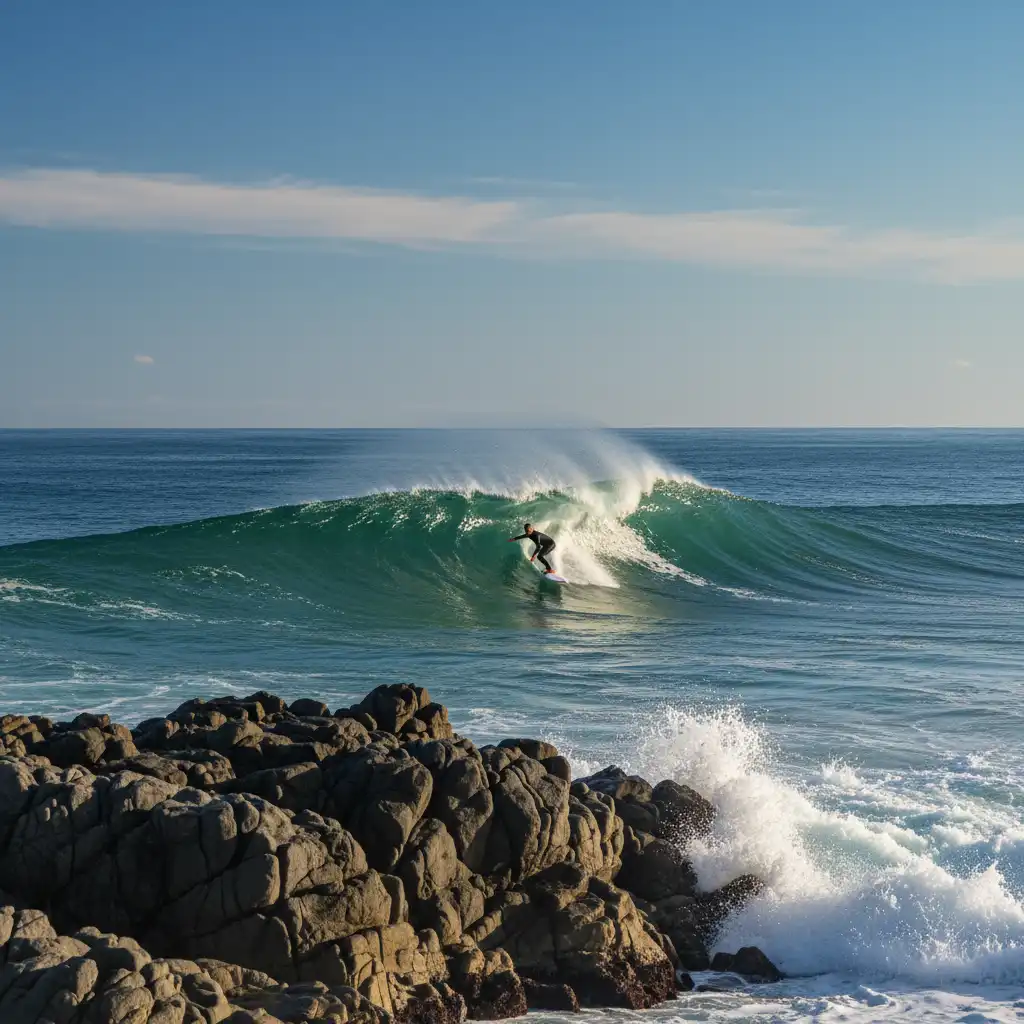
To score the session of a lifetime at Daniels, you need to monitor three critical variables: swell direction, wind, and tide. Unlike beach breaks that might offer a peak at any tide, reef breaks are static, meaning the depth of the water over the rock shelf dictates the quality of the wave entirely.
Best Swell Direction
The ideal swell direction for Daniels Reef is Northeast (NE) to East (E). Swells originating from tropical cyclones in the Pacific Islands often send long-period energy down to the North Island’s east coast, lighting up spots like Daniels. An Easterly groundswell is arguably the best, as it hits the reef at an angle that allows the wave to peel mechanically down the line rather than closing out.
Ideal Wind Conditions
New Zealand is known for its prevailing Westerlies. Fortunately, Daniels Reef handles Southwest (SW) to West (W) winds perfectly. These are offshore winds for this coast, grooming the face of the wave and holding it up to create hollow barrels. A light Northwest wind can also be tolerated, but anything with an “East” in it (Onshore) will turn the lineup into a messy, unrideable chop.
Best Tide for Daniels Reef
Tide is the make-or-break factor. Generally, Mid to High tide is the safe bet. At low tide, the reef is exposed or extremely shallow, making the drop dangerous and the wave prone to closing out on dry rock. As the tide fills in (pushing towards high), the water depth over the reef increases, allowing the wave to form a steeper, more wall-like face that is perfect for high-performance surfing.
Spot Mechanics & Skill Level Required
Is Daniels Reef suitable for beginners? The short answer is no. While it is not as aggressive as some tropical reef passes, it is a legitimate rock-bottom break that poses significant risks to the inexperienced.
The Wave Profile
Daniels is primarily a right-hander. On a good day, the take-off is steep and fast. You need to be comfortable setting your rail immediately. After the drop, the wave sets up into a wall that offers speed sections and, on larger swells, a cover-up section on the inside. The wave breaks over a rocky shelf that is uneven, meaning boils and steps in the wave face are common. Surfers need to be reactive and capable of generating speed to make it around the sections.
Required Skill Level
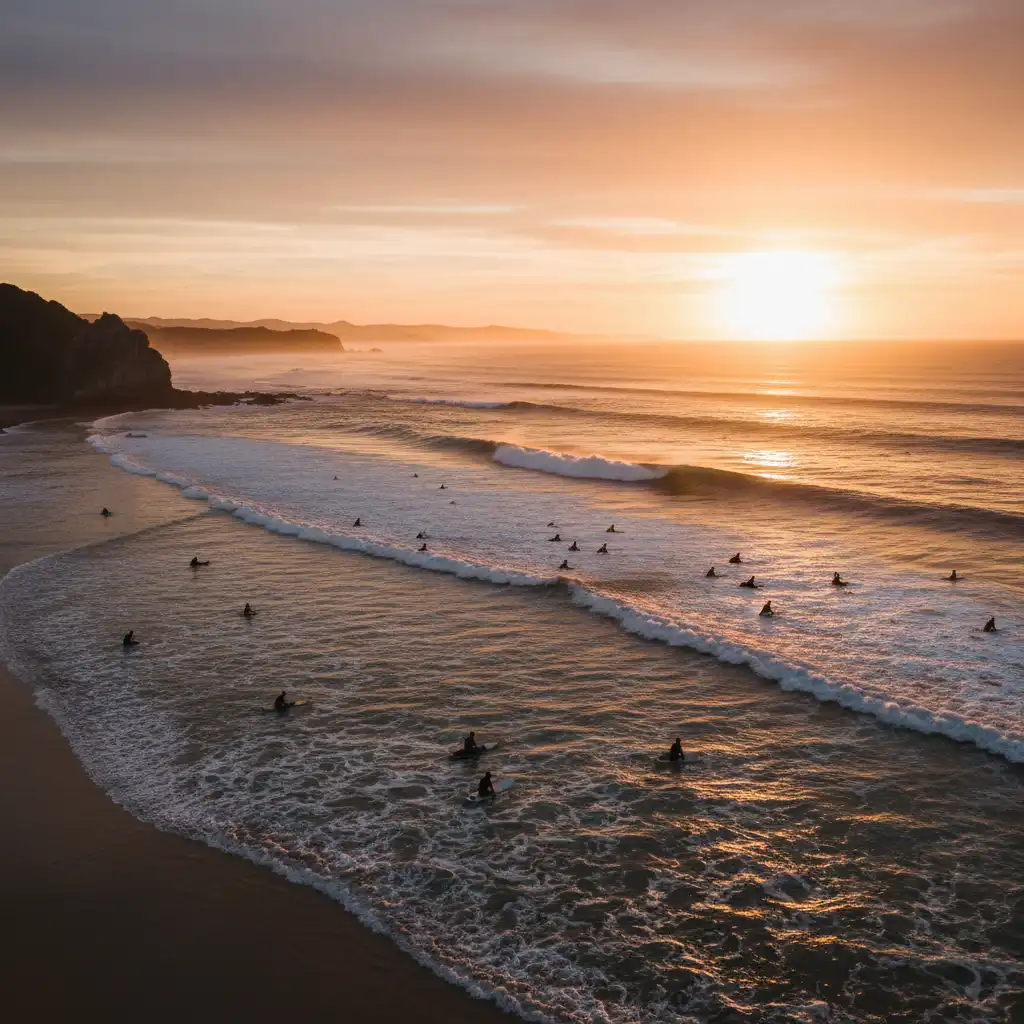
This spot is rated for Intermediate to Advanced surfers. You should be proficient at duck diving (though there is a channel, rogue sets can catch you inside), taking off on steep faces, and executing turns. Beginners should head to nearby sandy beaches like Omaha or Pakiri, where the consequences of falling are softer. The crowd here is also high-caliber; stumbling into the lineup without the skills to navigate it creates safety hazards for everyone.
Accessing Daniels Reef via Leigh
Located approximately 80 kilometers north of Auckland, the journey to Daniels Reef is a scenic drive through the Matakana Coast wine country. The accessibility makes it a popular day-trip destination, but parking can be a logistical challenge on pumping days.
The Drive and Parking
From Auckland, take State Highway 1 north to Warkworth, then follow the signs to Matakana and Leigh. Once you reach the township of Leigh, you will navigate towards the coast. The break is located near the end of a residential road. Parking is limited to the roadside and a small designated area. It is imperative that you do not block driveways. The relationship between surfers and local residents is delicate; illegal parking is the fastest way to get the spot shut down or heavily regulated.
The Walk-In and Paddle Out
Access to the water is via a rocky shoreline. Unlike a sandy beach, you will be walking over uneven rocks and boulders. Booties are recommended in winter not just for warmth, but for protection during the walk. The paddle out utilizes a channel to the right of the break (looking out to sea). Timing your entry is key; wait for a lull in the sets to scramble off the rocks and paddle hard to the channel. Mis-timing this can result in being washed back onto the sharp barnacles.
Surf Etiquette and Respecting Locals
Surf tourism in New Zealand is growing, and spots like Daniels Reef are feeling the pressure. The “vibe” in the water is generally friendly, provided you adhere to the universal rules of surfing and show respect to the locals who have surfed there for decades.

The Pecking Order
Daniels has a well-established pecking order. The locals who live in Leigh and surf it every time it breaks have priority. If you are a visitor:
- Don’t paddle straight to the peak. Sit on the shoulder for the first few sets and observe.
- Wait your turn. Do not snake or drop in on others. The take-off zone is tight; there is usually only room for one surfer per wave.
- Acknowledge others. A simple nod or hello goes a long way. The silent, aggressive approach is not welcomed here.
Respecting the Environment
Leigh is known for the Goat Island Marine Reserve (just around the corner). While Daniels is not in the reserve, the ethos of conservation remains. Take all rubbish with you, do not disturb wildlife, and be mindful of the noise levels in the early morning to respect the residents living on the cliff above.
Gear Guide and Safety Hazards
Being prepared with the right gear ensures you can stay in the water longer and surf safer. The water temperature and reef structure dictate your equipment choices.
Wetsuit Recommendations
Summer (Dec-Feb): A 2mm spring suit or even boardshorts/bikini on the hottest days, though a top is recommended for reef protection.
Winter (Jun-Aug): A good quality 4/3mm steamer is essential. The water temperature can drop to around 14°C (57°F), and wind chill from the Southwest can be biting.
Board Choice
A standard shortboard (thruster or quad) is the weapon of choice for Daniels Reef to handle the steep drops and pocket surfing. However, on smaller, softer days, a fish or a mid-length can be incredibly fun. Longboards are less common due to the steepness of the take-off but can work on high-tide glassy days.
Hazards to Watch For
- Sea Urchins (Kina): The reef is populated with sea urchins. Planting a foot on the bottom usually results in painful spines in your foot.
- The Rock Shelf: Wipeouts should be shallow. Try to fall flat rather than diving headfirst.
- Sun Exposure: The NZ sun is harsh. Zinc up, even in winter.
Beyond the Surf: The Matakana Coast
One of the best aspects of surfing Daniels Reef is the location. If the surf goes flat or the tide drops out, the surrounding area is rich with activities.

Leigh Sawmill Cafe
An institution in the area, the Leigh Sawmill Cafe is the perfect post-surf pitstop. Known for its wood-fired pizzas and craft beers, it captures the rustic, laid-back vibe of the Northland coast. It’s a great place to warm up and debrief on the session.
Goat Island Marine Reserve
Just minutes away is New Zealand’s first marine reserve. If the waves are flat, bring a snorkel and mask. The density of fish life, including massive Snapper and Crayfish, is world-class. It’s a stark contrast to the adrenaline of surfing but equally immersive.
Matakana Village
On your drive back to Auckland, stop in Matakana. The Saturday Farmers Market is famous for artisanal food, coffee, and produce. It adds a layer of luxury to a rugged surf trip, making the Daniels Reef mission appealing even to non-surfing partners.
Frequently Asked Questions
What is the best wind for Daniels Reef?
The best wind for Daniels Reef is a Southwest (SW) or West (W) wind. These directions are offshore, which cleans up the wave face and holds the barrel open. Light winds are always preferable, but the reef can handle moderate offshore breezes well.
Is Daniels Reef good for beginners?
No, Daniels Reef is not recommended for beginners. It is a reef break with a rocky bottom, sea urchins, and a steep take-off. It is best suited for intermediate to advanced surfers who are comfortable controlling their boards in critical sections.
How do I get to Daniels Reef from Auckland?
Take State Highway 1 North from Auckland towards Warkworth. Follow the signs to Matakana, then continue to Leigh. The drive takes approximately 75 to 90 minutes depending on traffic. Once in Leigh, follow local roads toward the coast; look for cars with surfboards to find the access point.
Does Daniels Reef work on low tide?
Daniels Reef is generally dangerous and often closes out at low tide. The water becomes very shallow over the rocks. The best time to surf is usually from mid-tide pushing towards high tide, or high tide dropping to mid.
Are there sharks at Daniels Reef?
While sharks inhabit all New Zealand waters, sightings at Daniels Reef are relatively rare compared to other parts of the world. However, Bronze Whalers are occasionally seen along the coast, especially during summer fishing seasons. Always surf with a buddy.
What wetsuit do I need for Leigh surf spots?
In summer (January-February), a 2mm spring suit or swimsuit is sufficient (water approx 20-22°C). In winter (July-August), a 4/3mm steamer is necessary as water temperatures drop to around 14°C, often accompanied by cold winds.