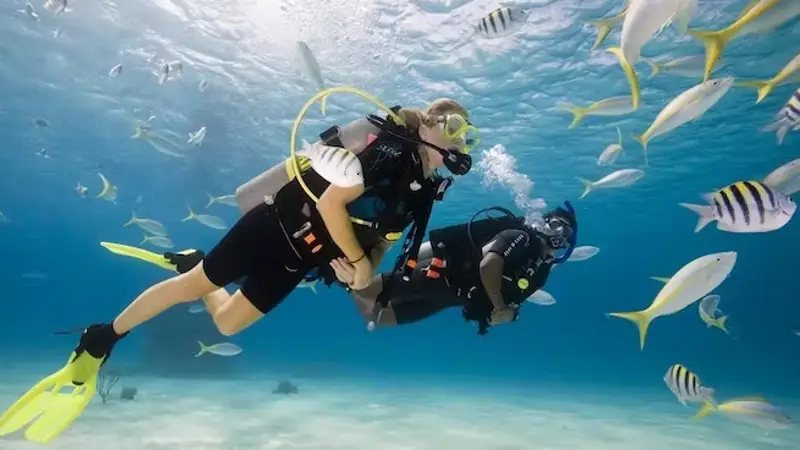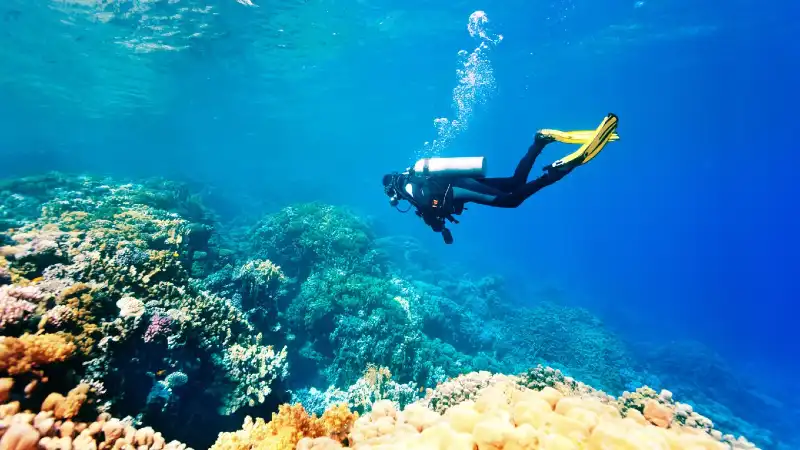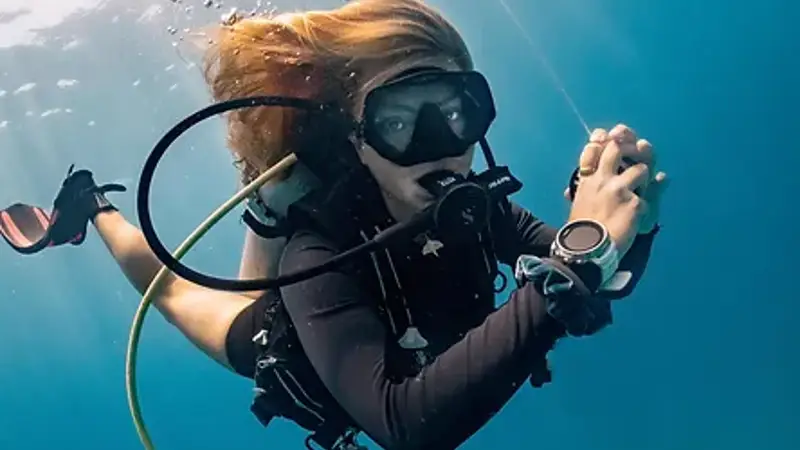
Diving in the dark – my night diving adventure at Goat Island
What is night diving at Goat Island like?
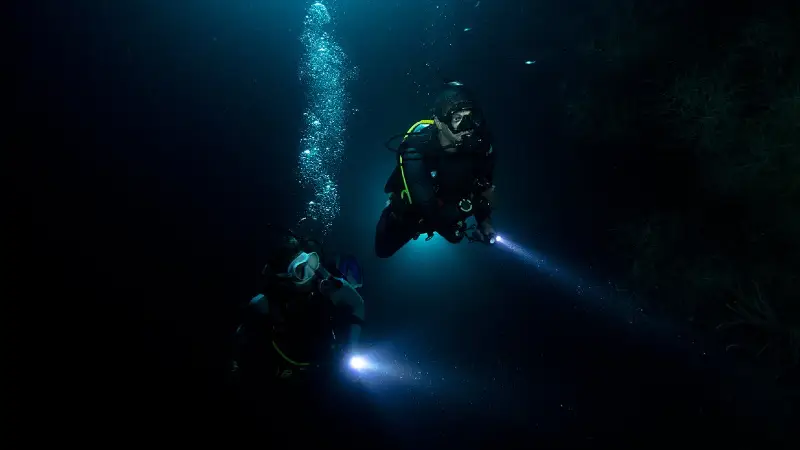
Night diving at Goat Island Marine Reserve offers a surreal experience where the familiar daytime landscape transforms into a vibrant nocturnal ecosystem. Divers can witness species like the Big-eye, nocturnal crustaceans, and hunting octopuses that remain hidden during the day. The experience is characterized by high visibility within the light beam of a torch, revealing the true, vivid colors of the reef often lost in natural sunlight.
The sun began to dip below the horizon, painting the sky in hues of orange and purple as I geared up on the shores of Goat Island, New Zealand’s oldest marine reserve. While most visitors were heading home, my adventure was just beginning. Diving into the dark is a sensory-shifting experience that every certified diver should try at least once, especially in a sanctuary as biodiverse as this one.

Preparing the gear for a nocturnal descent.
The Preparation: Gear and Safety for the Night
Preparation is the cornerstone of a successful night dive. Unlike a standard day trip, you are entirely dependent on your equipment for vision and orientation. For this excursion, I carried a primary 1200-lumen torch and a smaller backup light tucked into my BCD pocket. We also attached small chemical glow sticks to our tank valves, allowing my dive buddy and I to track each other’s position in the pitch-black water.
Before entering the water, we reviewed our hand signals. In the dark, you don’t just signal with your hands; you signal with your light. A circular motion means ‘okay,’ while a horizontal wave indicates a problem. Communication is vital when the vast Pacific Ocean feels like it’s closing in around you. We checked the Department of Conservation guidelines to ensure we were following all local marine reserve regulations before making our giant stride into the cool water.
Descending into the Ink: A Change in Perspective
As my head submerged, the world of sound and wind vanished, replaced by the rhythmic sound of my own breathing. During the day, Goat Island is a sprawling vista of kelp forests and rocky outcrops. At night, your world shrinks to the diameter of your light beam. This forced focus allows you to see the minute details you might otherwise skip over. I noticed the intricate patterns on the nudibranchs clinging to the rocks and the way the kelp fronds swayed like ghostly fingers in the surge.

The vivid colors of the reef revealed under artificial light.
Encountering the Nocturnal Residents of Goat Island
The real magic of night diving at Goat Island is the change in the cast of characters. The massive Snapper that follow you during the day are often found tucked into crevices, their eyes reflecting the light like silver coins. In their place, the ‘night shift’ takes over. I spotted several large crayfish (rock lobsters) boldly walking across the open sand—a behavior they would never risk during daylight hours.
We also encountered the elusive Big-eye (Pempheris adspersa), schooling in the shadows of the rock faces. Their large, light-sensitive eyes are perfectly adapted for the low-light conditions. Perhaps the most stunning sight was the bioluminescence. When we briefly shielded our torches, every movement of our fins sparked a miniature galaxy of glowing plankton, a phenomenon that feels like flying through outer space.
Post-Dive Reflection and Safety Tips
Surfacing after forty-five minutes felt like returning from another planet. The transition from the silent, dark depths back to the starlit beach is always jarring but exhilarating. If you are planning your first night dive, I highly recommend reading our Essential Scuba Gear Guide to ensure your lighting setup is up to the task.
Frequently Asked Questions about Night Diving
Is night diving at Goat Island safe for beginners?
Night diving should only be attempted by those with an Open Water certification. It is highly recommended to complete a ‘Night Diver’ specialty course or go with a professional guide for your first few sessions to manage buoyancy and navigation safely.
What is the best time of year for night diving?
In New Zealand, the summer months (December to March) offer the warmest water temperatures, though winter often provides the clearest visibility, which can make for a better night diving experience if you have a thick wetsuit or drysuit.
What happens if my torch fails underwater?
This is why every diver must carry a backup light. If your primary light fails, signal your buddy with your backup, abort the dive, and begin a slow, controlled ascent together.
Do I need a permit to dive at Goat Island?
No permit is required for recreational diving, but because it is a marine reserve, you are strictly prohibited from taking any marine life, shells, or rocks.