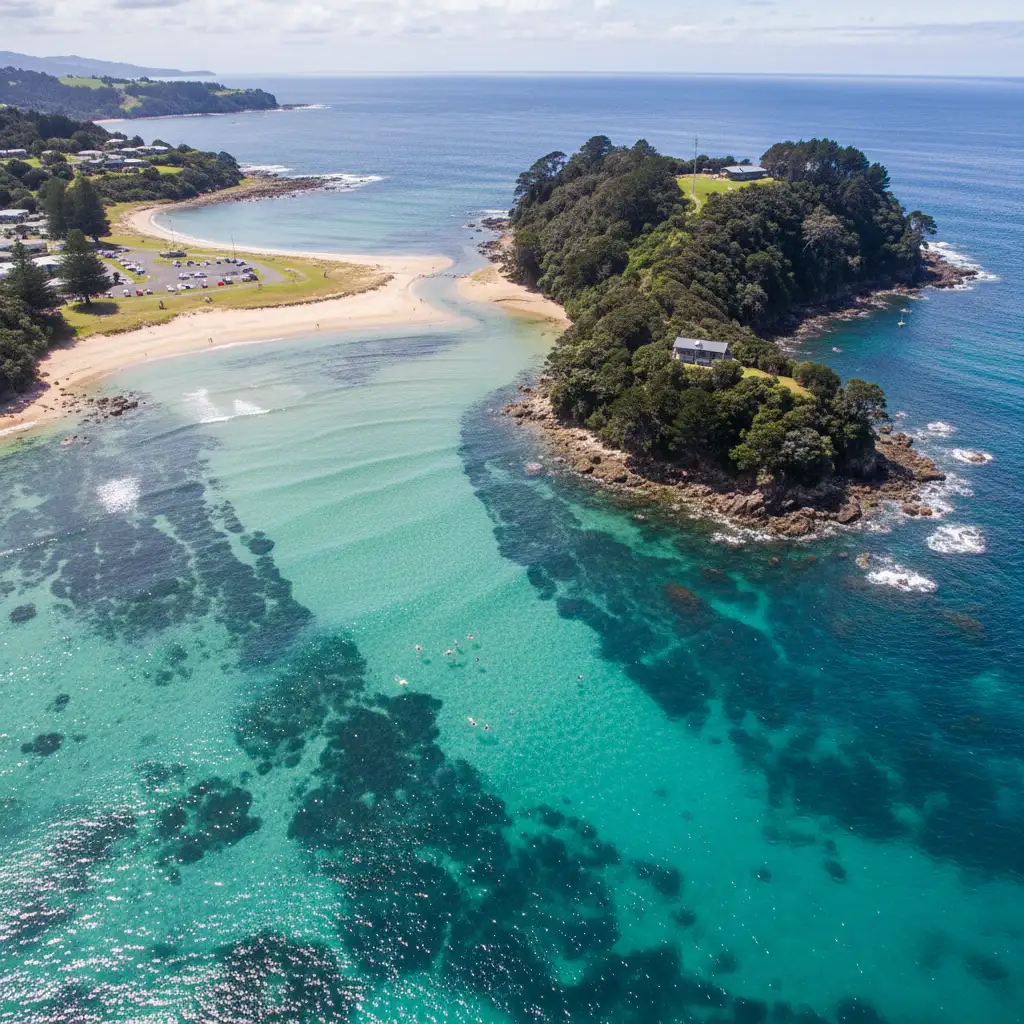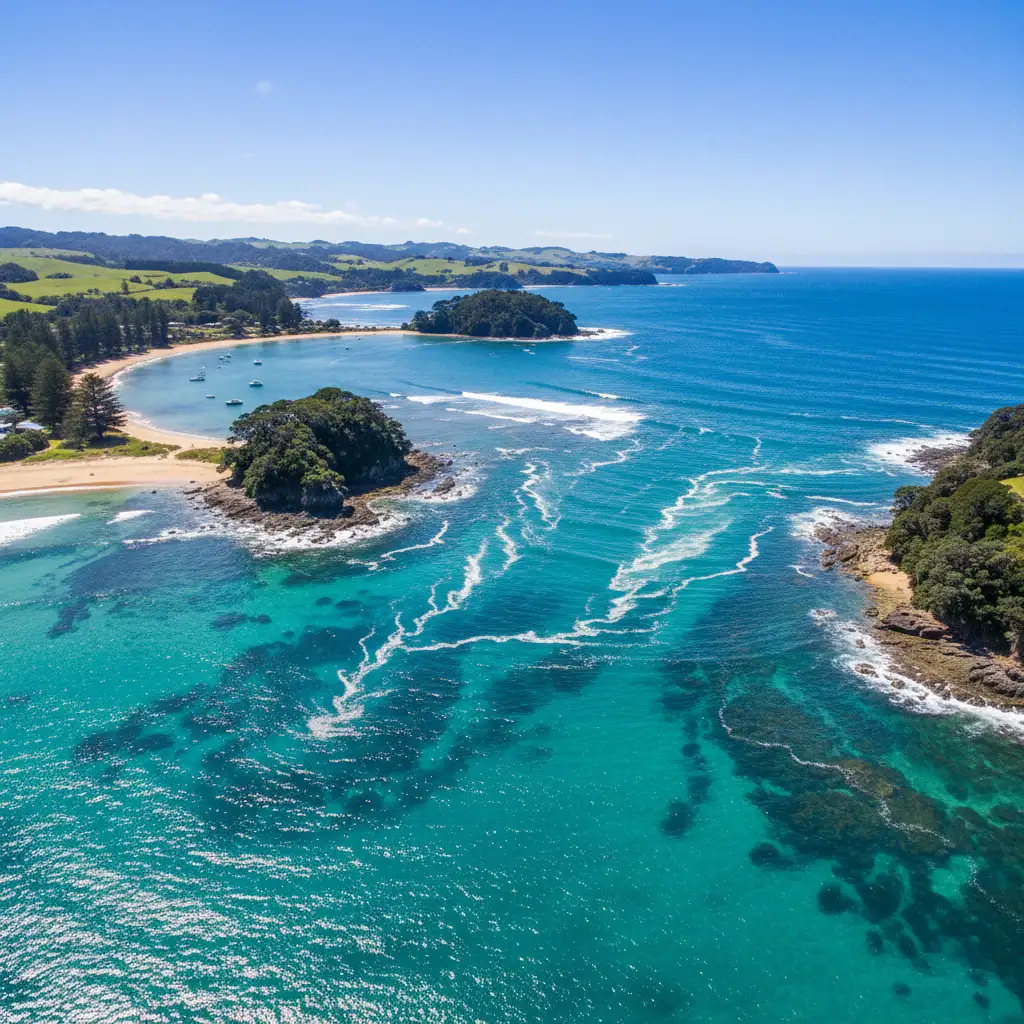
To ensure safety at Goat Island Marine Reserve, visitors must prioritize checking tide tables and wind conditions, as northerly winds create dangerous swells. Always snorkel with a buddy, utilize a high-visibility dive float, wear a properly fitted wetsuit for buoyancy and warmth, and never attempt to cross the channel to the island during outgoing tides due to strong currents.
Goat Island, officially known as the Cape Rodney-Okakari Point Marine Reserve, is New Zealand’s first and most accessible marine reserve. While it offers a pristine window into the underwater world of the Hauraki Gulf, its popularity often masks the inherent risks of an open ocean environment. Every year, thousands of visitors flock to Leigh to swim with snapper and explore the kelp forests, but lack of preparation can turn a day trip into a rescue situation. This comprehensive guide outlines the critical safety protocols required for a secure 2025 adventure.
Understanding Water Conditions and Tides
The most critical factor in Goat Island safety is the ocean itself. Unlike a swimming pool, the reserve is subject to the dynamic forces of the Pacific Ocean. Understanding how weather and tides interact with the geography of the channel is paramount for every visitor, from the novice snorkeler to the experienced diver.
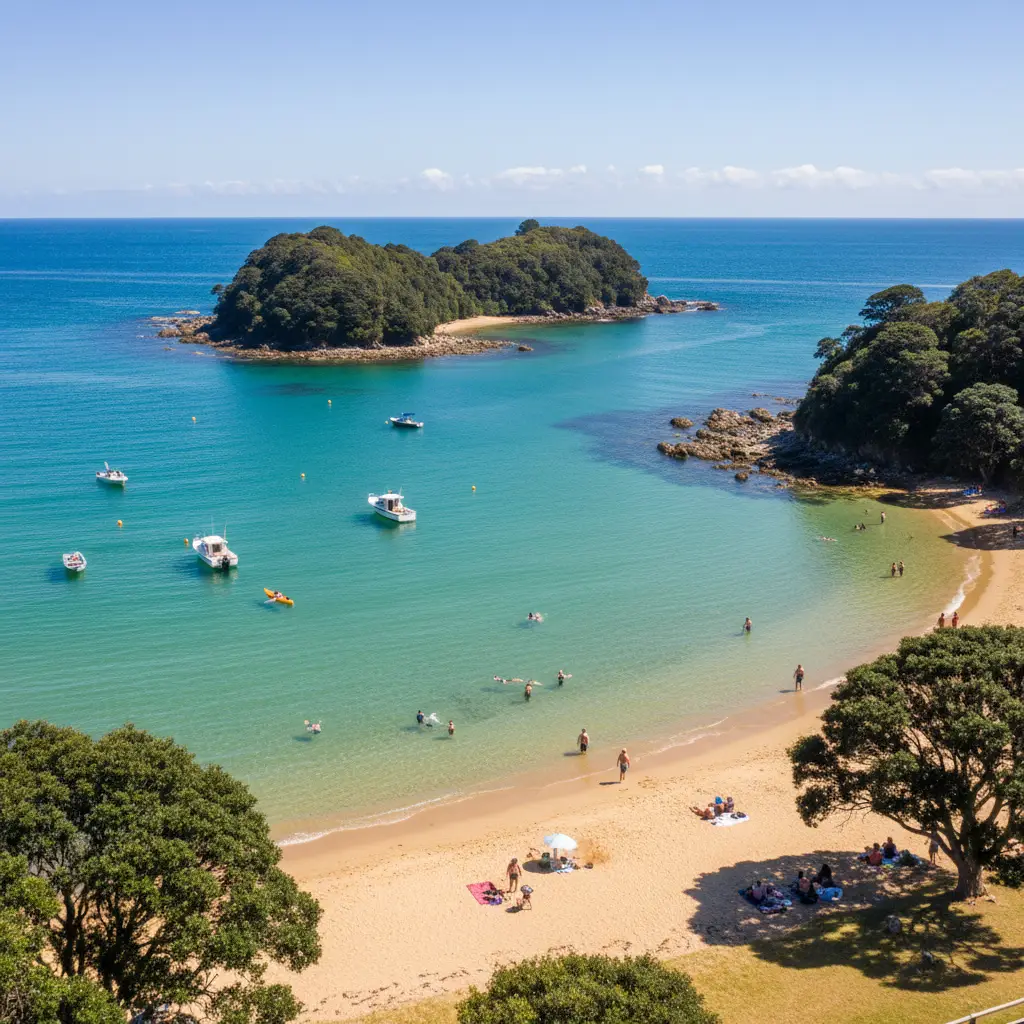
How do tides affect safety at Goat Island?
The channel separating the mainland beach from Goat Island acts as a funnel. During tidal changes, particularly mid-tide when water volume movement is highest, currents can accelerate significantly. The most dangerous time for weaker swimmers is the outgoing (ebb) tide, which can pull swimmers away from the beach and out toward the open ocean.
For the safest experience in 2025, plan your water entry around slack high tide. This is the period approximately one hour before and one hour after the tide peaks. During this window, currents are minimal, water clarity is generally at its best, and the depth allows for easier swimming over the shallow reef without scraping against rocks or urchins.
The Impact of Wind Direction
Wind direction dictates the sea state at Leigh. The beach faces north/northeast. Therefore, Northerly or Easterly winds blow directly onshore, creating chop, swell, and reduced visibility. These conditions make entry and exit difficult and increase the risk of fatigue.
Conversely, South-westerly winds are offshore, leaving the bay calm and flat. Before packing your car, check marine forecasts specifically for the “Leigh” or “Omaha” area. If the swell is predicted to be over 1.0 meter, inexperienced swimmers should stay on the shore.
Snorkeling and Diving Safety Protocols
Snorkeling is the primary activity at the reserve, but it requires active risk management. The vast majority of incidents at Goat Island involve swimmers who overestimate their ability or underestimate the energy required to swim in cooler temperate waters.
The Buddy System
Never enter the water alone. The buddy system is your first line of defense. In the marine reserve, distractions are plentiful—large snapper, eagle rays, and schooling fish can easily draw your attention away from your location relative to the shore. A buddy ensures that if one person suffers a cramp, gear malfunction, or fatigue, immediate assistance is available.
Visibility to Boats
While motorboats are restricted from speeding near the beach, the reserve is a shared waterway. Kayakers, glass-bottom boats, and scientific vessels operate in the area. Snorkelers are difficult to spot in choppy water. Using a high-visibility dive flag/float is not just recommended; it is a critical safety habit. The float also serves as a resting station if you become tired.
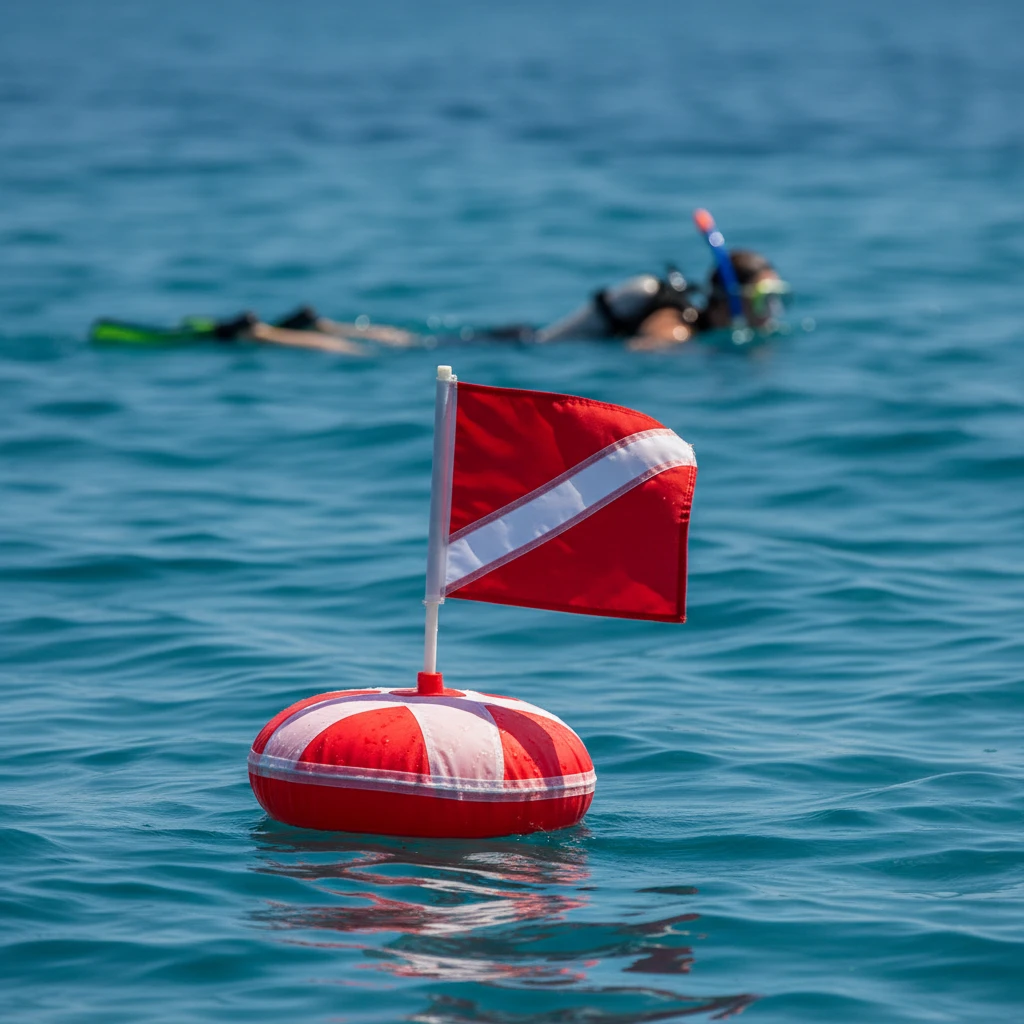
Essential Gear Selection for 2025
The right equipment does more than enhance the experience; it prevents accidents. As we move into 2025, technology in water sports has evolved, but some fundamental rules remain unchanged regarding thermal protection and buoyancy.
Wetsuits are Mandatory for Safety
Even in the height of New Zealand summer (February), water temperatures at Goat Island rarely exceed 21-22°C (70-72°F). While this may sound mild, water conducts heat away from the body 25 times faster than air. Hypothermia is a creeping danger that leads to confusion and loss of muscle control.
A wetsuit (minimum 3mm in summer, 5-7mm in winter) provides two essential safety functions:
- Thermal Insulation: Keeps your core temperature stable, allowing you to think clearly and swim efficiently.
- Buoyancy: Neoprene is naturally buoyant. A wetsuit acts as a passive life jacket, helping you float effortlessly on the surface if you need to rest or clear your mask.
The Full-Face Mask Warning
Full-face snorkel masks have gained popularity, but safety experts in 2024/2025 continue to issue cautions regarding their use in open water. Cheaper, off-brand models can suffer from CO2 buildup, leading to dizziness or blackouts. If you choose a full-face mask, ensure it is a high-quality brand with proven air circulation technology. However, a traditional mask and snorkel setup is widely considered safer for surface diving and clearing water effectively.
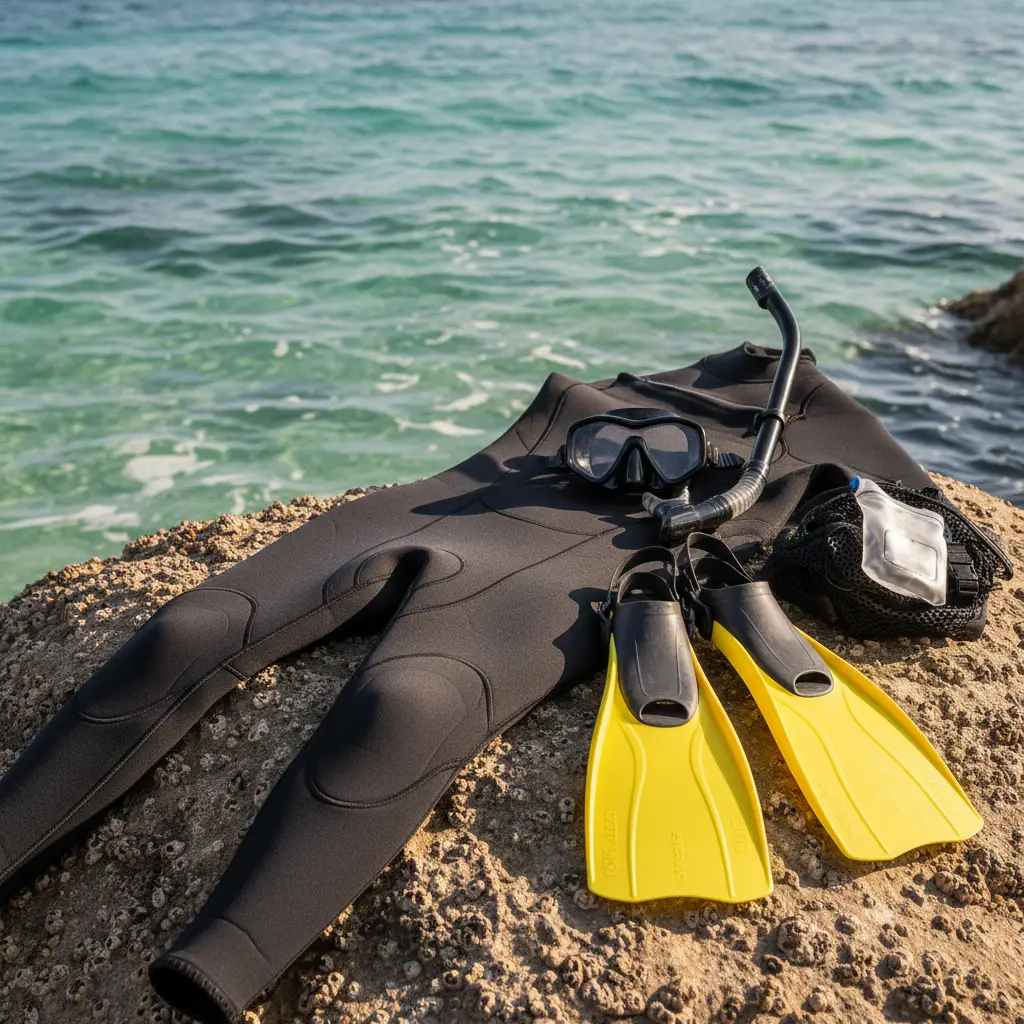
Navigating the Physical Terrain
Safety starts before you even hit the water. The entry points at Goat Island are not sandy beaches; they are composed of rocks, boulders, and pebbles. This terrain presents a significant slip hazard.
Safe Entry and Exit Techniques
The rocks at the water’s edge are often coated in algae, making them as slippery as ice. Injuries frequently occur during the transition from land to sea.
- Wear Booties: Neoprene dive boots with grip soles are superior to bare feet.
- Walk Backwards: If wearing fins, walk backward into the water until you are waist-deep. Do not attempt to walk forward while wearing fins, as you will trip.
- The “Shallow Water” Crawl: It is often safer to put your mask on and float as soon as the water is knee-deep, pulling yourself along with your hands, rather than trying to stand on slippery, uneven rocks in the surge.
Safe Interactions with Marine Life
Goat Island is a “no-take” marine reserve. This legal status means all marine life is protected. Safety here involves protecting both yourself and the ecosystem.
Sea Urchins (Kina)
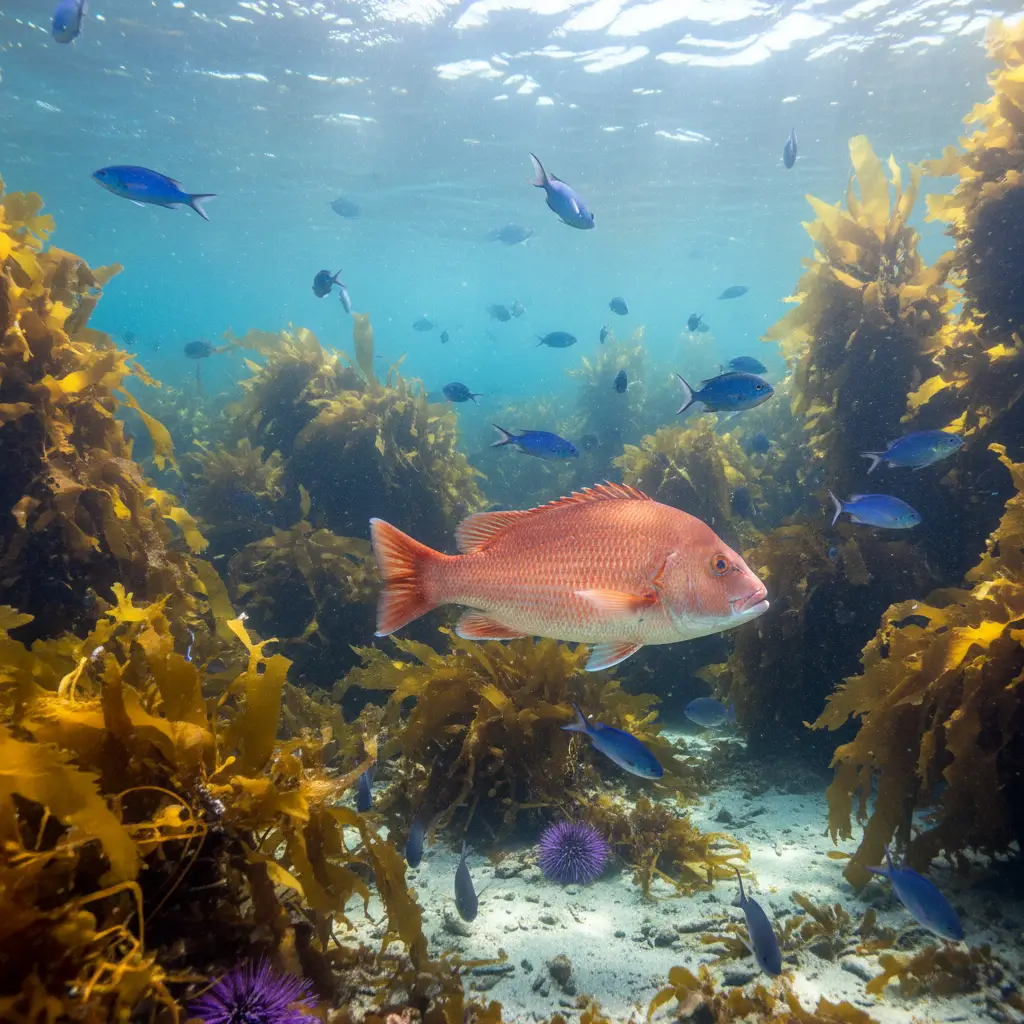
The rocky reef is covered in Kina (sea urchins). Their spines are sharp, brittle, and can easily puncture skin and wetsuits. This is the primary reason to avoid standing up on the reef. Maintain good buoyancy and keep your feet up. If you need to stand, look for a sandy patch first.
Respecting the Wildlife
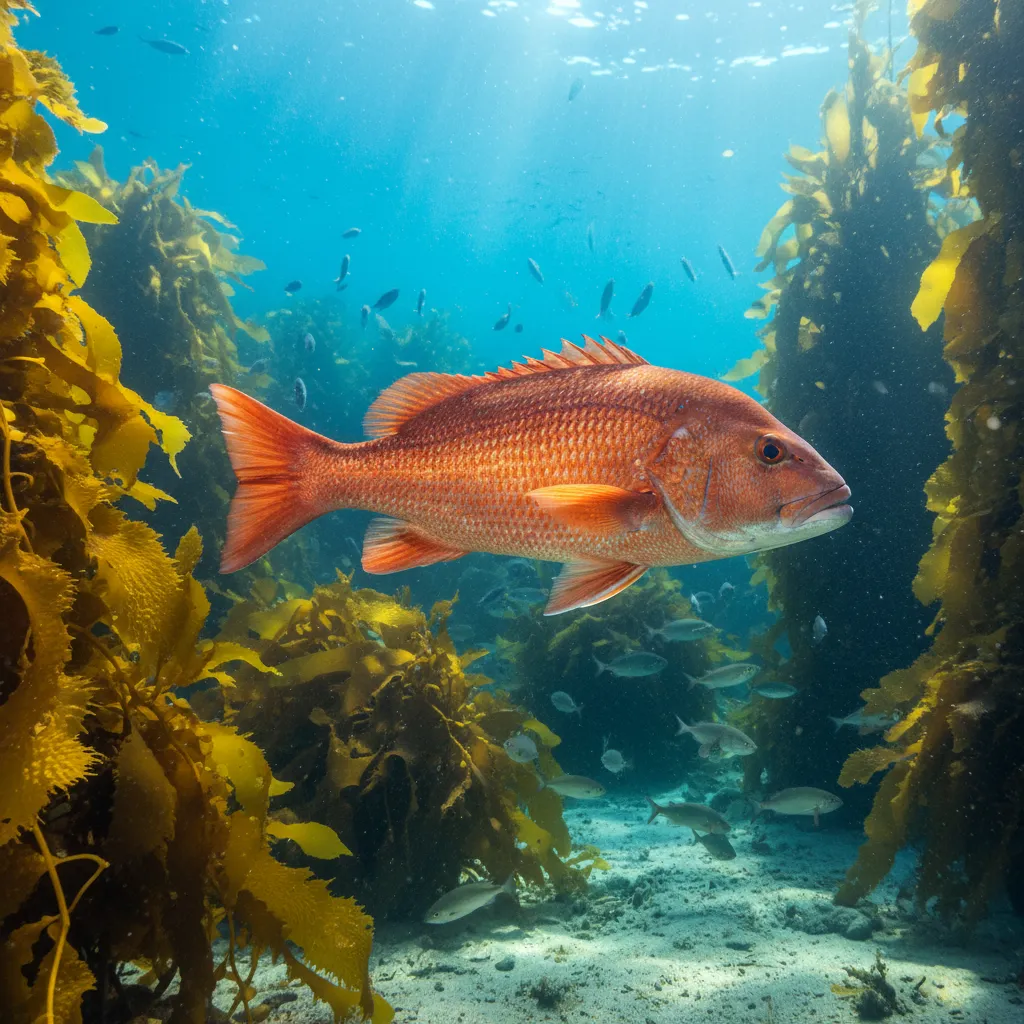
While the resident snapper and blue maomao are friendly, they should not be touched or fed. Feeding fish alters their natural behavior and can make them aggressive. Furthermore, stingrays are common in the shallow sandy areas. They are docile but have a barbed spine for defense. Shuffle your feet when walking in sandy shallows to alert them of your presence so they can swim away.
Emergency Preparedness and Logistics
Despite the best planning, emergencies can happen. Being prepared for the worst-case scenario is a hallmark of a responsible adventurer.
Lifeguard Patrols
Please note that Goat Island is not patrolled by surf lifesavers year-round. Patrols are typically sporadic and limited to peak summer holiday periods. You must be self-reliant. Do not assume someone is watching you from the shore.
Communication Blind Spots
Mobile phone coverage at the beach level can be patchy depending on your provider. In an emergency, you may need to move to higher ground (up the hill toward the car park) to get a signal to call 111 (New Zealand’s emergency number). Locate the public emergency phone or the nearest ranger station upon arrival so you know exactly where to go if seconds count.
Hydration and Sun Safety
New Zealand’s sun is notoriously harsh due to the thinner ozone layer. Burn times can be as short as 10 minutes. Even if you are in the water, the back of your neck and legs are exposed. Use reef-safe sunscreen (to protect the marine life) and apply it 20 minutes before entering the water. Dehydration is also a risk; swimming in salt water creates a physiological demand for fresh water. Keep a bottle of water in your car for immediately after your swim.
People Also Ask
Is it safe to swim at Goat Island for beginners?
Yes, but only under specific conditions. Beginners should stay in the shallow areas near the beach, visit only on calm days with low swell (under 0.5m), and ideally go during slack high tide. Wearing a wetsuit for buoyancy is highly recommended for inexperienced swimmers.
Are there sharks at Goat Island Marine Reserve?
Yes, sharks inhabit the Hauraki Gulf, including Goat Island. Common sightings include Bronze Whalers and Seven-gill sharks. However, they are generally disinterested in snorkelers. Attacks are extremely rare. The reserve is a balanced ecosystem, and sharks are a sign of a healthy reef.
Do I really need a wetsuit for Goat Island?
While not legally mandatory, a wetsuit is strongly advised for safety. Even in summer, water temperatures average 21°C. A wetsuit prevents hypothermia, provides protection against stinging plankton and jellyfish, and offers crucial buoyancy if you get tired.
What is the best time of day to visit Goat Island?
The safest and best time to visit is during the “slack high tide” window. This occurs roughly one hour before and after the tide peaks. During this time, currents are weakest, and the water is deepest over the sharp rocks, making swimming safer and easier.
Can you walk onto Goat Island itself?
While it is physically possible to walk onto the island during very low tides, it is generally discouraged for safety reasons. The rocks are extremely slippery, and the incoming tide can cut you off from the mainland very quickly, leaving you stranded. It is safer to stay on the mainland beach.
Is there cell phone reception at Goat Island?
Reception is often poor or non-existent at the beach level due to the surrounding cliffs. You usually get better signal at the top of the hill in the main car park. Always plan a meeting point with your group in case you cannot contact them via phone.