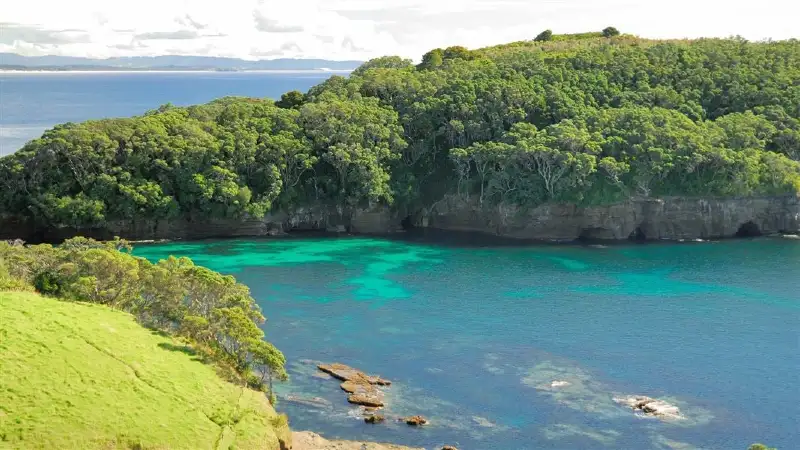
Goat Island, situated within the Cape Rodney-Okakari Point Marine Reserve, is a globally significant sanctuary renowned for its recovering marine biodiversity, including massive resident snapper, spiny rock lobster, and dense kelp forests. As New Zealand’s first no-take marine reserve, it serves as a critical ecological baseline, demonstrating the spectacular abundance of undisturbed coastal ecosystems when protected from fishing pressure.
Located just north of Auckland near Leigh, Goat Island (Te Hāwere-a-Maki) is more than just a snorkeling destination; it is a living laboratory and a testament to the power of marine conservation. Established in 1975, this reserve has allowed scientists and visitors alike to witness a marine environment returned to its natural state. As we approach the reserve’s 50th anniversary in 2025, the biodiversity here remains a beacon of hope for ocean restoration, teeming with life that has largely vanished from unprotected coastlines.
What Makes Goat Island’s Marine Ecosystem Unique?
The uniqueness of Goat Island lies in its status as a fully protected “no-take” zone. For nearly five decades, all marine life within the reserve has been protected from fishing, gathering, and disturbance. This long-term protection has resulted in a phenomenon known as a “trophic cascade” restoration, where predator populations rebound, controlling grazer populations and allowing habitats like kelp forests to flourish.
The History of Cape Rodney-Okakari Point Marine Reserve
Before 1975, the area surrounding Goat Island was heavily overfished, with barren rock flats dominating the seafloor due to an explosion in the kina (sea urchin) population. Without large predators like snapper and crayfish to eat the kina, the urchins stripped the reef of kelp. The establishment of the Cape Rodney-Okakari Point Marine Reserve changed everything. It was a pioneering experiment in New Zealand legislation, becoming the nation’s first marine reserve. Today, it stands as the standard against which other marine protected areas are measured.
The “Spillover Effect” and Scientific Importance
One of the most fascinating aspects of Goat Island’s biodiversity is the “spillover effect.” As populations of fish and crayfish reach carrying capacity within the reserve boundaries, they migrate into surrounding waters, effectively restocking local fisheries. This makes the reserve not just a sanctuary for the animals inside it, but a vital engine for the broader marine ecosystem of the Hauraki Gulf. Scientists from the nearby University of Auckland Marine Laboratory utilize this unique environment to study natural marine behaviors, providing data that informs global conservation strategies.
Key Species You Will Encounter at Goat Island
The density of marine life at Goat Island is staggering compared to unprotected areas. Visitors are often shocked by the size and boldness of the fish, which have lost their fear of humans after generations of protection.
The Resident Giants: Snapper (Tāmure) and Crayfish (Kōura)
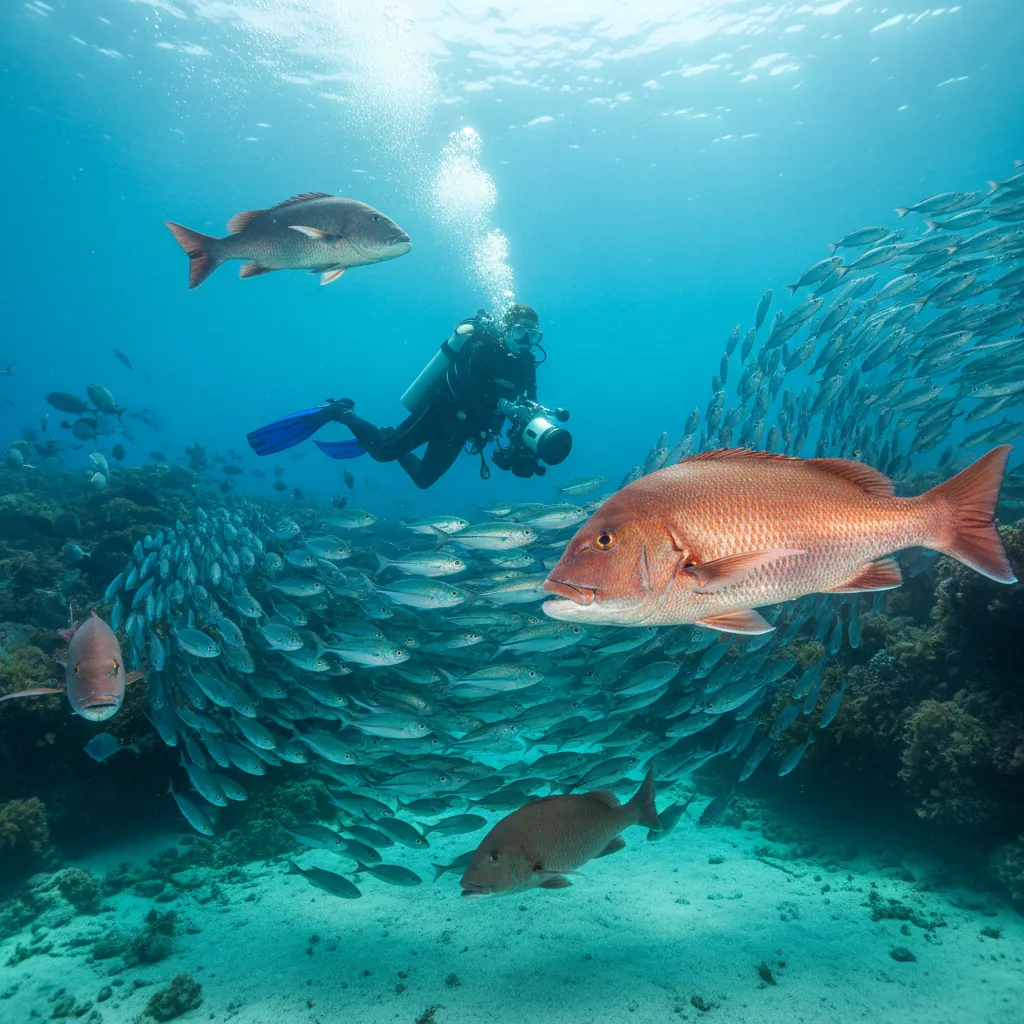
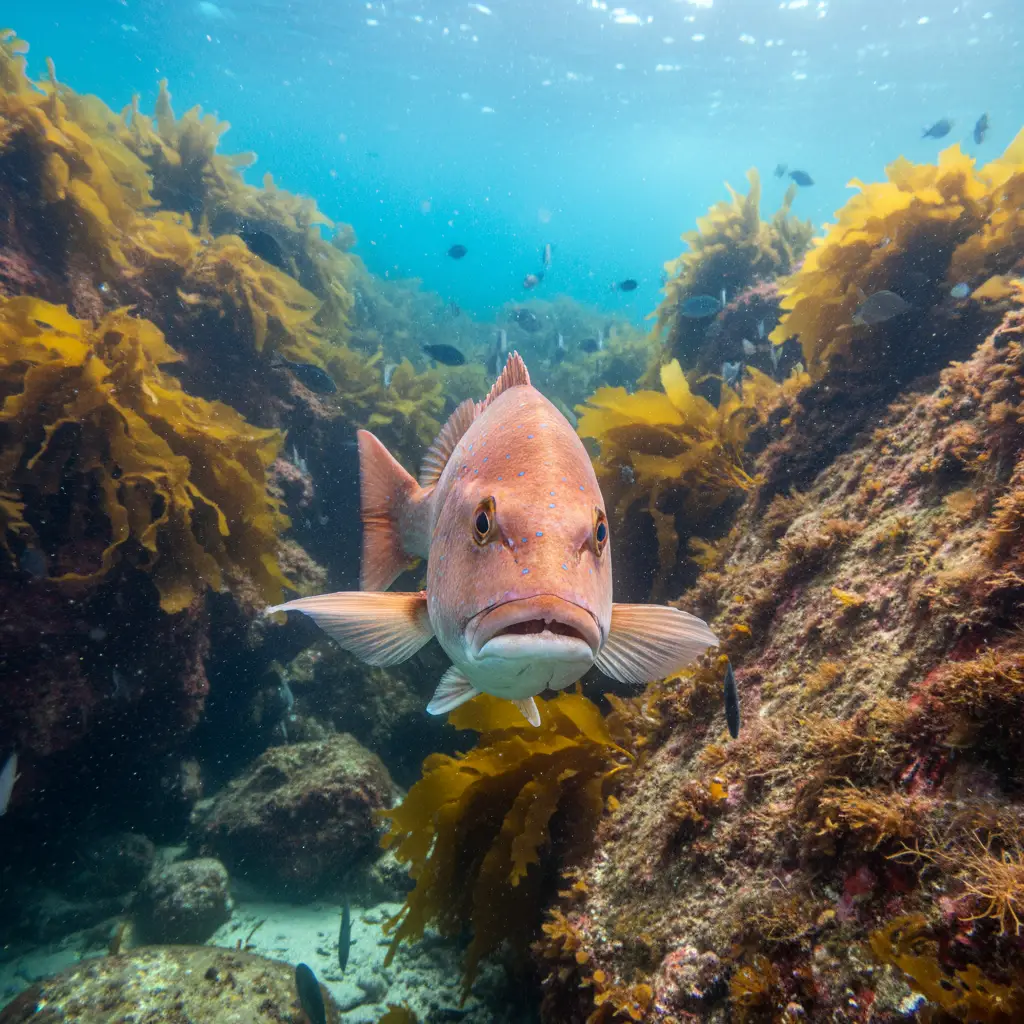
The most iconic residents of the reserve are the Australasian Snapper (Pagrus auratus). Unlike the skittish, pan-sized fish found in fished areas, Goat Island snapper are behemoths, often exceeding 70cm in length and living for decades. These “old growth” fish are crucial for the ecosystem; large snapper are the primary predators of sea urchins. Their presence ensures the reef remains covered in healthy seaweed rather than being grazed down to bare rock.
Similarly, the Spiny Rock Lobster, or Crayfish, thrives here. In unprotected waters, crayfish are rarely seen outside deep crevices during the day. At Goat Island, they can often be observed venturing out in the open, their antennae waving from beneath ledges in shallow waters, playing their role as key benthic predators.
Schooling Fish: Blue Maomao and Trevally
Snorkelers are frequently enveloped by clouds of Blue Maomao. These vibrant, azure-colored fish school in the thousands, creating a mesmerizing wall of blue against the rocky reef. They are plankton feeders, often seen darting through the water column capturing microscopic food. Mixing with them are Silver Trevally, sleek and fast predators that use the reserve as a nursery and feeding ground. The visual contrast between the slow-moving, heavy snapper and the agile, shimmering schools of trevally and maomao is a highlight for any underwater photographer.
Rays and Bottom Dwellers
If you look closely at the sandy patches between reefs, you are likely to spot Eagle Rays and Short-tailed Stingrays. Eagle Rays are particularly graceful, often seen gliding in formation through the shallows during the summer months to feed on shellfish buried in the sand. The reserve is also home to a variety of cryptic species, including moray eels, octopus, and countless invertebrates that make up the complex food web of the reef.
The Underwater Landscape: Kelp Forests and Reefs
The biodiversity of Goat Island is underpinned by its habitat. The architecture of the reef provides shelter, food, and nursery grounds for the species mentioned above.
Ecklonia radiata (Common Kelp) Forests
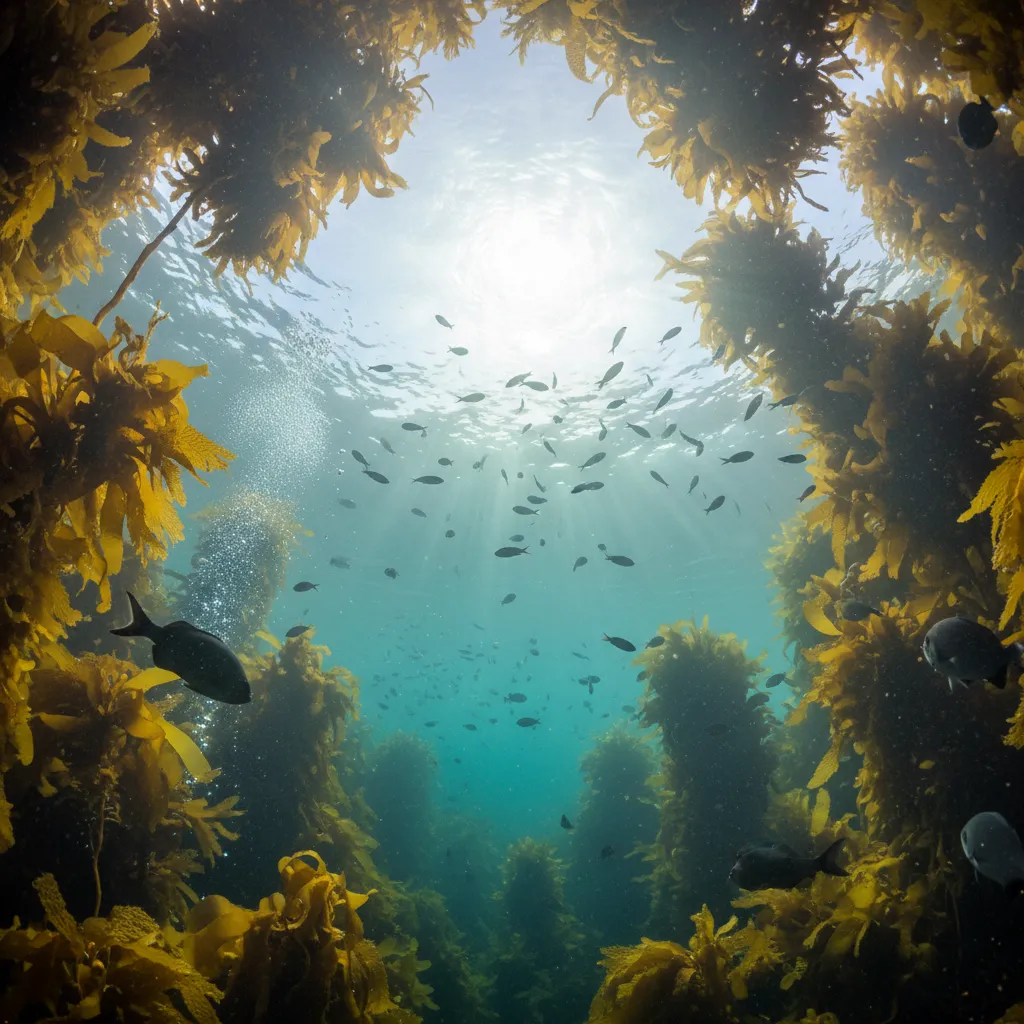
The dominant feature of the reserve’s underwater topography is the kelp forest, primarily composed of Ecklonia radiata. These forests are the “rainforests of the sea,” converting sunlight into energy and biomass that fuels the entire ecosystem. The return of the kelp forests since 1975 is a direct result of the protection of snapper and crayfish. In the absence of fishing, these predators keep kina numbers down, allowing the kelp to grow tall and dense. Swimming through these swaying golden fronds is an ethereal experience, with light dappling through the canopy to the reef floor below.
Sponge Gardens and Rocky Reefs
Beyond the kelp, deeper sections of the reserve (15-20 meters) feature spectacular sponge gardens. These areas are covered in colorful encrusting sponges, ascidians, and anemones in hues of orange, purple, and yellow. These filter feeders cleanse the water and provide micro-habitats for nudibranchs (sea slugs) and small crustaceans. The rocky reef structure itself, formed from ancient greywacke, offers the complex cracks and crevices necessary for crayfish and moray eels to hide.
Best Ways to Explore the Marine Reserve in 2025
With the reserve’s popularity growing, new eco-friendly ways to explore have emerged. Whether you want to get wet or stay dry, there are options for every level of adventurer.
Snorkeling and Diving Guide for 2025
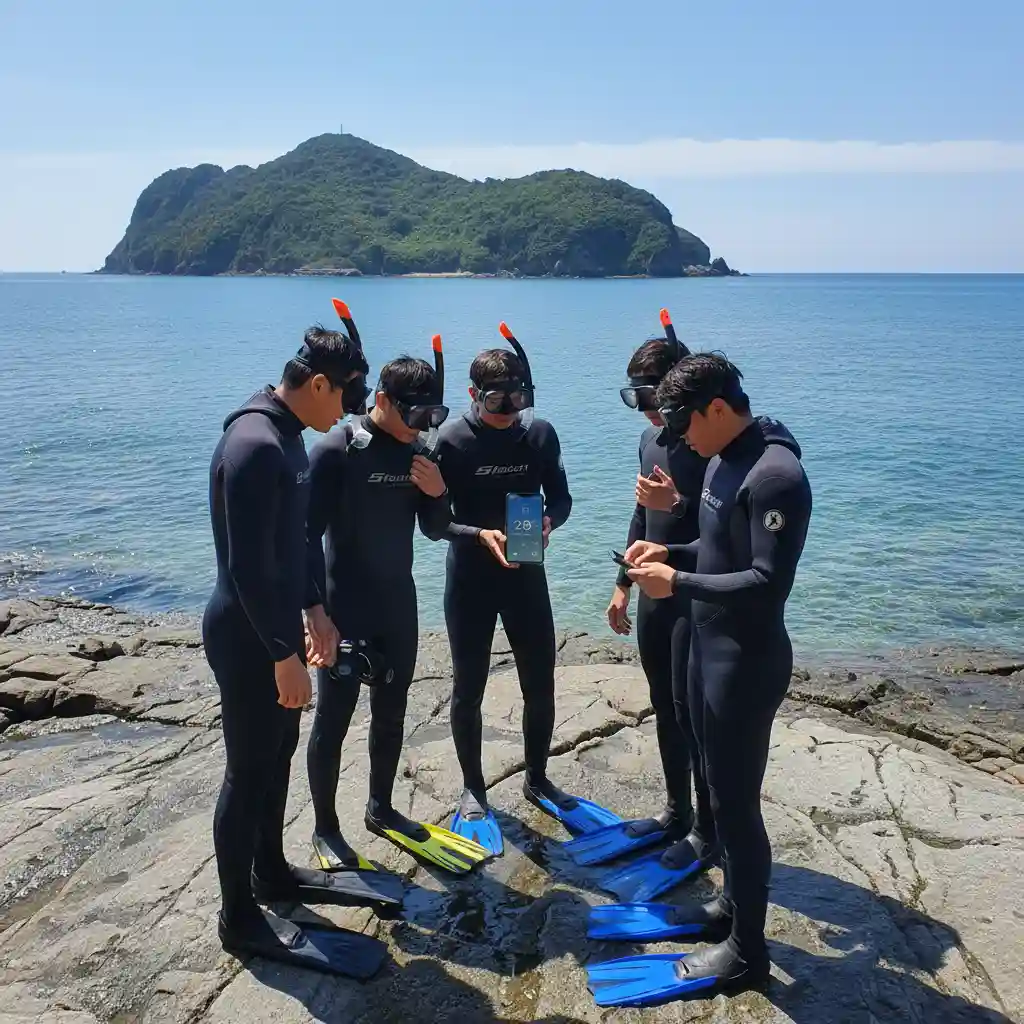
Snorkeling remains the most popular activity. The best snorkeling is found off the main beach (Goat Island Beach) and around the channel between the mainland and the island. For 2025, experts recommend visiting during the shoulder seasons (late summer/early autumn) when the water is warmest (around 20-22°C) and visibility is at its peak, often exceeding 10 meters.
- Gear Tip: A 5mm or 7mm wetsuit is recommended even in summer for prolonged exposure.
- Safety: Currents in the channel can be strong. Always check conditions and stay within your ability.
Glass Bottom Boat and Clearyak Tours
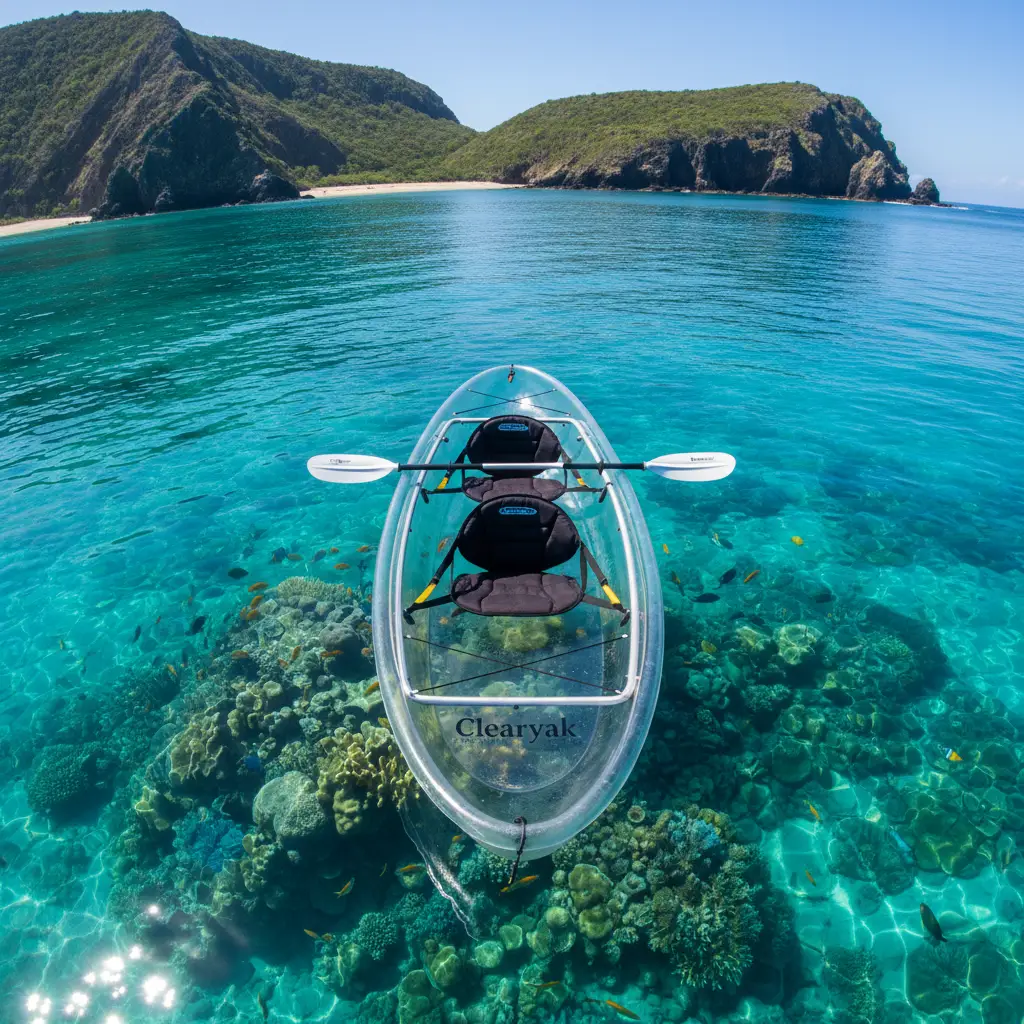
For those who prefer not to swim, the Glass Bottom Boat offers a 45-minute educational tour that circles the island. It provides a dry vantage point to see the massive snapper and learn about the history of the reserve from knowledgeable skippers. A newer addition to the local tourism scene is the “Clearyak”—a completely transparent kayak. This allows for an intimate, personal view of the reef below without the noise of a motor or the need for snorkel gear. It is an exceptional way to view the shallow kelp forests and stingrays cruising the sand flats.
The Goat Island Marine Discovery Centre
Located up the hill from the beach, the University of Auckland’s Marine Discovery Centre is an essential stop. Recently upgraded, the center features interactive exhibits, touch tanks, and detailed information about the marine research conducted in the reserve. It provides critical context to what you see in the water, explaining the science behind the biodiversity recovery.
Conservation Challenges and Future Outlook (2025 Update)
Despite its success, Goat Island faces modern challenges. As we move through 2025, climate change and human impact require constant vigilance.
Climate Change and Invasive Species
Warming sea temperatures present a threat to the kelp forests, which thrive in cooler waters. Thermal stress can lead to kelp die-offs, which would destabilize the entire ecosystem. Additionally, biosecurity is a major focus for 2025. The invasive seaweed Caulerpa has been detected in other parts of the Hauraki Gulf. Strict anchoring restrictions and gear cleaning protocols are currently emphasized to prevent this pest from entering the reserve and smothering the native biodiversity.
Responsible Tourism and Visitor Etiquette
With hundreds of thousands of visitors annually, “loving the reserve to death” is a real risk. The Department of Conservation (DOC) strictly enforces the “no-take” rule—this includes not just fish, but also shells, rocks, and driftwood. Feeding the fish, once a common practice, is now discouraged as it alters natural behaviors and can make fish aggressive or dependent. The ethos for 2025 is passive observation: watch the marine life, but do not touch or interfere.
Frequently Asked Questions
What is the best time of year to visit Goat Island for snorkeling?
The best time to snorkel at Goat Island is from late January to April. During these months, the water temperature is at its highest (20-23°C), and the visibility is generally best due to settled weather patterns. Winter offers the clearest water but requires thick wetsuits due to cold temperatures.
Do I need to bring my own snorkeling gear to Goat Island?
No, you do not need to bring your own gear. There are hire facilities located near the beach (Seafriends and Goat Island Dive & Snorkel) where you can rent wetsuits, masks, snorkels, and fins. However, bringing your own mask ensures a perfect fit.
Is Goat Island suitable for children and beginners?
Yes, the shallow waters near the shore are generally calm and suitable for children and beginners. However, the channel between the beach and the island can have strong currents. Beginners should stay in the shallow bays and avoid the channel unless accompanied by an experienced guide.
Can you walk onto Goat Island itself?
While you can swim or kayak around it, walking on Goat Island (Te Hāwere-a-Maki) is restricted to protect the terrestrial flora and fauna, including nesting seabirds. The reserve protects the marine environment, but the island itself is a nature reserve with limited access.
Why are the fish at Goat Island so big?
The fish are large because they are protected from fishing. Species like snapper live for decades and continue to grow throughout their lives. In the reserve, they reach their full natural size, whereas in fished areas, they are usually caught before reaching such maturity.
Are there sharks at Goat Island Marine Reserve?
Yes, small shark species such as Carpet Sharks and Draughtsboard Sharks are common but harmless bottom dwellers. Bronze Whaler sharks are occasionally seen cruising through, but they pose very little threat to swimmers. Seeing a shark is considered a lucky sighting indicating a healthy ecosystem.
Conclusion
Exploring Goat Island’s unique marine biodiversity offers a glimpse into the past—a vision of what New Zealand’s oceans looked like before modern fishing pressures. From the towering kelp forests to the inquisitive gaze of a 20-pound snapper, the reserve is a place of wonder and education. As we navigate the environmental challenges of 2025, the continued protection and respect for this marine sanctuary are vital. Whether you are floating above the reef in a Clearyak or diving deep into the sponge gardens, a visit to Goat Island is a powerful reminder of nature’s resilience and the incredible beauty that lies just beneath the surface.