
The main difference in a Goat Island glass bottom boat vs snorkeling comparison is the level of immersion and accessibility. The glass bottom boat provides a dry, educational, and accessible tour perfect for families and non-swimmers, while snorkeling offers an adventurous, up-close encounter with marine life requiring swimming skills and wetsuit gear.
Choosing between the famous Glass Bottom Boat and a snorkeling adventure at the Goat Island Marine Reserve (Te Hāwere-a-Maki) is a common dilemma for visitors to New Zealand’s first marine reserve. Both offer spectacular windows into a thriving underwater ecosystem, yet they cater to vastly different preferences, physical abilities, and travel styles. This guide breaks down every aspect of the decision-making process to ensure you book the experience that best suits your group.
What is the core difference between the Goat Island Glass Bottom Boat and Snorkeling?
When analyzing the Goat Island glass bottom boat vs snorkeling comparison, the distinction fundamentally comes down to perspective and comfort. Goat Island is a “no-take” marine reserve, meaning the fish are abundant, large, and unafraid of humans. How you choose to view them defines your day.
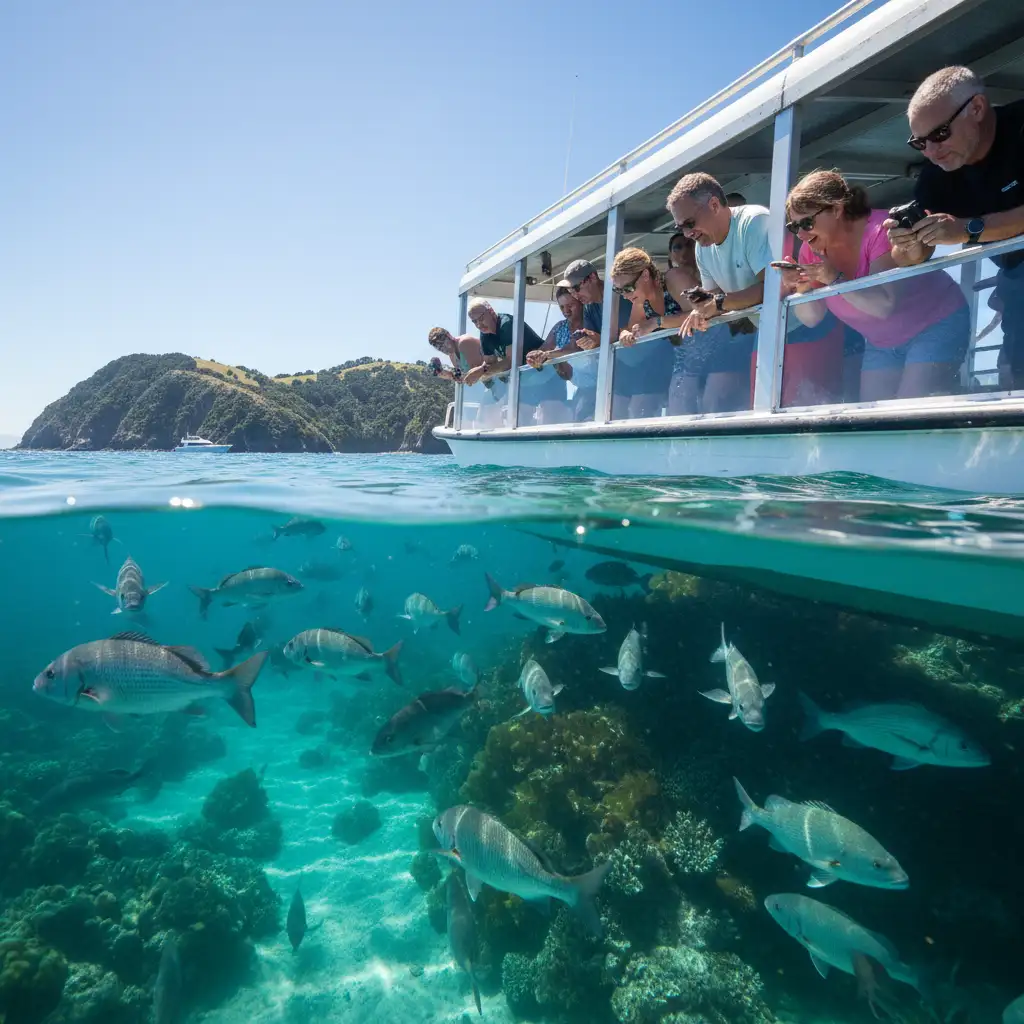
The Glass Bottom Boat is a passive, educational experience. You remain dry, seated, and listen to a skipper who provides biological context and history about the reserve. It functions similarly to a mobile aquarium, allowing you to peer down through viewing ports to see the ecosystem below without the hassle of changing clothes or managing equipment.
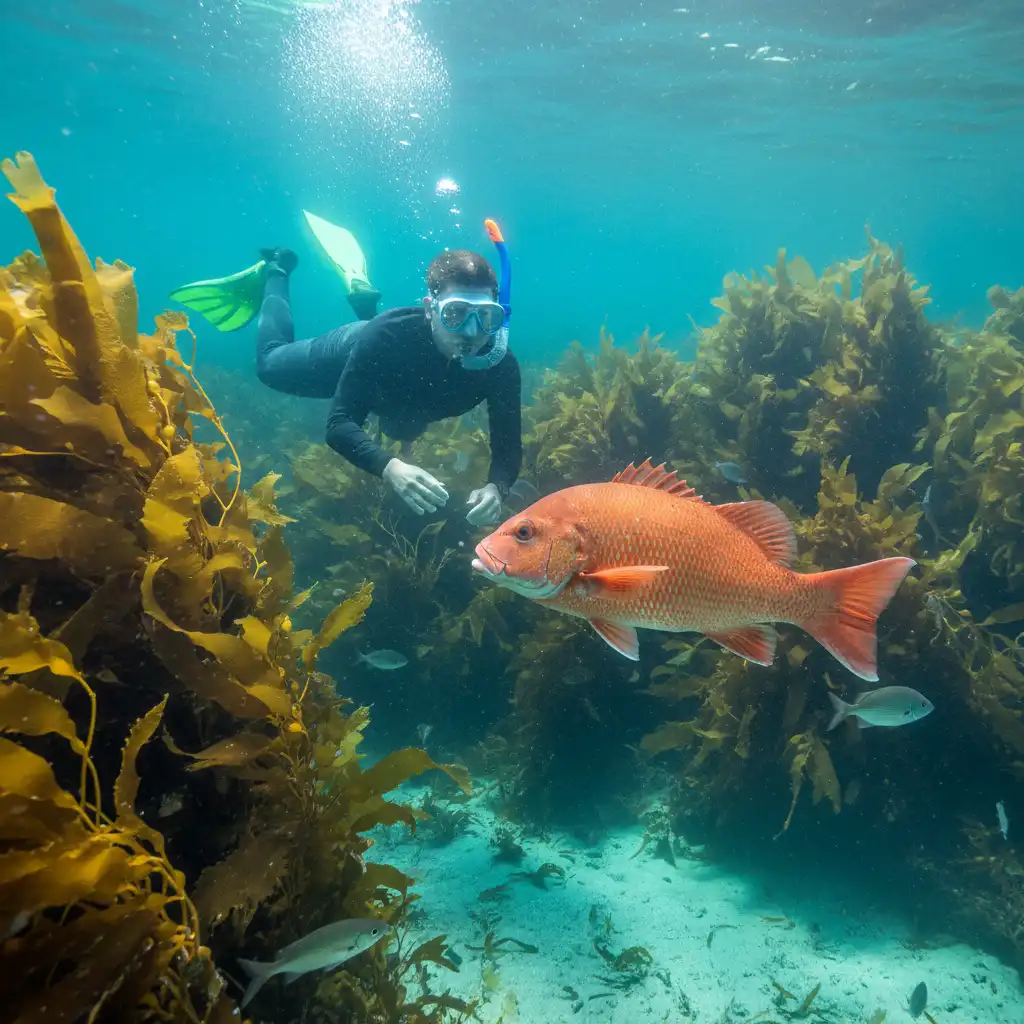
Snorkeling, conversely, is an active, immersive sport. You are in the environment, subject to the water temperature and currents. However, the visual experience is panoramic. Instead of looking through a frame, you are surrounded by the marine life. Snapper may swim within inches of your mask, and you have the freedom to explore crevices and kelp forests that the boat cannot reach.
What marine life will you see from the boat vs in the water?
One of the most critical factors in your decision is the visual quality and the variety of species you will encounter. While both methods explore the same reserve, the vantage points offer unique advantages.
The Boat Perspective: A Curated Window
The Glass Bottom Boat runs on a specific route designed to maximize sightings. The skippers know exactly where the large localized schools of fish hang out. From the boat, you are looking down from the surface. The glass acts somewhat like a mask, cutting through the surface glare.
- Species: You will almost certainly see large Snapper (Tāmure) and schools of Blue Maomao. The boat often attracts these fish as they associate the vessel with activity, even though feeding is not permitted.
- Depth Perception: You get a fantastic overview of the topography, seeing how the kelp forests transition to sandy bottoms.
- Education: The visual is paired with expert commentary, helping you identify species you might otherwise miss.
The Snorkel Perspective: Eye-to-Eye Contact
Snorkeling at Goat Island is world-renowned because the fish are incredibly friendly. In the water, you are not just an observer; you are part of the traffic.
- Proximity: Large snapper often approach snorkelers closely. You can see the iridescent blue spots on their scales and watch their eyes tracking you.
- Hidden Gems: Snorkelers can dive down (duck dive) to see species that hide under ledges, such as Crayfish (Rock Lobster) or sleepy Stingrays resting on the sand, which might be obscured from a vertical boat angle.
- Eagle Rays: While boats spot these, snorkelers often have the magical experience of a ray gliding silently beneath them.
Pros and Cons for Non-Swimmers and Families
For families with young children, elderly relatives, or members who are not confident swimmers, the choice often leans heavily toward the boat. However, snorkeling gear has evolved to help novices as well.
Why choose the Glass Bottom Boat?
The boat is the great equalizer. It makes the marine reserve accessible to everyone regardless of fitness level. It is particularly advantageous for:
- Toddlers and Infants: Safe and secure, allowing them to see fish without the fear of cold water.
- Mobility Issues: If walking over slippery rocks or swimming is difficult, the boat offers a stable platform (though boarding usually requires walking off the beach or a ramp).
- Anxiety: For those afraid of deep water or sharks, the boat provides a psychological safety barrier.
Why consider Snorkeling for families?
If your family consists of strong swimmers, snorkeling is often the highlight of a New Zealand trip. However, for non-swimmers, it presents challenges:
- Safety Risks: Non-swimmers require flotation devices (boogie boards, life jackets) and constant supervision.
- Cold Factor: Even in summer, prolonged exposure can make children cold and miserable quickly, whereas the boat is warm and dry.
Cost Comparison for Families
Budget is a significant factor in the “Goat Island glass bottom boat vs snorkeling comparison.” Below is a breakdown of what you can expect to pay. Note: Prices are estimates based on average seasonal rates in NZD and subject to change.
Glass Bottom Boat Costs
The boat tour is a fixed cost per person. Tours typically last 45 minutes.
- Adult Ticket: Approx. $35 – $45 NZD
- Child Ticket: Approx. $20 – $25 NZD
- Family Pass (2A + 2C): Approx. $100 – $120 NZD
- Hidden Costs: None. You do not need to rent gear.
Snorkeling Costs
Snorkeling can be free if you own gear, but most tourists will need to rent equipment. The water at Goat Island can be cool (15°C – 22°C), so wetsuits are highly recommended even in summer.
- Gear Rental (Mask, Snorkel, Fins, Wetsuit): Approx. $35 – $50 NZD per person for a half-day or full-day hire.
- Guided Snorkel Tour: If you are inexperienced, a guided tour is safer. These run approx. $70 – $110 NZD per person.
- Total Family Cost (Rentals): Roughly $140 – $200 NZD for a family of four.
Financial Verdict: If you have your own gear, snorkeling is significantly cheaper. If you need to rent full gear for a family, the cost is comparable to, or sometimes more expensive than, the Glass Bottom Boat.
Physical Requirements and Comfort Levels
The physical toll of the two activities is vastly different. Understanding the conditions at Goat Island is crucial for enjoyment.
The Reality of Snorkeling at Goat Island
Goat Island is not a swimming pool. It is a dynamic ocean environment. To snorkel effectively, you must navigate:
- Entry/Exit: The beach is rocky and slippery. Walking with fins is dangerous; you must put them on in waist-deep water while balancing against potential swells.
- Temperature: New Zealand waters are temperate, not tropical. Without a thick wetsuit (5mm or 7mm), most people get cold within 20 minutes.
- Endurance: Swimming against a current or chop requires cardiovascular fitness.
The Comfort of the Boat
The Glass Bottom Boat removes these physical barriers. However, it introduces one variable: Seasickness. While Goat Island is relatively sheltered, on choppy days, the motion of the boat combined with looking down through the glass can induce nausea in sensitive individuals. It is generally recommended to look at the horizon periodically if you feel queasy.

Booking Requirements for the Boat vs Snorkeling
Spontaneity is easier with one option than the other. Planning ahead is essential during the peak summer season (December to February).
Booking the Glass Bottom Boat
The boat operates on a strict schedule, usually departing hourly or bi-hourly depending on the season and tide.
- Advance Booking: Highly recommended. In summer, seats often sell out days in advance.
- Weather Dependency: Tours are subject to sea conditions. If the swell is too high or visibility is poor (due to plankton blooms or storms), the operator will cancel. Always check the marine forecast or call ahead.
- Check-in: You typically need to arrive 15-20 minutes before departure.
Logistics for Snorkeling
Snorkeling offers more flexibility but requires logistical planning regarding gear.
- Rentals: Gear can be rented from shops in Leigh or near the beach. On busy days, sizes can run out, so arriving early (before 10 AM) is wise.
- Timing: You can enter the water whenever you like. However, snorkeling is best near high tide for better visibility and easier entry over the rocks. Low tide can make the walk to the water line long and treacherous over slippery stones.
Verdict: Which Goat Island Experience is Right for You?
To finalize this Goat Island glass bottom boat vs snorkeling comparison, use the following scenarios to guide your choice:
Choose the Glass Bottom Boat if:
- You are traveling with young children (under 6) or elderly family members.
- You want to stay dry and keep your hair/makeup intact.
- You are interested in the history and biology of the reserve from a knowledgeable guide.
- The water is cold (winter/spring) and you don’t want to freeze.
Choose Snorkeling if:
- You want an adventure and are a confident swimmer.
- You want to see the fish eye-to-eye and explore the kelp forests.
- You want the freedom to stay in the water as long as you like.
- You are visiting on a hot summer day and want to cool off.
The Ultimate Combo: Many visitors actually do both. They take the morning boat tour to get an overview of the reserve and identify the best spots, then rent gear in the afternoon to snorkel in the specific areas they saw from the boat. This provides a comprehensive experience of one of New Zealand’s finest natural treasures.

People Also Ask
Is the glass bottom boat worth it at Goat Island?
Yes, the glass bottom boat is highly rated for its educational value and accessibility. It allows visitors to see large snapper, rays, and reefs without getting wet, making it excellent for non-swimmers, families, and cooler days.
Do you need to book the Goat Island glass bottom boat in advance?
Yes, booking in advance is strongly recommended, especially during the peak summer season (December to March) and school holidays. Tours have limited capacity and often sell out. It also ensures you are notified of any weather cancellations.
Can you snorkel at Goat Island without being a strong swimmer?
Snorkeling at Goat Island is best for confident swimmers due to currents and depth. However, non-swimmers can participate if they use flotation devices (like life jackets or bodyboards), stay in the shallows, and are accompanied by a strong swimmer or a professional guide.
What is the best time of day to snorkel at Goat Island?
The best time to snorkel is typically around high tide. High tide brings clearer water closer to the shore and makes entering the water easier by covering the slippery rocks. Mornings often have calmer wind conditions than afternoons.
Are there sharks at Goat Island Marine Reserve?
Yes, small shark species like Carpet Sharks (Draughtsboard Sharks) and School Sharks are present but are generally harmless and shy. Bronze Whalers are occasionally seen but are not aggressive toward snorkelers in the reserve. The most common sightings are Snapper and Rays.
Is it cold to snorkel at Goat Island?
Yes, the water can be cool. Summer temperatures range from 20-22°C (68-72°F), while winter drops to 15°C (59°F). A wetsuit is highly recommended year-round for warmth and buoyancy, allowing you to stay in the water longer.