
Visiting Goat Island with toddlers is a highly rewarding experience if you prioritize visiting during low tide for safe shallow wading and utilize the Glass Bottom Boat for dry viewing. While the water can be cool, hiring toddler-sized wetsuits and visiting the Marine Discovery Centre ensures a comfortable, educational adventure for young families.
Is Goat Island Suitable for Toddlers?
Goat Island, officially known as the Cape Rodney-Okakari Point Marine Reserve, is New Zealand’s first marine reserve and a premier destination for marine tourism. However, parents often hesitate to bring toddlers due to concerns about safety, water temperature, and the rocky terrain. The answer is yes, Goat Island is suitable for toddlers, provided you manage your expectations and prepare specifically for the conditions.
Unlike the sandy shores of Omaha or Pakiri nearby, Goat Island is a pebble and rock beach. This means sandcastles are off the itinerary, but rock pooling and fish spotting are the main events. The reserve is teeming with marine life that is famously unafraid of humans. For a toddler, the ability to see large Snapper and Blue Maomao swimming right up to the water’s edge—often in less than knee-deep water—is a magical introduction to the ocean.
Success lies in timing. Visiting on a calm day with low swell is critical for safety with small children. Furthermore, understanding that this is an observation trip rather than a typical swimming beach day will set the right tone for your family excursion.
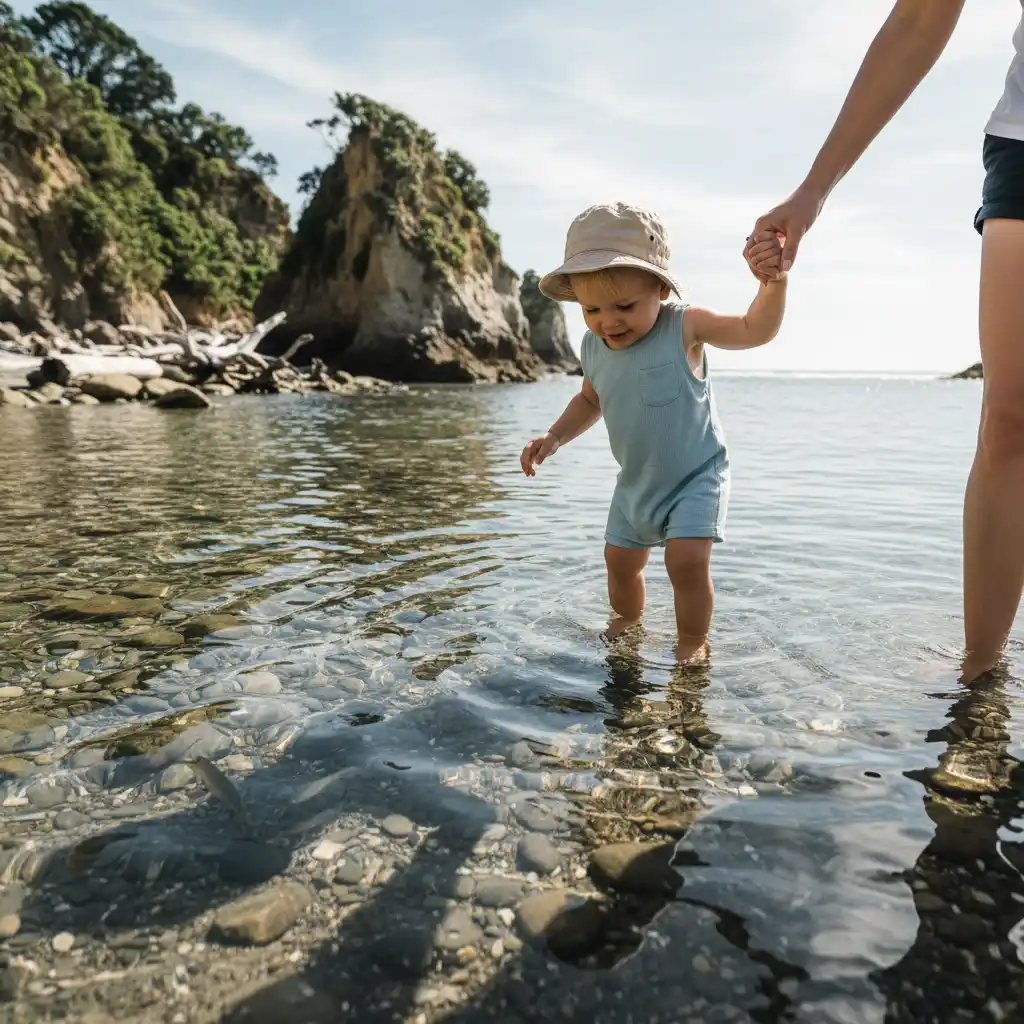
Finding Safe Shallow Areas for Spotting Fish
When visiting Goat Island with toddlers, safety is the primary concern. The beach drops off relatively quickly in some areas, and the rocks can be slippery and unstable for unsteady little legs. However, there are specific zones perfectly suited for young explorers.
Where is the best spot for toddlers to wade?
The safest area for toddlers is usually to the right of the main channel as you face the ocean, near the shelter of Goat Island itself. During low tide, this area forms calm, shallow pools where the water is barely ankle-deep. Here, the water is often crystal clear, allowing children to see crabs, hermit crabs, and small fish without needing to submerge their heads.
Avoid the main boat channel. This area is busier with snorkelers entering the water and can have a stronger current. Stick to the rocky shoreline edges where the massive Snapper often come to feed on the bio-matter stirred up by the waves. It is not uncommon for a 2-year-old standing in gumboots or reef shoes to have a 5kg Snapper swim between their legs. This immediate proximity to nature is what makes the trip worthwhile.
Safety Tip: Always have your toddler wear reef shoes or sturdy sandals. The rocks are covered in barnacles and can be sharp. Bare feet are generally a recipe for tears on this beach.
Kids Wetsuit Hire and Essential Gear
The water at Goat Island is notoriously fresh, even in the height of summer. Toddlers have a much lower tolerance for cold than adults, and a shivering child is rarely a happy one. Proper thermal protection is arguably the most important preparation step.
Are wetsuits available for toddlers?
Yes, local operators cater specifically to families. You can hire wetsuits from:
- Goat Island Dive & Snorkel: Located up the hill before you descend to the beach. They offer a range of sizes, often starting from size 2 or 3 for toddlers.
- Seafriends: Located on the road toward the reserve. They are a conservation-focused center that also provides gear hire.
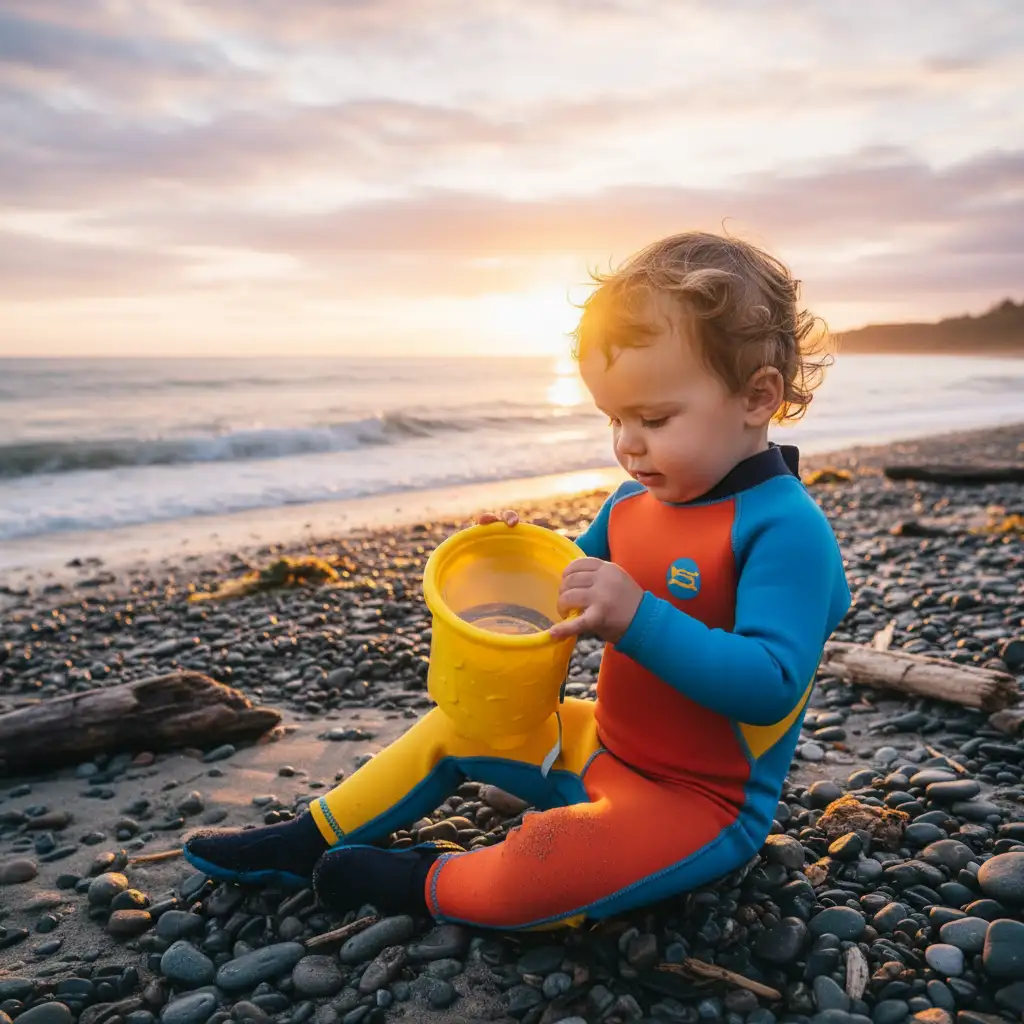
For toddlers, a full-length steamer (long arms and legs) is recommended over a “shortie.” This provides maximum warmth and also offers full UV protection and a barrier against potential jellyfish stings or scrapes against rocks.
Beyond wetsuits, consider bringing a floating viewing bucket. Toddlers often struggle with masks and snorkels. A clear-bottomed bucket allows them to push the device into the water and look through it to see the fish below without getting their face wet. This is a game-changer for marine observation with the under-5 crowd.
The Marine Discovery Centre: An Educational Stop
Located just up the hill from the beach is the Goat Island Marine Discovery Centre, run by the University of Auckland. This is an essential stop for families, especially if the weather turns or the kids get tired of the beach.
What can toddlers do at the Discovery Centre?
The Centre is designed to be interactive and accessible. While it is an academic facility, it features displays that captivate young minds. The highlight for most toddlers is the large touch tank (check current availability/regulations upon arrival) or the low-level aquariums where they can see rock lobster, crayfish, and anemones at eye level.
It provides a controlled environment where you can teach your children about the ecosystem they just saw at the beach. It’s also warm, dry, and has facilities, making it a perfect “reset” point for the day. Explaining why we don’t touch the fish in the reserve, but can observe them here, helps instill a sense of conservation early on.
The Glass Bottom Boat Alternative
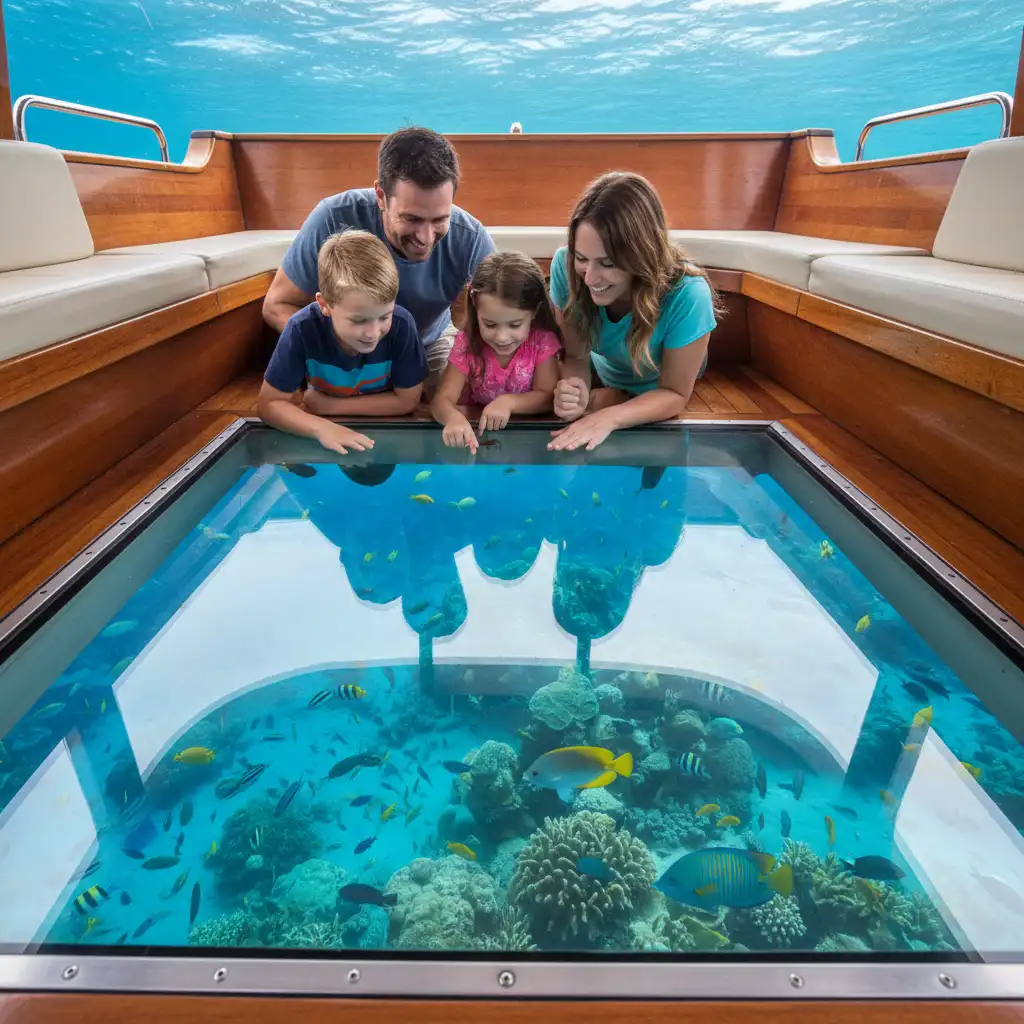
If your toddler is averse to cold water or you are visiting during the cooler months, the Glass Bottom Boat is the ultimate hack for experiencing the reserve. The tour typically lasts about 45 minutes, which is the perfect duration for a toddler’s attention span.
The boat departs from the beach (weather permitting). It allows children to see the kelp forests, stingrays, and massive schools of fish without getting a drop of water on them. The boat operators are knowledgeable and know exactly where to go to find the fish. For parents, this removes the stress of managing water safety while trying to point out marine life. It is a passive, safe, and highly visual experience.
Managing Cold Water Complaints
New Zealand waters are not tropical. The shock of the cold can end a beach day in minutes if not managed correctly. Here is a strategy for keeping the complaints at bay:
- Acclimatization: Don’t rush them in. Let them play on the dry rocks first, then dip toes, then ankles.
- The “Hot Water” Bottle Trick: Bring a large thermos of warm (not scalding) water. If your child gets cold, pouring a little warm water into their wetsuit acts as an instant heater. It’s a surfer’s trick that works wonders for kids.
- Keep the Head Dry: A lot of heat is lost through the head. If they are wading, put a beanie on them. It looks funny with a wetsuit, but it keeps them warm.
- Post-Swim Warmth: Have oversized, fluffy towels and a change of warm clothes (fleece or wool) ready immediately. Do not let them sit in a wet wetsuit on the beach if it’s windy.
- High-Energy Snacks: Shivering burns calories. Have bananas, muesli bars, or warm food ready for immediately after they exit the water.
Logistics: Parking, Toilets, and Facilities
A stress-free trip with toddlers requires logistical precision. Goat Island is one of the most popular spots in the region, and infrastructure can get overwhelmed.
Parking Strategies
In summer (December to February) and on public holidays, the car park fills up by 9:30 AM. If you arrive at 11:00 AM, you may be turned away or forced to park kilometers up the hill, which is a nightmare with toddlers and gear. Arrive early (before 9:00 AM) or late (after 3:00 PM). The late afternoon slot is often underrated; the sun is less harsh, the crowds have thinned, and the fish are still there.
Toilets and Changing
There is a toilet block near the main car park. It includes changing areas and cold outdoor showers. Note that there are no facilities on the beach itself; it is a short but crucial walk from the water to the toilets. Plan “potty breaks” proactively, as a toddler emergency on the beach involves a scramble over rocks and a dash across the grass.
Food and Drink
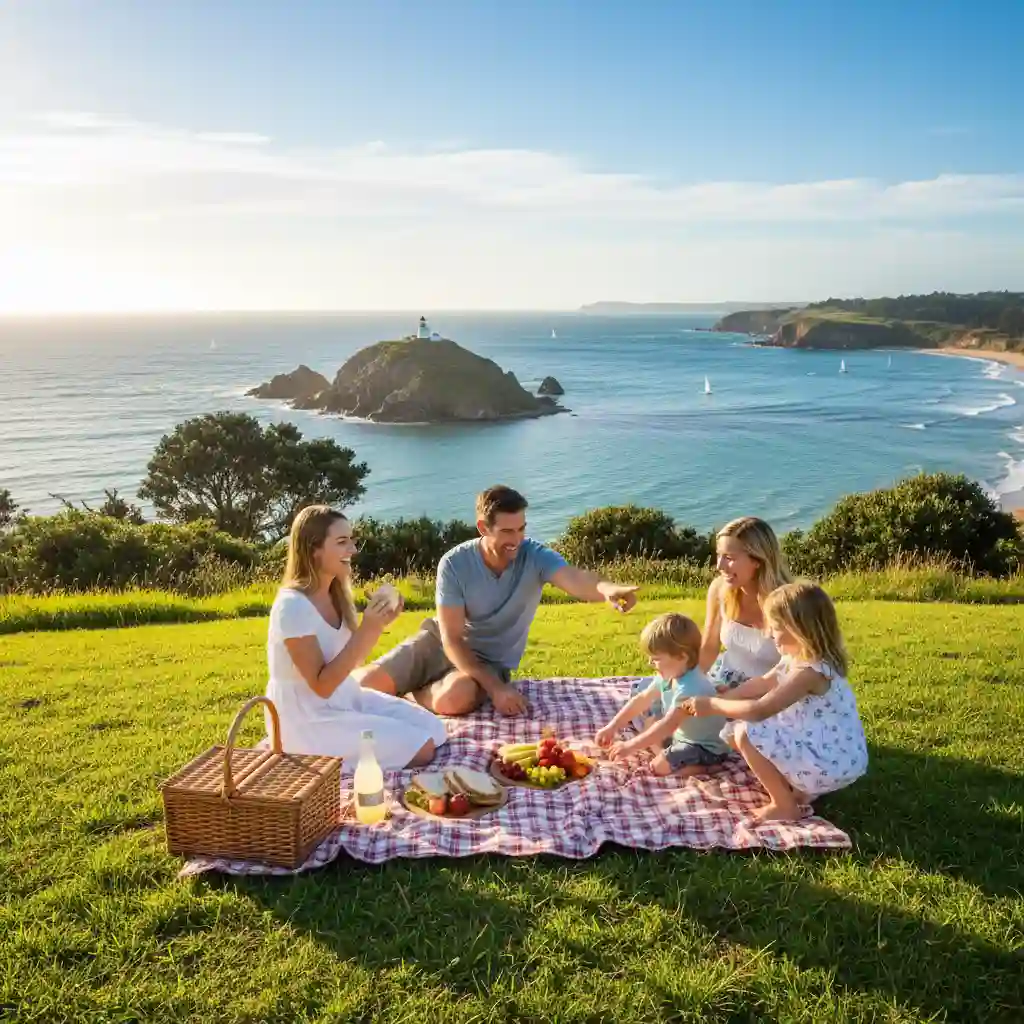
There are no cafés on the beach. There is often a coffee cart or ice cream truck in the car park during peak season, but you cannot rely on this for lunch. You must pack a picnic. The grassy verge above the beach is perfect for a picnic blanket, offering a flat, safe space away from the rolling stones of the beach.
Final Tips for Parents
Goat Island with toddlers is less about snorkeling and more about rock-hopping and wading. By shifting your focus to the “micro-world” of the shallow pools, utilizing the Glass Bottom Boat, and ensuring everyone is thermally protected, you can turn a challenging environment into a world-class educational playground. Remember to check the marine weather forecast specifically for “Leigh” or “Goat Island” before you leave, as an offshore wind makes the water flat and clear—essential for spotting fish from the surface.
What is the best time of day to visit Goat Island with toddlers?
The best time is early morning (before 9:30 AM) to secure parking and beat the crowds. Alternatively, late afternoon (after 3:00 PM) offers a calmer experience. Try to align your visit with low tide to expose safe, shallow rock pools for the children to explore.
Do I need to pay to enter Goat Island Marine Reserve?
No, entry to the Goat Island Marine Reserve is free. However, parking is free but limited. Activities like the Glass Bottom Boat or hiring gear from local dive shops will incur costs.
Are there sandflies at Goat Island?
Sandflies can be present, especially near the grassy areas and in the evening. It is advisable to bring insect repellent suitable for children. However, they are generally less of a problem here than in the South Island.
Can you take a stroller onto Goat Island beach?
No, the beach is comprised of loose rocks and pebbles, making it impossible to use a stroller. You can take a stroller from the car park to the edge of the grass, but you will need to carry your toddler and gear onto the beach itself.
Is it safe for toddlers to swim at Goat Island?
It is safe for wading and shallow splashing under direct supervision, but it is not a traditional swimming beach for toddlers due to the sudden drop-offs and rocky bottom. Flotation devices and reef shoes are highly recommended.
What should I do if the car park is full?
If the main car park is full, rangers may direct you to an overflow car park further up the hill. This requires a steep walk down to the beach. If you have toddlers and lots of gear, it is best to drop one parent and the gear at the drop-off zone before parking the car.