Goat Island Marine Reserve, officially known as Cape Rodney-Okakari Point Marine Reserve, is New Zealand’s first protected marine sanctuary located near Leigh. Established in 1975, this strictly no-take zone offers pristine waters teeming with large snapper, crayfish, and rays, making it a premier destination for snorkeling, diving, and marine education just north of Auckland.
As New Zealand’s most accessible and famous marine reserve, Goat Island offers a unique window into what the country’s coastline looked like prior to human impact. Located approximately 80 kilometers north of Auckland, it serves as a biodiversity hotspot where marine life flourishes without the threat of fishing. Whether you are an experienced diver, a family looking for a safe snorkeling experience, or a nature enthusiast wanting to explore the coastal walkways, this guide covers every aspect of visiting this ecological treasure.
What is the Goat Island Marine Reserve?
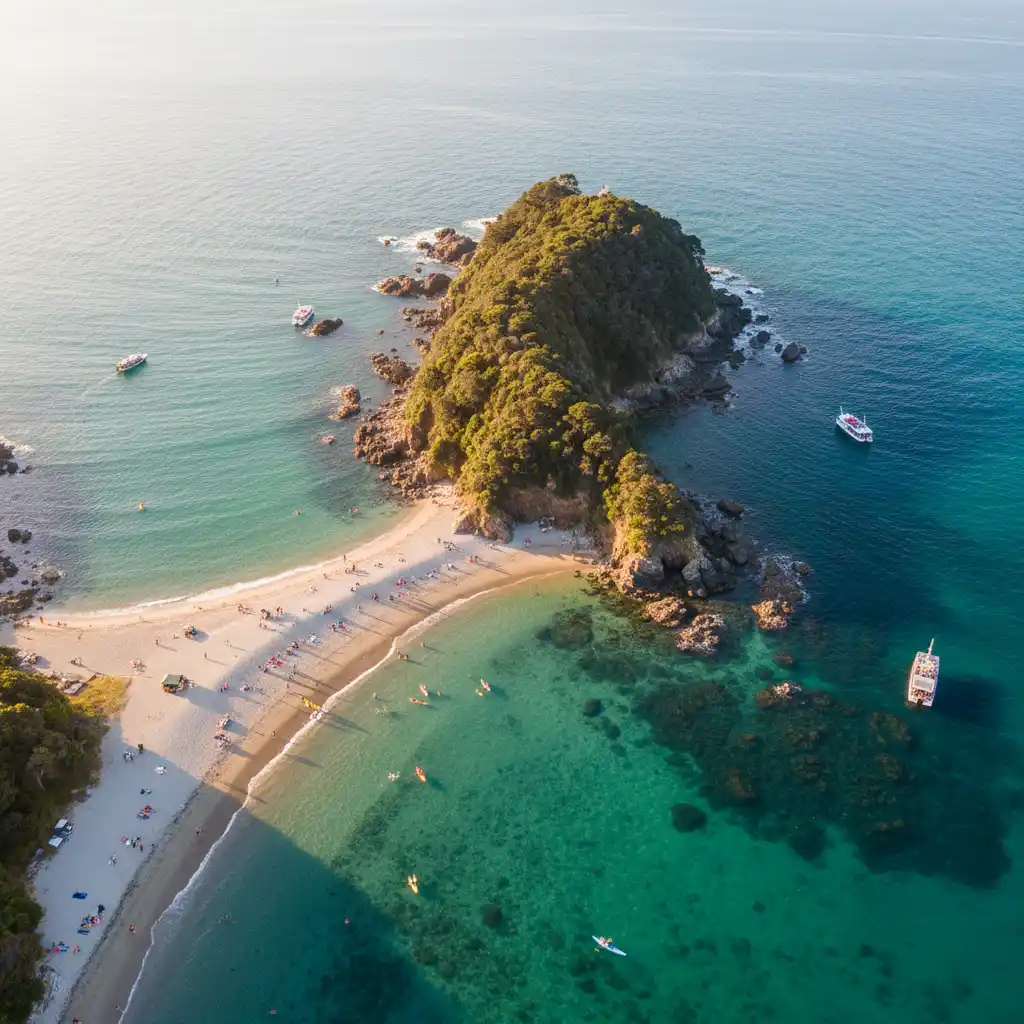
The Cape Rodney-Okakari Point Marine Reserve, colloquially known as Goat Island due to the small island (Te Hāwere-a-Maki) situated just off the beach, is a landmark in global marine conservation. Established in 1975, it was the first marine reserve in New Zealand and one of the first no-take reserves in the world. The reserve protects 518 hectares of coastal sea, extending from Cape Rodney to Okakari Point.
Before its protection, the area suffered from overfishing, leaving the rocky reefs barren—a phenomenon known as “urchin barrens.” With the prohibition of fishing and gathering, natural predators like snapper and crayfish returned, controlling the urchin population and allowing the kelp forests to regenerate. Today, it stands as a thriving ecosystem and a living laboratory for marine scientists.
Marine Life Encounters: What Will You See?
The primary allure of the reserve is the sheer density and size of the marine life. Because the fish here have been protected for decades, they do not fear humans. This allows for up-close encounters that are rare in other parts of the world.
The Famous Snapper and Blue Maomao
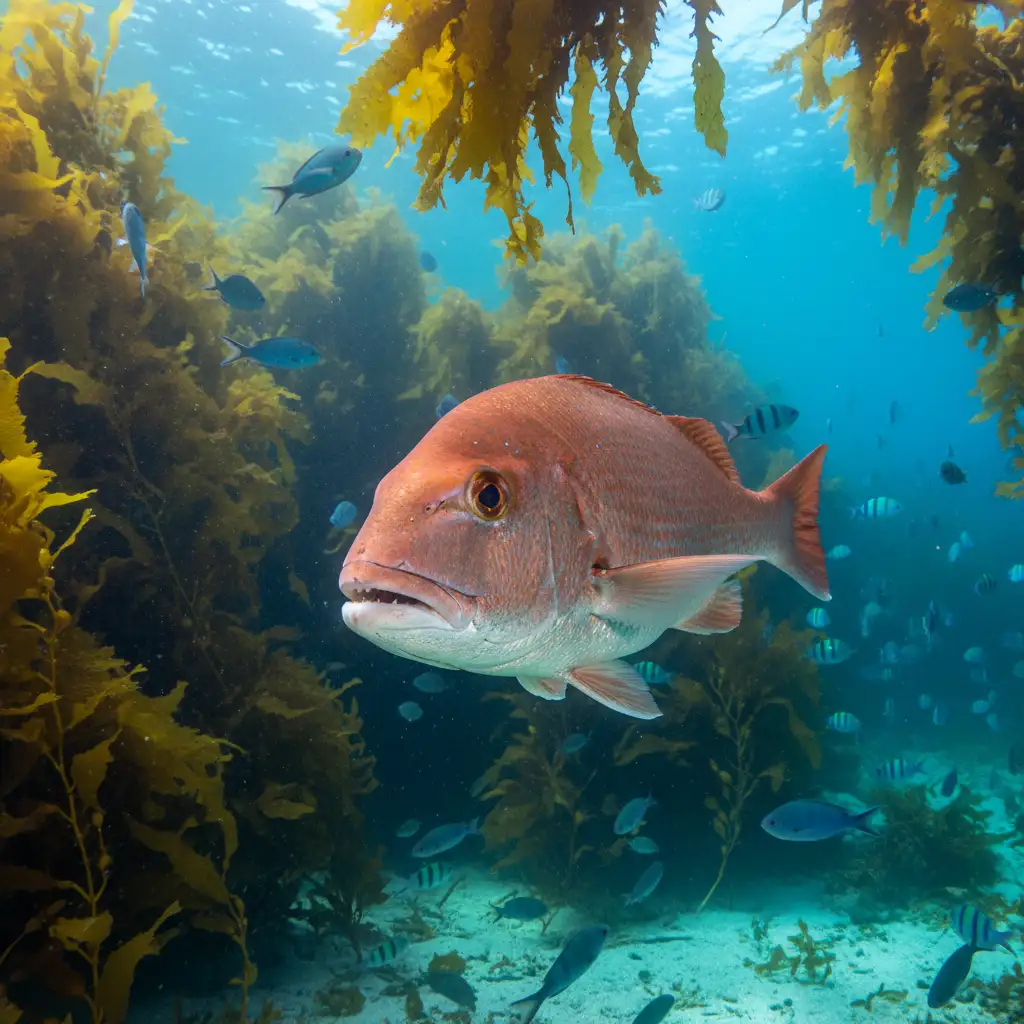
The Australasian Snapper (Tāmure) is the star of the show. Unlike the wary snapper found in fishing zones, the resident snapper at Goat Island are large, old, and incredibly inquisitive. They often swim right up to snorkelers in shallow water. You will also see schools of Blue Maomao, recognizable by their vibrant electric-blue color, darting through the kelp forests.
Crayfish and Rays
The reserve is one of the few places where you can easily spot New Zealand Rock Lobster (Crayfish) in shallow depths. While they usually hide in crevices during the day, the lack of predation allows them to venture out more boldly. Additionally, Eagle Rays and Stingrays are common visitors to the sandy flats between the beach and the island. Watching these majestic creatures glide effortlessly along the seafloor is a highlight for many divers.
Planning Your Visit: Conditions, Tides, and Seasons
A successful trip to Goat Island depends heavily on the ocean conditions. The reserve is open to the ocean swells, and visibility can change rapidly.
Visibility and Swell
The best time for snorkeling is when the swell is low (under 0.5 meters) and the wind is blowing offshore (from the south or southwest). Northerly or easterly winds can bring chop and reduce underwater visibility. During optimal conditions, visibility can exceed 10 to 15 meters, offering crystal-clear views of the reef systems. Always check local marine forecasts specifically for Leigh or Goat Island before departing.
Tides and Water Temperature
High Tide: Generally considered the best time for snorkeling, especially for beginners. The water is deeper over the rocks, making entry and exit easier, and the fish tend to come closer to the shore.
Low Tide: While great for exploring rock pools, snorkeling at low tide can be challenging as you may need to walk over slippery, barnacle-covered rocks to reach deep enough water.
Water temperature ranges from roughly 15°C (59°F) in winter to 22°C (72°F) in late summer (February/March). A wetsuit is highly recommended year-round for buoyancy, warmth, and protection against the sun and jellyfish.
Top Activities: Snorkeling, Boat Tours, and Kayaking
While snorkeling is the main attraction, there are several ways to enjoy the reserve depending on your comfort level in the water.
Snorkeling and Diving Guide
Snorkeling is accessible from the beach. The channel between the mainland and Goat Island is the most popular spot. However, currents can be strong in the channel, so it is vital to know your limits. Beginners should stay in the shelter of the bay (Shag Rock area). For scuba divers, the deeper reefs further out offer sponge gardens and deeper crevices housing larger crayfish and moray eels.
Glass Bottom Boat Tours
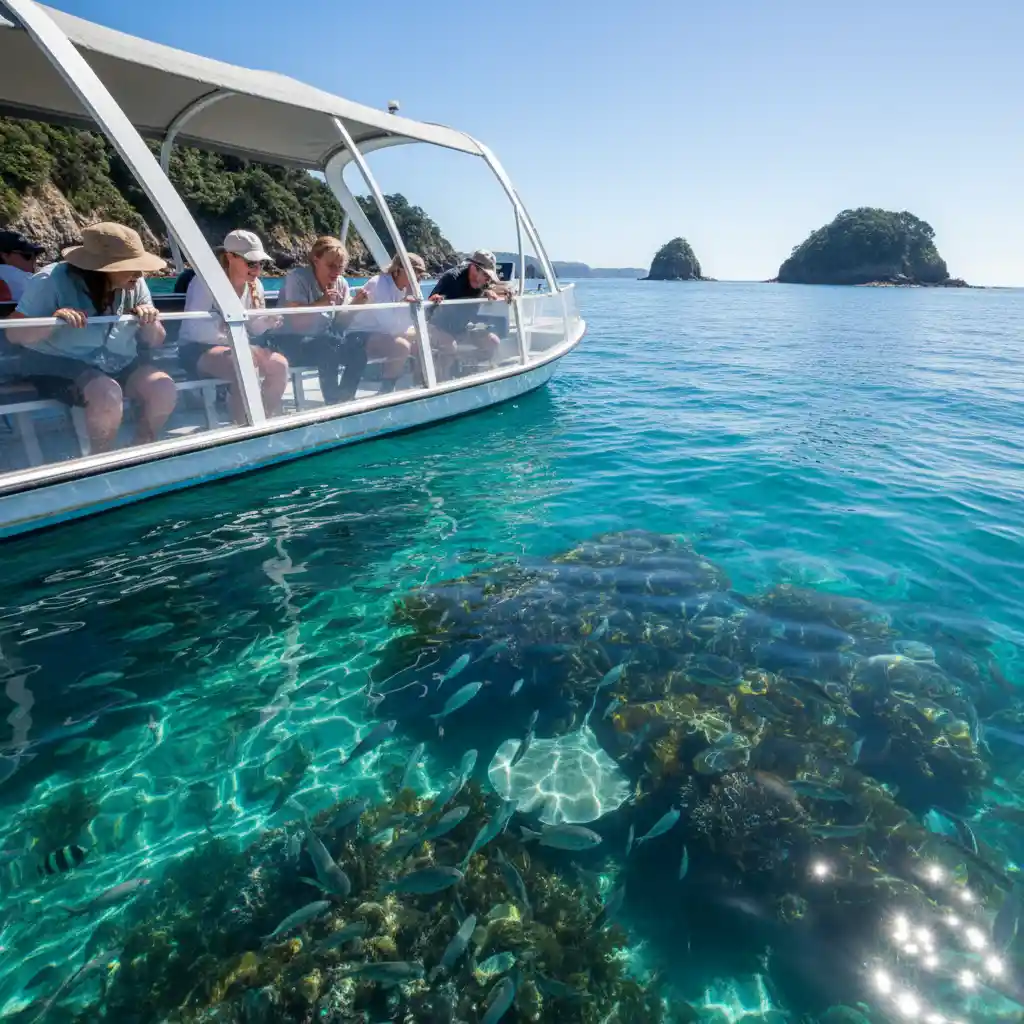
For those who prefer to stay dry, the Glass Bottom Boat runs regular tours (weather permitting). This is an excellent option for families with young children or elderly visitors. The tour provides a 45-minute educational trip around the island, offering views of the marine life through large glass panels. The skipper provides commentary on the history and biology of the reserve.
Kayaking and Clearyak
Kayaking is a fantastic way to explore the coastline. You can rent standard kayaks or the unique “Clearyaks”—transparent kayaks that allow you to see the reef beneath you as you paddle. This bridges the gap between snorkeling and boating, giving you an immersive view of the kelp forests without getting wet.
Walking Tracks and Coastal Views
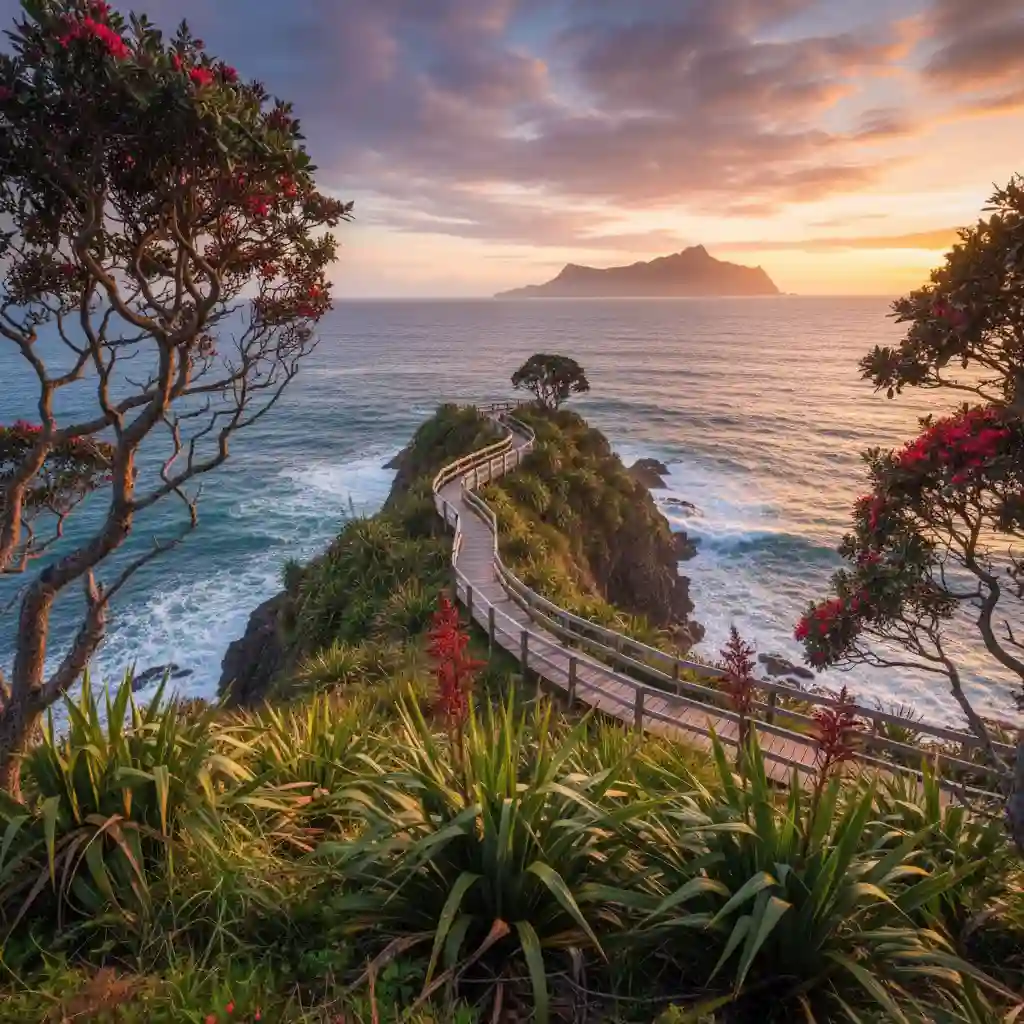
If the water is too rough, the Goat Island Walkway offers a steep but rewarding trek. The track starts from the car park and leads up through coastal forest to a lookout point. From here, you get panoramic views of the Hauraki Gulf, Little Barrier Island (Hauturu), and Great Barrier Island. The walk takes about 1.5 to 2 hours return.
Essential Facilities and Gear Hire
Goat Island is a Department of Conservation (DOC) reserve, meaning facilities are maintained to protect the environment but are somewhat limited compared to a commercial resort.
Parking and Amenities
There are two main car parks. The lower car park is close to the beach but fills up very quickly, often by 9:00 AM in summer. The upper car park is a 5-10 minute walk down to the beach. There are public toilets and cold outdoor showers to rinse off salt water. There are no rubbish bins—visitors must adopt a “pack in, pack out” policy.
Renting Snorkel Gear
You cannot buy food or drinks on the beach itself, but gear hire is available nearby. The Goat Island Dive & Snorkel center is located on the road leading into the reserve (Goat Island Road). They offer wetsuits, masks, snorkels, fins, and dive tanks. It is highly advisable to book gear in advance during the peak summer season (December to February).
Conservation Rules: The No-Take Zone Explained
Strict enforcement of conservation rules is what makes Goat Island special. It is a “No-Take” marine reserve.
- No Fishing: All forms of fishing are strictly prohibited.
- No Gathering: You cannot take crayfish, shellfish, seaweed, or even shells and rocks from the beach.
- Do Not Feed the Fish: While it was once common practice to feed the fish peas or bread, this is now discouraged and, in some contexts, prohibited. Feeding alters the natural behavior of the fish and can damage their health.
- No Dogs: Dogs are not permitted in the reserve (including the car park) to protect local birdlife, such as the New Zealand Dotterel.
Rangers patrol the area frequently, and fines for breaching these rules are significant, often involving the confiscation of gear and vehicles.
Getting Here: Directions from Auckland and Matakana
Goat Island is located at the end of Goat Island Road, Leigh. It is approximately an 80-minute drive north of Auckland City, depending on traffic.
Driving from Auckland
Take State Highway 1 north from Auckland. At Warkworth, turn right towards Matakana and follow the signs for Leigh. Once you pass through the small township of Leigh, follow the brown tourist signs to the Marine Reserve. The drive is scenic, passing through rolling farmland and vineyards.
Exploring Nearby Matakana and Leigh
Since there are no food vendors at the beach, many visitors stop at Matakana Village or Leigh for supplies. Matakana is famous for its Saturday Farmers’ Market, boutique cinemas, and wineries. The Leigh Sawmill Cafe is a popular spot for a post-swim meal and is located just a few kilometers from the reserve entrance.
Frequently Asked Questions
Do I need to pay to enter Goat Island Marine Reserve?
No, entry to the Goat Island Marine Reserve is completely free. It is a public reserve managed by the Department of Conservation. However, costs apply for parking if you use private overflow lots during peak times, and for gear rental or boat tours.
Is Goat Island safe for children and beginners?
Yes, the beach area is generally safe for children, especially during low swell. However, the rocks can be slippery, and the water deepens quickly in the channel. It is recommended that children and poor swimmers wear life jackets or wetsuits for buoyancy and stay in the shallow sandy areas.
Can I bring my dog to Goat Island?
No, dogs are strictly prohibited in the reserve, including the beach, the car parks, and the walking tracks. This rule is enforced to protect native shorebirds and the marine environment.
What is the best time of day to visit Goat Island?
The best time to visit is early in the morning, preferably arriving before 9:00 AM. This secures a parking spot and usually offers the calmest water conditions before the afternoon sea breezes pick up. High tide is generally better for snorkeling.
Are there sharks at Goat Island?
While it is the ocean and sharks can be present, dangerous encounters are extremely rare. You may see small, harmless species like carpet sharks or rig sharks. Bronze whalers are occasionally sighted in deeper waters but generally avoid snorkelers.
Can I fish off the rocks near the reserve?
No. The boundaries of the marine reserve extend from Cape Rodney to Okakari Point. Fishing is prohibited anywhere within these boundaries. You must move well outside the reserve markers to fish legally.