Goat Island vs Poor Knights snorkeling comes down to accessibility versus immersion. Goat Island is a shore-accessible marine reserve ideal for beginners and budget travelers seeking a quick day trip. Conversely, the Poor Knights Islands offer a world-class, offshore subtropical ecosystem requiring a boat charter, perfect for enthusiasts seeking deep-water biodiversity and volcanic underwater landscapes.
Overview: The Battle of the Marine Reserves
New Zealand is renowned globally for its conservation efforts, and nowhere is this more visible than in its marine reserves. For travelers and locals alike looking to explore the underwater world north of Auckland, two names consistently dominate the conversation: Goat Island (Te Hāwere-a-Maki) and the Poor Knights Islands. Both offer full protection to marine life, meaning you cannot fish or take anything, resulting in an abundance of fish that is rarely seen elsewhere.
However, the experience at these two locations is vastly different. Choosing between Goat Island vs Poor Knights snorkeling depends heavily on your budget, your confidence in the water, and the time you have available. This guide provides a comprehensive commercial analysis to help you decide which marine adventure suits your itinerary.
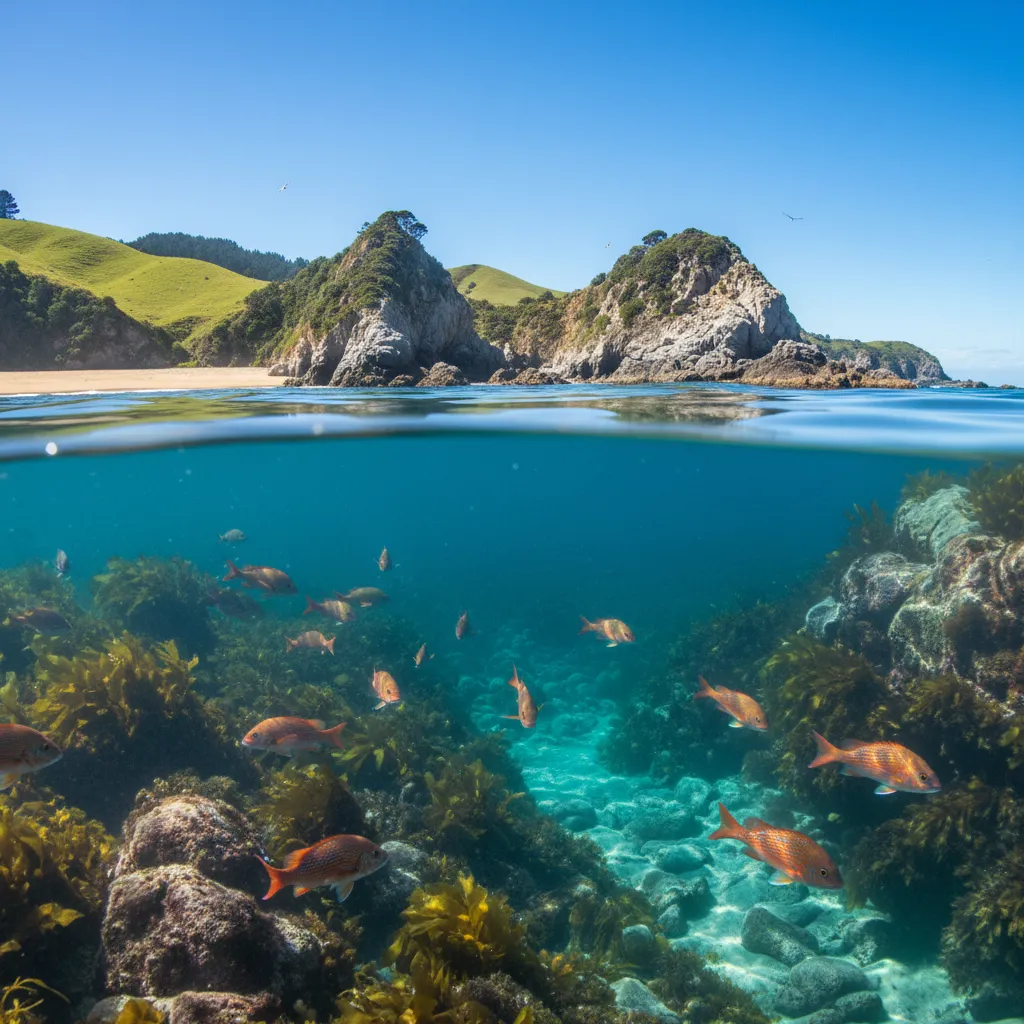
Location & Accessibility: Drive-up vs. Charter Boat
The primary logistical difference between these two destinations is how you get into the water. This factor alone often dictates the decision for families or those on a tight schedule.
Goat Island: The Accessible Shore Dive
Located in Leigh, approximately 80 kilometers (about a 1-hour and 15-minute drive) north of Auckland, Goat Island is New Zealand’s first marine reserve. It is the epitome of convenience.
- Access: You drive directly to the Goat Island Marine Discovery Centre car park. From there, it is a short walk down to the beach.
- Entry: You enter the water directly from the shore (beach or rocks).
- Infrastructure: There are public toilets, changing rooms, and a gear hire shop right on the hill above the beach.
Poor Knights Islands: The Offshore Adventure
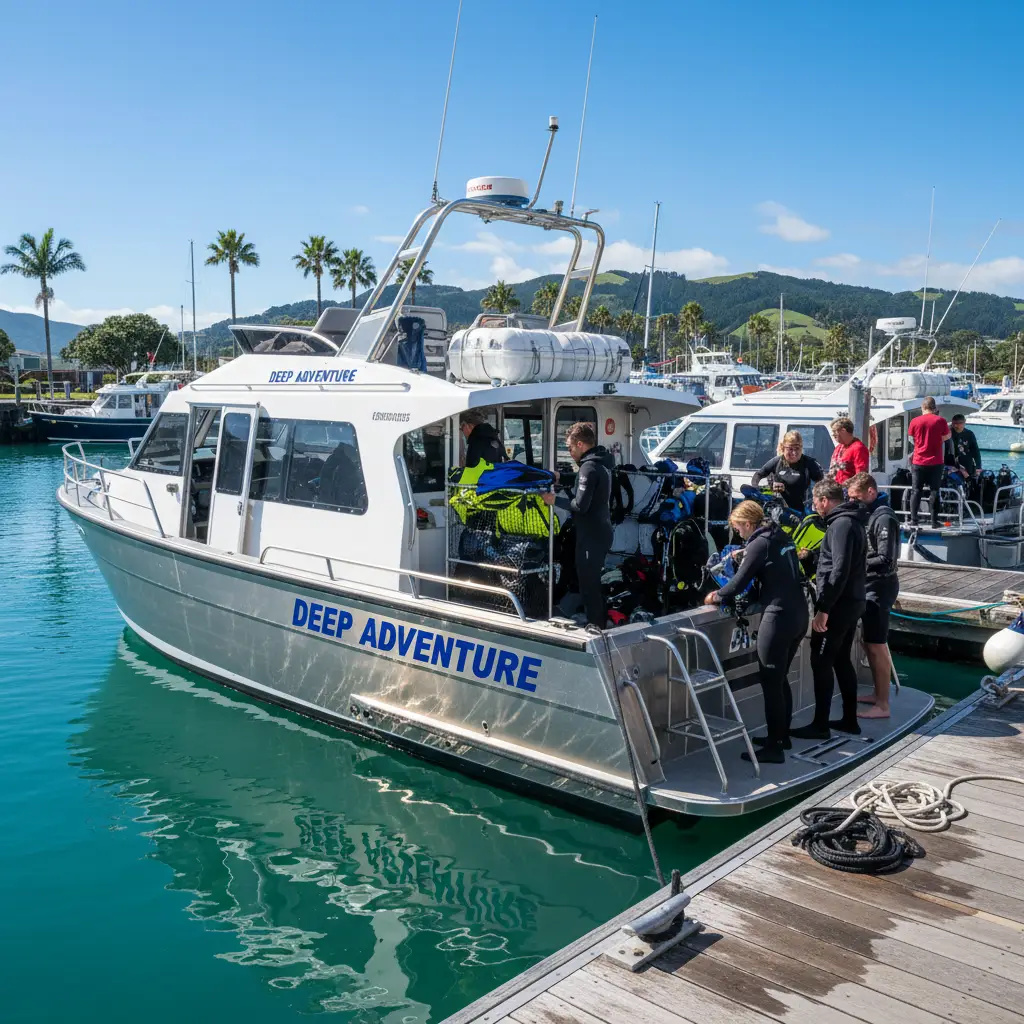
The Poor Knights Islands are located 23 kilometers off the Tutukaka Coast. To get there, you must first drive to Tutukaka Marina (about 2.5 to 3 hours north of Auckland) and then board a charter vessel.
- Access: Requires booking a spot on a commercial boat (such as Dive Tutukaka or Perfect Day).
- Entry: Water entry is typically via a “giant stride” from a boat platform or using a ladder. Some tours offer tender boats to take you into shallower coves.
- Infrastructure: The boats are fully equipped with toilets, galleys for food, and warm showers, but once you leave the marina, you are at sea for the day.
Cost Comparison: Budget vs. Premium Investment
When analyzing Goat Island vs Poor Knights snorkeling from a commercial perspective, the price gap is significant. This section breaks down what you can expect to spend.
Goat Island Costs
Goat Island can be a completely free experience if you own your own gear. It is the budget-friendly champion of NZ marine tourism.
- Access Fee: $0. There is no entry fee to the marine reserve.
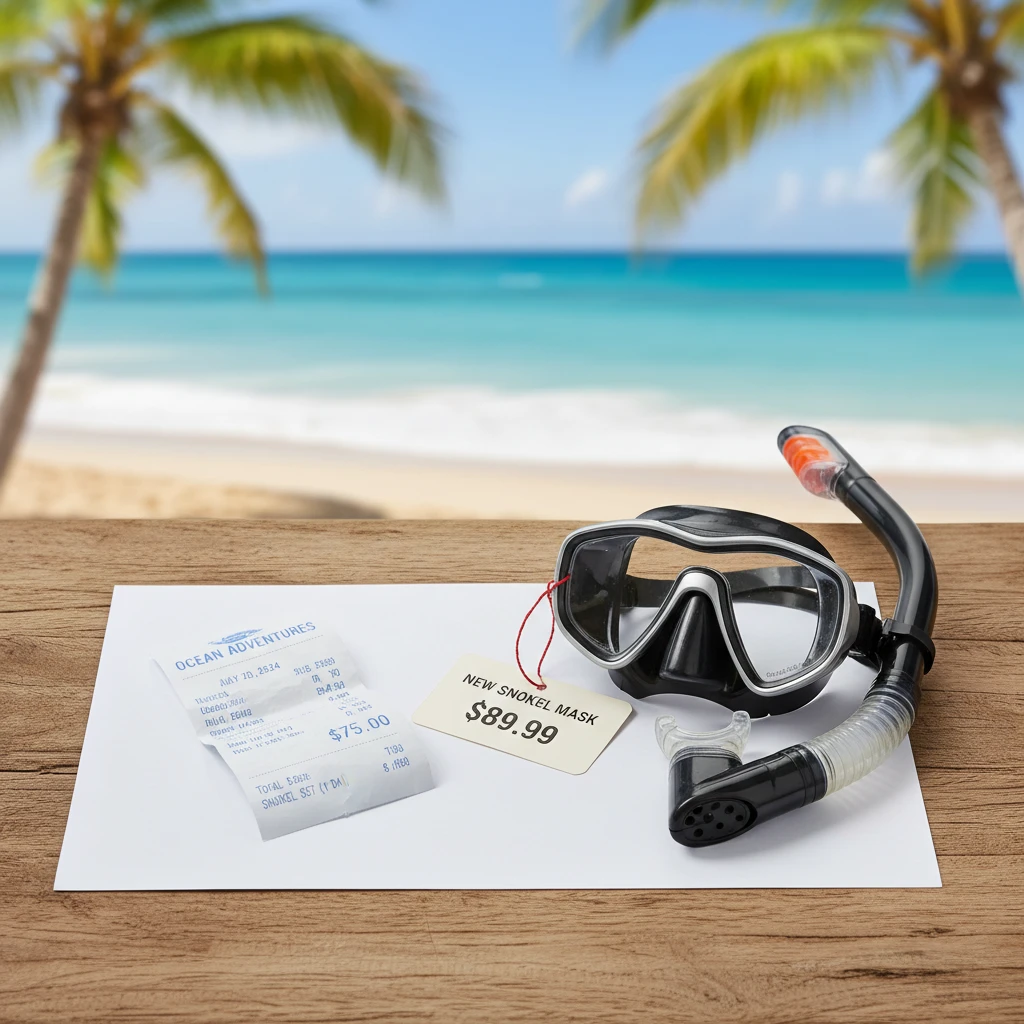
- Gear Hire: If you need to rent a mask, snorkel, fins, and wetsuit, expect to pay between $30 and $50 NZD per person from local operators like Goat Island Dive & Snorkel.
- Parking: Free.
- Total Estimated Cost: $0 – $50 per person.
Poor Knights Islands Costs
Visiting the Poor Knights is a premium tourism product. You are paying for the boat fuel, the skipper, the crew, the safety equipment, and the guided experience.
- Tour Price: A full-day snorkeling charter typically costs between $200 and $280 NZD per adult.
- Inclusions: This price usually includes gear hire (wetsuit, mask, fins), lunch, tea/coffee, and sometimes kayak use.
- Transport: You must also factor in the fuel cost to drive to Tutukaka, which is further than Leigh.
- Total Estimated Cost: $200 – $300+ per person.
Biodiversity: Coastal vs. Offshore Ecosystems
While both reserves are teeming with life, the type of marine life and the underwater landscape differ dramatically due to the ocean currents and geology.
Goat Island: The Coastal Nursery
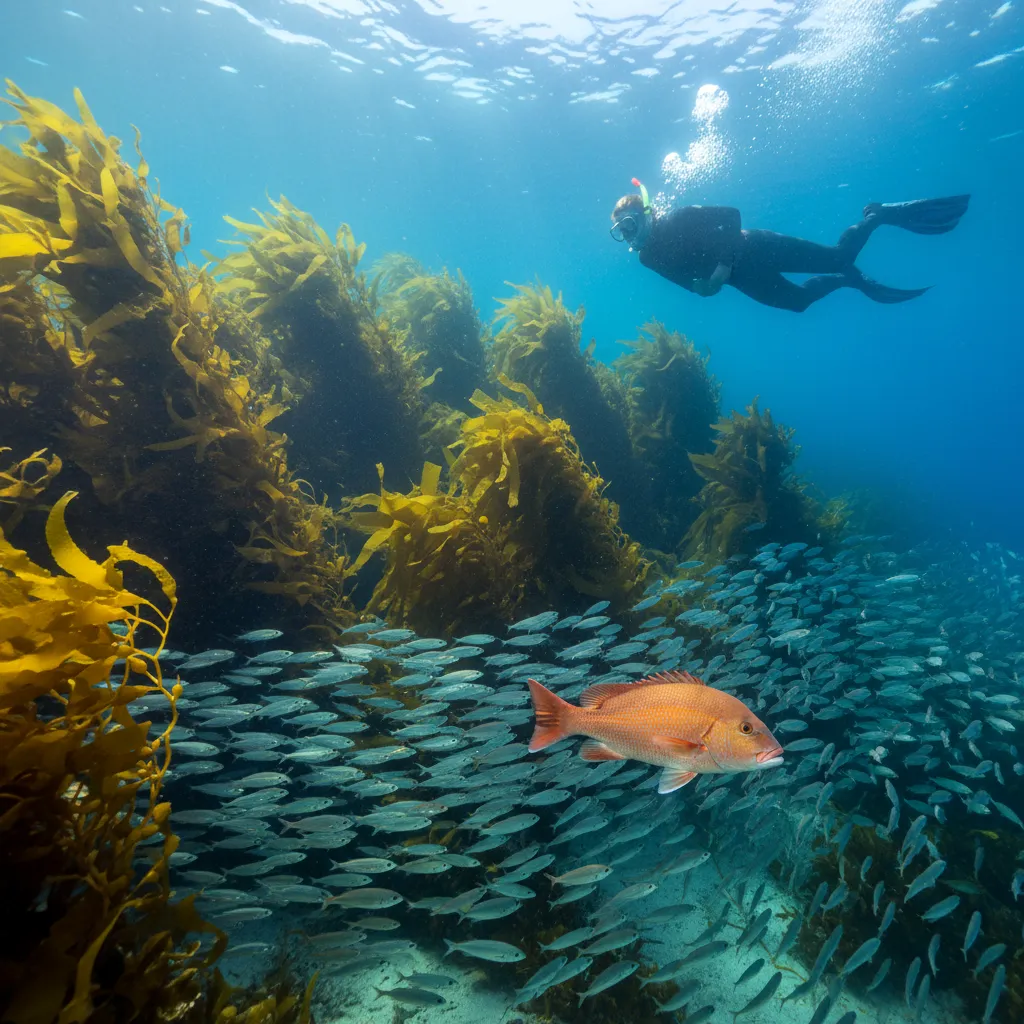
Goat Island is famous for its resident Snapper (Tāmure). Because they have been protected for decades, these large fish are unafraid of humans and will often swim right up to your mask. This provides an incredible, intimate interaction that is rare in the wild.
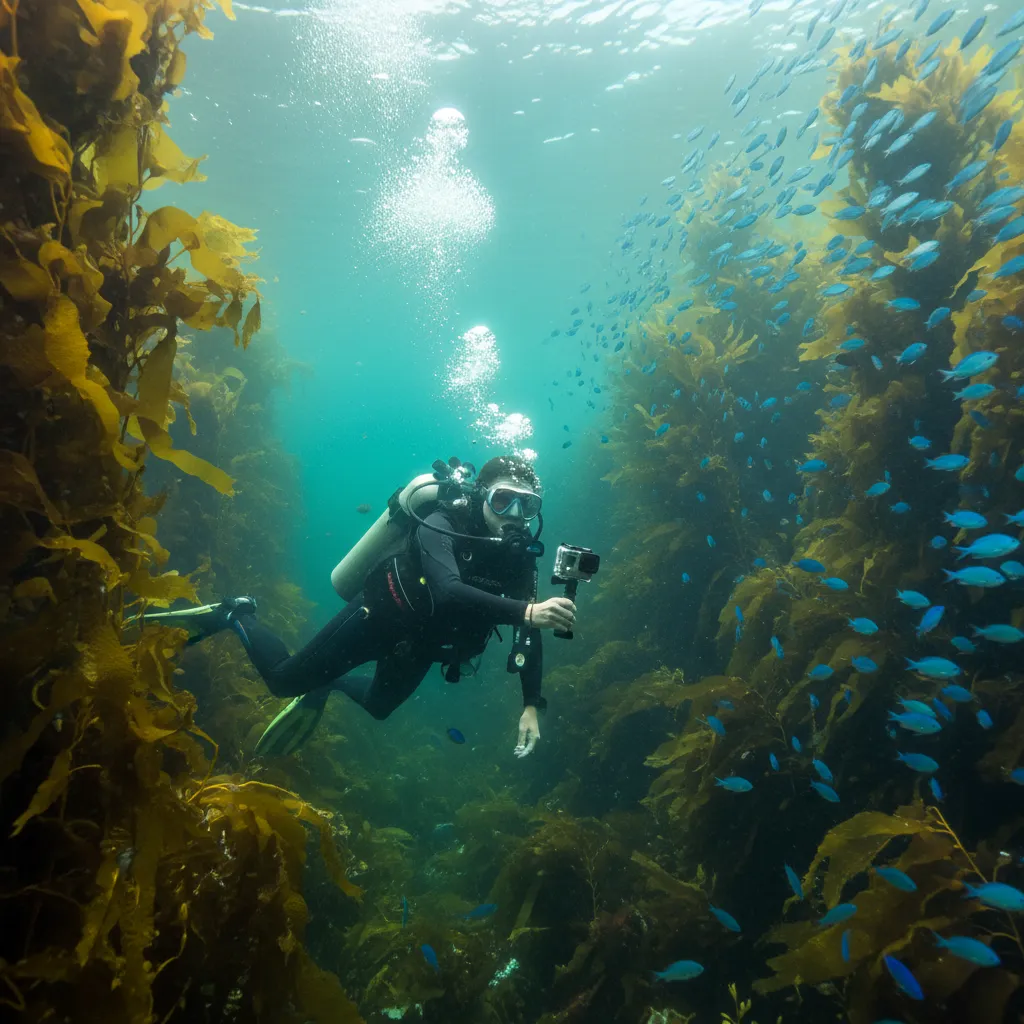
- Key Species: Snapper, Blue Maomao, Crayfish (Rock Lobster), Eagle Rays, and Parore.
- Landscape: Shallow rocky reefs, sand flats, and kelp forests. Depth ranges from 1 meter to 10 meters near the shore.
- Visibility: Variable. Being coastal, it can be affected by swell and runoff. Average visibility is 5–10 meters.
Poor Knights: The Subtropical Aquarium
The Poor Knights Islands are washed by the East Auckland Current, which brings warm subtropical water from the Coral Sea. This creates a unique ecosystem where tropical species coexist with temperate ones. Jacques Cousteau famously rated this as one of the top 10 dive sites in the world.
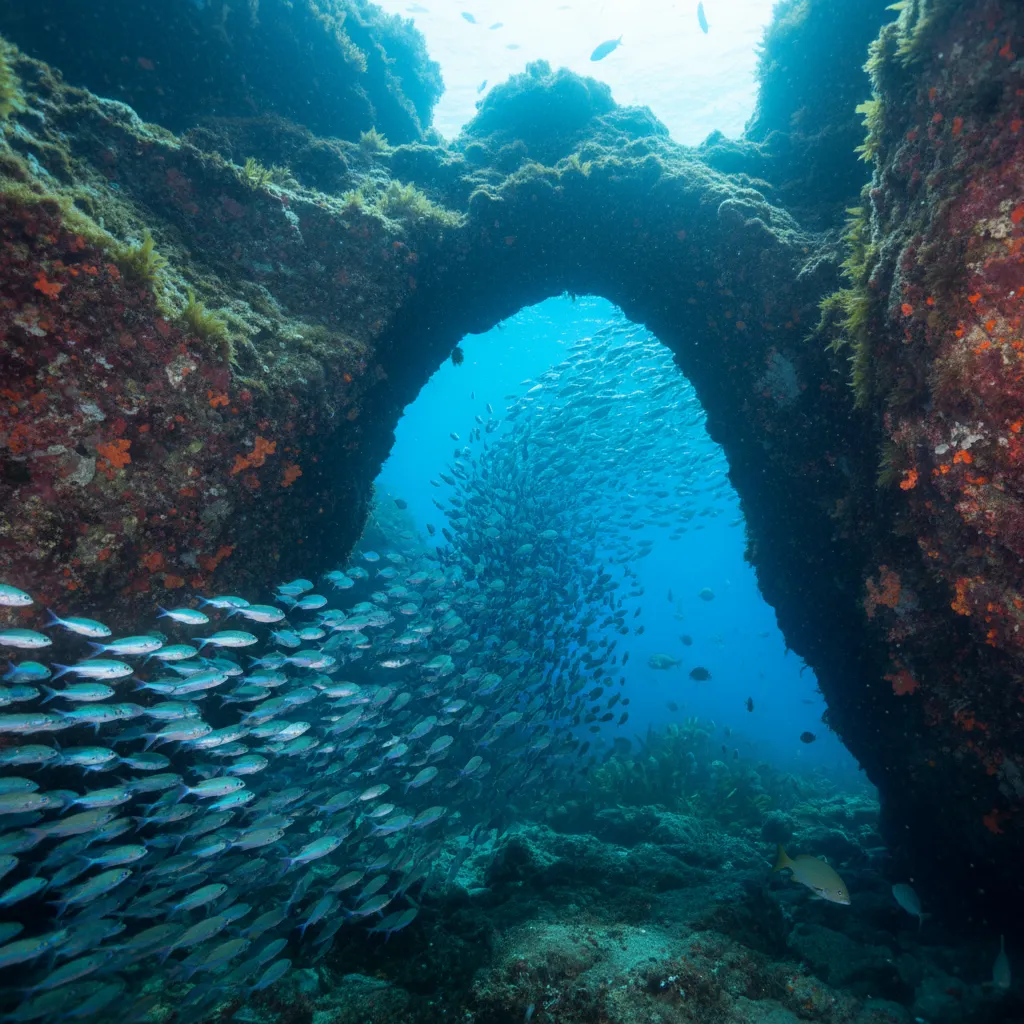
- Key Species: Huge schools of Blue and Pink Maomao, Kingfish, Stingrays (often stacking in arches), Moray Eels, Nudibranchs, and occasionally turtles or manta rays in summer.
- Landscape: Dramatic volcanic architecture. Giant underwater arches, caves (including Riko Riko, the world’s largest sea cave), and sheer walls dropping 50+ meters.
- Visibility: Exceptional. Being offshore, it is less affected by runoff. Visibility often exceeds 20–30 meters.
Skill Level Required: Beginner vs. Advanced
Safety and comfort are paramount when choosing a snorkeling destination. The environment at Goat Island vs Poor Knights dictates the skill level required.
Who is Goat Island For?
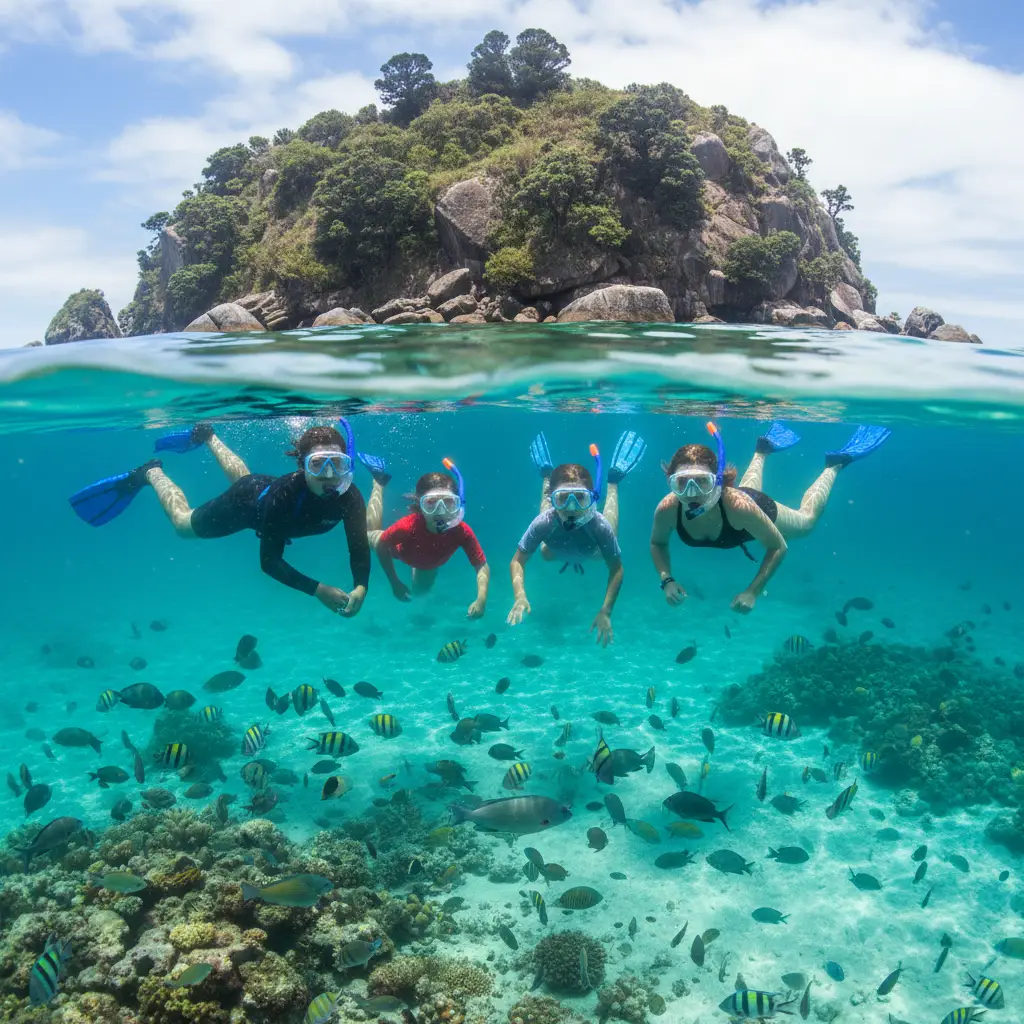
Goat Island is the ideal location for absolute beginners, children, and non-swimmers.
Because you enter from the beach, you can stand up whenever you feel uncomfortable. The water in the main channel is generally calm, although you must be careful of currents if you venture around the island itself. Commercial operators also offer “Clearyaks” (clear kayaks), allowing those who don’t want to get wet to still see the marine life.
Who is Poor Knights For?
The Poor Knights is better suited for intermediate snorkelers and confident swimmers.
While the tour operators provide flotation devices (noodles, life jackets) and supervision, you are in the open ocean. The water is deep—often you cannot see the bottom, or the bottom is 20 meters down. There is no beach to stand on if you get tired; you must return to the boat. However, for those comfortable in the water, the lack of sand means crystal clear views and a feeling of flying over the underwater terrain.
Time Commitment: Day Trip vs. Full Weekend
Your itinerary will play a major role in your choice.
Goat Island: The Quick Fix
You can easily visit Goat Island as a half-day trip from Auckland. Leave the city at 9:00 AM, be in the water by 10:30 AM, have a picnic lunch, visit the nearby Matakana markets or wineries, and be back in Auckland for dinner. It requires very little advanced planning, though parking fills up quickly in summer.
Poor Knights: The Destination Event
Visiting the Poor Knights is a commitment. Because the boats usually depart Tutukaka at 10:00 AM or 11:00 AM and return around 4:00 PM, you cannot easily do this as a day trip from Auckland (unless you leave at 6:00 AM and enjoy driving). Most visitors book accommodation in Tutukaka or Whangarei for at least one night. It turns the activity into a weekend getaway rather than a quick excursion.
Final Verdict: Which Should You Choose?
When weighing up Goat Island vs Poor Knights snorkeling, there is no single “best” option—only the best option for you.
Choose Goat Island if:
- You are traveling on a budget.
- You have young children or anxious swimmers in your group.
- You only have one day available and are based in Auckland.
- You want the specific experience of massive Snapper swimming around you in shallow water.
Choose Poor Knights if:
- You want a world-class, “bucket list” marine experience.
- You are comfortable swimming in deep water.
- You are willing to spend $200+ for superior visibility and biodiversity.
- You have the time to stay overnight in the Northland region.
- You are interested in volcanic underwater structures and subtropical species.
People Also Ask
Is snorkeling better at Goat Island or Poor Knights?
For biodiversity, visibility, and dramatic scenery, Poor Knights is objectively better. However, for accessibility, cost, and close-up interactions with Snapper in shallow water, Goat Island is superior.
Do I need a wetsuit for Goat Island snorkeling?
While not mandatory, a wetsuit is highly recommended year-round. Even in summer, the water temperature rarely exceeds 22°C (71°F). A wetsuit provides warmth and buoyancy, making the swim much more enjoyable.
Are there sharks at the Poor Knights Islands?
Yes, but they are generally harmless species like Bronze Whalers or Carpet Sharks. They are not aggressive towards snorkelers. In fact, seeing a shark is considered a highlight of the trip for many visitors.
How much does a trip to Poor Knights cost?
Expect to pay between $200 and $280 NZD for a full-day boat charter. This usually includes equipment hire and lunch. You also need to factor in transport to Tutukaka and potential accommodation costs.
Can you drive to the Poor Knights Islands?
No, the Poor Knights are a group of islands located 23km offshore. You must drive to Tutukaka Marina and take a commercial charter boat or a private vessel to reach them.
What is the best time of year to snorkel in NZ?
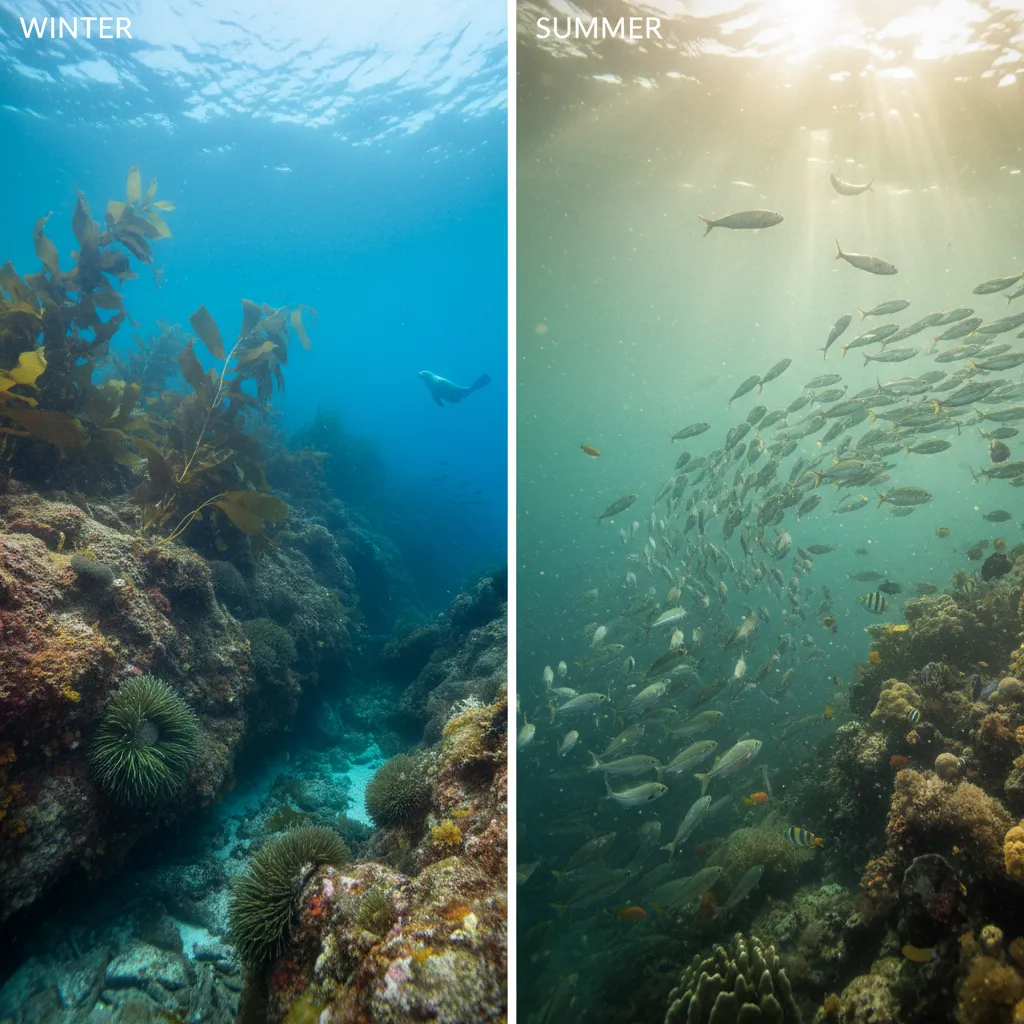
The best time for snorkeling is late summer to early autumn (February to April). The water is at its warmest, and the visibility is generally at its best during these months.