
When comparing the best marine reserves in NZ, the Poor Knights Islands rank highest for biodiversity and diving due to subtropical currents. Goat Island offers the best shore-based accessibility for beginners. Fiordland provides unique deep-water emergence phenomena, while Te Whanganui-A-Hei combines scenic coastal walks with accessible snorkeling.
Choosing the Right Marine Reserve for Your Trip
New Zealand boasts 44 marine reserves, each offering a distinct window into the underwater world of the South Pacific. However, for travelers and marine enthusiasts, not all reserves are created equal. The “best” reserve is subjective and heavily dependent on your logistical capabilities, budget, and tolerance for cold water or boat travel. This guide provides a commercial and logistical comparison of the top-tier reserves to help you maximize your itinerary.
When selecting a destination, the primary decision factor is usually the mode of interaction: Shore-based snorkeling versus boat-based diving. The former is cost-effective and family-friendly, while the latter requires significant planning but offers world-class biodiversity.
Accessibility vs. Biodiversity Trade-offs
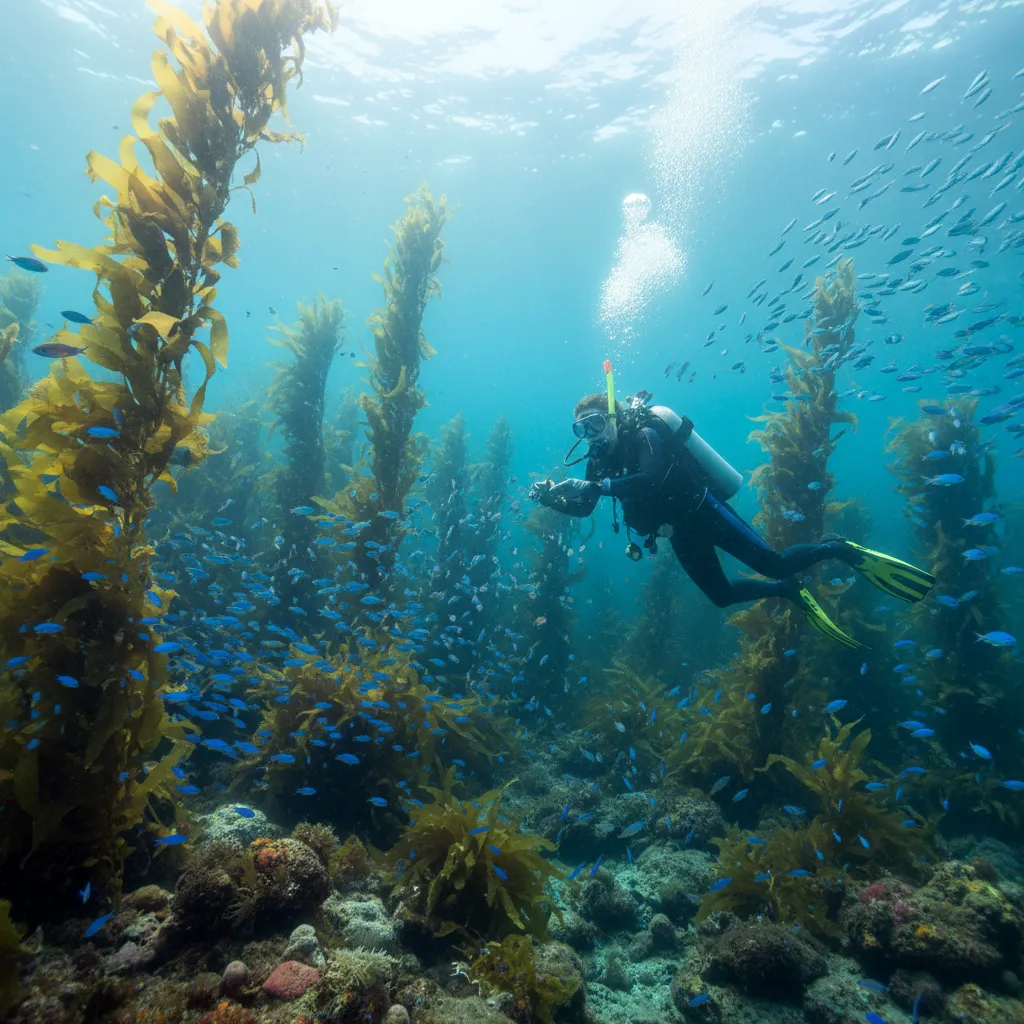
There is often an inverse relationship between accessibility and the richness of biodiversity in New Zealand’s marine environment. Reserves that are easily reached by car tend to have lower species diversity compared to offshore islands, although abundance (biomass) can still be high.
High Accessibility: Cape Rodney-Okakari Point (Goat Island)
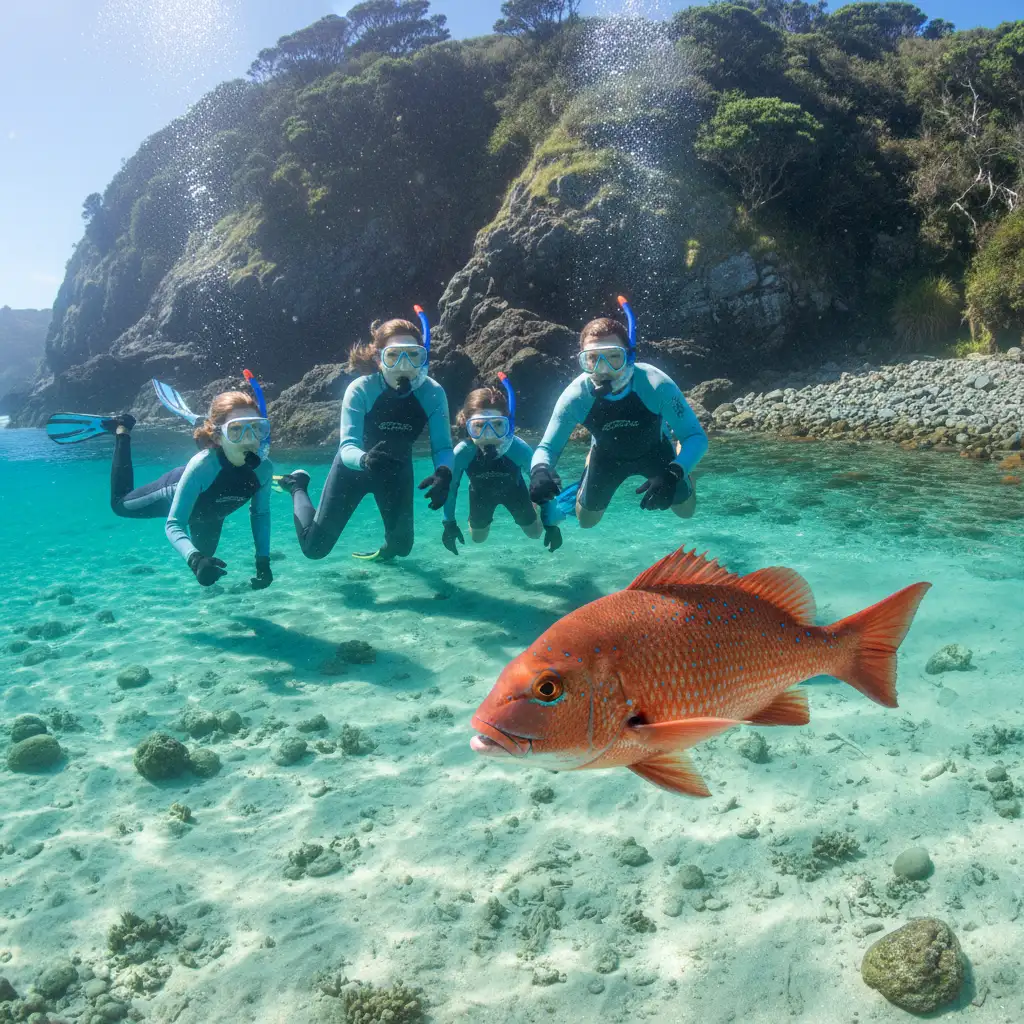
Located just 80 minutes north of Auckland, Goat Island is the most accessible marine reserve in the country. It requires zero boat logistics; visitors simply park and walk into the water. Consequently, the biodiversity is impressive but limited to coastal species such as Snapper (Tāmure), Crayfish, and Blue Maomao. It is the ideal location for beginners, non-swimmers (using the glass-bottom boat), and families.
High Biodiversity: Poor Knights Islands
In contrast, the Poor Knights Islands require a boat charter from Tutukaka. This logistical hurdle rewards visitors with the highest biodiversity in the country. Washed by the East Auckland Current, which originates in the subtropics, this reserve hosts species found nowhere else in New Zealand, including Lord Howe Coralfish and mosaic moray eels. The trade-off is the inability to access this site spontaneously; it requires booking and favourable weather.
Unique Biodiversity: Fiordland (Piopiotahi)
Fiordland’s marine reserves offer a phenomenon known as “deep-water emergence.” A permanent freshwater layer on the surface blocks light, tricking deep-sea species (like Black Coral) into growing in shallow depths. While biodiversity is high and unique, accessibility is low due to the remote location and the necessity of thick wetsuits or drysuits to combat the cold temperatures.
Cost Analysis: Day Trips vs. Overnight
Understanding the financial implications of your visit is crucial for itinerary planning. Below is a comparative cost analysis for a standard adult visitor during peak season.
Shore-Based Reserves (e.g., Goat Island, Cathedral Cove)
These locations offer the lowest barrier to entry. The costs are primarily variable based on gear ownership.
- Access Fee: $0 (Marine reserves are free to enter).
- Parking: $0 – $10 (depending on location and season).
- Gear Rental (Mask, Snorkel, Fins, Wetsuit): $40 – $60 NZD per day.
- Total Estimated Cost: $50 NZD.
Boat-Based Day Trips (e.g., Poor Knights, Mayor Island)
Visiting offshore reserves moves the experience into a commercial tourism bracket.
- Charter Fee (Snorkeling): $180 – $250 NZD.
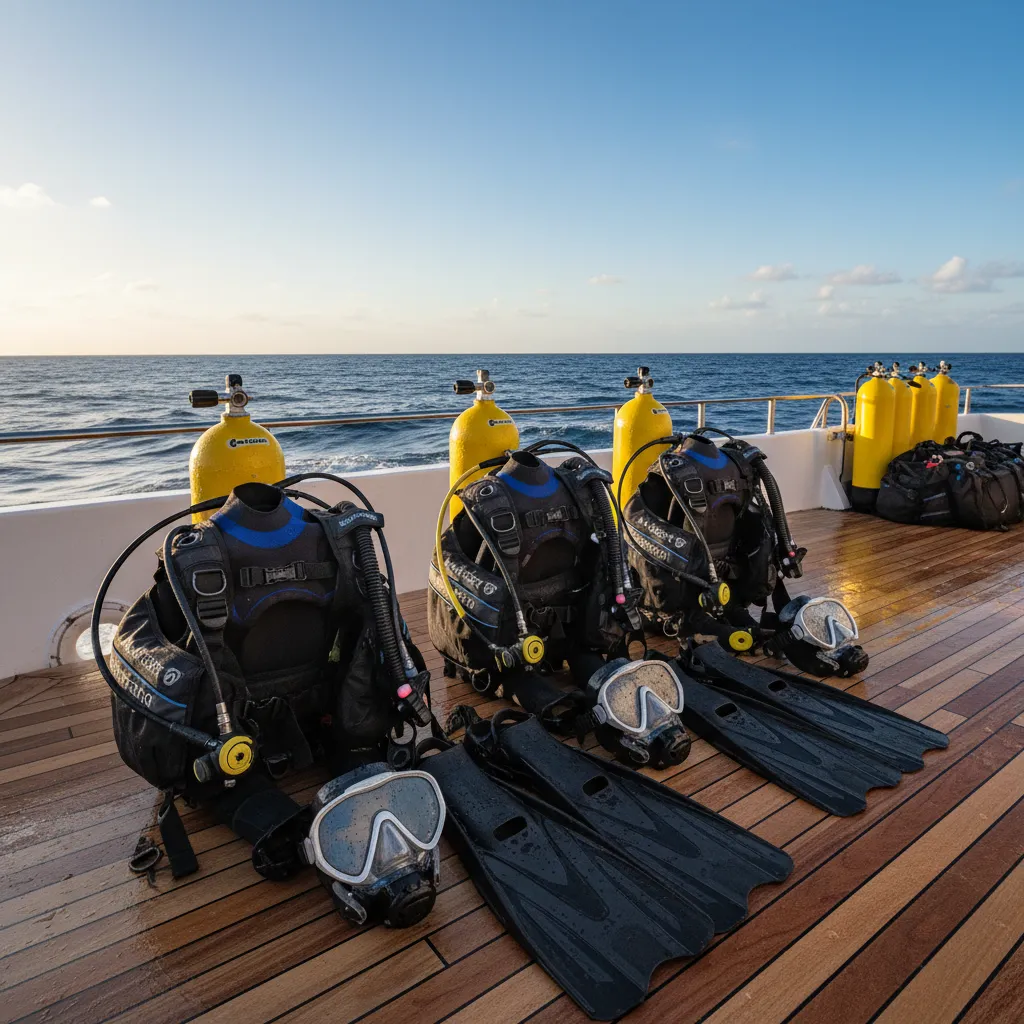
- Charter Fee (Scuba – 2 Dives): $300 – $400 NZD (includes tanks/weights).
- Full Gear Hire: +$80 – $100 NZD.
- Total Estimated Cost: $250 – $500 NZD.
Liveaboard/Overnight Expeditions (e.g., Fiordland)
For the serious enthusiast, overnight charters provide access to the most remote sites.
- Daily Rate: $400 – $700 NZD (includes accommodation and meals).
- Logistics: Often requires helicopter or extensive drive times to the port of departure.
- Total Estimated Cost: $1,500+ NZD per trip.
Detailed Regional Comparison
To assist in your decision-making, we analyze the top reserves by region, highlighting the specific “commercial” value proposition of each.
Northland: Poor Knights Islands
Verdict: The undisputed champion for Scuba Divers.
This reserve is consistently rated as one of the top 10 dive sites globally. The commercial infrastructure in Tutukaka is robust, with multiple operators running daily trips. The underwater topography includes the world’s largest sea cave (Riko Riko). Commercial Tip: Book well in advance for January and February, as charters sell out.
Coromandel: Te Whanganui-A-Hei (Cathedral Cove)
Verdict: Best for “Instagram” Tourism and Casual Snorkeling.
This reserve is as much about the landscape as the seascape. The Gemstone Bay snorkel trail is marked with buoys illustrating the marine life below. It is highly commercialized, with water taxis and kayak tours readily available. However, recent weather events can affect track access, making boat access the primary reliable method.
Wellington: Taputeranga Marine Reserve
Verdict: Best Urban Marine Reserve.
Located on the capital’s south coast, this reserve is famous for its rugged environment and accessibility to city dwellers. It is excellent for rock pooling and shore diving, though the water conditions can be rough (Cook Strait currents). It is a low-cost option for those already visiting Wellington.
Nelson/Tasman: Tonga Island (Abel Tasman)
Verdict: Best for Kayaking and Seals.
While snorkeling is possible, the primary commercial draw here is kayaking. The reserve is famous for its New Zealand Fur Seal colony. Most visitors explore this reserve via guided kayak tours or water taxis, making it a seamless addition to a hiking itinerary.

Crowd Levels & Seasonal Considerations
Timing your visit is critical for both experience quality and safety. New Zealand’s marine environment is temperate, meaning seasonality drastically affects water temperature and visibility.
Peak Season (December – February)
Crowds: High. Reserves like Goat Island and Cathedral Cove can experience parking shortages by 9:00 AM.
Conditions: Water temperature peaks at 20-23°C (North Island). Visibility is generally good, though plankton blooms can occur.
Strategy: For shore-based reserves, arrive before 8:30 AM or after 4:00 PM. For boat charters, book at least 3 weeks in advance.
Shoulder Season (March – May)
Crowds: Moderate to Low.
Conditions: This is arguably the best time for divers. The water retains summer warmth, but the autumn winds often settle, and plankton dies off, resulting in superior visibility (up to 30m+ at Poor Knights).
Strategy: This is the optimal window for photography enthusiasts seeking clear water and fewer divers in the frame.
Winter Season (June – August)
Crowds: Very Low.
Conditions: Water drops to 13-15°C. Visibility can be incredible, but thermal protection (7mm wetsuit with hood or drysuit) is mandatory.
Strategy: Commercial operators may run reduced schedules. Always confirm departures 48 hours prior.
Logistics, Gear, and Safety
Successfully navigating New Zealand’s marine reserves requires preparation. Unlike tropical destinations, the environment here can be unforgiving.
Thermal Protection Standards
Do not underestimate the cold. Even in summer, a 3mm wetsuit is rarely sufficient for a 45-minute dive. The industry standard is a 5mm wetsuit for snorkeling and a 7mm wetsuit (semidry) for scuba diving. If you are bringing your own gear, ensure it is rated for temperate waters.
Strict No-Take Policy
All marine reserves in New Zealand operate under a strict “No Take” policy administered by the Department of Conservation (DOC). This includes:
- No fishing of any kind.
- No gathering shellfish or crayfish.
- No removing rocks, shells, or driftwood.
- No feeding the fish (this alters natural behavior).
Fines for breaching these rules are significant and can include confiscation of gear and vessels.
Frequently Asked Questions
What is the best marine reserve in NZ for beginners?
Goat Island (Cape Rodney-Okakari Point) is widely considered the best for beginners. Its shore access is easy, gear rental is available on-site, and large fish like Snapper are visible in waist-deep water, making it perfect for children and novice snorkelers.
Is the Poor Knights or Goat Island better?
They serve different purposes. Poor Knights is superior for experienced divers and those seeking world-class biodiversity and underwater landscapes (arches/caves). Goat Island is better for a low-cost, convenient family day trip with easy snorkeling access from the beach.
Do I need a wetsuit for NZ marine reserves?
Yes, highly recommended. Even in summer, water temperatures rarely exceed 22°C (71°F). For snorkeling, a 3-5mm wetsuit provides warmth and buoyancy. For diving, a 7mm wetsuit is standard year-round to prevent hypothermia.
Are marine reserves in New Zealand free?
Yes, entry into the marine reserve itself is free. However, associated costs may include parking fees, gear rental, and boat charter fees if you are visiting an offshore reserve like the Poor Knights or Mayor Island.
Can you fish in a marine reserve in NZ?
No. Marine reserves are strictly “no-take” zones. Fishing, gathering shellfish, or removing any marine life or natural materials (including shells and rocks) is illegal and strictly enforced by the Department of Conservation.
What is the oldest marine reserve in New Zealand?
The Cape Rodney-Okakari Point Marine Reserve (commonly known as Goat Island) is New Zealand’s first marine reserve, established in 1975. Its long-standing protection has resulted in large, friendly populations of Snapper and Crayfish.