
The Matakana Farmers Market to Goat Island drive is a scenic 15-minute journey covering approximately 15 kilometers along Leigh Road. Ideally undertaken on Saturday mornings, this route combines artisan food shopping with a visit to New Zealand’s first marine reserve. Heavy traffic is common during summer, requiring strategic timing for parking and route management.
Combining the rustic charm of the Matakana Village Farmers Market with the pristine underwater wilderness of the Goat Island Marine Reserve creates one of the quintessential Auckland day trips. This itinerary offers a perfect blend of culinary indulgence and outdoor adventure, but it requires careful planning to navigate the crowds and logistics effectively. Whether you are a local looking for a weekend escape or a tourist exploring the Hibiscus Coast, understanding the nuances of this route ensures a seamless experience.
How long is the Matakana farmers market to Goat Island drive?
The drive from the heart of Matakana Village to the Goat Island Marine Reserve (officially known as Cape Rodney-Okakari Point Marine Reserve) is relatively short but visually stunning. Under normal traffic conditions, the 15-kilometer journey takes approximately 15 to 20 minutes. However, during peak summer weekends, particularly on Saturdays when the market is in full swing, travel times can fluctuate.
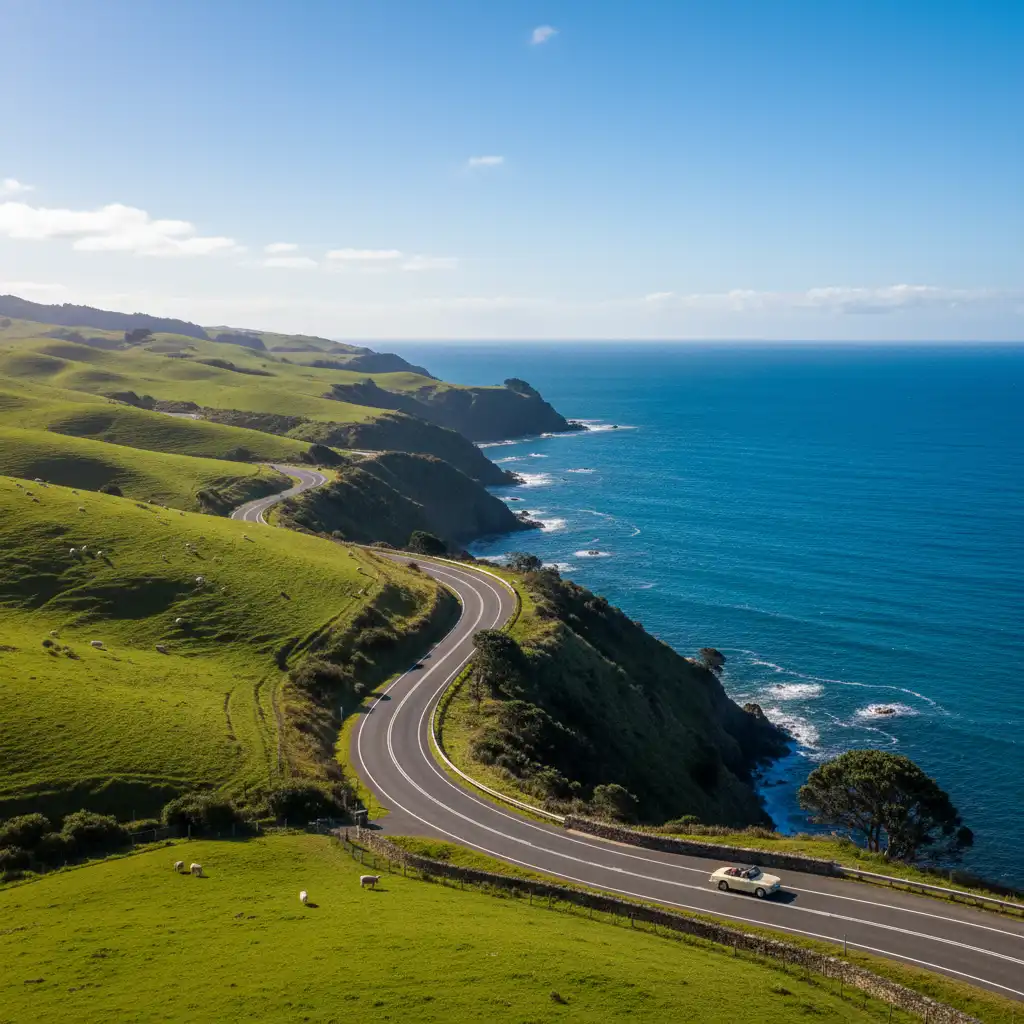
The route primarily follows Leigh Road, winding through rolling pastoral hills and offering glimpses of the Pacific Ocean before descending toward the coast. While the distance is short, the road is a classic rural New Zealand highway—two lanes, winding turns, and no median barrier. Drivers should remain alert for cyclists and pedestrians, especially near the Leigh township.
What is the best time to visit the Market?
To maximize your day and ensure you secure parking at both destinations, timing is critical. The Matakana Village Farmers Market operates every Saturday from 8:00 AM to 1:00 PM. It is a ‘zero waste’ market known for its high-quality local produce, artisan goods, and vibrant atmosphere.
The Early Bird Strategy: The most effective strategy is to arrive at the market right at 8:00 AM. This allows you to:
- Secure parking in Matakana Village before the mid-morning rush fills the overflow lots.
- Access the freshest produce and baked goods before popular items sell out.
- Enjoy a leisurely breakfast and coffee without battling dense crowds.
- Depart for Goat Island by 10:00 AM or 10:30 AM, which is crucial for the second leg of your journey.
Leaving the market late (around 12:00 PM) puts you on the road to Goat Island exactly when the beach parking lot is at its peak capacity. By shifting your schedule earlier, you align your arrival at the marine reserve with the departure of early morning swimmers, or simply beat the midday picnic crowd.
How to stock up for the perfect beach picnic?
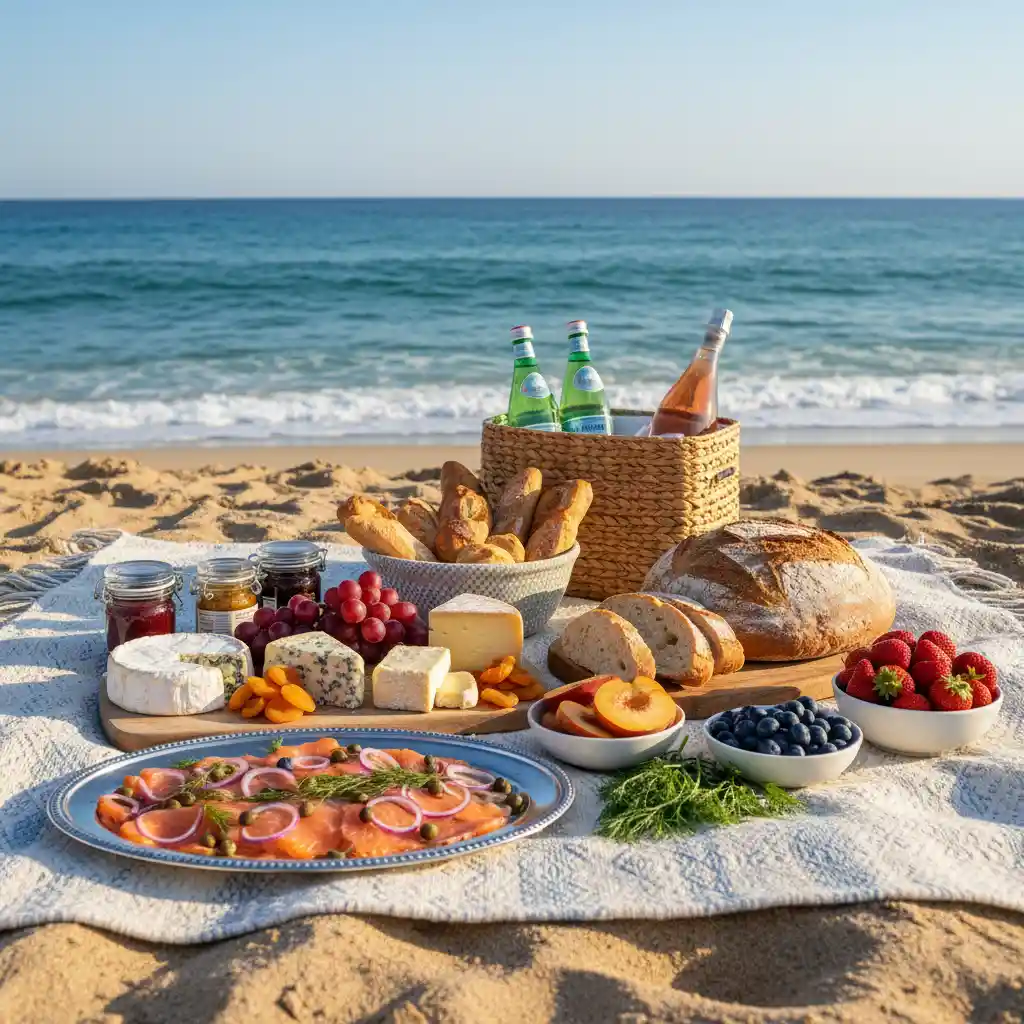
One of the primary reasons to combine these two destinations is the opportunity to curate a world-class picnic from the market to enjoy at the beach. The Matakana region is famous for its boutique food producers. Instead of packing a lunch from home, bring a cooler bag and build your menu on-site.
Must-Have Market Items
When navigating the stalls, focus on finger foods and items that travel well. Avoid overly delicate pastries that might melt in a hot car. Here is a curated shopping list for a marine reserve picnic:
- Artisan Cheeses: Look for local creamy blues or sharp cheddars. The region produces excellent buffalo cheese which pairs perfectly with crackers.
- Wood-Fired Breads: Several stalls offer ciabatta or sourdough loaves. Ask for them to be sliced if you don’t have a bread knife in your picnic kit.
- Smoked Fish: A staple of the area, local smoked fish is vacuum-packed and keeps well in a cooler. It provides a savory protein hit after a swim.
- Fresh Fruit: Depending on the season, grab strawberries, blueberries, or stone fruit. These provide essential hydration and natural sugar.
- Handcrafted Beverages: Pick up locally pressed juices or kombucha. Remember, Goat Island is a family-friendly reserve, and while alcohol is not strictly banned on the beach, it is often discouraged in family zones, and glass is a hazard.
How to manage traffic flow to Leigh?
Once you have your supplies, the Matakana farmers market to Goat Island drive begins. Exiting Matakana Village can be the most congested part of the trip. The roundabout connecting Matakana Valley Road and Leigh Road is a notorious bottleneck.
Driving Tips for the Route:
- The Whangateau Detour: If the main road out of Matakana is gridlocked, there are very few shortcuts due to the geography of the estuary. Patience is key. However, ensure your GPS is set to avoid unsealed roads unless you are comfortable driving on gravel.
- Passing Leigh: You will pass through the small township of Leigh. This is your last chance to buy ice for your cooler or grab sunscreen if you forgot it. The Leigh General Store is a convenient stop.
- The Final Descent: The road down to Goat Island Bay (Goat Island Road) is steep and narrow in places. Reduce your speed. You will often encounter pedestrians walking up from the lower car park to the overflow areas.
What are the parking strategies for Goat Island?
Parking is the single biggest logistical challenge of this itinerary. The Goat Island Marine Reserve is incredibly popular, and the lower car park adjacent to the beach is small. It fills up rapidly on sunny weekends and public holidays.
Strategy A: The Mid-Morning Swap (Recommended)
If you leave the market by 10:30 AM, you arrive at Goat Island around 11:00 AM. This is a transition period. Early risers who came for a 9:00 AM snorkel are often leaving for lunch. Circle the lower car park once; if you see someone packing their car, wait politely (without blocking traffic) for their spot.
Strategy B: The Drop-Off and Walk
If the lower car park is full, drive back up the hill to the overflow parking area. This adds a 10-15 minute walk down to the beach. The strategy here is to drive down to the drop-off zone, unload your passengers, cooler, and heavy snorkel gear, and then have the driver return to the top hill to park. Walking down empty-handed is enjoyable; walking down carrying a cooler box and dive weights is not.
Strategy C: Late Afternoon Arrival
If you prefer a lazy morning at the market and a long lunch in the village, head to Goat Island after 3:00 PM. The crowds thin out significantly, the sun is less harsh, and the fish activity in the reserve is often high as the tide changes. This is perfect for a “sunset snorkel.”

What activities are available at the Reserve?
Once you have navigated the Matakana farmers market to Goat Island drive and secured your spot, the reserve offers a wealth of activities. As New Zealand’s first marine reserve (established in 1975), the biodiversity here is spectacular. The fish are protected, meaning they are large, plentiful, and unafraid of humans.
Snorkeling and Diving
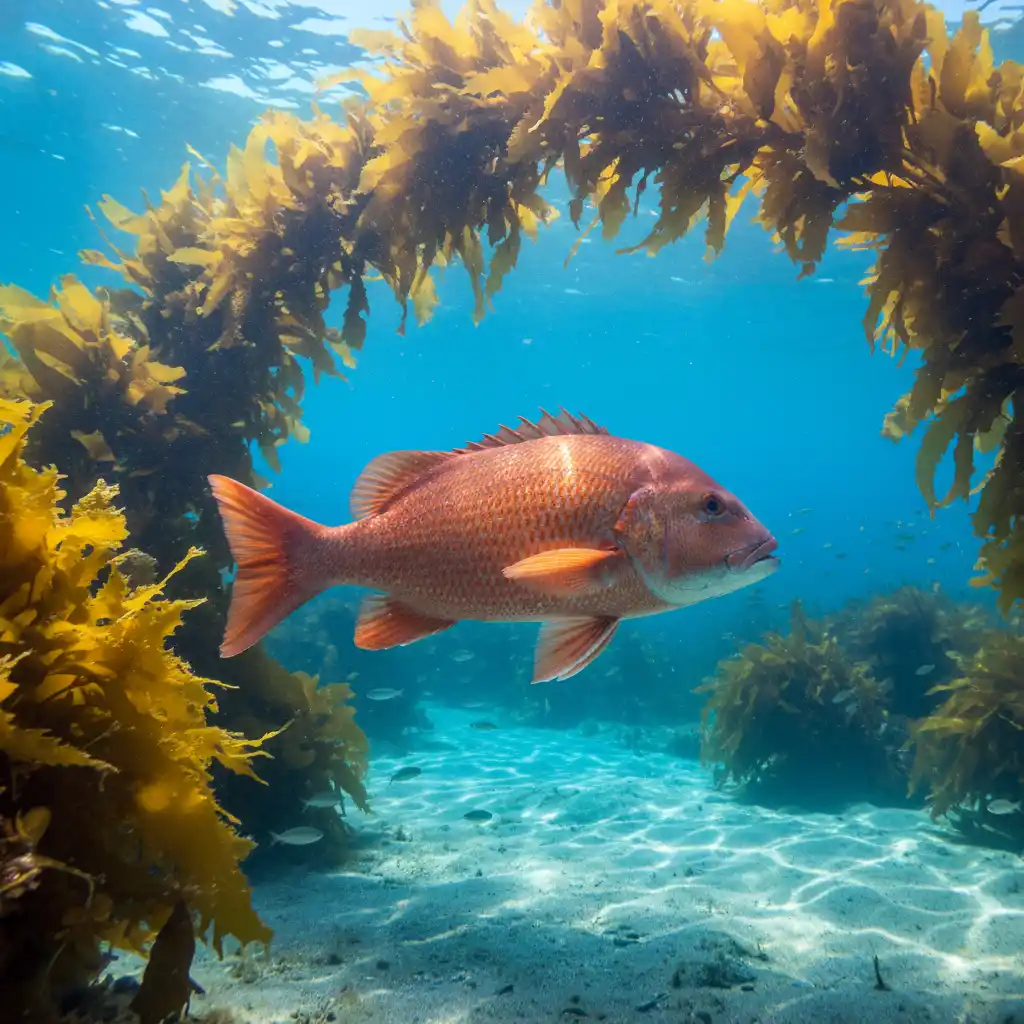
This is the primary attraction. You can rent gear from the local dive shop on the hill or bring your own. The water is generally clear, though visibility depends on the swell. Expect to see huge Snapper (Tamure) swimming right up to the shore, schools of Blue Maomao, and elusive Crayfish in the rocky crevices. The best snorkeling is usually around the channel between the beach and the island, but be wary of currents.
The Glass Bottom Boat
For those who prefer to stay dry, the Glass Bottom Boat tour is an excellent alternative. It runs regularly from the beach (weather permitting). This is particularly good for families with young children or elderly relatives who may not be strong swimmers. The tour provides educational commentary on the history of the reserve and the marine life you are viewing.
The Discovery Centre
Located near the top car park, the Marine Discovery Centre is an educational hub worth visiting. It features interactive displays and tanks that explain the ecosystem of the Hauraki Gulf. It is a great place to cool off if the sun becomes too intense on the beach.
Essential Packing List for a Marine Reserve Day Trip
A successful trip requires the right gear. Unlike a standard beach, a marine reserve has specific requirements.
- Reef-Safe Sunscreen: Traditional sunscreens contain chemicals that can harm coral and marine life. Choose a mineral-based, reef-safe option.
- Water Shoes or Booties: The beach at Goat Island is not soft sand; it consists of rocks, shells, and pebbles. Entering the water can be painful on bare feet.
- Polarized Sunglasses: These help cut the glare on the water, allowing you to see the fish from the surface even without snorkeling.
- Windbreaker or Warm Layer: Even in summer, the coastal breeze can be cool after you get out of the water.
- Rubbish Bags: There are limited bins at the reserve. Be prepared to pack out everything you pack in, adhering to the “leave no trace” principle.
Completing the Matakana farmers market to Goat Island drive is more than just a commute; it is a journey through the best of New Zealand’s land and sea. By timing your market visit for the morning and planning your arrival at the reserve, you can enjoy the freshest local food in one of the country’s most beautiful natural settings.
Is there an entrance fee for Goat Island Marine Reserve?
No, entry to the Goat Island Marine Reserve is completely free for the public. However, there are costs associated with hiring snorkel gear or booking a seat on the Glass Bottom Boat tour. Parking is also free, though spaces are limited.
Can you fish at Goat Island Marine Reserve?
No, fishing is strictly prohibited. As a fully protected marine reserve, you cannot take any marine life, including fish, shellfish, seaweed, or rocks. This “no-take” rule is what allows the marine life to flourish and grow so large.
Are dogs allowed at Goat Island?
No, dogs are not permitted on the beach or in the reserve area. This is to protect the local wildlife, including shorebirds that nest in the area. You must leave your pets at home for this trip.
How far is Matakana from Auckland CBD?
Matakana is approximately a 60 to 70-minute drive north of Auckland CBD, depending on traffic. The new motorway extension (Ara Tūhono) has significantly improved travel times and safety for this route.
Is Goat Island suitable for non-swimmers?
Yes. Non-swimmers can enjoy the reserve by taking the Glass Bottom Boat tour, exploring the rock pools at low tide (carefully), or visiting the Marine Discovery Centre. The beach itself is rocky but scenic for picnicking.
What happens if it rains on market day?
The Matakana Village Farmers Market is largely undercover or sheltered by trees, so it operates rain or shine. However, swimming at Goat Island during heavy rain is less ideal as runoff can reduce water visibility. In this case, visiting the indoor Discovery Centre or local wineries is a good backup plan.