
Omaha Beach and Goat Island offer distinctly different experiences for visitors to the Matakana Coast. Omaha Beach is a pristine white-sand surf beach ideal for sunbathing, swimming, and surfing with extensive amenities. Conversely, Goat Island is a protected marine reserve characterized by rocky shores, offering world-class snorkeling and diving opportunities rather than a traditional lounging beach experience.
Choosing between Omaha Beach vs Goat Island depends entirely on your objectives for the day. Are you seeking the relaxation of soft white sand and rolling surf, or the adventure of swimming amongst massive snapper in a protected marine sanctuary? Located just a short drive apart on New Zealand’s stunning Matakana Coast, these two destinations are often visited in the same trip, yet they serve very different tourism needs.
This comprehensive guide analyzes the terrain, safety, activities, and amenities of both locations to help you decide which destination suits your itinerary best.
What is the difference in terrain between Omaha Beach and Goat Island?
The most immediate physical difference when comparing Omaha Beach vs Goat Island is the shoreline composition. This fundamental difference dictates what kind of equipment you need to bring and how you will spend your time.
Omaha Beach: The White Sand Haven
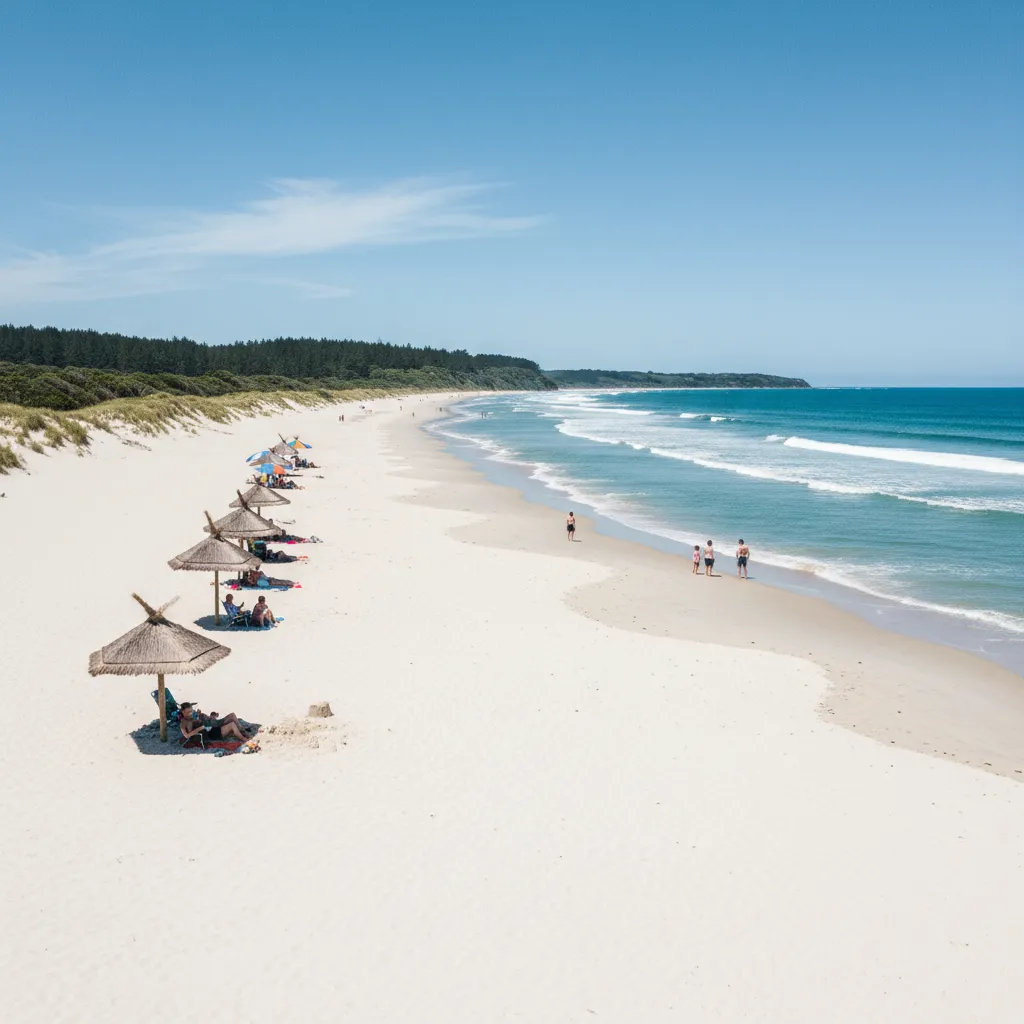
Omaha Beach is renowned for its spectacular, crescent-shaped shoreline composed of fine, silica-rich white sand. Stretching approximately 4 kilometers, the beach offers ample space for beach cricket, sandcastle building, and comfortable lounging on a towel. The dunes are protected and restored, providing a picturesque backdrop to the ocean.
For visitors looking to lay out a towel, set up a beach umbrella, and walk barefoot for kilometers, Omaha is the superior choice. The sand is soft, clean, and generally free of sharp debris, making it perfect for long romantic walks or family picnics.
Goat Island: The Rocky Marine Gateway
In stark contrast, Goat Island (Cape Rodney-Okakari Point Marine Reserve) is not a sandy beach. The shoreline consists of pebbles, stones, and large boulders. There is very little sand, and what little exists is often submerged at high tide.
Visitors to Goat Island must be prepared for uneven terrain. Walking barefoot here is uncomfortable and potentially dangerous due to slippery rocks and sharp shells. Reef shoes or sturdy sandals are essential. You cannot comfortably lay a towel down on the rocks; most visitors leave their bags on the higher grassy verge or the rocky bank and spend their time in the water. If your goal is sunbathing, Goat Island will be disappointing.
Is swimming safer at Omaha Beach or Goat Island?
Safety is a primary concern for families, particularly those with young children. Both locations present specific hazards that require attention.
Omaha Beach Surf Safety
Omaha is an open ocean surf beach. While it is generally considered safer than the rugged west coast beaches of New Zealand, it is still subject to rips, undertows, and significant swell. During the summer months, the Omaha Surf Life Saving Club patrols the beach.
Key Safety Features at Omaha:
- Patrolled Zones: Always swim between the red and yellow flags.
- Surf Conditions: Waves can get large, which is fun for boogie boarding but requires caution for weak swimmers.
- Drop-off: The sand bank can drop off reasonably quickly in some areas depending on the tide.
Goat Island Water Safety
Goat Island is generally more sheltered from the ocean swell compared to Omaha, as it sits behind the protection of the island itself. However, it is not without risks.
Key Safety Features at Goat Island:
- No Surf Patrol: There are typically no lifeguards patrolling Goat Island.
- Slippery Entry: The entry into the water involves navigating slippery, algae-covered rocks. Accidents often happen here when people slip while carrying snorkeling gear.
- Currents: Strong currents can flow through the channel between the mainland and the island (Te Hāwere-a-Maki). Visitors are strictly advised not to attempt swimming across to the island unless they are strong swimmers with fins, and aware of the tidal movements.
Why is Goat Island famous for snorkeling?
Goat Island is New Zealand’s first marine reserve, established in 1975. Because fishing and gathering have been prohibited here for decades, the marine life is abundant and unafraid of humans. This makes it the undisputed winner for underwater experiences.
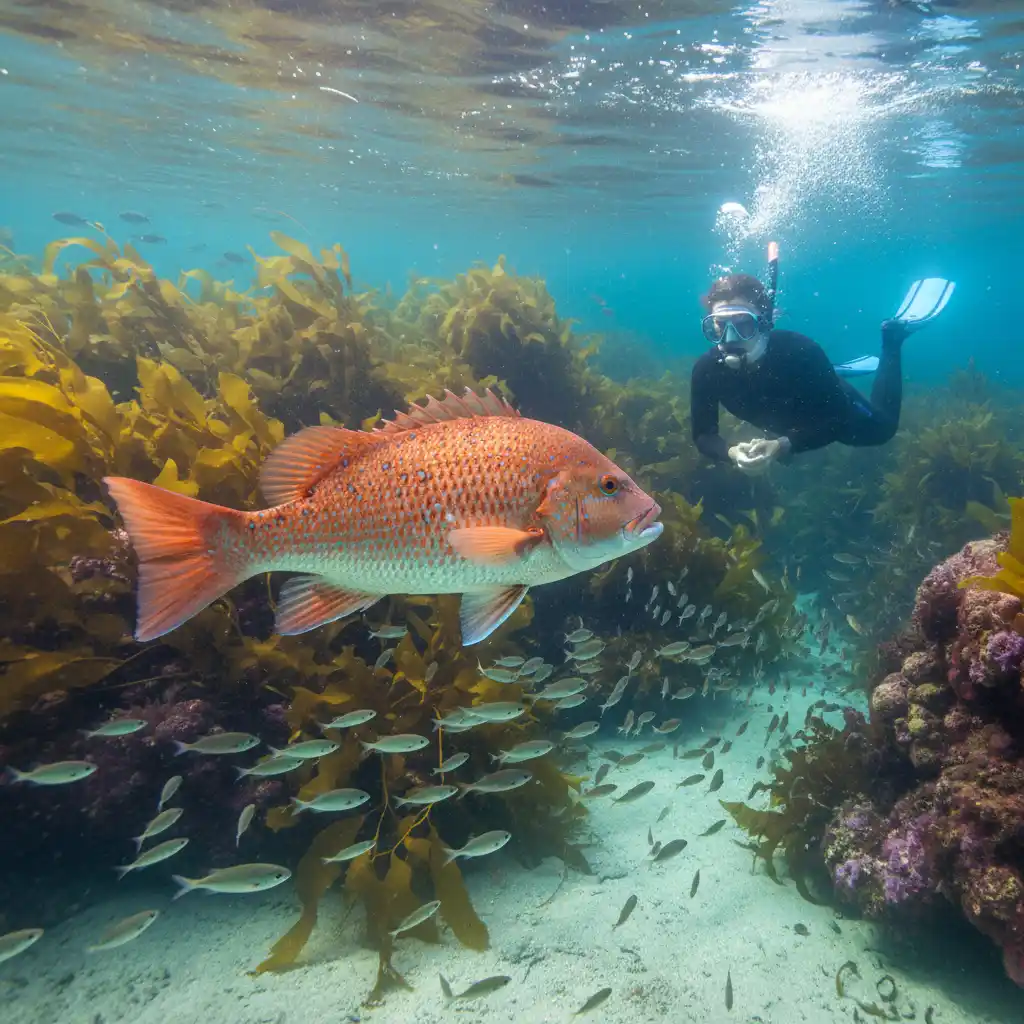
Just meters from the shore, snorkelers can encounter:
- Huge Snapper: Large, old snapper that swim right up to your mask.
- Blue Maomao: Schools of vibrant blue fish.
- Eagle Rays and Stingrays: Often seen gliding over the sandy flats further out.
- Crayfish: Visible in the rocky crevices.
For those who do not wish to get wet, the Glass Bottom Boat operates from the beach, providing a tour of the reserve without the need for wetsuits. There is also the Goat Island Marine Discovery Centre nearby, which is excellent for education.
Note for Omaha: While you can swim at Omaha, it is a sandy bottom surf beach. Visibility is often lower due to sand churned up by the waves, and fish life is scarce compared to the reserve. You do not go to Omaha to snorkel.
How is the surfing at Omaha Beach?
If you are comparing Omaha Beach vs Goat Island for board sports, Omaha is the only option. Goat Island is a flat-water location (unless there is a massive storm, at which point it is unsafe).
Omaha Beach works on various swells and wind directions, making it a staple for Auckland surfers. The northern end of the beach is generally more sheltered and suitable for beginners and longboarders. The bar breaks can provide hollow waves for more advanced surfers when the conditions align.

Surfing Amenities at Omaha:
- Surf Schools: During summer, surf lessons are available, making it a great place to learn.
- Equipment Hire: You can often hire boards and wetsuits from local operators in the Matakana area or at the beach during peak times.
How do amenities compare between the two locations?
When planning a full day out, access to toilets, parking, and food is critical.
Parking
Omaha: Has multiple parking areas along the lengthy beachfront. However, on a sunny public holiday, these fill up rapidly. There is usually overflow parking on the grass berms, but be prepared for a walk if you arrive after 10:00 AM.
Goat Island: Has a dedicated upper and lower car park. The lower car park is small and fills up instantly. The upper car park is large but requires a steep walk down to the beach. During peak summer, traffic management is often in place because the road is a dead end and congestion can be severe.
Facilities
Omaha: Features several toilet blocks, changing rooms, and outdoor showers to rinse off sand. There is a cafe and a surf club near the main entrance, and a superette/cafe located at the southern end shops.
Goat Island: Has toilet and changing facilities near the car park. There are no shops or cafes directly on the beach. You must bring all food and water with you, or visit the cafe at the top of the hill (near the Discovery Centre) before descending to the water.
Which beach is less crowded?
Both locations are extremely popular day trips from Auckland, but the crowd dynamics differ.
Omaha Beach absorbs crowds better simply due to its size. With 4km of sand, you can usually find a spot to sit if you are willing to walk away from the surf club flags. It feels spacious even when busy.
Goat Island has a very small usable beach area. On a busy day, the small strip of rocks and pebbles is packed towel-to-towel (or bag-to-bag). The water can feel like “human soup” with hundreds of snorkelers bumping into each other in the shallows. To avoid crowds at Goat Island, you must arrive before 9:00 AM or visit during the shoulder season.
The Verdict: Omaha Beach vs Goat Island
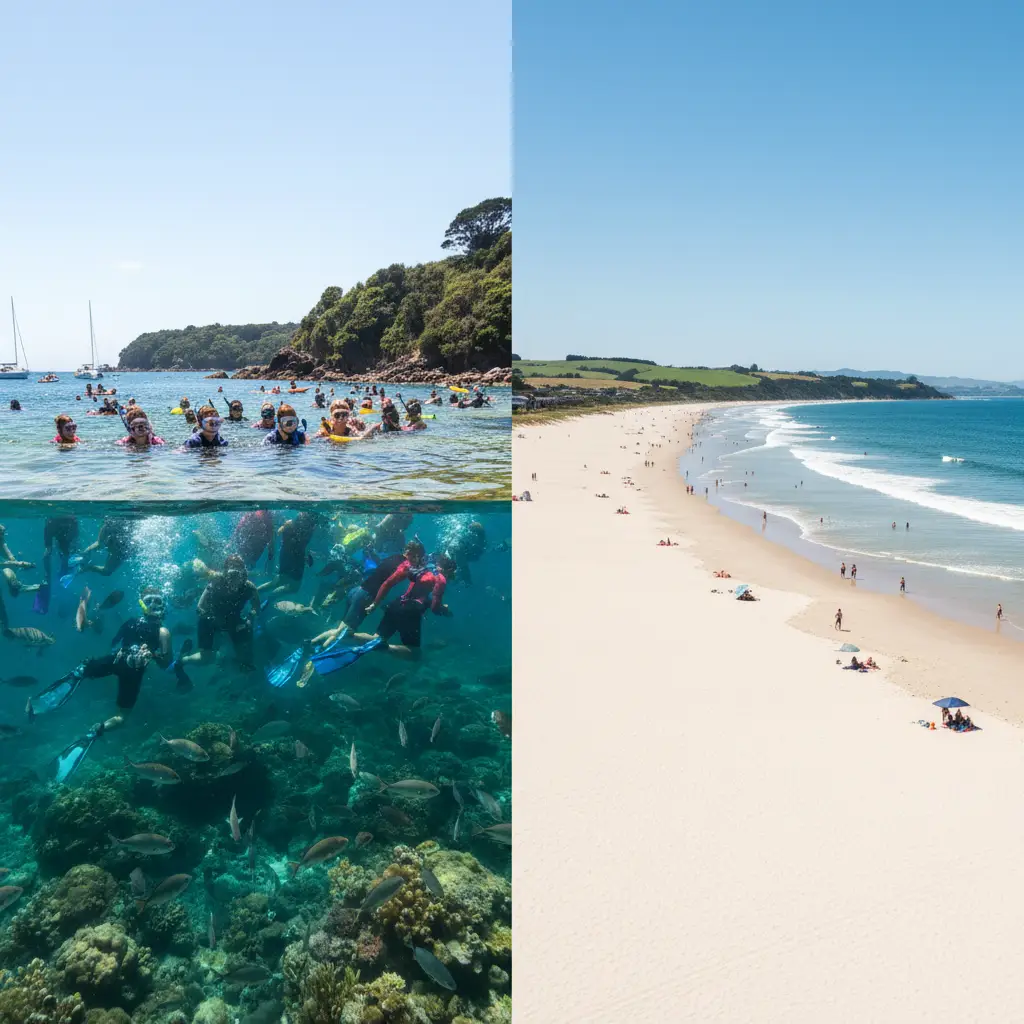
The decision ultimately comes down to the activity you prioritize. Many visitors actually do both: a morning snorkel at Goat Island followed by an afternoon of relaxing on the sand at Omaha.
Choose Omaha Beach if:
- You want to sunbathe on soft white sand.
- You have young children who want to build sandcastles and paddle in the shallows.
- You want to surf or boogie board.
- You need easy access to a cafe and flat walking surfaces.
Choose Goat Island if:
- You want to see New Zealand’s marine life up close.
- You are comfortable swimming in deep water and navigating rocks.
- You are interested in education and nature rather than relaxation.
- You have reef shoes and snorkeling gear (or plan to hire it).
People Also Ask
How far apart are Omaha Beach and Goat Island?
Omaha Beach and Goat Island are approximately 15 to 20 minutes apart by car. The drive takes you through the rolling countryside of the Matakana Coast. Because they are so close, it is very common for tourists to visit the Matakana Markets in the morning, Goat Island for a midday snorkel, and Omaha Beach for a late afternoon swim.
Do I need to pay to enter Goat Island Marine Reserve?
No, entry to the Goat Island Marine Reserve (Cape Rodney-Okakari Point) is free. It is a public conservation land managed by the Department of Conservation (DOC). However, you will need to pay for parking if you use private overflow lots during peak season, and there are costs for hiring snorkel gear or taking the Glass Bottom Boat tour.
Can you fish at Omaha Beach?
Yes, surfcasting is permitted at Omaha Beach, and it is a popular spot for fishing. However, you must be aware of the marine reserve boundaries. Goat Island is a strict no-take marine reserve; fishing is illegal there. Omaha is outside the reserve, but standard Ministry for Primary Industries (MPI) fishing regulations and size limits apply.
Are dogs allowed at Omaha Beach and Goat Island?
At Goat Island, dogs are generally not permitted on the beach or in the reserve to protect the wildlife. At Omaha Beach, dogs are allowed but with strict restrictions. During summer (usually from December to February), dogs are prohibited on the main beach between 10 AM and 5 PM. Always check the local council signs for the most current bylaws before bringing a pet.
Is there food available at Goat Island?
There are no food vendors on the beach at Goat Island. The nearest food is available at the cafe located near the top car park/Discovery Centre, or back in the township of Leigh (about a 5-10 minute drive). It is highly recommended to bring your own water and snacks if you plan to stay on the beach for a long period.
Do I need a wetsuit for Goat Island?
While not strictly mandatory, a wetsuit is highly recommended for Goat Island, even in summer. The water can be cool, and you will likely be in the water for 30-60 minutes at a time. A wetsuit also provides buoyancy, which helps with swimming, and protection against jellyfish stings or scrapes against the rocks.